






Every National Park in Vietnam: How to Choose the Right One for Your Trip
A national park in Vietnam is a government-protected natural area managed under the Ministry of Agriculture and Rural Development. Vietnam’s 33 national parks span six ecological zones — from...

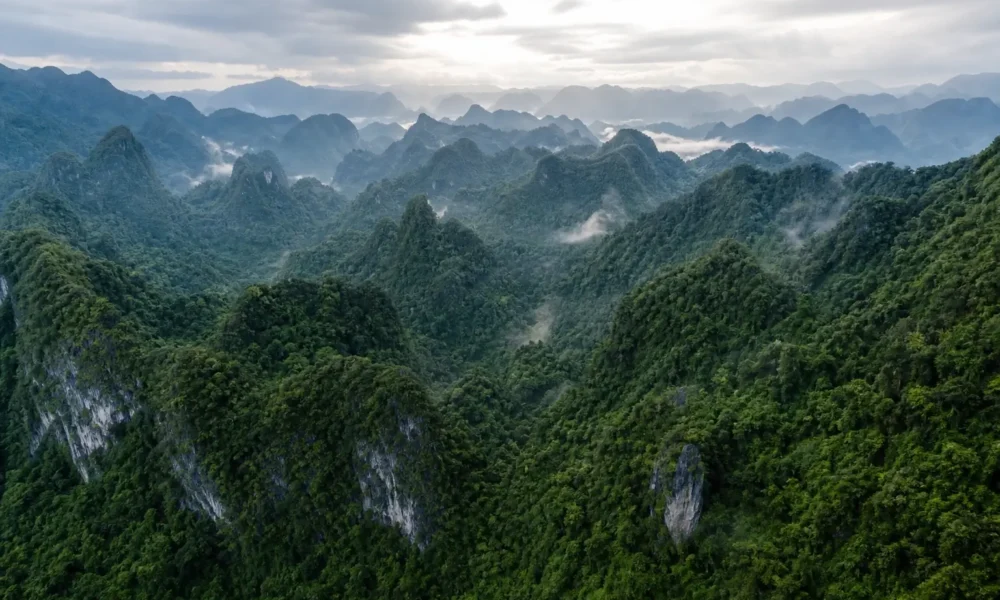
A national park in Vietnam is a government-protected natural area managed under the Ministry of Agriculture and Rural Development. Vietnam’s 33 national parks span six ecological zones — from karst limestone cave systems and subtropical forests to marine coastal reserves — collectively covering an estimated 10% of the country’s total land area.
Vietnam’s 33 National Parks: What You’re Actually Dealing With
Vietnam has 33 national parks. That number sounds manageable until you realize they stretch across 1,650 kilometers of north-to-south coastline and range from sea-level mangrove deltas to 3,143-meter alpine peaks.
The good news: you don’t need to care about all 33.
According to the Vietnam National Forest Protection and Development Fund (VNFF, 2023), these parks collectively protect over 10,000 species of flora and fauna — including more than 100 species listed as globally threatened by the IUCN. That ecological weight is real. For planning purposes, though, what matters is matching the right park to your specific trip, not cataloguing all of them.
Most independent travelers are well-served by 8–10 parks. The remainder are either remote research reserves with minimal tourist infrastructure, parks with significant access restrictions, or parks that closely overlap in character with a better-known neighbor.
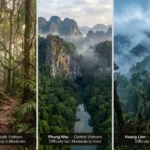
The best national park in Vietnam for most first-time visitors is Phong Nha-Ke Bang, a UNESCO World Heritage Site in central Quang Binh province. It offers the widest range of accessible cave experiences — from cheap day trips to multi-day expeditions — with solid town infrastructure in Phong Nha as a base. Plan a minimum of two full days.
Here’s how the park system breaks down before we go deeper.
Quick Comparison: Vietnam’s Top National Parks
| Park | Best For | Key Benefit | Main Limitation |
|---|---|---|---|
| Phong Nha-Ke Bang | Cave explorers, adventurers | World’s largest cave system; dual UNESCO listing | Top caves require advance permits + licensed guides only |
| Cuc Phuong | Wildlife, birdwatching | Vietnam’s oldest park; Endangered Primate Rescue Centre | 3.5 hrs from Hanoi; crowded on weekends |
| Ba Be | Boat trips, ethnic culture | Vietnam’s largest natural freshwater lake; Tay homestays | Remote; 6 hrs from Hanoi, limited independent transport |
| Hoang Lien (Sapa area) | High-altitude trekking | Access to Fansipan (Vietnam’s highest peak, 3,143m) | Weather unpredictable; crowds near Sapa town perimeter |
| Cat Tien | Wildlife, night safaris | Best primate and bird habitat in southern Vietnam | Javan rhino extinct here since 2011 — set expectations accordingly |
| Con Dao | Marine life, quiet beaches | Sea turtle nesting beaches; rare dugong population | Expensive to reach; limited budget accommodation on island |
North Vietnam’s Parks: Mountains, Minority Culture, and the Country’s Oldest Forest
Ba Be National Park sits six hours north of Hanoi, and most travelers skip it entirely. That’s their loss. Ba Be Lake — Vietnam’s largest natural freshwater lake — occupies the heart of a subtropical park riddled with bat caves, gushing waterfalls, and accessible jungle trails. The Tay ethnic minority community has run authentic homestays here for decades, the kind where you sleep in stilt houses directly above the water and share meals with the family.
Getting there independently is doable but slow. Most travelers book a two-day guided package from Hanoi through operators like Handspan Travel, typically $80–100 USD all-in including transport, accommodation, and boat excursions.
Cuc Phuong National Park was Vietnam’s first — established in 1962 under Ho Chi Minh. It’s 3.5 hours from Hanoi and houses both the Endangered Primate Rescue Centre and the Turtle Conservation Centre. Entry fee: 60,000 VND per person (approximately $2.40 USD) as of 2025. Visit on a weekday. The park fills with Vietnamese day-trippers on weekends and wildlife retreats accordingly.
April to June is the butterfly season — thousands of species migrate through the park in patterns that make even non-naturalists stop and stare.
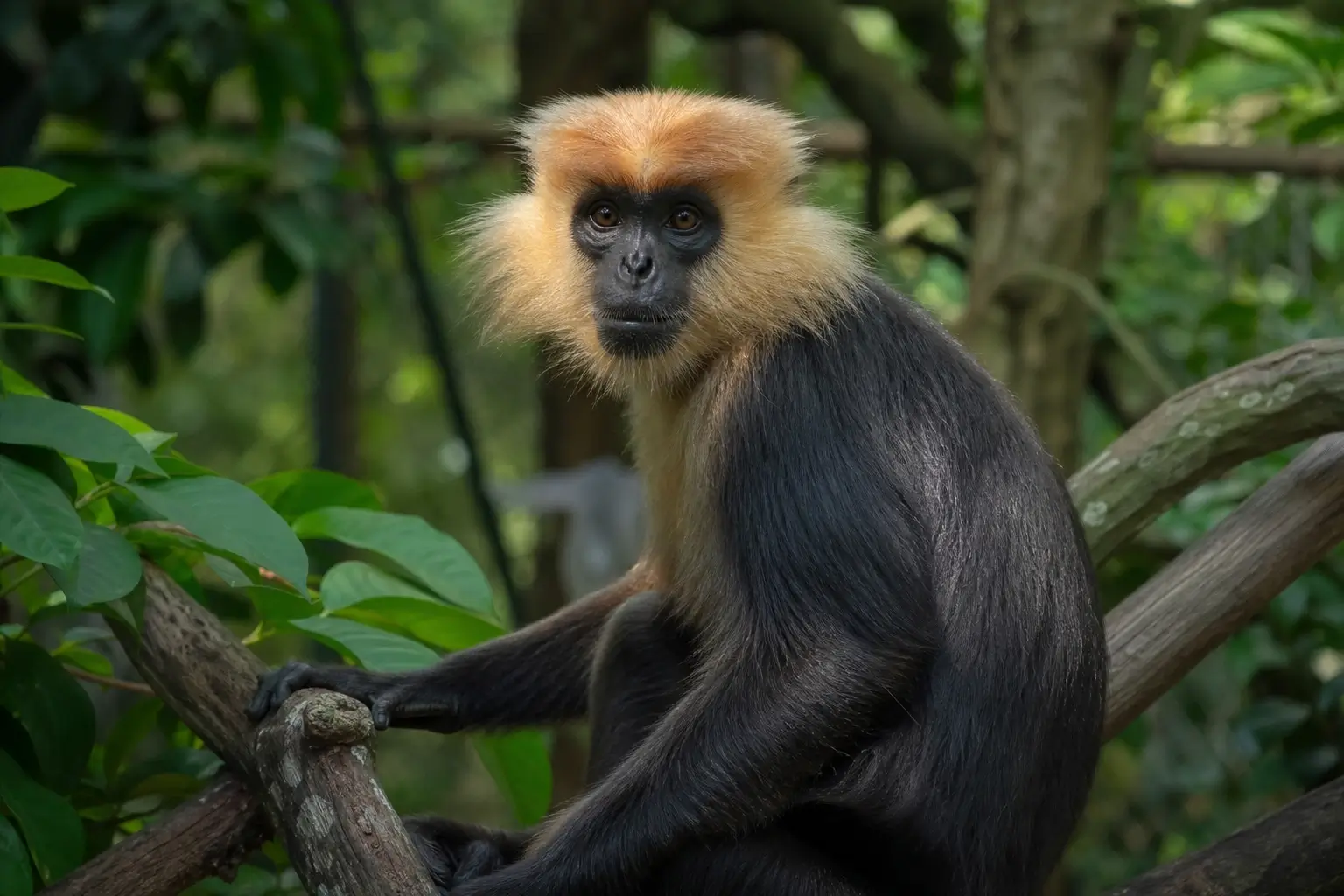
Hoang Lien National Park, centered on the Sapa region, is where you go to summit Fansipan (3,143m). The full trek takes two to three days with an accredited guide; a cable car alternative exists if you want the view without the elevation gain. The park itself protects exceptional temperate forest that most visitors walking the nearby rice terrace routes never actually enter.
Cat Ba National Park, technically part of Ha Long Bay’s island system, rewards a day or two if you’re already in the area. It’s more forest-hike-with-ocean-views than a serious wildlife destination. Worth the half-day if your schedule allows.
Vietnamese national parks in the north are best visited between May and September, when foliage peaks and trails are accessible. According to Vietnam’s General Statistics Office (2024), domestic tourism to northern highland parks increased 18% year-on-year in 2023, driven largely by Sapa-area trekking. January and February bring cold mist and reduced visibility — not ideal unless you’re targeting winter landscapes specifically.
Central Vietnam’s Parks: The Cave Capital of the World
This is the section most travel guides handle badly.
Phong Nha-Ke Bang National Park is a UNESCO World Heritage Site (listed 2003, boundary extended 2015). It occupies Quang Binh province, roughly 500 km south of Hanoi, with the town of Phong Nha serving as the gateway base. It contains Hang Son Doong — the world’s largest cave by volume.
Here’s the thing: Phong Nha is not one experience. It’s a spectrum.
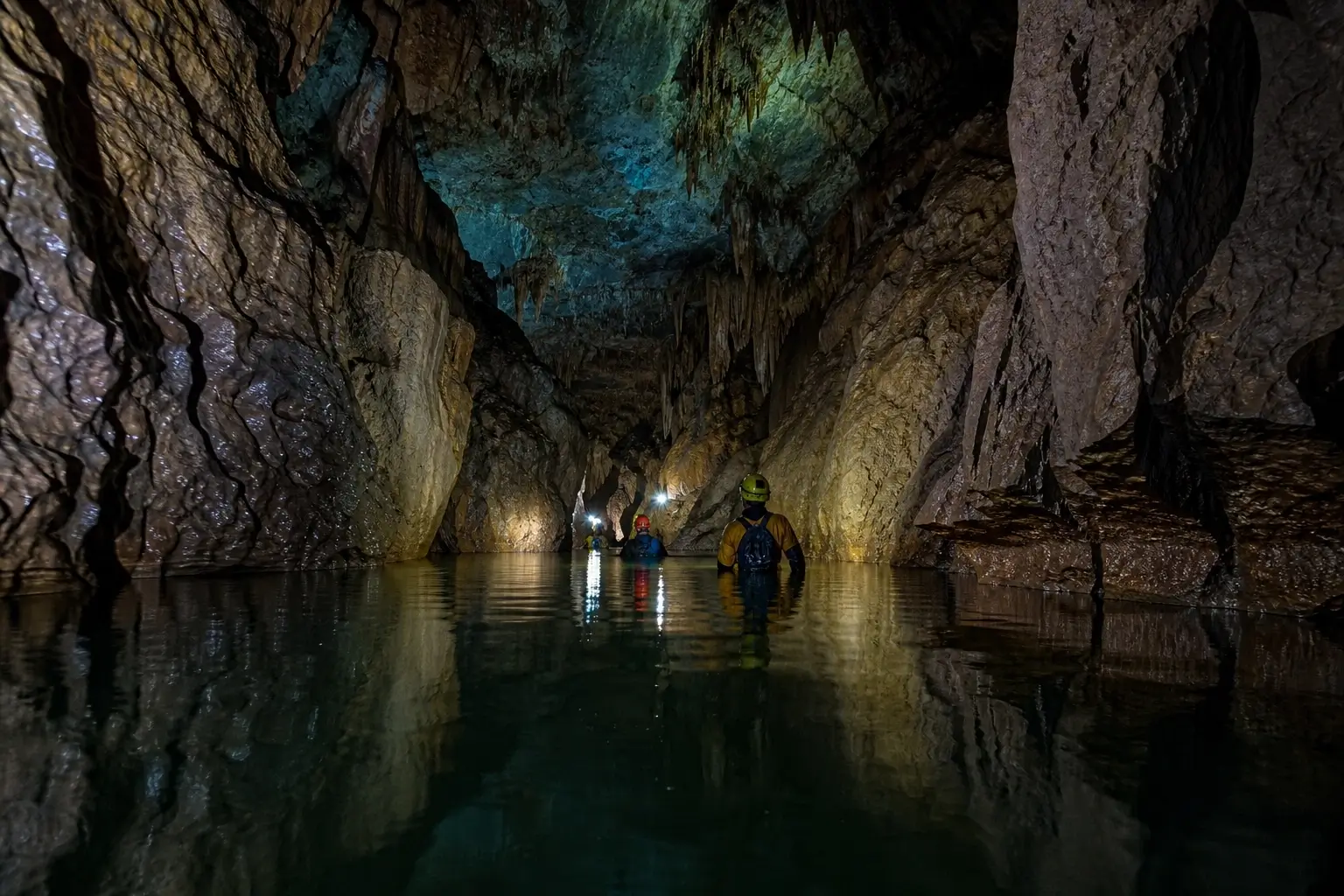
At one end sits Paradise Cave — a 30,000 VND (~$1.20 USD) ticket and a paved boardwalk inside a 31-km system with chamber heights reaching 72 meters. At the other end sits Hang Son Doong — a $3,000+ USD per-person multi-day expedition requiring 12–18 months advance booking through Oxalis Adventure, the only operator the Vietnamese government has licensed to run these tours. Tours are capped at 10 people per group, with 1,000 annual slots total.
Most travelers land somewhere between those two extremes.
How to plan a Phong Nha-Ke Bang visit:
- Book accommodation in Phong Nha town first — options fill 6–10 weeks ahead during February–August peak season.
- Decide your cave tier: Paradise Cave or Dark Cave are independent day-trip territory; Tu Lan cave system requires a permit-based group tour through licensed operators.
- Check Oxalis Adventure’s Son Doong availability 12–18 months before your trip — if you haven’t started that process, Hang En is the next-best alternative (also Oxalis-operated, 2-day format, dramatically cheaper).
- Budget a minimum of two full days; three is better.
Or maybe I should say it this way: anyone who tells you Hang Son Doong is “easy to just show up for” hasn’t tried. It’s either pre-booked a year out or it’s full.
Bach Ma National Park, near Hue, is the most systematically underrated park in Vietnam. A 45-minute drive from the city, it records over 500 bird species and sees a fraction of Phong Nha’s crowds. The rhododendron bloom runs March to April. No permits required, no prebooking necessary.
South Vietnam’s Parks: Jungles, Islands, and What Remains of the Megafauna
The south gets far less attention in national park conversations. That’s partly because the best southern parks require more logistical effort, and partly because travelers running a north-to-south itinerary often run out of time before they get there.
Cat Tien National Park is 150 km north of Ho Chi Minh City — close enough for an overnight trip, significant enough to warrant two days. It’s the most accessible major park in southern Vietnam and among the best in the country for primate and bird watching. Quick note: the Javan rhinoceros was officially declared extinct in the park in 2011. Older guidebooks still mention rhinos. They’re gone. What Cat Tien reliably delivers is night safari drives, yellow-cheeked gibbon trekking, crocodile lake boat excursions, and a slow-travel atmosphere that rewards patience over rushing.
Some travel writers argue Con Dao is overpriced relative to other Southeast Asian marine destinations. That’s a fair comparison if you’re benchmarking against Raja Ampat or the Similan Islands. Inside Vietnam specifically, though, Con Dao National Park is unmatched. Sea turtle nesting peaks May to November. Dugong sightings in the seagrass beds around the archipelago are the most reliable in the country. The real barrier is access — a 45-minute flight from HCMC (Bamboo Airways and Vietnam Airlines both serve the route) — and limited budget accommodation on the island.
Yok Don National Park near Buon Ma Thuot in the Central Highlands is Vietnam’s largest by area — over 115,000 hectares of dry dipterocarp forest. Wild elephant sightings are possible but not guaranteed. Budget two days, hire a local ranger guide who actually knows the patrol routes rather than a generic tour operator, and calibrate your expectations to the dry season (November–April).
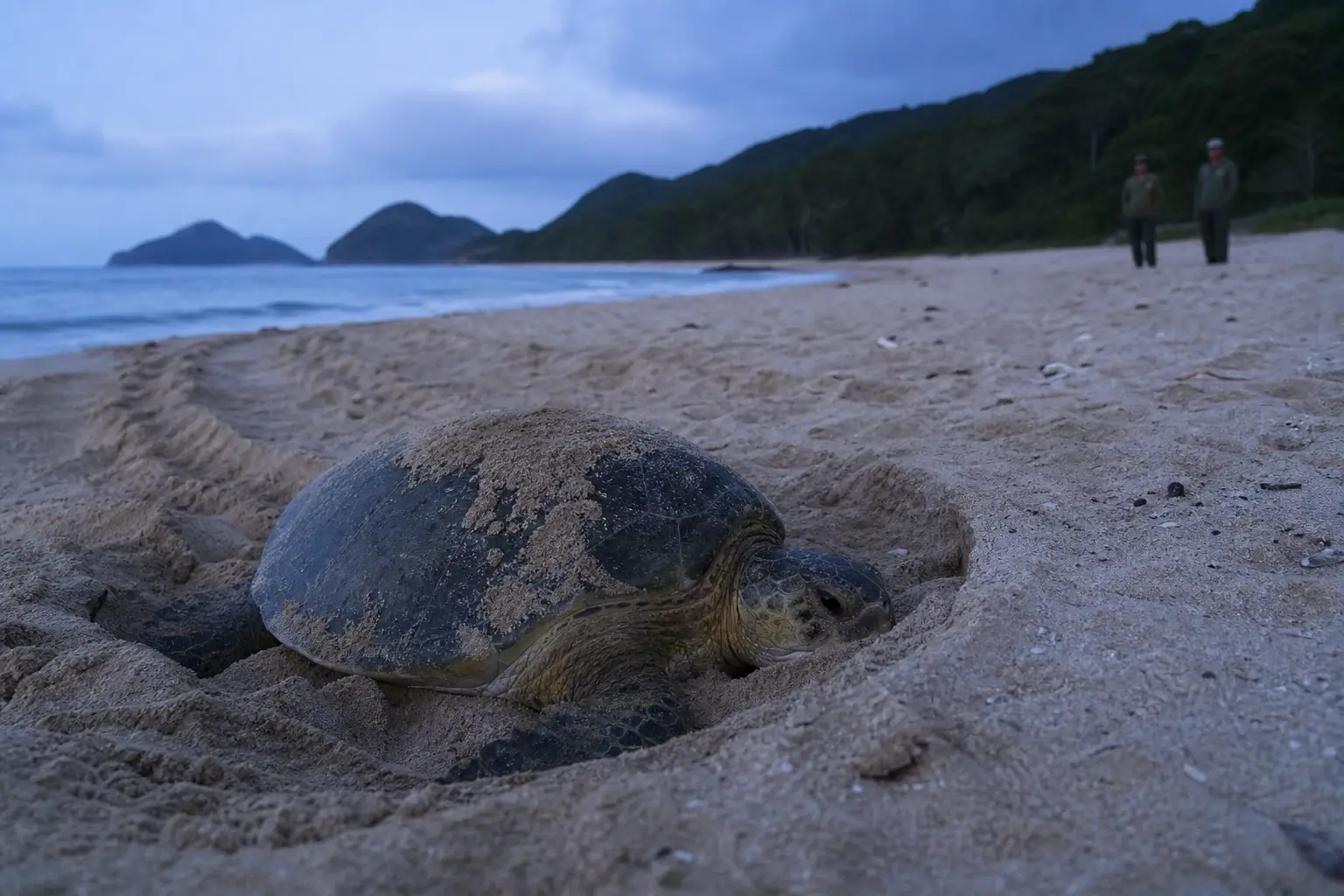
For wildlife, Cat Tien National Park is Vietnam’s strongest option in the south — home to primates, endangered birds, and accessible night safaris within driving distance of Ho Chi Minh City. For marine wildlife, Con Dao National Park offers sea turtle nesting and dugong habitat unmatched anywhere else in Vietnam, according to WWF Vietnam’s 2022 marine biodiversity assessment.
The Permit Problem Nobody Talks About
This is the gap that consistently separates useful Vietnam park guides from the ones that waste your time.
Several of Vietnam’s most spectacular experiences sit inside restricted zones requiring advance permits — and most tourist websites bury this fact or omit it entirely.
Hang Son Doong: Available exclusively through Oxalis Adventure. Approximately 1,000 slots exist per year. They routinely sell out. If you’re not actively booking 12–18 months ahead, build a backup plan around Hang En (a 2-day Oxalis expedition that reaches a different massive cave chamber — still extraordinary, far less lead time required).
Tu Lan Cave System: Requires a permit-based group tour through licensed operators, primarily Jungle Boss Tours (based in Phong Nha town). These are two- to four-day expeditions involving river swims, cave camping, and jungle trekking. Prices range from approximately $150–400 USD depending on duration. High-season slots (March–August) book out two to four months in advance.
What most guides skip is this: arriving in Phong Nha without pre-booking and assuming you’ll “figure it out on the ground” typically ends with doing Paradise Cave twice and heading south feeling underwhelmed. The park rewards planning far more than spontaneity.
I’ve seen conflicting information across travel forums about whether independent cave access is possible in restricted zones. Some sources claim local guides can arrange unofficial access. My read: the enforcement has tightened significantly since 2022, and the risk isn’t worth it — both for safety reasons inside unlit cave systems and for the legal exposure if caught in a restricted zone without permits.
How to Choose the Right Vietnam National Park for Your Trip
Phong Nha-Ke Bang vs. Cuc Phuong: Phong Nha-Ke Bang is better suited for cave-focused travelers and adventurers because it offers the widest cave spectrum in the world — from budget day trips to multi-day expeditions. Cuc Phuong works better for wildlife and birdwatching, especially for travelers based in Hanoi with limited time. The key difference is cave access vs. biodiversity focus.
By time available:
- 1 day: Cuc Phuong (from Hanoi) or Cat Tien (from HCMC)
- 2–3 days: Phong Nha (town + 2–3 cave options) or Ba Be (lake + forest)
- 4+ days: Phong Nha for cave depth, or Con Dao for marine immersion
By traveler type:
- Wildlife photographer: Cat Tien (mammals/birds) or Bach Ma (birds specifically)
- Cave explorer: Phong Nha-Ke Bang — no contest
- Family with young children: Cuc Phuong (primate centre, short trails, easy access)
- Trekker/mountaineer: Hoang Lien via Sapa (Fansipan, multi-day routes)
- Diver or snorkeler: Con Dao (coral reefs, sea turtles) or Phu Quoc (more developed, more crowded)
- Solo slow traveler: Ba Be (authentic, un-touristy, genuinely beautiful)
Look, if you’re on a 10-day Vietnam trip hitting Hanoi, Hue, Hoi An, and HCMC, you’ve got two realistic national park windows: one day at Cuc Phuong on the way south from Hanoi, and one overnight at Cat Tien before or after HCMC. That’s a real itinerary, not a theoretical one.
Best Time to Visit Vietnam’s National Parks by Region
I’ve seen conflicting data across travel sources on this — some recommend dry season universally, others treat Vietnam as a single climate zone. Neither is accurate. Vietnam’s weather moves south as the year progresses, and “dry season” means entirely different things in different regions.
- North Vietnam parks (Ba Be, Hoang Lien/Sapa, Cat Ba, Cuc Phuong): May–September for peak foliage and trail access; avoid January–February (cold, persistent mist, reduced wildlife activity)
- Central Vietnam parks (Phong Nha-Ke Bang, Bach Ma): February–August is optimal; September–November brings typhoon risk to Quang Binh and Thua Thien-Hue provinces
- South Vietnam parks (Cat Tien, Con Dao, Yok Don): November–April during dry season; May–October is wet but Cat Tien remains fully operational throughout
FAQs
What’s the best national park in Vietnam for first-time visitors?
Phong Nha-Ke Bang. It offers cave experiences at every budget and ability level, has strong town infrastructure in Phong Nha, and rewards both day visitors and multi-day travelers. Plan at least two full days.
How do I visit Hang Son Doong cave in Vietnam?
Book directly through Oxalis Adventure — they hold the sole government license. Expect $3,000+ USD per person for a 5–6 day expedition, and begin the booking process 12–18 months before your travel dates. There are roughly 1,000 slots available per year.
Should I visit Cuc Phuong or Cat Tien for wildlife?
Cuc Phuong is better for primates and is the right call if you’re based in Hanoi with limited time. Cat Tien wins for birds, night safaris, and atmosphere — and makes more logistical sense from Ho Chi Minh City.
Why does Vietnam have 33 national parks but most guides only list 7 or 8?
Many of Vietnam’s 33 parks have minimal tourist infrastructure, significant access restrictions, or closely overlap in character with a better-known neighboring park. For practical trip planning, 8–10 parks cover the full range of what independent travelers can realistically access.
When should I visit Vietnam’s national parks?
It depends on region, not country. Northern parks are best May–September. Central parks like Phong Nha peak February–August. Southern parks are most accessible November–April during dry season. No single month works equally well across all three zones.


No Comment! Be the first one.