






Vietnam in 2025: The Honest Answer to Whether It’s Worth the Trip
Yes, Vietnam is a good place to visit. But that answer needs real context — and the context is exactly what most guides skip. You’ve probably already read two kinds of articles about this. The...

Yes, Vietnam is a good place to visit. But that answer needs real context — and the context is exactly what most guides skip.
You’ve probably already read two kinds of articles about this. The first is the polished tourism board version: stunning photos, zero friction, endless superlatives. The second is a vivid horror story from someone who had a bad trip — possibly over a decade ago. Neither version is actually useful for deciding whether to book flights this year.
This guide gives you something different: a straight, updated assessment of what Vietnam is like in 2025, who it genuinely suits, what the friction points are, and how to navigate them. Read it once, then make your call.
What Vietnam Is Actually Like for First-Time Visitors
Vietnam as a travel destination is a 1,650-km-long country in Southeast Asia spanning dense urban cities, UNESCO-listed bays, ancient trading towns, French colonial architecture, and terraced highland landscapes. For most visitors, it delivers a high-reward, moderate-effort travel experience with one of the lowest daily costs in the region.
According to the General Statistics Office of Vietnam, the country recorded 21.2 million international arrivals in 2025 — a 20.4% year-on-year surge, making it the fastest-growing tourist destination in Southeast Asia (The Diplomat, December 2025). That number matters not because big equals good, but because it confirms that the infrastructure, traveler communities, and tourism systems built around first-timers are now mature and well-tested.
Vietnam is a good place to visit for travelers who want cultural depth, strong value for money, and geographic variety without paying premium prices. According to the General Statistics Office of Vietnam, international arrivals hit a record 21.2 million in 2025. Most visitors find the combination of street food, history, and scenery worth the slightly steeper learning curve compared to more tourist-polished destinations.
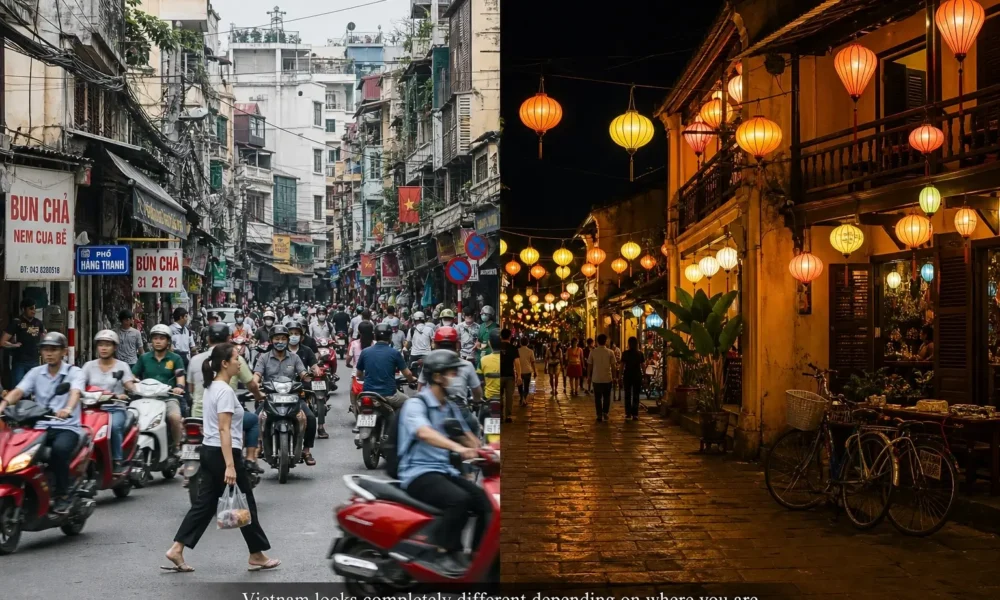
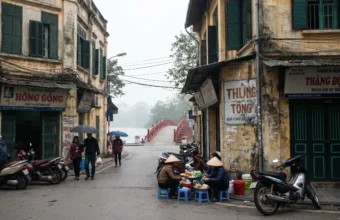
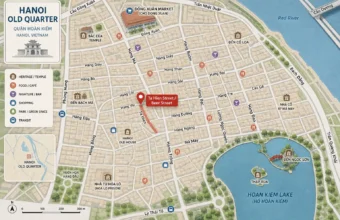
What Vietnam is actually like depends heavily on where you go. Hanoi is dense, historic, chaotic, and endlessly interesting. Hoi An is walkable, romantically lit, and slower-paced. Ho Chi Minh City is fully urban and relentless. The country spans 1,650 km from north to south — which means first-timers who try to “do all of Vietnam” in two weeks often end up underwhelmed by their own pace, not by the country itself.
What most guides skip: The traveler who leaves Vietnam disappointed almost always tried to cover too much ground too fast, not because Vietnam failed them.
Why Travelers Keep Choosing Vietnam
The food. Start there.
Vietnamese cuisine isn’t just good — it’s structurally different from what most Western travelers have tried in Vietnamese restaurants back home. Pho at 6am from a plastic stool. Banh mi from a cart that’s been in the same spot for thirty years. Bun cha in Hanoi’s Old Quarter. Travelers who’ve been to Thailand, Bali, and Vietnam consistently rank Vietnamese street food as the most memorable of the three — not because it’s flashier, but because it’s more embedded in daily life and harder to replicate anywhere else.
The strongest reasons to visit Vietnam include its street food culture, exceptional value for money, and a geographic range that few countries its size can match. A comfortable mid-range daily budget runs $40–70 USD, covering accommodation, food, and local transport. According to multiple traveler surveys and reviews on platforms like TripAdvisor and Google, food quality and overall affordability are consistently cited as Vietnam’s top two pull factors among international visitors.
Cost is the third reason — and it’s not just “cheap.” It’s genuinely valuable. A private room at a solid mid-range guesthouse in Hoi An runs $25–45/night. A full local meal costs $2–8. A reputable half-day Ha Long Bay boat tour booked through Klook or a verified operator runs $40–80 per person. The dong goes further here than almost anywhere else in the region — without the “budget destination” trade-off in quality you might expect.
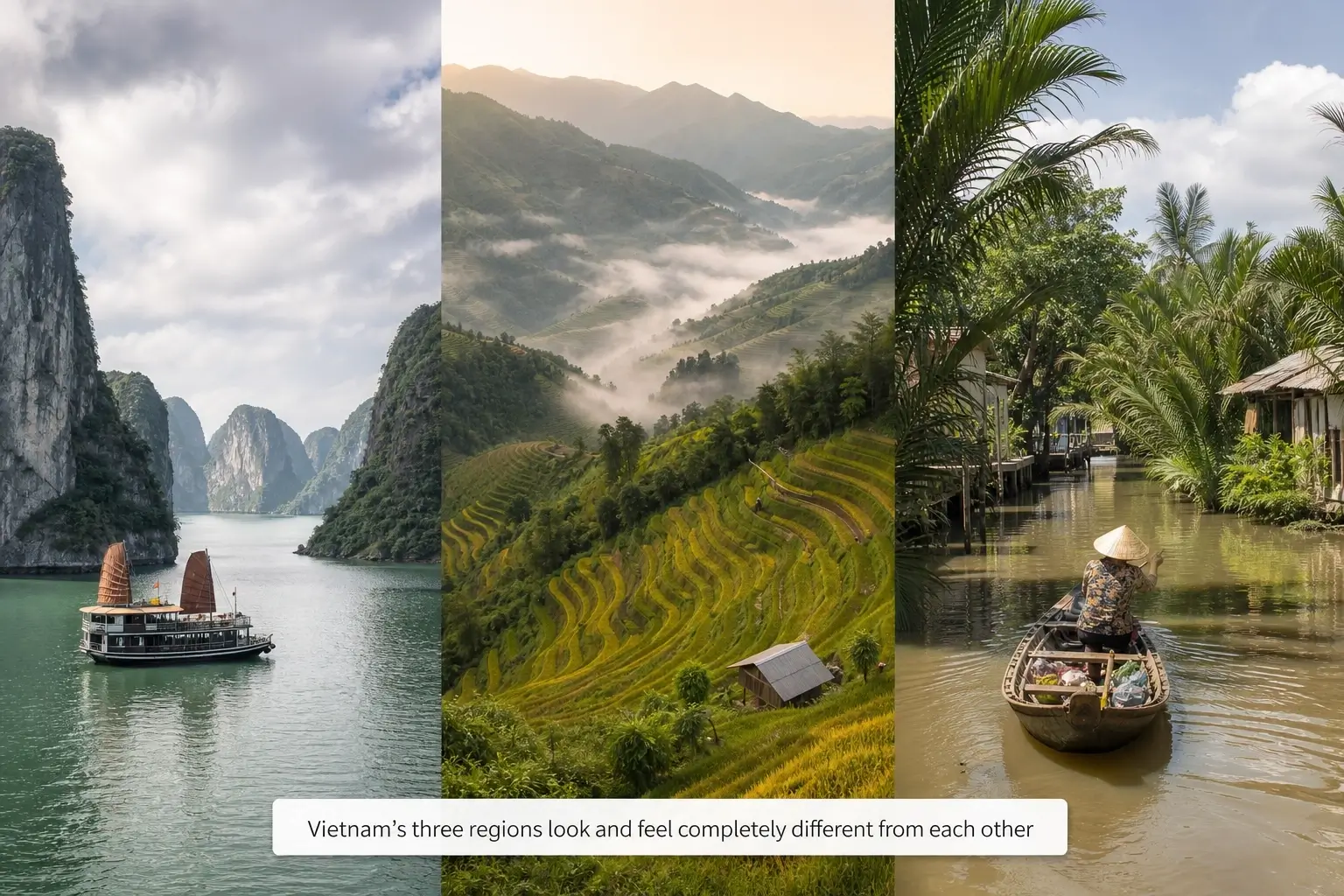
The geographic variety is the part that surprises most people. Ha Long Bay is the obvious anchor. Sapa’s rice terraces in the north look nothing like them. The Mekong Delta’s waterways in the south look nothing like Sapa. You can spend three weeks in Vietnam and feel like you’ve visited three different countries.
The Parts Nobody Puts in the Brochure
Here’s the thing: Vietnam has genuine friction points, and pretending otherwise sets travelers up to be blindsided.
Traffic is the most immediately confronting thing for most first-timers. Hanoi and Ho Chi Minh City have motorbike-dense streets where traffic signals function more as suggestions than rules. Crossing the road requires a specific technique — walk slowly and steadily, don’t sprint, trust that the flow will move around you. It sounds absurd. It works. But it takes 48 hours to stop being terrifying, and that adjustment window catches some travelers off-guard.
The language barrier is real in rural areas and smaller markets, much less so in tourist-heavy zones. Most guesthouses and tour operators in Hoi An, Hanoi’s Old Quarter, or Da Nang’s beach strip will have confident English-speaking staff. Off that path — especially in the central highlands or the rural north — patience matters more than any phrasebook.
Or maybe I should say it this way: Vietnam’s friction points are learnable, not structural. They require a 48-hour adjustment, not ongoing tolerance.
Heat and humidity in the south from May to October can genuinely affect how much you enjoy being outdoors, especially for travelers not acclimated to tropical climates. This is where the best-time-to-visit question has a real practical answer, not just a seasonal preference: October to April works well for central and northern Vietnam; March to August suits the south better. No single window covers the entire country simultaneously — the weather pattern runs north to south.
Vietnam vs. Thailand — Which One Should You Actually Book?
Vietnam vs. Thailand for first-time travelers: Vietnam is better suited for travelers who prioritize food culture, lower costs, and diverse geography within a single country. Thailand works better when you want more polished tourist infrastructure, easier island-hopping, and a softer initial learning curve. The key difference is friction tolerance — Vietnam rewards it, Thailand largely removes it.
Quick Comparison
| Option | Best For | Key Benefit | Limitation |
|---|---|---|---|
| Vietnam | Budget travelers, food lovers, culture seekers | Lowest daily costs in SEA; extraordinary geographic variety | Higher friction (traffic, language, navigation) for first-timers |
| Thailand | Comfort-seekers, beach-focused travelers | More developed tourist infrastructure; easier transport connections | Higher cost; major sites significantly more crowded |
| Bali (Indonesia) | Short-trip, nature + spirituality blend | Compact, walkable, excellent for first-time solo travelers | Limited geographic variety vs. a full-country trip |
| Vietnam + Cambodia | History-focused travelers with 3+ weeks | Angkor Wat proximity adds a major UNESCO landmark efficiently | Requires more planning and logistical flexibility |
Some experts argue Thailand is the safer “first Southeast Asia” choice because the tourist infrastructure is more established. That’s valid if frictionless comfort is the priority. But if you’ve already done Thailand — or if you’re willing to lean into the controlled chaos — Vietnam offers a richer experience for the same or lower spend. That’s not a universally popular opinion, but the 21.2 million arrivals in 2025 suggest the market is voting with its flights.
Safety, Scams, and the Reputation Problem
Vietnam has a scam reputation. It’s not entirely undeserved — but it is dramatically overstated for 2025.
The most-read negative take on Vietnam is Nomadic Matt’s “Why I’ll Never Return to Vietnam” — written about a 2007 experience. The author himself has since updated the post to say the country has changed significantly and that travelers should absolutely go. A lot of the fear still circulating in search results is anchored to pre-2010 conditions that no longer accurately describe the country.
I’ve seen conflicting data on this — some traveler surveys suggest petty tourist scams have increased in higher-footfall areas post-2022 reopening, while others show Vietnam’s overall hospitality reputation has substantially improved. My read: the scam landscape is real and specific, not pervasive. And it’s entirely navigable with preparation.
To avoid the most common tourist scams in Vietnam, follow these steps:
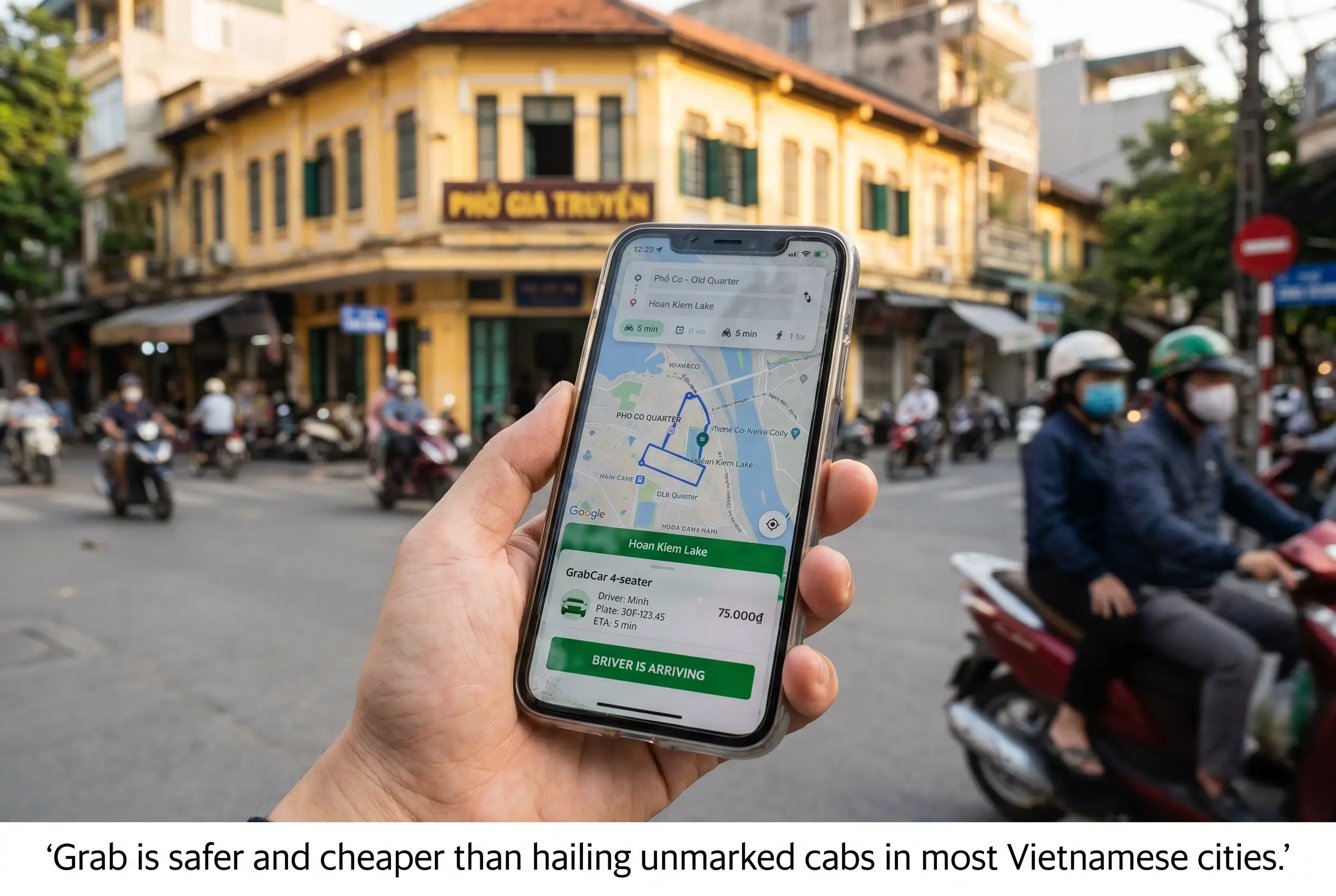
- Book taxis through Grab — Vietnam’s dominant rideshare app — to avoid unmarked or meter-rigged cabs
- Agree on prices before sitting down at any unmarked street stall or market
- Use Klook or direct hotel bookings for tours — avoid unsolicited “travel agency” booths near major sights
- Change currency at licensed exchange counters or bank ATMs, not street changers
- Cross-check the menu posted outside a restaurant with the one handed to you inside
Look, if you’ve already navigated Bangkok or Bali independently, you know the category of scam to watch for. Vietnam’s version isn’t new or exotic. It’s the same price-ambiguity dynamic that exists anywhere tourist footfall is high. Preparation eliminates the vast majority of the risk before you even land.
The 90-Day E-Visa: What It Changes for Your Trip Planning
In 2023, Vietnam expanded its e-visa to allow 90-day stays (single or multiple entry) for most nationalities — replacing the older 30-day limit that frustrated longer-stay travelers for years. This is one of the most under-reported logistics upgrades in recent Vietnam travel, and it meaningfully changes what kinds of trips are now possible.
Practically, it means:
- You’re no longer racing a two-week clock on a complex itinerary
- A slow-travel approach — two weeks north, a border hop to Laos or Cambodia, then re-entry — is now significantly more viable without visa runs
- The visa-on-arrival process still exists, but the e-visa is faster, cheaper, and confirmed before you fly
Quick note: Apply through Vietnam’s official e-visa portal at evisa.xuatnhapcanh.gov.vn. Processing typically takes three business days and costs $25 USD as of 2025. Always use the official government portal directly — third-party agencies charge $50–80 for an identical service with no additional value.
For accommodation booking, Agoda consistently offers the strongest inventory and pricing for Vietnam specifically — particularly for smaller guesthouses in Hoi An and Da Nang that don’t always appear on larger global platforms. Sinh Tourist (also listed as The Sinh Tourist) remains Vietnam’s most established domestic open-bus and tour operator for multi-city overland routes, particularly the classic Hanoi–Hoi An–Ho Chi Minh City corridor.
Quick Answers Before You Book
What’s the best time of year to visit Vietnam?
October to April for central and northern Vietnam; March to August for the south. No single window covers the whole country at once — Vietnam’s weather runs on a regional north-to-south pattern, not a national season.
How much does a trip to Vietnam cost per day?
Budget travelers typically spend $30–45/day. Mid-range runs $60–100/day including accommodation, food, local transport, and a guided tour or two. Vietnam consistently ranks among the best-value destinations in Southeast Asia by cost-per-experience.
Should I visit Vietnam or Thailand first?
If this is your first time in Southeast Asia and you want the gentler learning curve, Thailand is the easier entry point. If you want more cultural complexity, lower costs, and don’t mind adjusting to friction for the first couple of days, Vietnam is the stronger choice — and increasingly popular as a first SEA destination.
Why do some travelers say Vietnam isn’t worth visiting?
Most strongly negative reviews trace to experiences from 2007–2015, when tourist infrastructure and scam oversight were significantly weaker. Vietnam’s 2025 record of 21.2 million arrivals strongly suggests the destination has transformed since those accounts were written.
When should I book Vietnam tours in advance?
Ha Long Bay cruises and Sapa trekking tours should be reserved 2–4 weeks ahead, especially October through February during peak season. City-based day trips can usually be booked 24–48 hours out through Klook or via your guesthouse front desk.
Vietnam in 2025 is one of the best-value decisions a first-time traveler can make in Southeast Asia. It’s not frictionless — it’s not supposed to be. The traffic will startle you, the heat’ll slow you down, and you’ll probably overpay for something in the first 48 hours. But the food, the geography, the cost, and the sheer range of what’s possible in a single trip make it hard to argue against.
The outdated reputation is exactly that: outdated. The 21.2 million people who visited in 2025 didn’t go by accident.


No Comment! Be the first one.