




12 Indoor Plants for Beginners That Are Nearly Impossible to Kill
If you’ve ever brought home a plant with the best intentions and watched it turn into a crispy stick within a month, you’re not alone. Almost everyone with a house full of healthy...

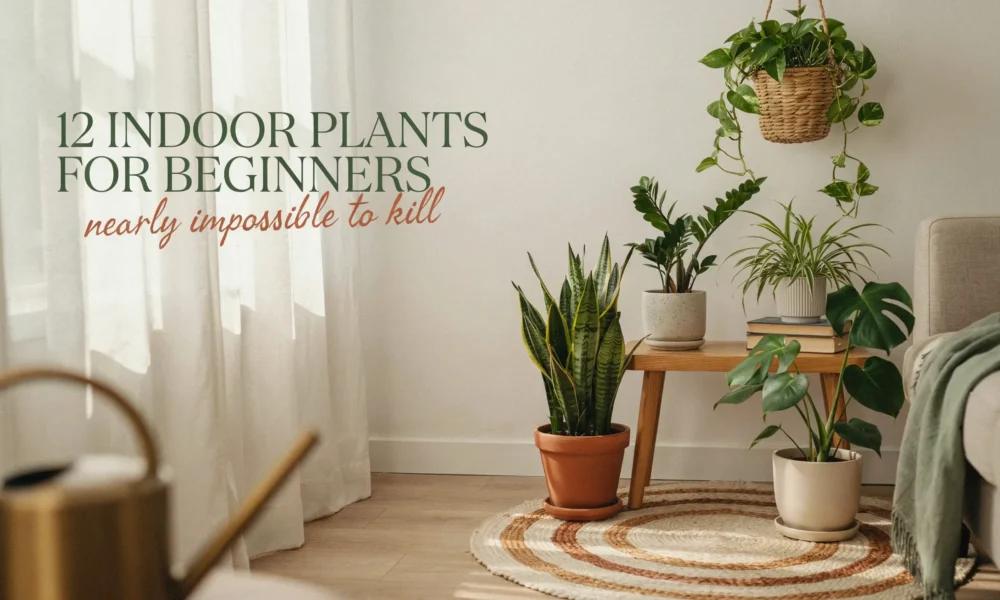
If you’ve ever brought home a plant with the best intentions and watched it turn into a crispy stick within a month, you’re not alone. Almost everyone with a house full of healthy greenery started out killing something first.
Here’s the part nobody tells you: most beginner plant deaths aren’t really about a lack of a green thumb. They happen because the wrong plant ended up in the wrong spot, or because watering happened on a schedule instead of when the plant actually needed it.
This guide covers how to pick a plant that fits your actual home (not just your Pinterest board), the easiest indoor plants for beginners to start with, and the small mistakes that quietly kill most new plant collections. By the end, you’ll have a shortlist of plants that forgive almost everything while you figure out your rhythm.
How to Pick a Beginner Plant You Won’t Kill
Before you fall for the prettiest plant at the store, take five minutes to actually look at your space. This step alone prevents most beginner plant deaths.
Check your light first. Stand where the plant will live around midday and hold your hand about a foot above a surface near the window.
- A crisp, sharp-edged shadow means bright light. Great for succulents, aloe, and rubber plants.
- A soft, blurry shadow means medium or indirect light. This is where most beginner-friendly plants are happiest.
- Barely any shadow at all means low light. Stick to snake plants, ZZ plants, cast iron plants, and pothos.
Think about direction, too. South-facing windows get the strongest light most of the day. East-facing windows give gentle morning sun, which most houseplants love. West-facing windows get hot, intense afternoon light that can scorch delicate leaves. North-facing windows are the dimmest and best paired with true low-light plants.
Be honest about your habits. If you travel often or tend to forget things that aren’t right in front of you, choose a plant that tolerates missed waterings rather than one that wilts dramatically after two dry days. If you have cats, dogs, or curious toddlers, factor that in before you fall in love with something toxic (more on that below).
Renting or don’t want to drill holes? Plant stands, ladder shelves, and tension rod curtain rods (perfect for hanging trailing plants from a window frame) let you build a full plant corner without touching the walls.
12 Indoor Plants for Beginners That Are Nearly Impossible to Kill
These are the plants that forgive uneven watering, low light, and the general chaos of learning as you go. Each one below includes what it actually needs and whether it’s safe to keep around pets.
1. Golden Pothos
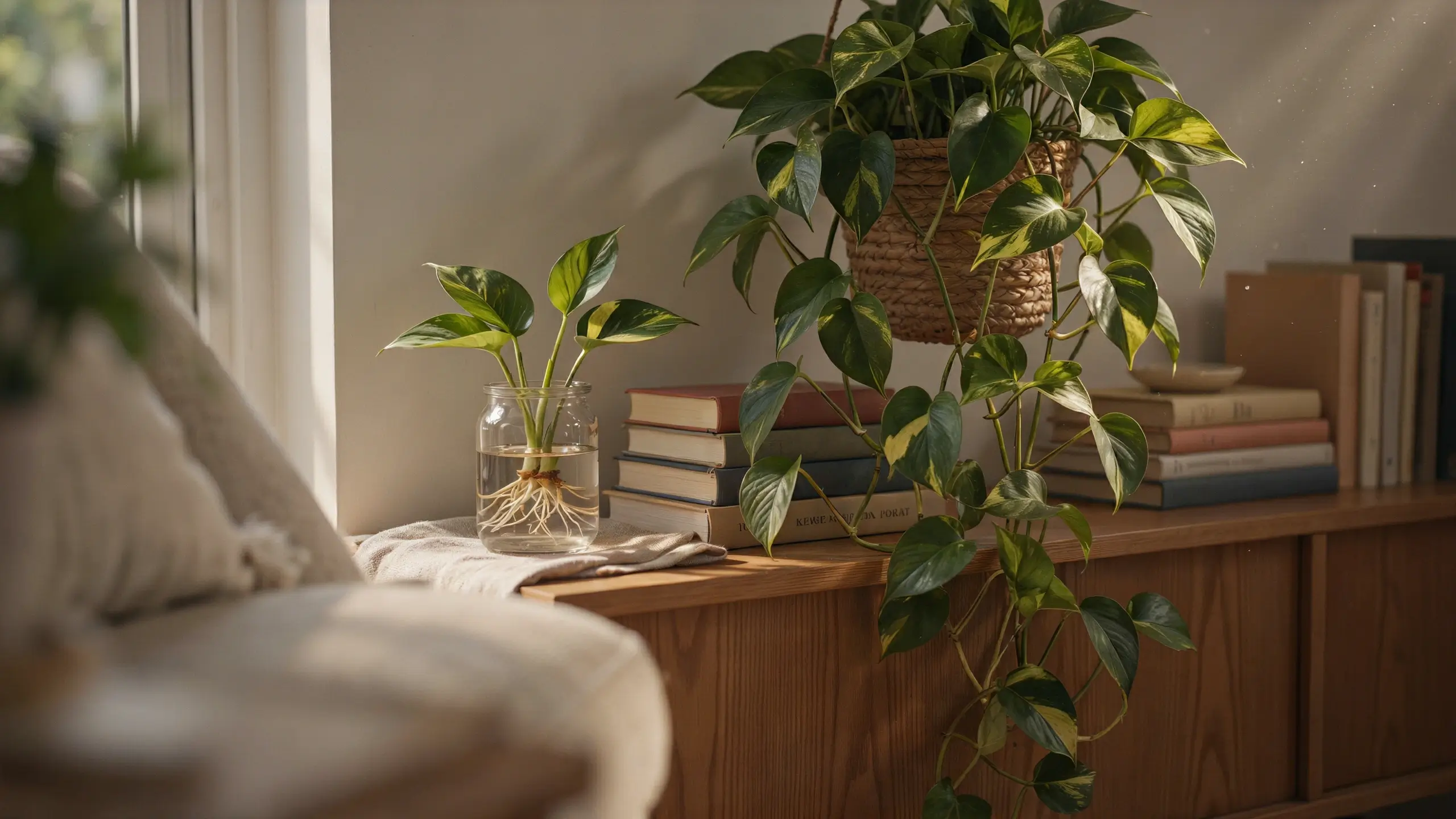
Light: Low to bright indirect · Water: Every 1 to 2 weeks, when the top two inches of soil are dry · Pet safe: No, mildly toxic to cats and dogs
Pothos is the plant most plant parents cut their teeth on, and for good reason. It tolerates missed waterings, low light corners, and dry apartment air without much complaint. The trailing vines look beautiful spilling over a bookshelf or climbing a small trellis, and any cutting you snip off will root in a jar of water on your kitchen windowsill. If your pets like to chew on leaves, hang it high or skip it for now.
2. Snake Plant
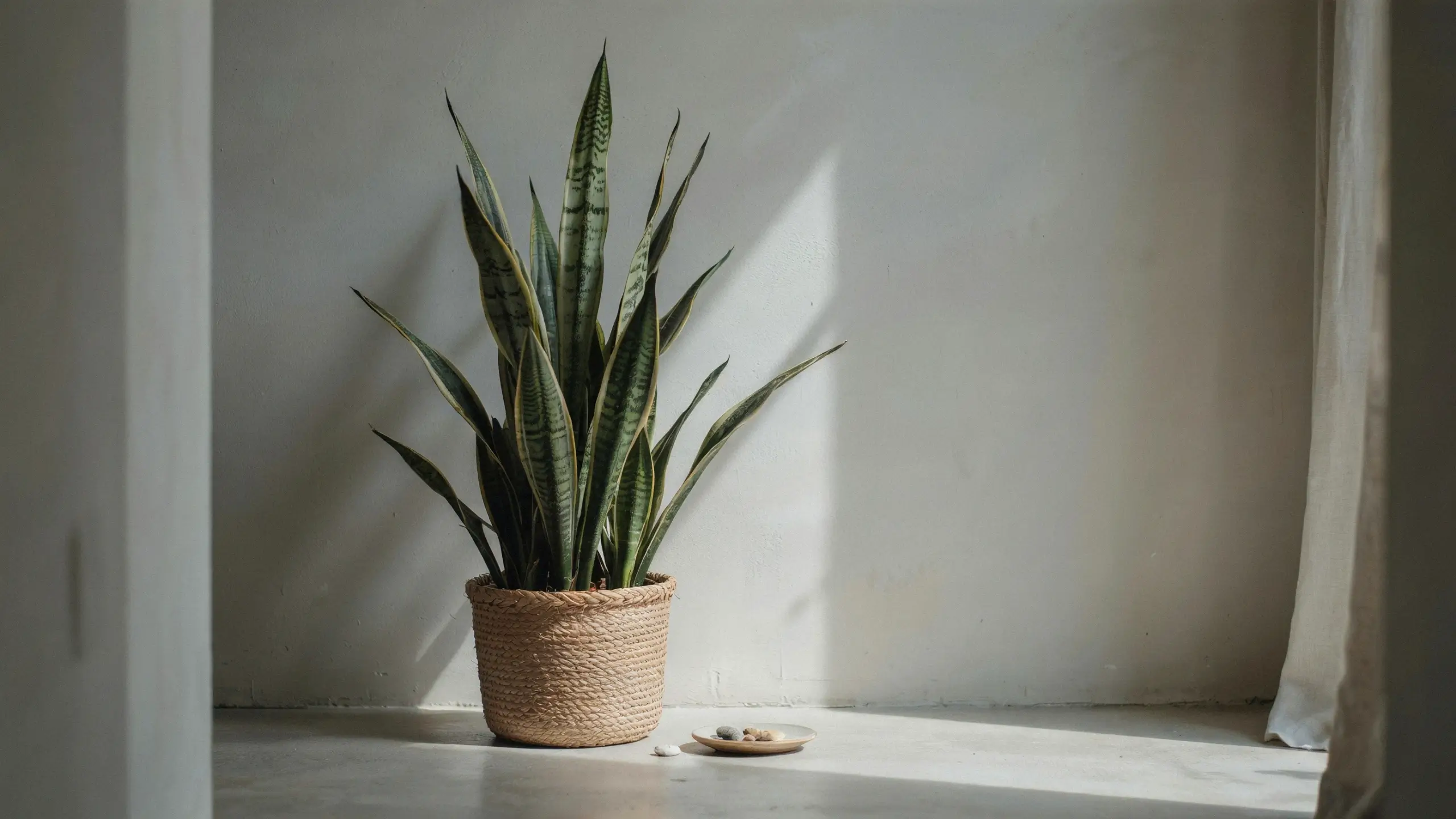
Light: Low to bright indirect · Water: Every 2 to 4 weeks, less in winter · Pet safe: Mildly toxic if chewed in large amounts
Snake plant (also sold as Sansevieria or Dracaena trifasciata) might be the single hardest houseplant to kill through neglect. Its thick, upright leaves store water, so it actually prefers you forget about it for a while rather than water too often. It thrives in corners with almost no natural light, which makes it a favorite for dorm rooms, bathrooms, and offices. The structural, architectural shape also photographs beautifully next to a woven basket planter.
3. ZZ Plant
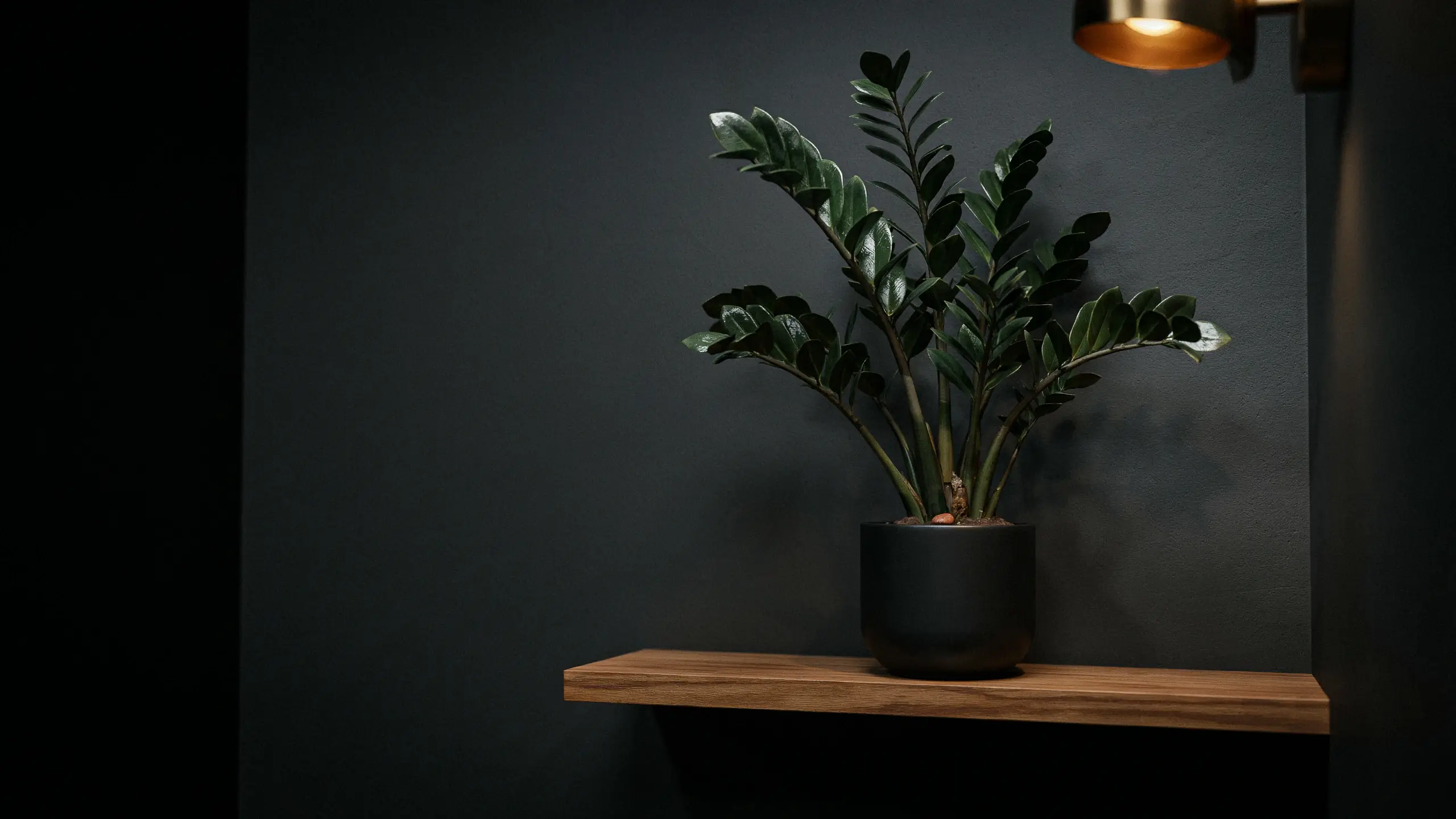
Light: Low to bright indirect · Water: Every 2 to 3 weeks · Pet safe: No, toxic if ingested
The ZZ plant (Zamioculcas zamiifolia) has glossy, dark green leaves that almost look artificial, and it thrives on neglect. It grows from thick underground rhizomes that store water and nutrients, so missing a watering (or three) barely fazes it. It’s one of the few plants that genuinely does well in a windowless hallway or a dim office corner. Keep it away from pets that like to nibble, since the sap can irritate skin and mouths.
4. Spider Plant
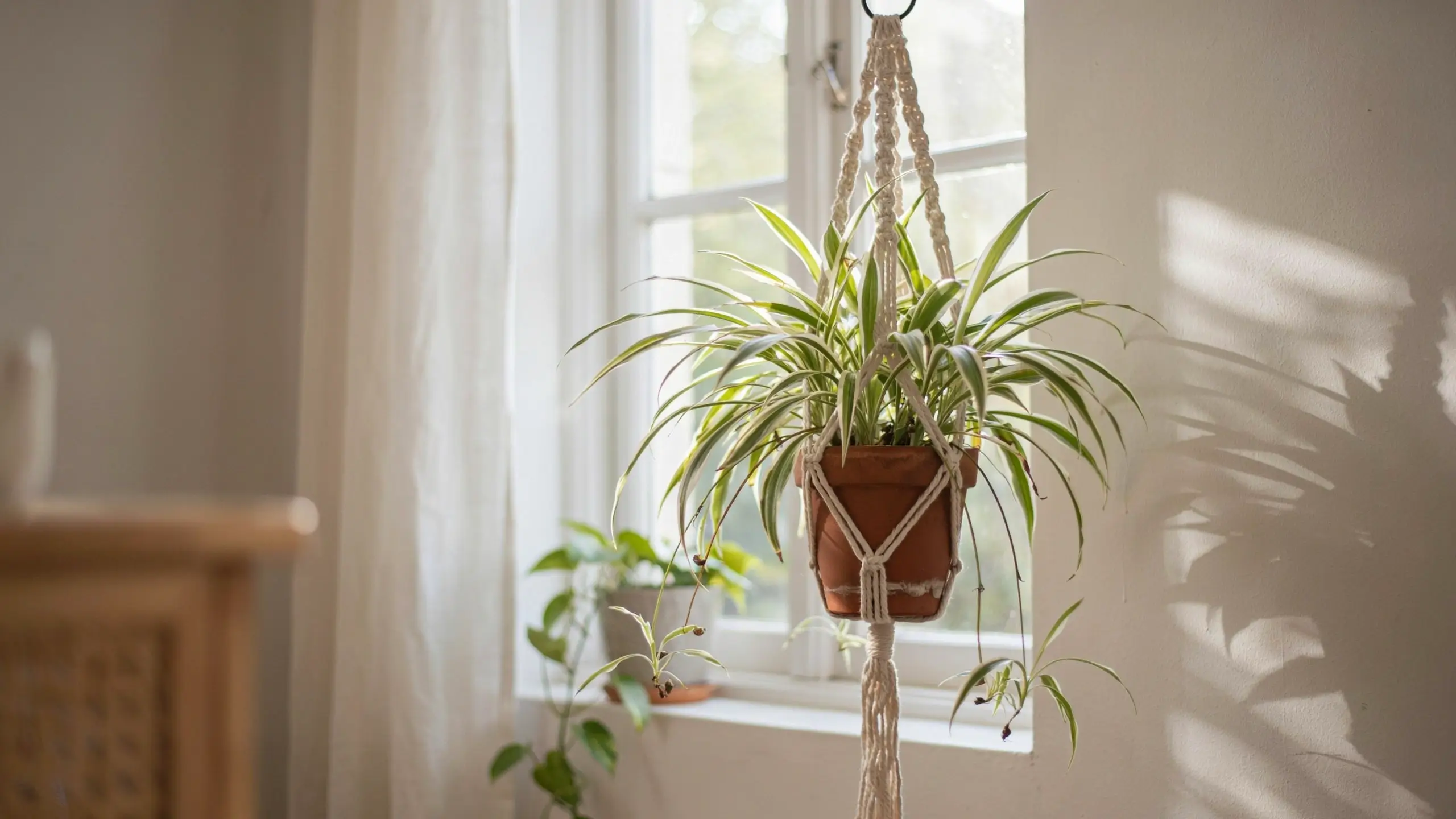
Light: Bright indirect, tolerates medium light · Water: Weekly, letting soil dry slightly between waterings · Pet safe: Generally considered non-toxic and safe around cats and dogs
Spider plants are a genuinely great starter plant if you share your home with animals. They grow fast, tolerate a wide range of light, and reward you with baby “pups” dangling off long stems that you can snip and root in water for free plants. Hung in a macrame holder near a bright window, the cascading striped leaves make one of the most save-worthy plant photos on Pinterest.
5. Heartleaf Philodendron
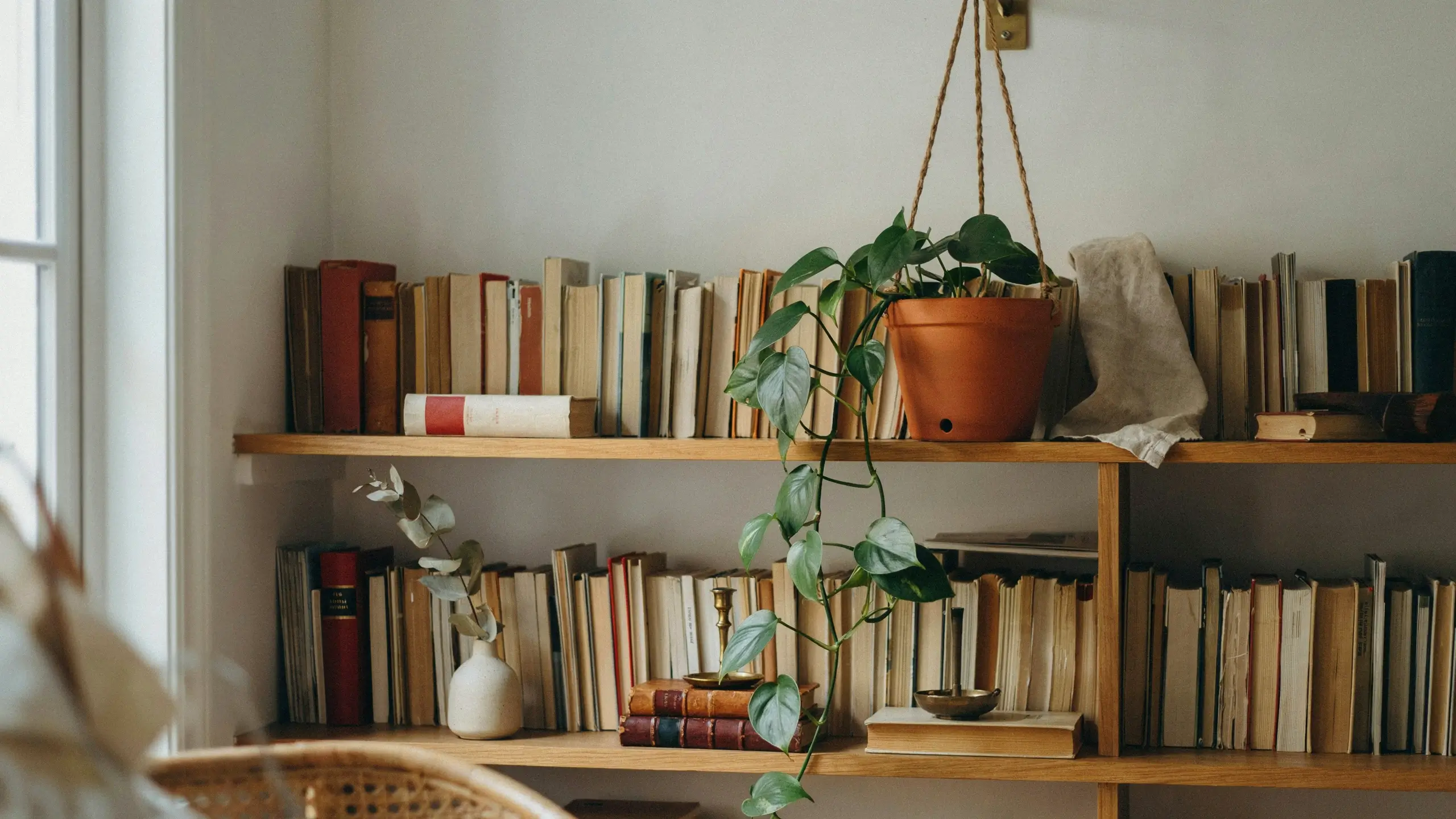
Light: Low to bright indirect · Water: Weekly, when the top inch of soil feels dry · Pet safe: No, toxic to pets and mildly irritating to skin
Heartleaf philodendron looks similar to pothos with slightly softer, heart-shaped leaves, and it’s just as forgiving. It grows quickly, trails beautifully from a hanging planter or the top of a bookshelf, and tells you when it’s thirsty by drooping slightly (it perks right back up within an hour of watering). This one is a good pick if you want fast, visible growth as a beginner.
6. Peace Lily
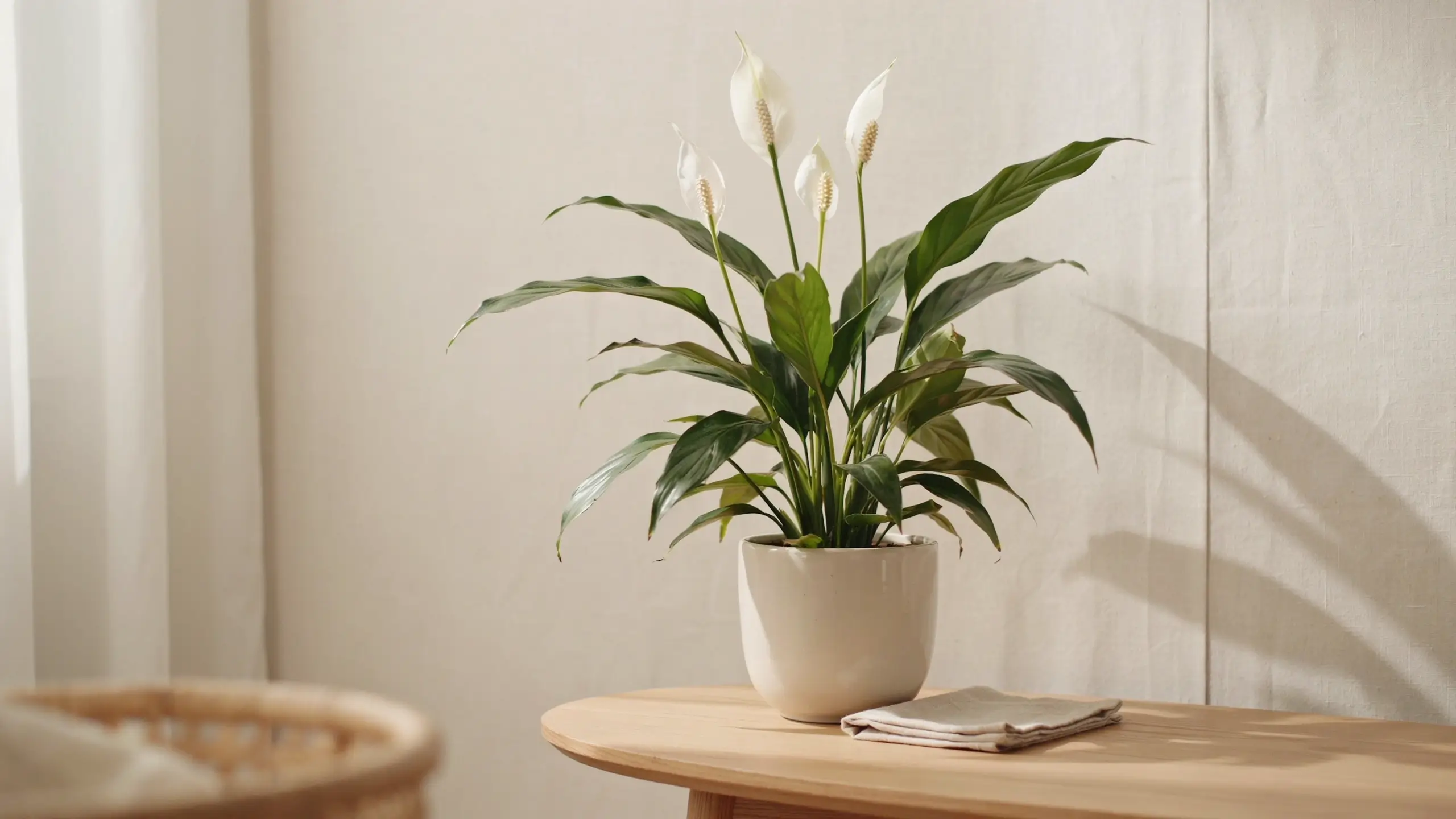
Light: Low to medium indirect, no direct sun · Water: Weekly, when leaves start to droop · Pet safe: No, toxic to cats and dogs
Peace lily is one of the few beginner plants that flowers indoors, producing elegant white blooms a few times a year. What makes it especially forgiving is how obviously it communicates its needs. The leaves droop dramatically when thirsty and bounce back within hours of a good watering, which takes the guesswork out of when to water. Keep it out of reach of pets, since it’s one of the more commonly reported houseplant toxicity cases.
7. Chinese Money Plant
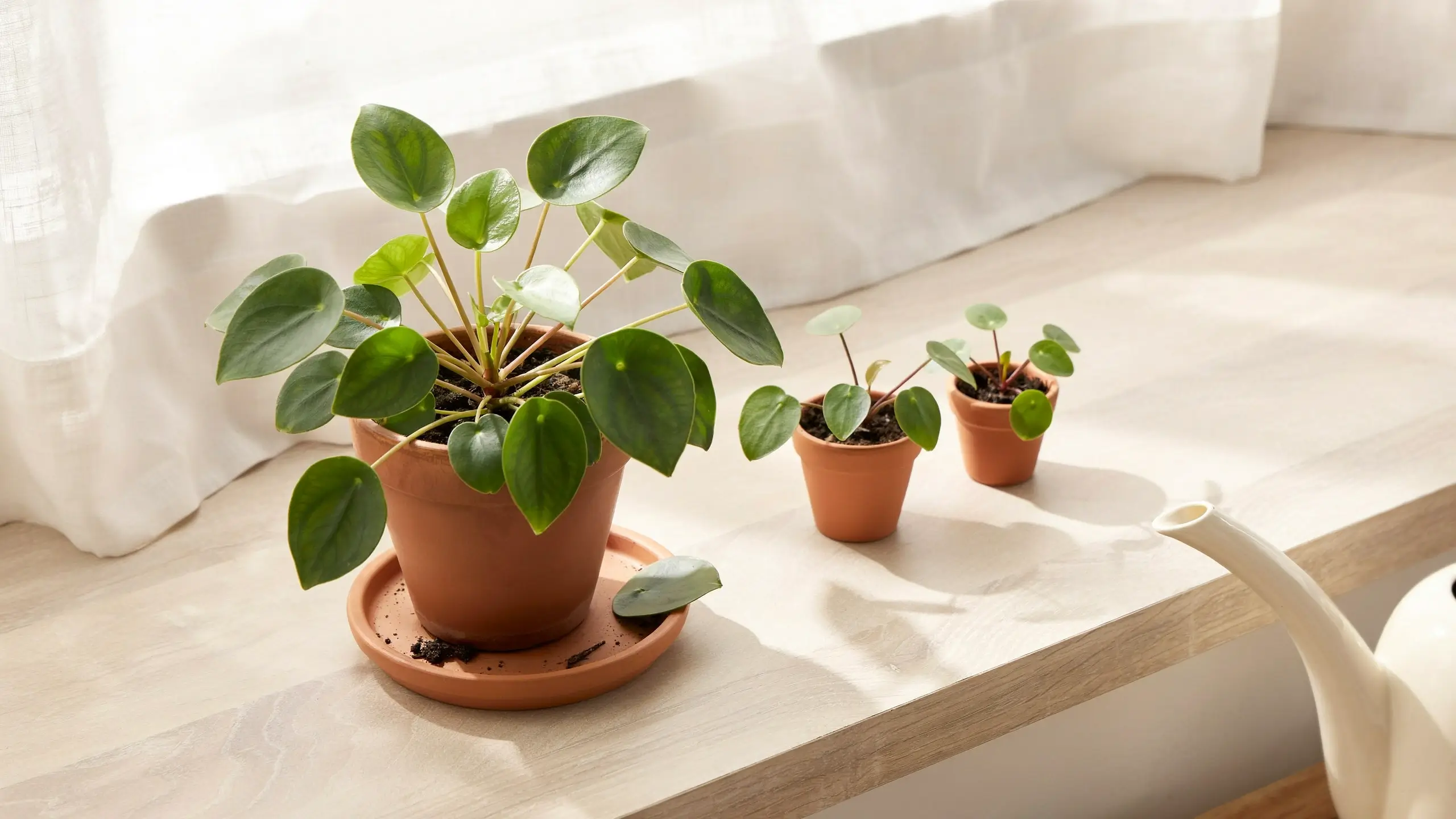
Light: Bright indirect, some direct morning sun · Water: Weekly, letting soil dry between waterings · Pet safe: Generally considered non-toxic
Pilea peperomioides, better known as the Chinese money plant, has become a Pinterest favorite for its round, coin-shaped leaves and minimalist look. It’s genuinely easy to grow once it has bright light, and it sends up little “pups” around its base that you can pot separately to give away as gifts. A simple terracotta pot on a windowsill shelf is all it needs to look intentional and styled.
8. Cast Iron Plant
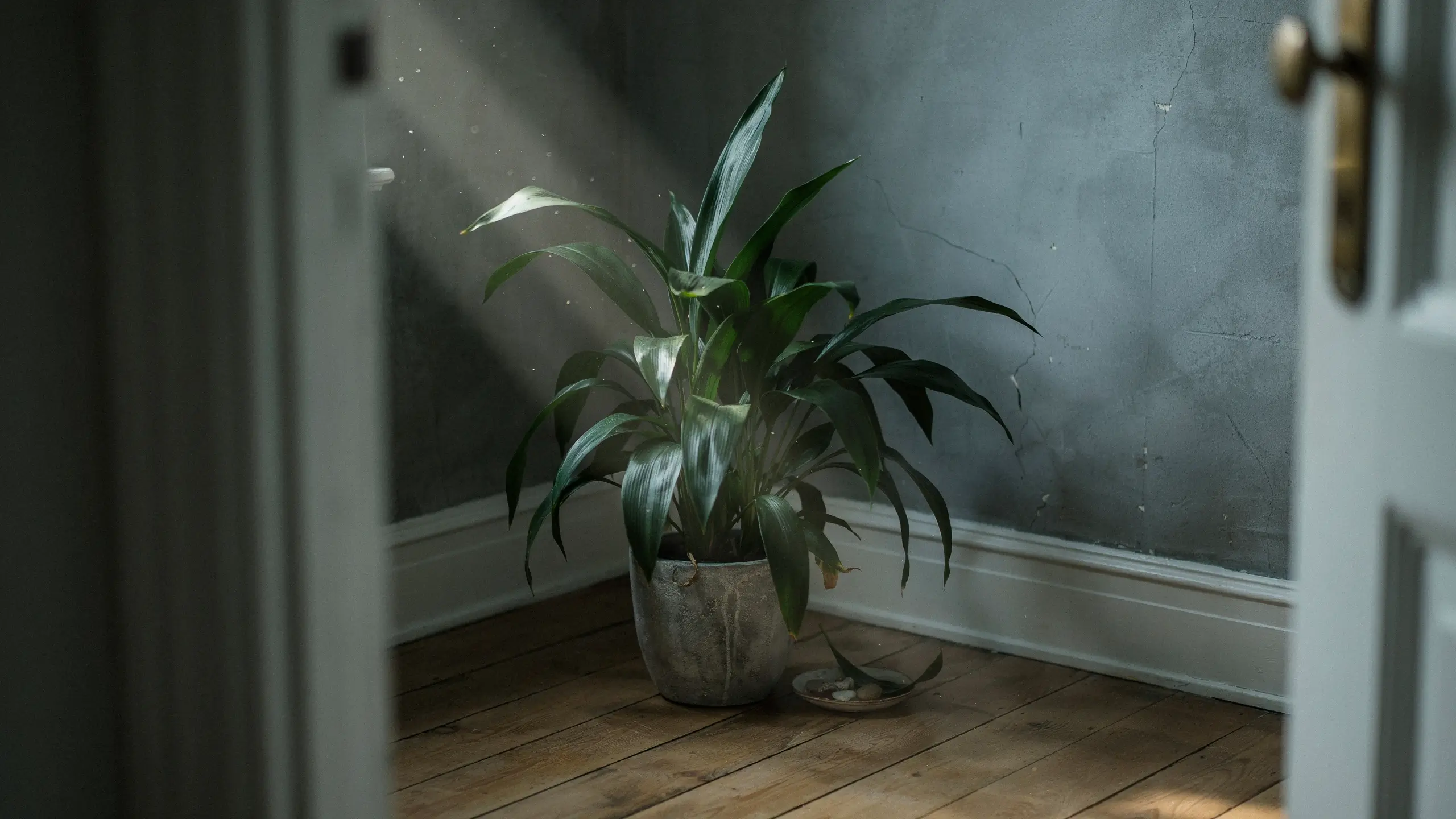
Light: Low light, tolerates deep shade · Water: Every 2 to 3 weeks · Pet safe: Considered non-toxic and pet-friendly
Cast iron plant earned its name honestly. It tolerates low light, dust, dry air, inconsistent watering, and general neglect better than almost anything else you can buy. It grows slowly, so don’t expect fast, dramatic changes, but that also means it rarely needs repotting or fussing over. It’s an underrated pick for a dim entryway or a windowless bathroom corner.
9. Jade Plant
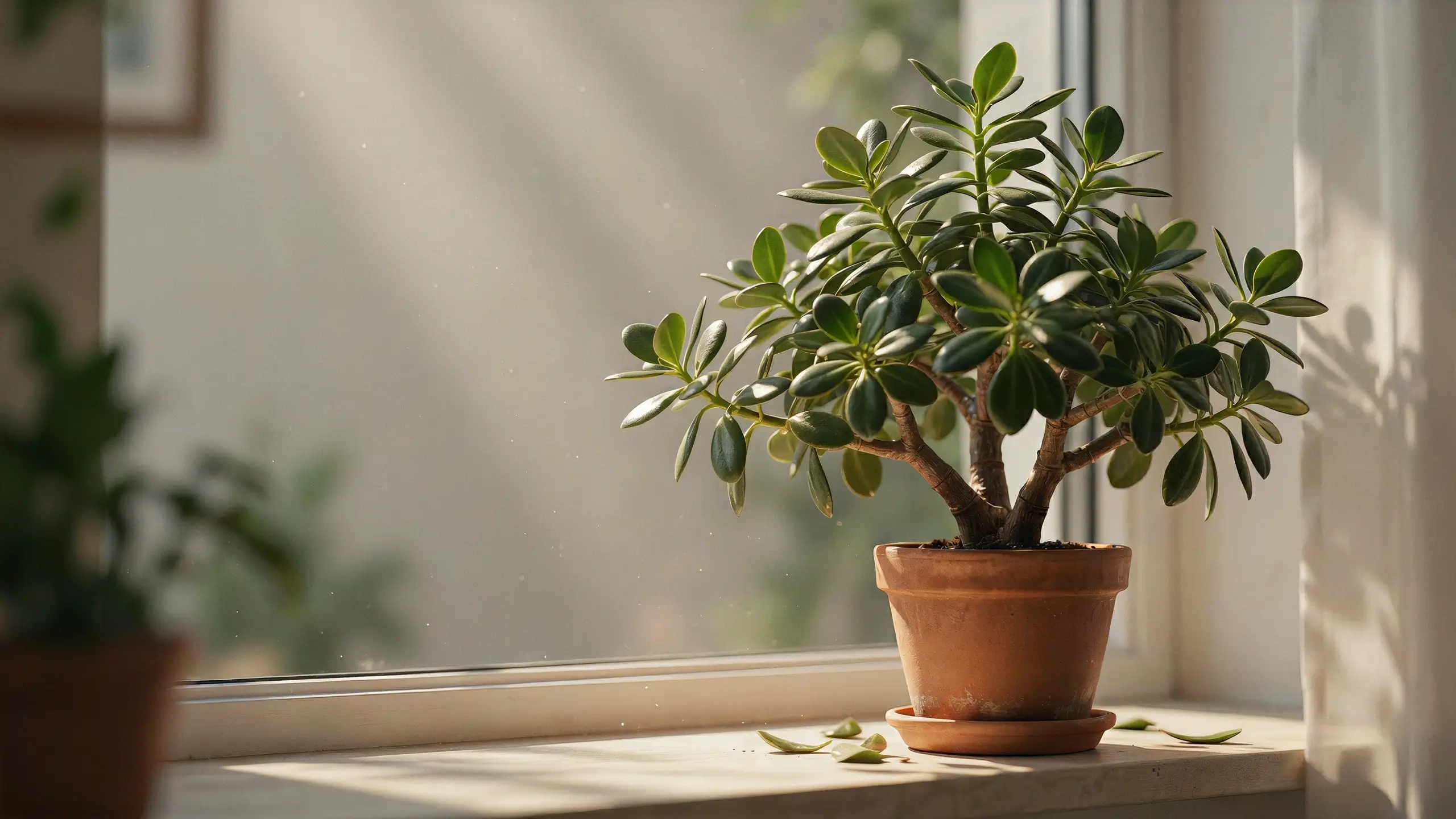
Light: Bright, direct light for at least a few hours a day · Water: Every 2 to 3 weeks, letting soil dry out fully · Pet safe: No, toxic to cats and dogs
Jade plant is a classic succulent with thick, glossy leaves that store water, so it’s genuinely hard to underwater. The biggest beginner mistake with jade plants is treating them like tropical foliage and watering too often, which leads to soft, mushy leaves. Give it your brightest windowsill and mostly ignore it. Over a few years it can grow into a small, tree-like shape that looks striking on its own.
10. Aloe Vera
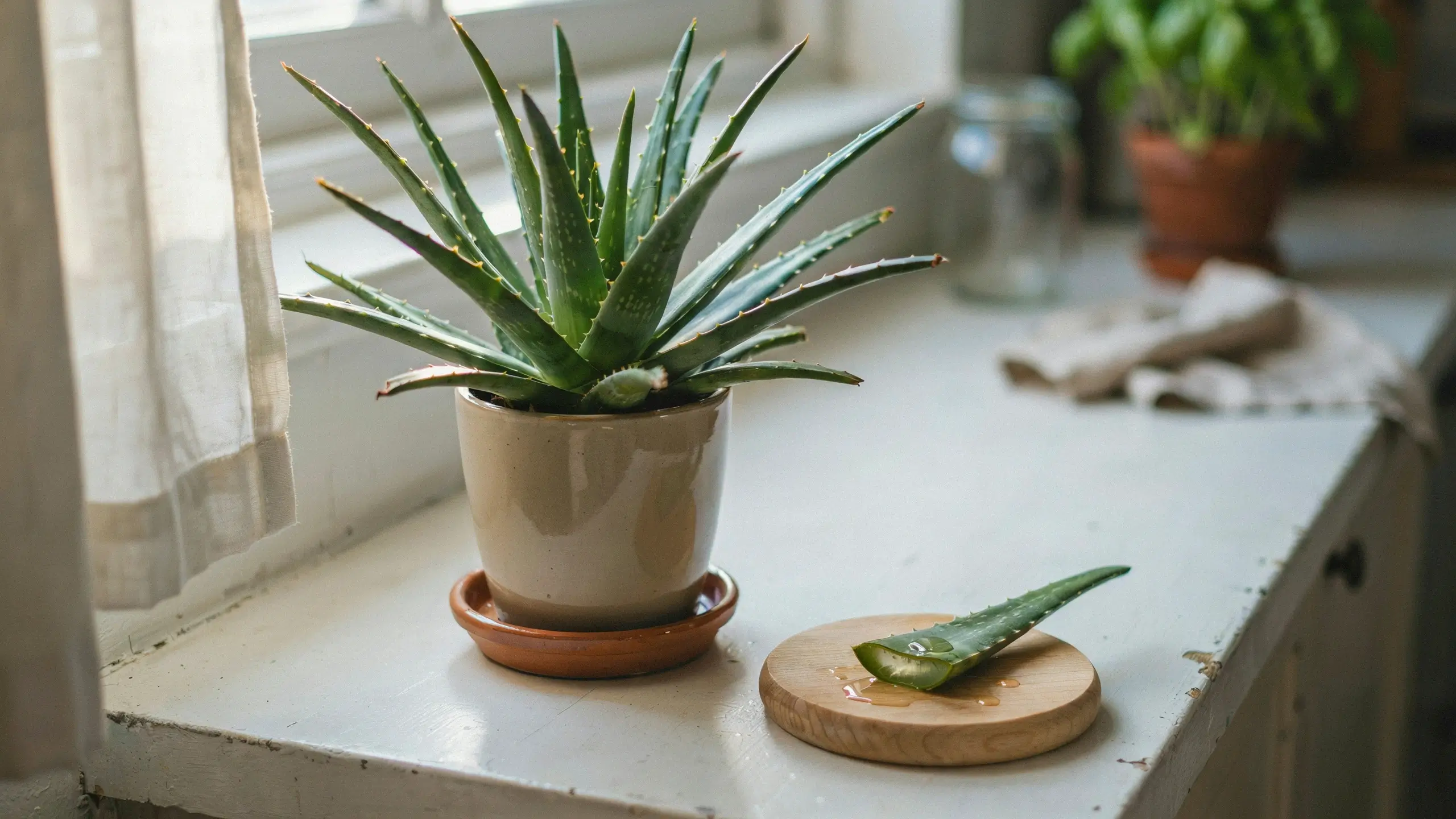
Light: Bright, direct light · Water: Every 2 to 3 weeks, soil fully dry between waterings · Pet safe: No, mildly toxic if ingested
Aloe vera wants the sunniest spot in your home and very little water, which makes it a great pick for anyone who tends to underwater rather than overwater. Beyond looking sculptural on a kitchen windowsill, it’s genuinely useful. Snap off a leaf and the gel inside can be used on minor burns and sunburn. Keep it somewhere pets can’t easily reach, since ingesting the leaves can cause stomach upset.
11. Rubber Plant
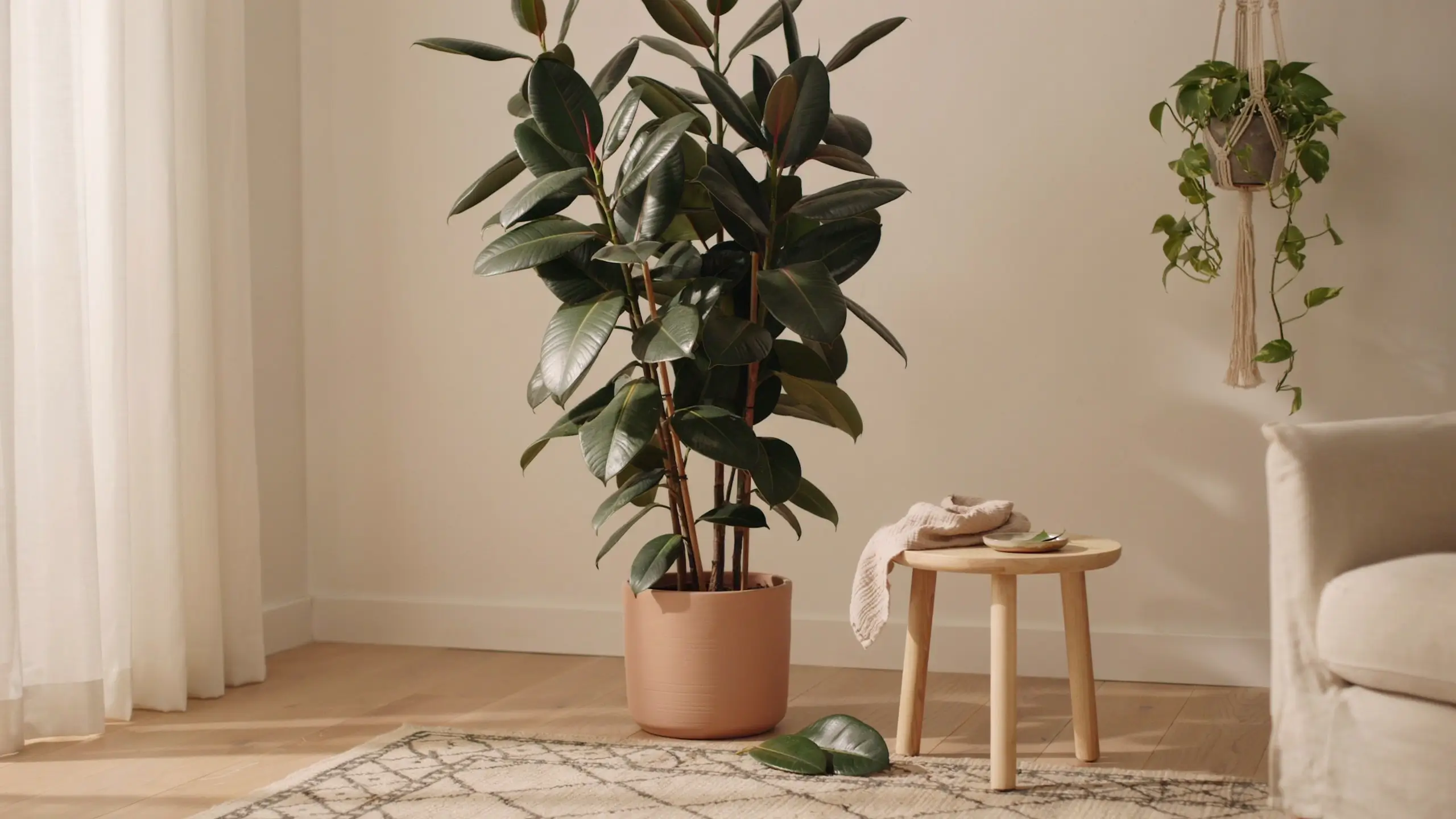
Light: Bright indirect light · Water: Every 1 to 2 weeks, when top inch of soil is dry · Pet safe: No, sap can irritate skin and is toxic if ingested
Rubber plant (Ficus elastica) gives you a bold, glossy statement plant without the drama of its fussier cousin, the fiddle leaf fig. The thick, waxy leaves handle a little inconsistency in watering and lower light better than most floor plants, and wiping the leaves down with a damp cloth once a month keeps them glossy for photos. It’s a great choice if you want a tall, architectural plant to anchor an empty corner.
12. Air Plants
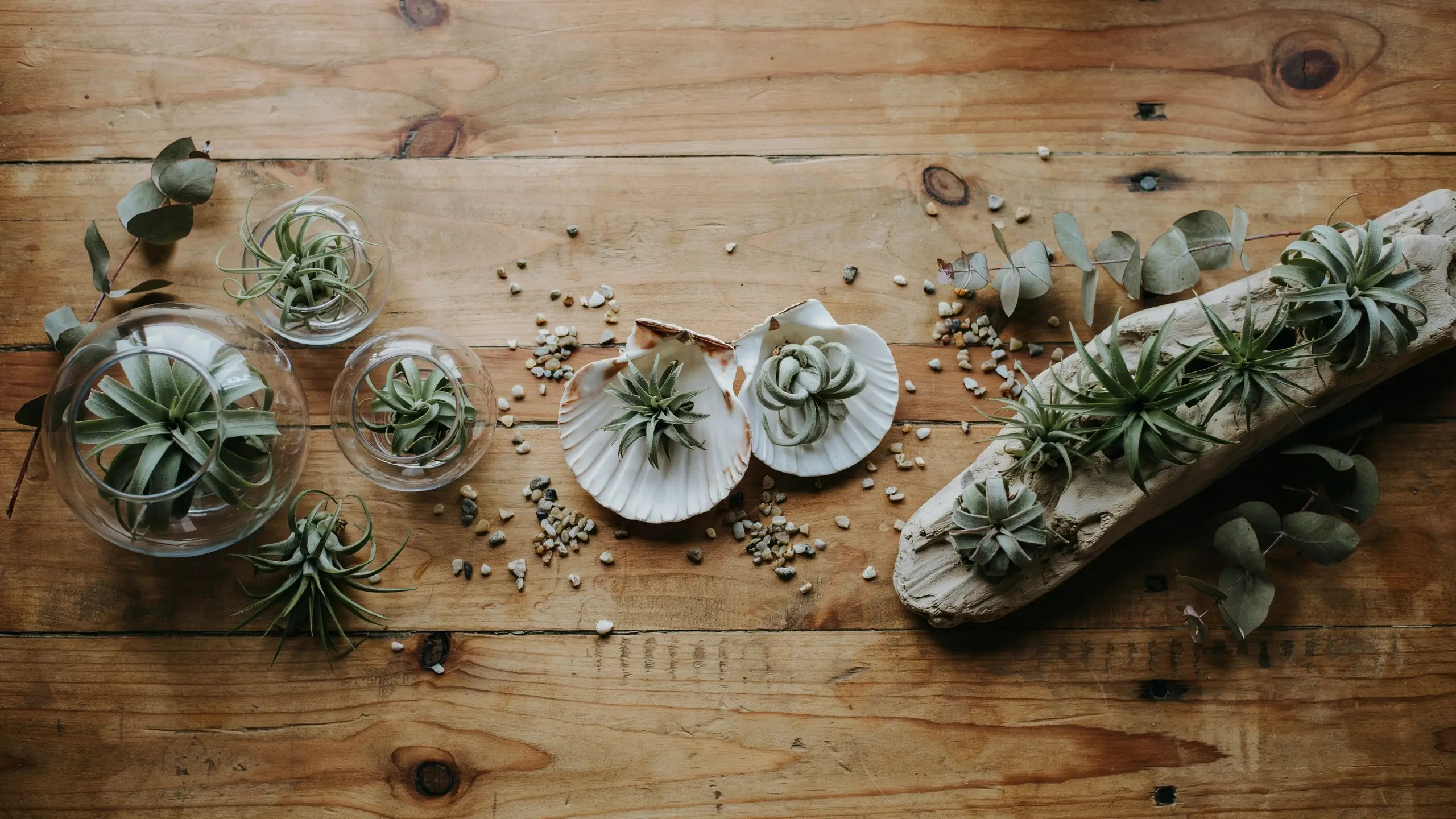
Light: Bright indirect light · Water: Mist or soak weekly, no soil needed · Pet safe: Generally considered non-toxic
Air plants (Tillandsia) skip soil entirely, which makes them nearly foolproof and endlessly flexible for styling. Soak them in a bowl of water once a week for about 20 minutes, shake off the excess, and let them dry upside down before setting them back in place. Because they don’t need a pot, you can tuck them into seashells, hang them in glass globes, or cluster a few on a piece of driftwood for one of the easiest, most photogenic plant displays you can put together.
Mistakes That Kill Beginner Plants
Even with an easy plant, a few habits will undo all your good intentions.
Watering on a schedule instead of checking the soil. This is the single biggest cause of beginner plant death. A plant’s water needs change with the season, the light in the room, and the size of its pot. Stick a finger into the soil up to the first knuckle before you water. If it’s still damp, wait.
Skipping the light check before buying. A beautiful fiddle leaf fig in a dim corner will struggle no matter how well you water it. Match the plant to the light you actually have, not the light you wish you had.
Choosing a pot with no drainage hole. Water needs somewhere to go. Without a drainage hole, excess water sits at the bottom of the pot and slowly rots the roots, even if you’re watering correctly otherwise. If you love a pot without a hole, use it as a decorative cover and keep the plant in its plastic nursery pot inside.
Repotting into a much bigger pot right away. A tiny plant in a huge pot holds far more moisture than the roots can use, which often leads to root rot. Size up by about two inches in diameter at a time, not all at once.
Ignoring winter humidity. Heaters dry out indoor air fast, which is hard on tropical plants like philodendron and pothos. Grouping plants together, using a pebble tray with water underneath the pot, or running a small humidifier nearby all help.
Overcorrecting after one bad sign. A single yellow leaf doesn’t mean your plant is dying. Resist the urge to repot, fertilize, and move it to a new window all in the same week. Change one thing, wait two weeks, and see how it responds before doing anything else.
A Simple Care Routine for Brand New Plant Parents
You don’t need much to get started. A few basics make everything easier:
- A watering can with a narrow spout, so you can water the soil directly instead of splashing leaves
- Pots with drainage holes, plus a saucer to catch runoff
- A well-draining potting mix (cactus mix for succulents and aloe, regular potting soil for everything else)
- A small pair of scissors or pruning snips for trimming yellow leaves and taking cuttings
For upkeep, check soil moisture once a week rather than watering on autopilot. Give leaves a gentle wipe with a damp cloth once a month to keep them dusted and better able to soak up light. Rotate each pot a quarter turn every time you water so growth stays even instead of leaning toward the window. Fertilize lightly during spring and summer while plants are actively growing, and skip it entirely in fall and winter when growth naturally slows down.
Final Thoughts
Building a home full of plants isn’t about getting everything right the first time. It’s about starting with a plant forgiving enough to survive your learning curve, then slowly building confidence from there. Pick one or two from this list based on the light you actually have, resist the urge to water out of habit, and give yourself permission to lose a leaf or two along the way. That’s genuinely how every plant parent gets started.
Which of these indoor plants for beginners are you starting with? Tell me in the comments, and let me know if you want a follow-up guide on low-light picks or pet-safe options for your space.




No Comment! Be the first one.