




How to Declutter Your Home Checklist That Actually Gets Used (Room by Room)
Every declutter attempt seems to start the same way. You open one closet, get hit with everything falling out of it, and close the door again. Or you buy a stack of matching bins before you’ve...

Every declutter attempt seems to start the same way. You open one closet, get hit with everything falling out of it, and close the door again. Or you buy a stack of matching bins before you’ve even decided what’s staying and what’s going, and now the bins are just more clutter.
This declutter your home checklist skips that spiral. It walks you through exactly what to gather before you start, gives you one simple rule for the items you keep going back and forth on, and breaks down every room so you’re never standing in the middle of a space wondering where to begin. Save it now, because you’ll want to come back to it room by room instead of trying to do it all in one weekend.
What You Need Before You Start Decluttering
Grabbing supplies first saves you from stopping mid-project to go find a trash bag.
- Four boxes or laundry baskets, labeled Keep, Donate, Trash, and Relocate (relocate is for things that belong in a different room)
- A roll of heavy duty trash bags for actual garbage
- A sharpie and painter’s tape or sticky labels
- A timer (your phone works fine)
- Wipes or a small cleaning spray, since cleared surfaces usually need a quick wipe down
- A water bottle and a playlist or podcast queued up, because decluttering takes longer when you’re bored and thirsty
Skip buying storage bins and drawer organizers before you declutter. You’ll almost always end up with the wrong size or too many once you see what’s actually left.
The Simple Rule That Makes Every Decision Easier
Most decluttering advice tells you to ask “does this spark joy” or “have I used it this year.” Those work for obvious stuff, but they fall apart on the item you’re holding for the fifth time, still unsure.
Try this three-question version instead:
- Have I used or worn this in the last 12 months? Be honest, not hopeful.
- If I saw this in a store today, would I buy it again at full price?
- Is this taking up space that could hold something I actually use?
If you answer no to two out of three, it goes in the donate or trash box. This takes the emotional weight off individual decisions, since you’re following a rule instead of relitigating your feelings about a bread maker you’ve used twice.
For sentimental items like old cards, kids’ artwork, or a relative’s belongings, give yourself permission to slow down. Keep a small memory box with a size limit, take photos of anything too bulky to keep, and don’t let this category stall the rest of your checklist. Set it aside and come back to it last.
Your Room by Room Declutter Checklist
This is the part to bookmark. Work through one section at a time, in whatever order matches where your clutter actually bothers you most.
Kitchen: Start With the Drawer You Dread Opening
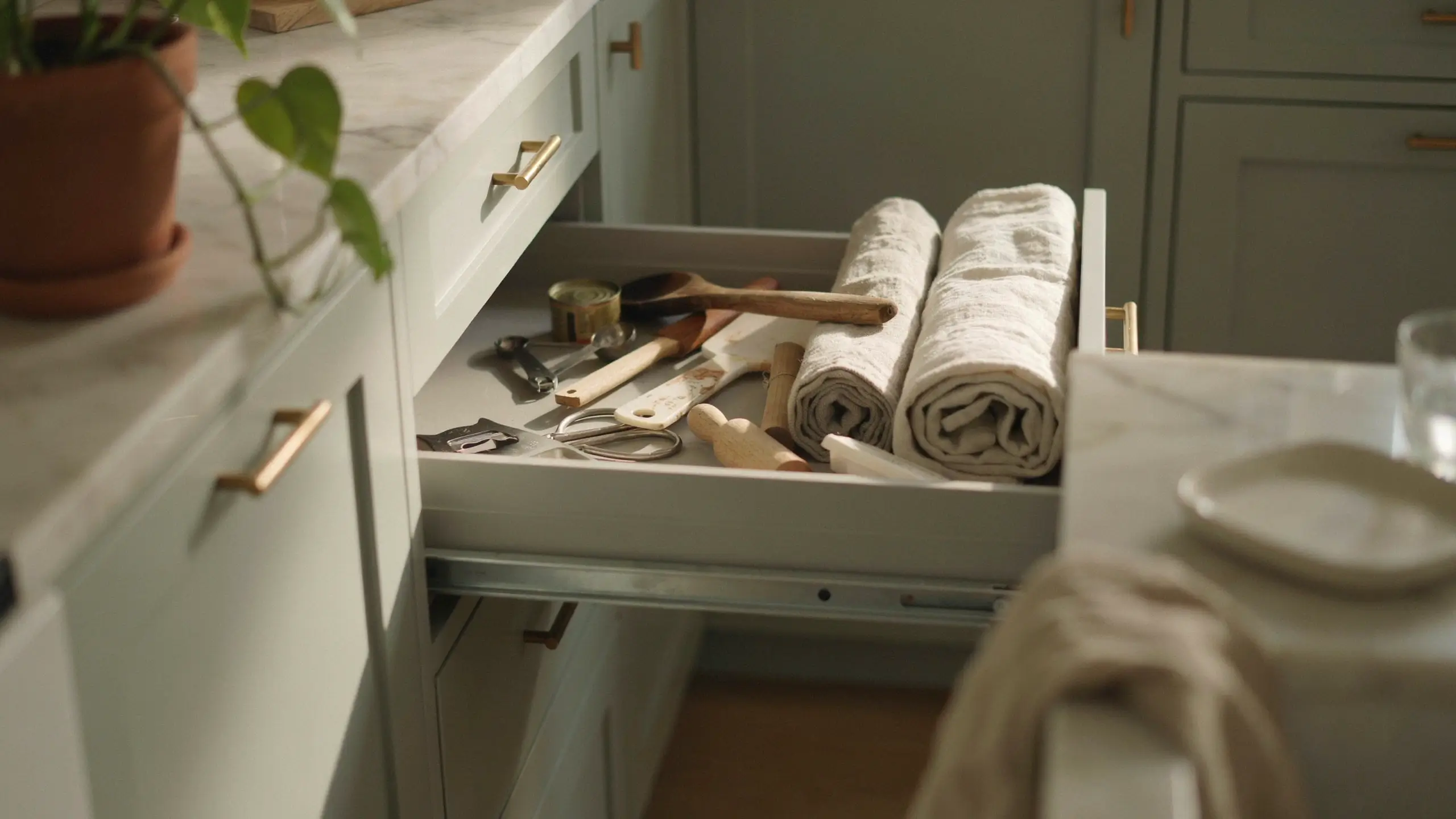
- Toss expired spices, condiments, and pantry items (check dates while you’re in there)
- Pull out mismatched food storage containers with no matching lid
- Get rid of duplicate tools: you need one can opener, not three
- Clear out mugs and cups you never reach for
- Donate small appliances you haven’t plugged in in over a year, like a bread maker or panini press
- Empty the junk drawer completely and only put back what actually belongs there
Mistake to avoid: decluttering the pantry by moving everything to the counter, getting overwhelmed, and shoving it all back in. Pull one shelf at a time instead.
Living Room: Clear the Surfaces First
- Sort through remote controls and keep only the ones for devices you own
- Go through DVDs, CDs, or old video games you no longer use
- Thin out throw pillows and blankets to what you’ll actually use this season
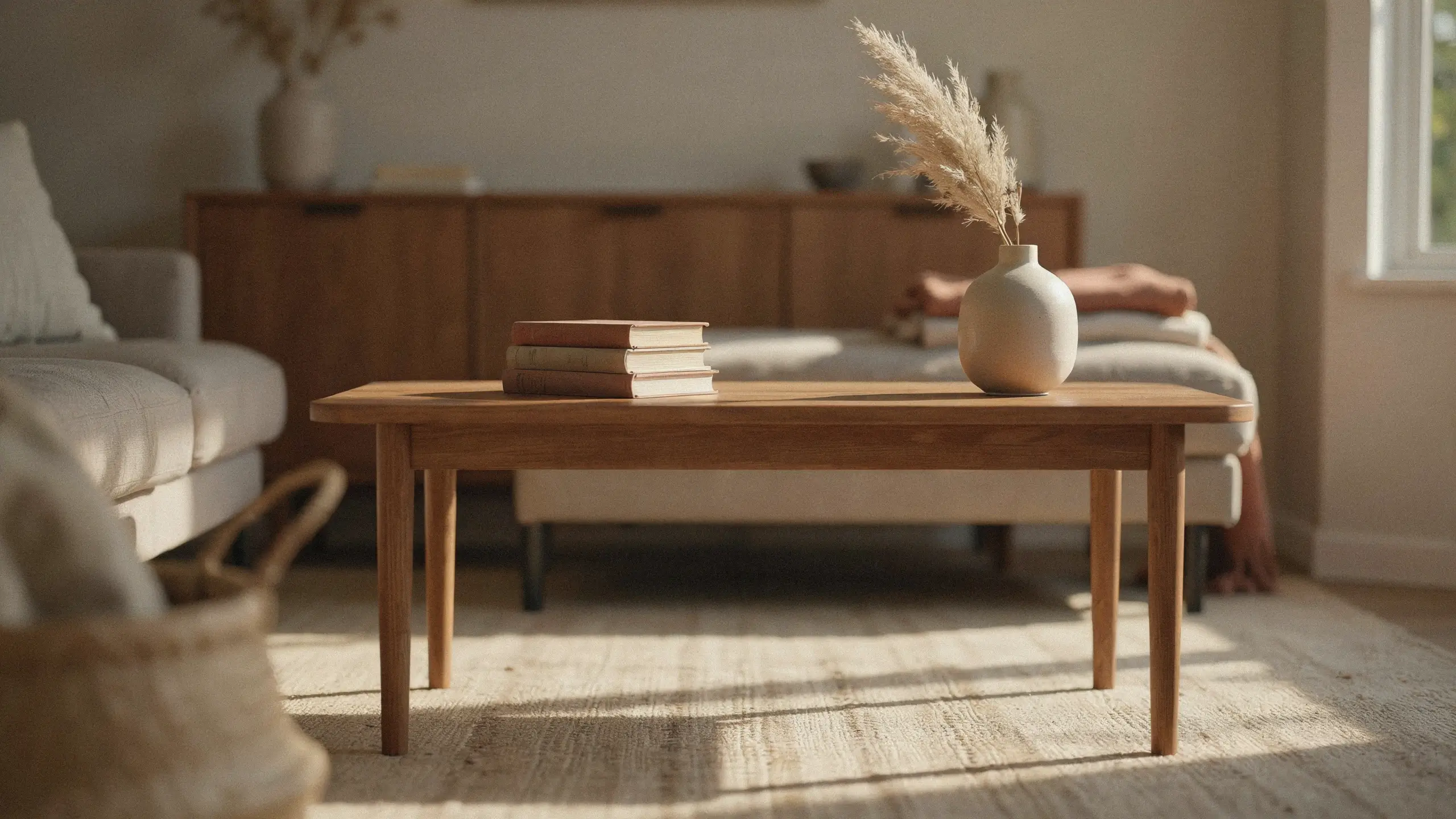
- Clear coffee table surfaces down to two or three items max
- Sort books into keep, donate, or a little free library drop-off
- Check media console cabinets for old cables, chargers, and manuals
A living room that photographs well for Pinterest almost always has clear, uncluttered surfaces and just one or two intentional objects per flat space. That’s the easiest win in this whole checklist.
Bedroom and Closet: The One Everyone Puts Off
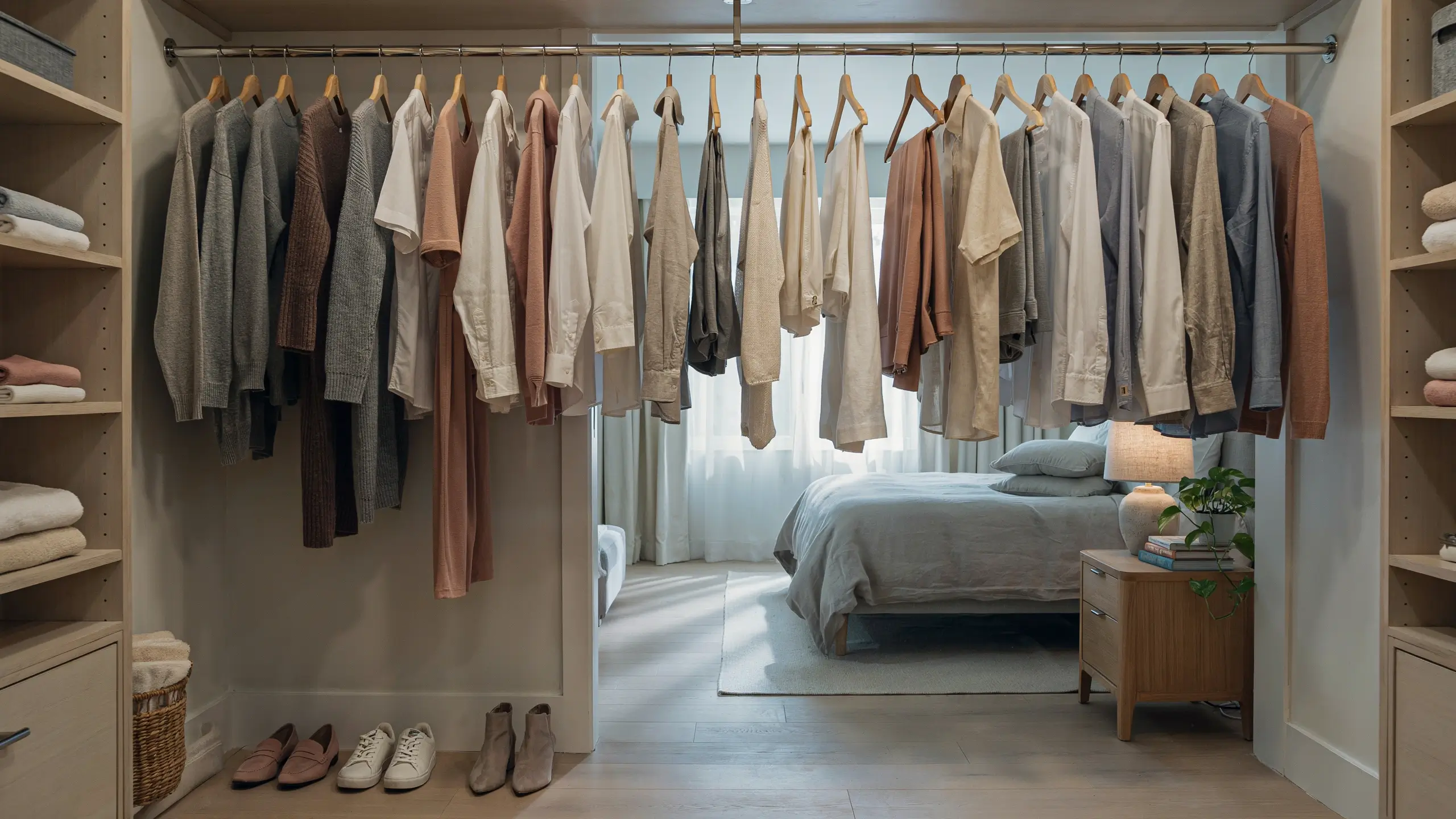
- Pull every item off the closet rod and only rehang what fits, flatters, and gets worn
- Check the floor of the closet for shoes you haven’t worn in a year
- Go through your dresser drawer by drawer, not all at once
- Clear nightstands down to what you actually use before bed
- Sort under-bed storage and remove anything that’s been forgotten there
- Donate hangers you don’t need once clothes are thinned out
Try the hanger trick if you’re unsure what you actually wear: turn every hanger backward at the start of the season. When you wear something, turn the hanger the right way. After a few months, anything still backward is an easy donate decision.
Bathroom: Quick Wins Hide Here
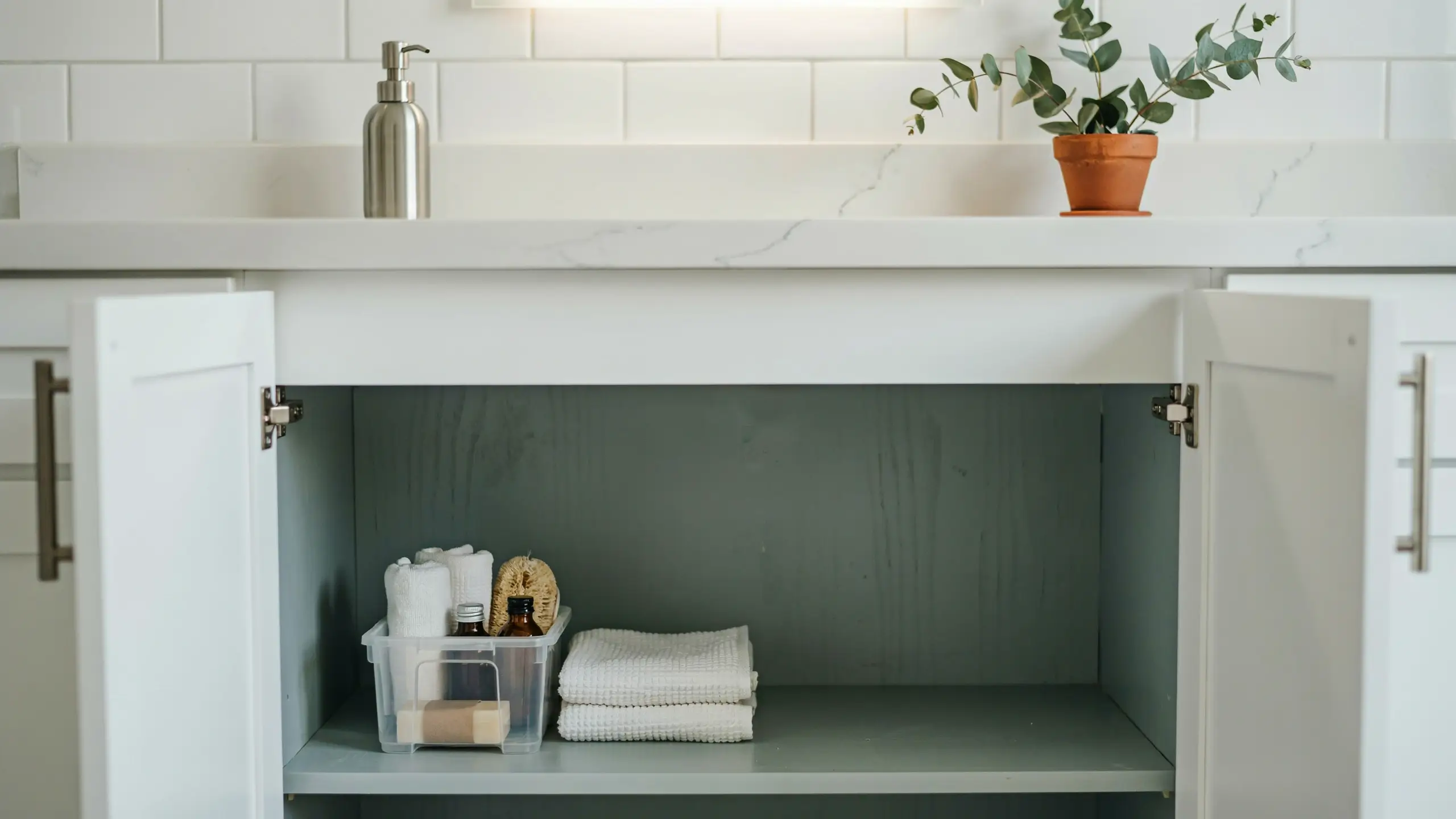
- Toss expired medications, sunscreen, and makeup (check for a smell or texture change if there’s no date)
- Clear out sample-size toiletries you’ll never use
- Get rid of dried-up nail polish and old makeup brushes
- Check under the sink for empty or nearly empty products you’ve been keeping “just in case”
- Wipe down cleared shelves before restocking
Safety note: don’t just toss old medications in the trash where kids, pets, or pipes can be affected. Many pharmacies have a drug take-back box, and some cities run take-back days. It only takes a few extra minutes.
Entryway and Mudroom: The First Thing You See
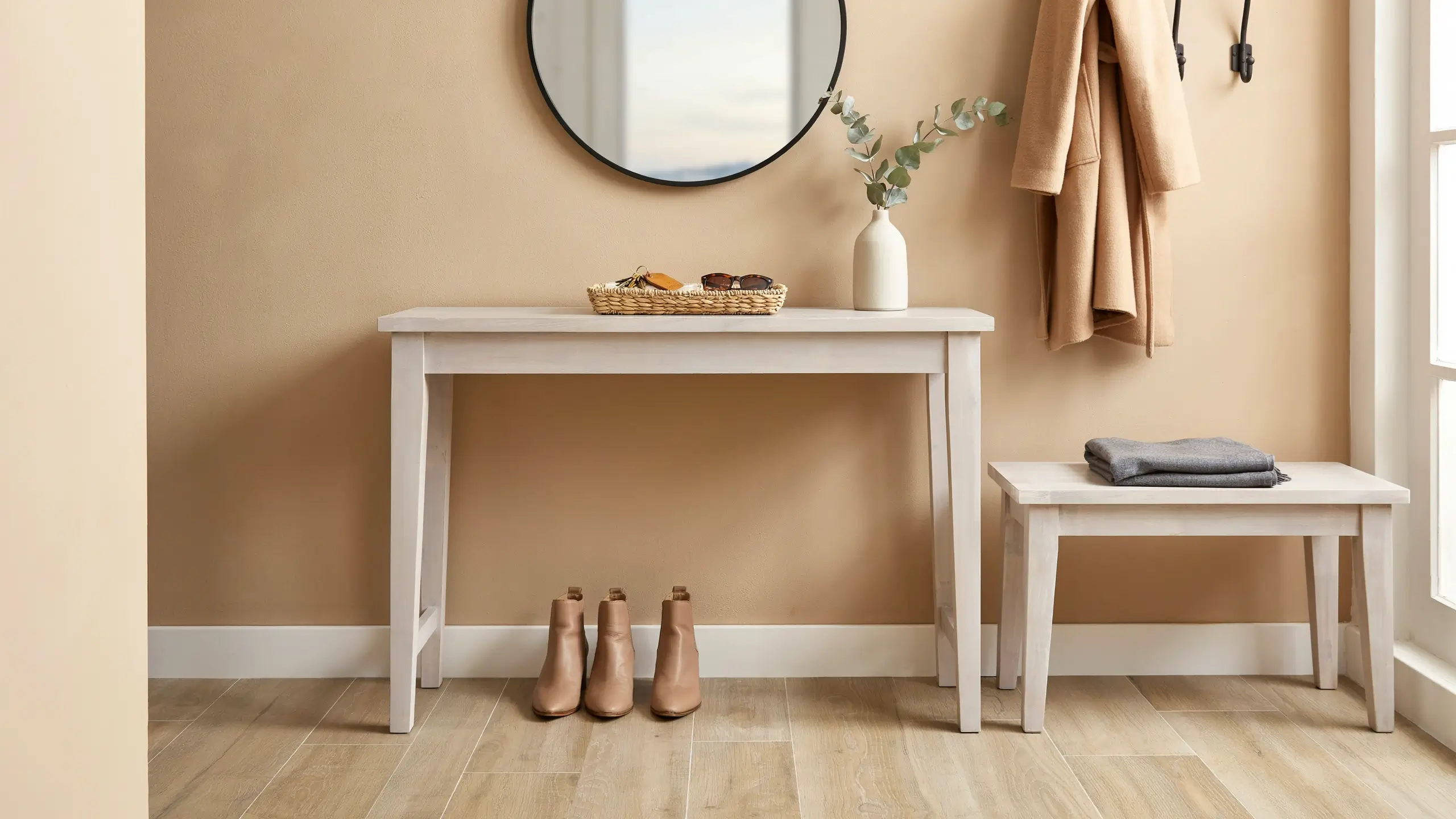
- Sort through shoes by the door and keep only current-season pairs out
- Clear the coat closet of jackets that don’t fit or haven’t been worn
- Empty coat pockets and bag pockets while you’re at it (this is where lost items hide)
- Set up a small tray or bowl for keys, mail, and sunglasses so they stop piling on every surface
- Recycle old takeout menus, expired coupons, and event flyers
This is one of the highest-impact rooms to declutter, since it’s the first thing you and every guest sees walking in.
Home Office and Paper Clutter: The Piles That Multiply
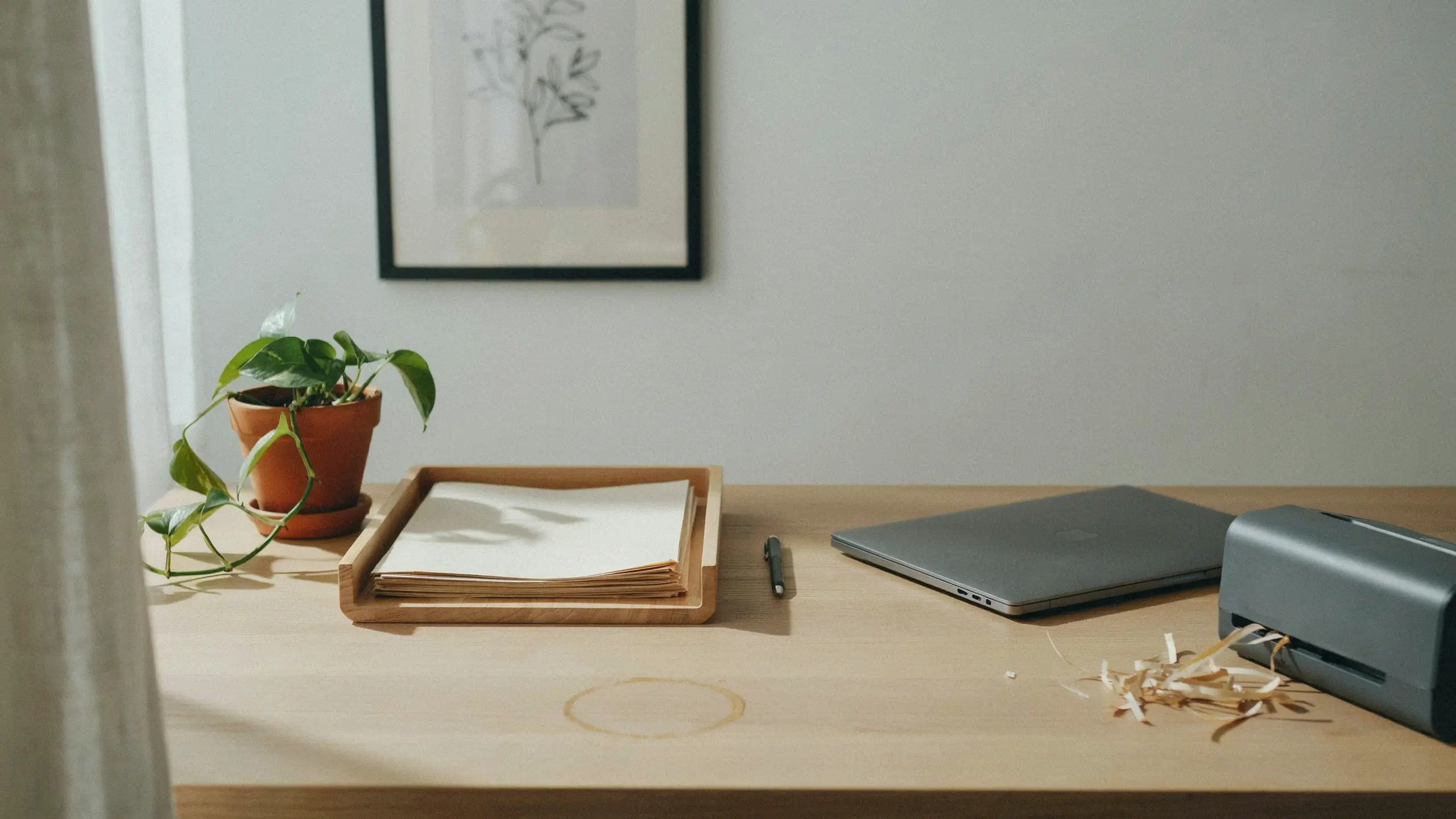
- Shred old bills, statements, and documents you don’t need for taxes
- Recycle instruction manuals for things you no longer own
- Sort loose pens, sticky notes, and office supplies into what actually works
- Clear your desk down to your computer, one tray, and one plant or personal item
- Set up a simple mail sorting spot (recycle, action needed, file) so paper stops stacking up again
If paper clutter is your biggest problem, go digital where you can. Scan important documents and shred the paper copy once you’ve confirmed the scan is readable.
Kids’ Rooms and Playroom: Do This Without Them First
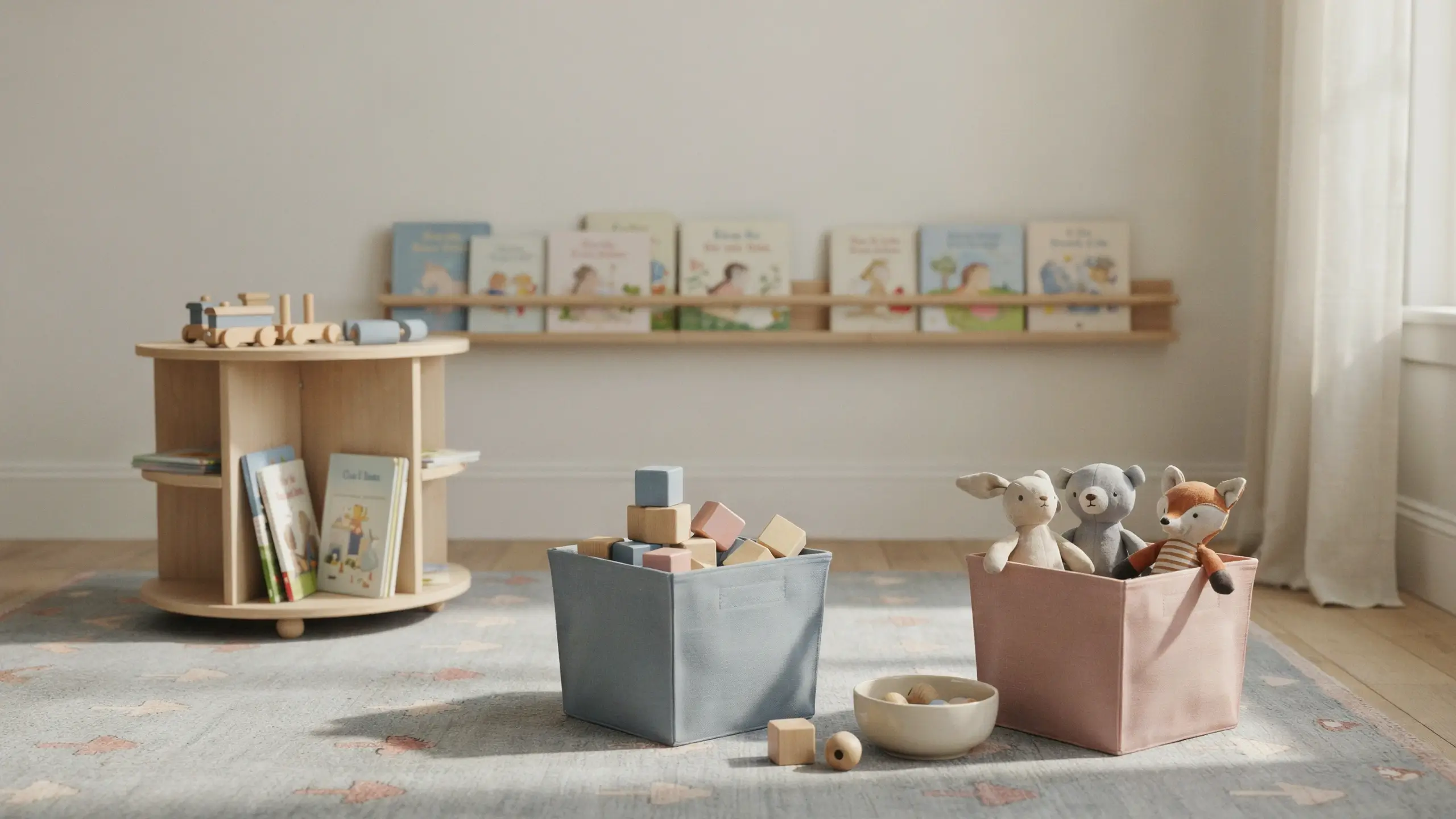
- Pull out broken toys, missing puzzle pieces, and duplicate stuffed animals
- Sort outgrown clothes into a donate bag as you go through seasons
- Rotate toys instead of keeping everything out at once, storing half away to reintroduce later
- Clear artwork and school papers, keeping favorites and photographing the rest
- Check for small parts or broken items that could be a safety hazard before donating
A quick first pass without your child present tends to go faster and with less negotiating. You can always let them make final calls on a smaller, pre-sorted pile.
Garage, Basement, and Storage Areas: Save This for Last
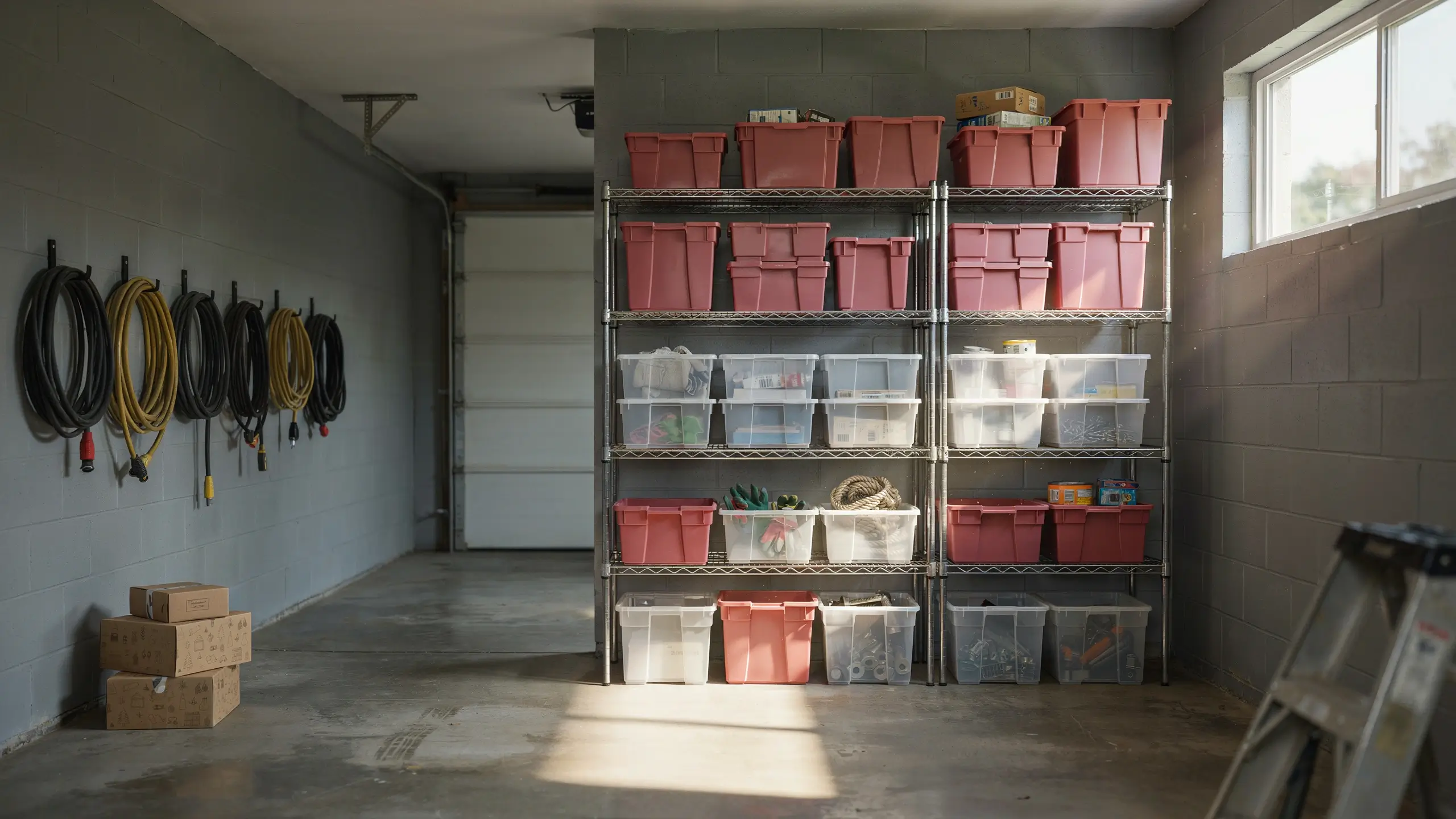
- Group similar items together first so duplicates become obvious (extension cords, tools, holiday decor)
- Get rid of expired paint, old cleaning chemicals, and anything you can’t identify
- Sort seasonal decorations and only keep what you actually displayed last year
- Check for unused sports equipment, camping gear, or exercise equipment gathering dust
- Recycle broken electronics through a proper e-waste program instead of the regular trash
Safety note: old paint, motor oil, batteries, and cleaning chemicals shouldn’t go in household trash. Most areas have a hazardous waste drop-off day or facility. A quick search for your city name plus “hazardous waste disposal” will tell you where.
Everyday Carry Clutter: Purse, Wallet, and Car
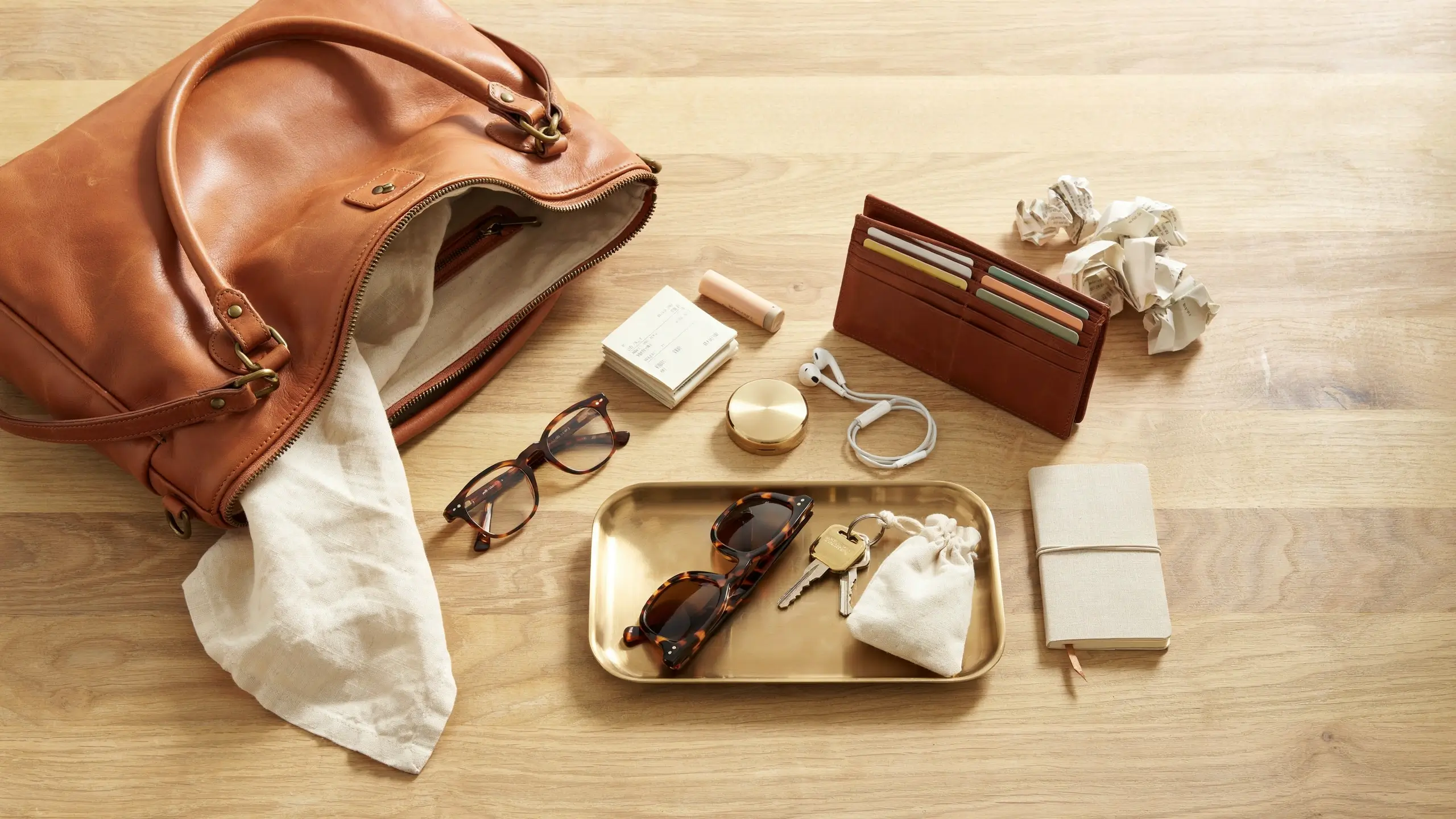
This is the category almost every declutter checklist skips, but it adds up fast.
- Empty your purse or bag and toss old receipts, wrappers, and expired coupons
- Clean out your wallet of expired cards and loyalty cards for stores you don’t visit
- Clear your car of empty water bottles, old mail, and anything that’s been sitting in the trunk for months
- Delete unused apps, screenshots, and photos clogging your phone storage
It’s a small category, but it’s one you’ll notice every single day once it’s clear.
Decluttering Mistakes That Slow You Down
A few habits quietly sabotage the whole process.
- Buying storage before decluttering. Bins and baskets are for what’s left after you sort, not before.
- Moving clutter to another room instead of out of the house. If it’s not staying, it needs to leave, not relocate to the garage to become tomorrow’s project.
- Trying to do the whole house in one day. This usually ends in burnout and a house that looks worse mid-project than it did to start.
- Keeping something out of guilt. A gift you never use isn’t honoring the person who gave it, it’s just taking up space.
- Not having a donation drop-off plan. Bags that sit in the trunk for three months tend to quietly make their way back inside.
What to Actually Do With Everything You Declutter
Sorting is only half the job. Here’s where things realistically go.
- Donate: Goodwill and Habitat for Humanity ReStore take furniture and household goods, not just clothes. Local shelters often need towels, blankets, and unopened toiletries. Buy Nothing groups on Facebook are a fast way to give things away to someone nearby who actually wants them.
- Sell: Facebook Marketplace works well for furniture and larger items. Consignment shops are worth it for clothing in good condition.
- Recycle: electronics, batteries, and old paint need proper recycling centers, not the curbside bin.
- Trash: be honest about what’s genuinely unusable. Not everything needs to find a second home.
Schedule your donation drop-off before you start decluttering, not after. Knowing exactly where the bags are going makes it much easier to actually let go of items in the moment.
Final Thoughts
A declutter your home checklist works best when you stop trying to finish everything at once and just start with the room bothering you the most. Small, finished sections beat a whole house that’s half sorted with boxes everywhere. Pick one area from this list, set a timer, and see how far you get today.
What’s the one spot in your home that always seems to collect clutter no matter what you do? Let me know in the comments, I’d love to hear where you’re starting.




No Comment! Be the first one.