




Why I Stopped Buying Cheap Furniture (And What I Buy Instead)
For years, my furniture shopping strategy was pretty simple. Find the cheapest thing that looked okay in a photo, order it, and move on with my life. I furnished two apartments and a starter house...

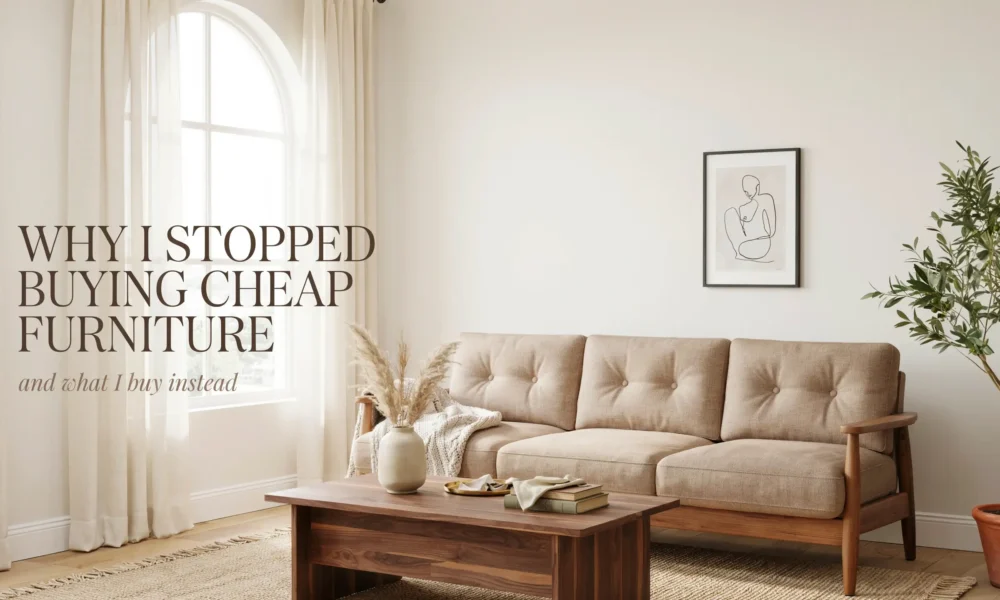
For years, my furniture shopping strategy was pretty simple. Find the cheapest thing that looked okay in a photo, order it, and move on with my life. I furnished two apartments and a starter house this way. Every piece was replaceable, disposable, and honestly, kind of forgettable.
Then I sat down on my living room sofa one night, three years into owning it, and felt the frame shift under me. Not creak. Shift. That was the night I finally admitted what I’d been ignoring for a long time: cheap furniture wasn’t saving me money. It was just spreading the cost out and hiding it from me.
This isn’t a post telling you to max out a credit card on a designer sectional. It’s the honest, slightly embarrassing story of what cheap furniture actually cost me, what changed once I stopped buying it, and how I shop now without needing a luxury budget to do it.
Why I Stopped Buying Cheap Furniture
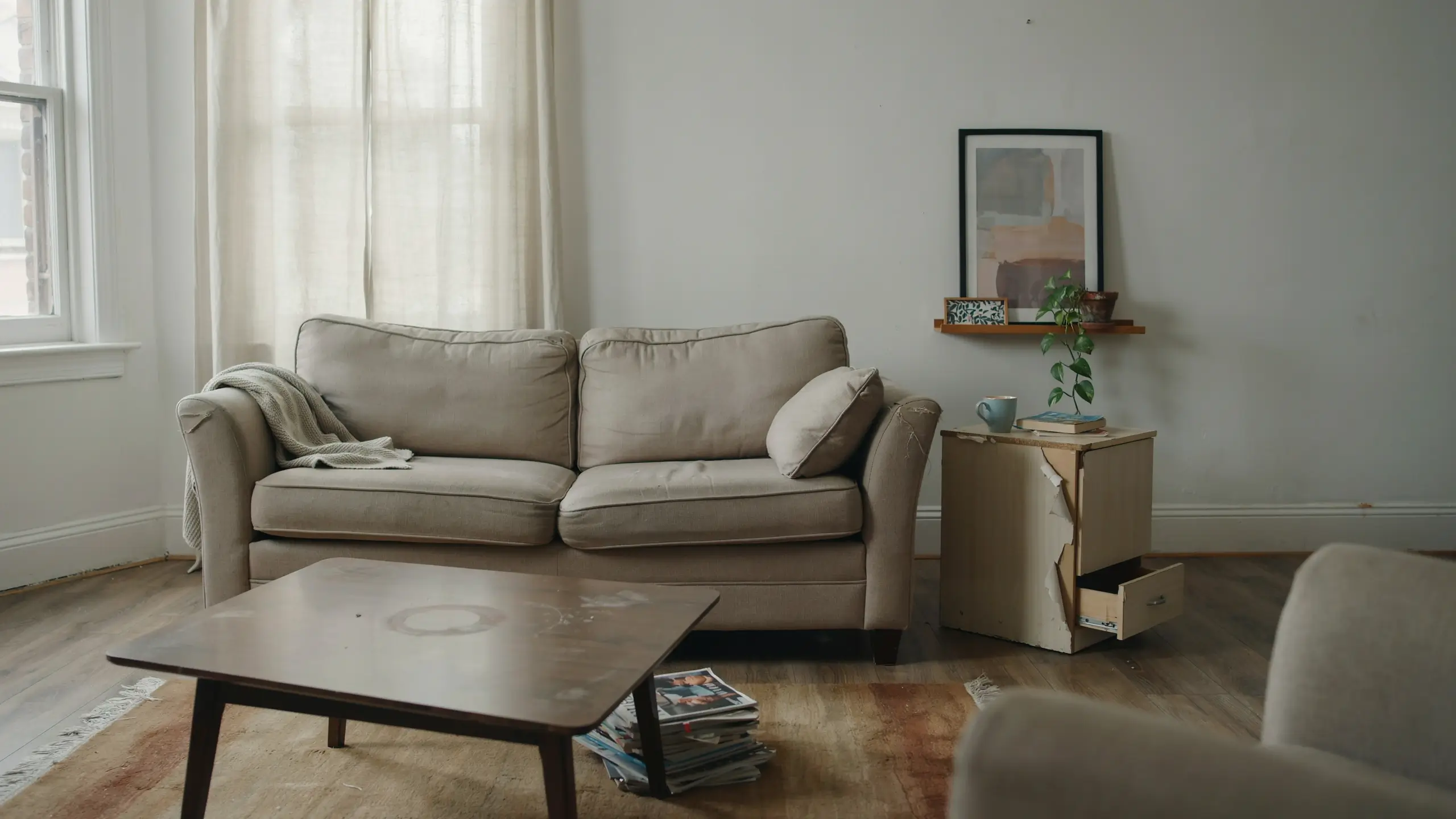
I stopped buying cheap furniture because it kept failing in the same predictable ways: sagging cushions, wobbly joints, peeling veneer, and fabric that pilled within a year. Every piece I replaced cost me money twice, once to buy it and once to buy whatever came after it. Once I added up what I’d actually spent over a decade, “cheap” stopped meaning what I thought it meant.
1. The Math Never Actually Worked Out
This is the reason that finally got through to me, because it wasn’t about feelings. It was about numbers.
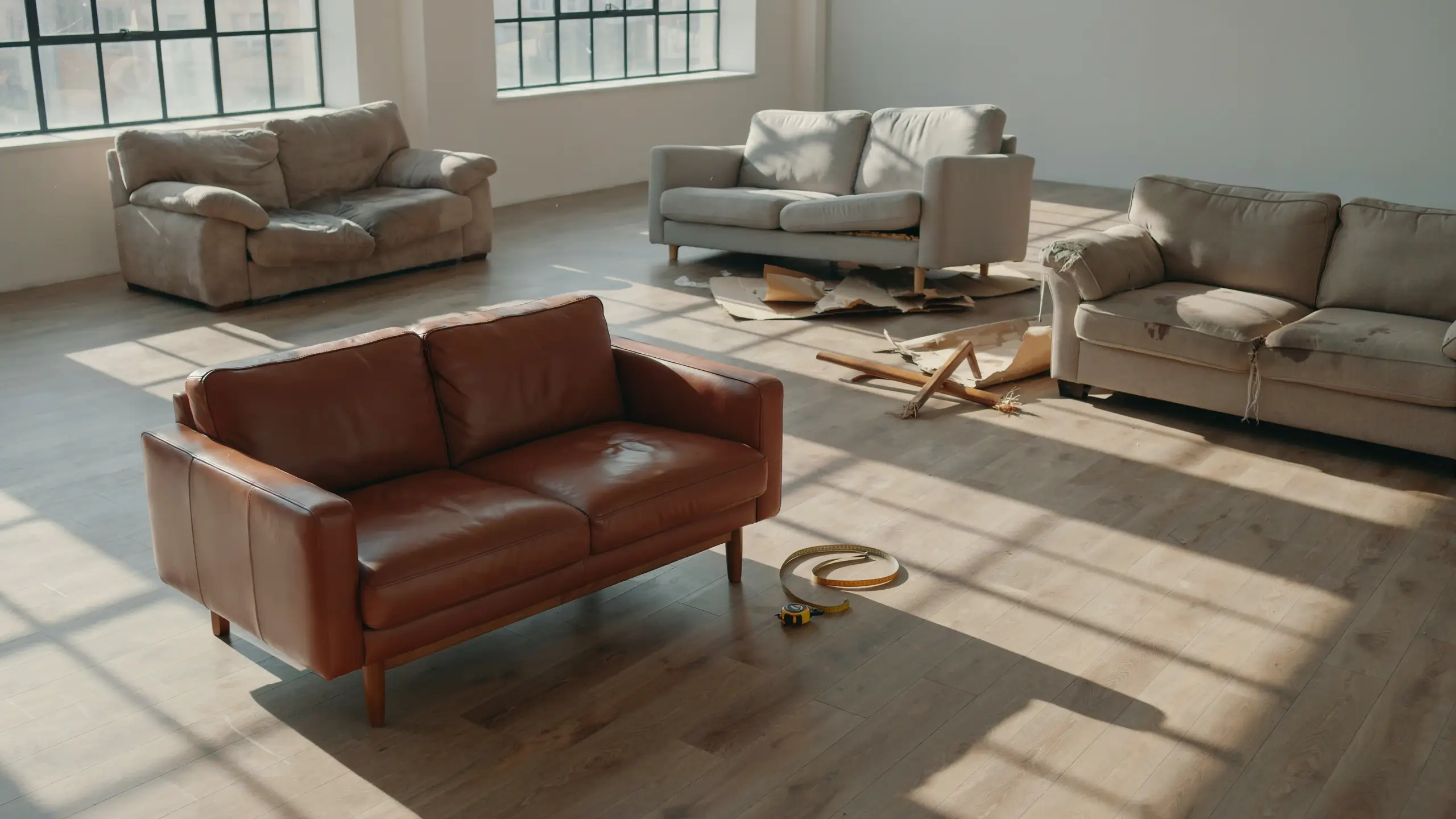
I did the math on my living room alone. Over about eight years, I bought three different sofas because each one broke down within two to three years. Individually, each sofa felt like a smart, affordable choice. Added together, I had spent more than double what a single well-built sofa would have cost me upfront.
That’s the trap with cheap furniture. It never asks you for a big number all at once, so it never feels like a bad decision in the moment. It just quietly asks you to pay again in a year or two, and again after that.
Pinterest-worthy detail to note: if you’re tracking your own furniture spending, try adding up what you’ve spent on a single category (sofas, dining chairs, bed frames) over the last five years. Most people are shocked by the real total.
2. Cheap Furniture Couldn’t Keep Up With Real Life
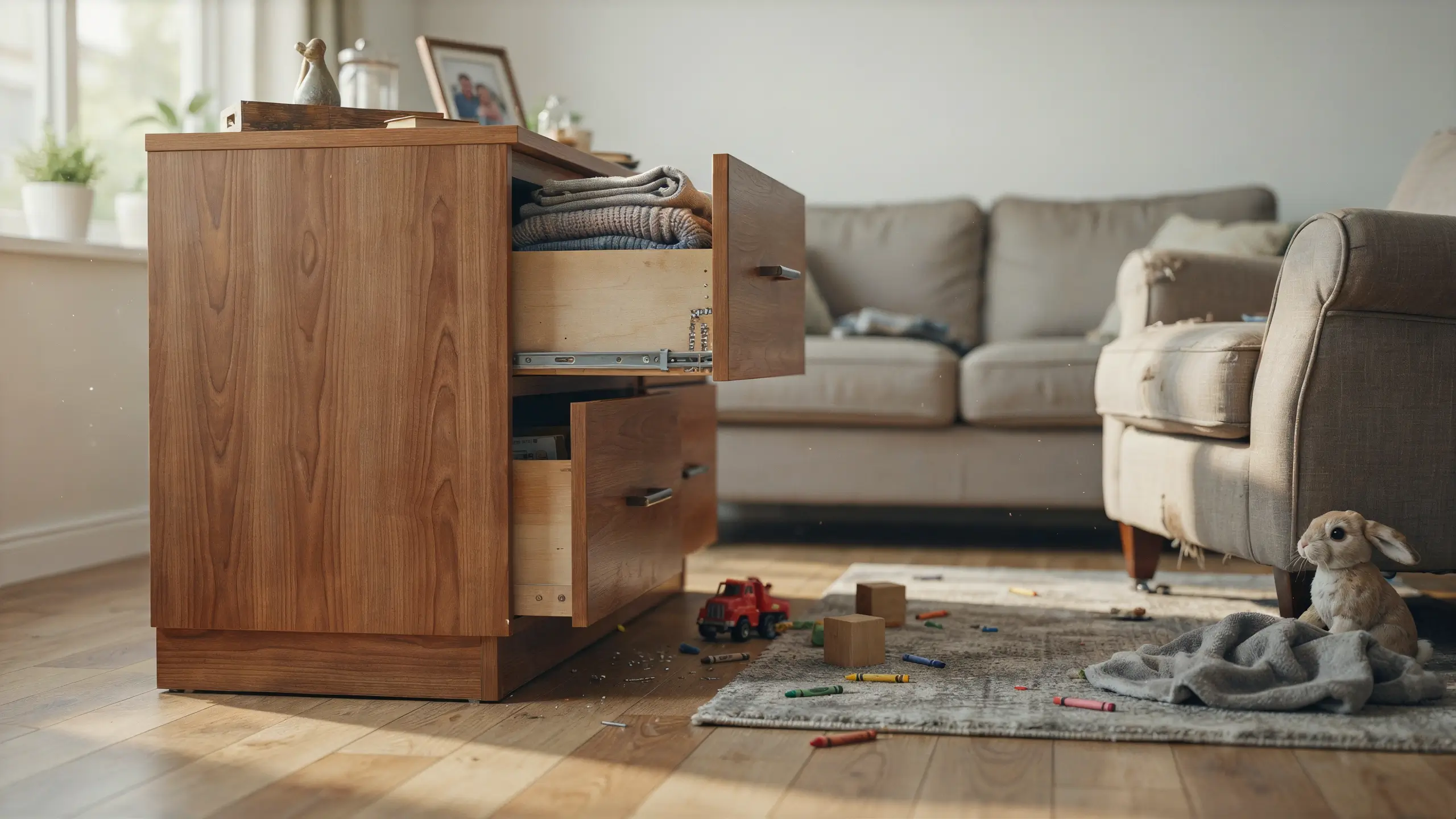
Real life is not gentle on furniture. Kids climb on it, pets scratch it, guests sit on the arm of the sofa instead of the cushion, and everything gets moved at least once when you rearrange a room for the hundredth time.
Cheap furniture is usually built from particleboard or engineered wood held together with staples and glue instead of proper joinery. It looks fine in a showroom or a product photo because it hasn’t been touched yet. Give it six months of actual use and the difference between that and solid wood with dowel or mortise-and-tenon joints becomes obvious fast.
I learned this with a dresser. The drawers looked substantial in the store. Within a year, the drawer bottoms had started to sag from the weight of folded sweaters, and two of the drawer fronts had come loose from the sides because they were only stapled on.
Mistake to avoid: don’t judge furniture by how it looks sitting still in a showroom. Open every drawer, sit in every chair, and press down on cushions before you buy, no matter how good it looks online.
3. My Rooms Started Looking Tired Within Months
This is the part nobody warns you about, and it’s the one that actually bothered me the most as someone who cares about how my home looks.
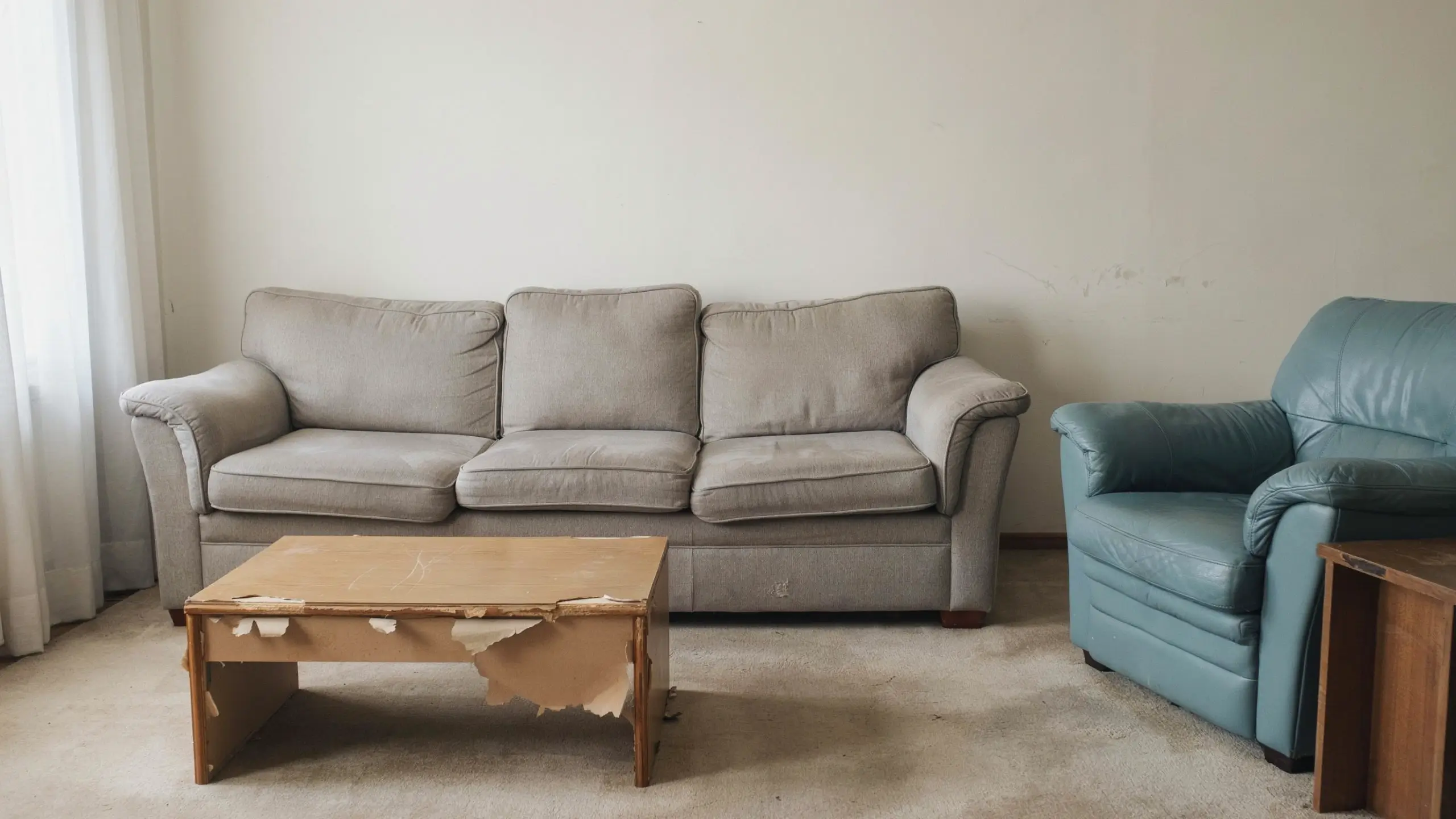
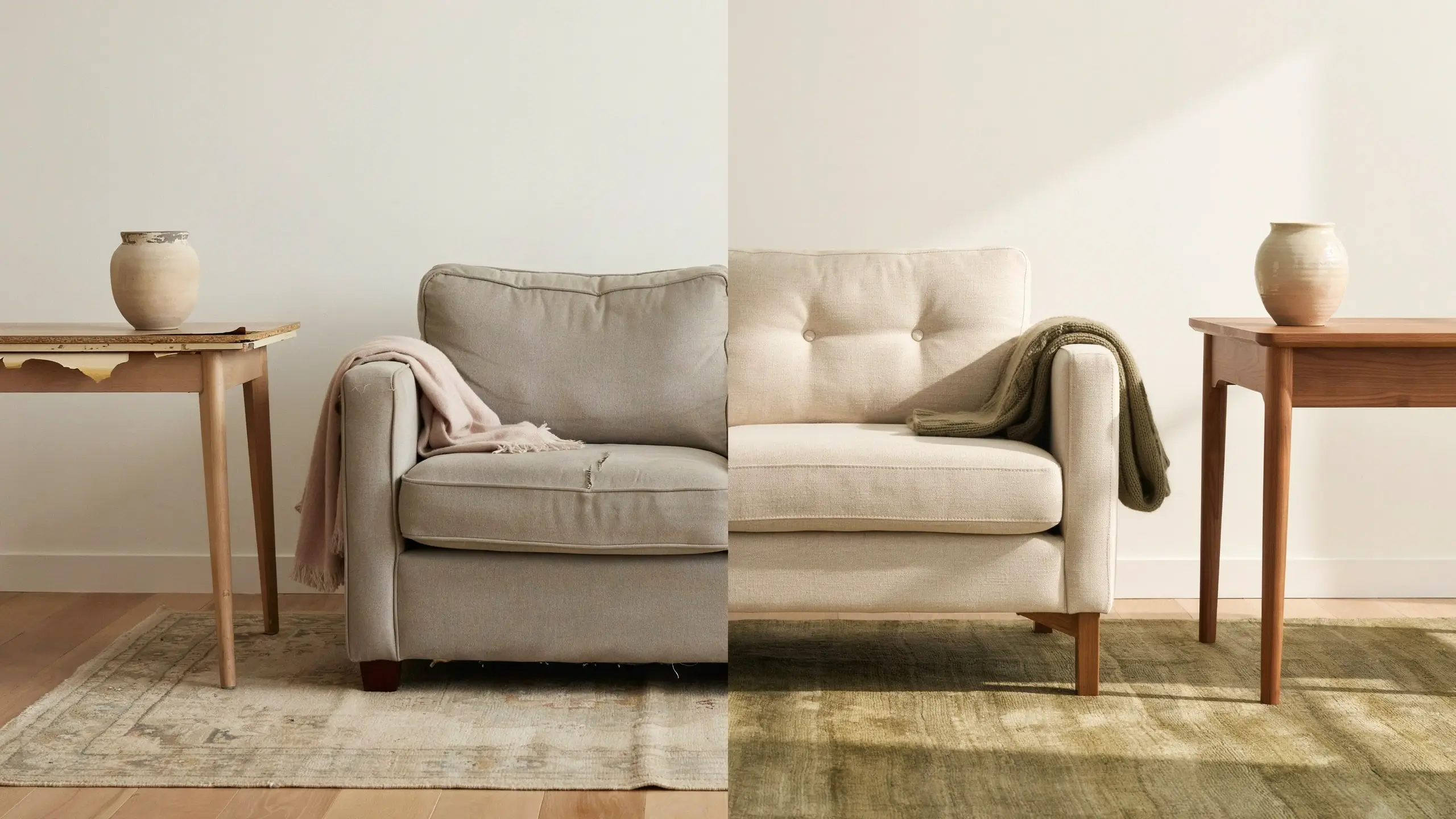
Cheap furniture doesn’t just eventually break. It ages badly while it’s still technically working. Veneer starts to peel at the corners. Polyester fabric pills and gets shiny in the spots where people sit most. Foam cushions that were plush on day one turn into flat, lumpy pancakes by month eight.
The result is a living room that looked pulled-together the week I set it up and looked worn out and mismatched a year later, even though I hadn’t done anything wrong. That constant low-level shabbiness was exhausting in a way I didn’t expect.
[Image: Side-by-side comparison photo. Left: sagging, pilled sofa cushion labeled “8 months in.” Right: structured, smooth cushion on a quality sofa labeled “3 years in.”]
4. I Didn’t Love Finding Out What Was Actually Inside It
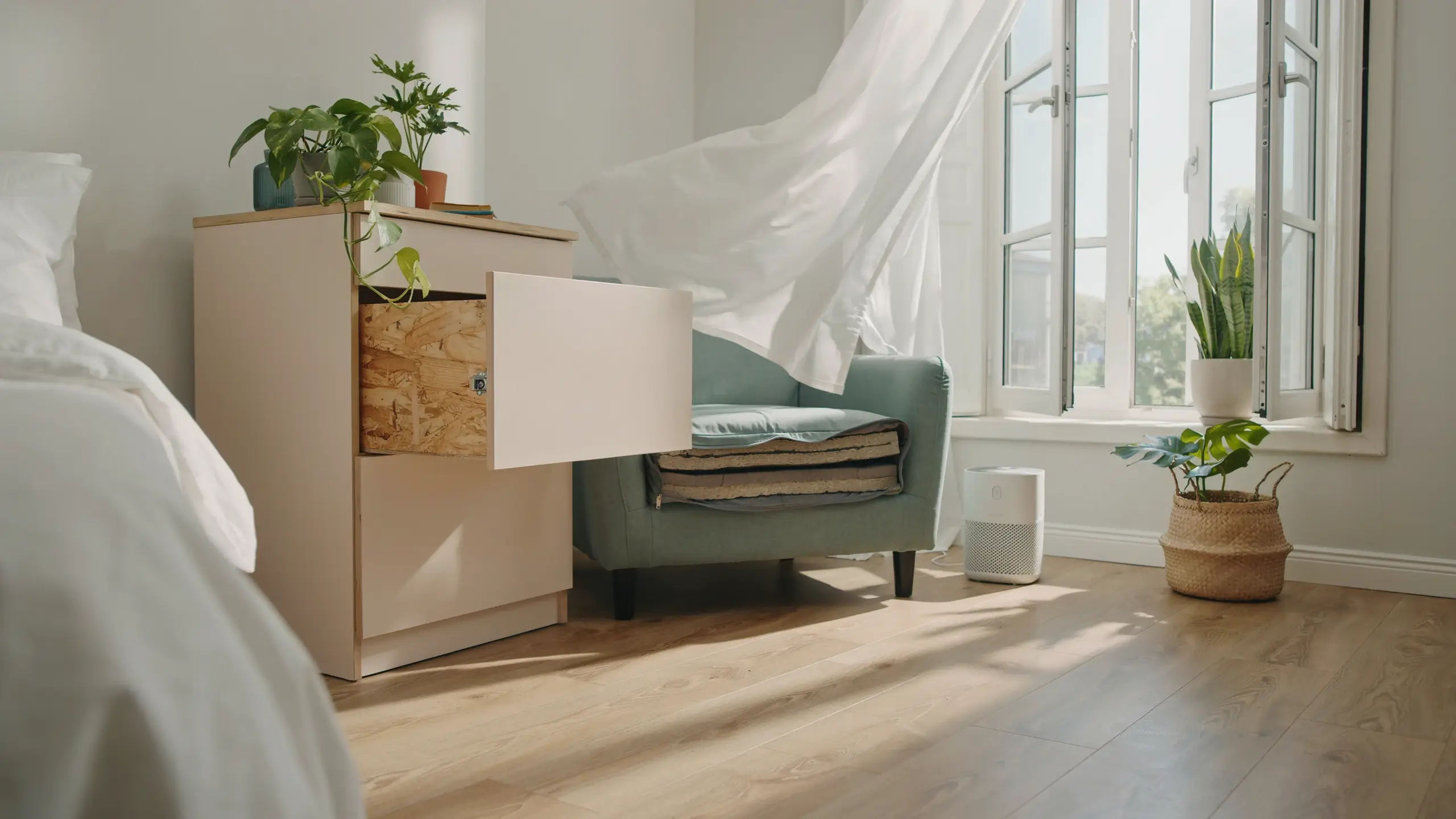
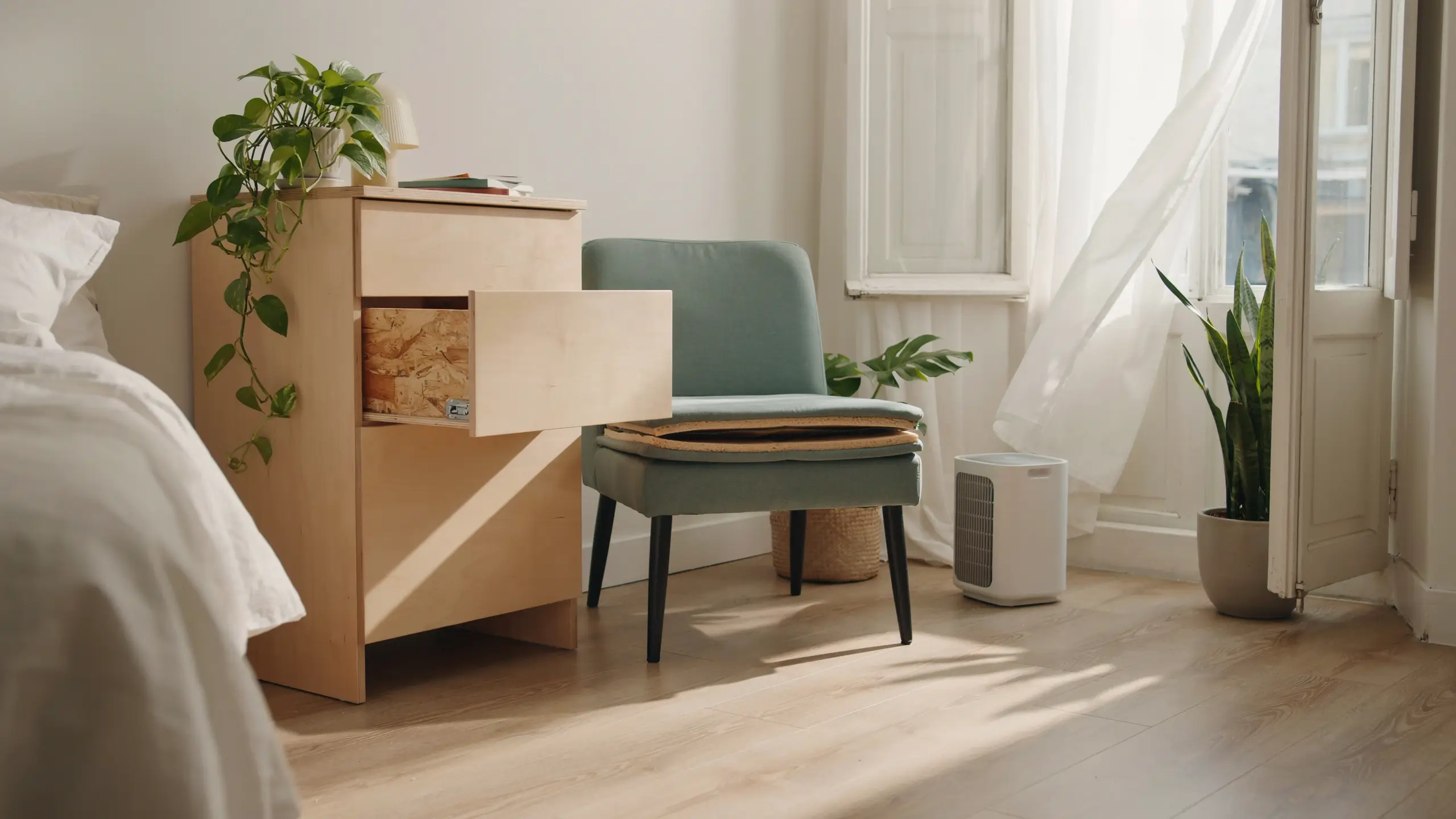
That “new furniture smell” you get when you unbox a cheap piece isn’t a neutral thing. It’s often off-gassing from adhesives, particleboard resins, and treated fabrics, and it can include compounds like formaldehyde. Once I actually looked into what budget furniture is commonly made from, I stopped finding that smell exciting and started finding it a little unsettling.
Safety note: if you do bring home new furniture, especially anything made from pressed wood or with a strong chemical smell, air out the room with open windows for a few days before spending long stretches near it, and avoid putting strong off-gassing pieces in a nursery or a small bedroom with poor airflow.
Comfort was the other piece of this. Cheap cushions are usually just polyfill or basic foam wrapped in a fabric cover, with none of the support layering that keeps a sofa comfortable for years. Once I sat in furniture with real cushion support, I understood what I’d been settling for.
5. I Couldn’t Give It Away When I Was Done With It
This one surprised me. I assumed if I ever wanted to get rid of a piece, I could at least donate it or sell it for a little cash.
Cheap, mass-produced furniture usually has almost no resale value, and a lot of donation centers won’t even accept particleboard furniture anymore because it doesn’t hold up to a second home. I tried to donate a bookshelf once and was turned away because it had visible wear that made it unsellable, even though it was only two years old.
Quality furniture, especially solid wood, tends to hold real value. People actively look for it secondhand. Cheap furniture just becomes a curb pickup or a landfill trip, which brings me to the next point.
6. Replacing It Was Costing Me More Than Fixing Quality Ever Would
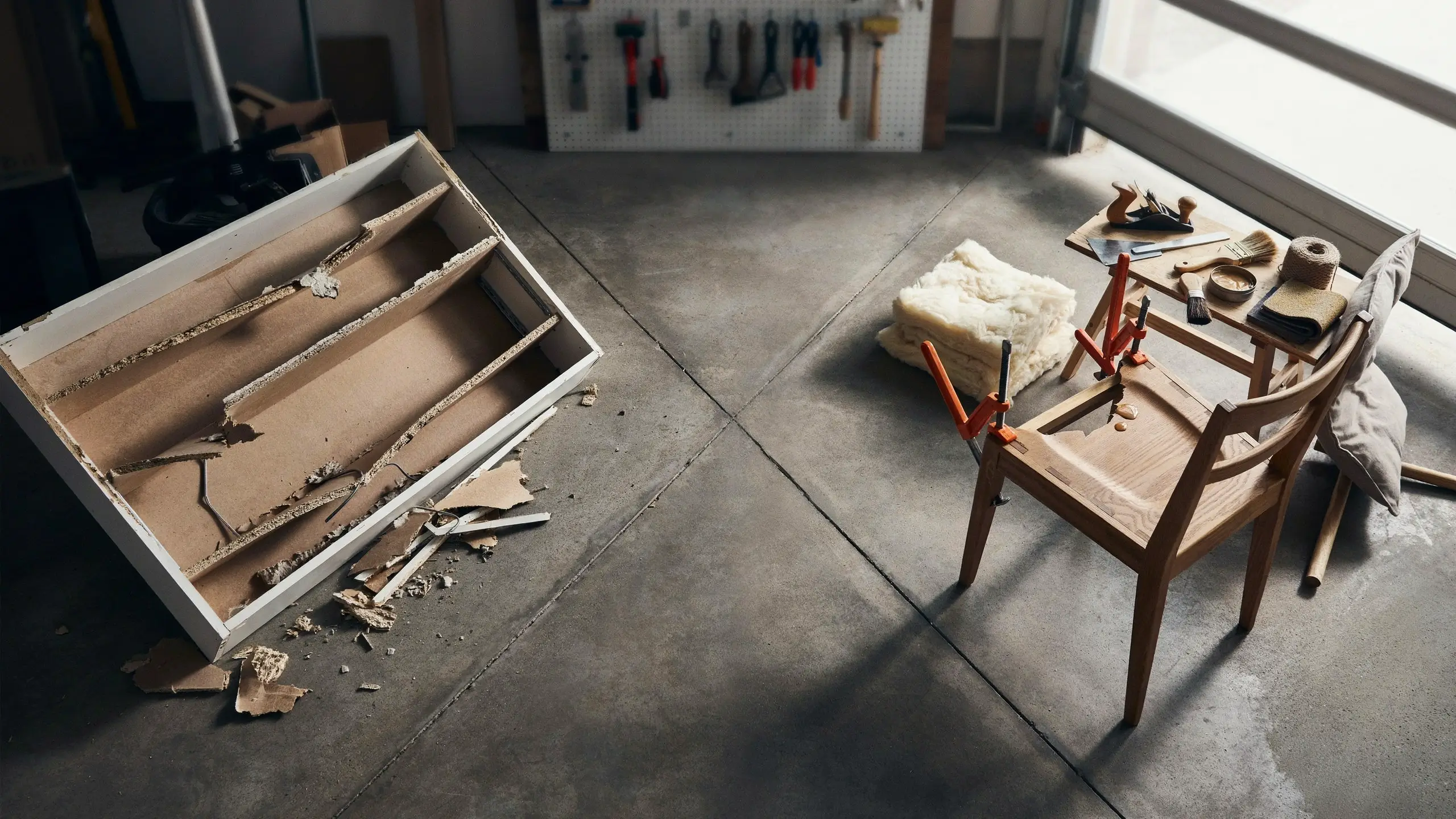
Furniture waste has become one of the fastest-growing categories of landfill waste in the country, and cheap, disposable pieces are a big part of why. Every time I replaced a broken piece, I was paying for the new item, plus the hassle of hauling the old one out, plus the delivery fees, plus the time spent shopping all over again.
Quality furniture isn’t immune to wear, but it’s usually repairable. A loose joint can be reglued. A sagging cushion can be refilled. A worn wood finish can be refinished. Cheap furniture rarely gives you that option. Once it fails, it’s just done, and you start the whole cycle over.
What Changed My Mind Wasn’t “Buy Expensive.” It Was “Buy Smart.”
Here’s the part most articles about this topic skip. I’m not telling you to only shop at high-end furniture stores or spend a full paycheck on a coffee table. I still have a limited budget like most people. What changed is how I decide what’s worth spending on and how I shop for it.
[Image: Flat-lay of furniture shopping essentials: a small flashlight, measuring tape, notebook with a furniture checklist, and swatches of fabric. Overlay text: “How I Shop for Furniture Now”]
How I Check If Furniture Is Actually Well Made
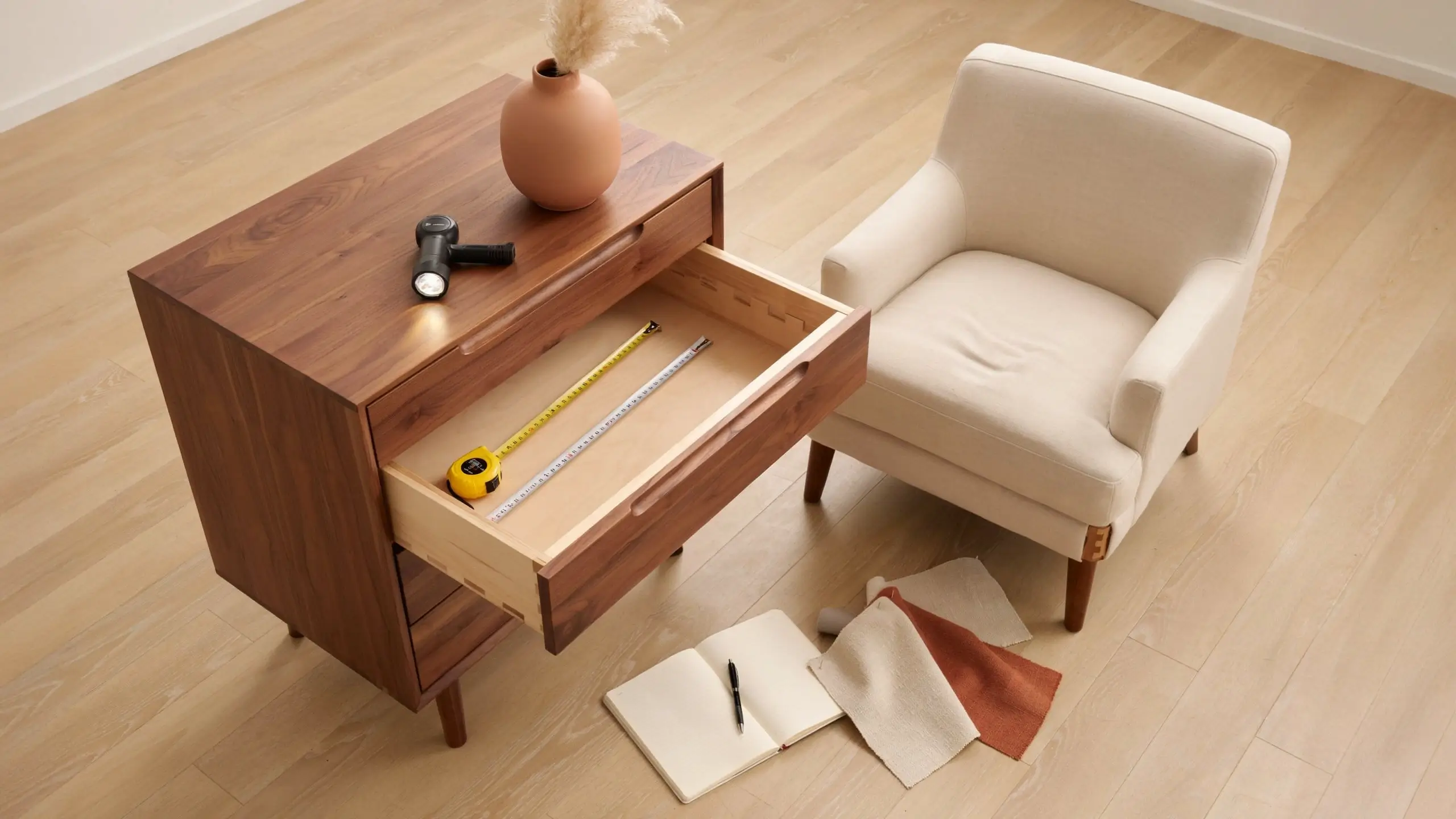
I use the same quick checklist now whether I’m in a big-box store, a boutique shop, or scrolling a secondhand listing. None of this requires special expertise, just a few minutes of paying attention.
- Check the material, not just the finish. Tap the surface or look at the edges and drawer interiors. Solid wood shows consistent grain all the way through. Particleboard or MDF usually reveals a different color or texture at the edges under a thin veneer.
- Look at the joints. Pull out a drawer and look at the corners. Dovetail or interlocking joints are a strong sign of quality. Staples, glue only, or plastic brackets are a red flag.
- Do the wobble test. Gently rock a chair or table. Solid, well-built furniture barely moves. Cheap furniture flexes or creaks almost immediately.
- Check the cushion fill. Press down on a sofa or chair cushion and let go. High-density foam or a foam-and-down blend bounces back. Basic polyfill stays flattened.
- Ask about the fabric’s rub count. For upholstery, a rub count (also called double rubs) of 15,000 or higher generally holds up well to daily household use. Anything far below that will show wear fast, especially with kids or pets.
- Lift it. This sounds silly, but weight is often a real clue. A “solid wood” table that feels almost weightless is very likely not solid wood.
- Read the warranty length. A one-year warranty usually signals the maker doesn’t expect the piece to last much longer than that.
What I Still Buy Cheap (And Don’t Feel Bad About)
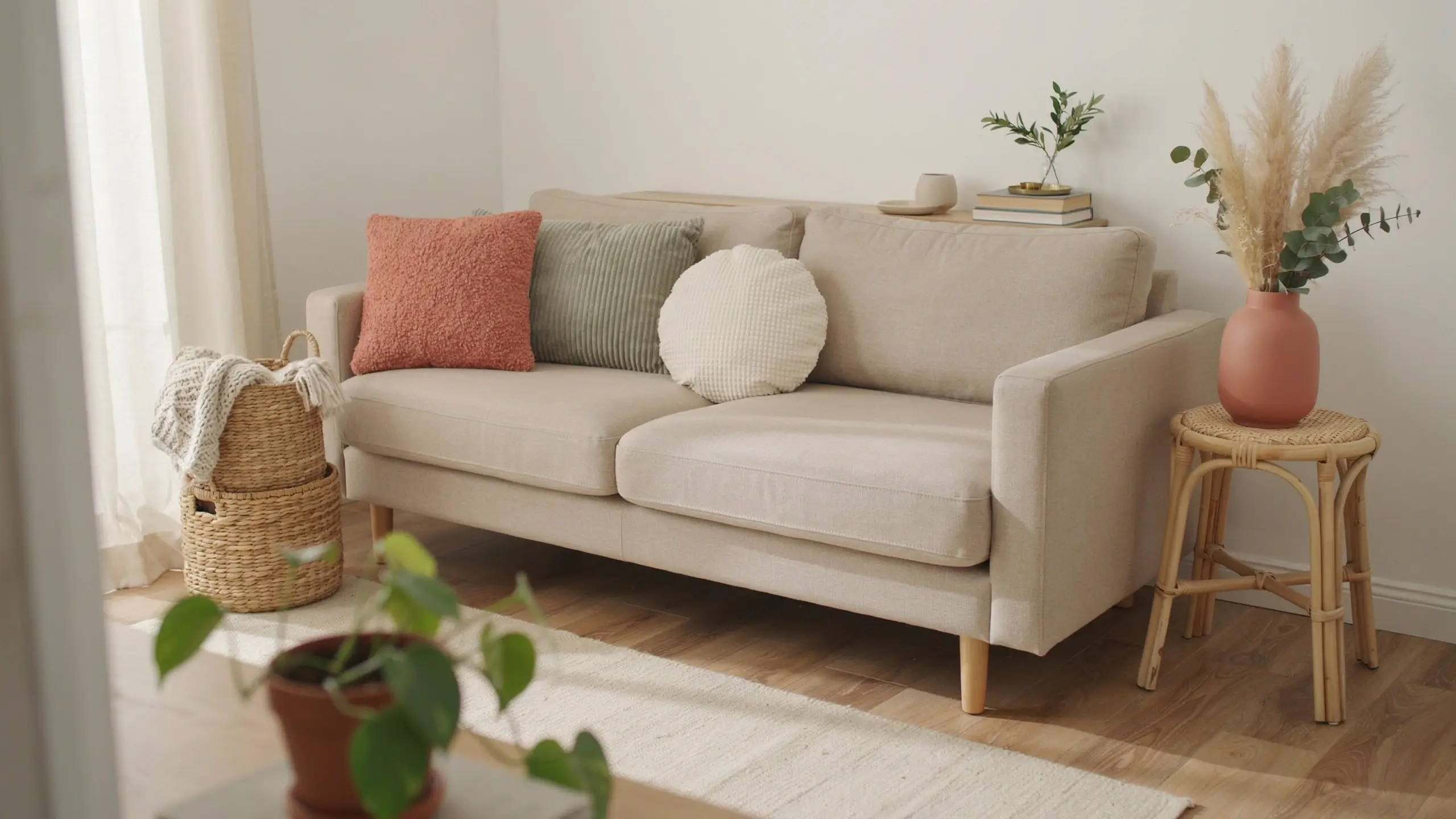 c
c
This is the nuance I wish more articles included. Not everything in your home needs to be a lifetime investment, and treating every purchase like it does will burn out your budget fast.
- Decor accents like throw pillows, vases, and seasonal accessories, since these get swapped out often anyway.
- Trend pieces I know I’ll want to change in a year or two, like a bold accent chair color.
- Toddler and kid furniture they’ll outgrow quickly, as long as it passes basic safety standards.
- Guest room furniture that gets light, occasional use.
- Storage bins and organizers that live inside closets or cabinets, out of daily wear and sight.
The pieces I now spend more on are the ones that get used every single day and take the most physical wear: the sofa, the mattress, the dining chairs, and anything with drawers I open constantly.
Where I Shop Now for Quality Furniture Without Designer Prices
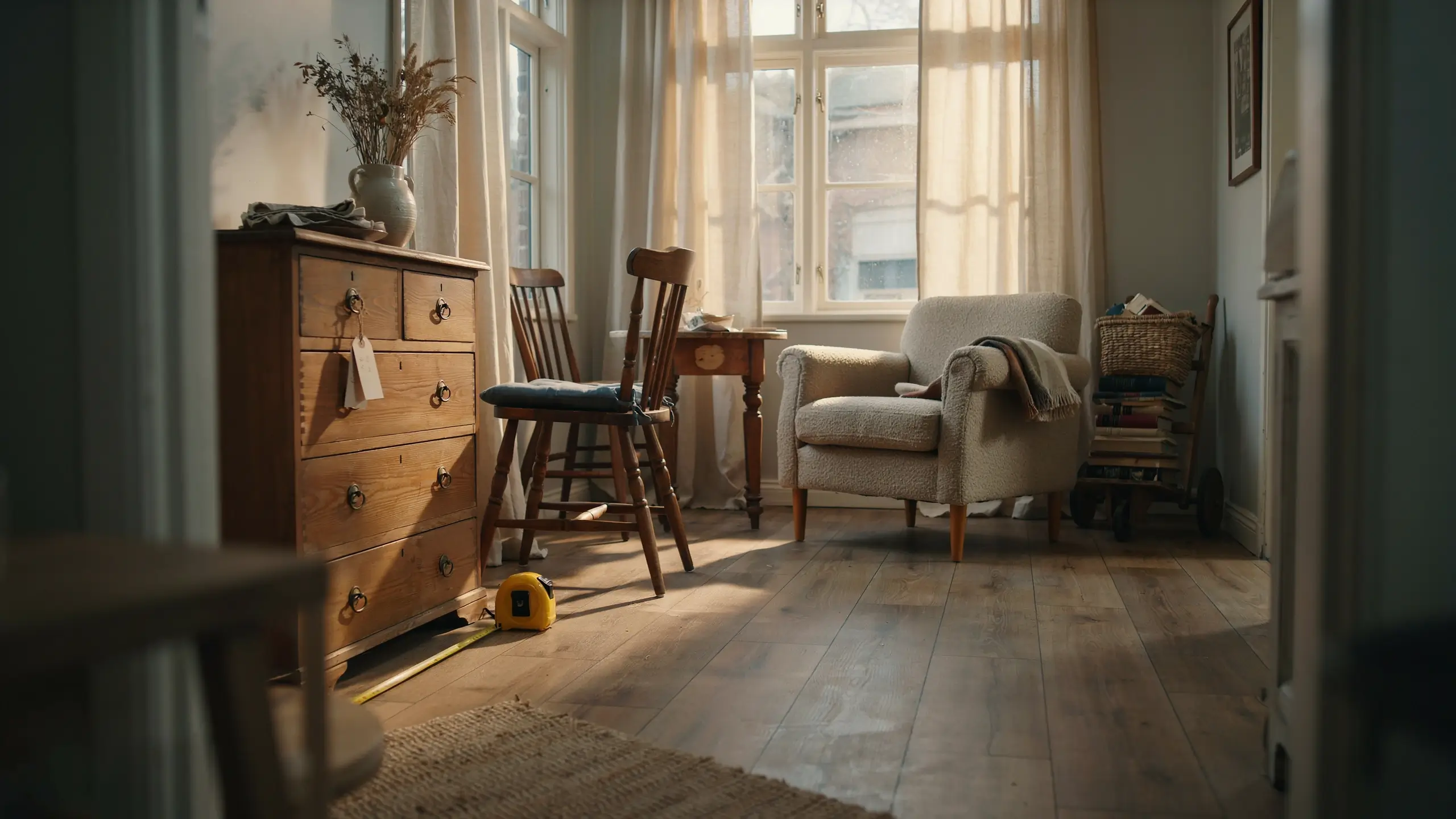
Quality doesn’t have to mean full retail price. This is where I actually find most of what’s in my home now.
- Secondhand marketplaces like local classifieds and buy-nothing groups, where solid wood furniture from decades ago often shows up for a fraction of its original price.
- Estate sales and thrift stores, especially for dressers, side tables, and dining chairs that just need a light refinish.
- Floor models and clearance sections, which are often the exact same quality piece at a steep discount because of minor cosmetic wear.
- End-of-season sales, when stores are clearing out to bring in new inventory.
- Local furniture makers, who can sometimes build a simple, solid piece for close to what you’d pay for a mid-range retail version.
Read Also: [Insert internal link to a related post, such as “How to Tell If Furniture Is Solid Wood Before You Buy” or “Thrift Store Furniture Shopping Tips for Beginners”]
Mistakes I Made When I Started Upgrading
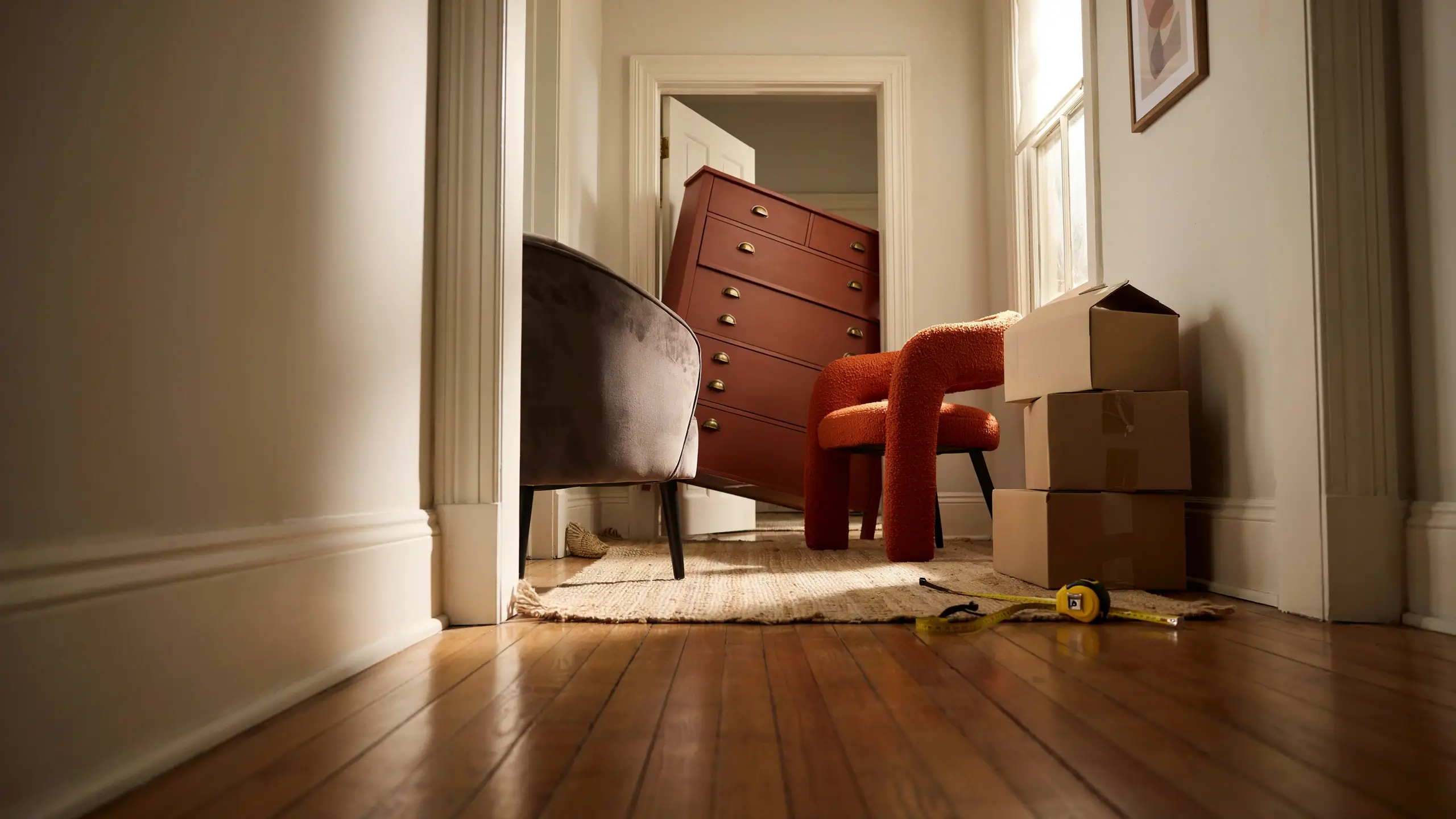
Switching away from cheap furniture came with its own learning curve, and I made a few missteps along the way that are worth mentioning.
- Buying trend pieces at full price. I paid too much for a chair style I was over within a year. Save the splurges for classic, timeless shapes.
- Not measuring first. I bought a beautiful dresser that was two inches too deep for the hallway it needed to pass through.
- Trying to replace everything at once. This drained my budget fast. Upgrading room by room, piece by piece, made it sustainable.
- Ignoring return policies. Always check the return window before buying anything secondhand or final-sale, especially upholstery you haven’t sat on in person.
Quick Comparison: Cheap Furniture vs. Quality Furniture
| Cheap Furniture | Quality Furniture | |
|---|---|---|
| Frame material | Particleboard or MDF | Solid wood or hardwood plywood |
| Joinery | Staples, glue, brackets | Dowel, mortise-and-tenon, dovetail |
| Cushion fill | Basic polyfill | High-density foam or foam/down blend |
| Typical lifespan | 1 to 3 years | 10 to 30+ years |
| Resale or donation value | Little to none | Often resells or donates well |
| Repairability | Usually not repairable | Often repairable or refinishable |
Frequently Asked Questions
Is it worth spending more on furniture?
For pieces that get daily use, like a sofa, mattress, or dining table, spending more upfront is usually worth it because quality pieces last years longer and hold up to real-life wear and tear.
How do I know if furniture is good quality without a big budget?
Check the joints, material, and cushion fill in person. Solid wood with dovetail or dowel joints and high-density foam cushions can often be found secondhand or on clearance for far less than retail.
What furniture should you never buy cheap?
Anything used daily, like sofas, mattresses, and dining chairs, tends to show wear the fastest and is worth prioritizing in your budget.
What furniture is okay to buy cheap?
Decor accents, trend pieces, kids’ furniture they’ll outgrow, and low-use guest room pieces are reasonable places to save money.
Final Thoughts
I stopped buying cheap furniture because I got tired of paying for the same mistake over and over. It wasn’t one dramatic moment. It was years of sagging cushions, wobbly drawers, and rooms that looked tired long before they should have.
I still shop on a budget. I still say no to plenty of things. The difference now is that I know what to look for, and I know which pieces are actually worth spending on versus which ones I can happily buy cheap and replace without a second thought.
If you’re standing in a furniture store or scrolling a listing right now wondering if a piece is actually worth it, run it through the checklist above before you buy. Future you will thank you.
Have you made the switch away from cheap furniture, or are you still figuring out which pieces are worth the investment? Tell me in the comments. I’d love to hear what changed your mind, or what’s stopping you.




No Comment! Be the first one.