




19 Genius IKEA Kids Room Ideas That Actually Work (And Won’t Wreck Your Budget)
If you’ve spent any time searching “kids room ideas,” you already know the problem. Half the results are showroom photos that look nothing like a real house with real toy...

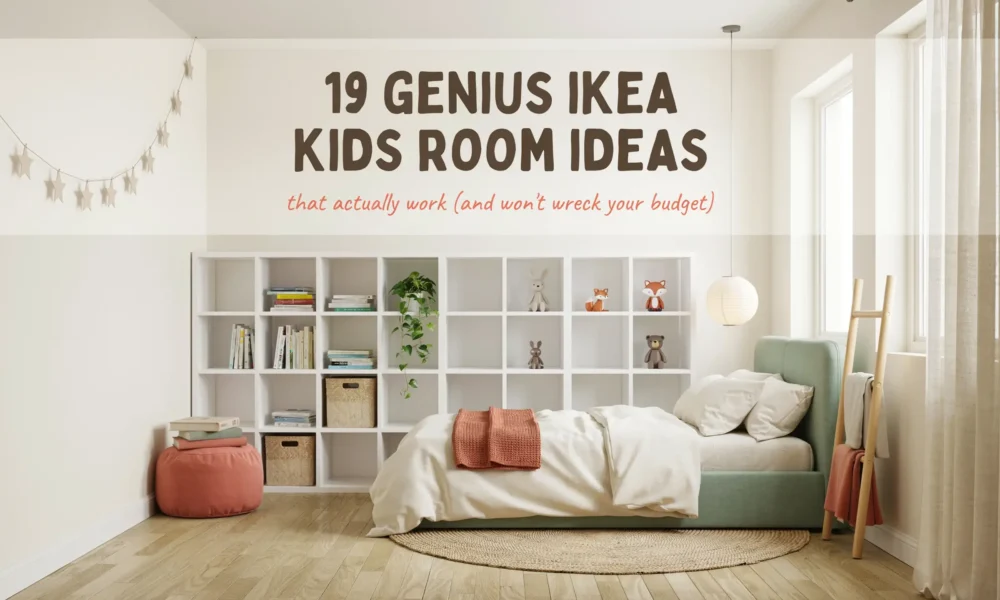
If you’ve spent any time searching “kids room ideas,” you already know the problem. Half the results are showroom photos that look nothing like a real house with real toy explosions, and the other half repeat the same five IKEA hacks you’ve already pinned twice.
Genius IKEA kids room ideas shouldn’t just look good in a photo. They should hold up when a toddler tests them, survive a growth spurt, and not require you to patch drywall when you move out. That’s the bar for everything on this list.
Whether you’re working with a nursery that needs to grow into a big-kid room, a shared space for two siblings, or a rental where drilling holes isn’t an option, these ideas are built around real constraints: small budgets, small rooms, and kids who don’t care how “aesthetic” something is until it’s too late to save it.
Smart Storage Ideas That Actually Get Used
Storage is where most kids rooms fall apart, literally and visually. The trick isn’t buying more bins. It’s matching the system to how your kid actually plays.
1. Turn TROFAST into a LEGO building station, not just a bin wall.
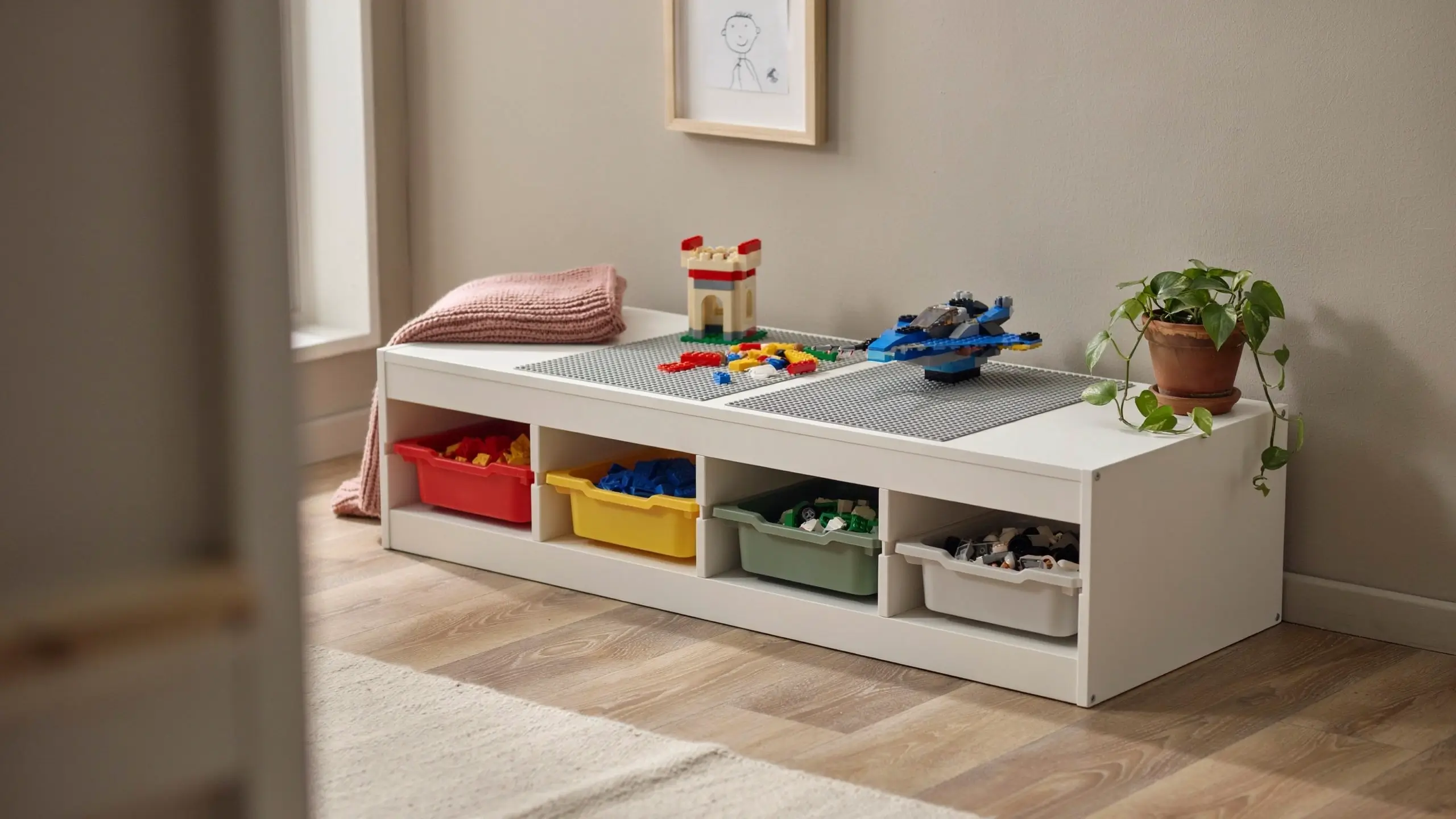
Instead of using TROFAST purely for dumping toys, mount a low unit at kid height and glue a few LEGO baseplates directly to the top shelf or lid. Kids build right where the bricks live, so cleanup is a five-second toss instead of a hunt-and-gather across the whole room. Use the colored bins to sort by brick size or color so younger kids can “clean up” without needing to read labels.
2. Use KALLAX as a room divider in a shared sibling room.
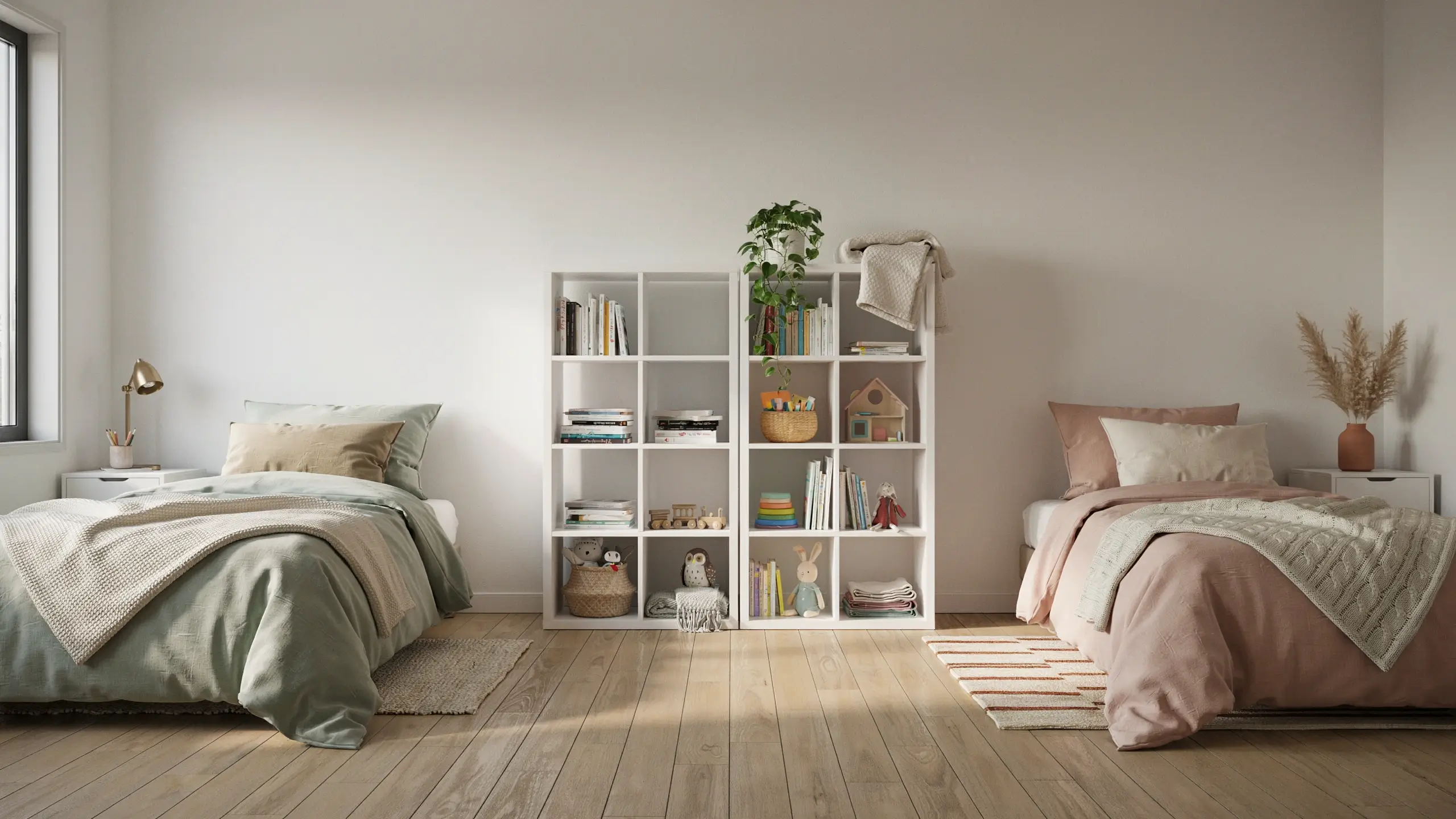
If two kids are splitting one bedroom, a KALLAX unit placed perpendicular to the wall creates a soft visual boundary without losing floor space to a wall or curtain track. Face storage baskets toward each side so both kids get their own cubbies. This is one of the most requested layouts for shared kids rooms and one of the most under-explained online, most articles mention KALLAX as shelving and stop there.
3. Combine KALLAX and TROFAST with a shelf insert for hidden bin storage.
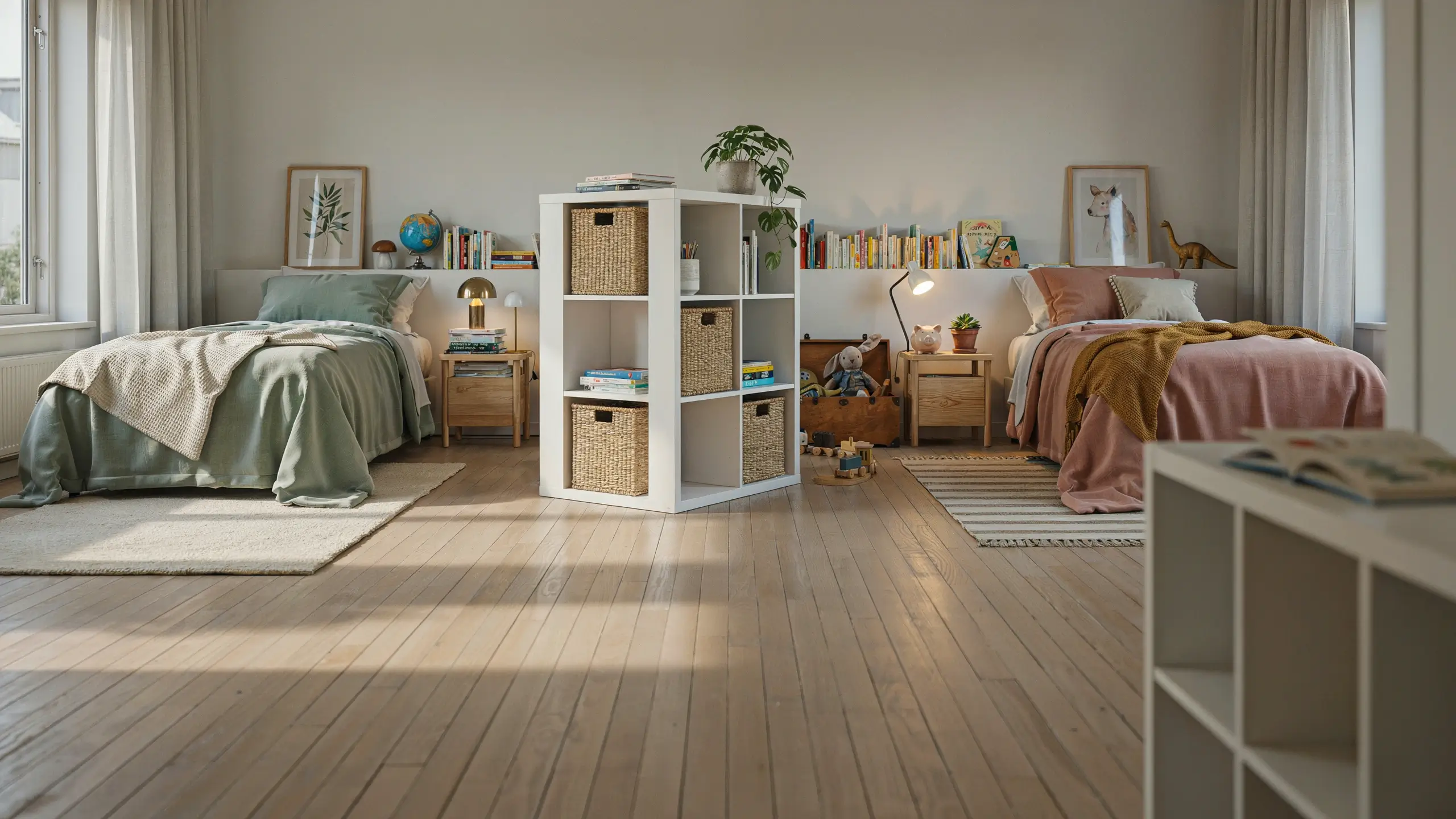
A simple insert lets you drop TROFAST bins directly into KALLAX cubbies, so open toy bins get a “lid” of sorts, the KALLAX frame itself. It keeps the messy bin look tucked behind a clean grid front, which matters if the kids room is visible from a main living area.
4. Mount picture ledges low for a spine-out book display.
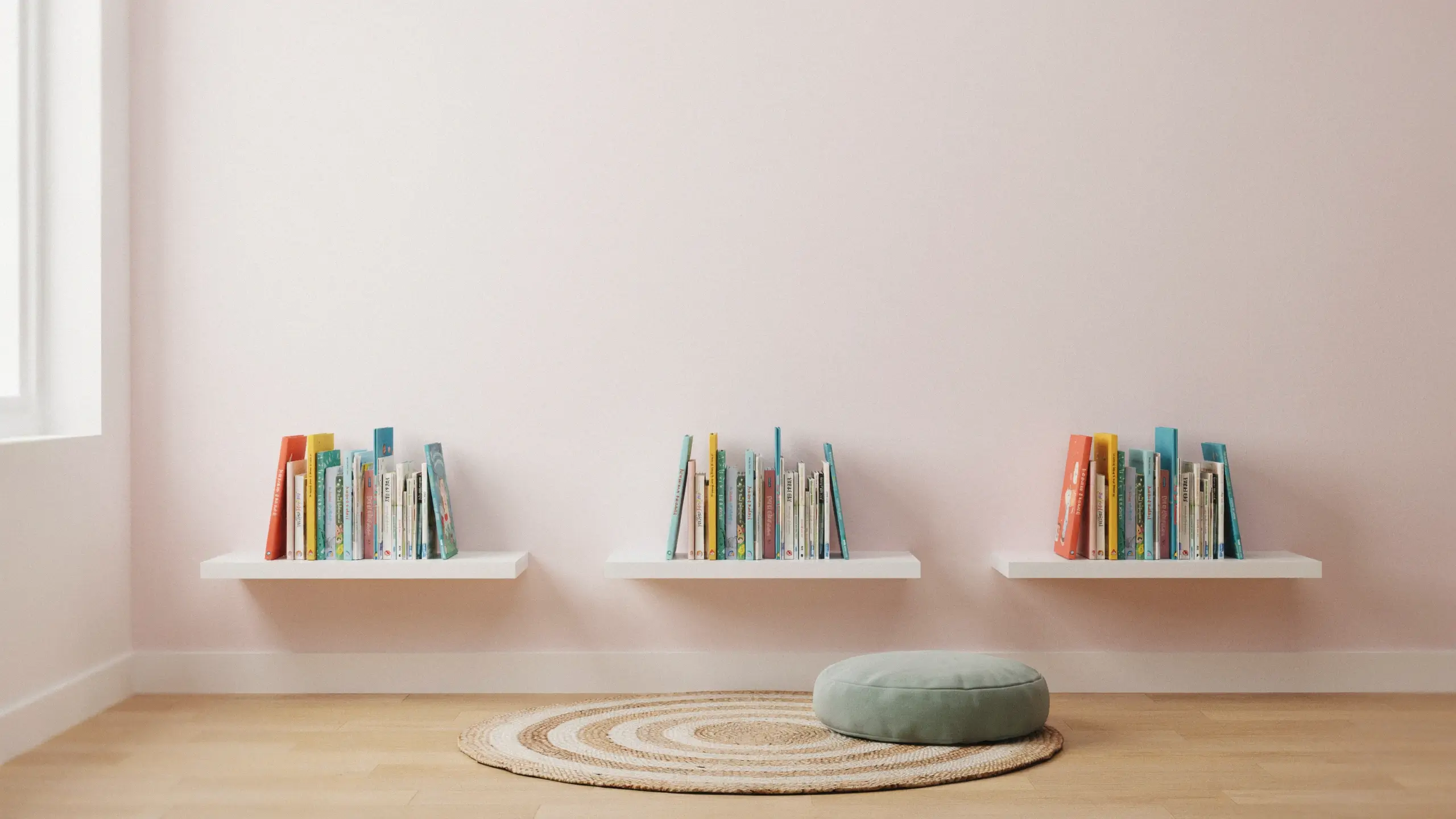
Skip the traditional bookshelf. Mount slim picture ledges at a toddler’s eye level and display books cover-out instead of spine-out. Kids pick books by the picture long before they can read titles, and a colorful ledge of book covers reads as art on the wall, not clutter. Rotate five or six books at a time so it never gets overwhelming.
5. Turn a closet into a mini reading nook.
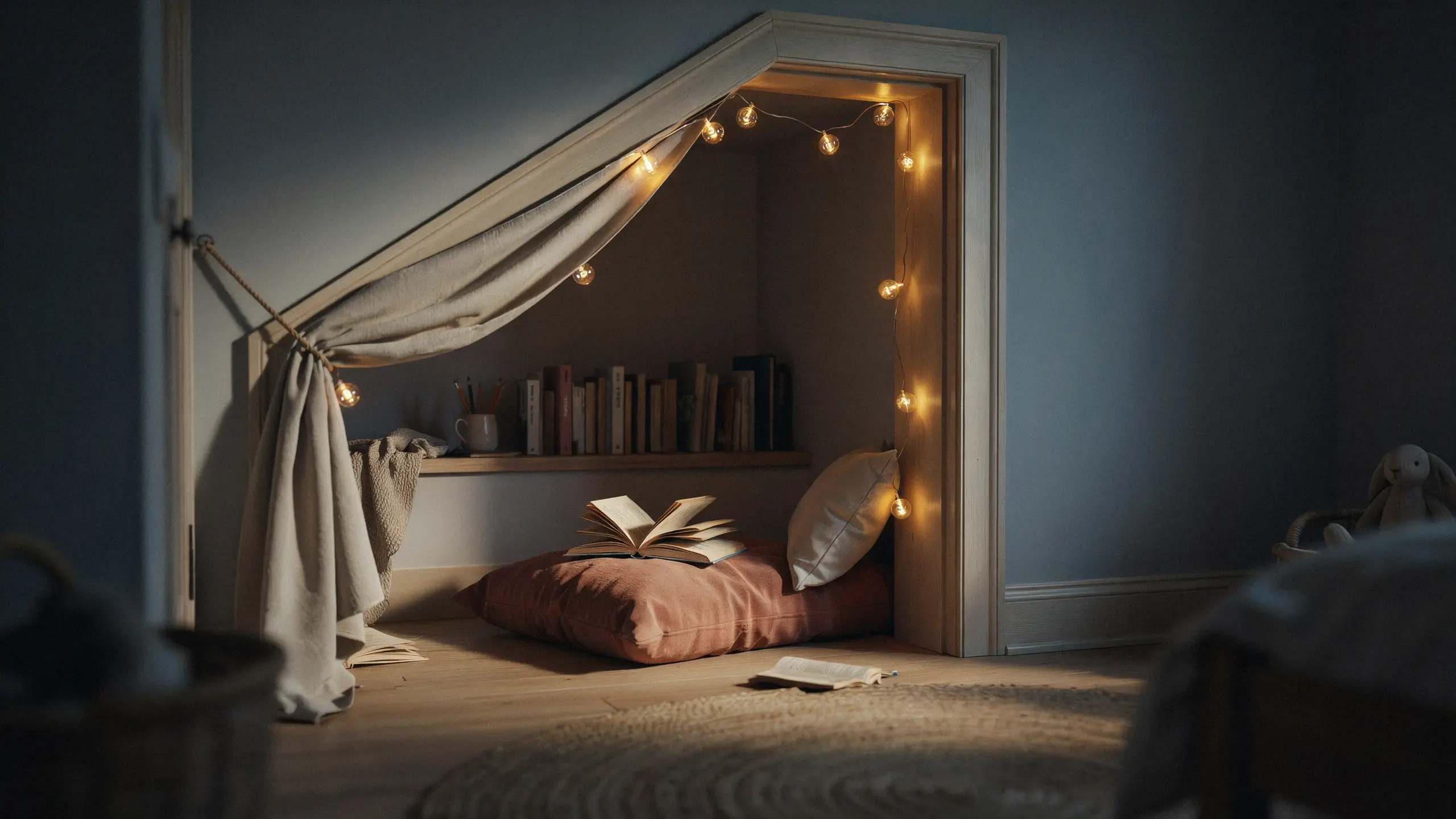
If the closet in a kids room is underused, pull the doors off (or swap them for a curtain on a tension rod for renters) and add a low shelf, a floor cushion, and a battery-powered puck light. It turns dead space into the coziest corner of the room, and it photographs beautifully for Pinterest with string lights or a small canopy.
Bed and Sleep Space Ideas
The bed usually eats the most visual and physical space in a kids room, so getting it right changes the whole feel.
6. Let the KURA bed grow with your kid instead of replacing it.
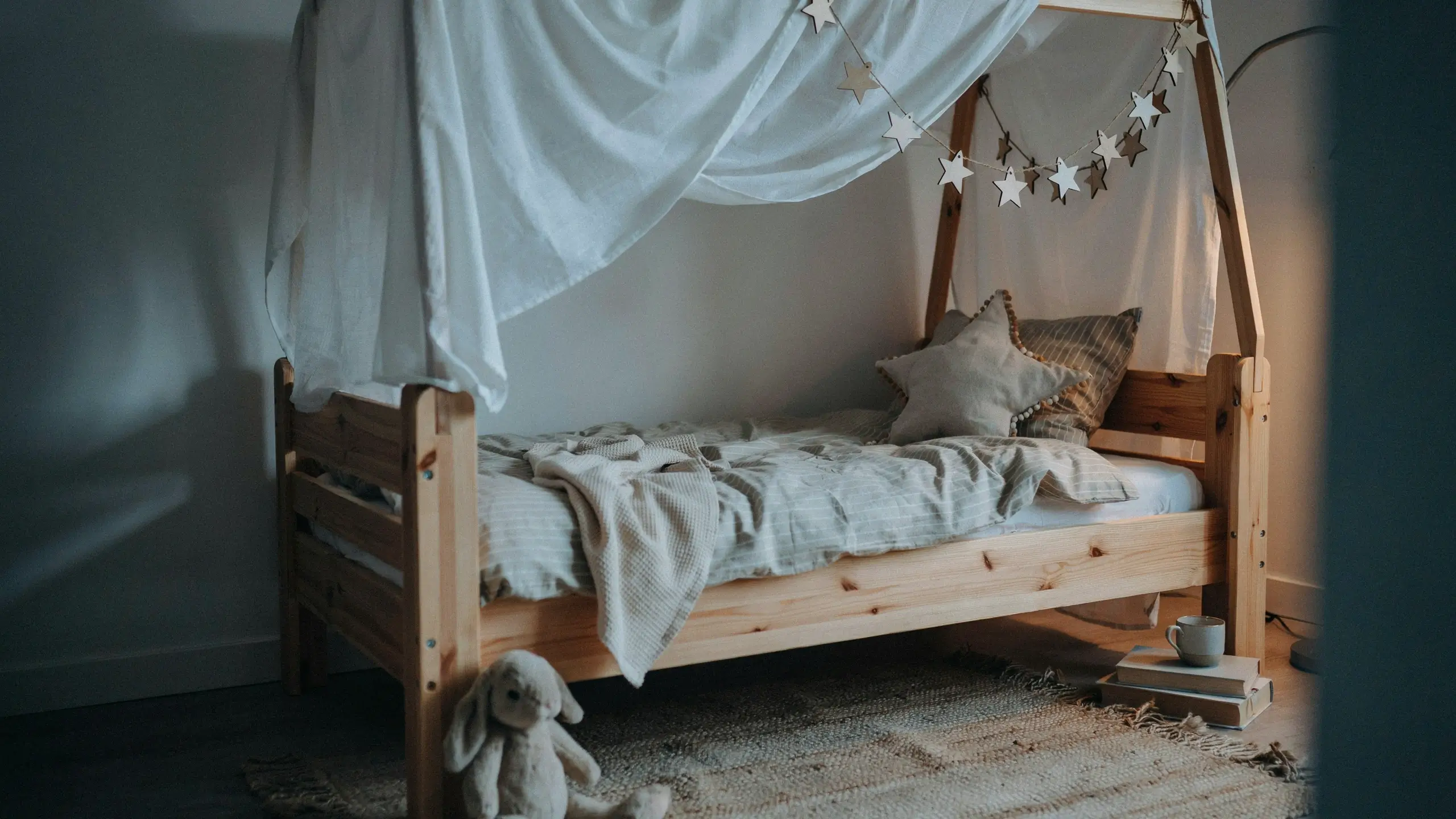
The KURA is reversible, one side is a natural pine finish, the other white, so you can flip the panels as your child’s taste changes from toddler to tween without buying new furniture. In the early years, drape a canopy or curtain over the frame to turn it into a fort or castle bed. As kids get older, strip the fabric and it becomes a simple, grown-up-looking daybed or loft.
7. Add underbed drawers to a loft or KURA bed for small rooms.
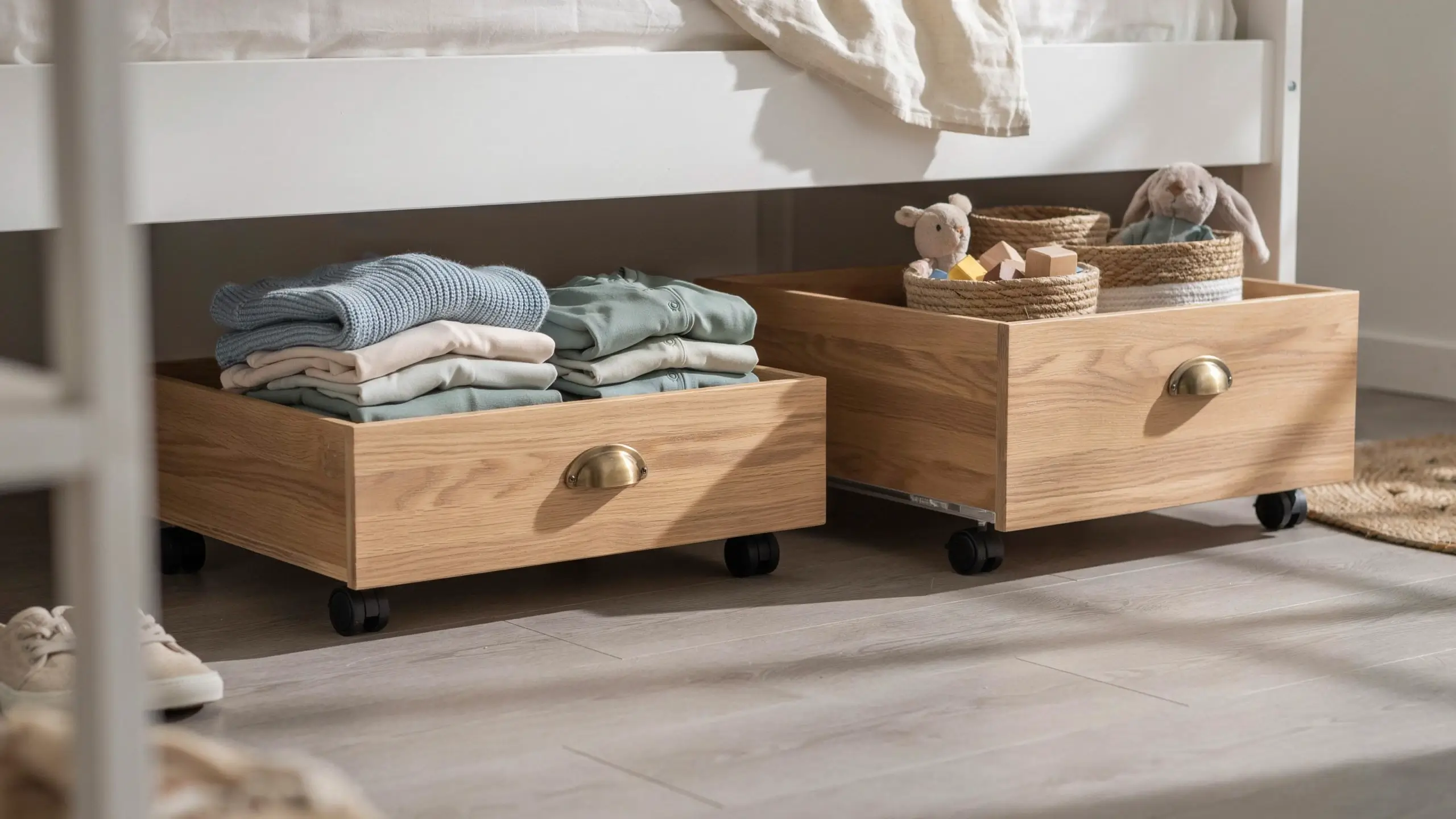
In a tight room, the space under a raised bed is prime real estate. Rolling underbed storage (either IKEA drawer units sized to fit or a DIY plywood drawer on casters) keeps out-of-season clothes or bulky toys out of sight without needing a dresser. This matters most in nurseries-turned-bedrooms where floor space shrinks fast.
8. Use a loft bed to create a “room within a room” below.
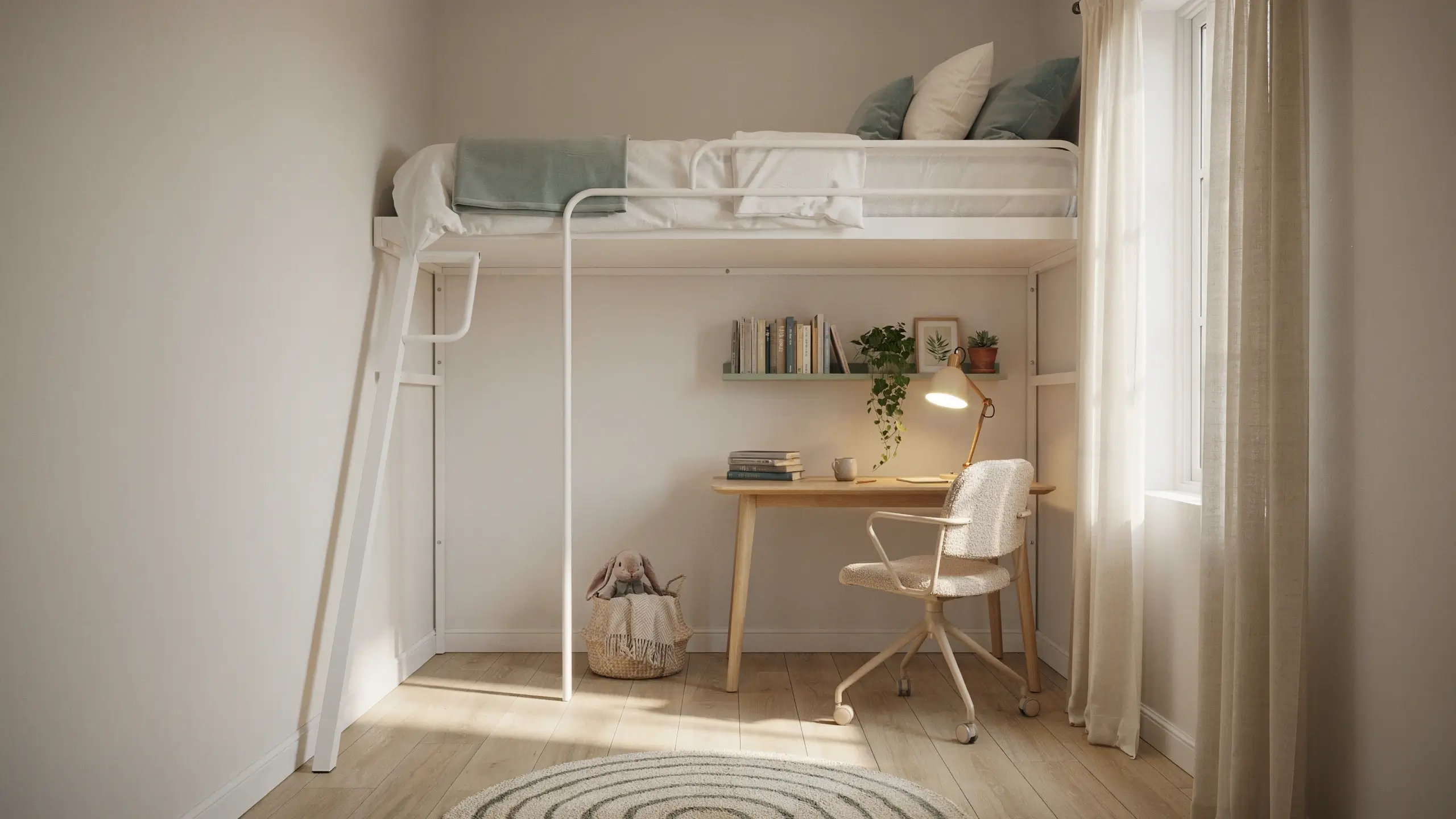
With STUVA or a similar loft-style frame, the space underneath doesn’t have to be another bed or storage. Build a small desk and chair setup, a reading corner with a bean bag, or even a mini play kitchen underneath. This is the single best move for a small bedroom that needs to function as bedroom, playroom, and homework space all at once.
Play, Learning, and Creativity Corners
A great kids room gives a child somewhere to actually do something, not just somewhere to sleep and store toys.
9. Set up a FLISAT easel or table as a dedicated art corner.
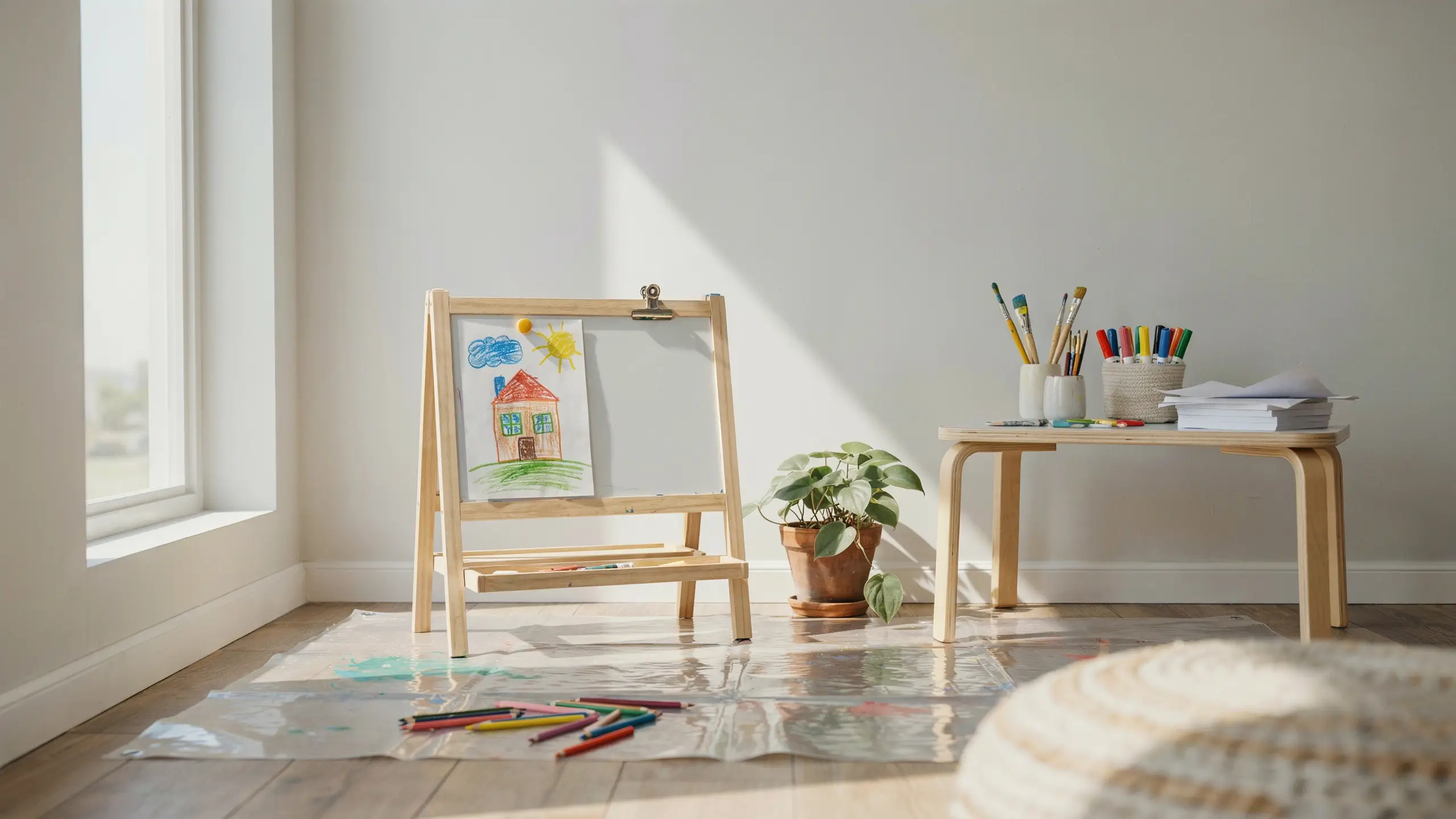
A small table sized for kids, paired with a two-sided easel, keeps art supplies contained to one spot instead of spreading across the whole room. Add a plastic tablecloth or a cheap vinyl mat underneath for easy paint cleanup, and store markers and paper in a shallow bin at the table so kids can self-serve.
10. Personalize a play kitchen instead of buying it store-standard.
The DUKTIG play kitchen is a Pinterest favorite for a reason, but the plain version looks like every other one online. Swap the plastic knobs for small wooden or brass hardware, and add a sheet of removable contact paper or peel-and-stick tile to the backsplash for a custom look that costs under $20 and comes off clean if you move.
11. Add a toddler-height table and stool combo for independent play.
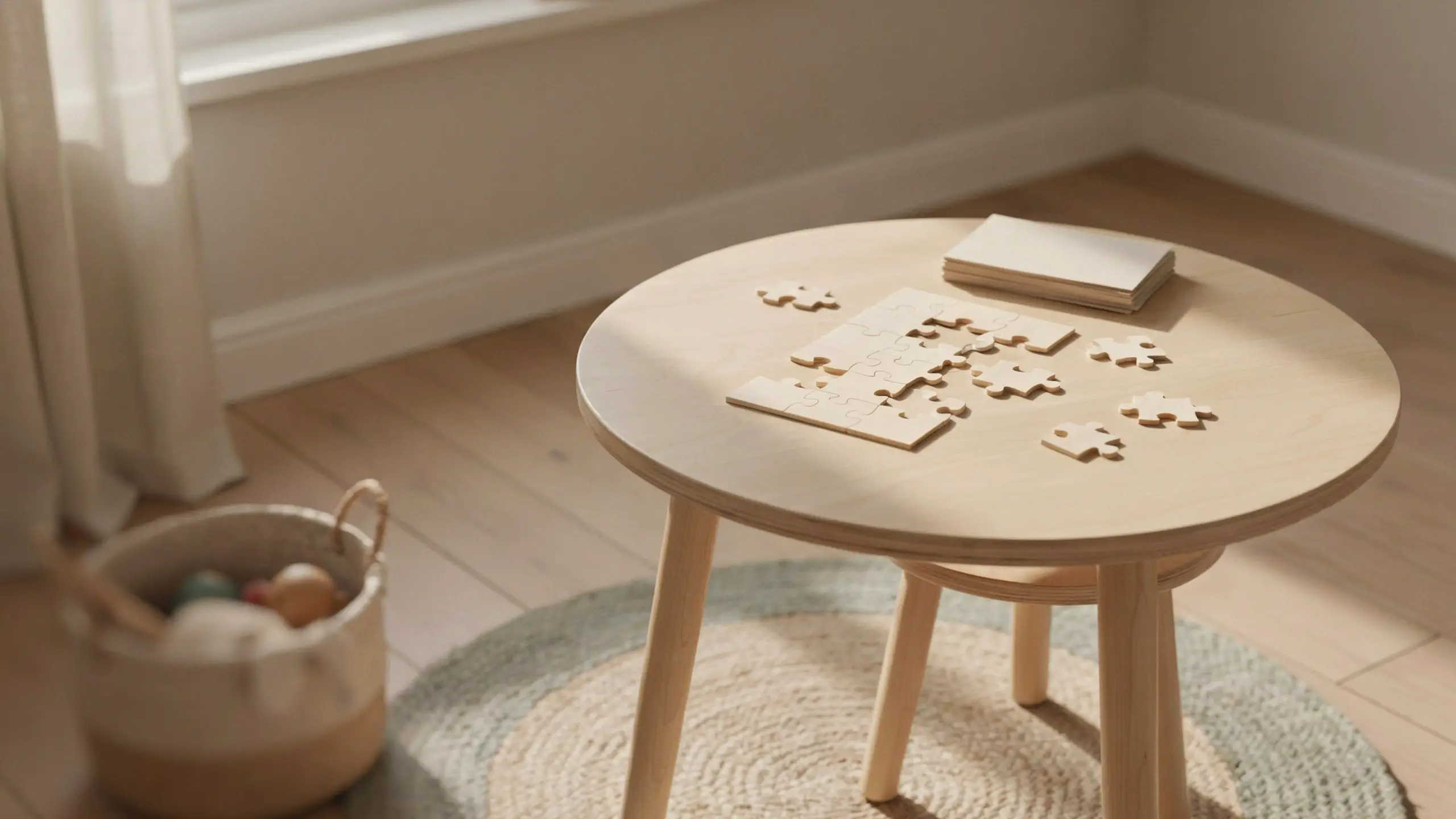
A low table paired with a stool sized for a two- or three-year-old gives them a spot to do puzzles, snacks, or coloring without needing a grown-up chair pulled up. It sounds small, but giving toddlers furniture built for their actual size cuts down on a surprising amount of “help me” requests.
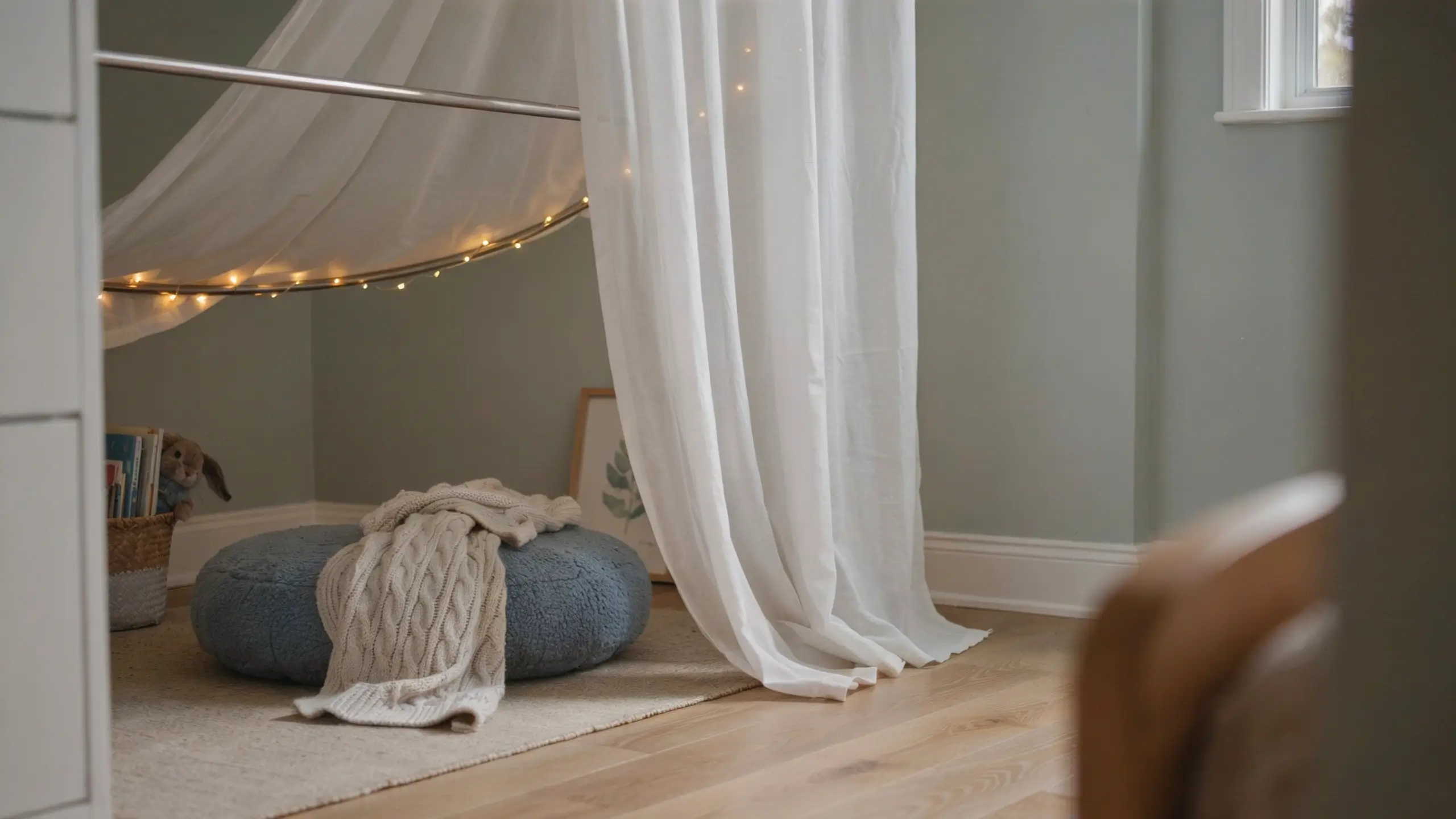
12. Build a cozy hideaway nook with soft seating and a curtain.
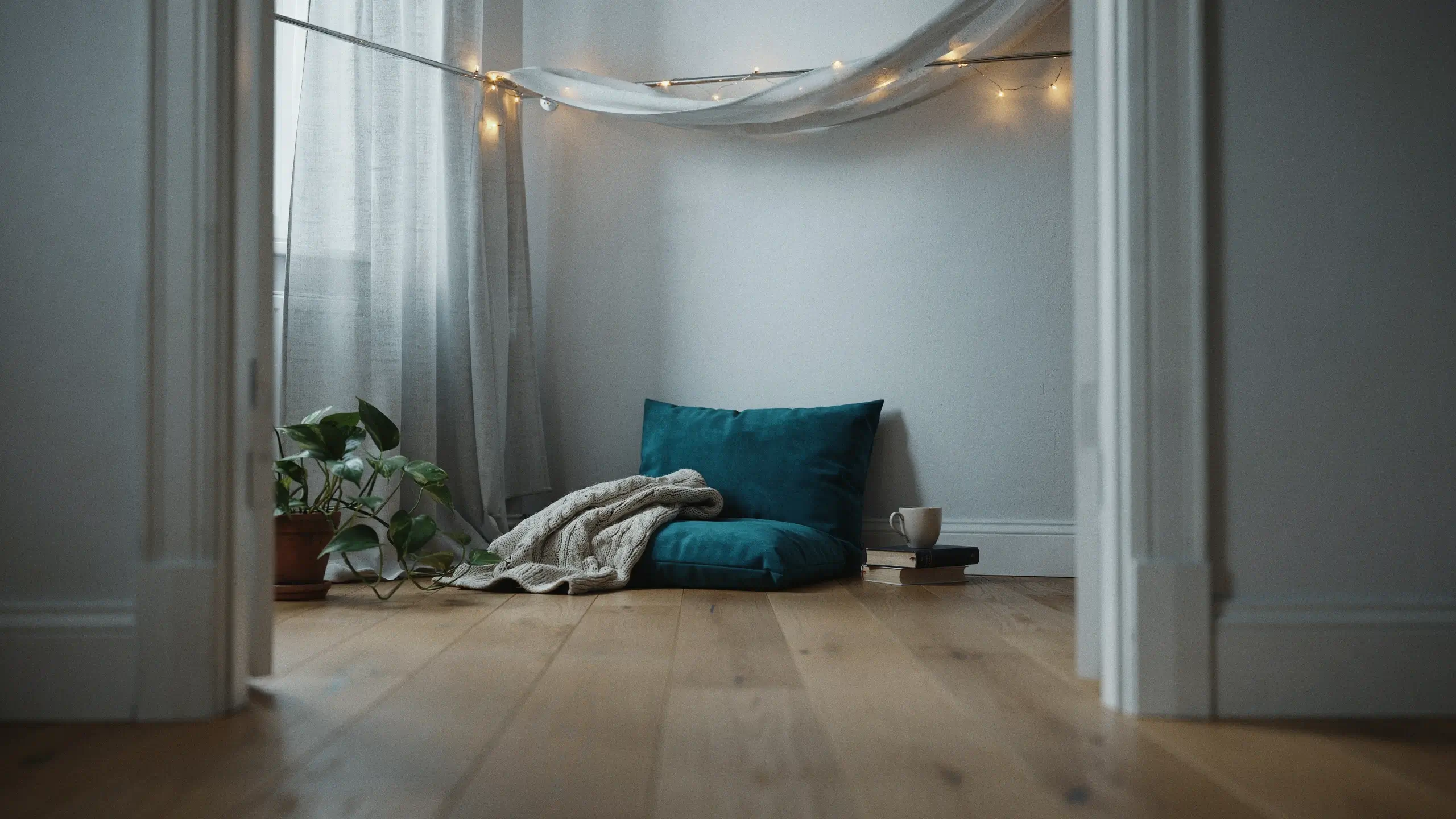
Under a wall-mounted cabinet or in an unused corner, add a floor cushion, a small curtain on a tension rod, and a battery-operated string light. Kids gravitate toward small enclosed spaces, and this gives them a calm-down or quiet-play spot that doesn’t take up real furniture footprint.
Wall Decor and Display Ideas
Walls do a lot of visual heavy lifting in a kids room, and this is where Pinterest-worthy details live.
13. Use picture ledges as a rotating art gallery.
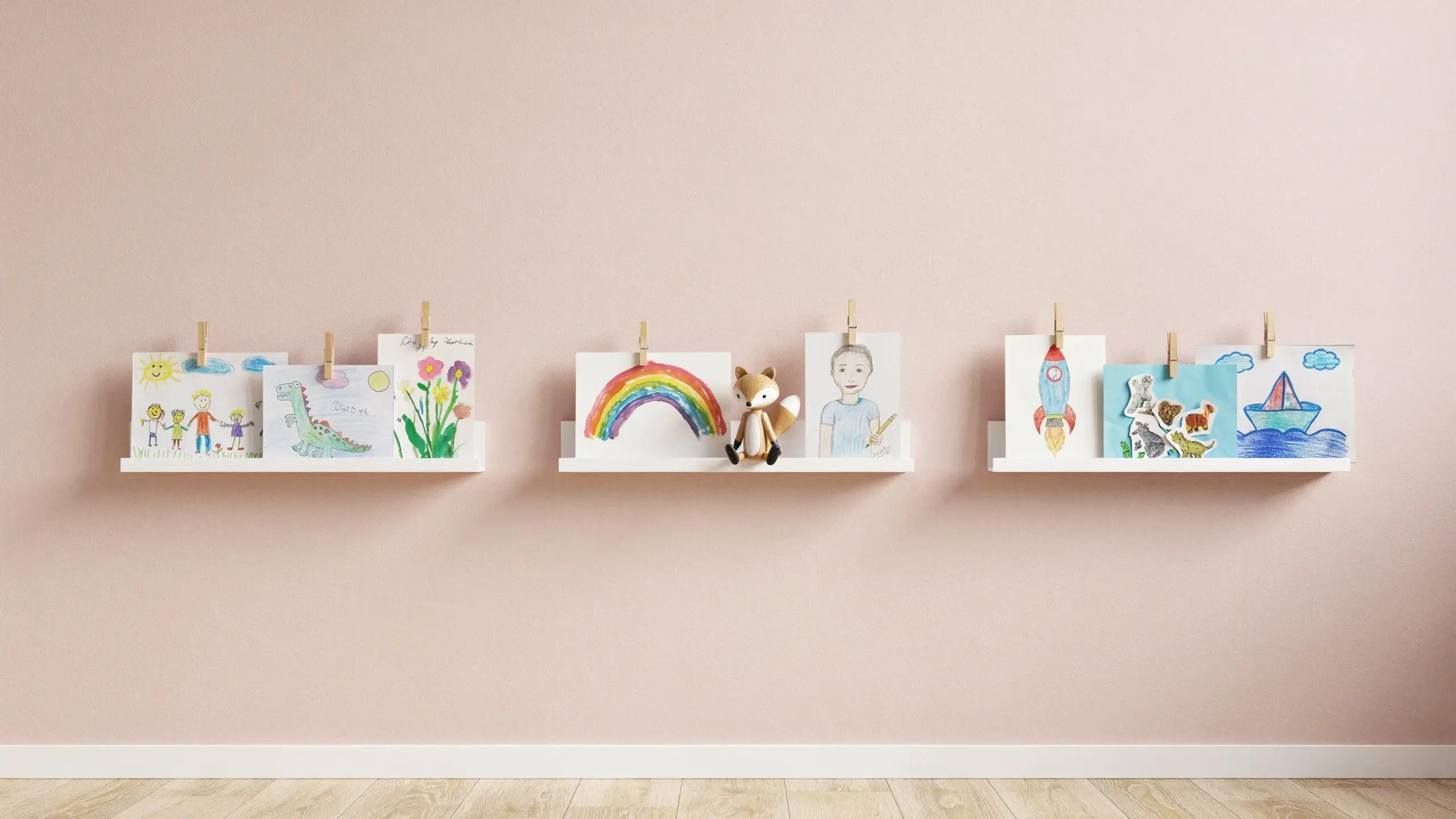
Mount two or three narrow ledges in a row and clip your kid’s drawings or paintings to them with small clothespins. It’s an easy way to display art that changes weekly without needing new frames, and kids love seeing their own work treated like it belongs on a wall.
14. Install a peg rail instead of a closet rod extension.
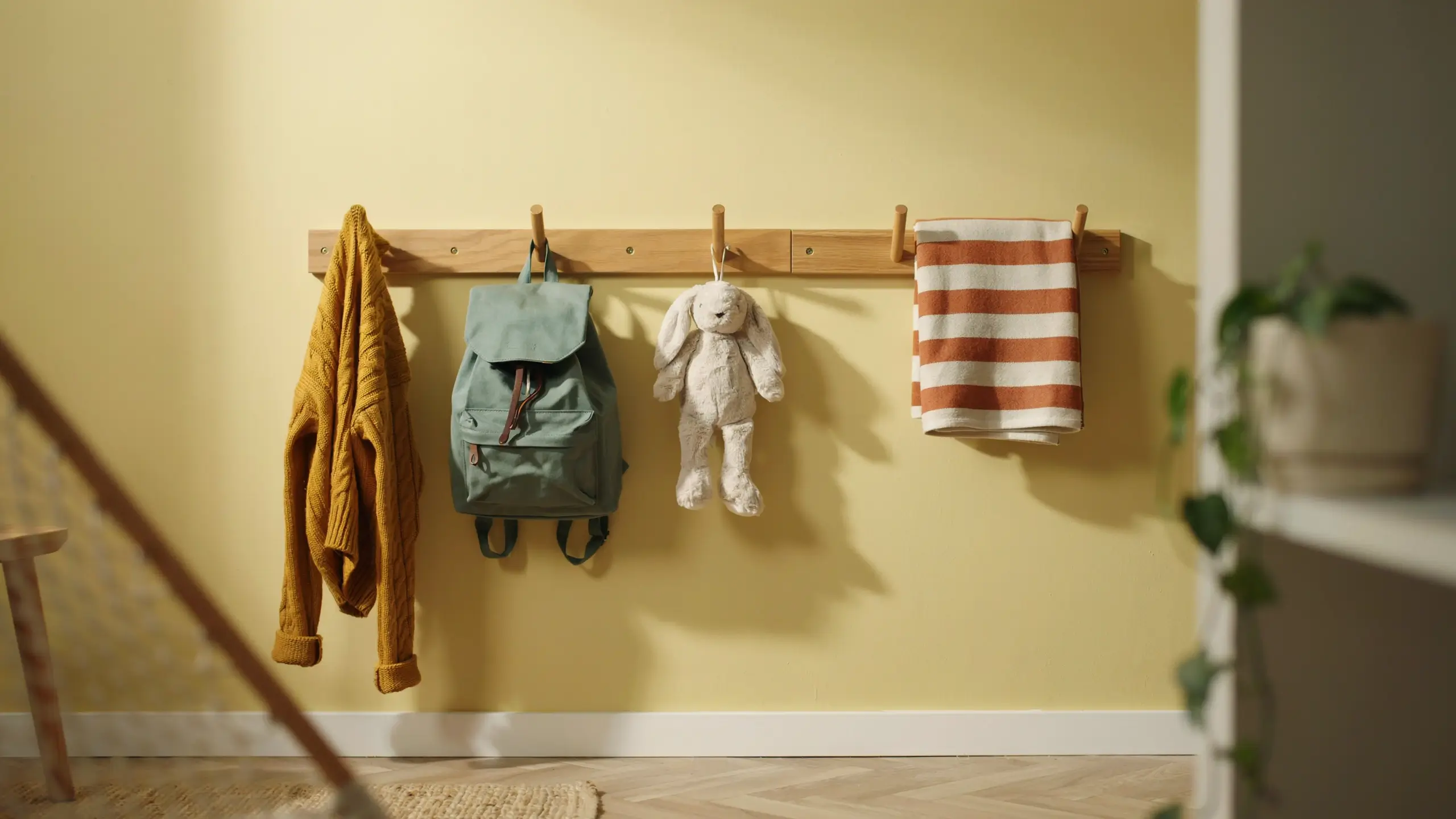
A wall-mounted peg rail at kid height holds costumes, backpacks, or a favorite stuffed animal collection. It only needs a few small screws (or command strips into studs for renters), and it teaches kids to hang things up themselves because the hooks are actually within reach.
15. Add a no-sew fabric canopy over the bed as a focal point.
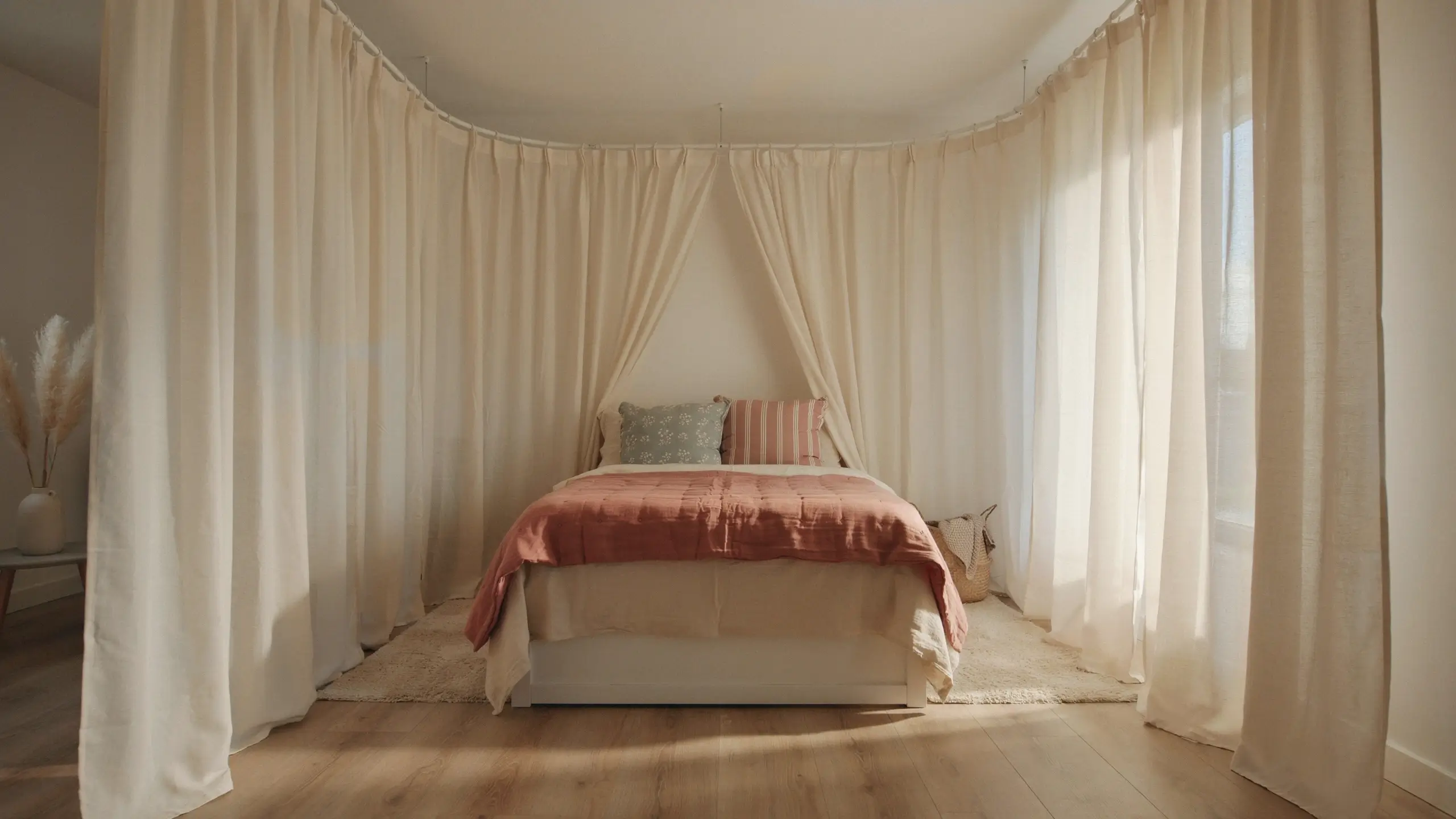
A simple curtain panel mounted above the headboard with a curved curtain rod creates a dreamy canopy effect without any real construction. It’s one of the most saved bedroom styling details on Pinterest because it transforms a plain bed into a clear focal point for under $30.
Finishing Touches That Make the Room Feel Finished
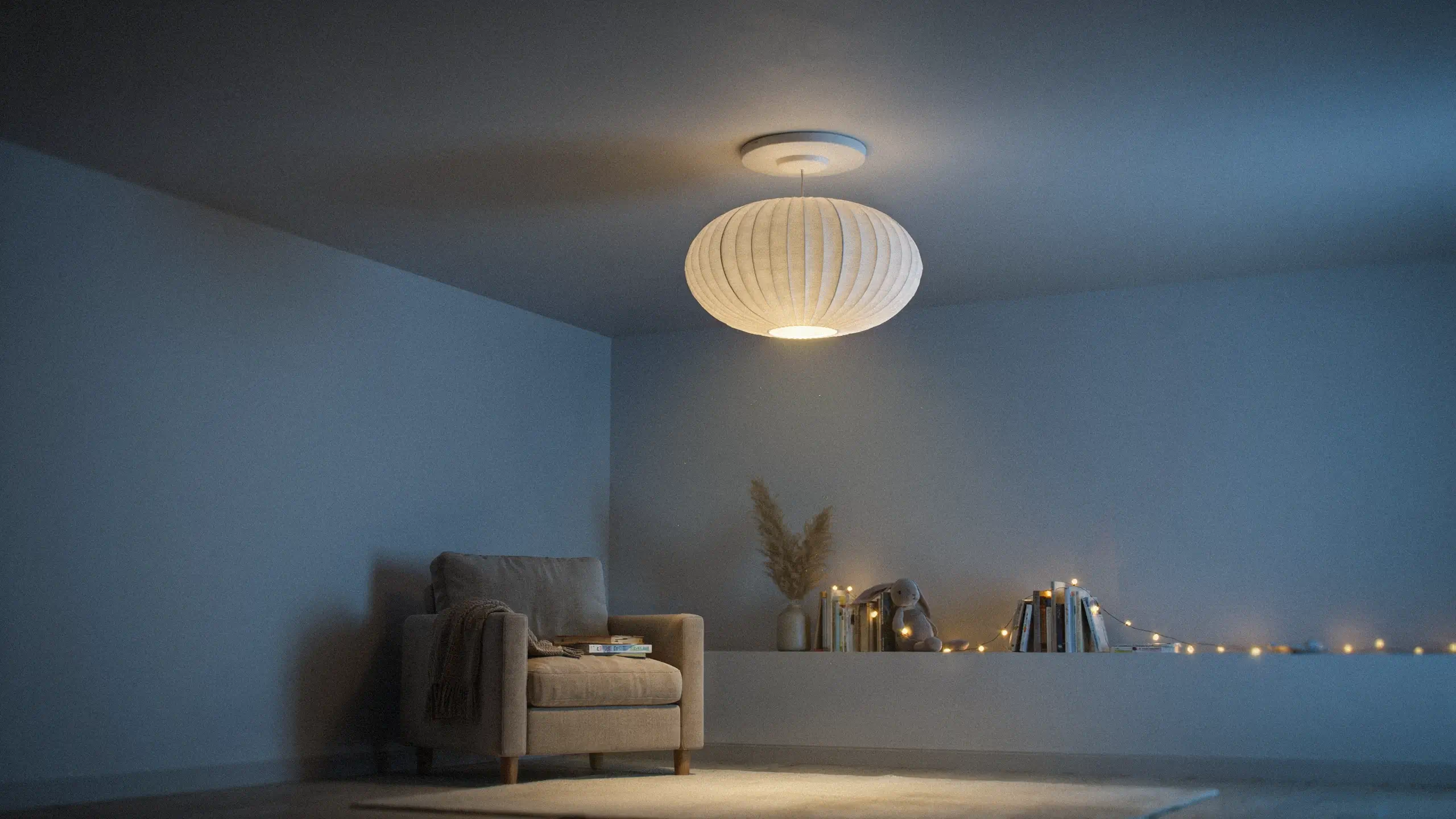
These are the small details that separate a “fine” kids room from one that actually feels designed.
A single paper or fabric pendant shade clipped over an existing light fixture (no rewiring required) softens harsh overhead lighting and adds instant character. Pair it with a plug-in string light or small lamp at kid height for a layered, cozy glow instead of one flat ceiling light doing all the work.
17. Let bold textiles do the “wow factor” instead of paint.
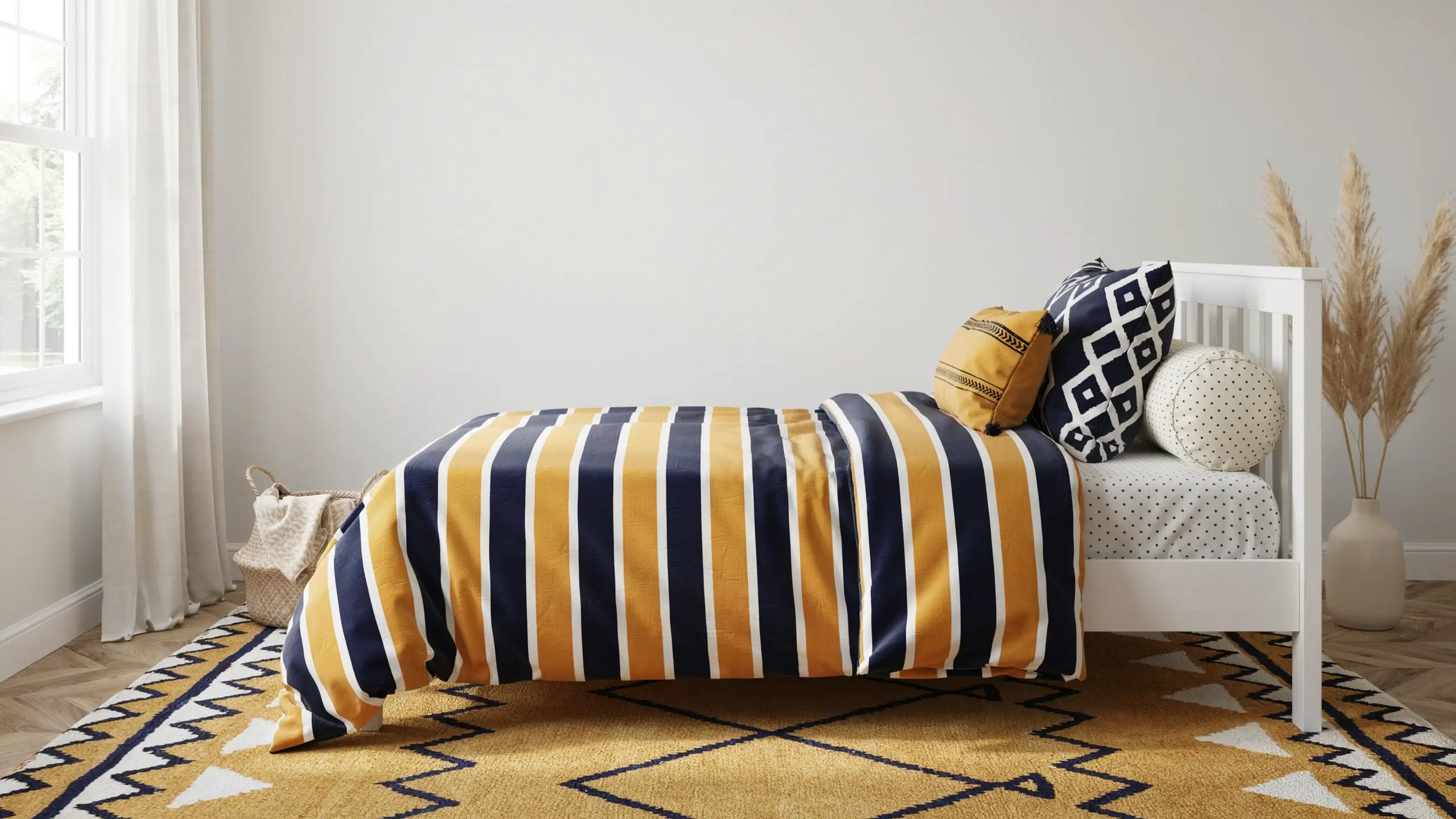
Renters especially: skip the accent wall and put your color budget into bedding, a patterned rug, and a few throw pillows. Textiles are fully reversible, cost less than a gallon of paint plus supplies, and let you refresh the whole look again in a year or two when your kid’s favorite color changes.
18. Label storage bins with pictures, not just words.
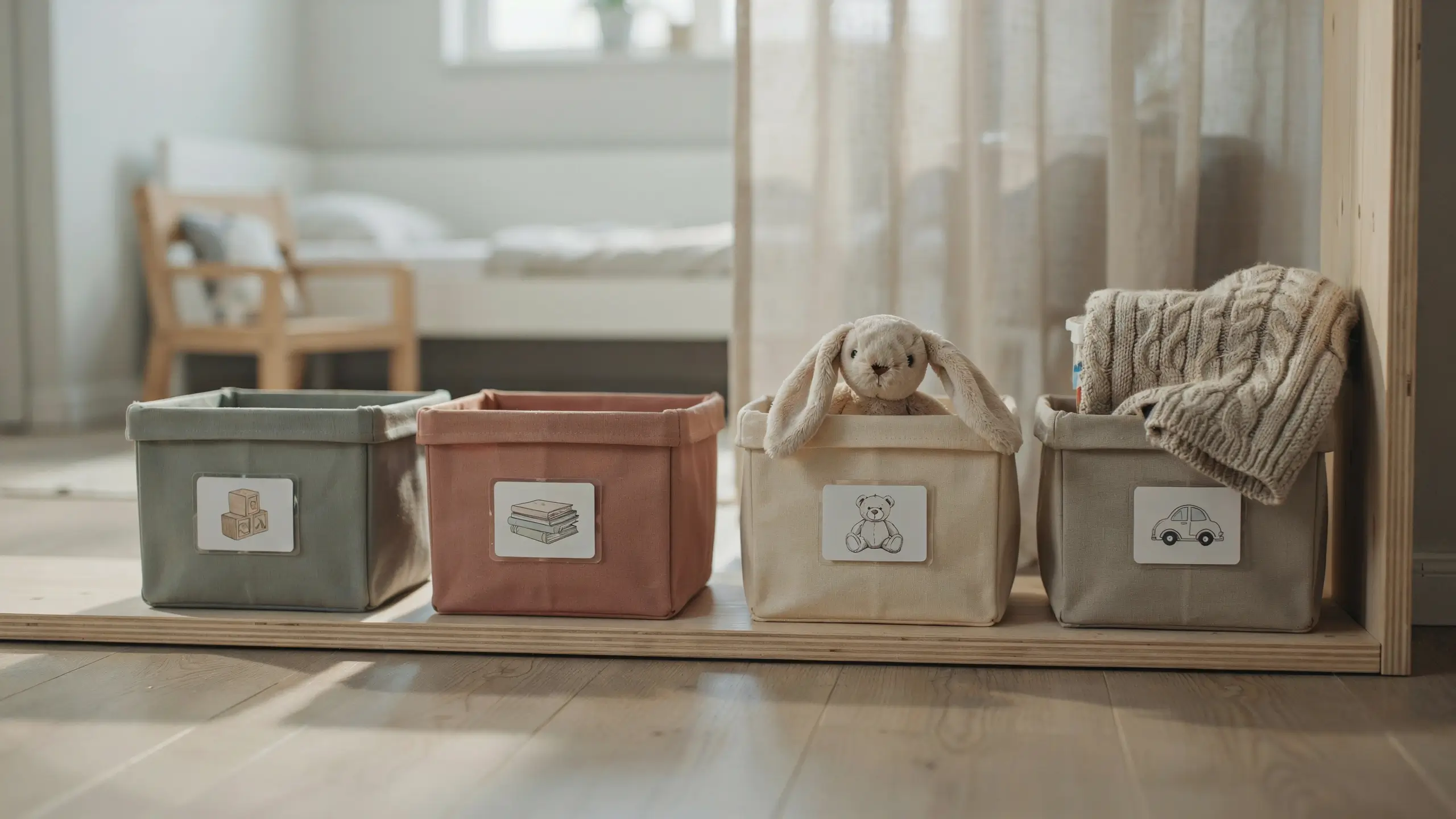
For kids who aren’t reading yet, a small printed picture (or even a simple drawing) taped to each bin does more for independent cleanup than a label maker ever will. Laminate them or slide them into a plastic sleeve so they survive sticky hands.
19. Rotate toys and decor seasonally instead of buying new.
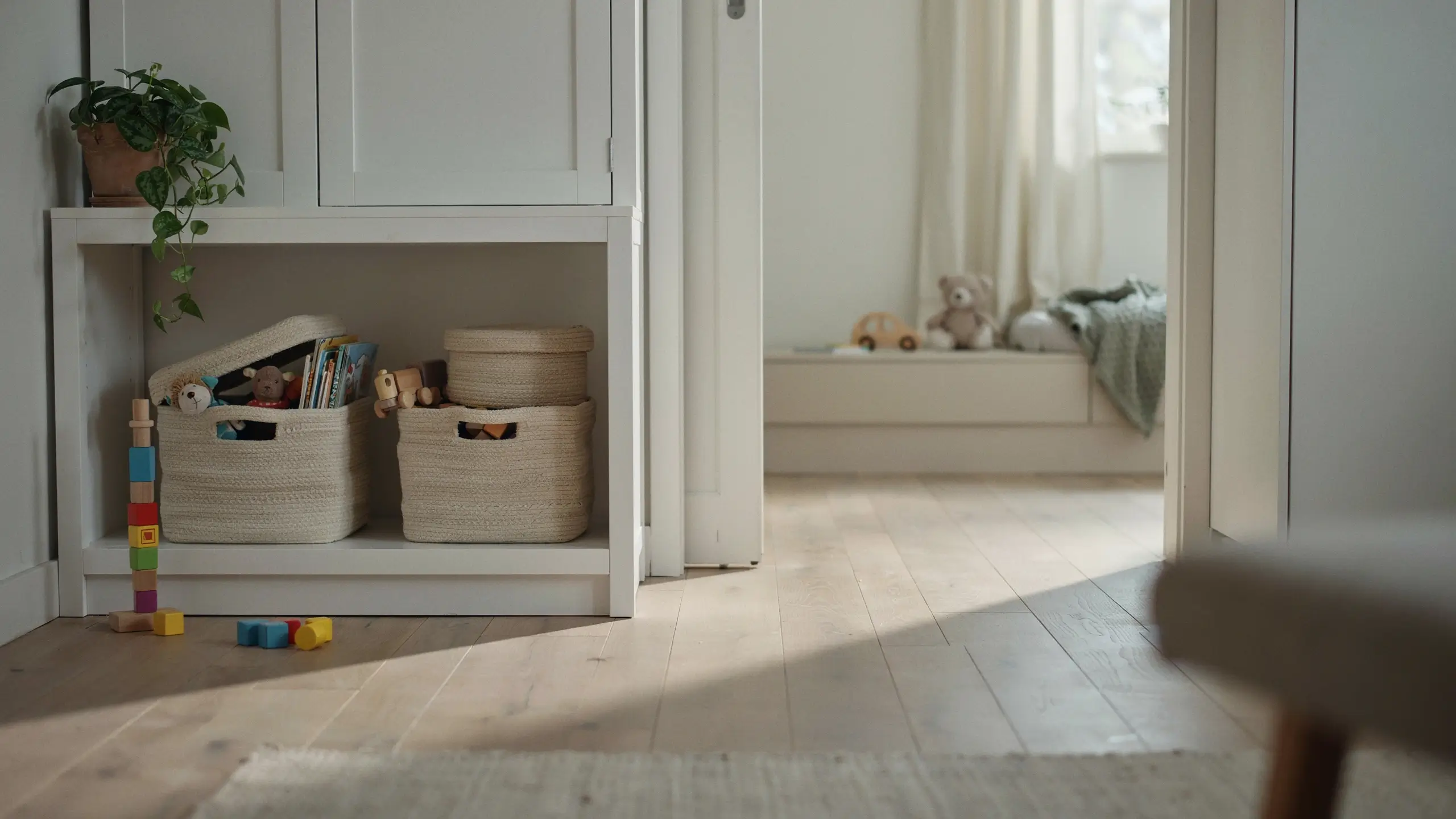
Store half the toy collection in a bin in the closet and swap it in every couple of months. Kids treat “new to them” toys like actual new toys, and it keeps the room from feeling cluttered without spending a dime. This works especially well paired with idea #1’s LEGO station and idea #4’s rotating book ledge.
Mistakes to Avoid in a Kids Room
- Skipping the anti-tip anchor. Any dresser, bookshelf, or KALLAX unit in a kids room should be secured to the wall. This isn’t optional in a room where a child might climb.
- Over-committing to a theme. A fully themed room (dinosaurs, princesses, space) is adorable for about a year, then it’s expensive to undo. Keep big furniture neutral and let bedding, art, and small decor carry the theme instead.
- Ignoring growth room. A nursery setup that can’t adapt past age three means redoing the whole room twice. Pieces like the KURA bed or a basic loft frame are worth the slightly higher upfront cost because they last through several style phases.
- Too many bins, not enough visible storage. If everything is hidden in closed bins, kids can’t find what they want and won’t put it back either. Mix a few open, low shelves with closed storage for the messier stuff.
- Forgetting the renter test. Before drilling anything, ask whether it can come down clean. Tension rods, command strips rated for the weight, and freestanding furniture solve most of this without a single hole.
Final Thoughts
A genuinely great kids room isn’t the one that looks the most staged. It’s the one your kid actually uses, the reading nook they curl up in, the LEGO station they clean up without a fight, the bed they still like sleeping in two years later. IKEA makes that easy to build in stages, piece by piece, without needing a full room budget upfront.
Start with whichever idea solves your biggest headache right now, whether that’s storage, space, or just wanting the room to finally feel finished. The rest can come together over time.
Which of these are you trying first? Drop a comment below, I’d love to hear what your kid’s room needs most right now.



No Comment! Be the first one.