




How to Get Rid of Ants in the House Naturally (Without Toxic Sprays)
You spot one ant on the counter. You wipe it up and move on with your day. An hour later there are twelve of them, marching in a perfect line straight toward the fruit bowl like they own the place....

You spot one ant on the counter. You wipe it up and move on with your day. An hour later there are twelve of them, marching in a perfect line straight toward the fruit bowl like they own the place.
If you have kids, pets, or you just don’t love the idea of spraying pesticide next to where you eat dinner, you want an ant solution that actually works and won’t put your family at risk. Good news: you don’t need harsh chemicals to win this fight. You need to understand how ants think, cut off what they’re after, and use a few smart natural traps and deterrents in the right spots.
This guide walks you through exactly how to get rid of ants in the house naturally, from the first sighting to full prevention, with real steps, real ingredients, and real mistakes to avoid.
Why Natural Methods Actually Work on Ants
Ants aren’t wandering around randomly. Every ant you see is following an invisible pheromone trail left by a scout ant who already found food. That trail is basically a scent highway telling every other ant in the colony “food this way.”
This is why natural remedies work so well when you use them correctly. Vinegar, essential oils, and soapy water don’t just kill the ants you see, they erase the scent trail, so the next ants coming behind them have no idea where to go. That’s the real secret most quick “spray vinegar and done” articles skip over. Killing the ants in front of you is only half the job. Erasing the trail is what actually stops the invasion.
1: Find Where They’re Coming From
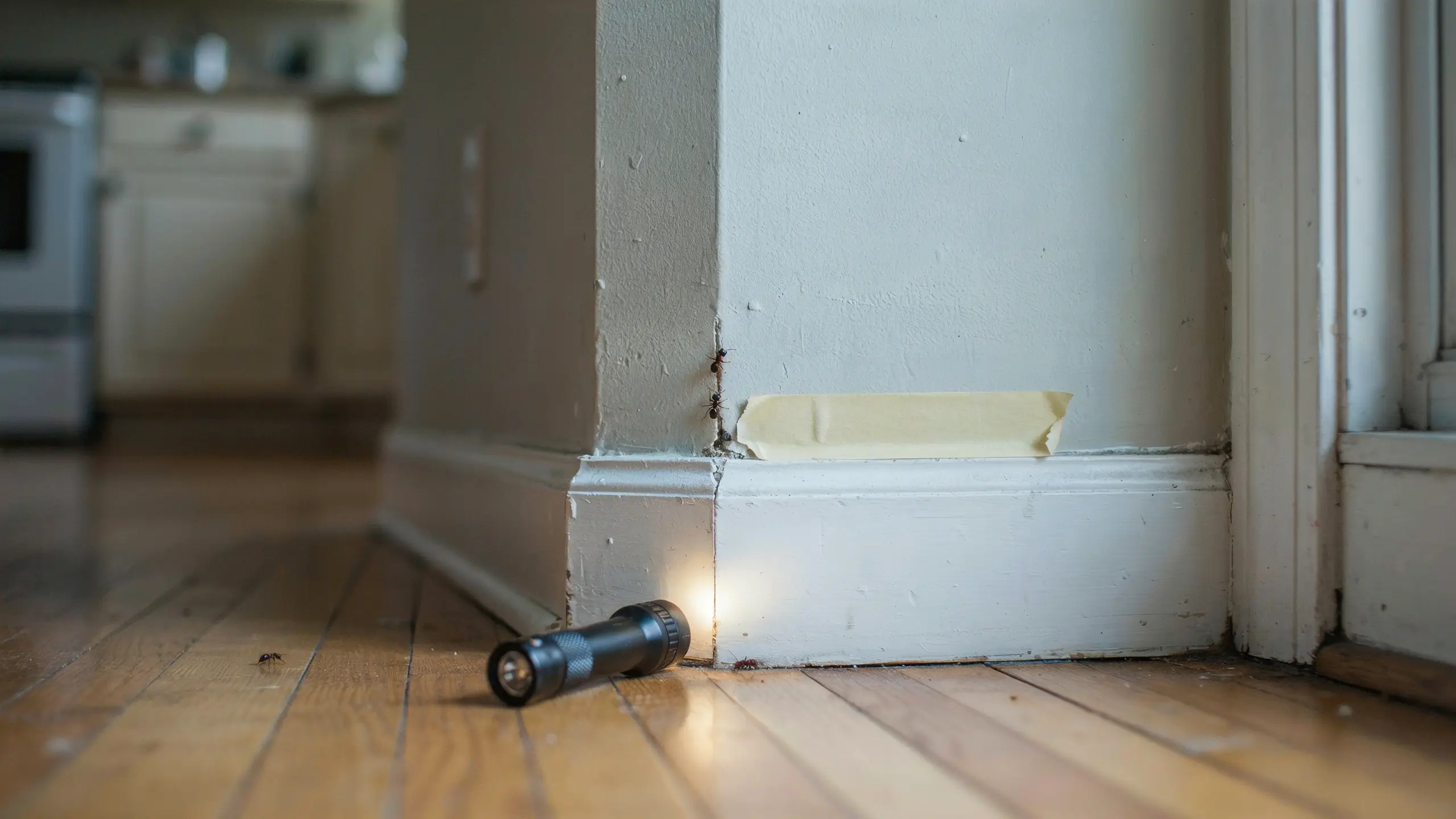
Before you touch a single spray bottle, play detective for a few minutes. Get down at counter level and follow the ant trail backward.
Look for:
- Gaps around windows and door frames
- Cracks in baseboards or where the floor meets the wall
- Small openings around pipes under the sink
- Gaps in trim, especially near exterior walls
- Openings around dryer vents or utility lines
Ants can slip through a crack as thin as a credit card, so don’t assume a tiny gap is too small to matter. Mark the spot with painter’s tape if you need to remember it for later, once the ants are gone you’ll want to seal it with caulk so this doesn’t become a recurring problem every spring.
Pinterest tip: this is a great moment to snap a quick “before” photo of the ant trail entry point. It makes for a relatable, save-worthy image for a before-and-after pin later.
2: Clean Up the Trail Immediately
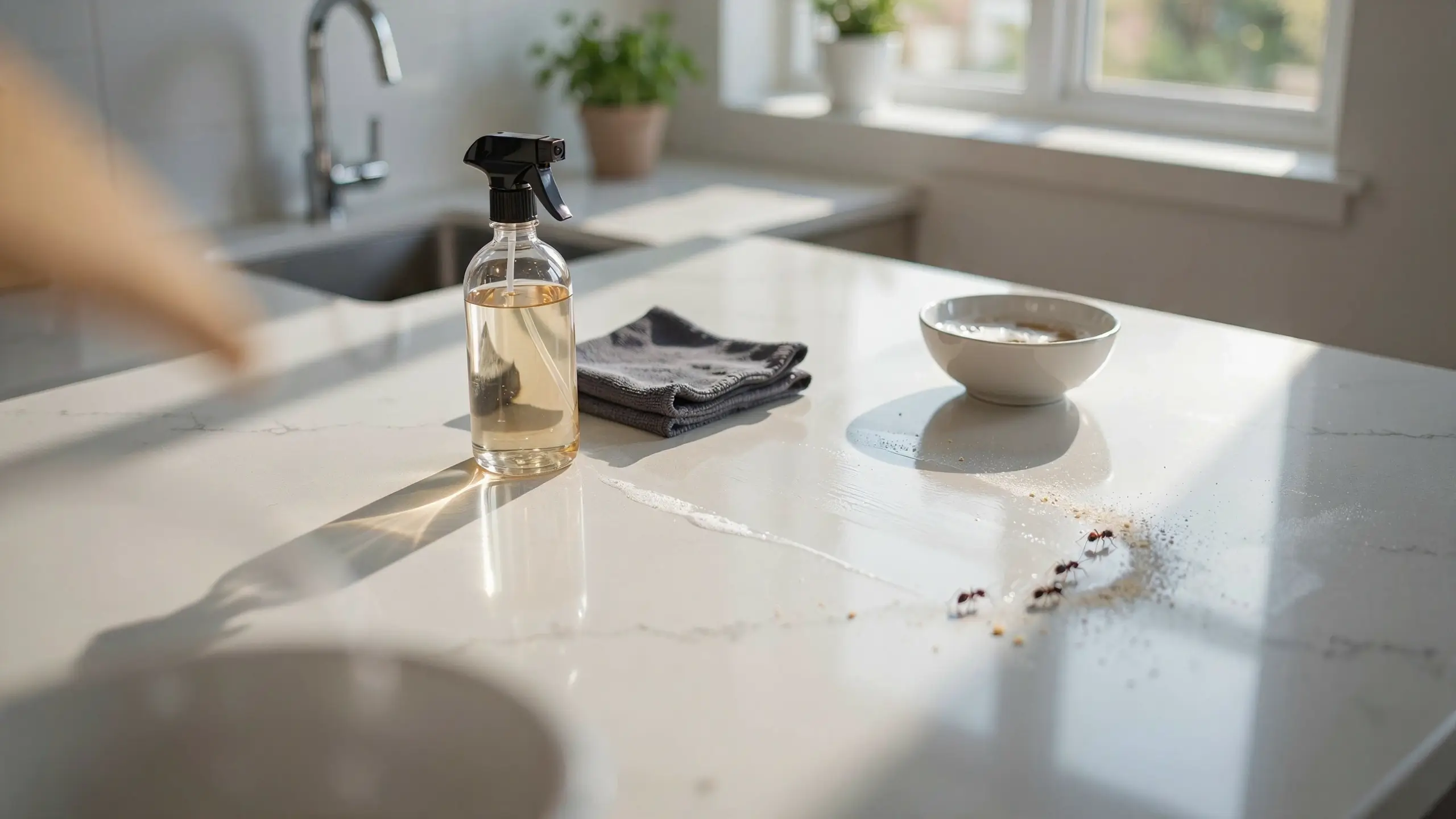
Once you know where they’re entering and where they’re headed, clean that entire path. This step gets skipped constantly and it’s the reason so many people feel like natural remedies “don’t work.”
Wipe the trail down with one of these:
- A 50/50 mix of water and white vinegar
- Warm soapy water (dish soap breaks down the pheromone trail and kills ants on contact by damaging their exoskeleton)
- A diluted essential oil spray (recipe below)
Wipe counters, baseboards, cabinet edges, and floors along the entire visible path, not just where you first noticed them. If you only clean the counter and skip the floor trail, new ants will pick right back up where the old trail left off.
3: Choose Your Natural Ant-Killing Method
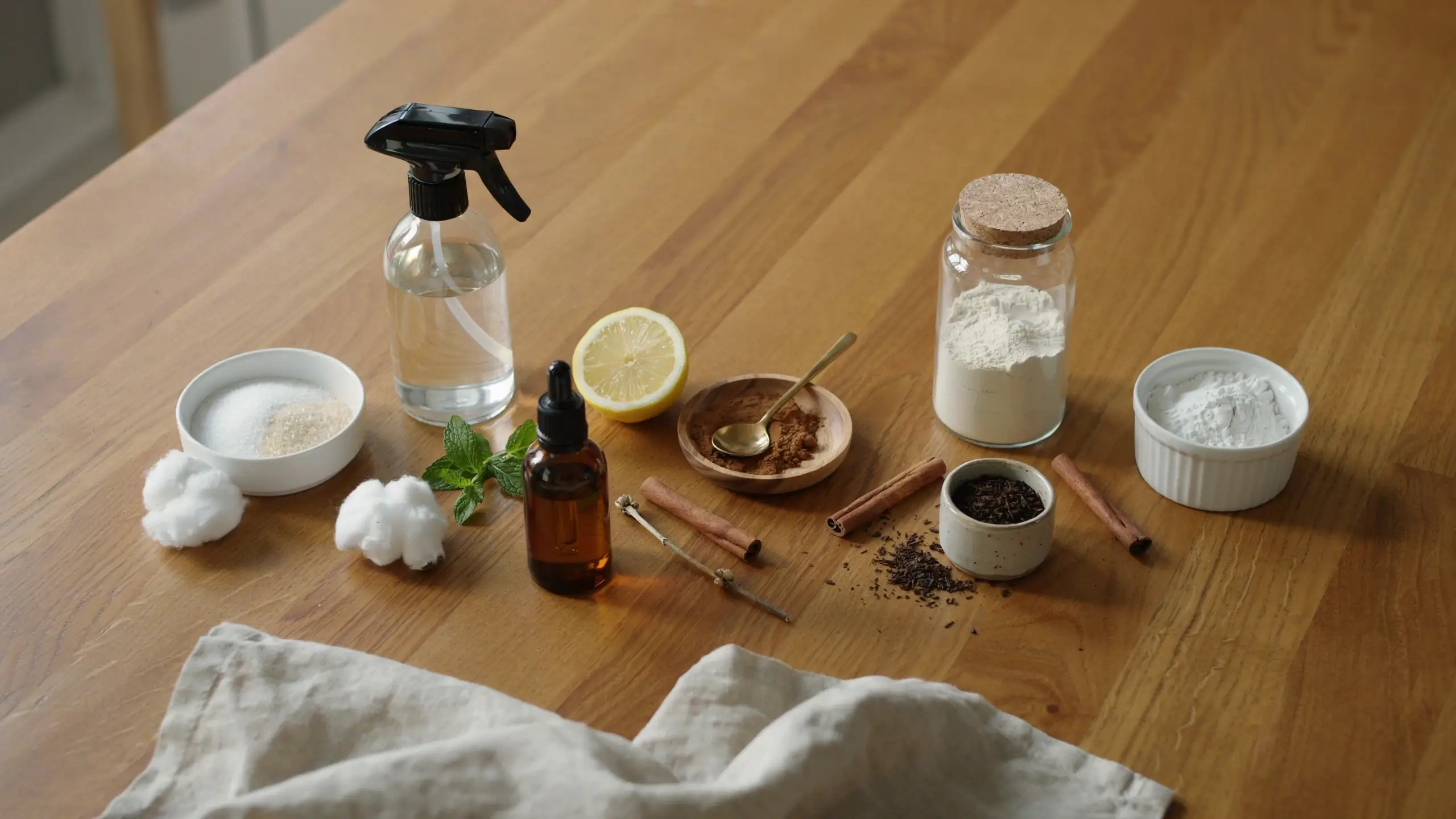
Here’s where most articles just dump a giant list of random ingredients. Instead, pick the method that fits your situation. Below are the ones that genuinely work, organized by what they’re best for.
1. Vinegar Spray (Best for Daily Prevention and Trail Disruption)
Mix equal parts white vinegar and water in a spray bottle. Spray along baseboards, windowsills, door frames, and countertops. The strong smell disrupts the scent trail ants rely on, so it’s more of a “confuse and repel” tool than a colony killer, but it’s excellent for daily maintenance and keeping new trails from forming.
Mistake to avoid: Spraying vinegar directly where you already see an active trail without wiping it up first. You need to physically remove the pheromone residue, not just mask it.
2. Borax and Sugar Bait (Best for Actually Eliminating the Colony)
This is the method that gets rid of ants for good instead of just chasing them away, because it targets the whole colony, not just the ants you can see.
What you need
- 1/2 cup sugar
- 1.5 tablespoons borax
- 1.5 cups warm water
- Cotton balls
- Small shallow containers or bottle caps
How to make it
- Dissolve the sugar and borax completely in the warm water.
- Soak cotton balls in the mixture.
- Place the soaked cotton balls in shallow containers near the ant trail, but out of reach of kids and pets.
- Resist the urge to kill the ants that show up. You need them to carry the bait back to the colony.
- Replace the bait every few days until activity stops completely.
This works because the sugar attracts the ants and the borax poisons them slowly enough that they make it back to the nest and share it with the rest of the colony, including the queen. Kill them on contact and you only ever get rid of the scouts, the colony keeps sending more.
Safety note: Borax is a mineral, not a synthetic pesticide, but it’s still not something you want a toddler or dog eating by the mouthful. Place bait stations inside covered containers with small entry holes, tucked behind appliances or under cabinets, away from curious hands and paws.
Alternative for protein-loving ants: if the sugar bait isn’t attracting much activity, some ant species prefer protein. Mix borax with a small amount of peanut butter instead and place it the same way.
3. Essential Oil Spray (Best for a Pleasant-Smelling Daily Deterrent)
Peppermint, tea tree, and clove essential oils all have strong scents that disrupt ant trails, and clove oil in particular contains eugenol, a compound that acts as a fast-working contact insecticide on ants and several other common household pests.
Simple recipe
- 15-20 drops peppermint essential oil (or a mix of peppermint and clove)
- 1/4 cup rubbing alcohol or vodka (helps the oil blend into the water instead of separating)
- 2 cups water
Combine in a spray bottle, shake well, and spray along baseboards, window tracks, and entry points. Shake before each use since the oil will separate. Reapply every few days, since the scent fades.
Mistake to avoid: Spraying strong essential oil blends directly on painted trim, stained wood, or plastic surfaces. The oils can degrade some finishes over time. Stick to tile, sealed floors, and baseboards, or do a small hidden test spot first.
Pet note: keep peppermint and tea tree oils away from cats specifically, since both can be harmful to them even in small amounts. If you have cats, use clove oil diluted in water instead, or stick with the vinegar spray.
4. Baking Soda and Powdered Sugar (Best Budget, Kid-Safe-ish Option)
Mix equal parts baking soda and powdered sugar and sprinkle it along the trail or place it in a shallow dish near the entry point. The sugar draws the ants in, and once ingested, the baking soda reacts with acid in their stomach in a way they can’t survive.
This one is gentler than borax, which makes it a nice first attempt for a mild ant problem, though it tends to work more slowly and isn’t always strong enough for a larger infestation on its own.
5. Cinnamon (Best for Renters and Anyone Wanting a Zero-Mess Option)
Ground cinnamon or cinnamon sticks placed along windowsills, door thresholds, and entry points disrupt the scent trail with almost no cleanup and no risk to floors or paint. It won’t kill an established colony, but as a renter-friendly, no-residue deterrent for keeping ants from coming back in after you’ve cleared them out, it’s hard to beat.
6. Diatomaceous Earth (Best for Persistent or Recurring Ant Problems)
Food-grade diatomaceous earth is a powder made from fossilized algae. It’s abrasive at a microscopic level, so it damages the outer shell of ants that crawl through it, which dehydrates and kills them over time.
Dust a thin line along baseboards, under appliances, and around entry points. Keep it dry, since it loses effectiveness when wet, and wear a mask while applying it so you’re not breathing in the fine dust.
7. Coffee Grounds (Best for Repurposing What You Already Have)
Used coffee grounds have a strong scent that many ants avoid. Sprinkle dried grounds on index cards or small dishes near windowsills and entry points. It’s not a colony killer, but it’s a free, zero-waste way to add another layer of deterrent, especially if you already brew coffee daily.
4: Seal the Entry Points for Good
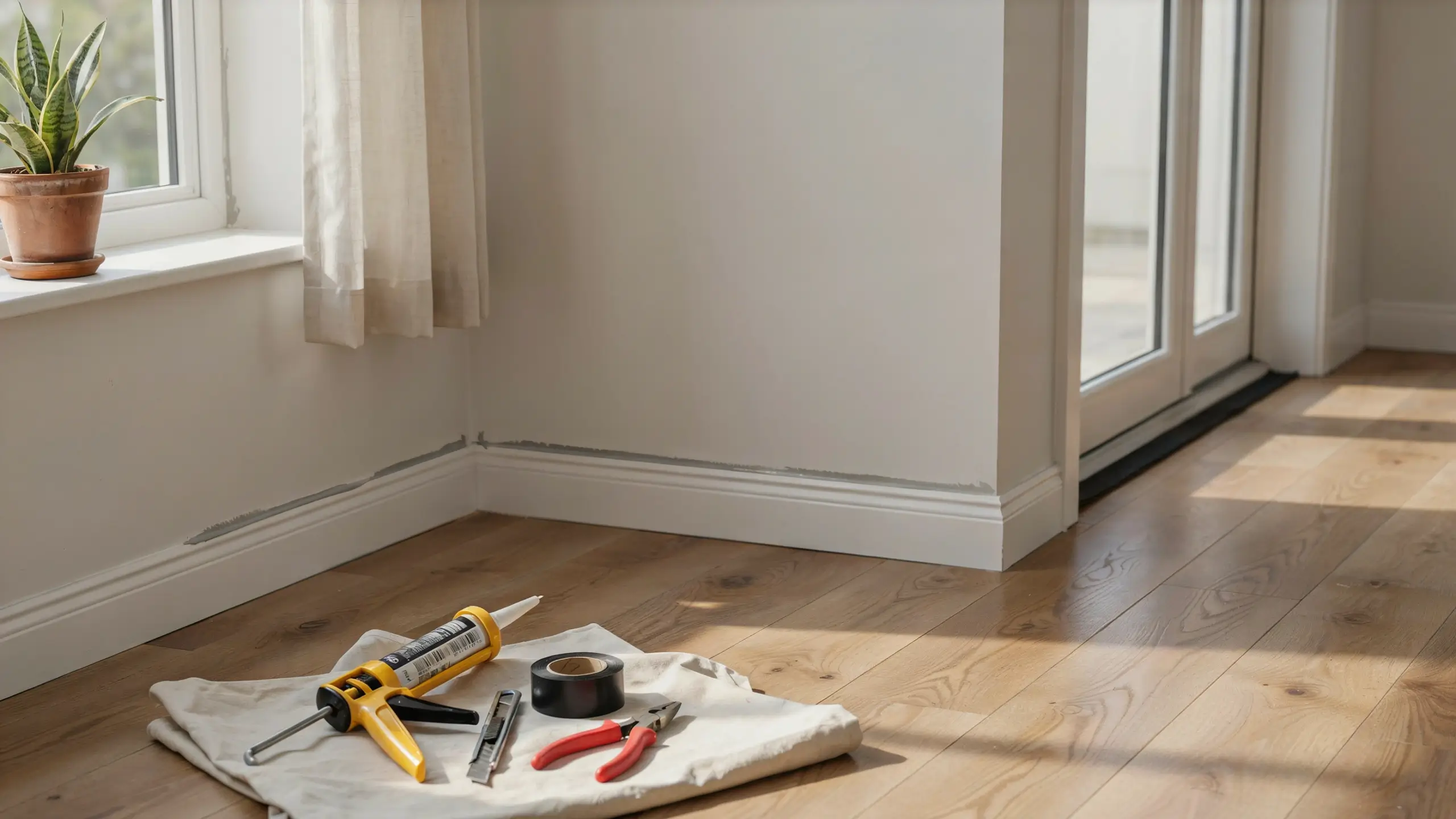
Once activity has died down, this is the step that actually prevents round two next month.
- Caulk small cracks around windows, baseboards, and where pipes enter the wall
- Add weatherstripping to gaps under doors
- Check dryer vents and utility line openings for gaps and seal with expanding foam or a vent cover
- Trim back any tree branches or shrubs touching your house, since they act as a bridge for outdoor colonies
Renter tip: if caulking isn’t allowed or you’re worried about a security deposit, use a removable silicone weatherstripping tape or draft stoppers instead. They block the same gaps without any permanent change, and they peel off clean when you move out.
5: Make Your Home Less Appealing to Ants
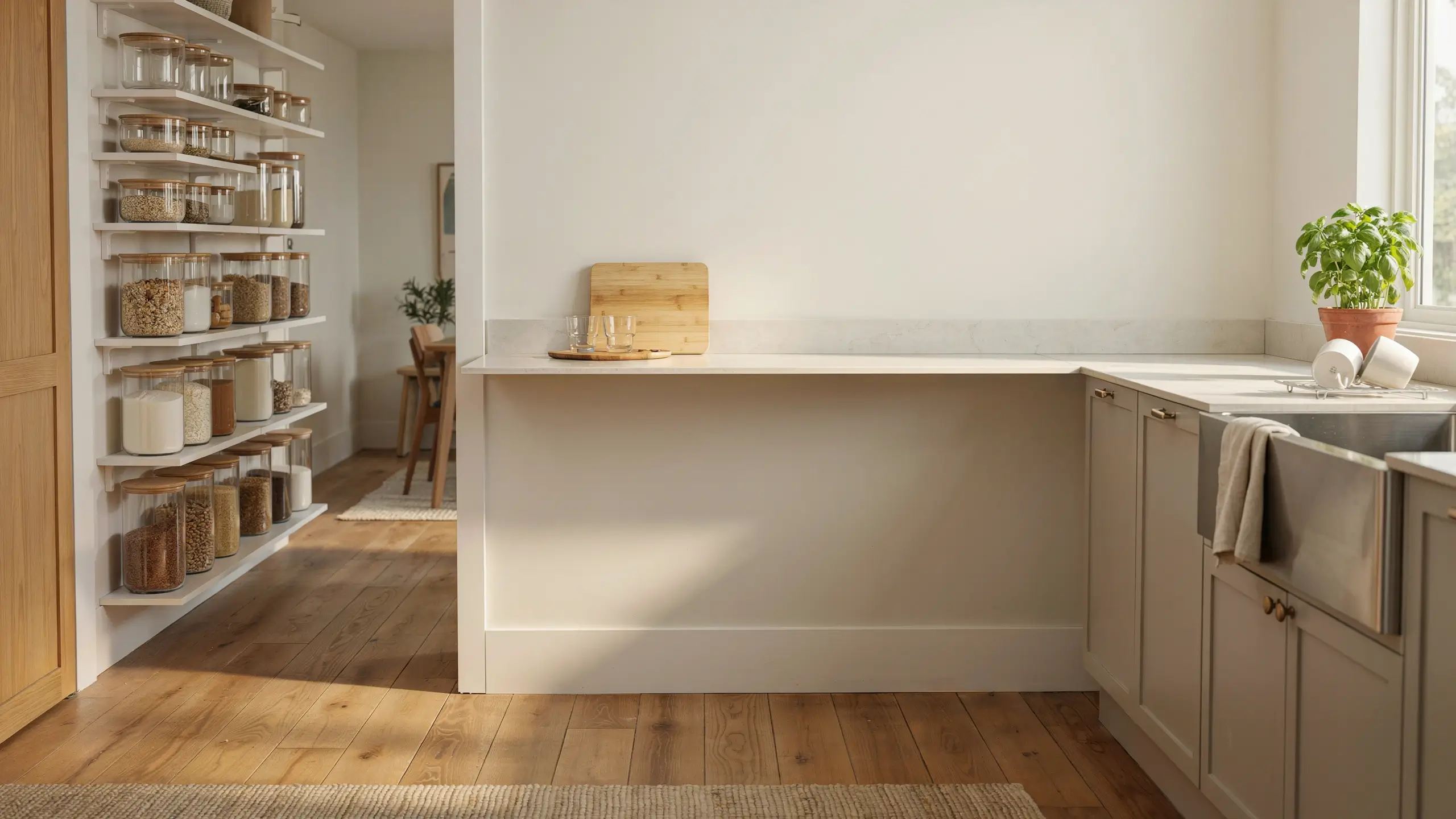
Prevention isn’t glamorous, but it’s the difference between a one-time ant problem and a recurring one every spring.
- Store sugar, honey, syrup, cereal, and pet food in airtight containers, not just the original bag or box
- Wipe up spills and crumbs the same day, especially sticky ones
- Take out the trash regularly and rinse recyclables before they go in the bin
- Fix any leaky faucets or damp spots under sinks, since ants are drawn to moisture as much as food
- Sweep floors, especially in the kitchen, a few times a week during ant season
Mistakes That Keep Ants Coming Back
- Killing every ant you see instead of baiting them. This feels satisfying but leaves the colony alive and sending more scouts.
- Skipping the cleanup step. Spraying vinegar without wiping the actual trail leaves pheromone residue behind.
- Using bait and repellent in the same spot. A strong-smelling deterrent right next to a bait trap will keep ants from ever reaching the bait. Keep them in separate areas.
- Giving up after two days. Borax bait especially takes patience, sometimes a week or more, since it needs time to work through the colony.
- Ignoring outdoor ant mounds near the foundation. If there’s an active colony just outside your exterior wall, indoor treatments alone won’t stop the cycle.
Final Thoughts
Getting rid of ants naturally isn’t about finding one magic ingredient, it’s about layering a few smart steps together: find the entry point, erase the trail, bait the colony, then seal things up so they can’t come back. Once you’ve got that system down, ants stop being a recurring headache and turn into a five-minute fix whenever a stray scout wanders in.
Which method are you trying first, the borax bait or the essential oil spray? Let me know in the comments, and if this helped, save this post so you have it ready the next time those little uninvited guests show up.






No Comment! Be the first one.