




11 Ways to Make a Big Impact with Wall Paint in Small Spaces
If you’ve ever stood in a tiny bedroom or a cramped hallway wondering how to make it feel like more than a leftover corner of the house, paint is the answer you already own. You don’t...


If you’ve ever stood in a tiny bedroom or a cramped hallway wondering how to make it feel like more than a leftover corner of the house, paint is the answer you already own. You don’t need to knock down a wall or spend a weekend at the furniture store. A few cans of paint and a Saturday afternoon can completely change how a small space feels, looks, and functions.
The trick is knowing where to put the color and how to use it so the room feels bigger and more finished instead of boxed in. Some of these ideas are about color choice. Others are about spaces people forget to paint at all. Together they make a small space feel like it was designed on purpose, not just squeezed in.
Here are 11 ways to make a big impact with wall paint in small spaces, plus the mistakes that trip people up and what to grab before you start.
1. Color Drench the Whole Room in One Shade
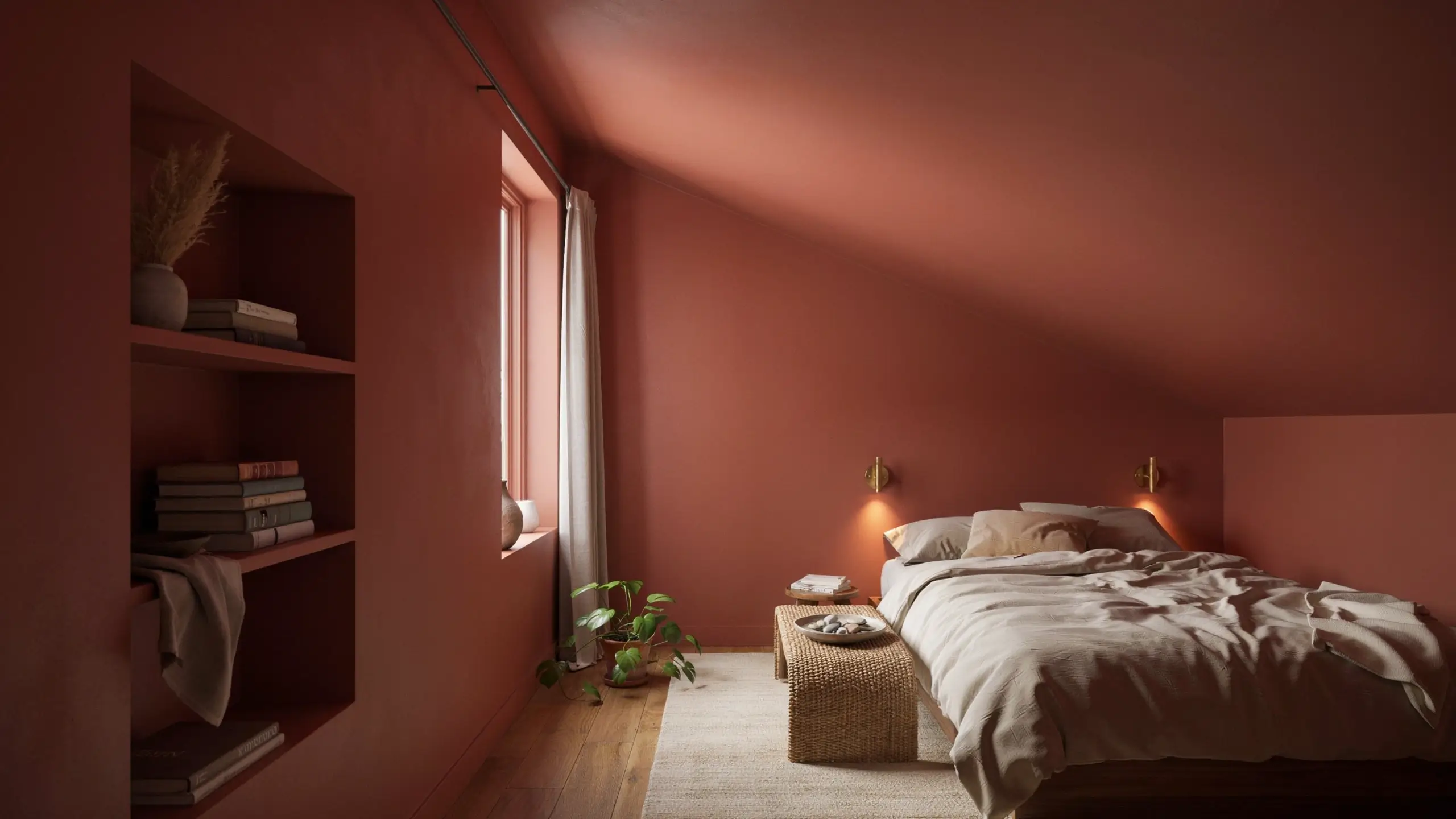
This is the trick most small space guides skip, and it’s the one that makes the biggest difference. Color drenching means painting the walls, trim, ceiling, and sometimes even doors and built-ins the exact same color, or very close shades of it.
When everything matches, your eye stops tripping over where the wall ends and the trim begins. There’s no visual stopping point, so the whole room reads as one continuous shape instead of a small box chopped up by white trim. It works especially well in awkward small rooms with low ceilings, weird angles, or a mix of doors and windows that make the space feel busy.
Try it with a soft sage, a warm terracotta, or even a deep charcoal if you want drama. Just keep the sheen consistent between walls and trim so nothing looks patchy.
2. Paint the Ceiling to Add Height
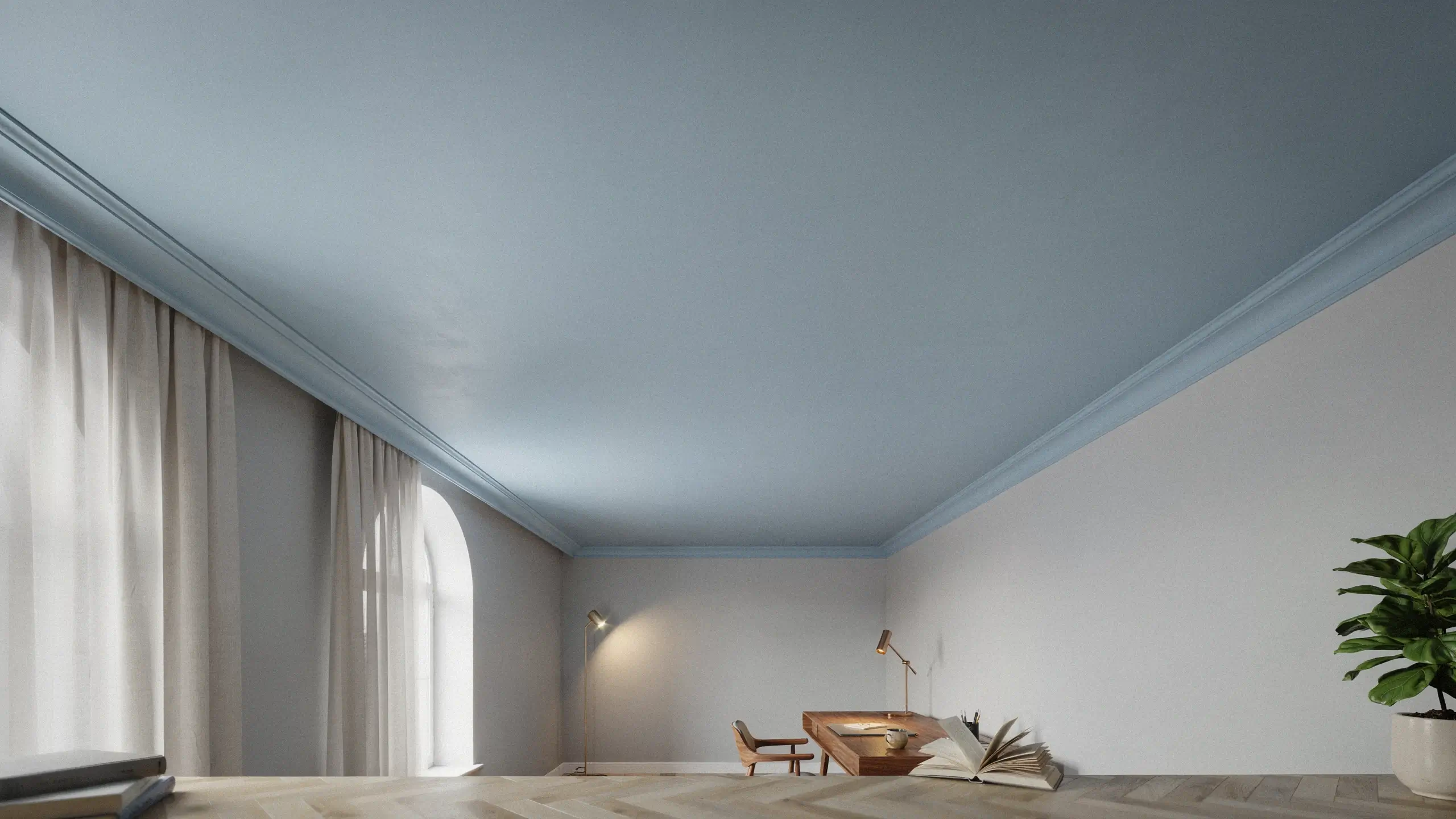
The ceiling is the most overlooked wall in the house, and in a small room it’s doing you no favors sitting there in flat white. Painting the ceiling a shade lighter than your walls pulls the eye upward and makes the room feel taller than it is.
If you want the opposite effect, painting the ceiling the same color as the walls (part of that color drenching trick above) removes the visual line where wall meets ceiling entirely, which makes low ceilings feel less noticeable instead of more.
A small nursery, home office, or reading nook is the perfect place to test this before committing to a whole house.
3. Choose One Bold Accent Wall Instead of Painting All Four
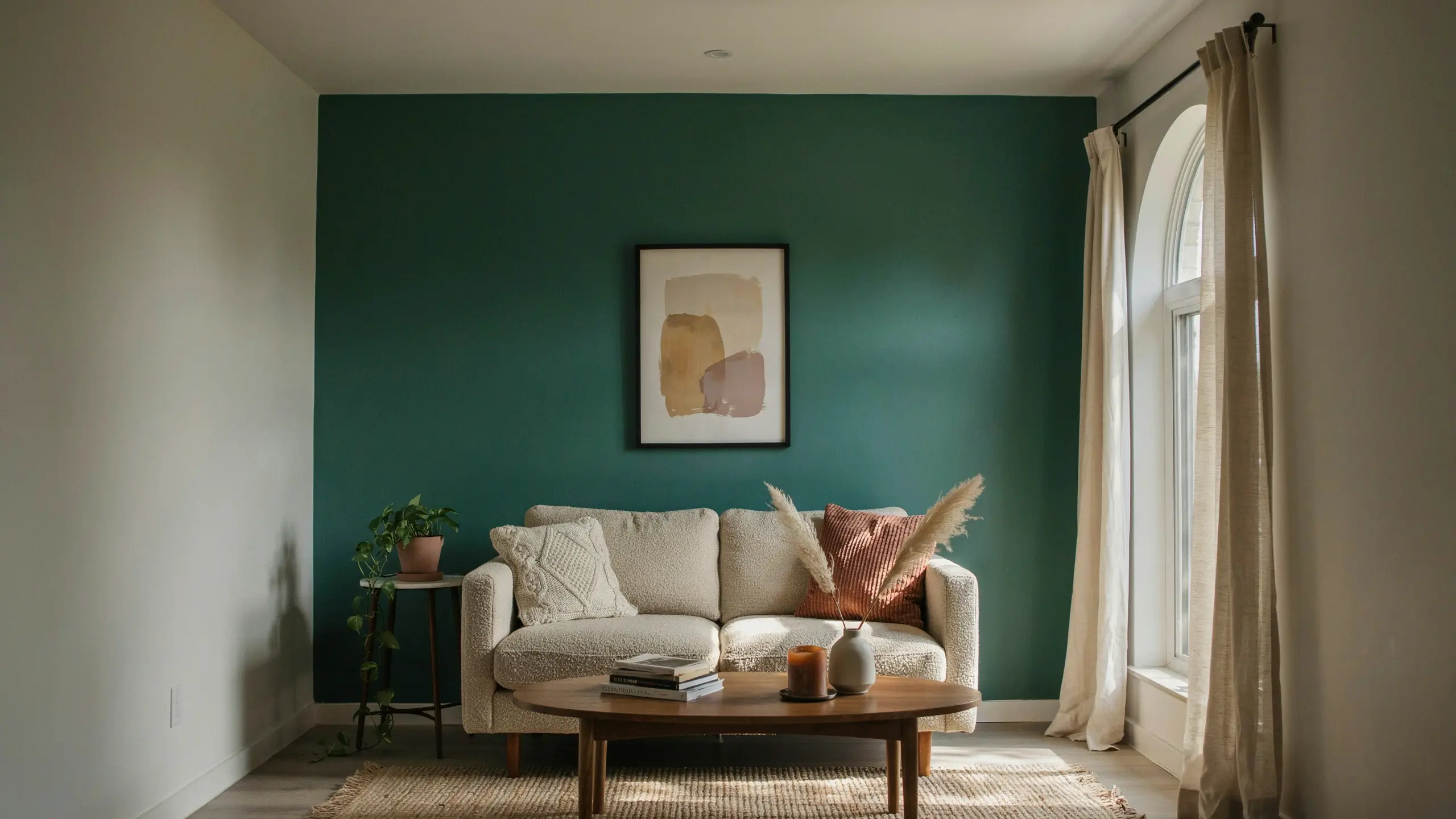
If a full color drench feels like too much of a leap, one accent wall gives you nearly the same visual punch with a lot less commitment. Pick the wall your eye naturally lands on first, usually the one behind the bed, the sofa, or a piece of furniture you love, and paint just that one in a color with real depth.
Keep the other three walls in a soft neutral so the accent wall has room to stand out. This creates a focal point, which makes a small room feel intentional instead of like the color just ran out of ideas.
4. Don’t Be Afraid of Dark, Moody Color
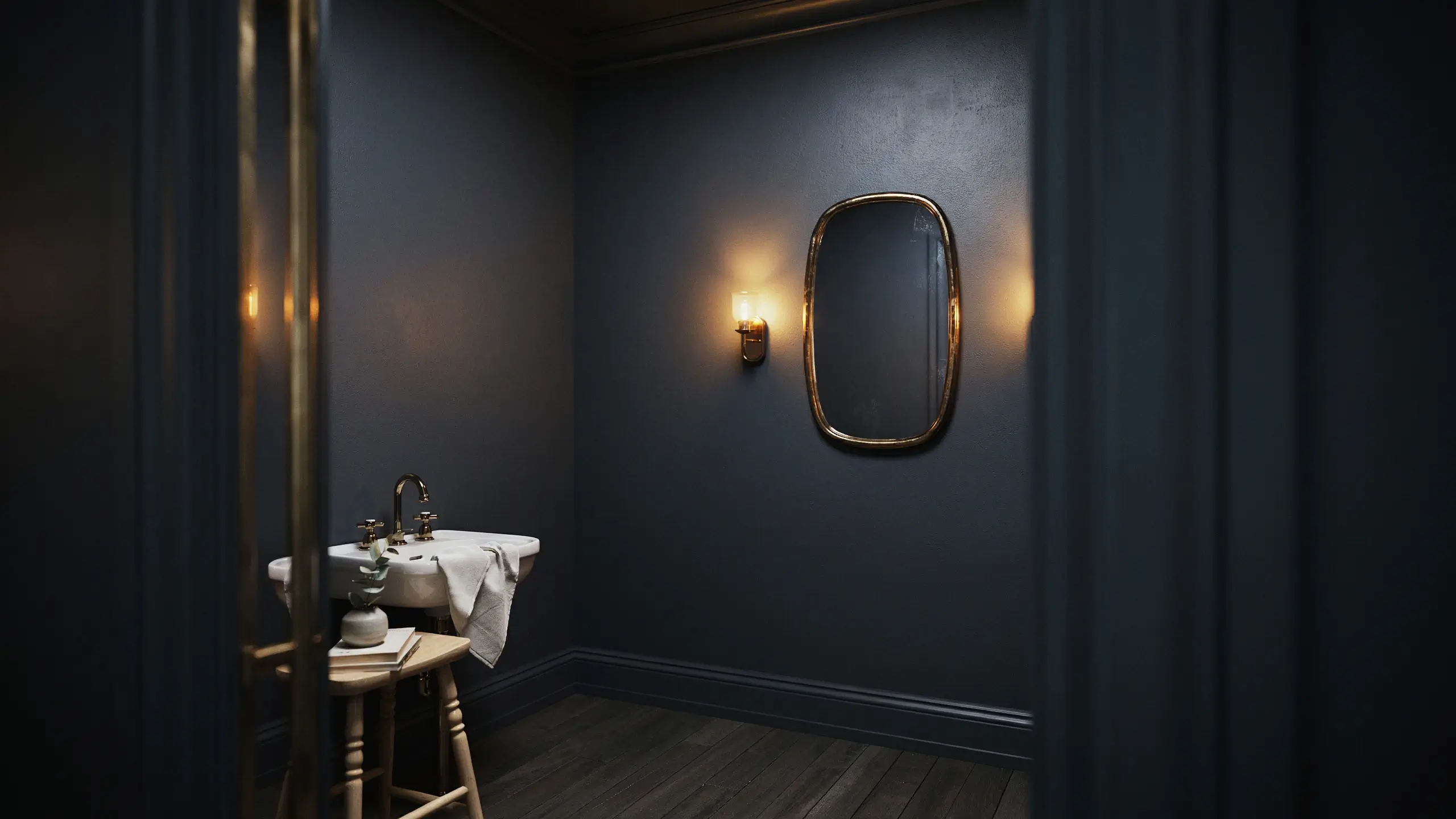
There’s an old myth that dark paint automatically shrinks a room. It’s not true. A deep navy, forest green, or almost-black charcoal can actually make the walls seem to fall back away from you, giving the illusion of more depth rather than less.
The key is committing fully. A single dark wall next to three bright white ones can feel unfinished, but a fully dark room with warm lighting and a few light-colored textiles feels cozy and confident instead of cramped. Small powder rooms, reading nooks, and home offices are ideal test spaces for this.
5. Go Monochromatic with Walls and Trim
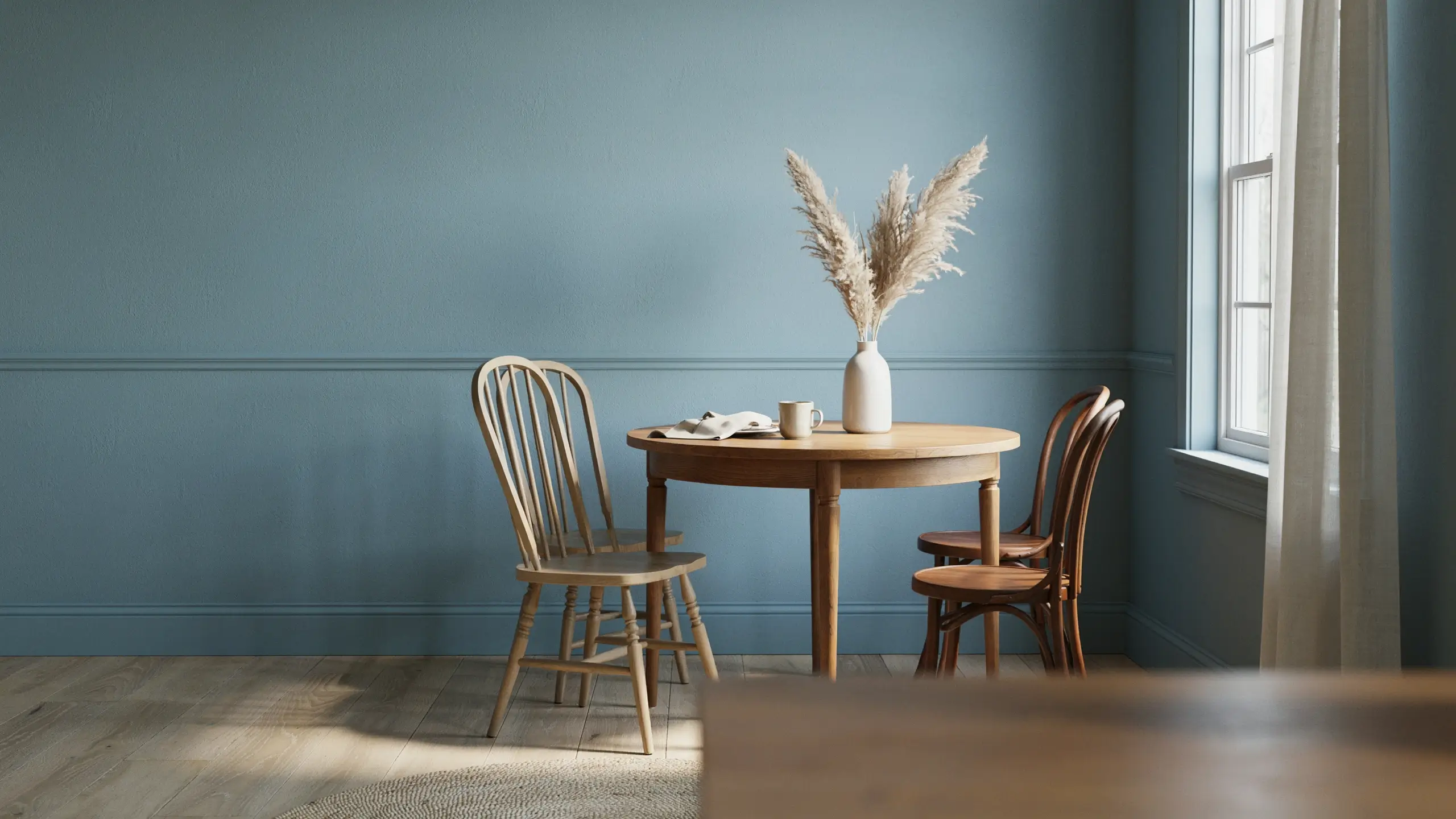
A monochromatic scheme uses different shades and tones of the same color family across walls, trim, and even furniture. Instead of stark white trim against a colored wall, the trim gets painted a slightly lighter or darker version of the same hue.
This softens the contrast that normally chops a small room into visual sections. The result feels calm, cohesive, and noticeably bigger, because your eye isn’t stopping every few feet at a hard color change.
6. Add a Painted Stripe or Shape Instead of Wallpaper
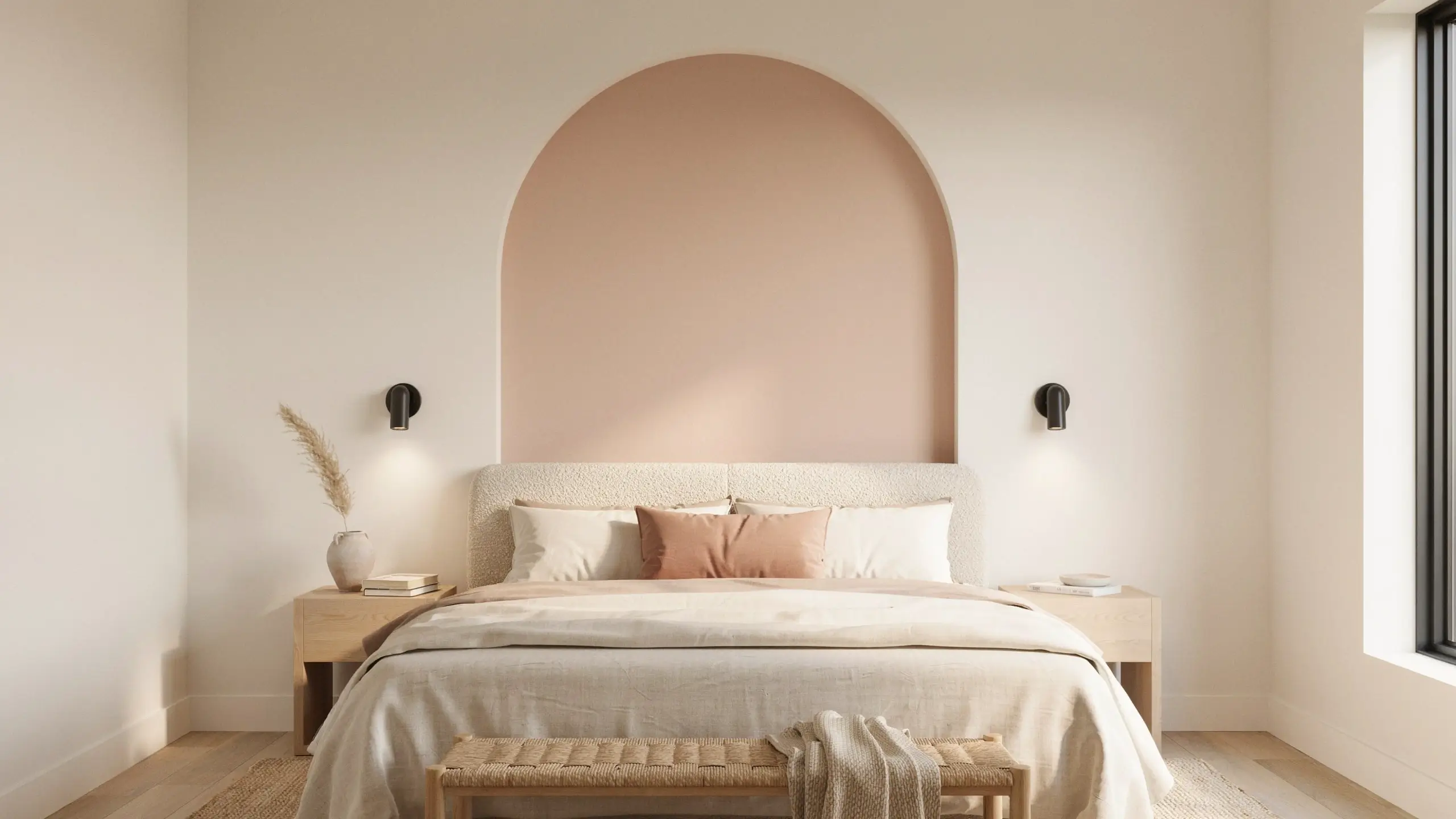
You don’t need wallpaper to add pattern to a small space. A single painted stripe running horizontally around the room, or a simple painted arch behind the headboard, adds visual interest and can trick the eye into perceiving more width or height depending on the direction you paint it.
Horizontal stripes widen a narrow room. Vertical stripes add height to a low ceiling. Keep the pattern simple with painter’s tape and two coordinating colors so it stays crisp instead of looking hand-drawn.
7. Paint the Inside of Your Closet
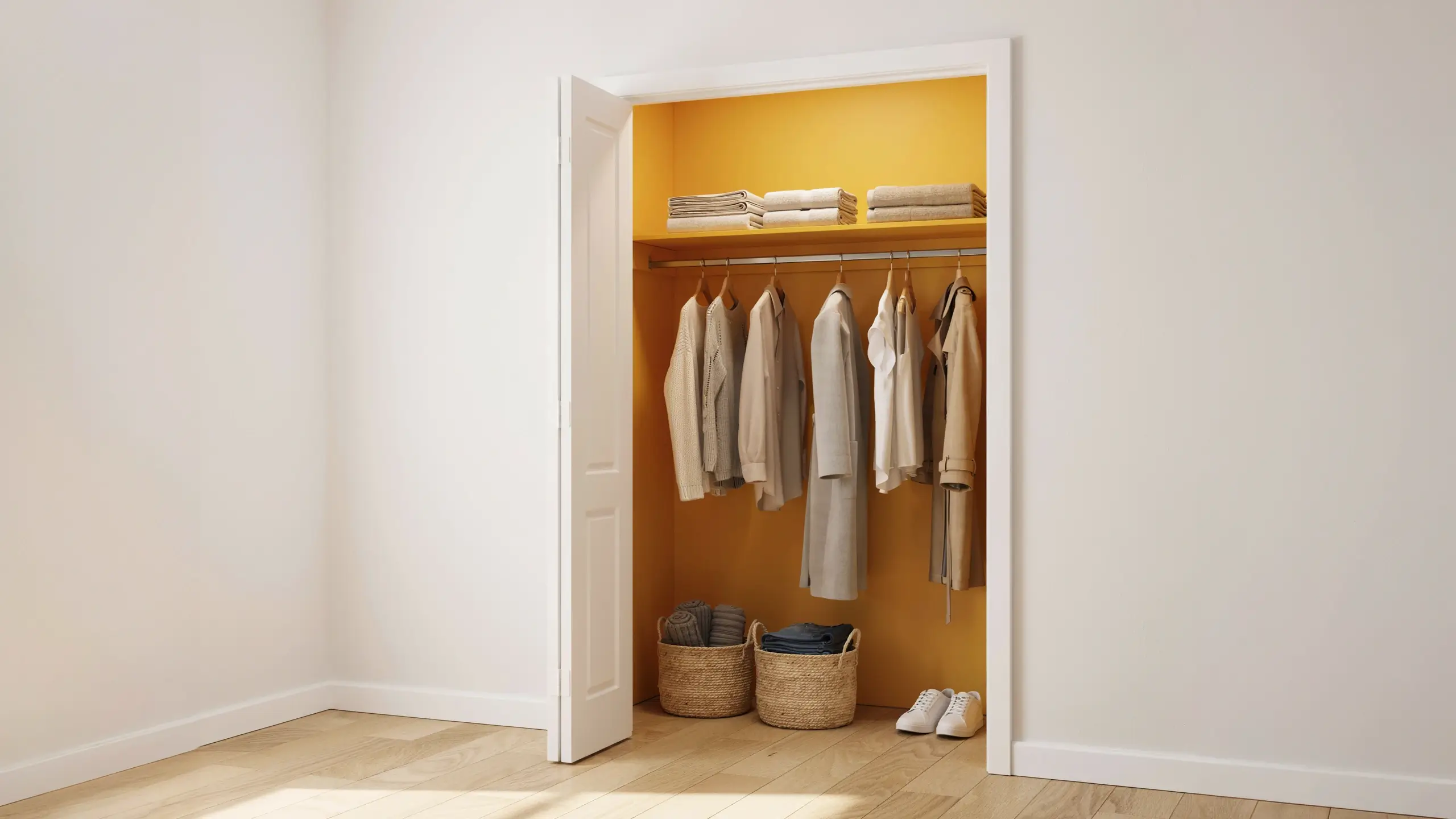
Closets are one of the most underused canvases in a small home, and painting one takes an hour and barely any paint. A bright, saturated color inside a closet turns a boring storage space into a small surprise every time you open the door.
Stick to a light or mid-tone color in a small reach-in closet so it still feels usable. In a larger walk-in, you can go bolder since there’s more room for the color to breathe. If you’re painting closet shelving, use a durable oil-based or enamel paint so it holds up against scuffs and scrapes over time.
8. Turn Your Hallway Into a Color Moment
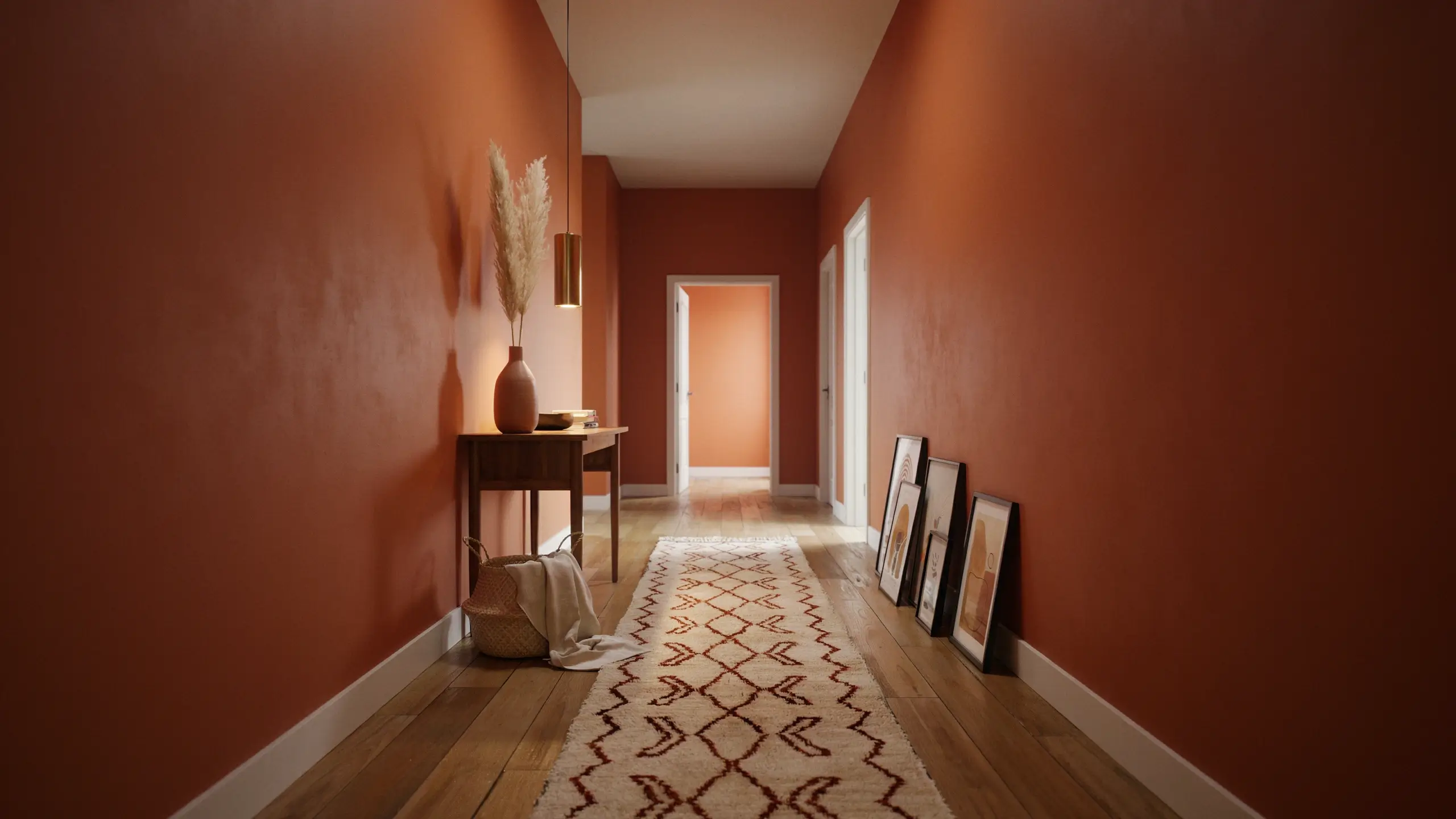
Hallways are usually narrow, dim, and the last thing anyone thinks to decorate, which makes them a perfect low-risk place to experiment. A lighter shade than the rooms it connects to will brighten a dark passage and make it feel less like a tunnel.
If your hallway gets decent light, you can flip that advice and go bold instead. A saturated color in a hallway with no furniture to work around turns a wasted stretch of the house into one of the most memorable parts of a home tour.
9. Give Your Entryway a Wow Wall
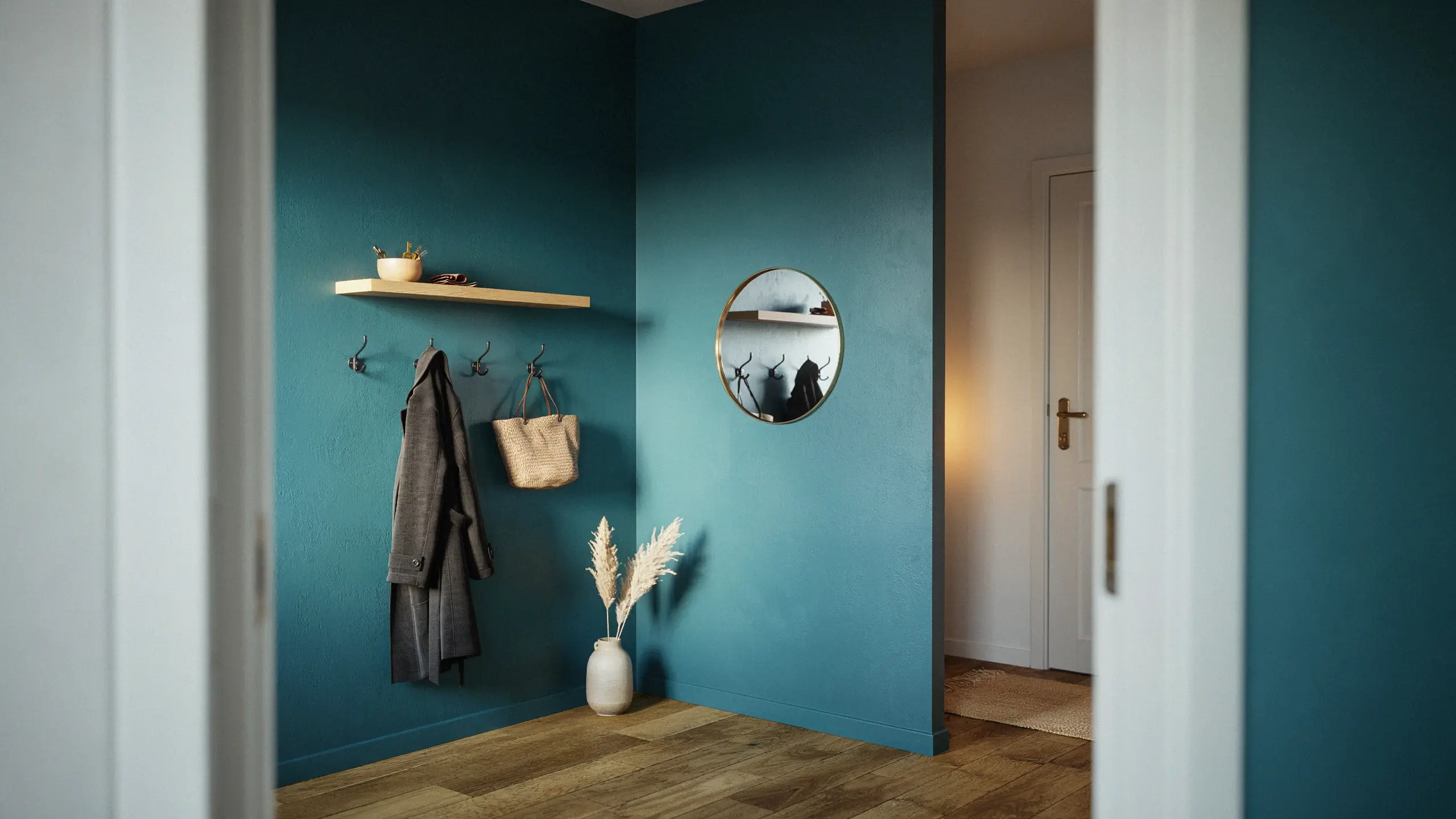
The entryway sets the tone for your whole home, and in a small house or apartment it’s often just a few square feet by the front door. Use that limited space to make a statement instead of blending in.
A warm, saturated color one or two shades darker than the room it opens into makes the entry feel intentional and inviting, almost like a hug when you walk in. If your home has an open floor plan with no defined entry at all, paint helps create one by bordering the front door area on two adjoining walls.
10. Paint Stair Risers or Bookshelf Backs
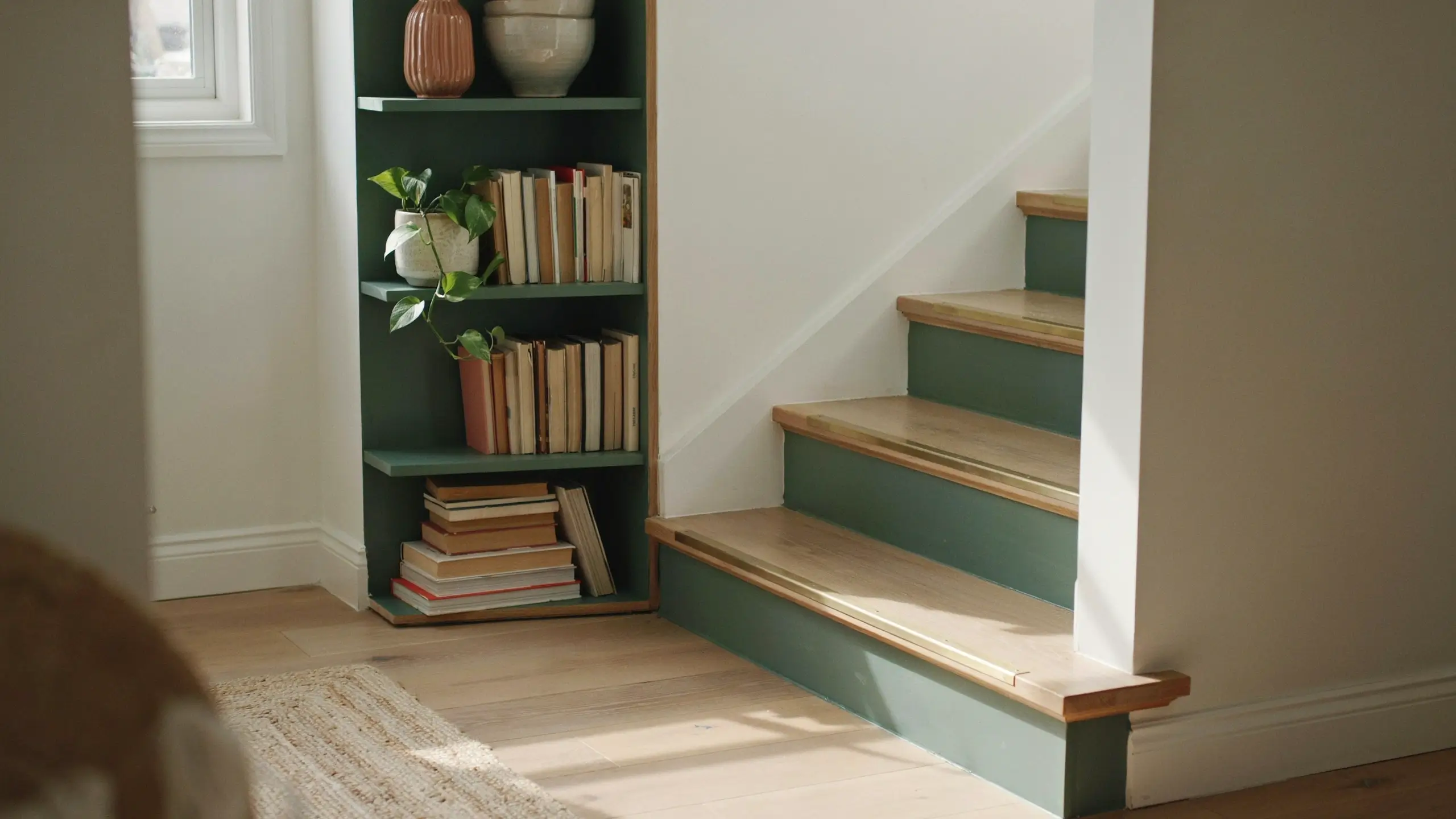
If your small space includes a staircase or a bookshelf, you’ve got two more surfaces most people never think to paint. Painting the risers (the vertical part of each stair step) in a bold color or pattern turns a plain staircase into a design feature without touching the treads you actually walk on.
The same goes for the back panel of an open bookshelf. A pop of color behind your books and decor makes the whole shelf look styled instead of just full, and it’s one of the fastest before-and-after projects you can do with a small sample can of paint.
11. Use Paint to Blend Away Eyesores
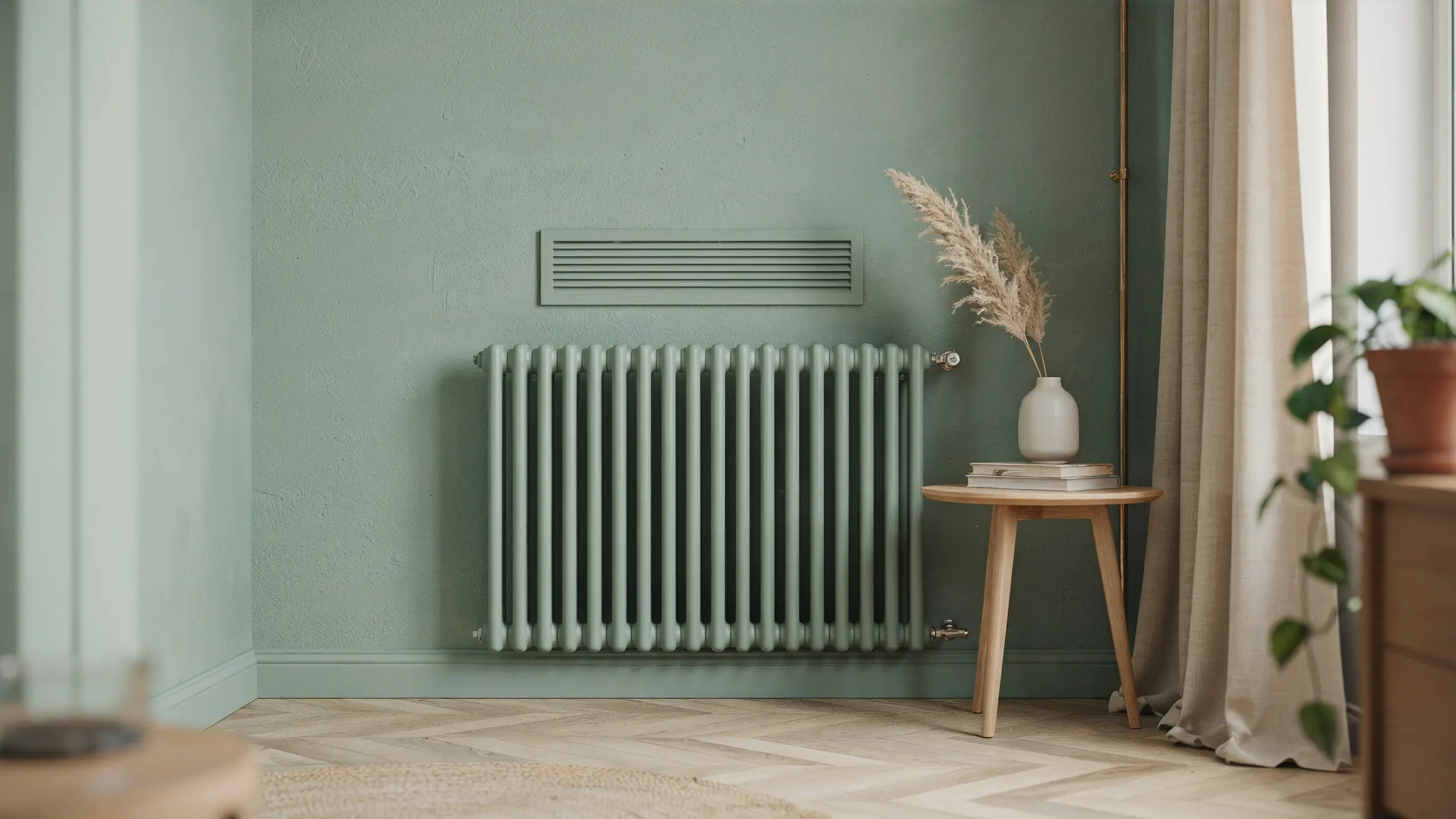
Not every painting project is about adding color. Sometimes the biggest impact comes from making something disappear. Radiators, vents, outlet covers, and built-in shelving can all be painted the same color as the surrounding wall so they recede instead of catching the eye.
This is especially useful in small rooms where every awkward feature feels more noticeable simply because there’s less space to distract from it. A radiator painted to match the wall behind it stops competing for attention and just fades into the background.
Mistakes to Avoid When Painting a Small Space
- Skipping the sample stage. Paint looks different in daylight, lamp light, and shade. Always test a swatch on the actual wall and check it morning, afternoon, and evening before committing to a full can.
- Choosing the wrong sheen. A flat finish hides flaws but doesn’t reflect much light. Eggshell or satin gives you a nice balance of light reflection and easy cleaning for walls, while semi-gloss or high-gloss works best on trim and doors where you want a little shine without overwhelming the room.
- Painting all four walls dark without a plan for light. Dark rooms need layered lighting to feel cozy instead of cave-like. Add a floor lamp, a sconce, or a table lamp before you judge the final look.
- Ignoring undertones. A gray that looks soft and warm on the paint chip can turn lavender or blue once it’s on a full wall. Bring a fabric swatch or a piece of furniture from the room with you when picking colors, or better yet, paint a large sample board you can move around the space.
- Forgetting the ceiling and trim in your plan. If you’re going for a color drenched or monochromatic look, the ceiling and trim need to be part of the color decision from the start, not an afterthought once the walls are already done.
Tools and Supplies to Have on Hand
- Painter’s tape for crisp lines around trim, stripes, or accent walls
- A small foam roller for closets, shelving, and tight corners
- An angled sash brush for cutting in edges
- Primer, especially if you’re painting over a dark color with a light one or vice versa
- Sample-size paint pots to test before buying full cans
- A drop cloth to protect flooring in tight spaces where furniture can’t easily move
Final Thoughts
You really don’t need a bigger house to have a room that feels big. Wall paint is one of the cheapest, fastest ways to make a small space feel more finished, more intentional, and more like you. Whether you go bold with a color drenched bedroom or start small with a painted closet, every one of these ideas can be done in a weekend without a contractor or a big budget.
Pick one idea from this list, grab a sample pot, and see how it feels on your wall before you commit to the whole room. Small changes really do add up to a big impact.
Which one of these are you trying first? Drop a comment below, I’d love to hear which small space you’re planning to transform.




No Comment! Be the first one.