




How to Choose a Good Watermelon: 7 Simple Tricks for a Sweet, Juicy Pick Every Time
Standing in front of a bin of forty identical green watermelons, trying to figure out which one is going to be sweet and juicy and which one is going to be pale and watery, is one of those small...

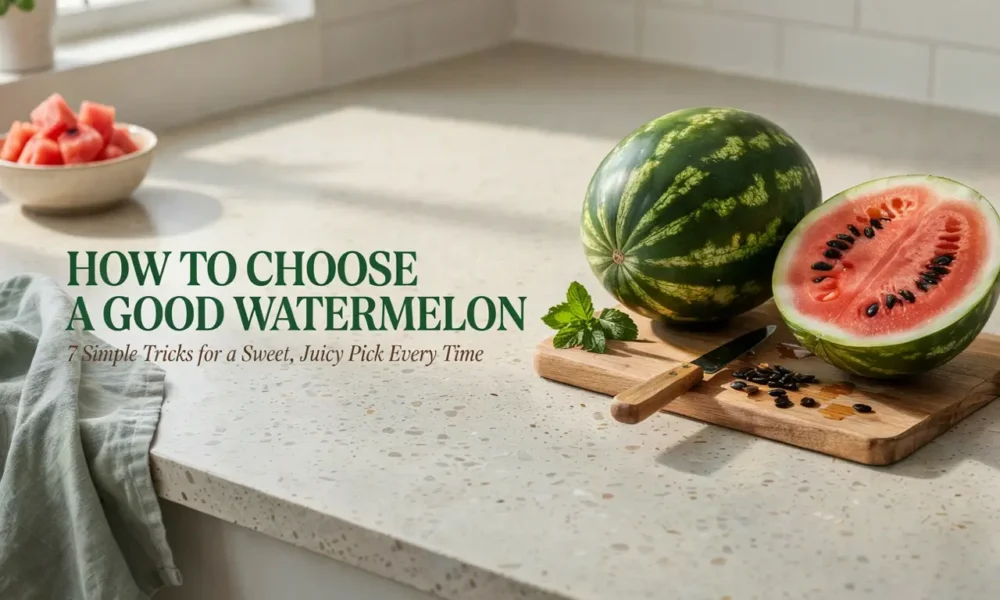
Standing in front of a bin of forty identical green watermelons, trying to figure out which one is going to be sweet and juicy and which one is going to be pale and watery, is one of those small summer frustrations almost everyone has felt. Thumping melons like you know what you’re doing, when really you’re just guessing and hoping.
Here’s the good news. Choosing a good watermelon is not actually a guessing game. Farmers, produce managers, and watermelon growers use a handful of specific, visible signs to spot a ripe, sweet melon, and none of them require cutting it open first. Once you know what to look for, picking a good watermelon takes less than a minute.
Produce experts even measure watermelon sweetness on something called the Brix scale, which tracks sugar content. You don’t need a lab or a fancy tool for that though. These simple visual and physical checks work just as well, and they’re exactly what real growers rely on.
Here’s how to choose a good watermelon every time, plus what to do if you’re buying it pre-cut, growing your own, or just trying to keep the one you already brought home fresh a little longer.
The Quick Method: How to Choose a Good Watermelon in Under a Minute
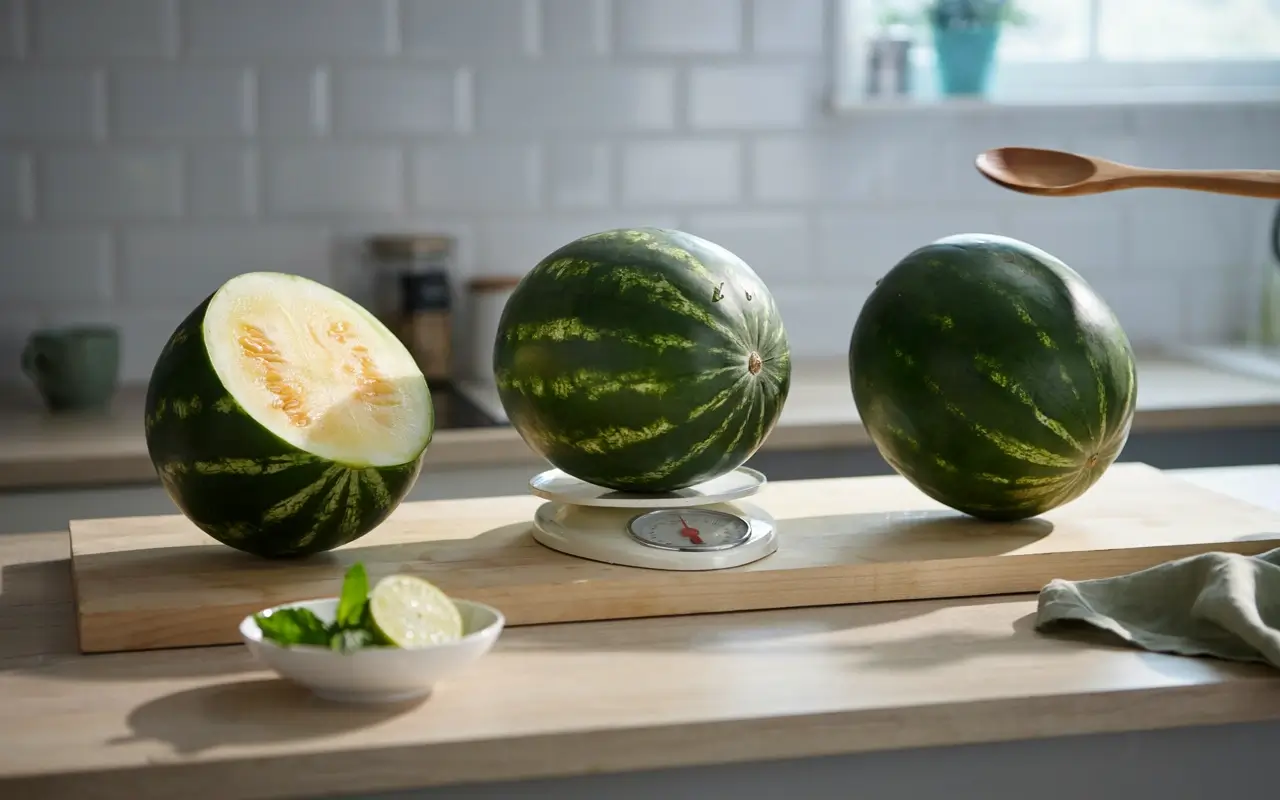
If you only remember one thing, remember this order: flip it, lift it, knock it.
- Flip it over and look for a creamy yellow spot
- Lift it. It should feel heavier than it looks
- Knock on it and listen for a deep, hollow sound
- Look for a dull rind, not a shiny one
That covers the basics. Save this post so you have the full list ready the next time you’re standing in the produce aisle, and here’s the detail behind each sign.
1. Flip It Over and Check the Field Spot
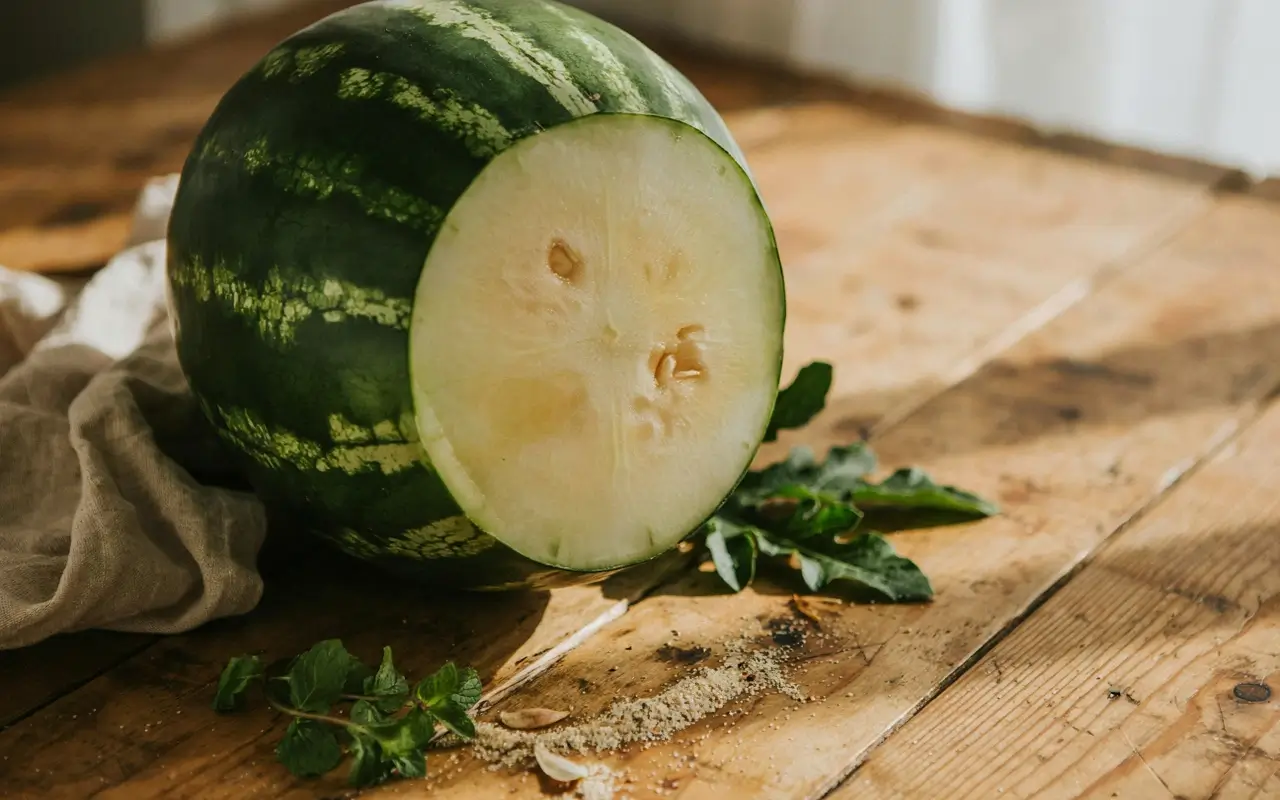
The field spot, sometimes called the ground spot or the belly, is the patch on the watermelon’s underside where it rested on the soil while it ripened on the vine. It is one of the most reliable ripeness signs there is.
What you want to see: a spot that’s creamy yellow, close to the color of butter, and fairly large. The bigger and more golden it is, the longer that watermelon sat in the sun ripening on the vine.
What to skip: a field spot that’s white, pale green, or barely visible. That usually means the melon was pulled before it had enough time in the field to develop full sweetness.
2. Lift It. It Should Feel Heavier Than It Looks
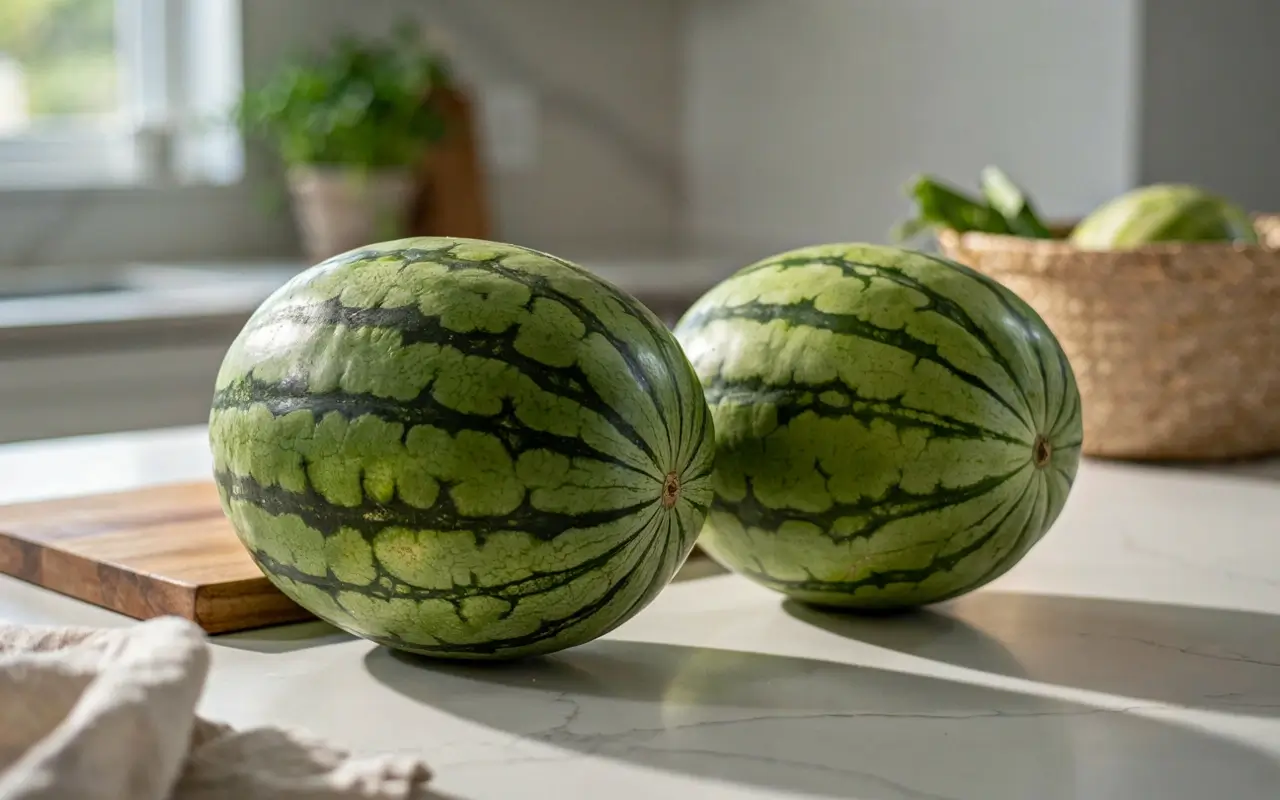
Watermelon is about 92 percent water, so a ripe one should feel surprisingly heavy for its size. This is the easiest test to run in the store because you can compare melons side by side.
Grab two watermelons that look roughly the same size. Hold one in each arm. The heavier one is almost always the juicier, riper choice. A lighter melon of the same size usually means less water content and a blander bite.
One small note here: heavier for its size, not just the heaviest melon in the whole bin. A giant watermelon that feels light for how big it is isn’t a win just because of its size.
3. Look for a Dull Rind, Not a Shiny One
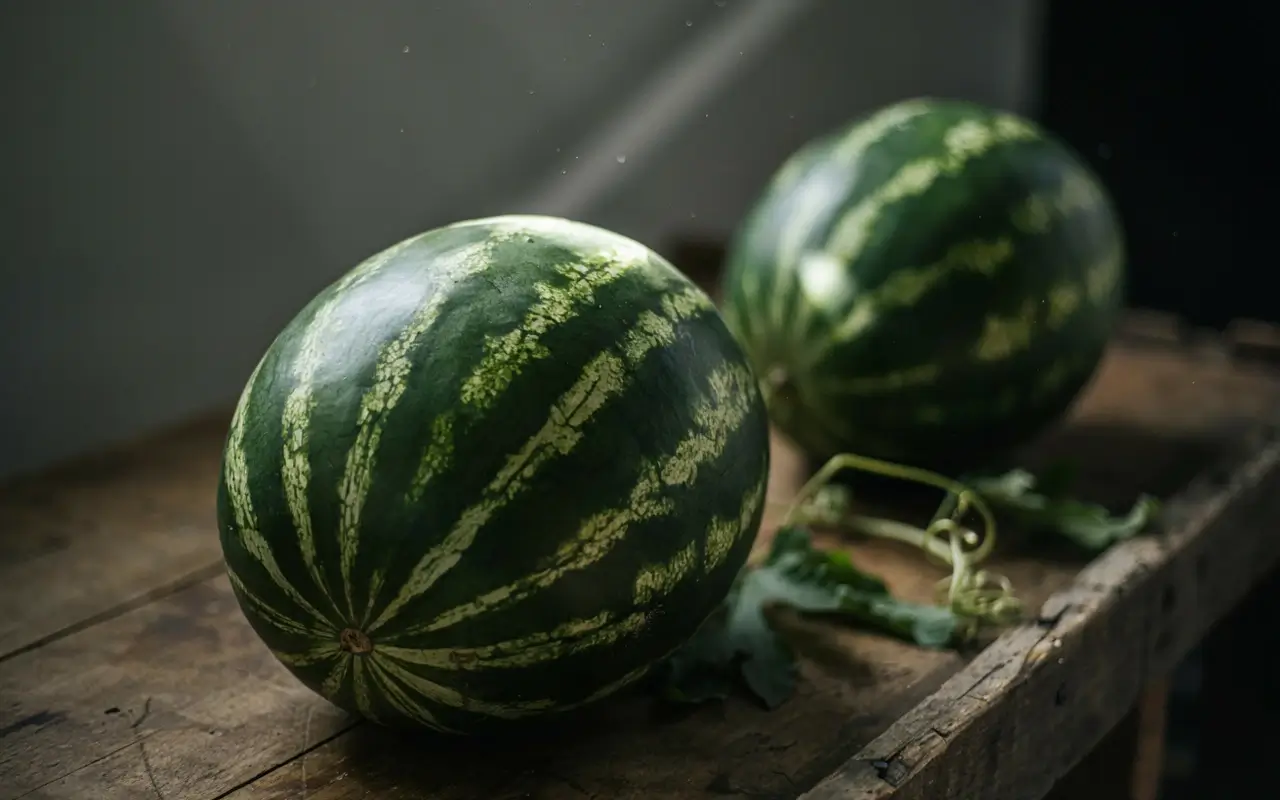
This one tends to surprise people. A shiny, glossy rind actually points to an underripe watermelon. As a watermelon matures, the outer skin loses that glossy look and turns duller and more matte.
While you’re checking the shine, also look for:
- Bruises, cuts, cracks, or soft spots (these spoil fast, so pass on them)
- A firm surface with no give when you press it gently
- Deep, consistent color and well-defined stripes if it’s a striped variety
A dull, firm rind with no visible damage is exactly what you’re after.
4. Give It a Knock and Listen for a Hollow Sound
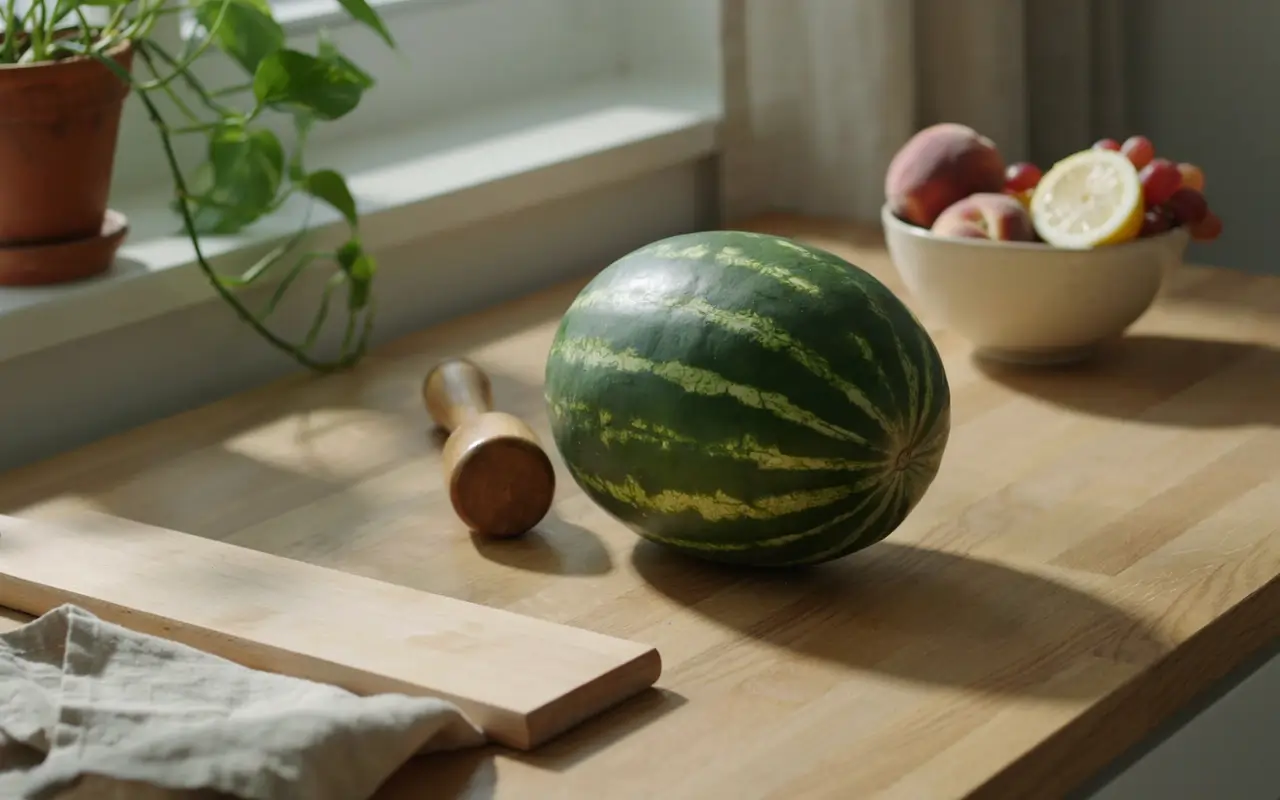
This is the trick everyone has seen someone do at the grocery store, and it genuinely works. Knock on the watermelon with your knuckles, or give it a light slap like you’re playing bongo drums.
A ripe watermelon sounds deep and hollow, almost like knocking on a door. An underripe one sounds more solid, dense, or dull, closer to tapping on a block of wood.
It takes a little practice to trust your ear on this one. If you can, tap a couple of melons back to back so you have something to compare the sound to.
5. Try the Two-Finger Stripe Trick
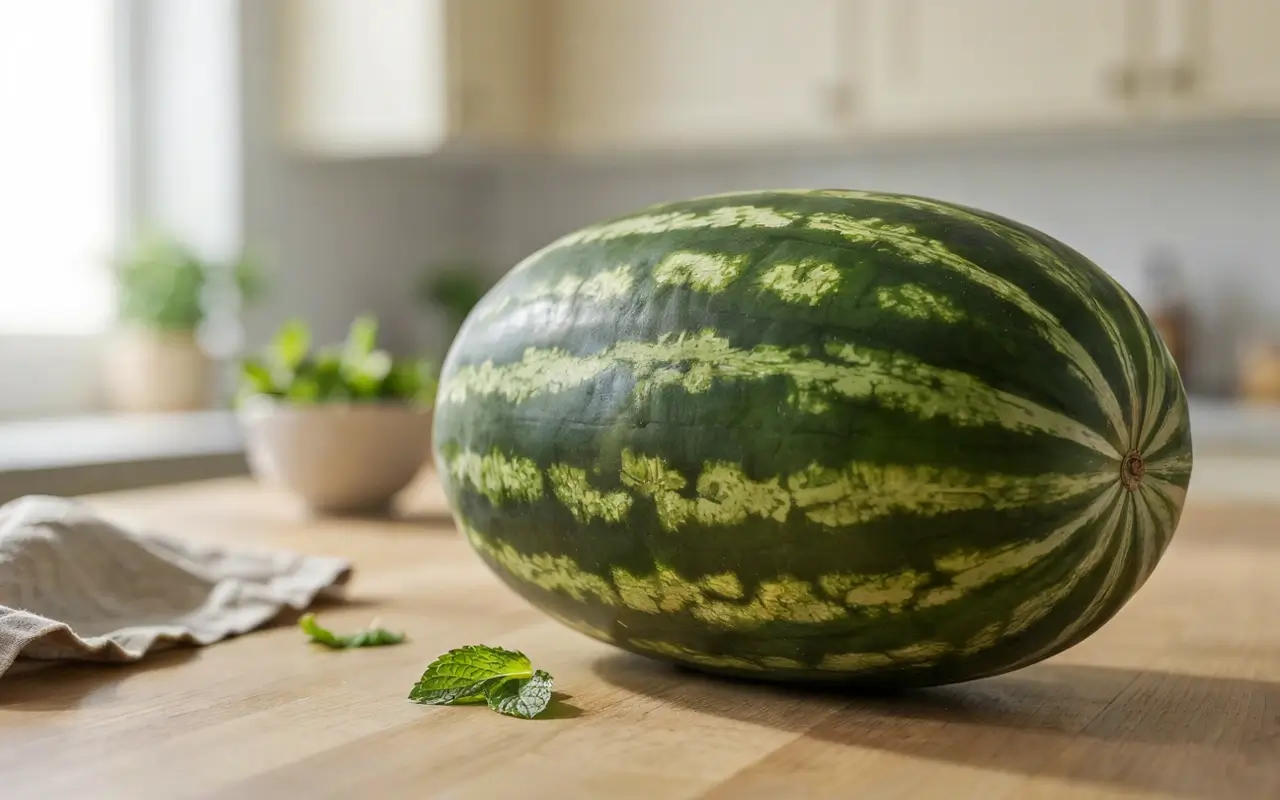
This trick is newer to a lot of home cooks, but farmers have used it for years. Hold two fingers together and lay them sideways across the dark green stripes on the rind.
If the gap between the stripes is about as wide as your two fingers, the watermelon is ripe and ready. If the stripes sit closer together than that, the melon likely needed more time on the vine before it was picked.
This works because the stripes physically stretch and spread apart as the fruit grows and ripens, so wider gaps mean a more mature melon.
6. Check for Brown Webbing, the “Sugar Spots”
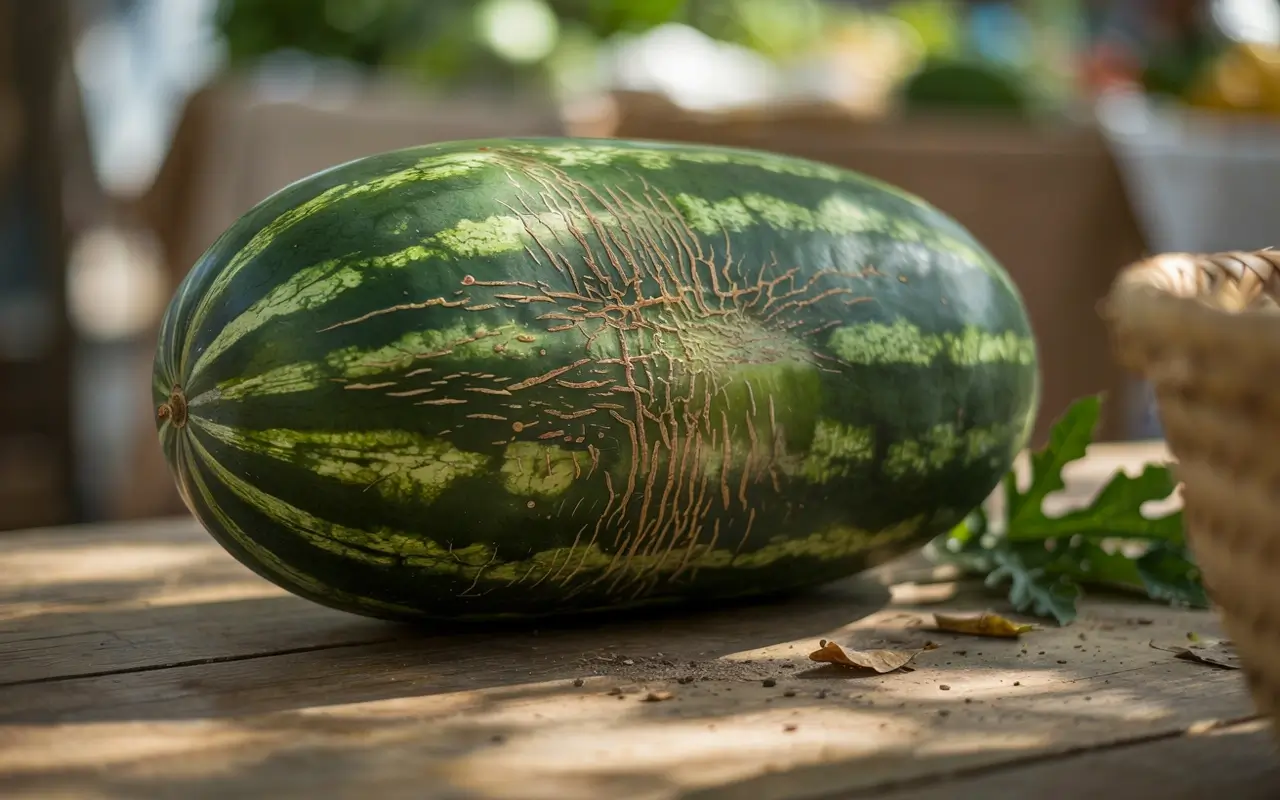
Look closely at the rind for small, rough, brown, web-like lines or dots scattered across the surface. These are sometimes nicknamed sugar spots, and they’re actually scars left behind by bees pollinating the flower repeatedly while the fruit was forming.
More pollination generally points to more sugar. A watermelon with noticeable brown webbing across the rind is often one of the sweetest in the bunch, even though it looks a little rougher on the outside than its smooth neighbors.
Just don’t confuse webbing with damage. Webbing looks dry, textured, and scar-like. Damage looks wet, soft, sunken, or discolored.
7. Think About Shape Before You Buy
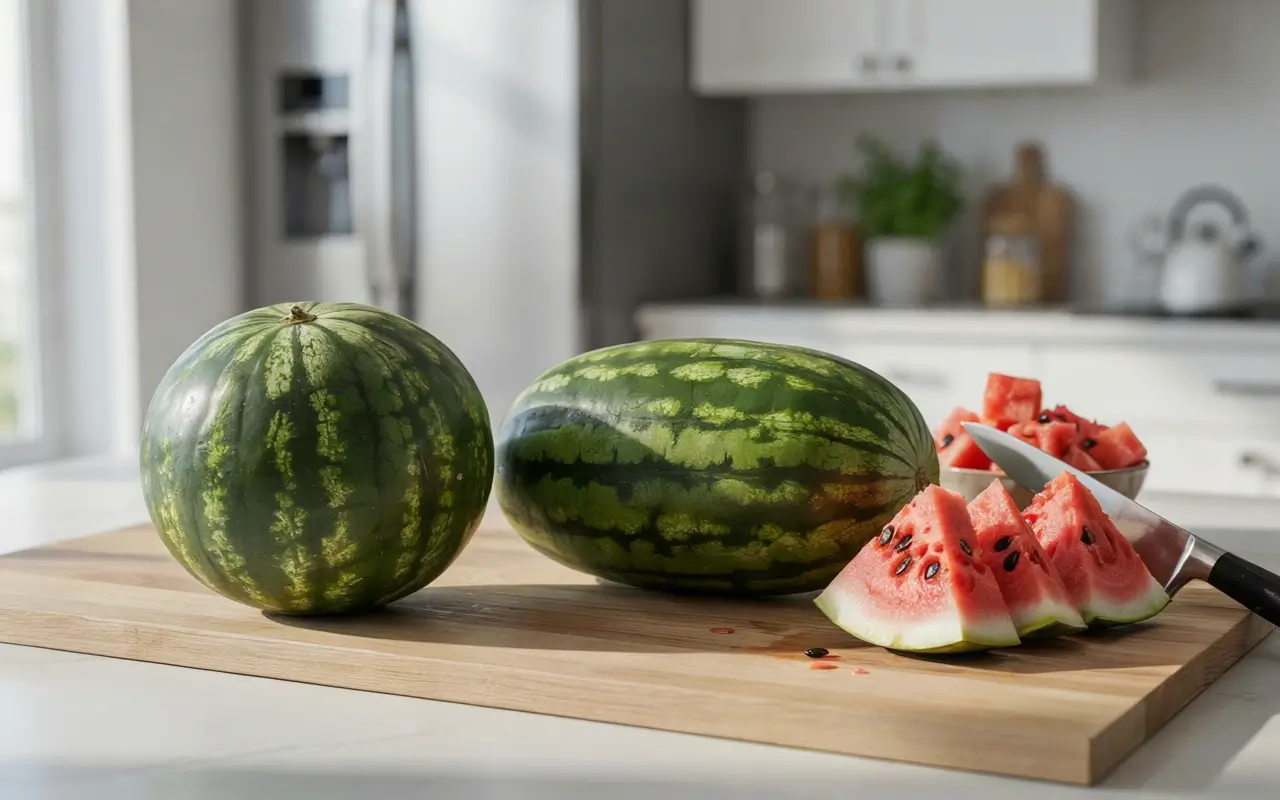
Round and oblong watermelons aren’t better or worse for ripeness. That comes down to variety, not shape. But shape does affect how easy the melon is to use once you get it home.
- Round watermelons work well for slicing into classic rounds or wedges for a party platter
- Oblong varieties, like Crimson Sweet, tend to fit more easily in a fridge and cut into even sticks or cubes with less waste
Pick the shape that fits your kitchen and your fridge, not because one shape is supposedly sweeter than the other. It isn’t.
Does Seedless or Seeded Taste Sweeter?
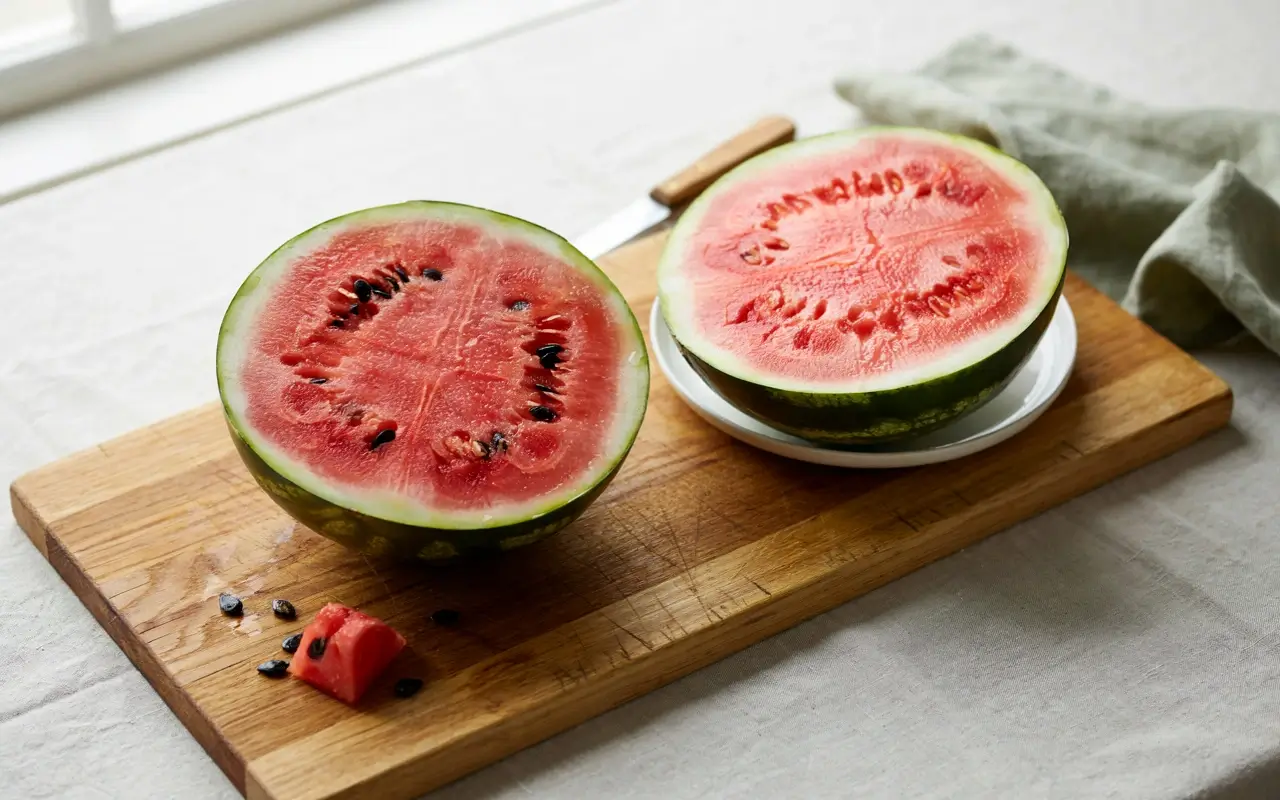
This debate comes up every summer, and the honest answer is that neither one wins automatically. A watermelon’s sweetness comes down to variety, growing conditions, climate, and harvest timing, not whether it has seeds.
Seedless watermelons, which now make up the majority of what’s sold in grocery stores, are bred from crossing plant varieties and often carry an extra set of genes. Some experts say that can actually make their flavor come through more strongly. Seeded varieties, meanwhile, are often grown by smaller farms and can taste just as good, sometimes with a more old-fashioned, classic watermelon flavor.
If you’re feeding kids or packing a lunch, seedless is the easier choice. If you grew up on seeded watermelon and love that nostalgic flavor, there’s no reason to switch. Either way, use the field spot, weight, and sound tests above to find the ripest one on the shelf.
What About the “Male” and “Female” Watermelon Trick?
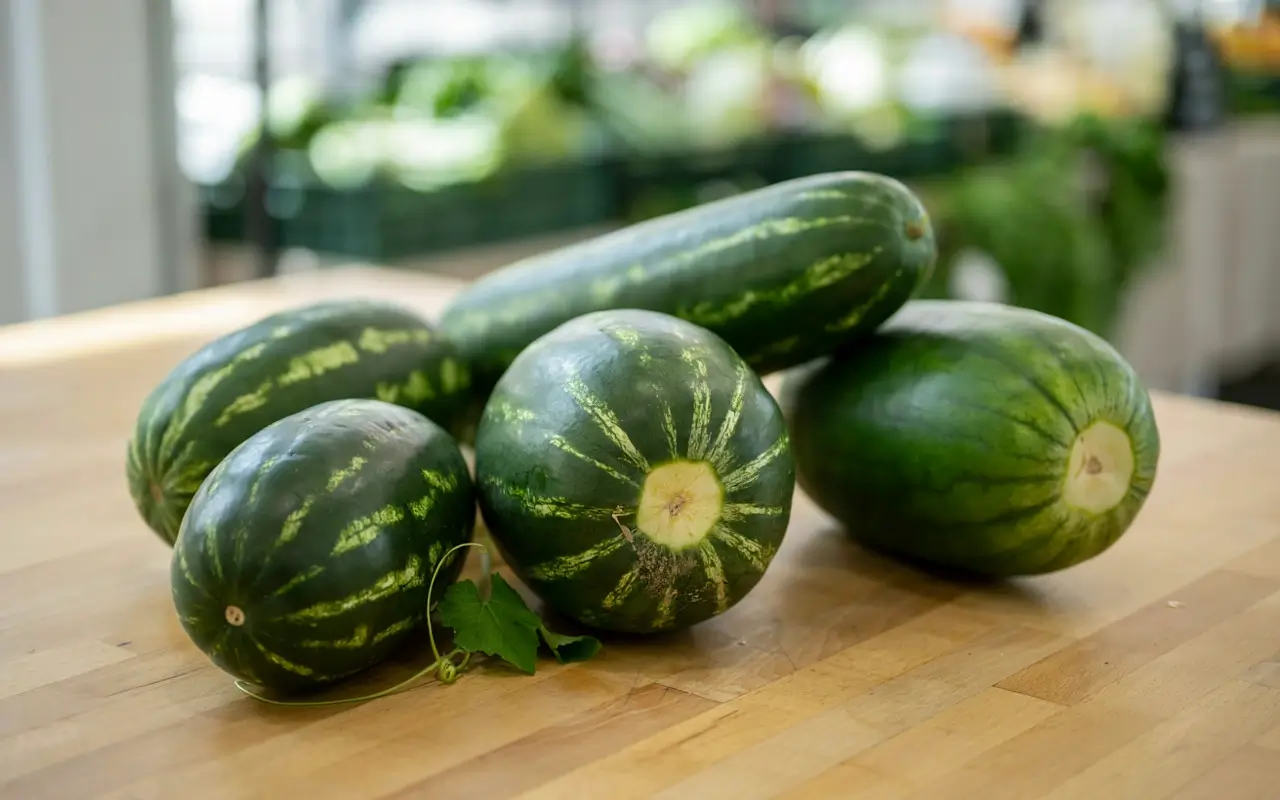
This one shows up on Pinterest and Facebook every single summer. The idea is that watermelons with a round blossom scar are “female” and sweeter, while ones with an oval scar are “male” and less flavorful.
It’s a fun story, but it isn’t true. Watermelon plants produce both male and female flowers on the same vine, and the fruit itself has no gender. The shape of that little scar depends on the variety and how the fruit developed as it grew, not on how sweet it will taste.
Skip the gender myth and stick with the field spot, weight, and knock test. Those are the ones backed by actual growers and horticulturists.
Buying Pre-Cut Watermelon? Here’s What to Look For
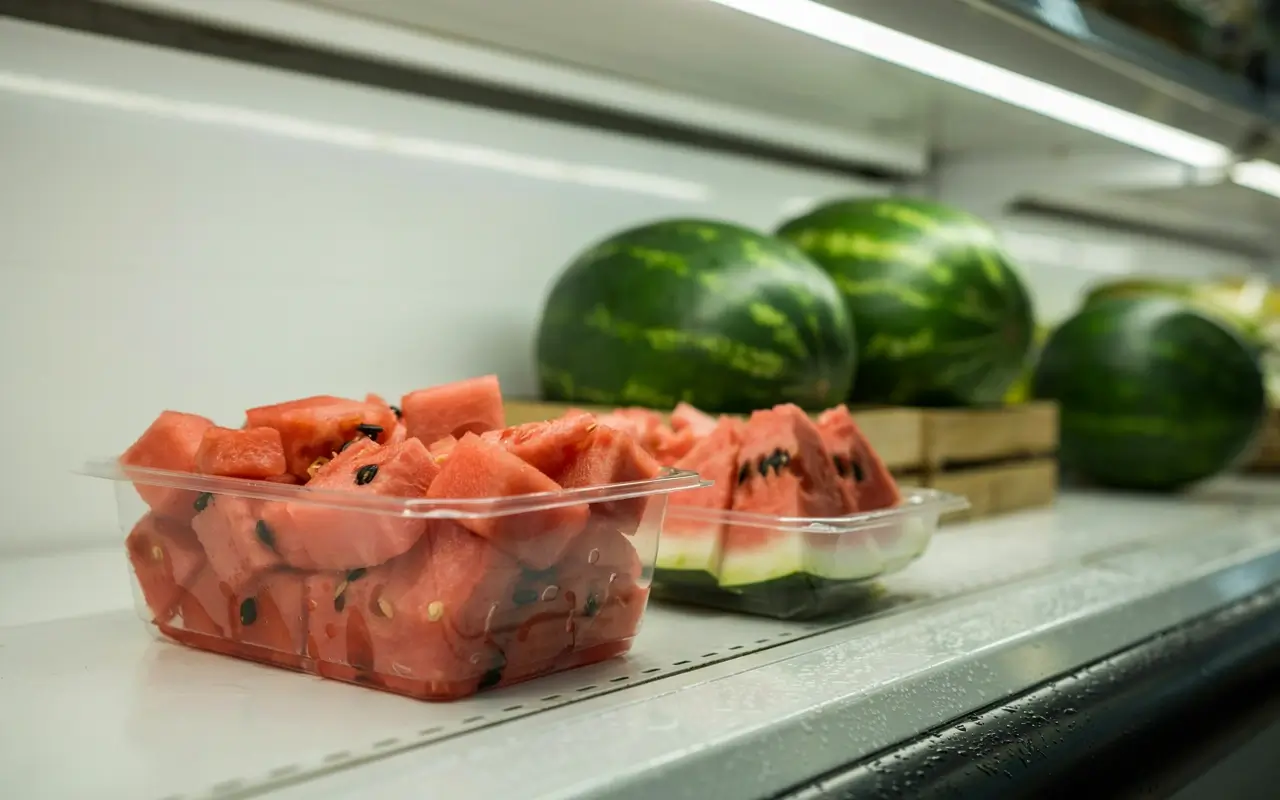
Sometimes a whole watermelon isn’t practical, especially if you live alone, have limited fridge space, or you’re cooking out of a small kitchen or an RV. Pre-cut watermelon can still be a good pick if you know what to check.
- Look at the color. It should be a deep pink to red, not pale, grayish, or washed out.
- In seeded varieties, look for seeds that are dark and mature, not pale and undeveloped.
- Avoid containers with a lot of liquid pooled at the bottom. That usually means the fruit has been sitting a while.
- Check the sell-by date and grab the package with the most time left on it.
- Skip anything that looks mushy, stringy, or separated from the rind along the edges.
Pre-cut won’t be quite as fresh as a whole melon you pick yourself, but these checks help you avoid ending up with a bland, watery container.
Mistakes to Avoid When Picking a Watermelon
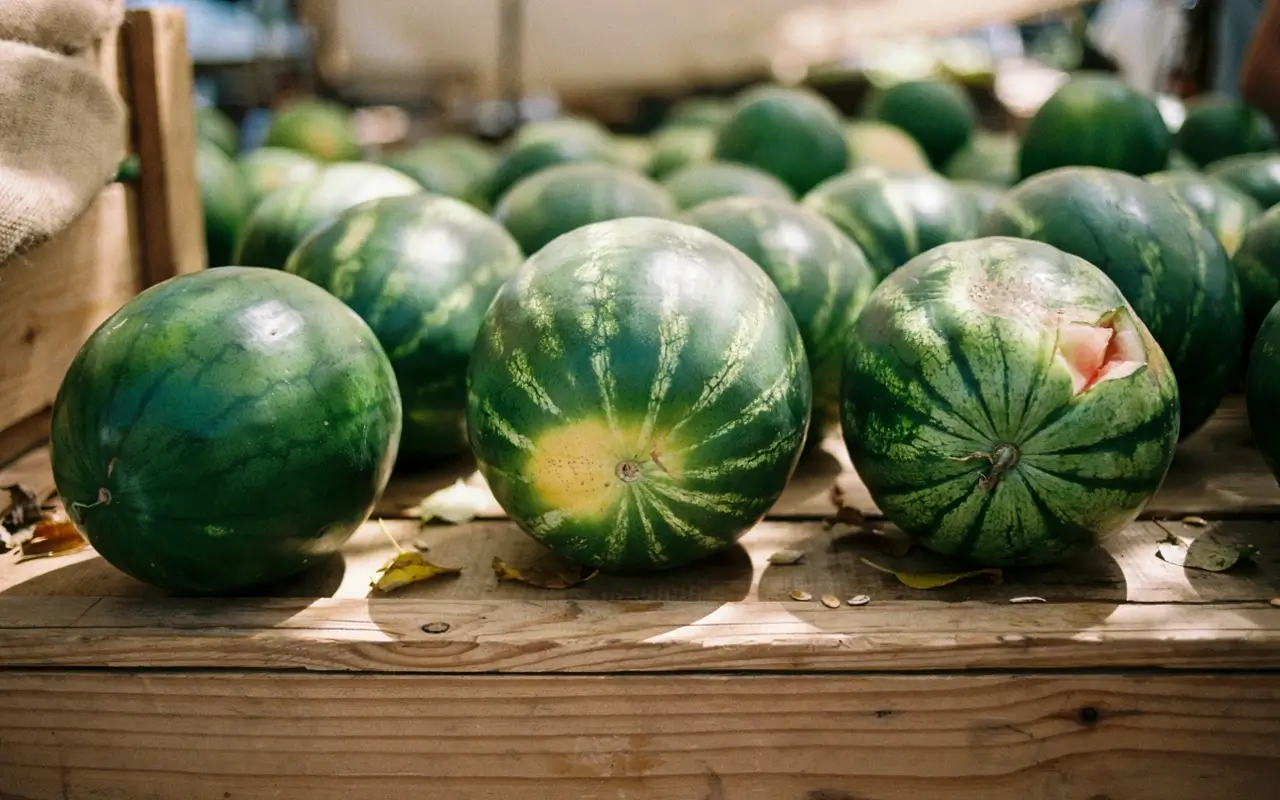
A few habits sound helpful but actually work against you.
- Choosing based on size alone. Bigger doesn’t mean sweeter. A smaller, heavy-for-its-size melon with a strong field spot beats a giant one that feels light.
- Picking the shiniest melon in the bin. As covered above, extra shine usually signals underripe, not fresh.
- Passing over a melon because the field spot looks “dirty.” That golden patch is a good sign, not a flaw to avoid.
- Skipping the wash before cutting. Watermelon rinds pass through a lot of hands, carts, and store displays before they reach your kitchen. Rinse and dry the outside before you cut in, so your knife isn’t dragging anything from the rind into the flesh.
- Relying on the knock test by itself. It’s a great confirming step, but pair it with the field spot and weight check for the most reliable pick.
Picking Watermelon Straight From the Garden
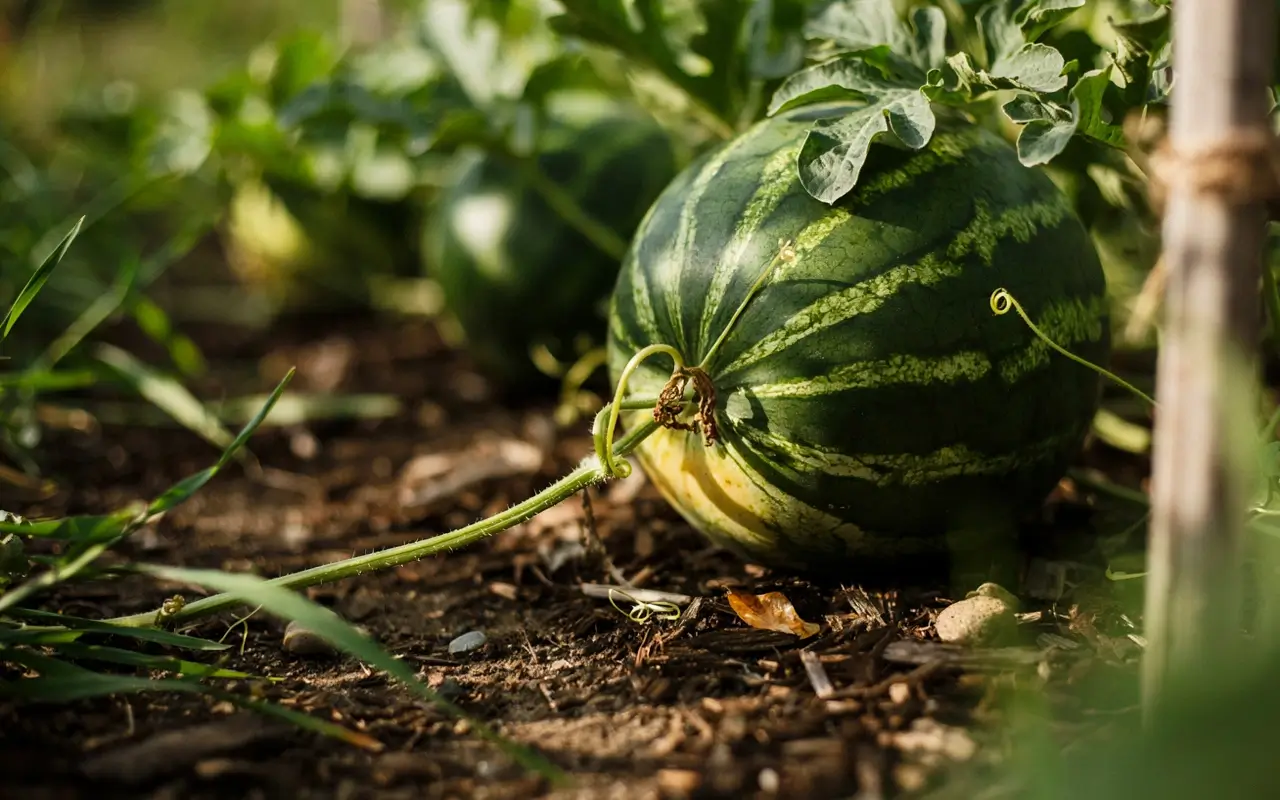
If you’re growing your own, you have one extra clue that store-bought watermelon doesn’t offer: the tendril.
Look for the small, curly, pigtail-shaped piece of vine growing near the stem where the watermelon attaches. While the fruit is still ripening, that tendril stays bright green. Once it dries out and turns brown, the watermelon has finished ripening on the vine and is ready to pick.
Pair the tendril check with the field spot and the two-finger stripe trick for the most accurate read on homegrown fruit. Watermelon does not keep ripening once it’s cut from the vine, unlike fruits such as bananas or tomatoes, so it really does pay to get the timing right the first time.
How to Store Your Watermelon So It Stays Fresh Longer
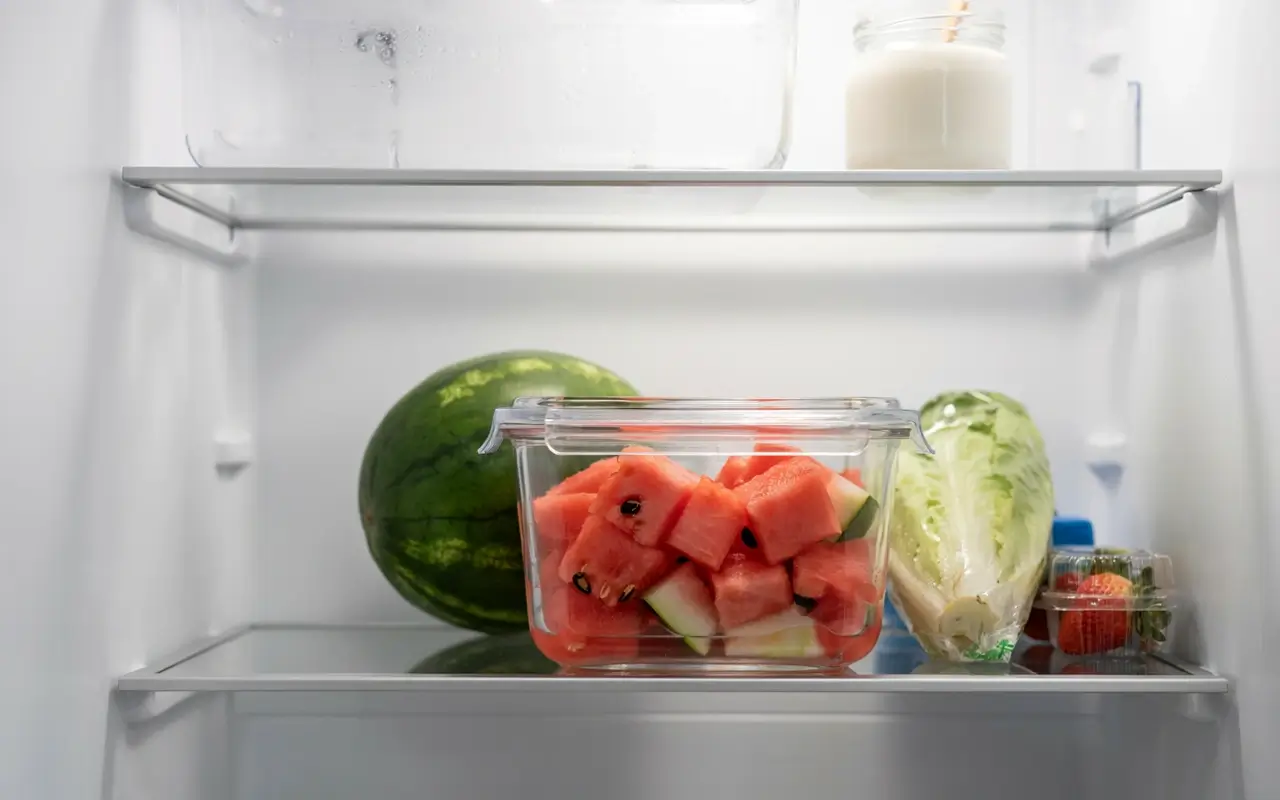
Picking a good one is half the job. Keeping it fresh is the other half.
- Whole watermelon: Store at room temperature in a cool, dry spot for up to a week, or in the fridge for up to two weeks if you have the space.
- Cut watermelon: Store in an airtight container in the fridge and eat within 3 to 5 days. Draining off the extra juice every day or two helps keep it from turning soggy.
- Watermelon sticks or cubes for snacking: A glass container beats plastic here. Glass doesn’t hold onto smells, so your watermelon keeps tasting like watermelon instead of picking up whatever else is in the fridge.
- Freezing: Cut into cubes, freeze in a single layer on a baking sheet until firm, then move to a freezer bag. Frozen watermelon turns soft once thawed, so save it for smoothies, slushies, or watermelon juice rather than eating it fresh off the fork.
Final Thoughts on How to Choose a Good Watermelon
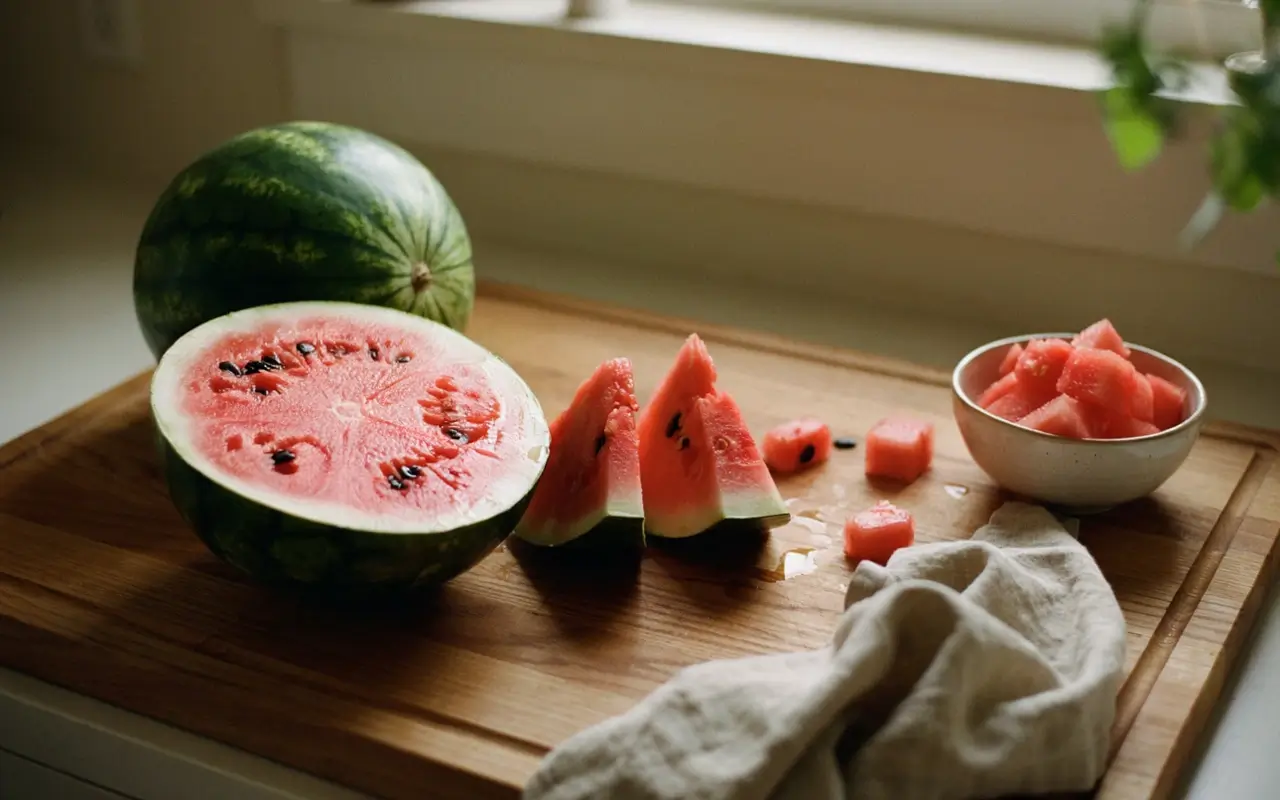
Once you know how to choose a good watermelon, the whole process gets a lot less stressful and a lot more fun. Flip it over, feel the weight, check the color, give it a knock, and trust the signs instead of guessing.
The next time you’re standing in the produce aisle staring down a pile of green melons, you won’t need luck. You’ll have a method, and a sweet, juicy watermelon waiting on the other side of it.
Save this post so it’s ready for your next grocery run or farmers market trip, and tell me in the comments: what’s your go-to trick for picking a good watermelon? I’d love to hear it.






No Comment! Be the first one.