




What You Can (and Can’t) Change in a Rental: The Complete Renter’s Decorating Guide
Moving into a rental and staring at builder-beige walls is its own special kind of heartbreak. You want the place to feel like yours, but you also want that security deposit back in one piece. So...

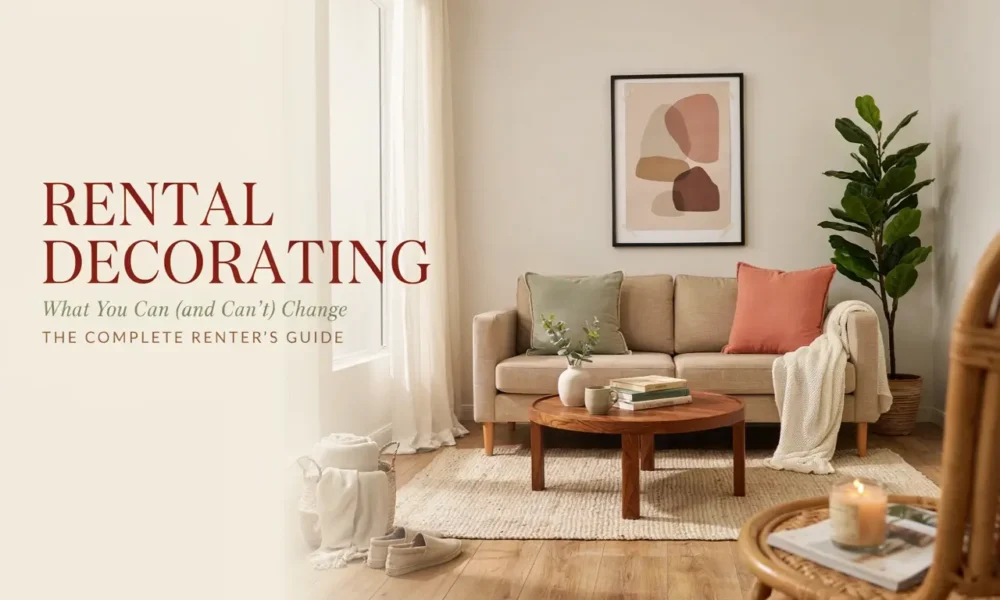
Moving into a rental and staring at builder-beige walls is its own special kind of heartbreak. You want the place to feel like yours, but you also want that security deposit back in one piece. So where’s the line?
Knowing what you can and can’t change in a rental is really about understanding three categories, not two. There’s the stuff you can update freely, the stuff you need to ask about first, and the stuff you should never, ever touch no matter how tempting it is. Once you know which bucket something falls into, decorating a rental stops feeling like walking a tightrope and starts feeling like, well, decorating.
I’ve rented four different apartments over the years, made plenty of mistakes (RIP, my first deposit), and learned the hard way which updates make a landlord smile and which ones make them pull out the lease agreement. Here’s everything I wish someone had told me before I picked up a single Command hook.
Quick Answer: The Rule of Thumb
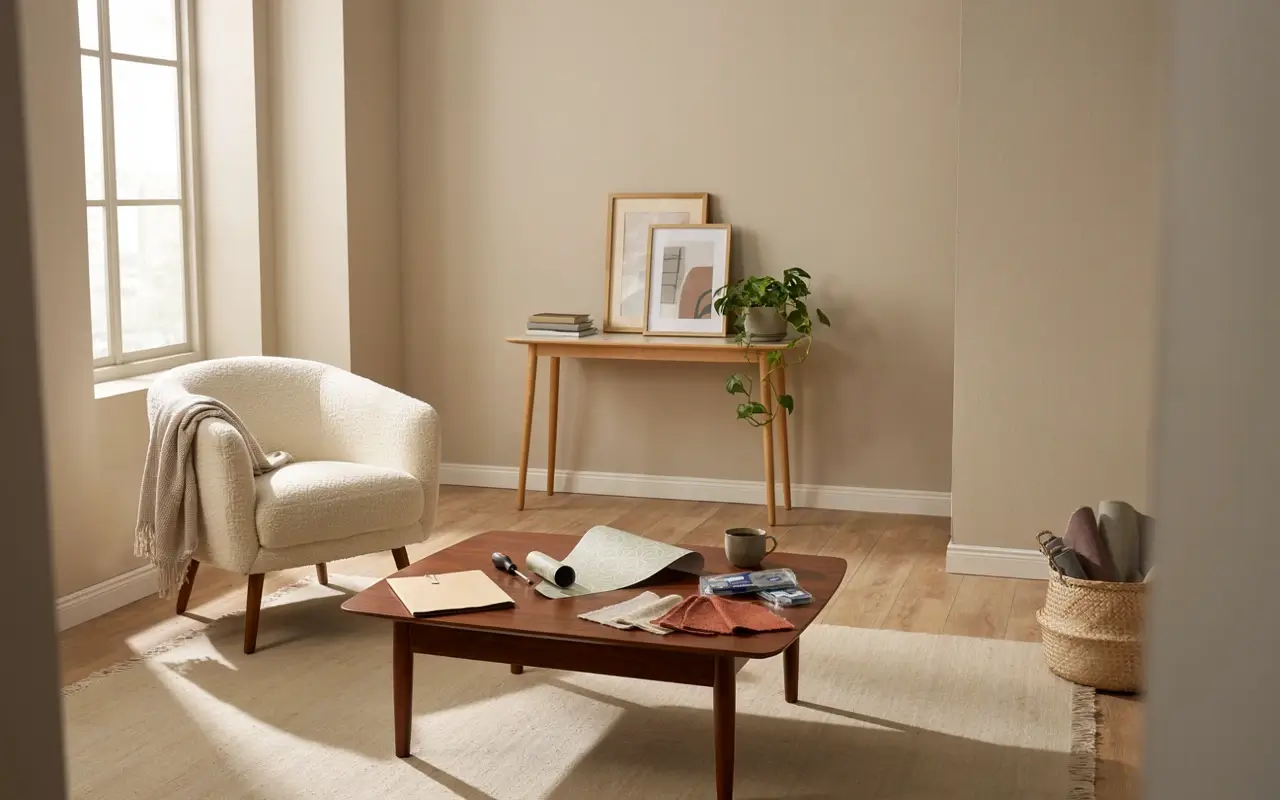
If a change can be fully undone in under an hour with basic tools, it’s almost always safe. If it involves drilling, cutting, plumbing, wiring, or anything permanently attached to the structure, it’s a no or a “landlord has to say yes first.” When in doubt, always check your actual lease agreement, since rules vary by state, city, and even by individual landlord.
Before You Touch Anything: Read Your Lease First
This step gets skipped constantly, and it’s the one that saves the most headaches. Most leases already spell out what’s allowed, right down to whether you can paint or use adhesive hooks. Pull out your lease (or the PDF buried in your email) and search for words like “alterations,” “modifications,” or “improvements.” That section tells you more than any blog post can, because it’s the one that’s legally binding for your specific unit.
If your lease is vague or silent on something, that’s your cue to ask your landlord directly rather than assume.
Things You CAN Change in a Rental (No Permission Needed)
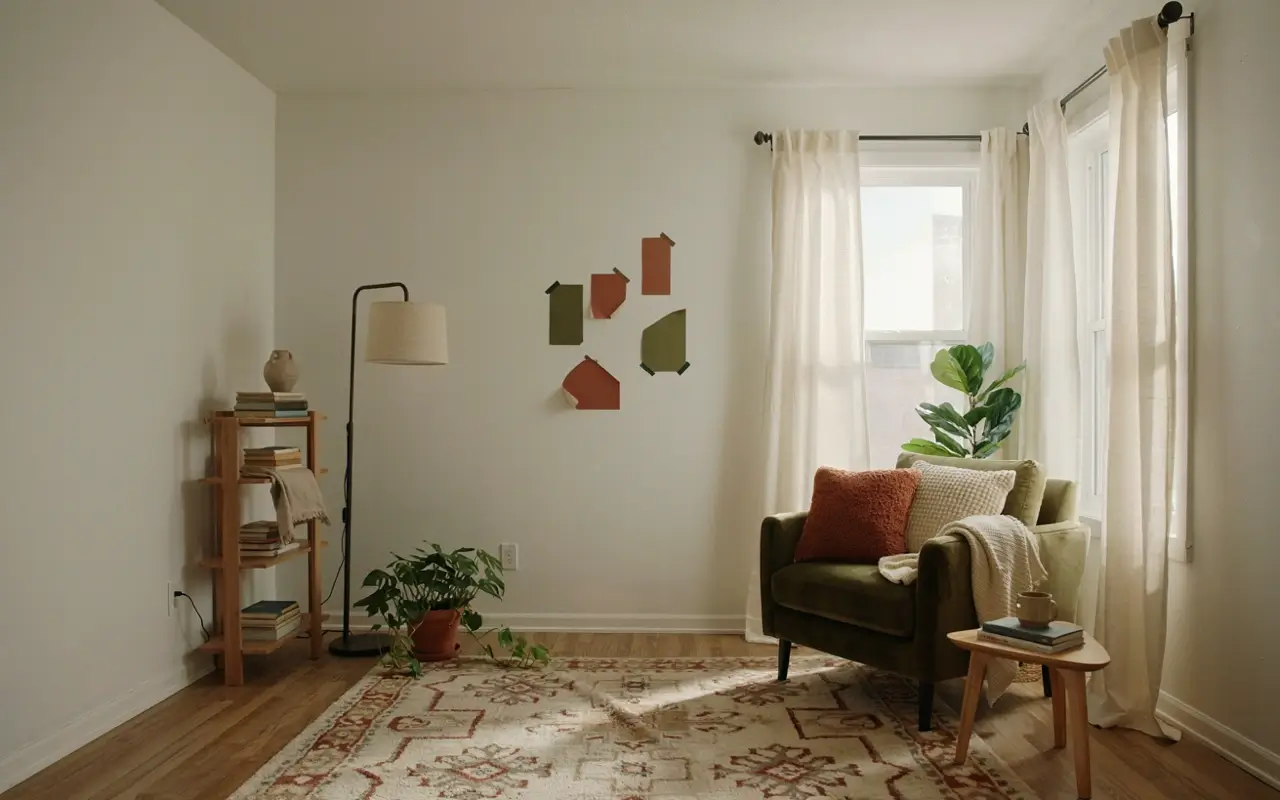
These updates are low-risk, fully reversible, and generally fair game in almost any rental. This is the fun part, so save this section for your next apartment refresh.
1. Wall art and photos, hung the right way
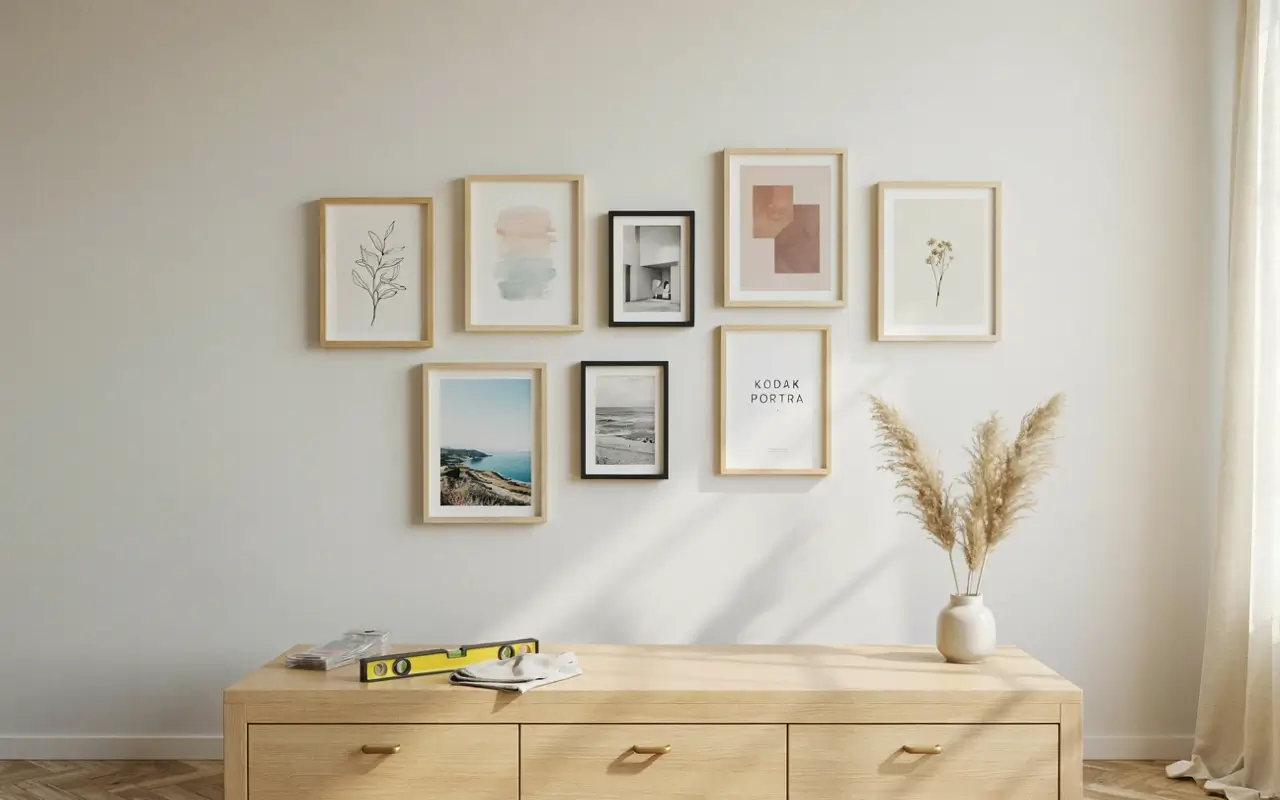
Skip the nail holes and use Command strips or hooks rated for the weight of your piece. A heavier framed print (over 5 pounds) needs the larger strips, so check the weight rating on the package before you commit. When you move out, pull the strips down slowly at a low angle to avoid peeling paint.
2. Cabinet and drawer hardware, if you keep the originals
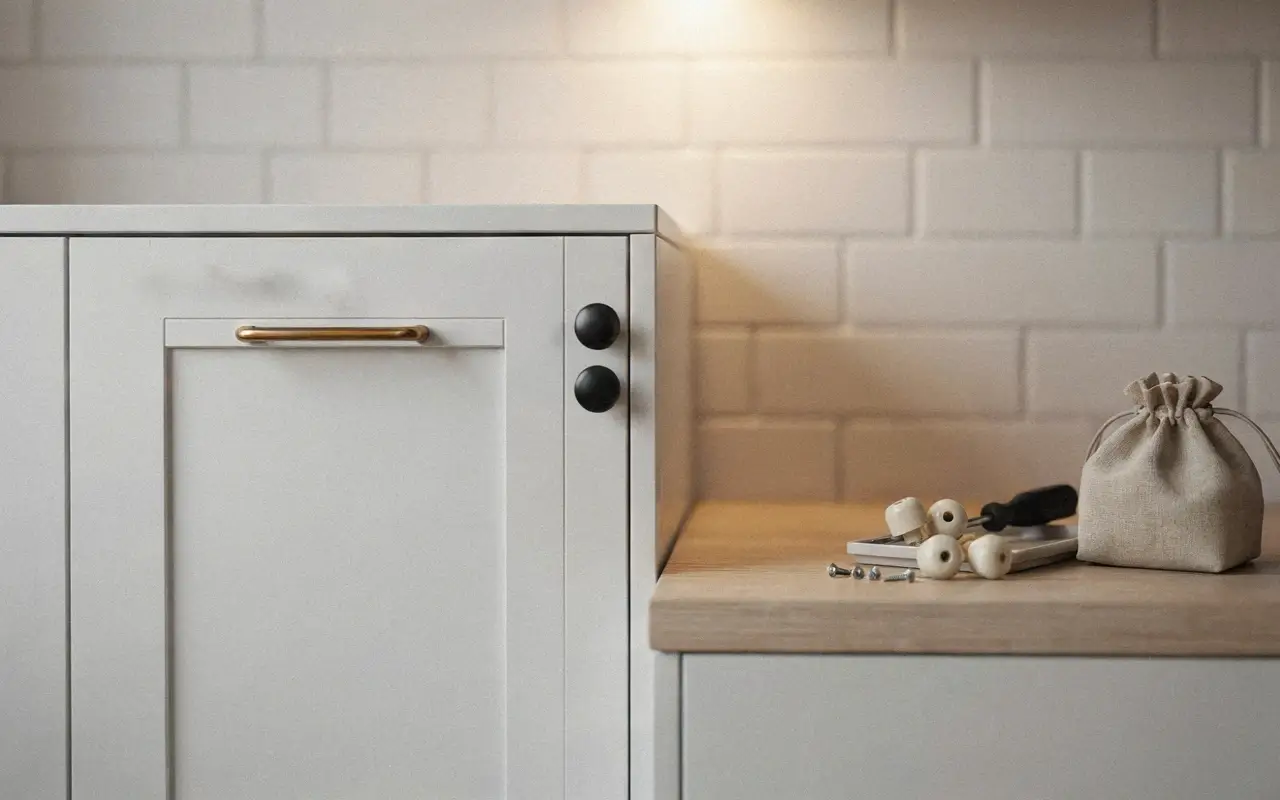
Swapping boring builder-grade knobs for brass pulls or matte black hardware is one of the fastest ways to make a kitchen feel custom. Just keep every original knob and screw in a labeled bag, because you’ll need to put them back before you move out.
3. Curtains and curtain rods (tension rods only)
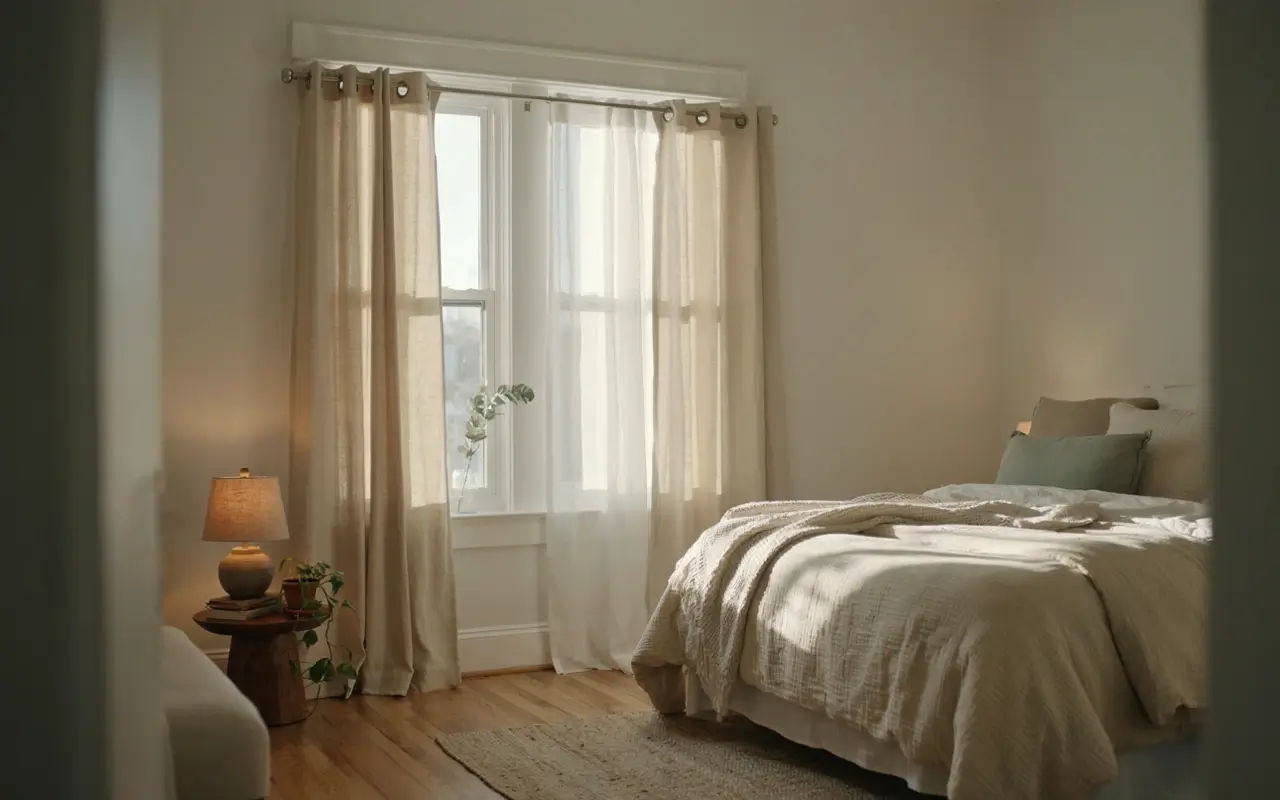
Tension rods wedge into the window frame with pressure, no drilling required, and they hold up surprisingly well for lightweight to medium curtains. For a more finished look, tension rods with decorative finials now come in almost every finish, from brushed gold to matte black.
4. Peel-and-stick wallpaper and removable wall decals
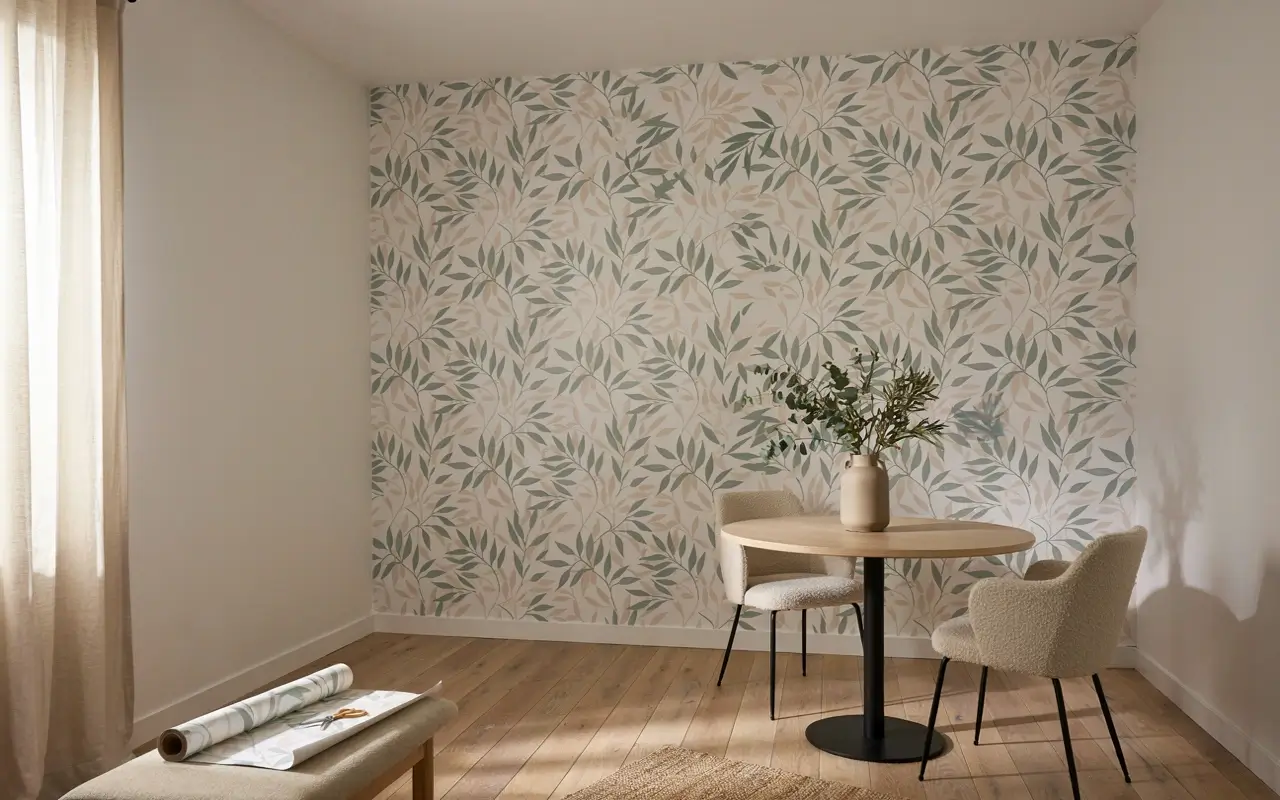
This is the single biggest rental decorating trend right now, and for good reason. Quality peel-and-stick wallpaper (look for “removable” specifically, not just “peel and stick,” since some cheaper versions aren’t truly damage-free) can transform an accent wall in an afternoon and comes off clean when applied over a properly primed, smooth wall.
5. Area rugs, in any size
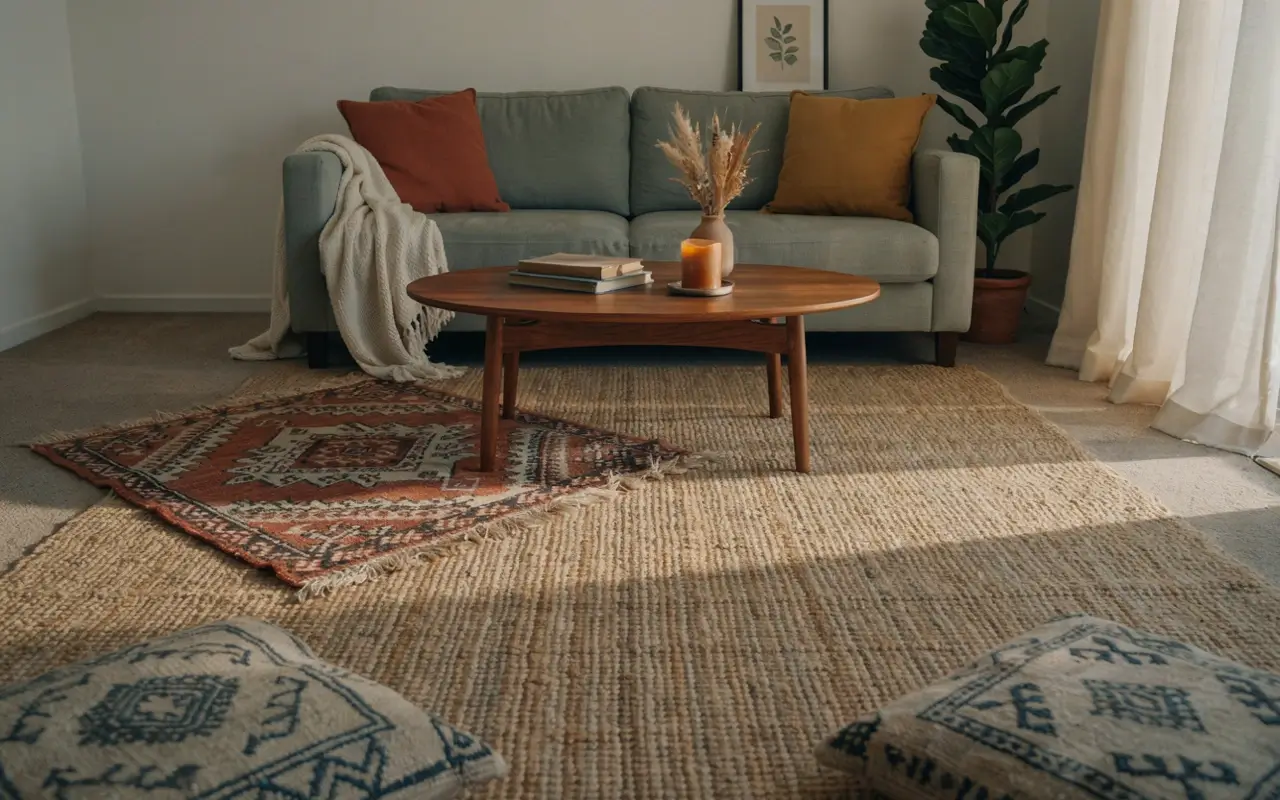
Rugs cover ugly flooring, add warmth, and define spaces in open-concept rentals. Layer a smaller patterned rug over a large jute rug for texture without committing to wall-to-wall carpet you don’t own.
6. Removable backsplash and tile decals
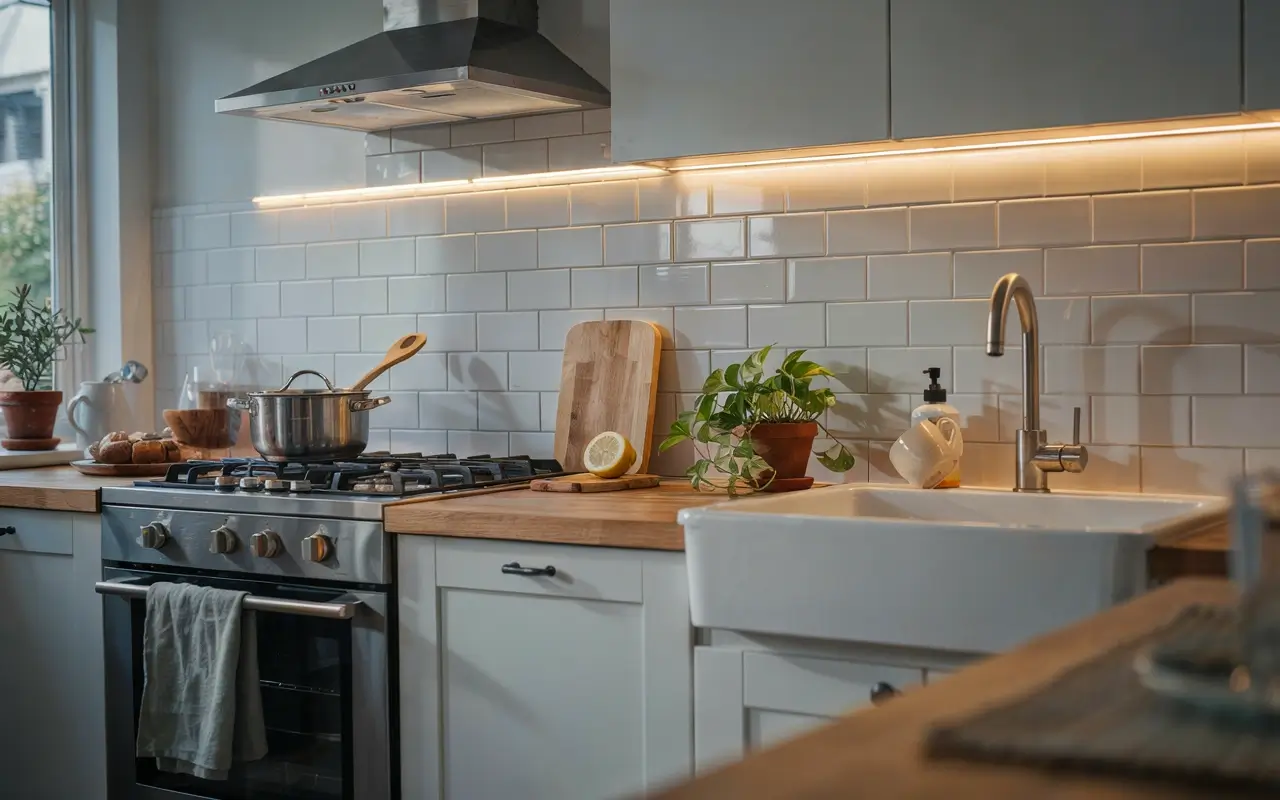
Waterproof, heat-resistant peel-and-stick tiles can update a dated kitchen or bathroom backsplash for well under $50. Clean the wall thoroughly and let it dry completely before applying, or the adhesive won’t hold in humid spots like behind the stove.
7. Light switch and outlet covers
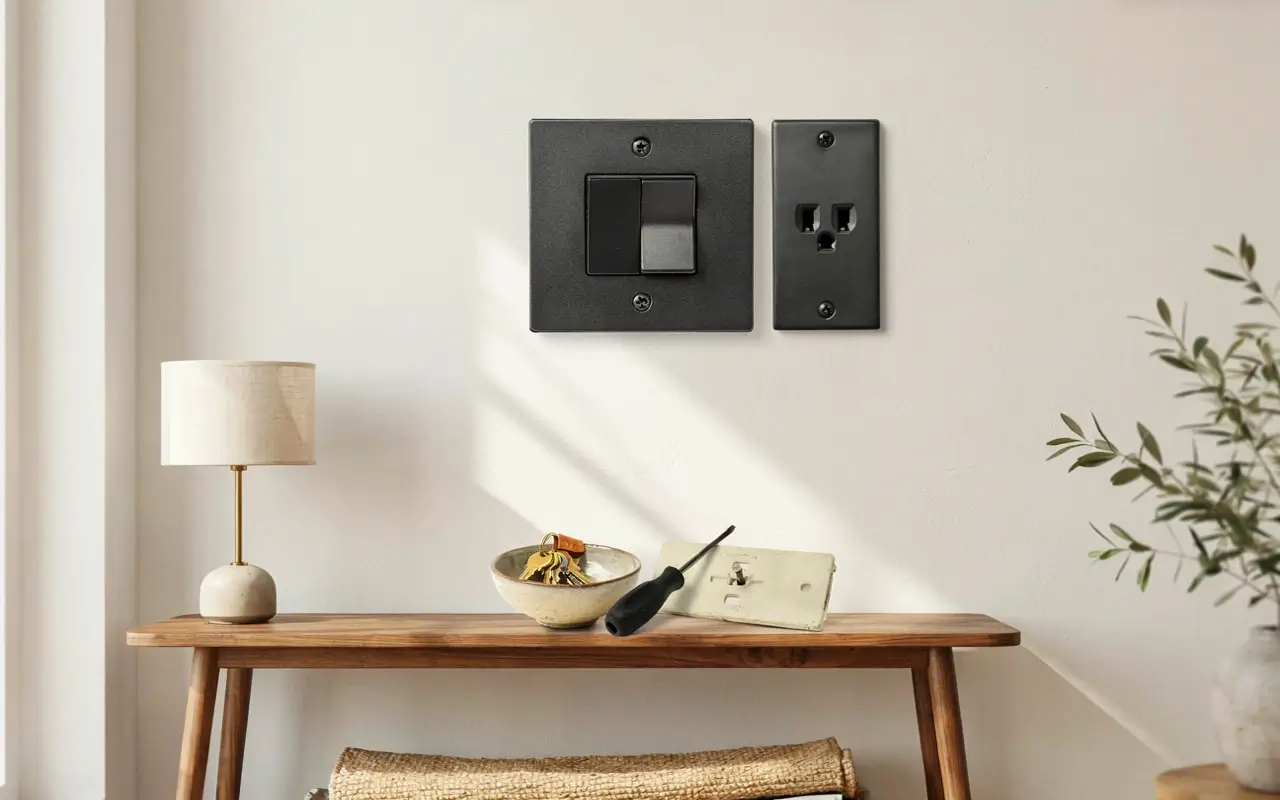
This one requires nothing more than a screwdriver, and it’s one of the most overlooked upgrades. Swapping a scratched-up white plastic cover for a matte black or brass one adds a surprising amount of polish for around $5 per cover.
8. Freestanding furniture and shelving
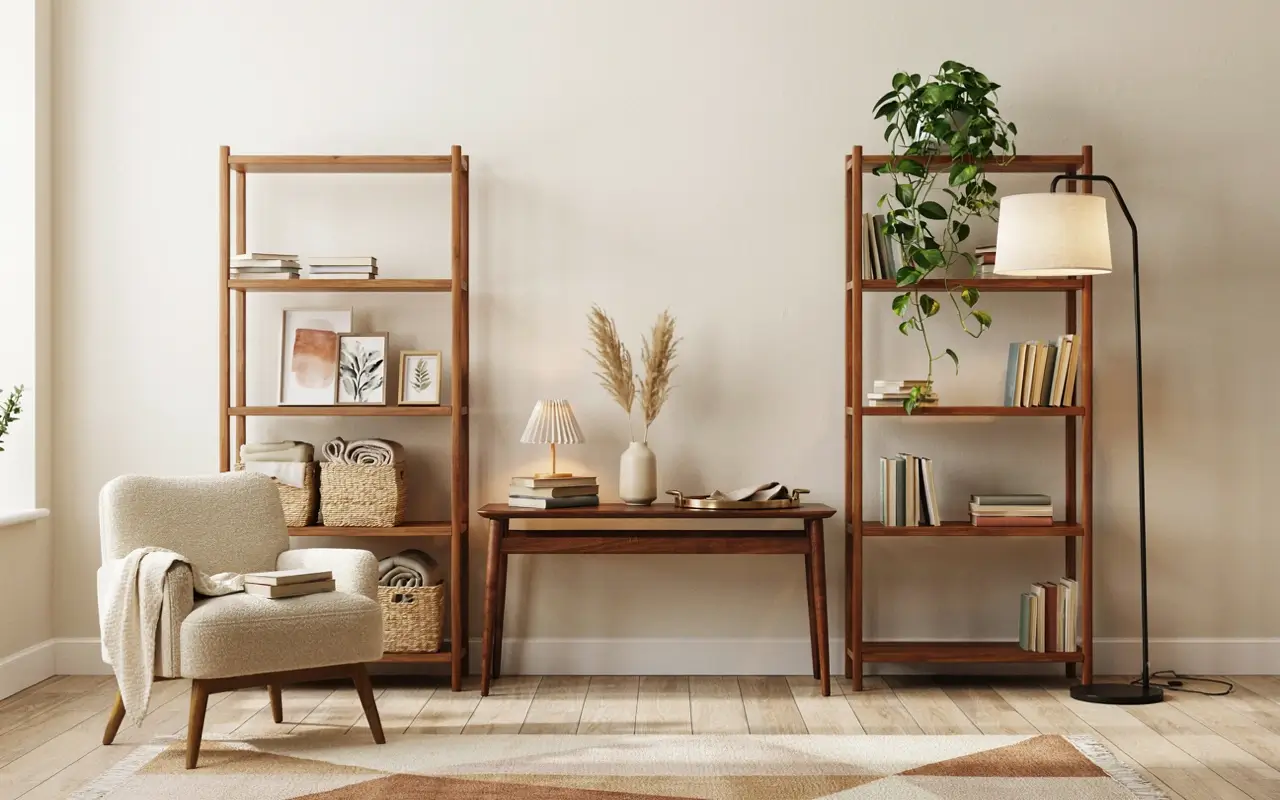
Bookshelves, console tables, room dividers, and floor lamps are entirely yours to bring, arrange, and take with you. Use furniture to create the “built-in” look you’re craving instead of installing anything permanent.
9. Shower curtains, bath mats, and towel bars that use tension or adhesive mounts
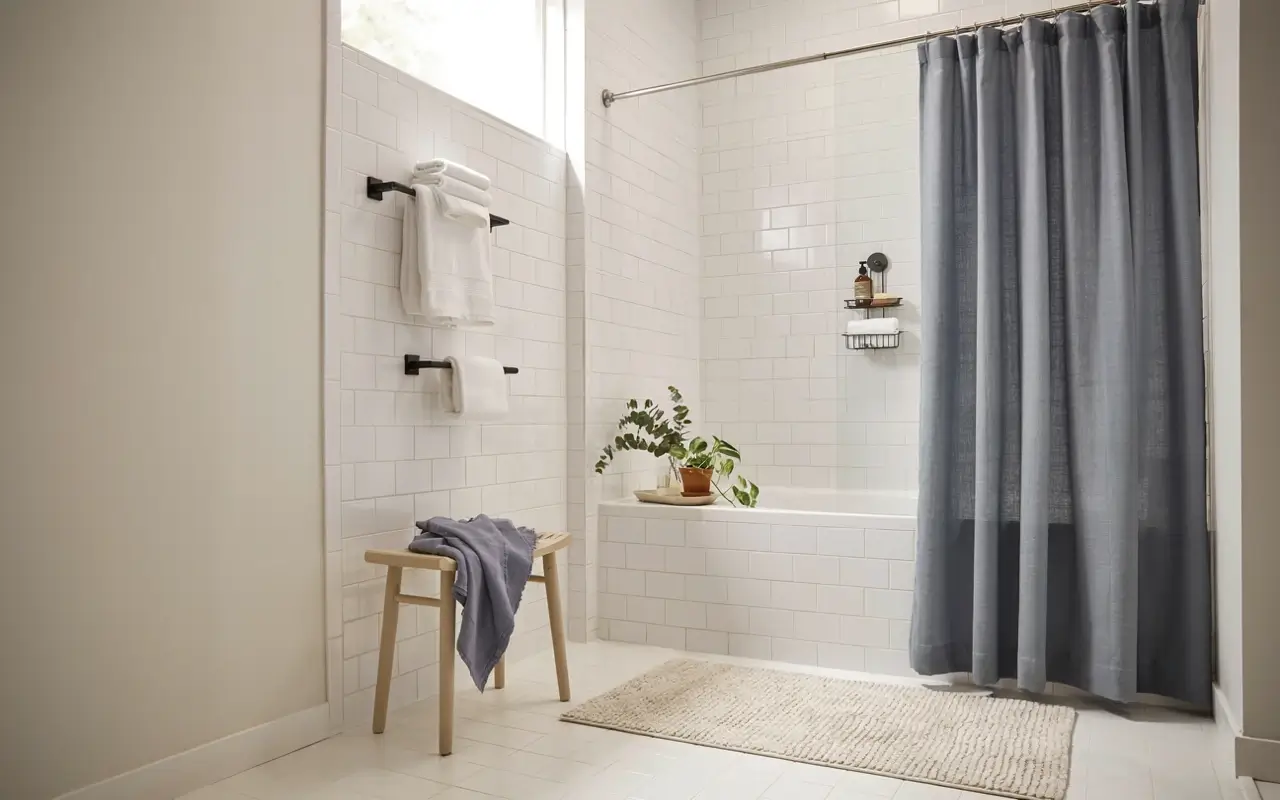
No-drill towel bars and shower caddies with strong adhesive backing hold surprisingly heavy loads now, some rated up to 15 pounds.
10. Removable window film
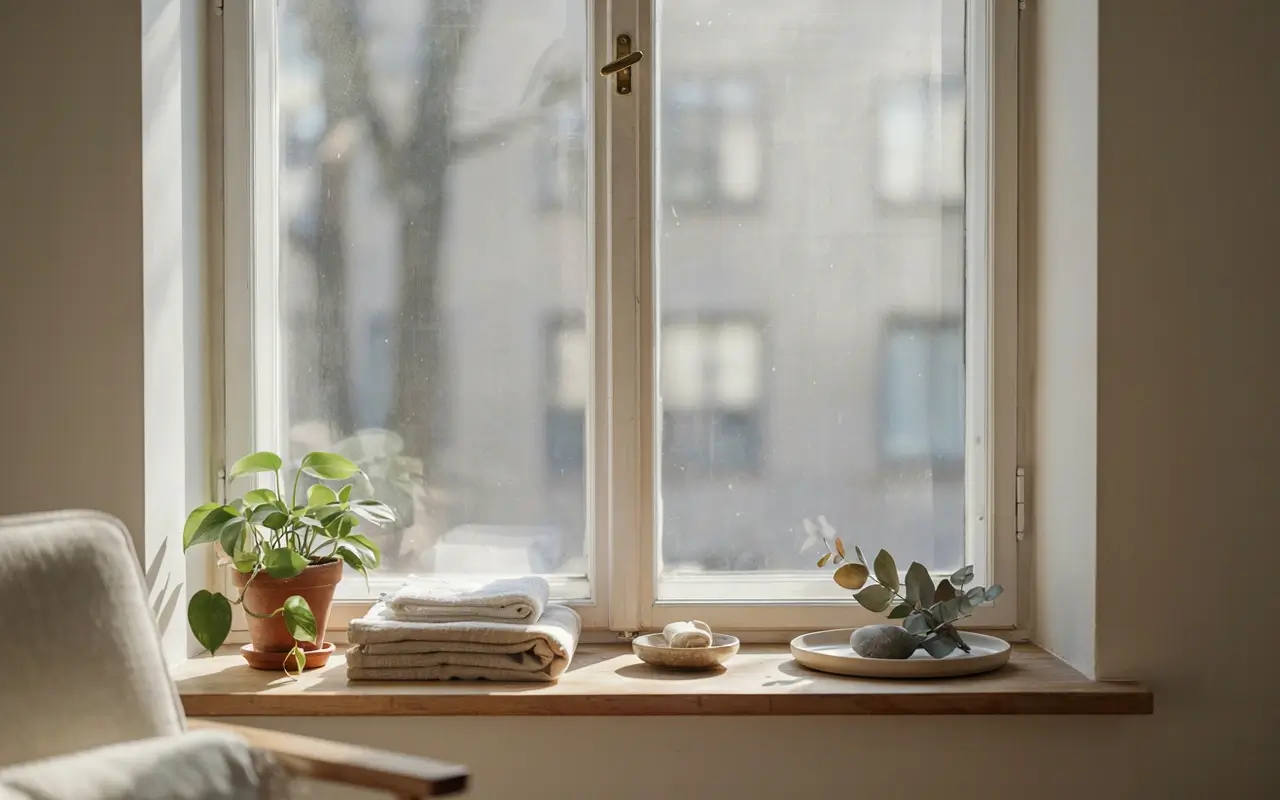
Frosted or stained-glass-style static cling film adds privacy and light diffusion without a single screw. It applies with water and peels off clean, which makes it perfect for street-facing bedroom or bathroom windows.
11. Houseplants and planters
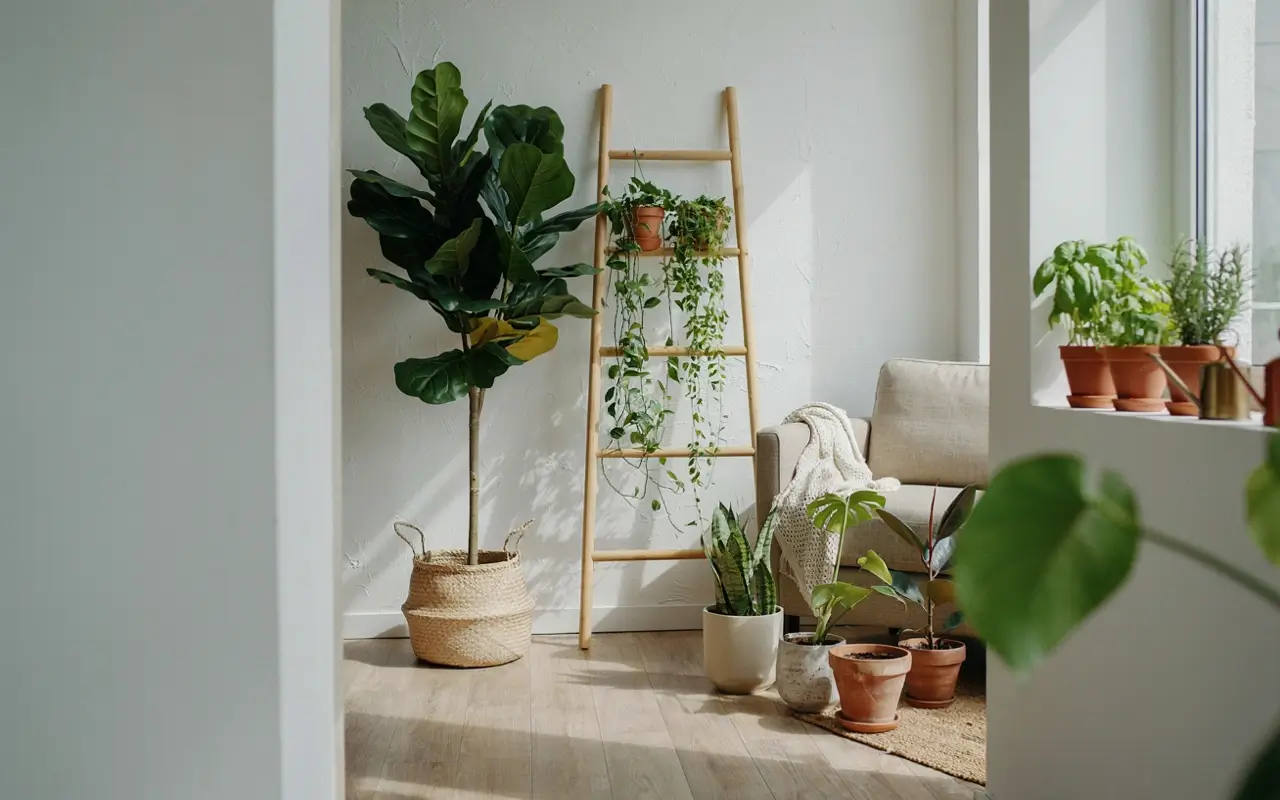
Greenery is 100% yours to bring in and take with you, and it does more to make a rental feel alive than almost anything else on this list.
12. Bedding, pillows, and throws

It sounds obvious, but a lot of renters underestimate how much a new duvet cover and a stack of pillows can shift the whole mood of a room. This is the cheapest, lowest-risk upgrade on the entire list.
Things You Should ASK FIRST (The Gray Zone)
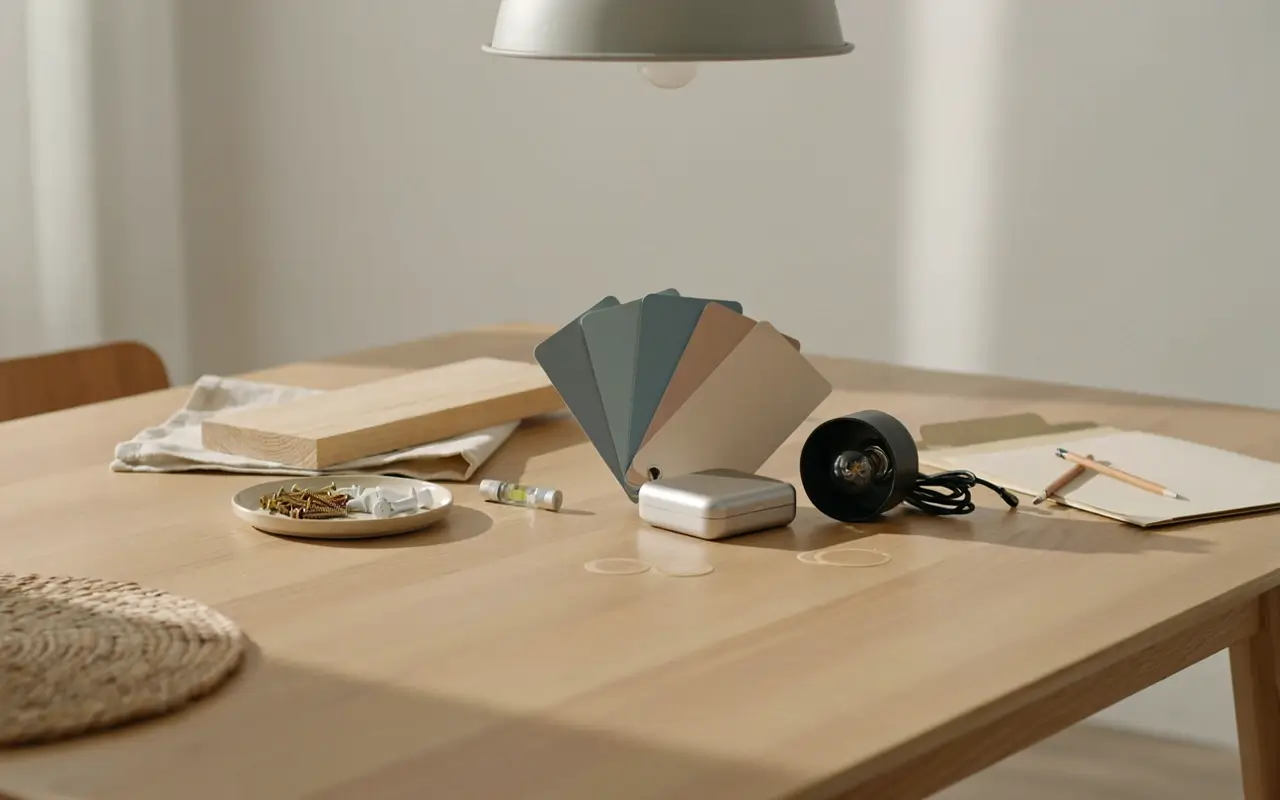
These changes aren’t automatically off-limits, but they usually need a yes from your landlord in writing before you start. Most landlords are more open to these than renters expect, especially if you offer to restore everything before move-out.
1. Painting the walls
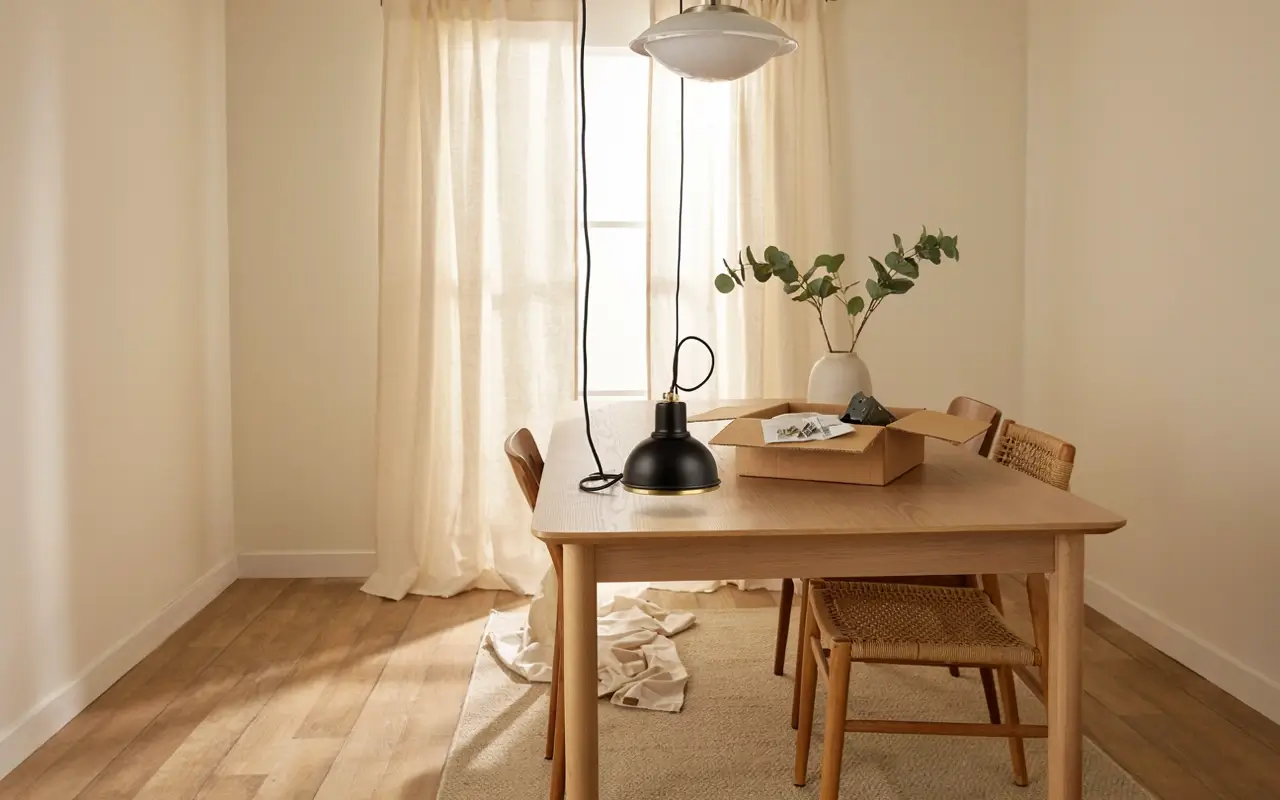
Some leases allow it outright, some require approval of the specific color, and some ban it entirely. If you get the green light, choose a color close to the original for an easier repaint later, and always ask whether they want you to repaint back to white when you leave or whether they’ll cover it in the next turnover.
2. Light fixture swaps
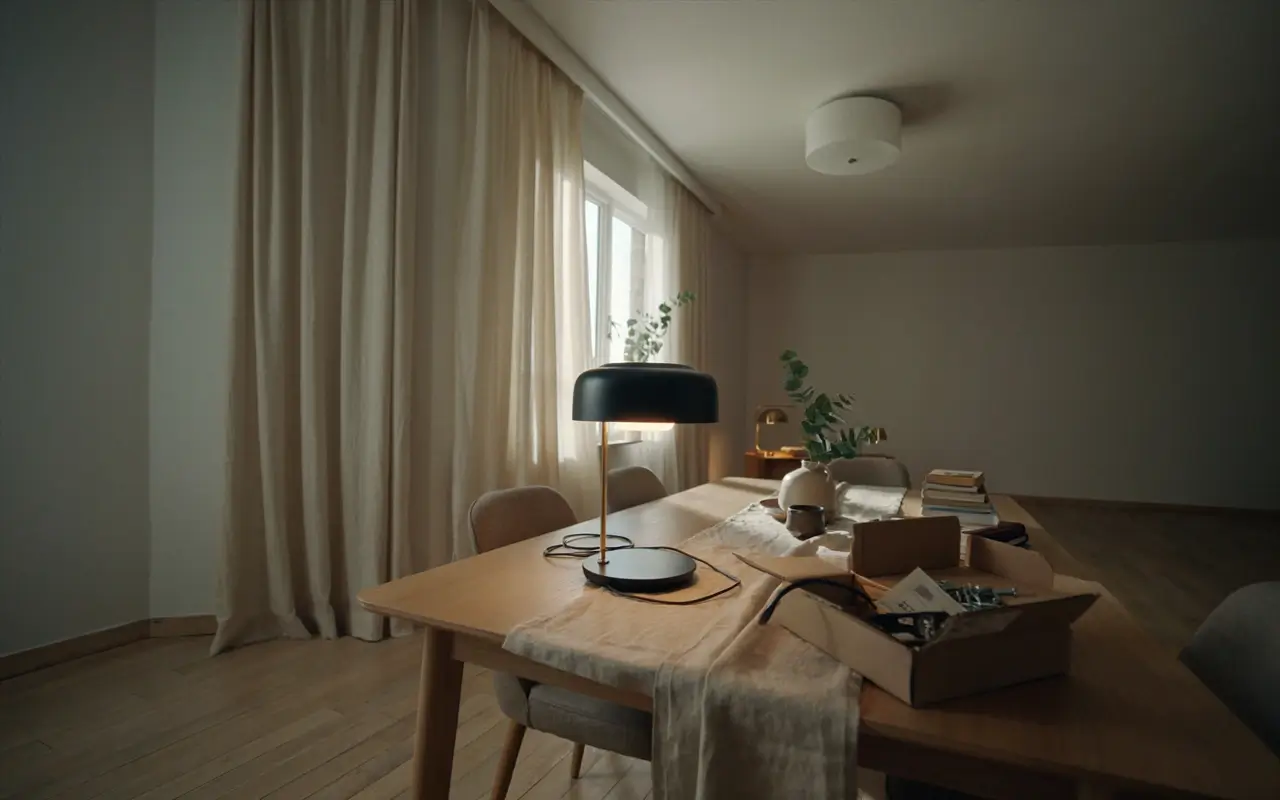
Changing out a dated flush-mount ceiling light for something you actually like is possible, but any fixture that involves wiring should only be handled if your landlord approves it, and ideally by someone qualified. Keep the original fixture in a box so it can go back up exactly as it was.
3. Shower heads
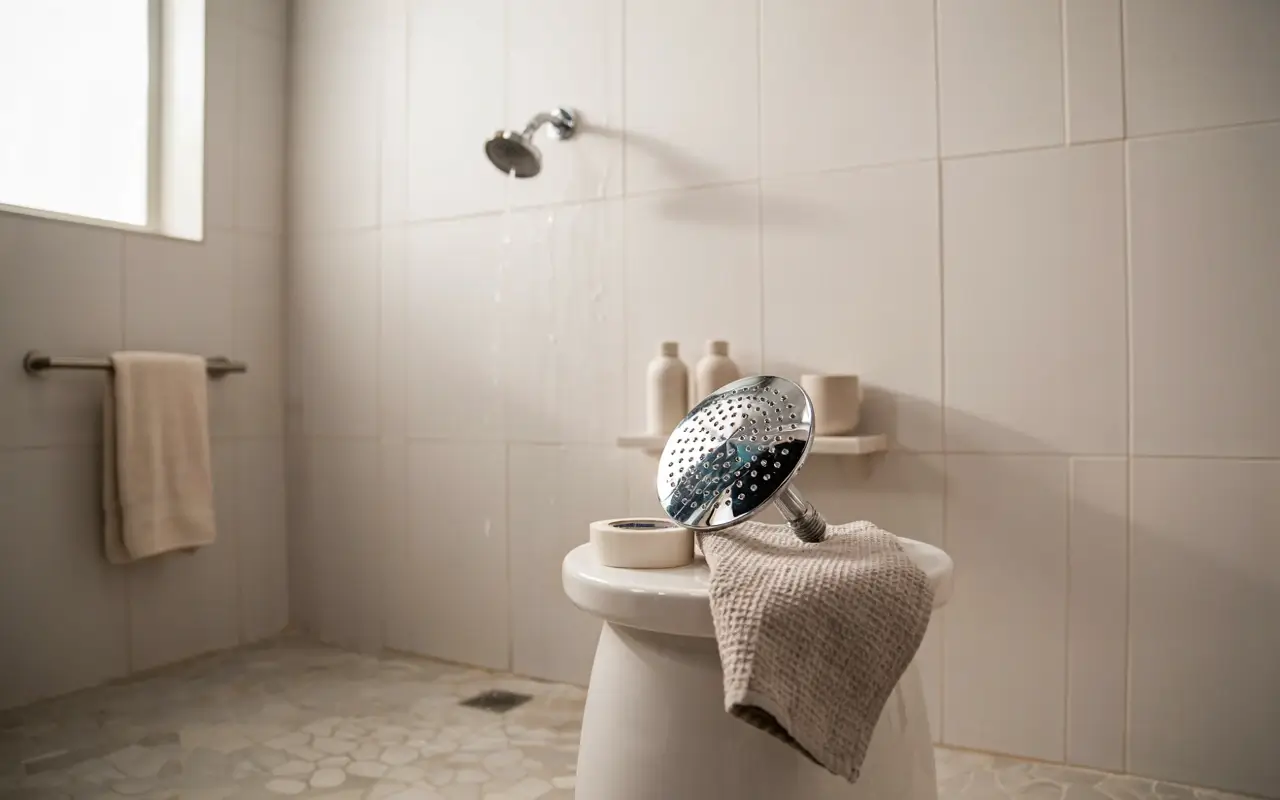
Screw-on shower head swaps are usually low-risk and don’t require permission in most rentals, but confirm before you do it since plumbing fixtures can fall into a stricter category depending on your lease.
4. Installing shelving or brackets that require drillin
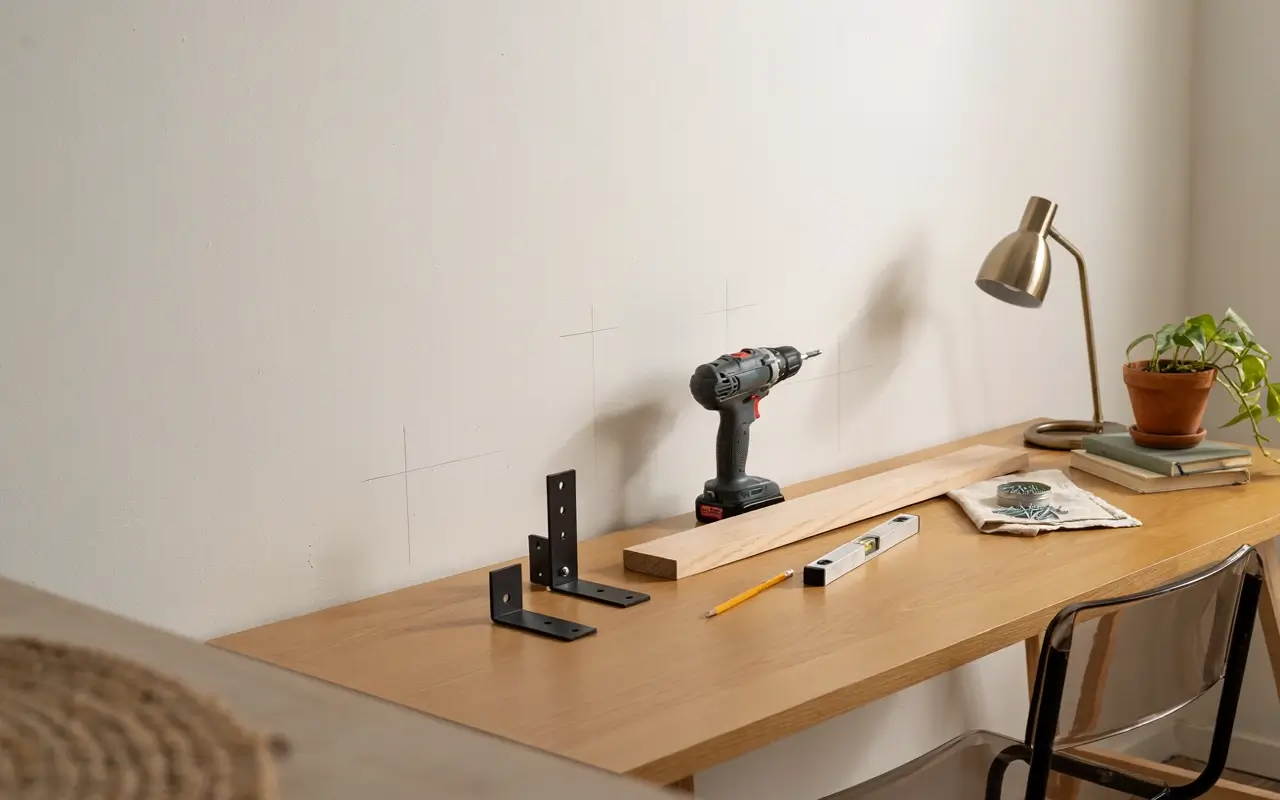
A few small anchor holes for a floating shelf are a different conversation than an accent wall of open shelving. Ask first, and offer to patch and paint the holes yourself when you move out.
5. Flooring changes, like peel-and-stick vinyl tile over existing floors
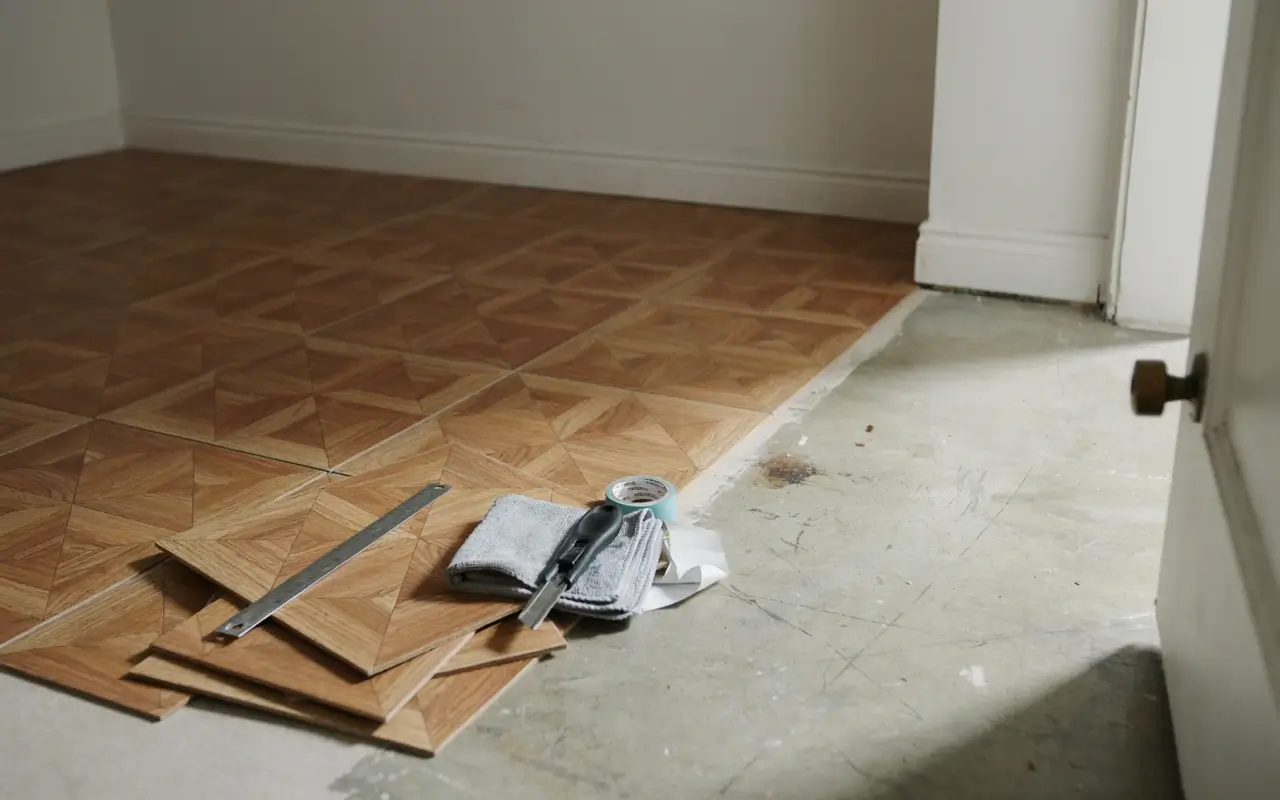
Some landlords are fine with a temporary vinyl layer over old flooring as long as it’s removed and the original floor is undamaged underneath. Others consider this a major alteration. This always needs a conversation first.
6. Security devices like cameras, smart locks, or extra deadbolts
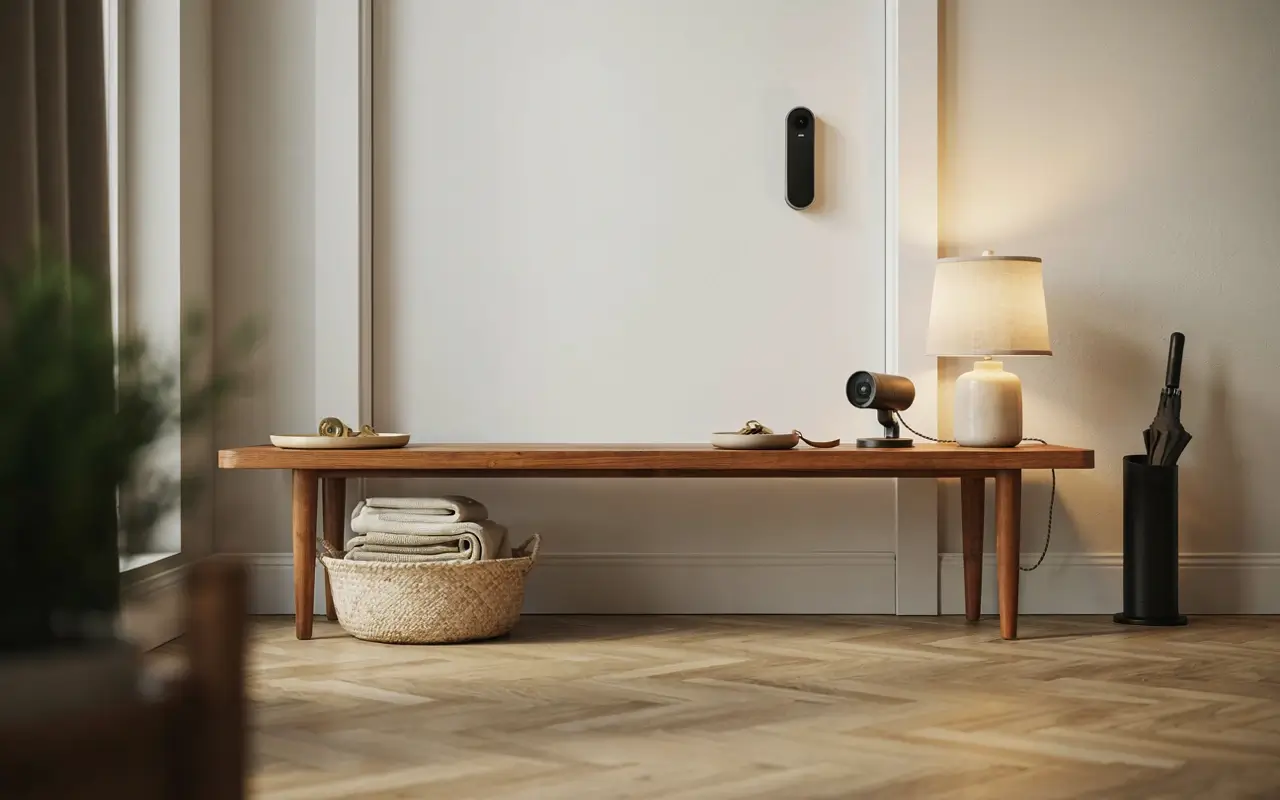
Battery-powered, removable smart locks are increasingly common in rentals and many landlords approve them, but anything that replaces the existing lock mechanism needs sign-off, since it affects the property’s security system as a whole.
7. Satellite dishes or antennas
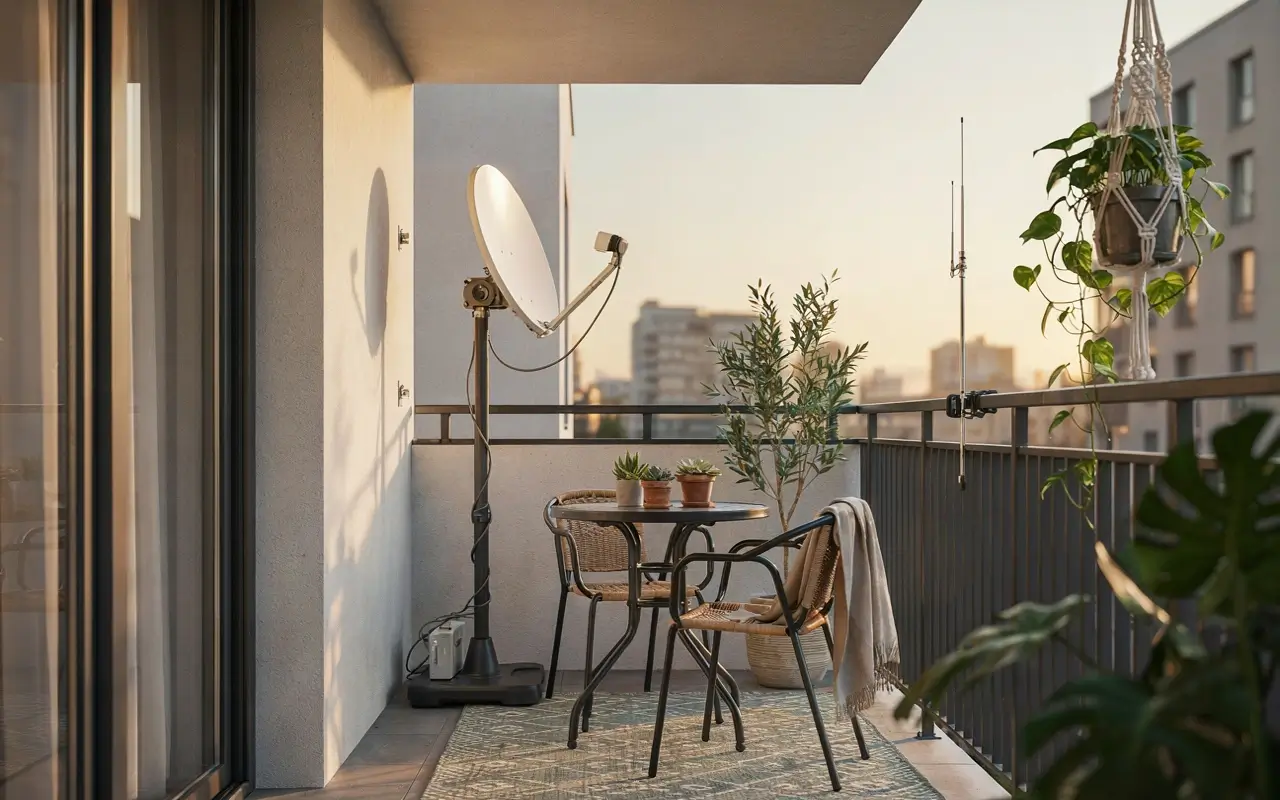
You generally have a legal right to install one within your own rented space under FCC rules, but your landlord can set reasonable rules about how and where it’s mounted. Check with them on placement before you drill anything into an exterior wall.
Things You Should NEVER Touch in a Rental
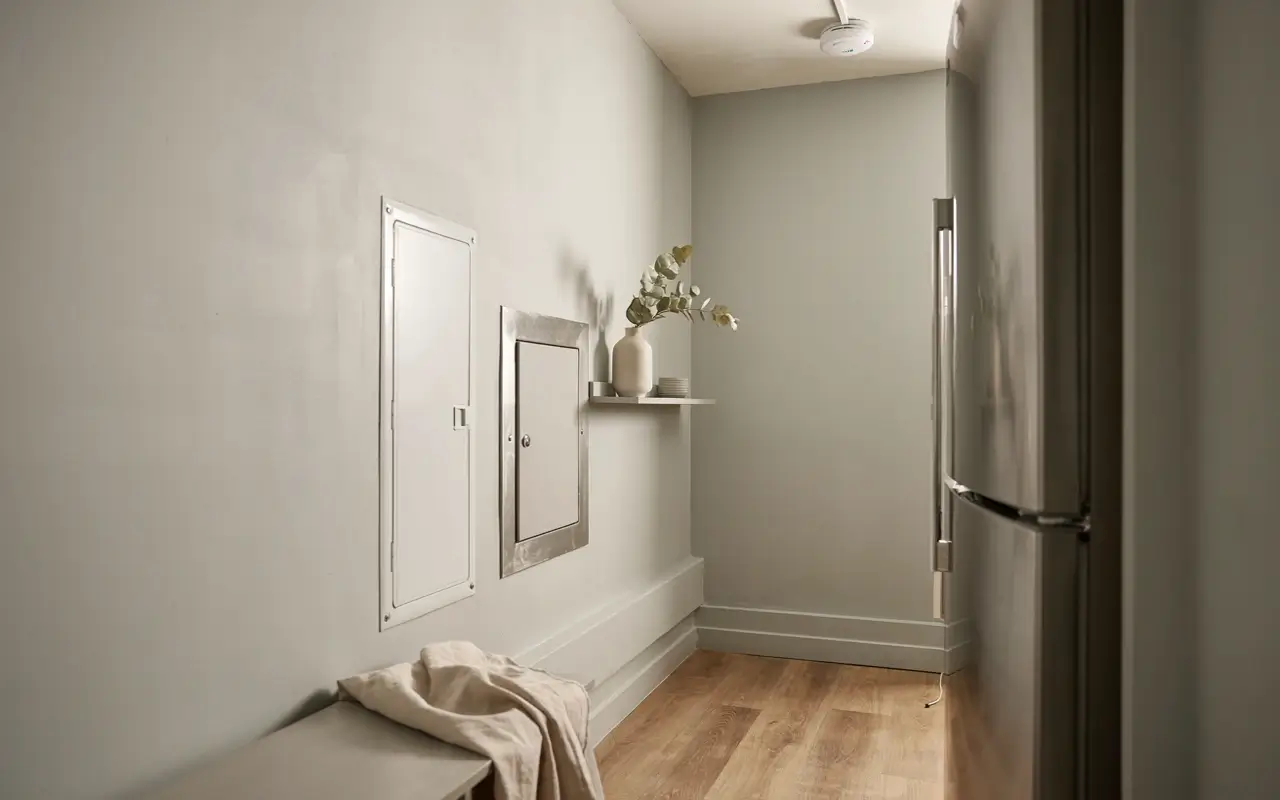
This is the hard-no list. These changes either risk your safety, your deposit, or your legal standing as a tenant, and none of them are worth the gamble.
1. Structural walls or the floor plan
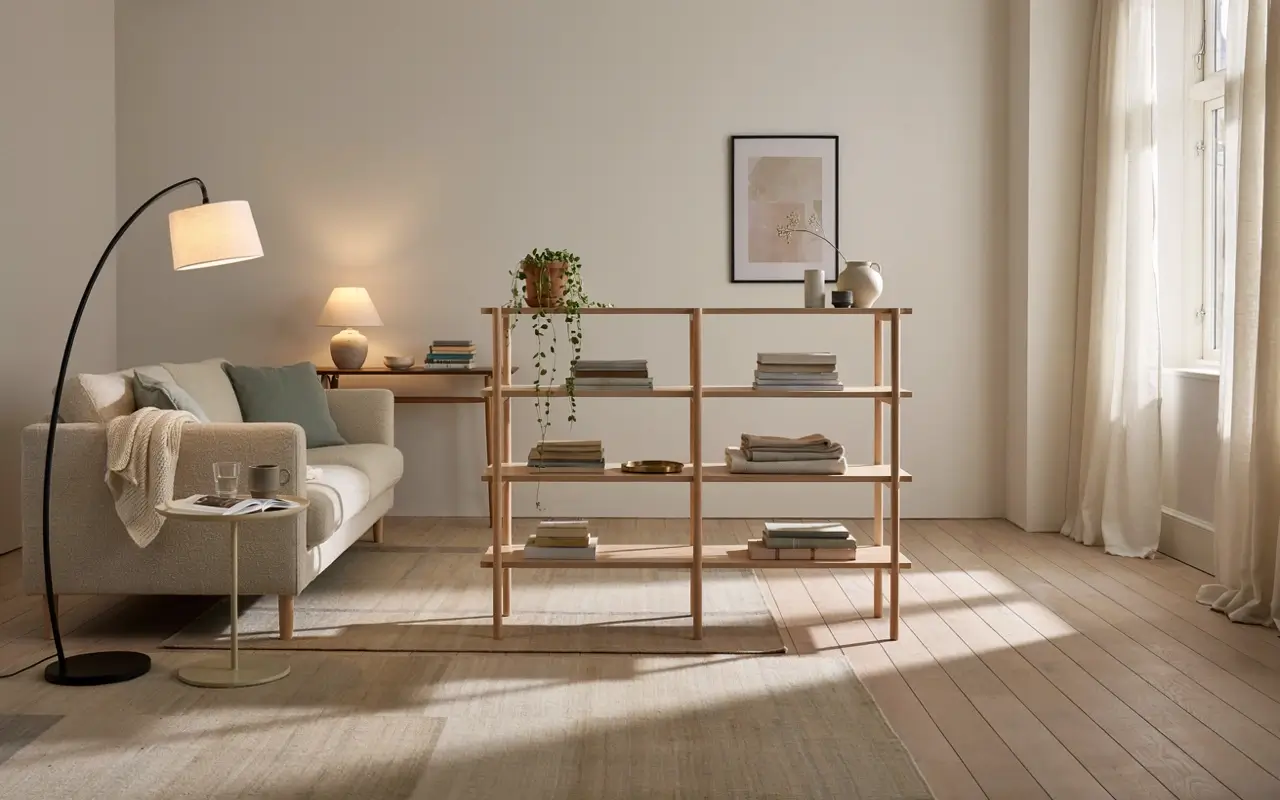
Removing a wall, even a “non-load-bearing” one you’re sure isn’t important, is off the table. Structural changes require permits, professional inspection, and landlord approval that almost never happens for a rental.
2. Plumbing
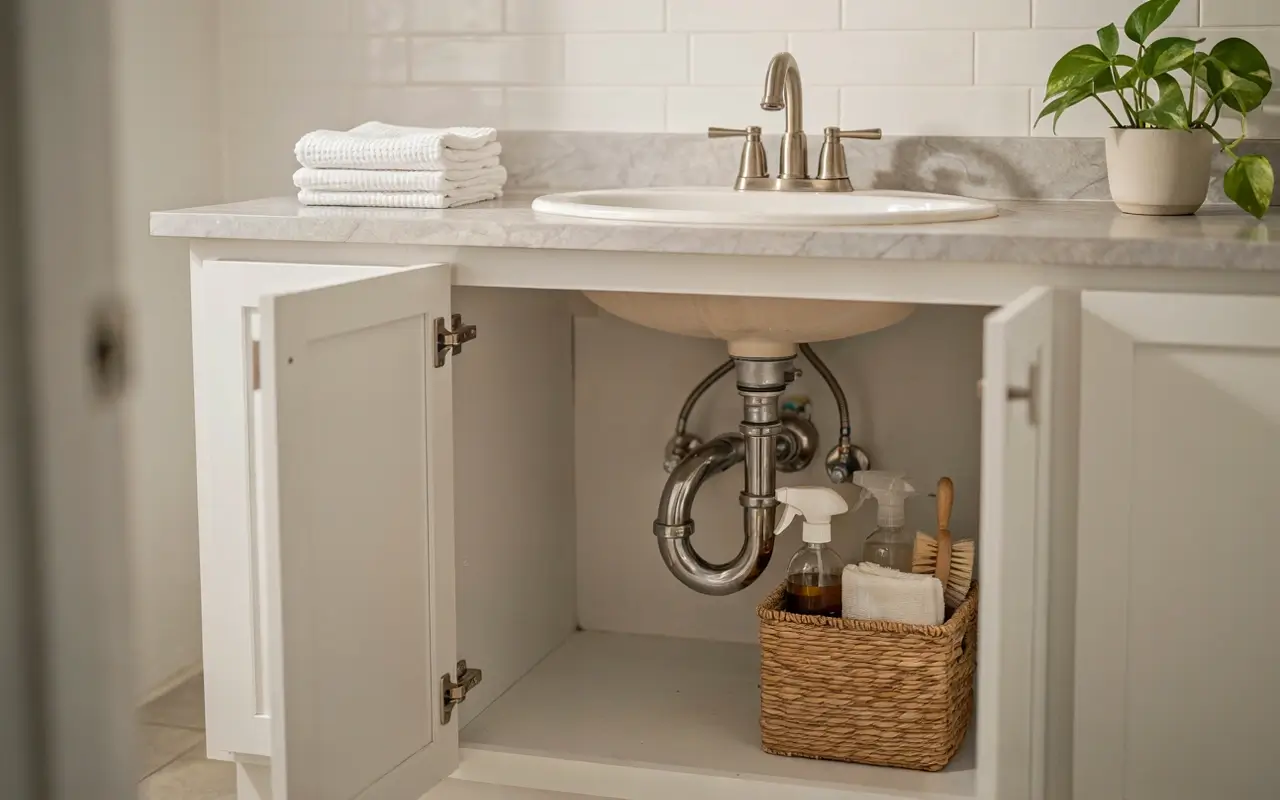
Beyond a screw-on shower head, leave every pipe, faucet, and fixture alone. A DIY plumbing mistake can cause water damage that costs thousands and voids your deposit entirely.
3. Electrical wiring
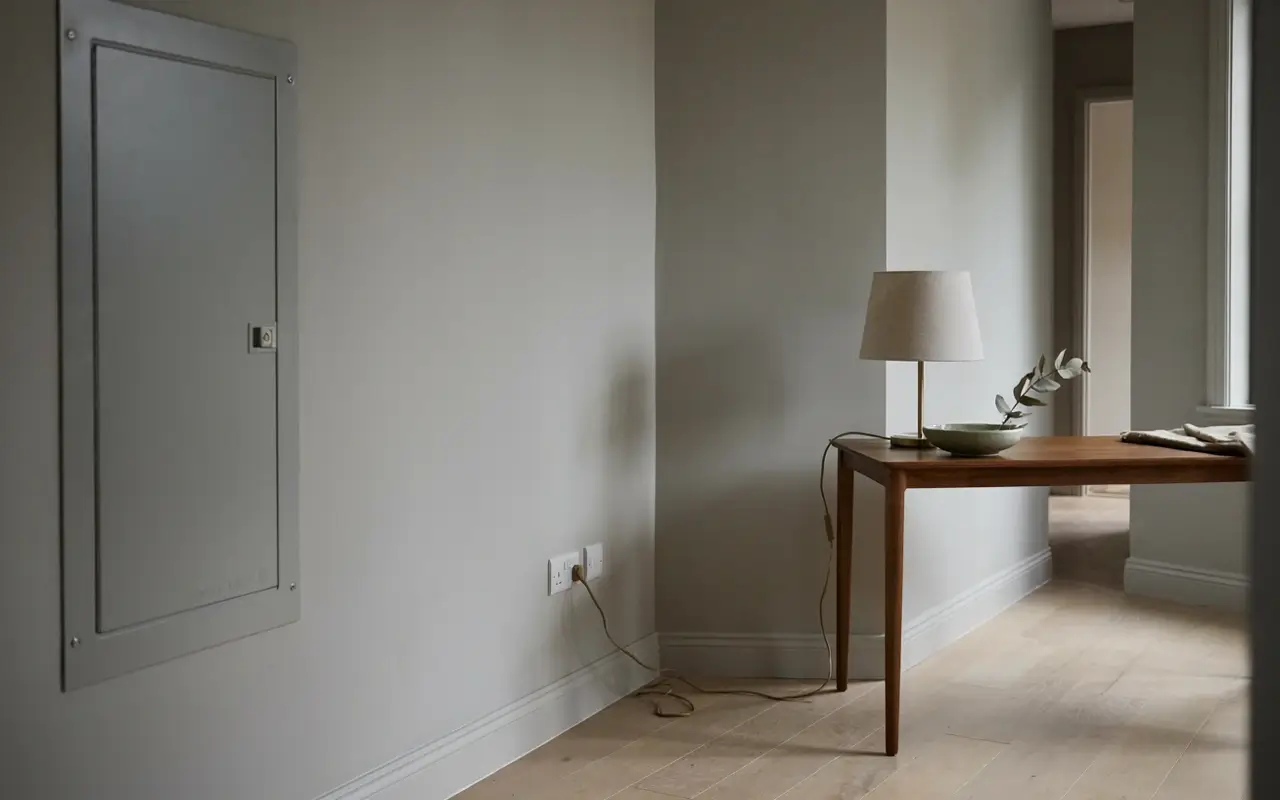
Never attempt to rewire anything yourself, even if you’re handy. This is a safety issue as much as a lease issue. If something electrical feels off, like a flickering outlet or a warm switch plate, report it to your landlord immediately rather than opening it up yourself.
4. Major appliances
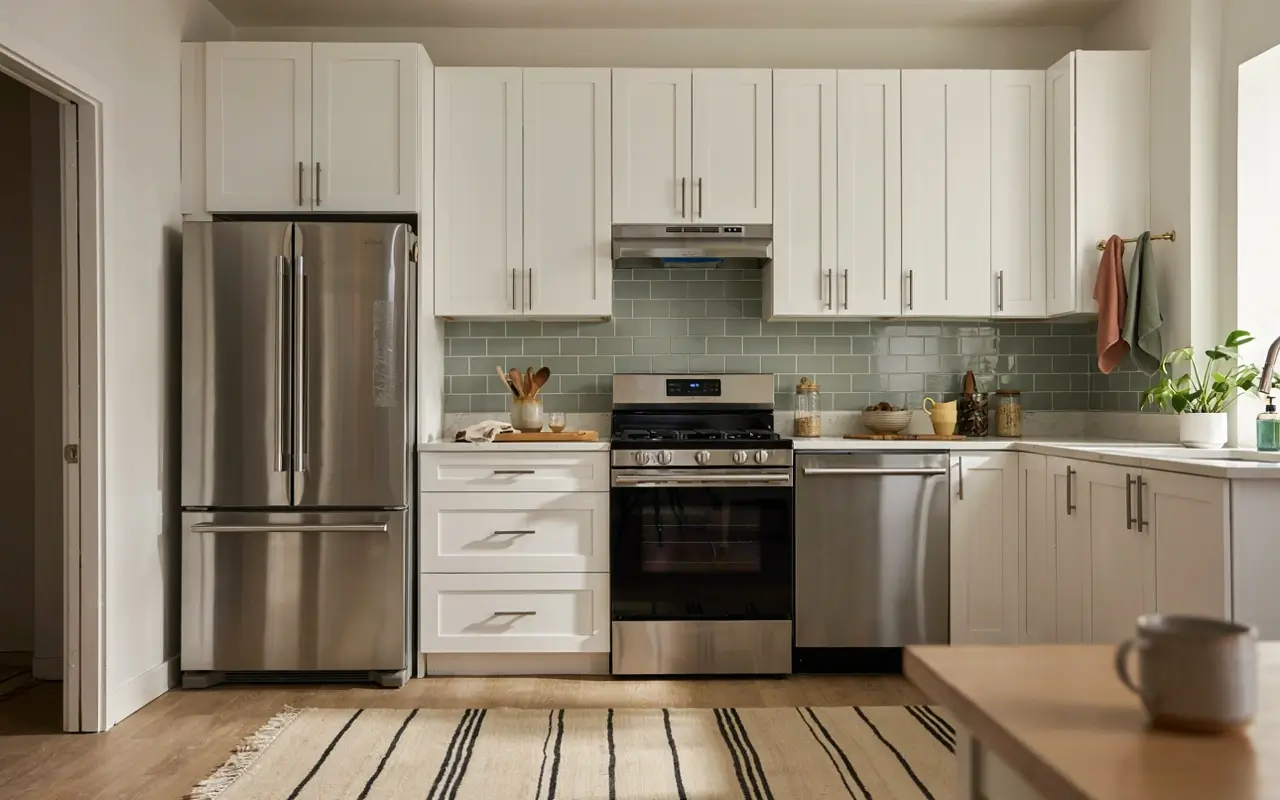
You can’t swap out the oven, fridge, or dishwasher because you don’t love the finish. If an appliance is broken or unsafe, that’s a maintenance request to your landlord, not a DIY project.
5. Smoke detectors and safety devices
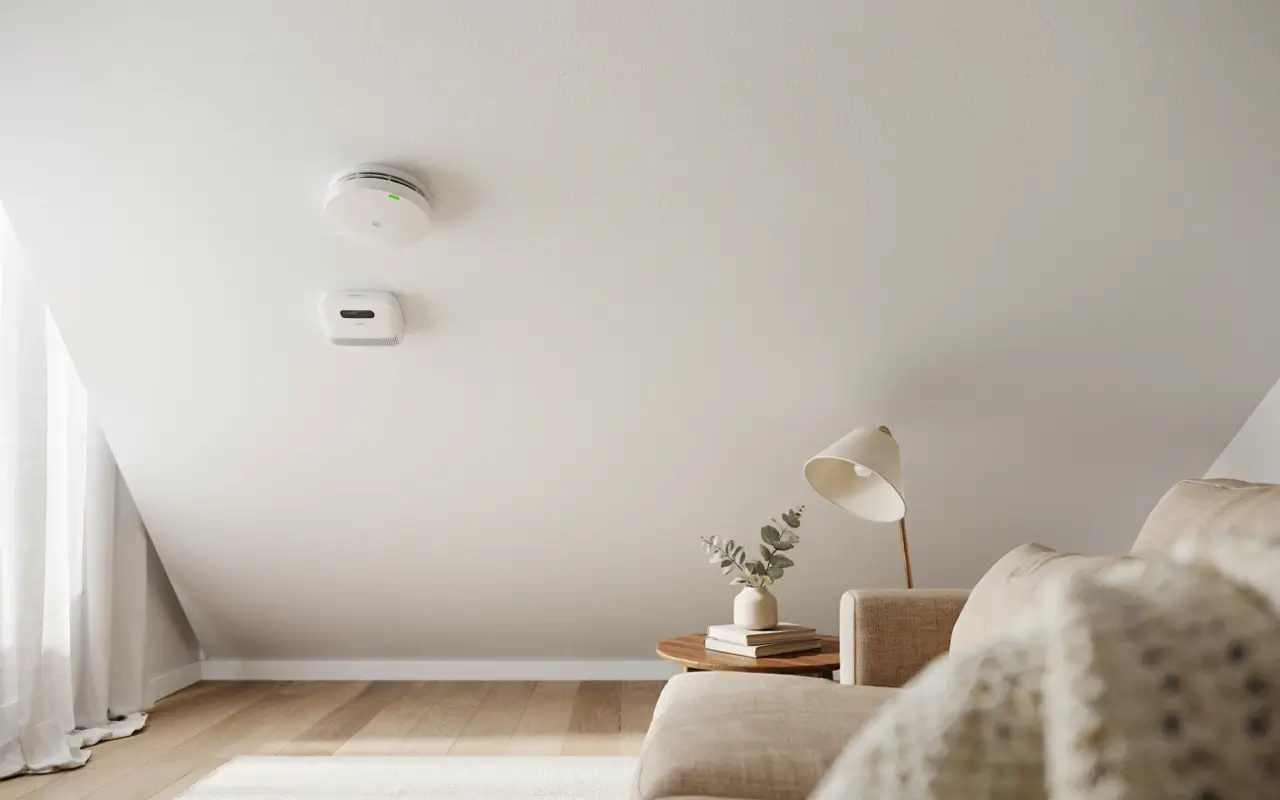
Never disable, remove the battery from, or paint over a smoke detector or carbon monoxide alarm, even temporarily. This is one of the few rules that isn’t really about the deposit at all. It’s about safety, and in most places, it’s against the law.
6. Anything that changes the exterior
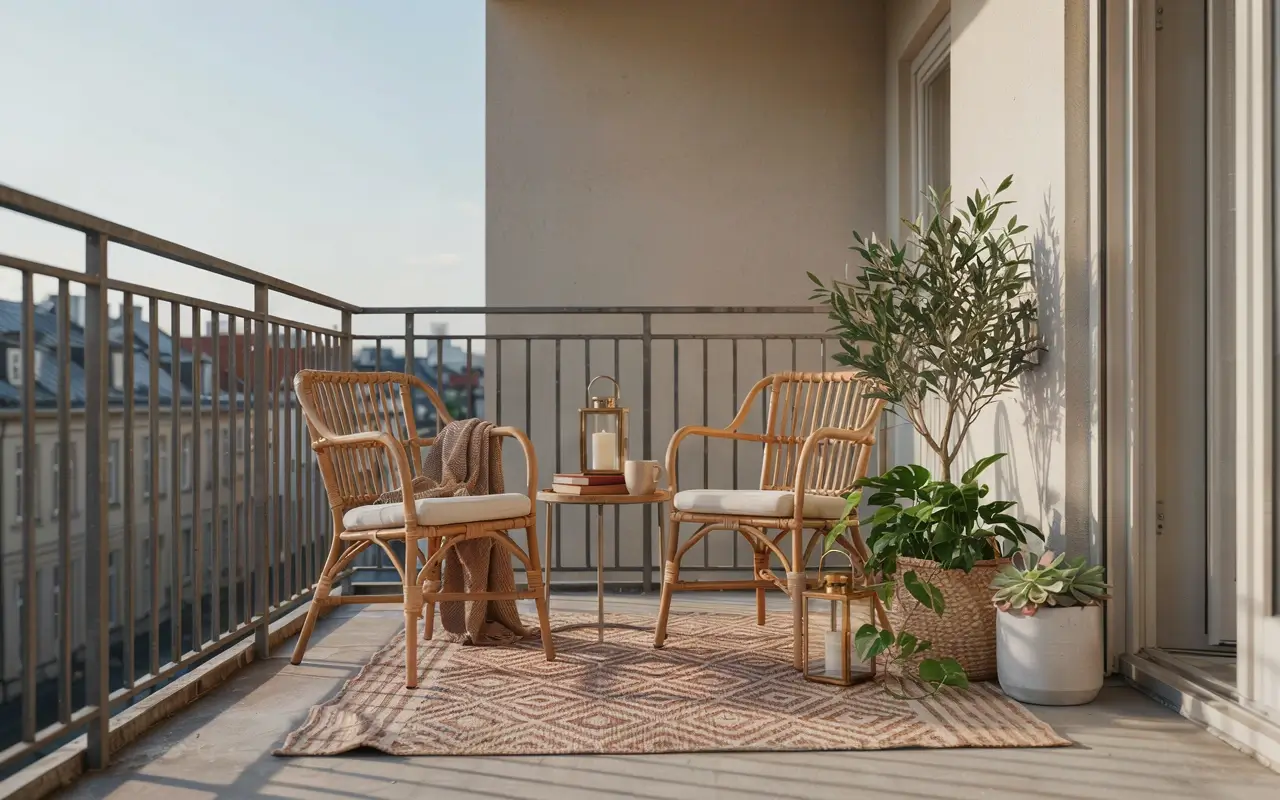
Exterior paint, siding, permanent landscaping changes, or anything visible from outside the unit needs explicit landlord approval and often violates HOA or property rules if you skip that step. Stick to portable planters and furniture for patios and balconies instead.
How to Actually Ask Your Landlord (Without the Awkwardness)
A lot of renters skip asking because they assume the answer is no. In my experience, landlords say yes far more often than people expect, especially when you make it easy for them. Send a short, specific message rather than a vague one.
Something like: “Hi, I’d love to paint the accent wall in the living room a soft sage green. I’ll use a paintable primer underneath and I’m happy to repaint it back to white before I move out, or cover the cost if you’d prefer to have it done professionally. Let me know if that works.”
Specific, low-risk, and offering a solution to the “what happens when I leave” question upfront makes approval much more likely. Always get the yes in writing, even if it’s just a text or email reply, so there’s no confusion later.
Protecting Your Security Deposit
Understanding “normal wear and tear” versus damage is where most deposit disputes happen. Normal wear and tear covers things like minor scuffs, small nail holes from picture hangers, or carpet flattened from furniture. Damage covers things like large holes, stains, broken fixtures, or unauthorized paint colors left behind.
A few habits that protect your deposit:
- Take dated photos of every room the day you move in, including close-ups of existing damage.
- Keep a folder (digital is fine) of every text or email where your landlord approved a change.
- Save original hardware, fixtures, and shower heads in a labeled box so you can reinstall them before your final walkthrough.
- Patch and touch up small nail holes with spackle and a dab of matching paint before you leave, even if your lease doesn’t require it.
- Do a final walkthrough yourself a few days before your official move-out inspection so nothing surprises you.
Mistakes to Avoid
Assuming “renter-friendly” on the package means damage-free on your walls.
Textured walls, freshly painted walls, or older plaster can react differently to adhesive products than the smooth drywall they were tested on. Always test any peel-and-stick product in a hidden spot first, like inside a closet.
Skipping the written approval.
A verbal “sure, go for it” from your landlord means nothing if there’s a dispute later. Get it in text or email form every time.
Forgetting to keep original parts.
Once you toss the original shower head or cabinet knobs, you’ve turned an easy reversal into a repair bill.
Using the wrong size Command strips.
Undersized strips are the number one reason rental wall art ends up on the floor. Check the weight rating and round up if you’re unsure.
Making changes right before move-out.
Any update needs time to be reversed properly. Don’t start a new peel-and-stick project two weeks before your lease ends.
Quick Comparison: Yes, Ask First, or No
| Change | Category |
|---|---|
| Command strip wall art | Yes |
| Removable wallpaper | Yes |
| Cabinet hardware swap | Yes |
| Area rugs | Yes |
| Tension curtain rods | Yes |
| Painting walls | Ask First |
| Light fixture swaps | Ask First |
| Shelving with drilled anchors | Ask First |
| Smart locks | Ask First |
| Structural walls | Never |
| Plumbing | Never |
| Electrical wiring | Never |
| Smoke detectors | Never |
Frequently Asked Questions
Can I paint my rental without permission?
Not usually. Most leases require written approval for paint color, and painting without it can result in a charge to repaint back to the original color when you move out.
Will hanging things with Command strips damage rental walls?
Properly applied Command strips are designed to remove cleanly from painted drywall when you follow the removal instructions, which involve stretching the strip downward at a slow, steady angle rather than pulling it straight off.
Can my landlord charge me for normal wear and tear?
No. Normal wear and tear, like minor scuffs or small nail holes, is considered a normal part of living in a space and generally cannot be deducted from a security deposit under most state landlord-tenant laws.
Is peel-and-stick wallpaper actually removable?
Good quality peel-and-stick wallpaper is removable from smooth, properly primed walls, but results vary on textured walls, older paint, or plaster. Always test a small hidden patch first.
What should I do if my landlord says no to a change I really want?
Look for a reversible alternative. If paint is off the table, a large piece of fabric art or a temporary wallpaper panel can deliver a similar visual impact without needing approval.
Final Thoughts
Decorating a rental doesn’t have to mean choosing between a personal space and a protected deposit. Once you understand what you can and can’t change in a rental, the whole process gets a lot less stressful. Stick to reversible updates for the easy wins, ask before anything semi-permanent, and never touch the handful of things that are genuinely off-limits. Your future self, the one collecting a full deposit back, will thank you.
What’s the one rental rule you wish you’d known before you moved in? Drop it in the comments, I’d love to hear what you’ve learned along the way.




No Comment! Be the first one.