




15 Basement Ceiling Ideas That Turn a Dark Basement Into Your Favorite Room
If you have ever stood at the bottom of your basement stairs and just stared up at a mess of exposed pipes, ductwork, and cobwebs, you already know why the ceiling gets ignored the longest. Floors...


If you have ever stood at the bottom of your basement stairs and just stared up at a mess of exposed pipes, ductwork, and cobwebs, you already know why the ceiling gets ignored the longest. Floors get new carpet. Walls get paint and shelves. The ceiling just sits there being dark, low, and forgotten.
But here is the thing. Your basement ceiling is doing more work than any other surface in that room. It sets the mood, it affects how tall the space feels, and it can either hide your ductwork beautifully or make the whole room feel like an unfinished storage unit.
The good news is you do not need a full remodel budget to fix it. Some of the most-saved basement ceiling ideas on Pinterest right now cost less than a hundred dollars and just involve a can of paint and a free Saturday. Others are bigger projects for people who want a truly finished lower level. This list has both, so you can pick what actually fits your basement, your budget, and your patience level.
Things to Think About Before You Pick a Basement Ceiling Idea
Before you fall in love with a Pinterest photo, walk downstairs and check a few things first. This saves you from picking an idea that looks perfect online but does not work for your actual space.
- Ceiling height. Measure from the floor to the lowest point, usually a duct or beam, not just the joists. If you are under 7 feet, some options will eat up precious inches you cannot spare.
- Moisture level. Basements trap humidity even when they seem dry. If yours has ever flooded, smells musty, or sits below the water table, skip materials that trap moisture behind them and lean toward open, breathable, or water-resistant options.
- Utility access. Plumbing shutoffs, electrical junction boxes, and HVAC dampers sometimes need to stay reachable. Ask yourself how often you would realistically need to get behind that ceiling before you seal it up for good.
- Budget and skill level. Painting is a weekend and a few hundred dollars. Drywall or wood planking is a bigger project, more materials, and often more time than people expect.
Keep those four things in your back pocket while you scroll through the ideas below.
1. Paint the Exposed Joists White
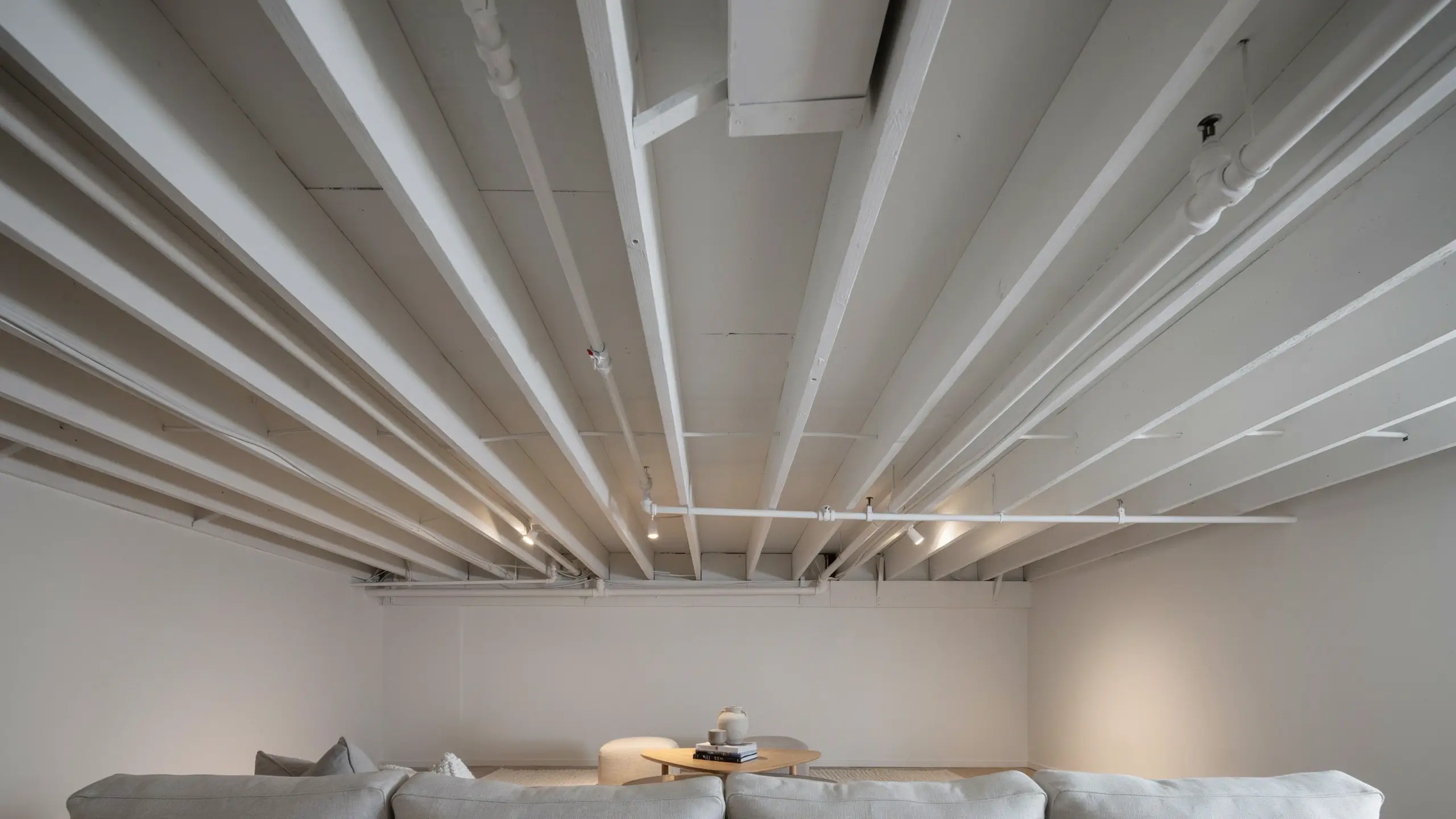
This is the idea that shows up again and again on Pinterest boards for basement ceilings, and for good reason. Instead of covering anything, you clean up the joists, ductwork, and pipes, then spray or roll everything the same bright white. It keeps every inch of your ceiling height, brightens a dark space instantly, and still gives you full access to wiring and plumbing later.
Use a paint sprayer if you can rent or borrow one. Rolling into every nook between joists by hand is possible, but it takes far longer and leaves more gaps. A stain-blocking primer first will keep old water stains or rust spots from bleeding through your white paint.
Mistake to Avoid
Skipping the cleaning step. Cobwebs, dust, and loose debris will show through paint and ruin an otherwise clean look. Vacuum every joist bay before you prime.
2. Go Bold With a Dark Painted Ceiling
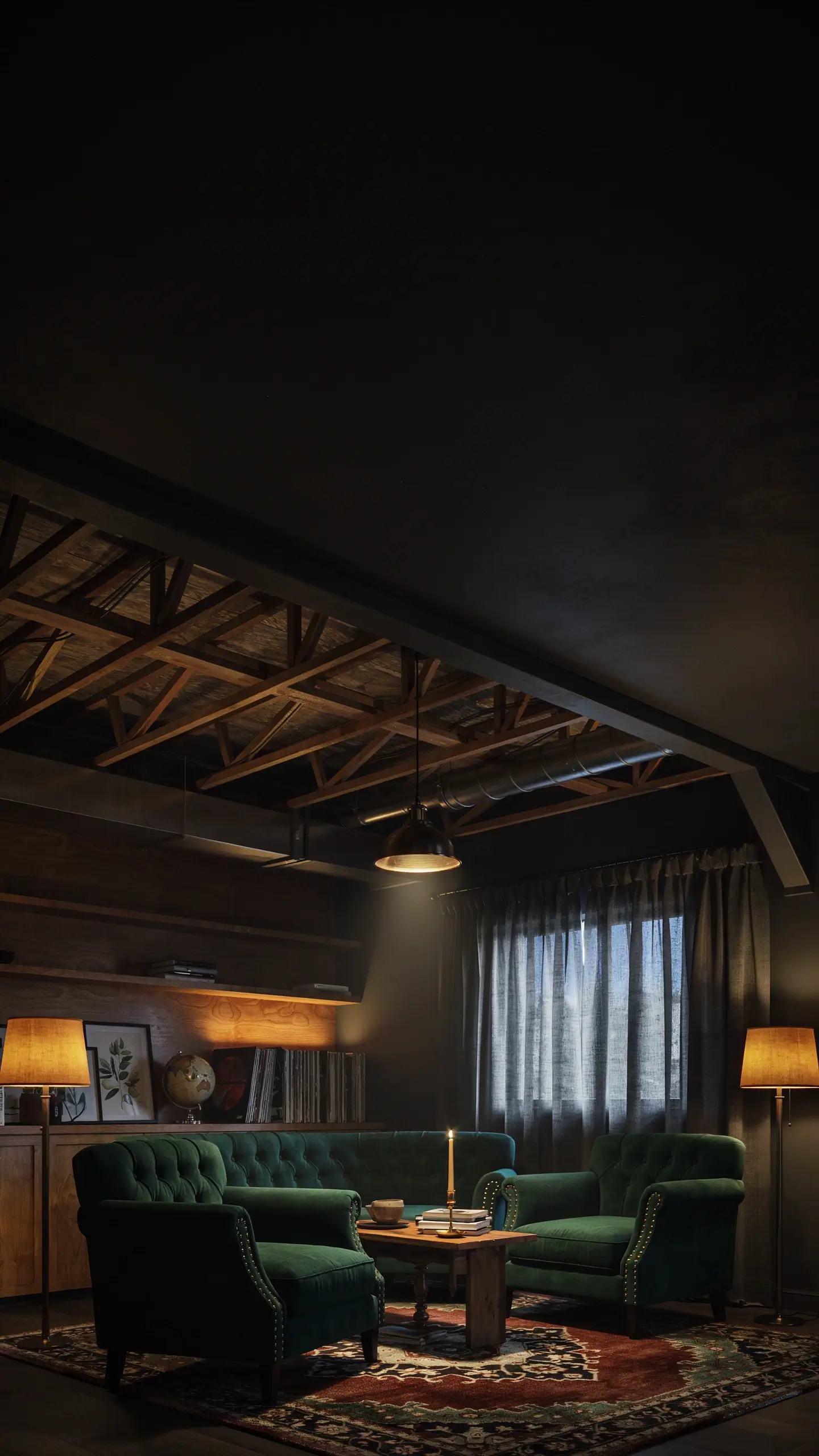
If bright white is not your style, painting the exposed structure a deep charcoal, black, or navy creates a moody, cozy look that works beautifully in a basement lounge, home theater, or game room. Dark ceilings visually recede, so instead of feeling lower, the space can feel more intentional and dramatic, almost like the ceiling disappears.
Pair a dark ceiling with warmer wall tones and plenty of lamp lighting instead of one harsh overhead fixture. This is the combination that makes these basements feel like a cool hideaway instead of a cave.
3. Whitewash Instead of Full Coverage
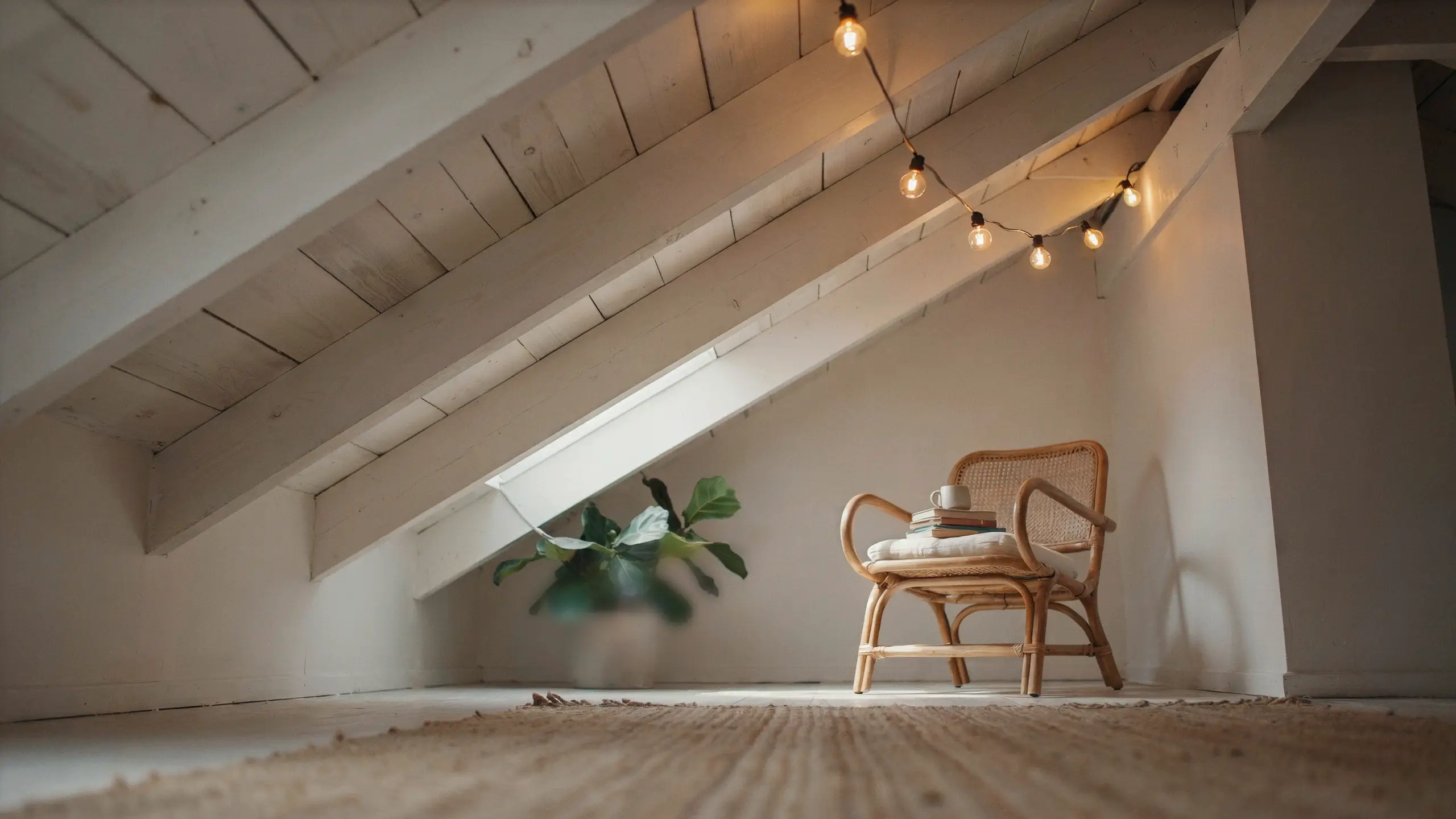
Whitewashing lets the wood grain of your joists show through a soft, milky finish instead of hiding it completely under solid paint. Mix white paint with water at roughly a one to one ratio, then brush it on and wipe back the excess for a worn, natural texture.
This is a great middle ground for anyone who wants brightness without the flat, painted look, and it photographs beautifully with warm string lights or exposed bulb fixtures.
4. Add Warmth With a Wood Plank Ceiling
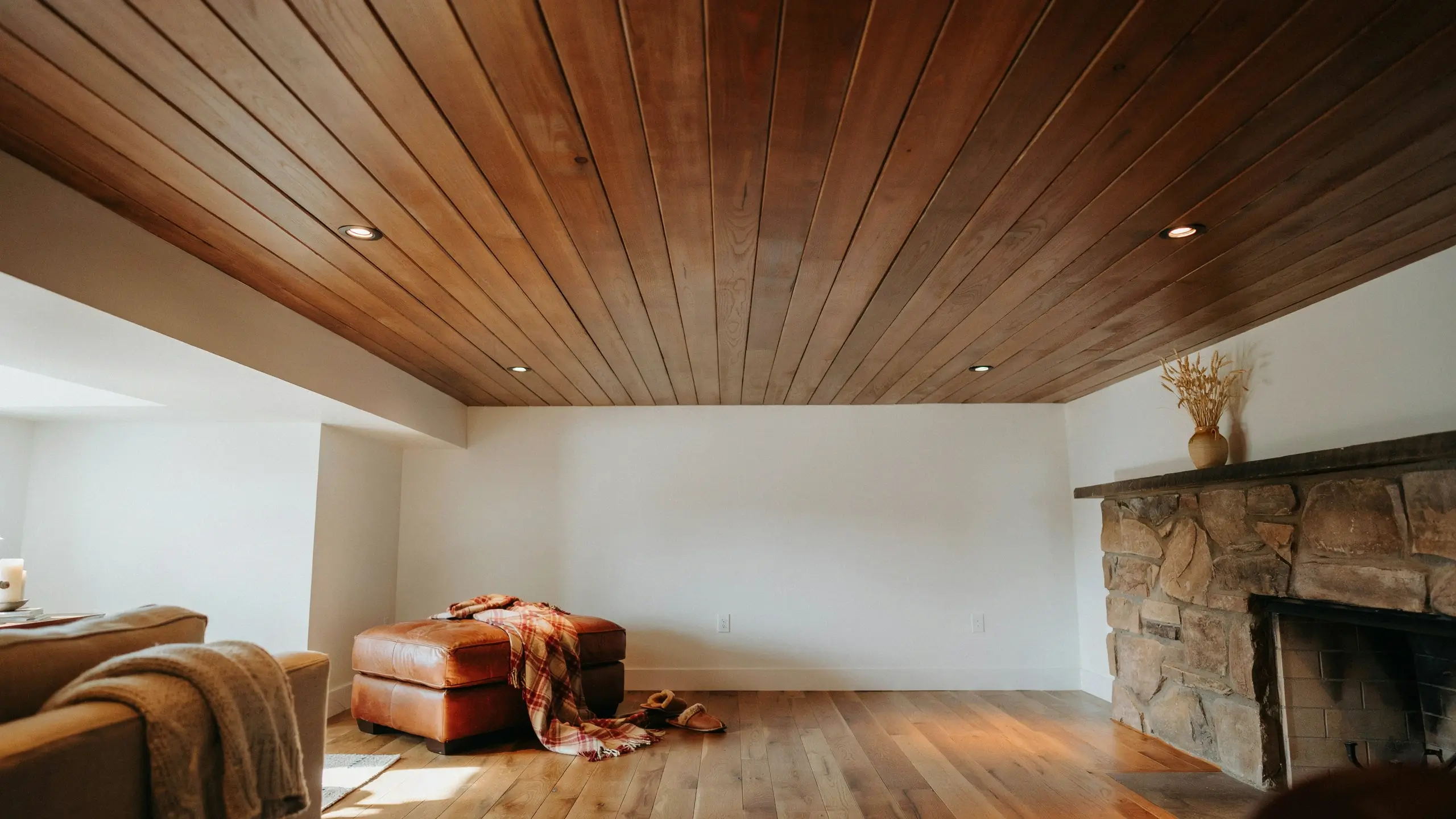
Tongue and groove wood planks running across the ceiling bring instant farmhouse or cabin warmth to a basement that can otherwise feel cold and concrete-heavy. Pine, cedar, or even stained plywood strips all work, and you can leave the wood natural, whitewash it, or stain it a rich walnut for contrast against white walls.
This option does lower your ceiling height slightly since you are furring down from the joists, so measure carefully if your basement already runs low.
Tools and Materials
- Tongue and groove boards or shiplap panels
- Furring strips
- Finish nailer
- Wood stain or sealer
- Level
5. Try a Faux Wood or PVC Panel Ceiling
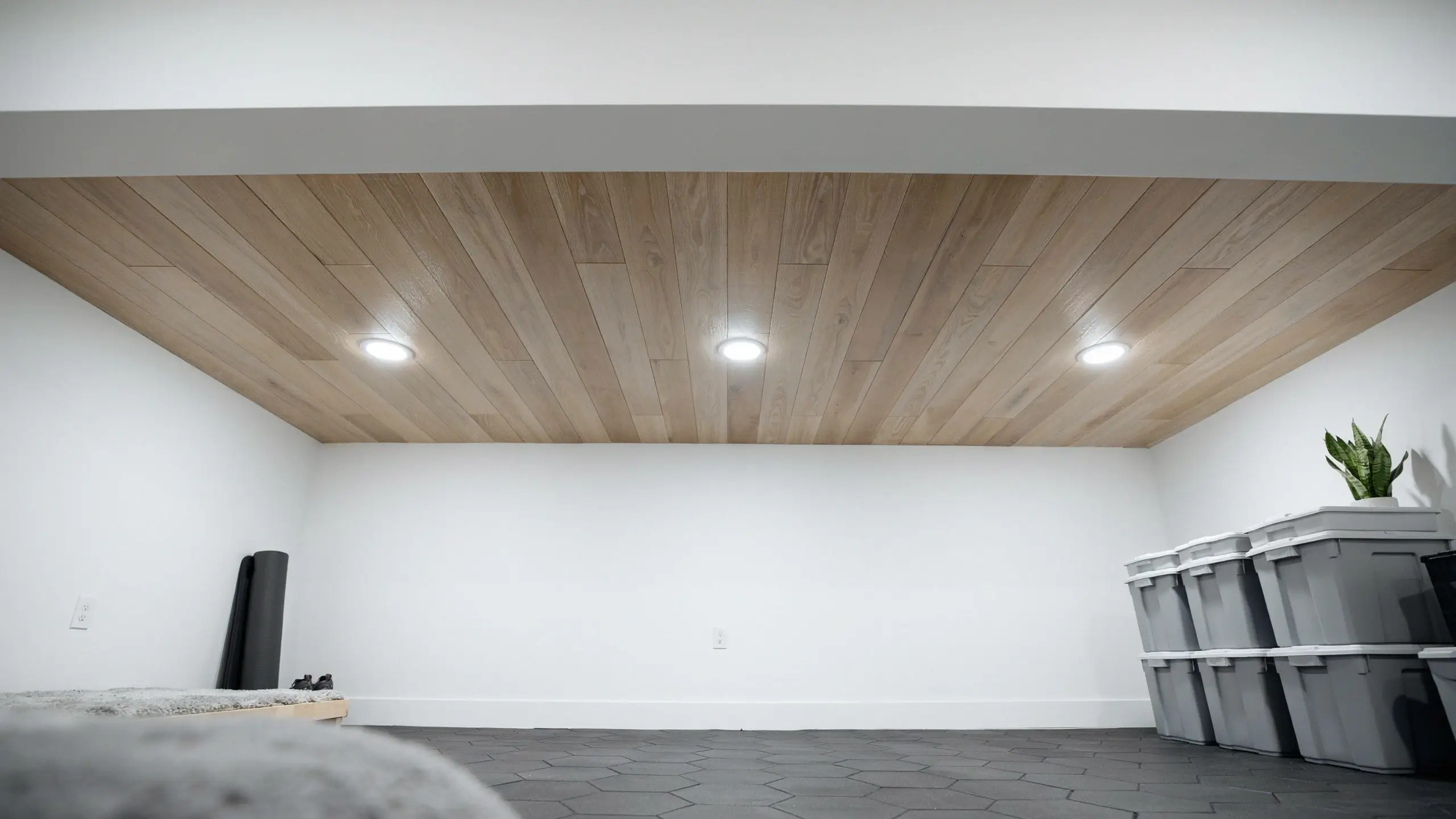
If your basement deals with any moisture at all, PVC panels are worth a serious look. They come in wood-look, plank, and beadboard styles that mimic real wood or tile without warping, molding, or rotting if humidity gets high. They install with a simple track system, snap together, and can be removed and replaced individually if one panel ever gets damaged.
This is one of the more forgiving options for basements near a water table or in humid climates, since the material itself will not absorb moisture the way real wood or drywall can.
6. Update a Drop Ceiling With Modern Tiles
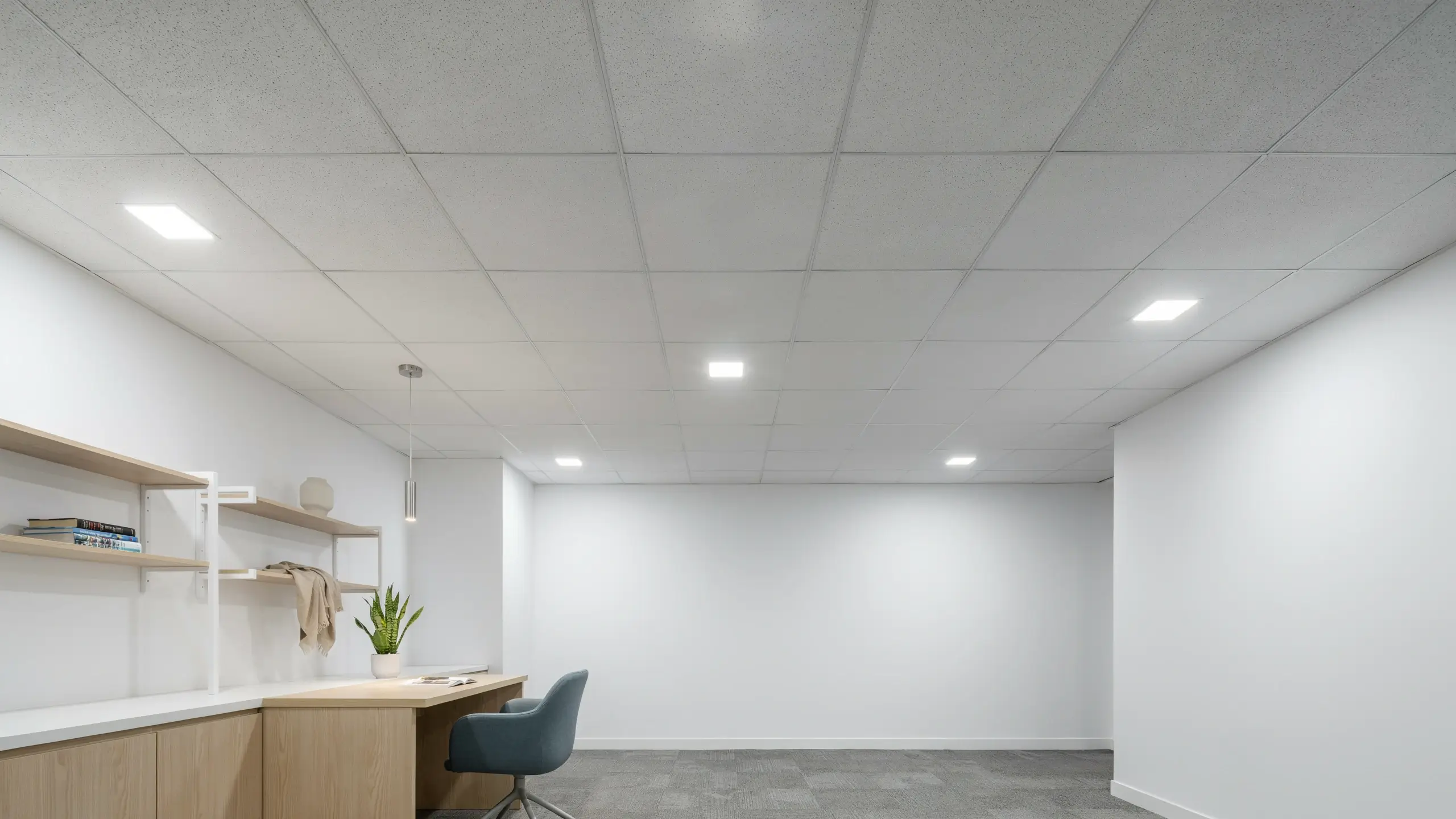
Drop ceilings get a bad reputation, but a lot of that comes from outdated stained tiles from decades ago. Swapping those tiles for large-format wood-look, textured, or matte white panels instantly modernizes the whole look while keeping the biggest advantage of a drop ceiling, which is full access to everything above it for future repairs.
If you already have a drop ceiling grid in place, this is one of the fastest and most budget-friendly basement ceiling ideas on this entire list, since you are only replacing tiles, not the framework.
7. Paint the Drop Ceiling Grid Itself
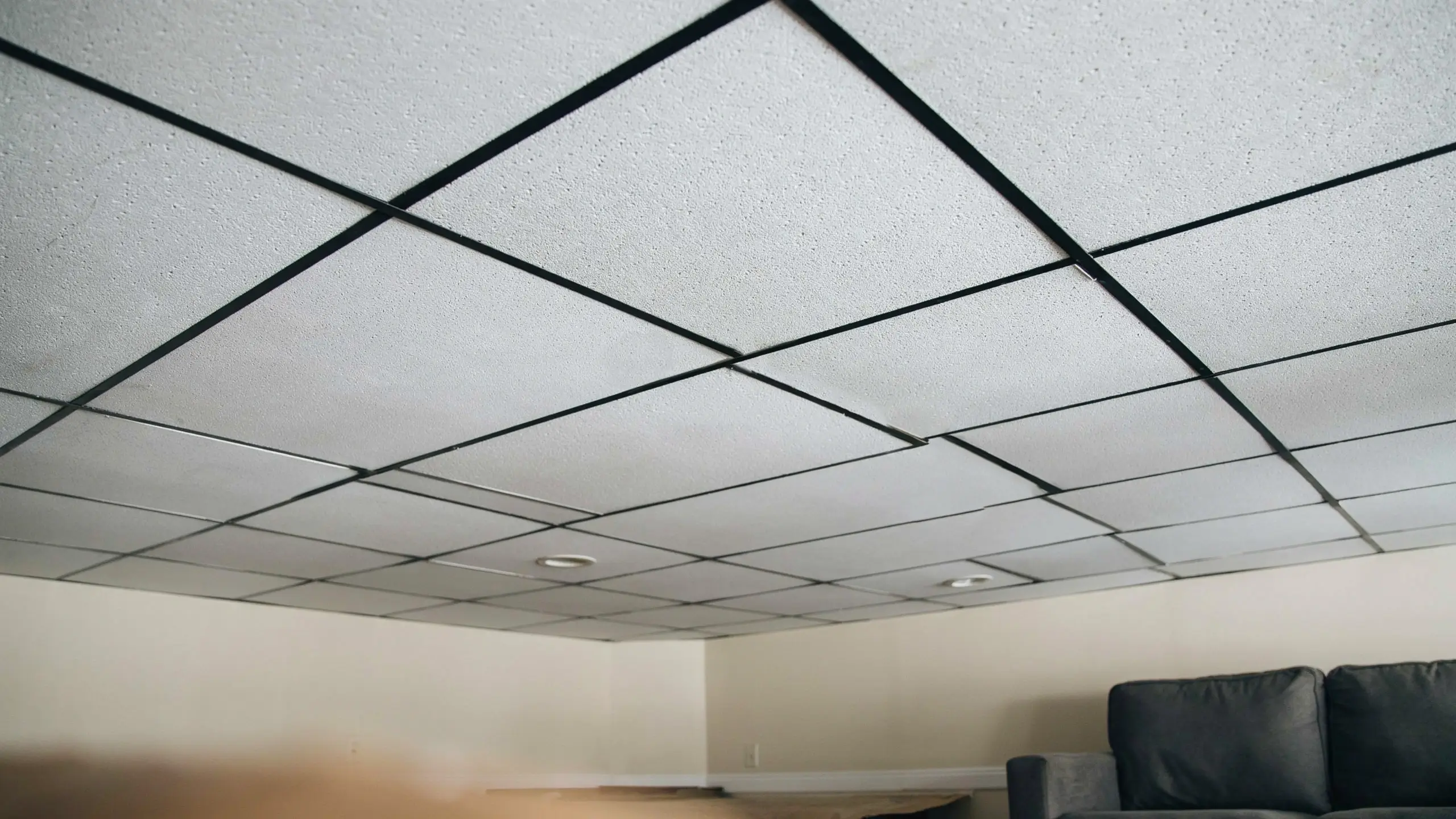
Sometimes you do not even need new tiles. A drop ceiling with a dated silver or bronze metal grid can look completely different once you spray paint the grid to match the tile color, usually white or a soft matte black. This tiny change makes the grid disappear visually instead of drawing the eye in a grid pattern across the room.
Mistake to Avoid
Painting tiles that were never meant to be painted, especially older tiles that may contain asbestos. If your home was built before 1980 and you are unsure what your ceiling tiles are made of, have them tested before you sand, cut, or disturb them.
8. Bring in Corrugated Metal for an Industrial Look
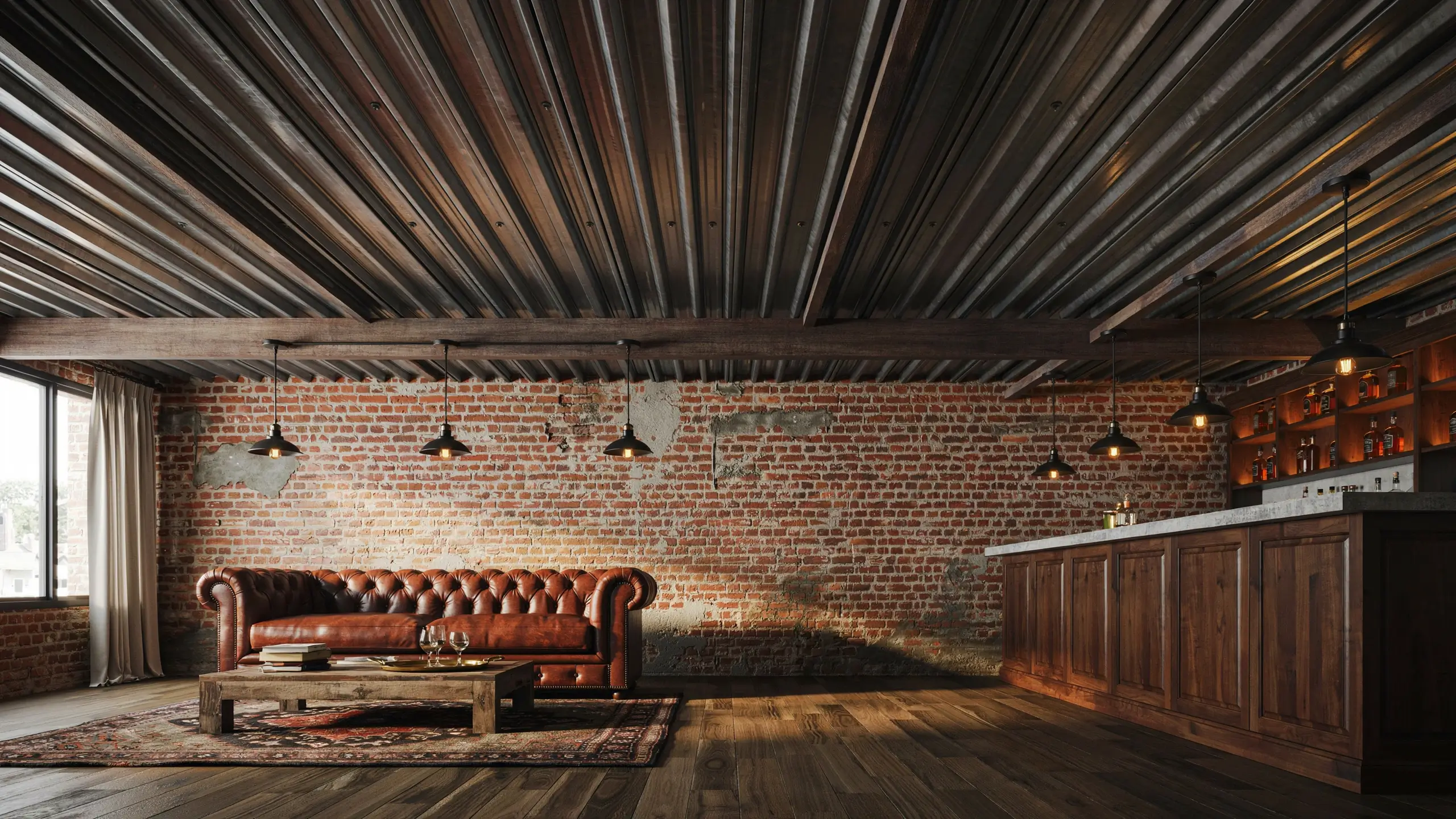
Corrugated metal panels turn a basement into a loft-style space with almost zero maintenance. The material resists moisture, does not need painting, and reflects light around the room, which is a real advantage in a space with no windows. Install it over exposed joists in either a natural steel finish for a raw industrial feel or a painted finish that reads more polished.
This idea pairs especially well with exposed brick, black metal light fixtures, and leather furniture if you are going for a masculine den or home bar vibe.
9. Use Embossed Tin Panels for Vintage Character

On the opposite end of the style spectrum, pressed tin panels bring old-world charm to a basement ceiling with detailed patterns that read almost like architectural molding. Modern versions come pre-coated to resist rust, and they install in manageable panel sizes.
This works especially well in basements that lean into a vintage, speakeasy, or antique-inspired look, paired with warm brass fixtures and rich wall colors.
10. Paper the Ceiling as a Statement
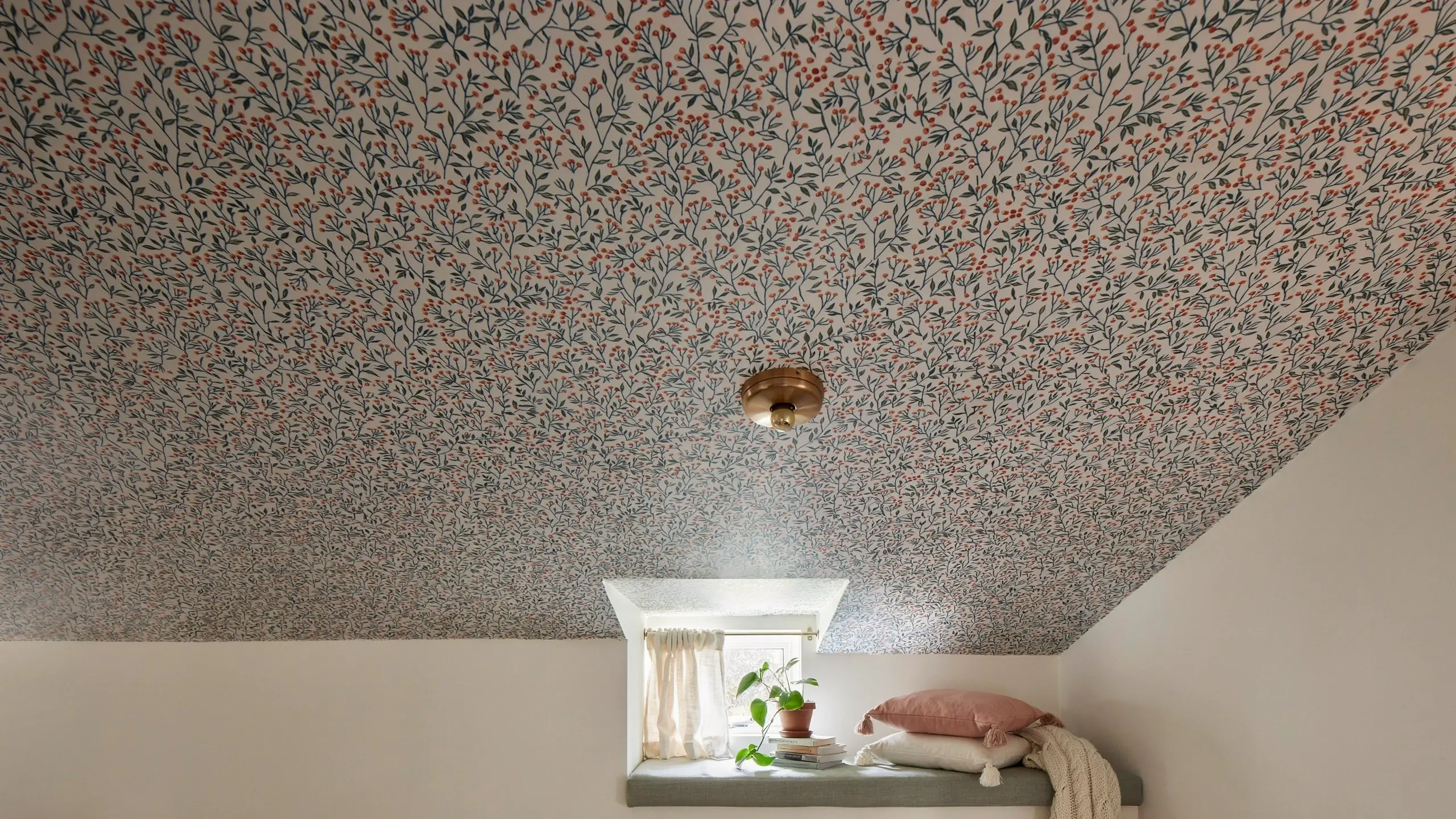
Wallpaper on the ceiling, sometimes called the fifth wall, is one of the more unexpected basement ceiling ideas, but it makes a huge visual impact in a small basement powder room, reading nook, or craft corner. Choose a moisture-resistant or vinyl-coated wallpaper specifically, since standard paper wallpaper can bubble or peel in a damp environment over time.
A small-scale print in a low-light basement reads better than a giant bold pattern, which can feel overwhelming with limited natural light bouncing around the room.
11. Try a Fabric or Tufted Ceiling for a Soft Look
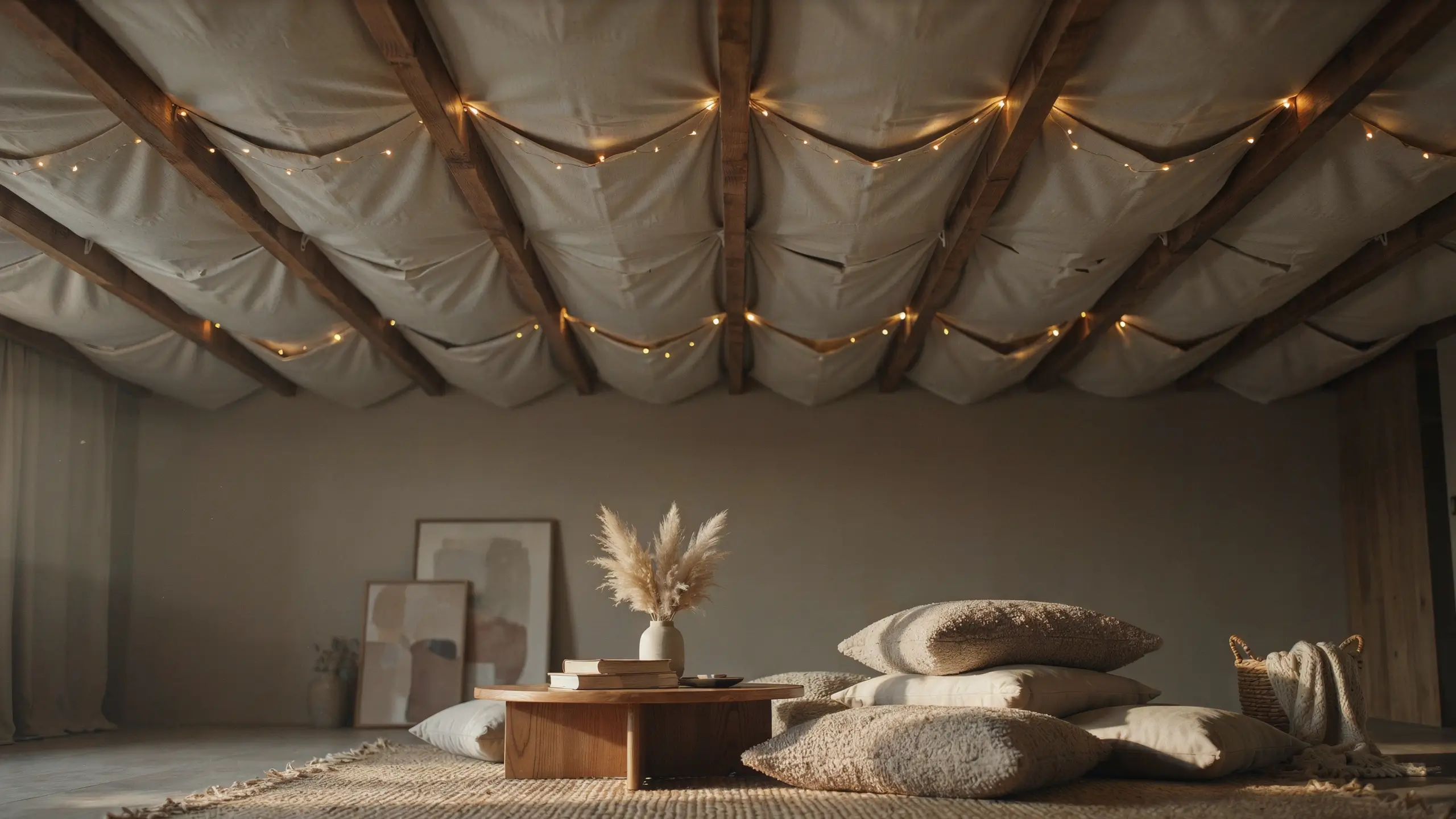
This is one of the oldest budget tricks in the book and it still works. Fabric, bedsheets, or lightweight canvas gets stapled or stretched between the joists to create a soft, tented, tufted effect overhead. It softens the acoustics of a basement, hides everything above it, and can be swapped out for a completely different look whenever you want a change.
Because nothing is permanently altered, this is a smart option for renters or anyone in a shared or temporary living situation who wants a basement ceiling idea that is fully reversible.
Safety Note
Keep fabric away from any light fixtures that generate heat, and never use flammable materials near recessed or exposed bulb lighting.
12. Install Shiplap for a Clean, Classic Look
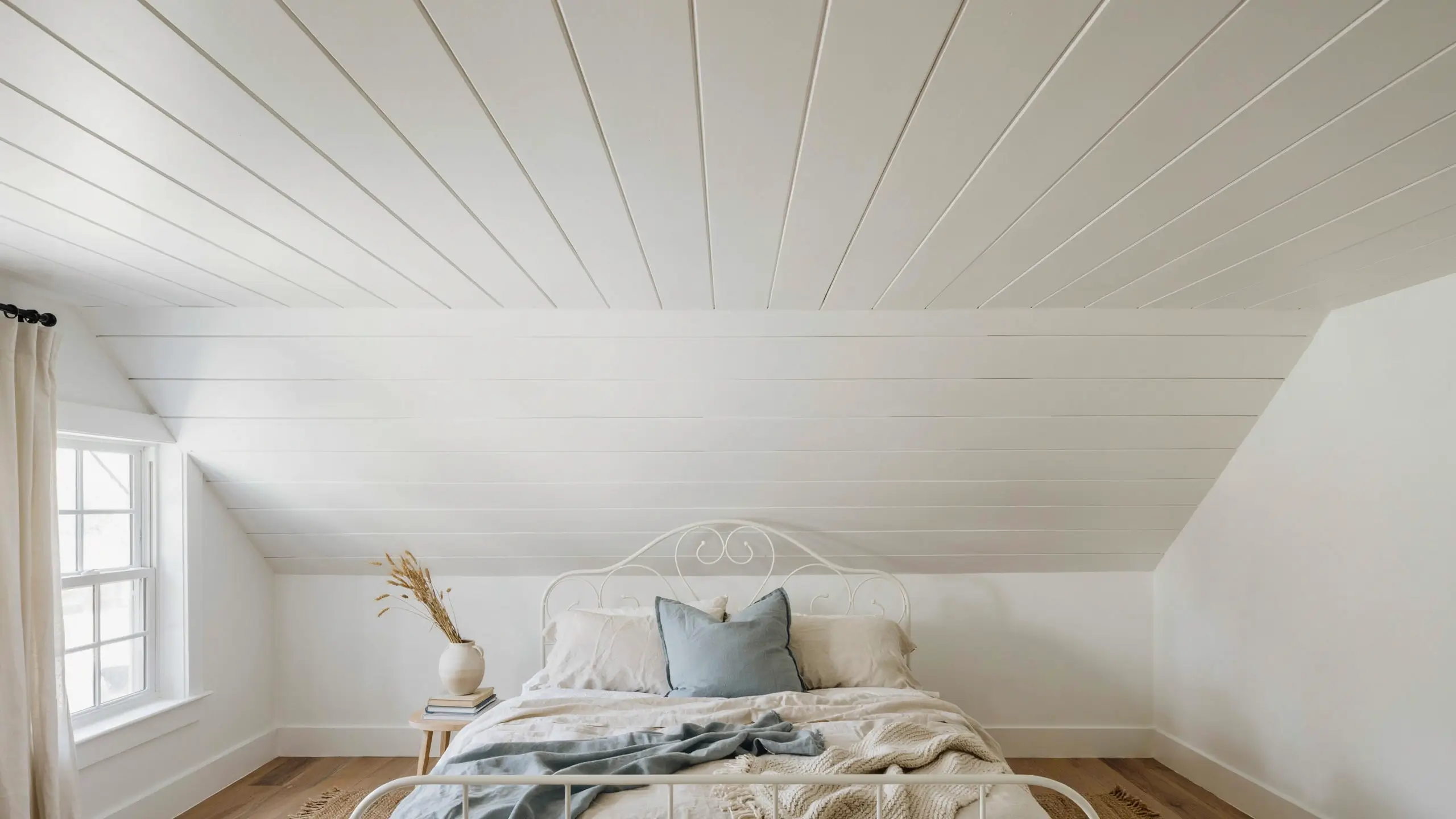
Shiplap gives you the same plank ceiling look as wood paneling but with a slightly cleaner, more traditional edge thanks to the small reveal between each board. Painted crisp white, it brightens a basement instantly while adding texture that flat drywall simply cannot give you.
This is a popular choice for basement playrooms, home offices, and guest suites where the goal is a bright, cottage-style feel rather than an industrial or moody one.
13. Add Beadboard for Texture and Charm
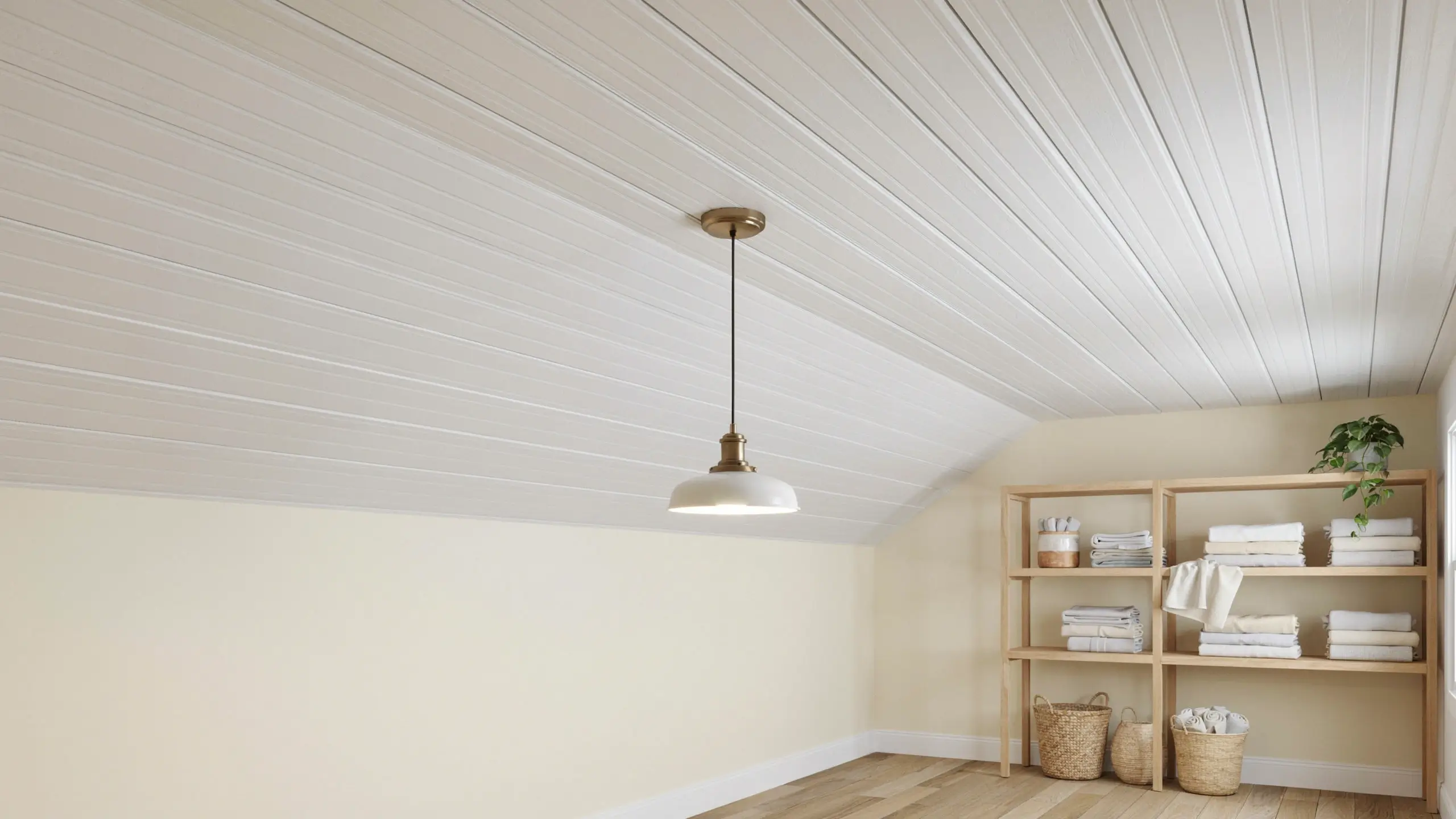
Beadboard panels bring a subtle ridged texture to the ceiling without the higher cost of individual wood planks. Prefinished MDF or PVC beadboard sheets install quickly in large sections, which makes this a faster weekend project compared to plank by plank installation.
This pairs beautifully with a basement bathroom, laundry area, or craft room where you want a cottage feel without a huge materials bill.
14. Install Acoustic Panels for a Home Theater or Gym
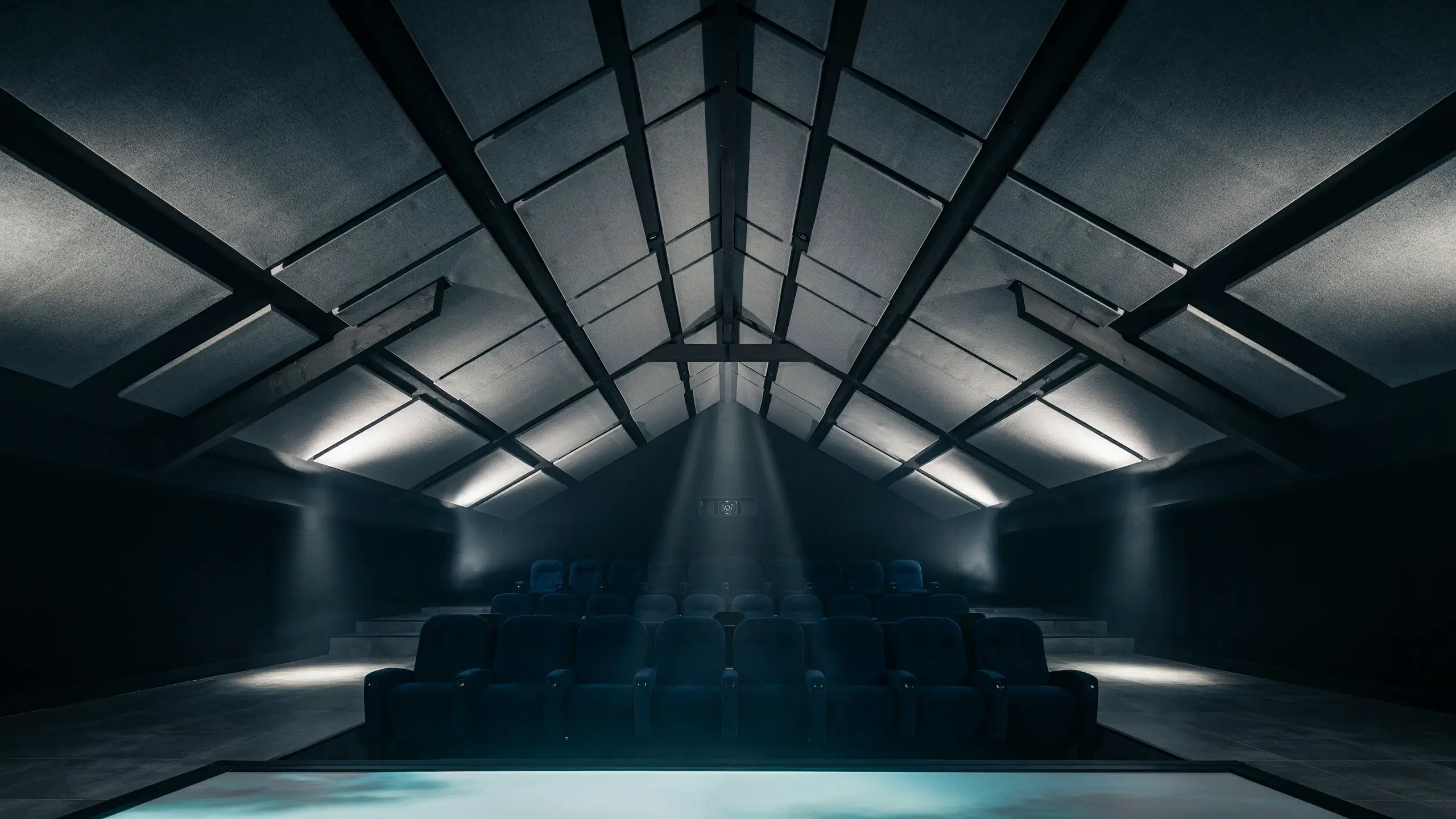
If your basement doubles as a home theater, workout space, or a place your kids play loud video games while you try to work upstairs, acoustic ceiling panels are worth the investment. These fabric-wrapped foam or mineral fiber panels absorb sound instead of bouncing it around a hard, low-ceilinged room, which makes a real difference in how loud a finished basement actually feels.
Mixing acoustic panels between exposed painted joists is a popular way to get both function and a clean, intentional look, rather than covering the entire ceiling.
15. Go Full Drywall for a Truly Finished Look
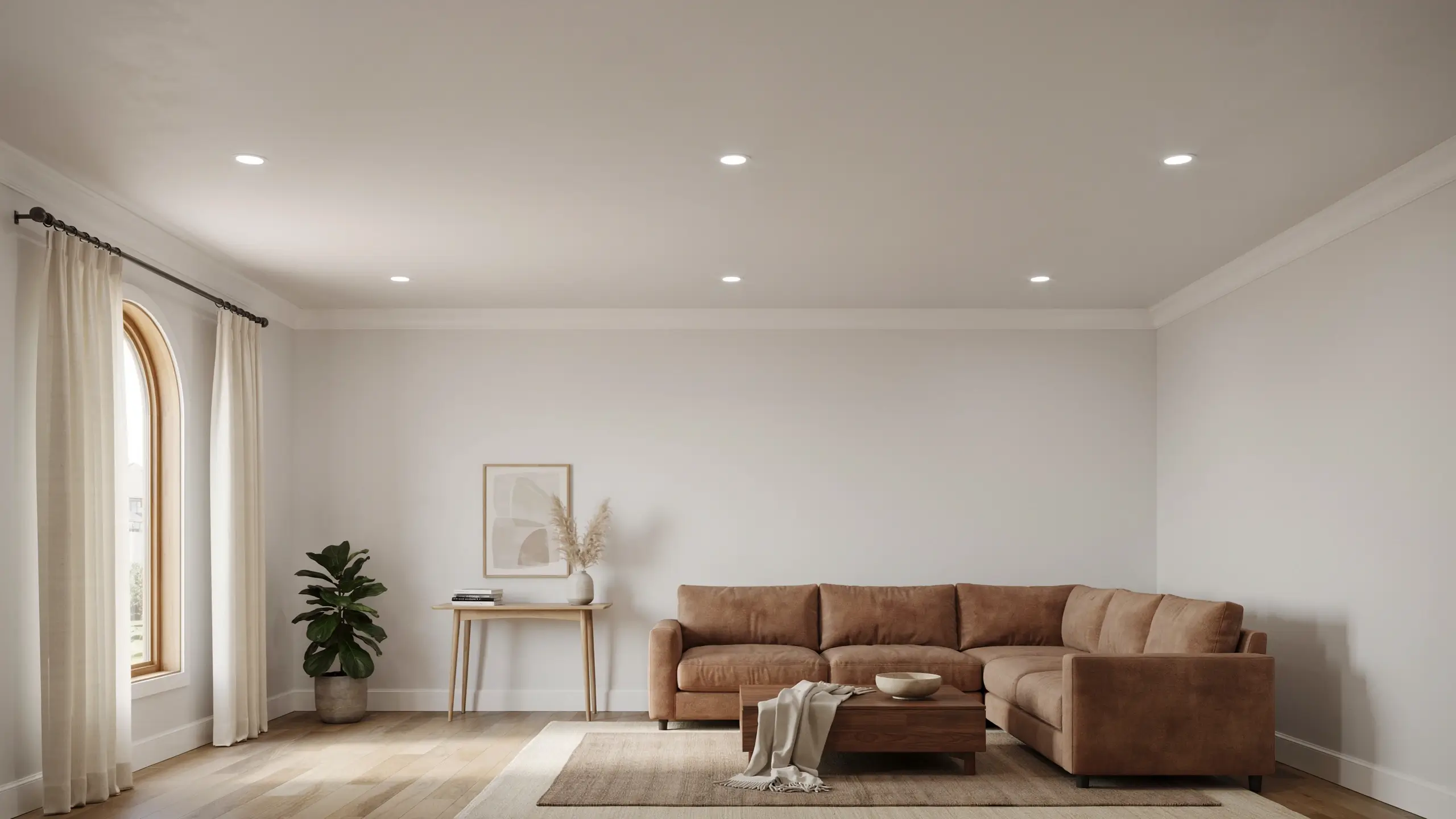
If your goal is a basement that feels indistinguishable from the rest of the house, drywall is still the classic answer. It gives you a smooth, seamless ceiling, hides absolutely everything above it, and lets you add recessed lighting for an upstairs-level finish. Just know this is the most permanent option on the list, and you lose easy access to anything above it unless you install access panels at key points like shutoff valves or cleanouts.
Basement Ceiling Ideas for Low Ceilings
If your basement runs under 7 feet, a few of the ideas above will serve you better than others. Painted exposed joists, whitewashing, and corrugated metal add almost zero height loss since you are working with what is already there instead of furring down. Drop ceilings, wood planks, drywall, and beadboard all take up extra inches, so measure your lowest point first and leave enough clearance for standing comfortably and for tall members of your household to walk through without ducking.
Light-colored ceilings also make a low basement feel taller than a dark one, so if height is tight, keep your palette bright even if you are drawn to a moodier look.
Mistakes to Avoid With Any Basement Ceiling Idea
A few mistakes show up again and again in basement projects, no matter which ceiling idea you choose.
- Skipping a moisture check before you start. Any sign of past water damage should be addressed before a new ceiling material goes in, not after.
- Forgetting about access points. Decide ahead of time which shutoffs, cleanouts, or junction boxes you may need to reach again, and plan removable panels or open sections there.
- Choosing materials that trap humidity in a damp basement. Standard drywall, untreated wood, and paper wallpaper can all struggle in a basement that runs humid, even if it has never technically flooded.
- Not testing paint or stain in a small hidden area first. Basement lighting is often dim and can shift how a color reads compared to how it looked in the store or online.
Final Thoughts
Your basement ceiling does not have to stay the forgotten part of the room. Whether you spend one weekend with a can of white paint or take on a full drywall finish, the right basement ceiling idea can turn a dark, low space into somewhere you actually want to spend time. Start with the option that fits your budget and your ceiling height, and build from there.
Which basement ceiling idea are you drawn to? Tell me in the comments, I would love to hear what you are working on.




No Comment! Be the first one.