




30 Gorgeous Accent Wall Ideas to Transform Your Space
There is a wall in my old apartment I still think about. It was nothing special — white, flat, and completely forgettable. Then one weekend I painted it a deep, inky green, and the entire room...

There is a wall in my old apartment I still think about. It was nothing special — white, flat, and completely forgettable. Then one weekend I painted it a deep, inky green, and the entire room changed. Not just visually. The whole feel of the space shifted. It felt cozy instead of clinical, intentional instead of half-furnished, like someone actually lived there.
That’s what a good accent wall does. It stops a room from feeling like a blank canvas nobody got around to finishing and turns it into something you want to spend time in. And the best part? You don’t need a full renovation, a designer budget, or a weekend free from kids to make it happen.
These 30 gorgeous accent wall ideas cover everything from a single can of paint to full DIY panel builds. You’ll find options for renters, beginners, small spaces, and tight budgets right alongside bigger statement ideas for when you’re ready to commit. Whether you’re styling a bedroom, living room, dining room, home office, or even a bathroom, something here will make you want to grab a brush and get started.
Before You Start: How to Choose the Right Wall
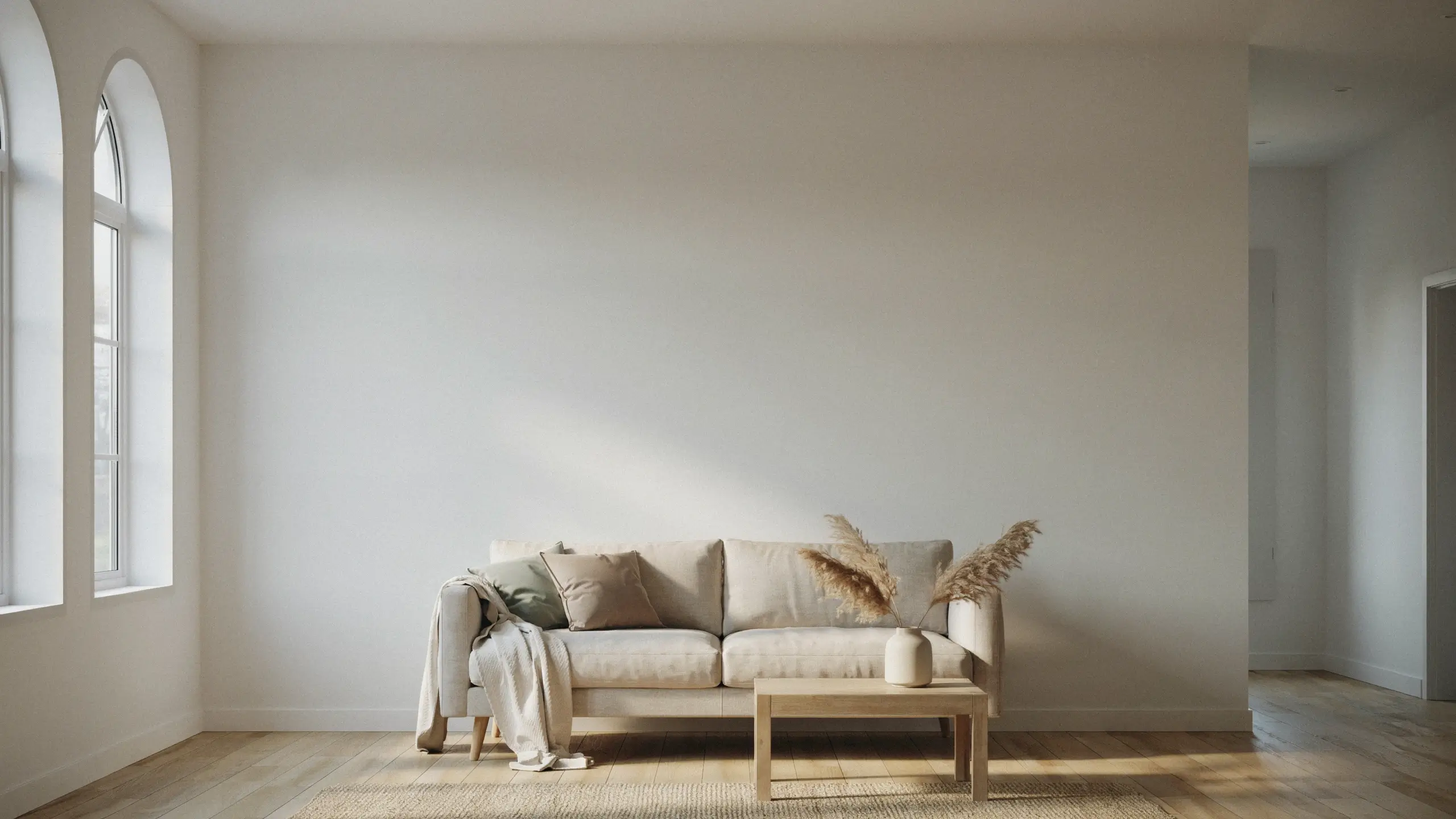
This is where most people go wrong. Picking the wrong wall makes the whole project feel off, no matter how beautiful the treatment.
Go for the wall your eyes naturally land on first when you walk into the room. Usually that’s the wall directly facing the door, the wall behind a bed, or the one framing a fireplace or TV. Walls with too many windows, outlets, or doors compete with themselves. Clean, uninterrupted surfaces let your accent wall breathe.
One well-chosen wall beats three half-hearted ones every time.
Paint Accent Wall Ideas
Paint is the most affordable place to start, and it’s come a long way from just picking a darker shade of your existing color. These ideas prove that a brush, a roller, and the right technique can completely change a room.
1. Deep Moody Color in a Single Bold Shade
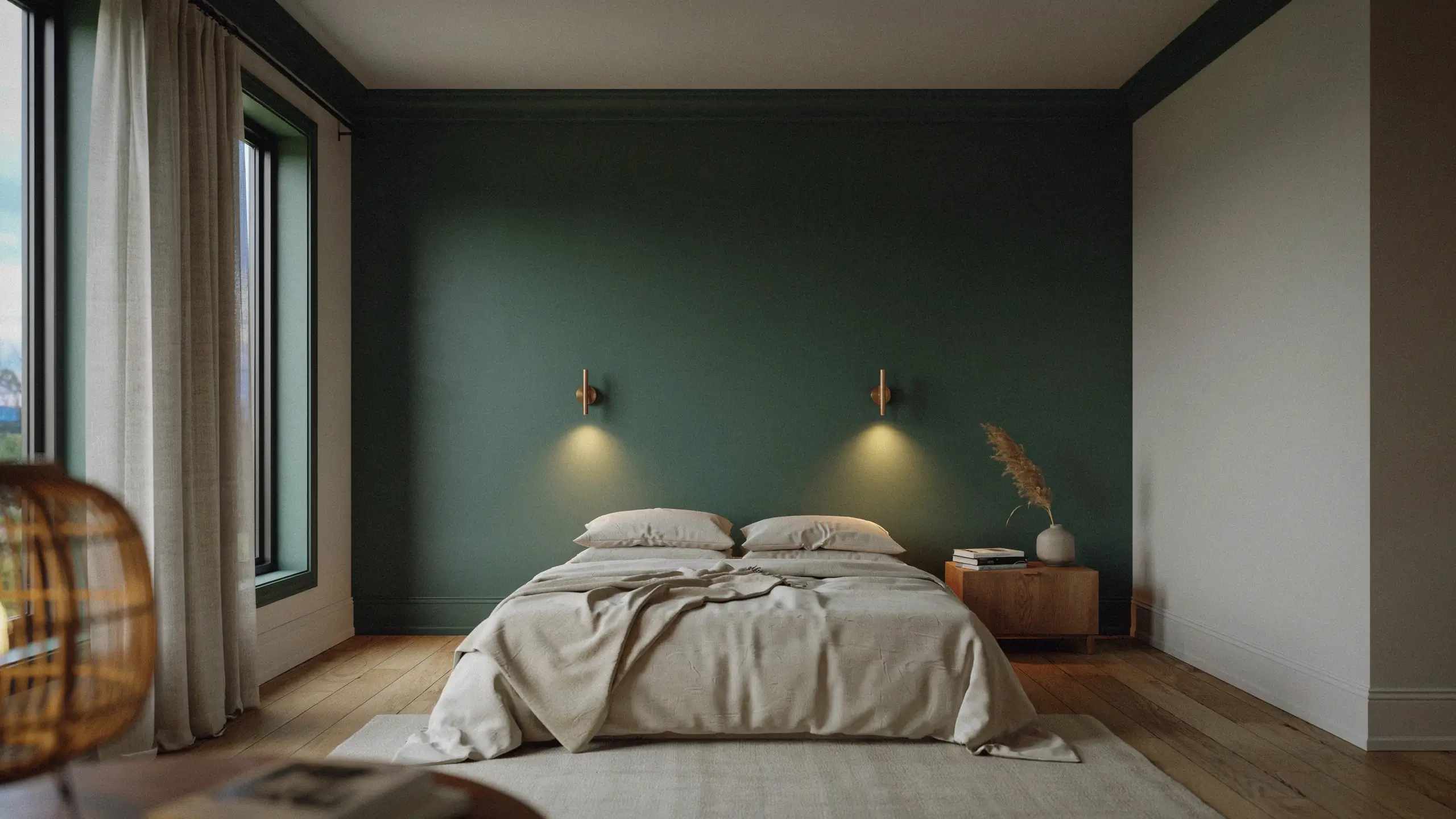
This is the classic accent wall done right. Pick one wall, go dark and rich, and don’t apologize for it. Deep forest green, navy blue, charcoal, espresso brown, terracotta, and inky burgundy are the colors designers keep reaching for right now because they feel warm and grounded rather than cold and stark.
The key is contrast. If your other three walls are white or soft cream, even a deep color reads as sophisticated rather than heavy. Paint the trim on that wall in the same dark shade for a high-end look that’s just as easy to achieve.
Paint picks to try: Sherwin-Williams Greenblack, Benjamin Moore Hale Navy, or Farrow & Ball Railings.
Renter tip: This does require painting over when you leave. Set aside a quart for touch-ups and check your lease first. If painting isn’t allowed, skip to idea #8.
2. Limewash Paint for Texture Without the Work
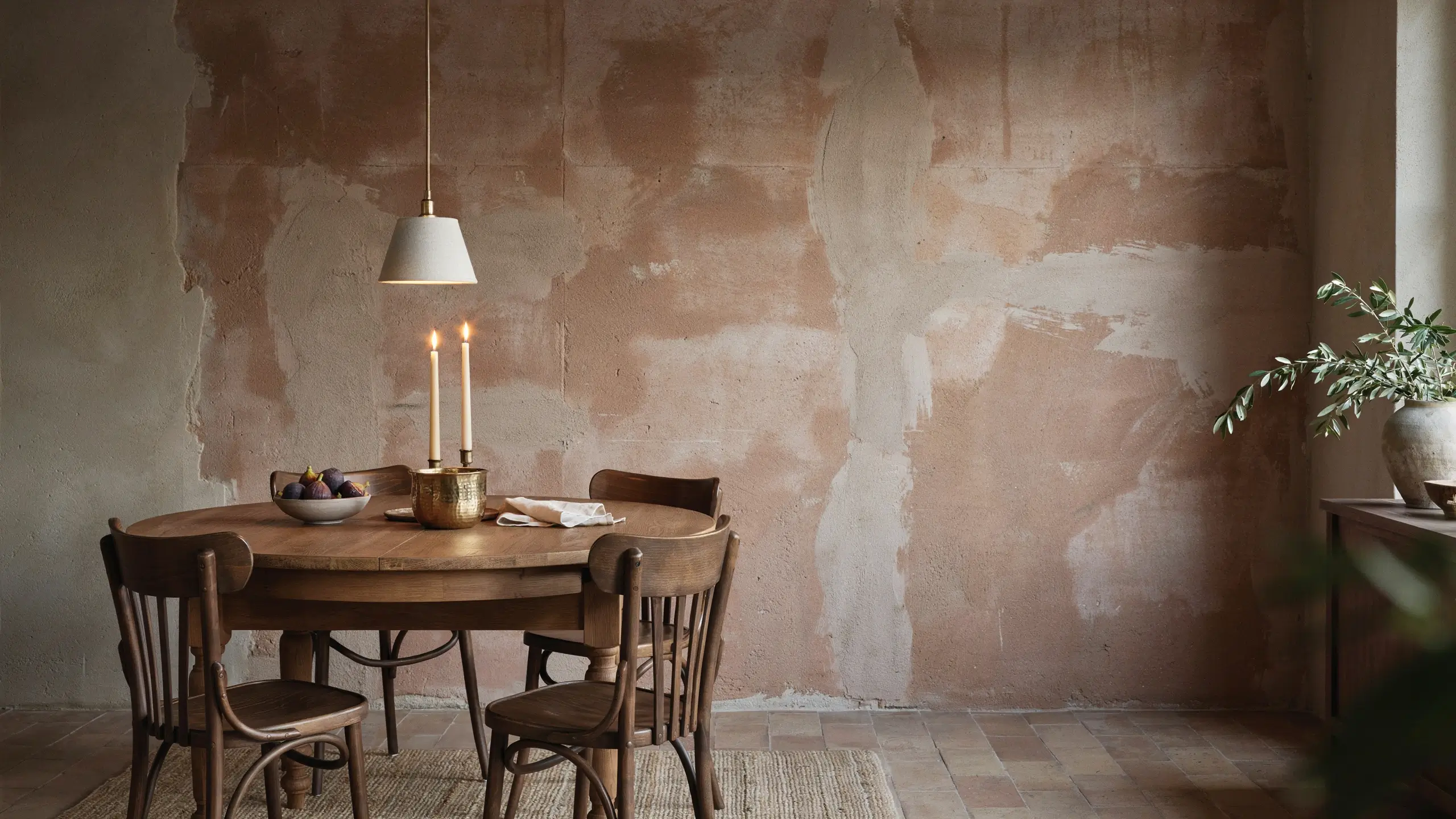
Limewash gives your wall that beautiful, layered, aged-plaster look without any actual plastering. It’s applied with a large brush in loose, overlapping strokes, and the result is a wall that looks like it belongs in a Roman villa or a Mediterranean farmhouse. The color shifts slightly depending on the light, which makes it feel alive in a way flat paint never does.
Brands like Portola Paints and Roman Clay by Backdrop have made this accessible for total beginners. You apply it in layers, let it dry between coats, and the imperfections are exactly the point. Total cost for a standard bedroom wall typically runs $80–$120 in product.
This is stunning behind a bed, behind a sofa, or in a dining room where candle and lamp light will play off the texture all evening.
3. Color Blocking With Two Contrasting Shades
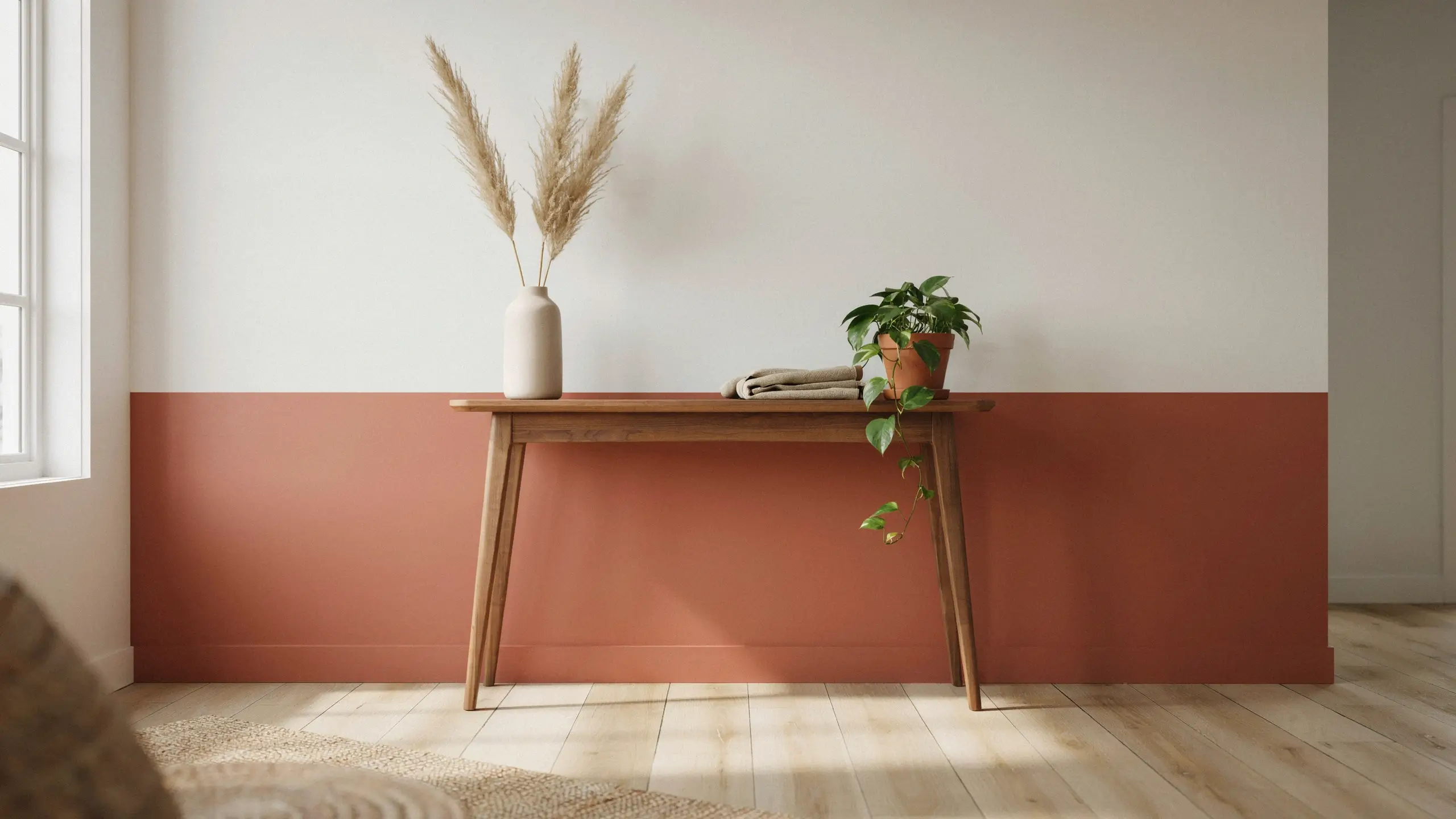
Color blocking means dividing your wall into two sections — usually horizontal — and painting each a different color. The split doesn’t have to be dead center. A lower third in warm terracotta and an upper two-thirds in creamy white feels decidedly more elegant than an even split.
Use painter’s tape and a level to get a crisp line, and seal the tape edge with the lighter color first to prevent bleeding. This idea works especially well in children’s rooms, home offices, and entryways where you want something graphic and fun without wallpaper.
4. Painted Geometric Shapes with Tape
A roll of painter’s tape and a few hours of patience can turn a flat wall into something that looks custom-designed. Diamonds, triangles, a sunburst, half-circle arches, a simple grid of squares — all of these can be created with tape and a brush.
Trace your shapes lightly with a pencil first, apply tape along the edges, paint inside, and peel while slightly damp for the cleanest edges. This idea is particularly popular for nurseries, playrooms, and boho bedrooms, but a sleek geometric grid in muted tones works beautifully in modern living rooms too.
Time needed: 3–5 hours including dry time. Cost: Basically just the paint you already have plus a good roll of painter’s tape (Frog Tape is worth the extra dollar).
5. Painted Arch or Curved Accent
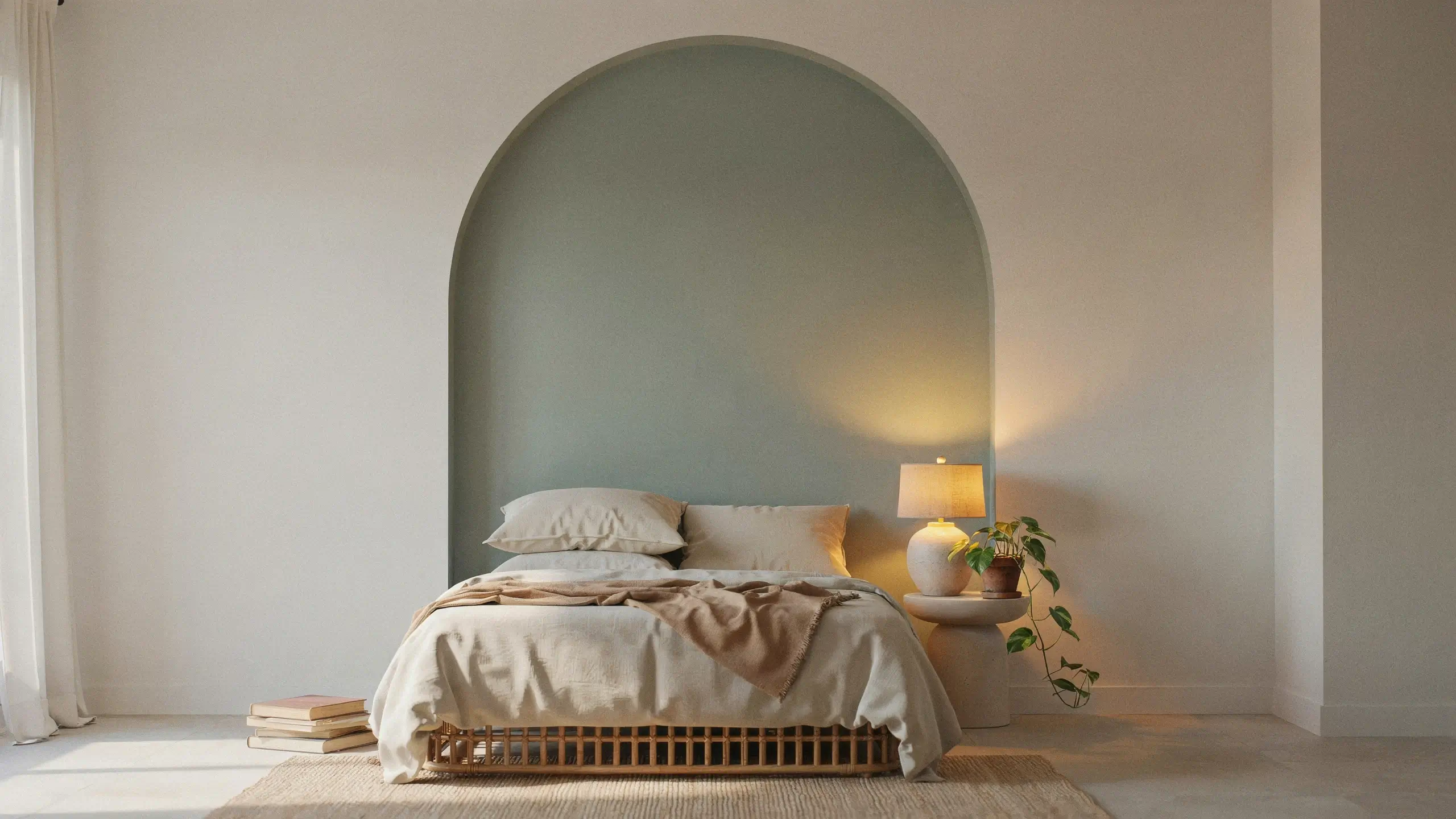
Instead of painting the whole wall, paint just an arch shape — a large semicircle or a floor-to-ceiling curved panel. This idea exploded on Pinterest a few years ago and it hasn’t slowed down because it photographs so beautifully and works in so many rooms.
Use a string tied to a pencil like a compass to draw your arch, or trace around a large plate or lampshade for smaller curves. Paint the inside of the shape a contrasting color or pattern. Behind a bed or a reading chair, this becomes a built-in headboard effect without any furniture at all.
6. Ombré Wall Paint Effect
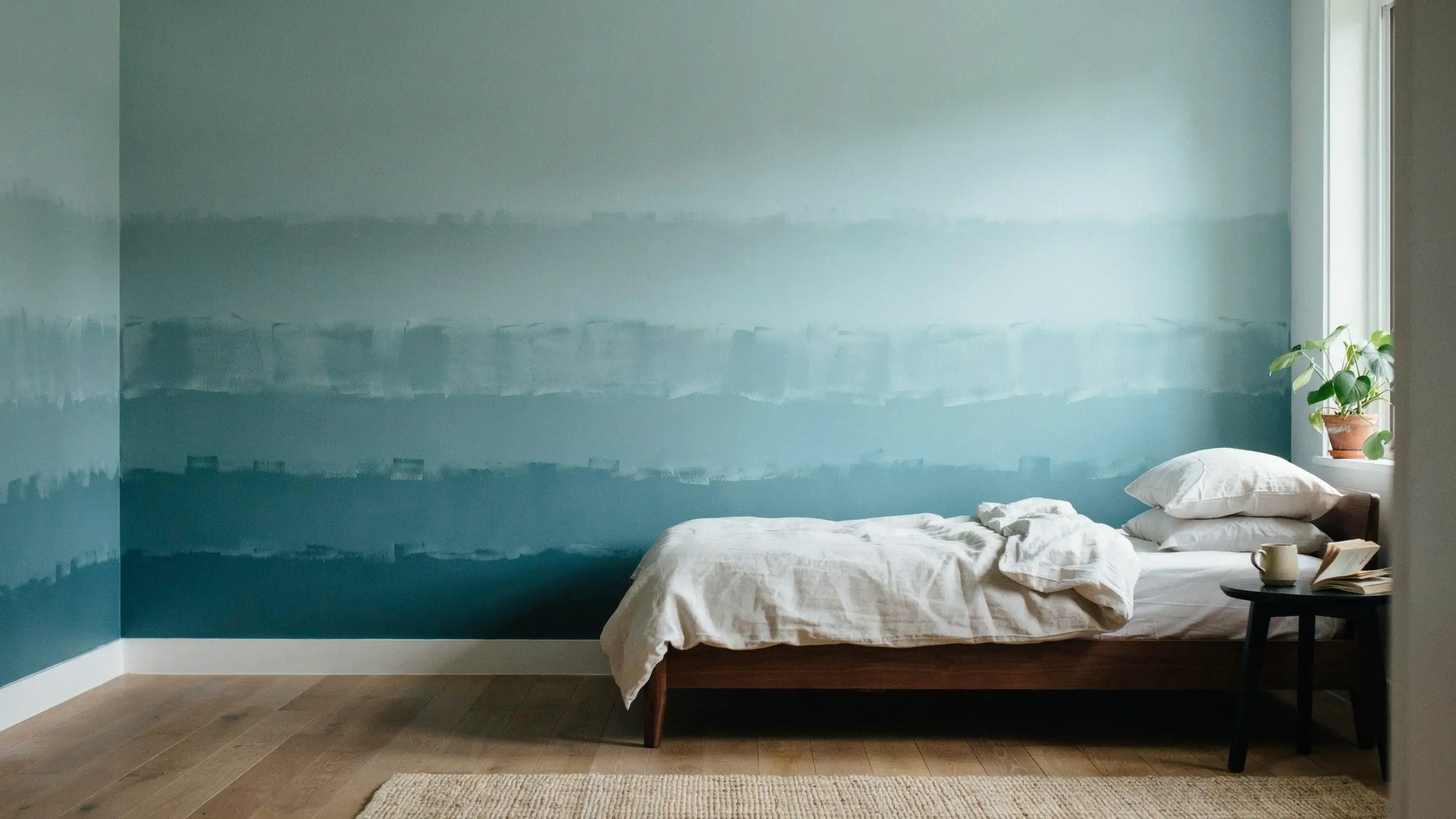
An ombré wall fades from one color at the bottom to another at the top — or from a deep shade near the floor to a lighter tint near the ceiling. It sounds technically difficult but the technique is simpler than it looks. Apply both colors while wet and blend the center seam with a dry roller or chip brush in quick, perpendicular strokes.
Moody to neutral works well in bedrooms. Ocean-inspired teal to white is a favorite for coastal-style spaces. Go slowly, work in sections, and don’t overthink the blending.
7. Two-Tone Wall with Painted Wainscoting Line
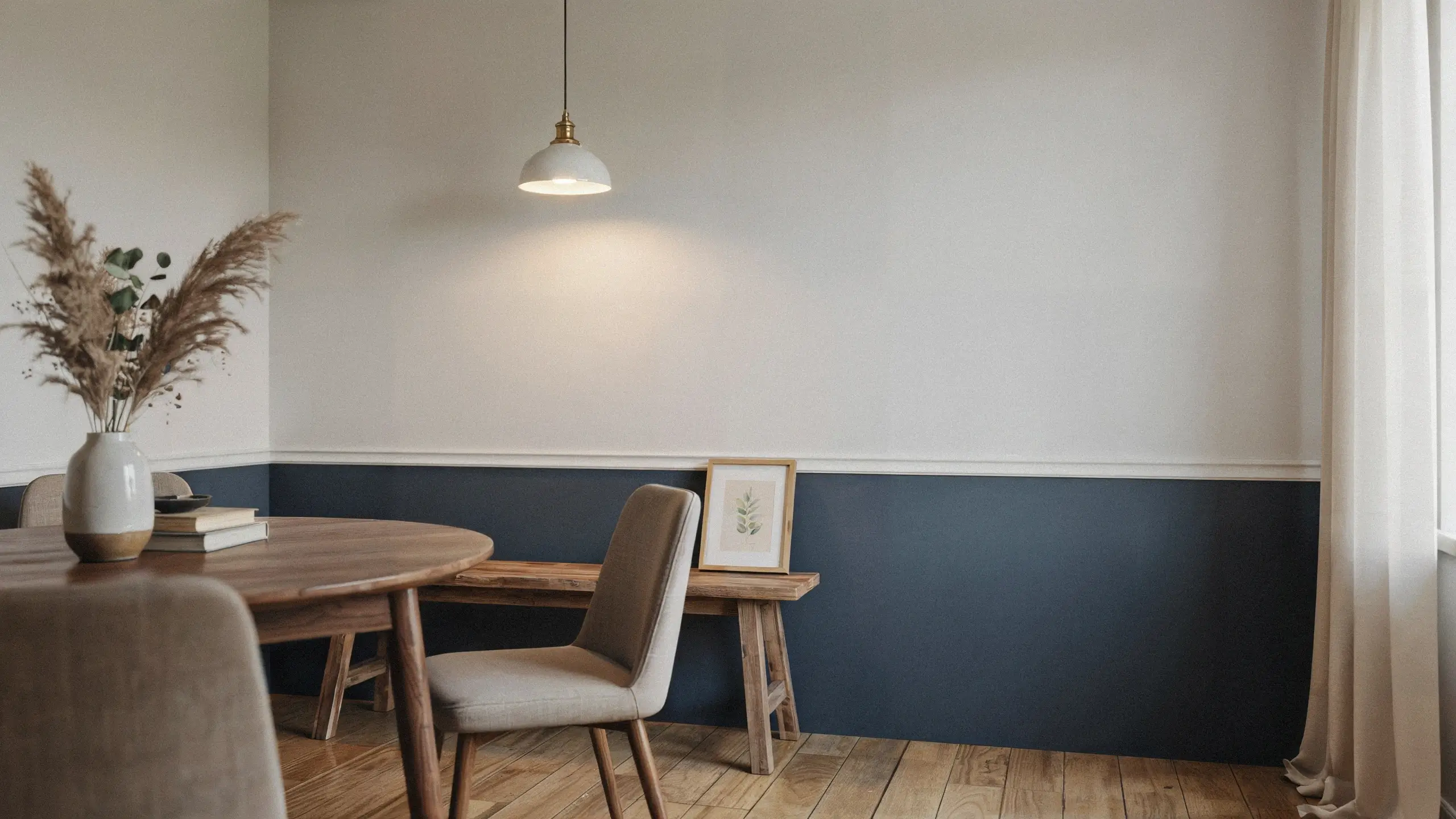
Paint the lower third of your wall a contrasting color and add a painted horizontal line at chair-rail height using a strip of painter’s tape. No actual molding needed. The line tricks the eye into thinking there’s architectural detail where there’s nothing but paint.
This works in dining rooms, entryways, and bedrooms. Use a crisp white line on a dark lower half for a clean, graphic look, or reverse it for a softer, cottagecore feel.
Wallpaper Accent Wall Ideas
Peel-and-stick technology has made wallpaper one of the best renter-friendly options out there. These ideas range from $30 to a few hundred dollars and most can be done in a single afternoon.
8. Peel-and-Stick Wallpaper
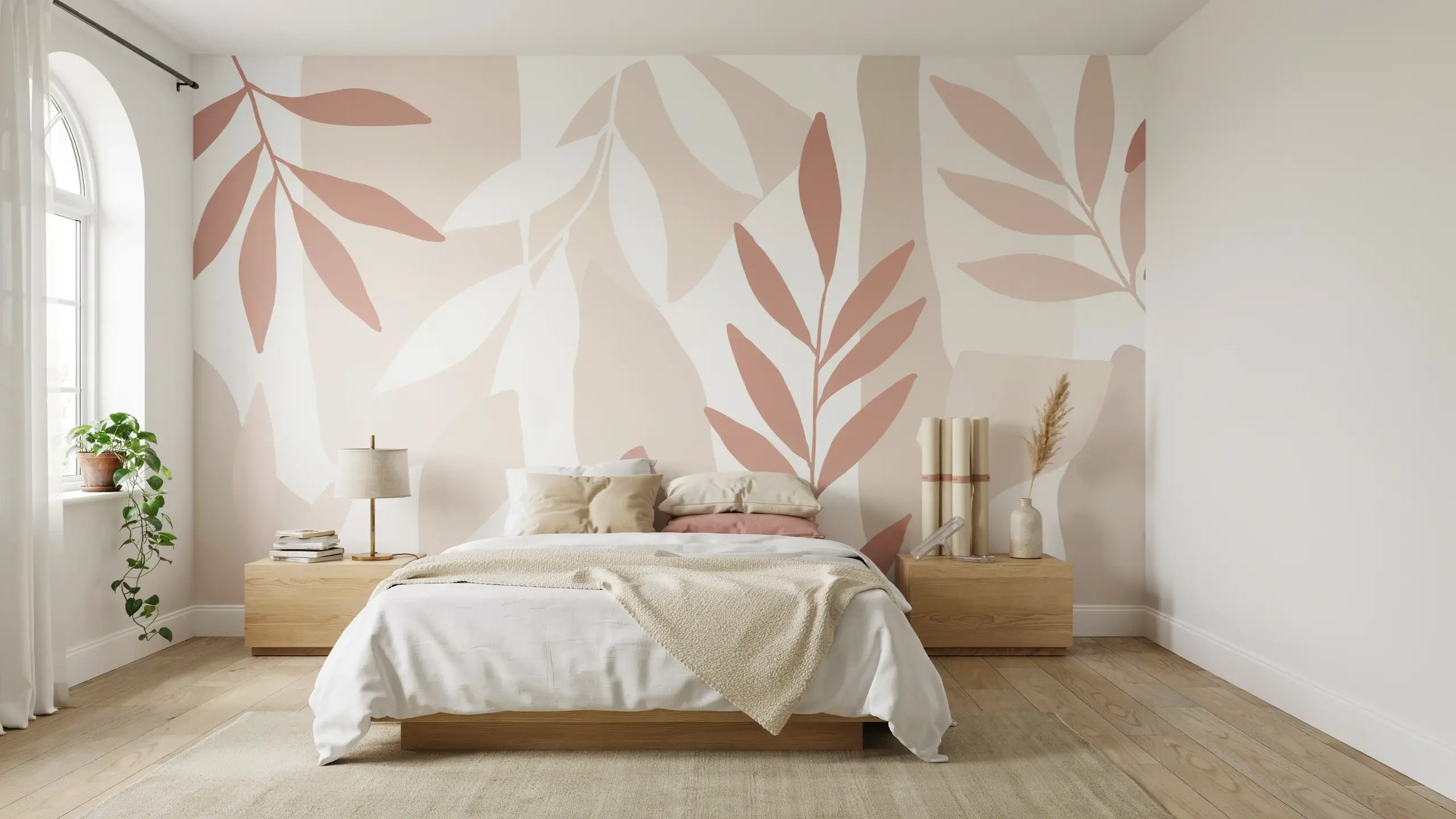
This is the renter’s best friend and the lazy decorator’s secret weapon. Modern peel-and-stick wallpaper looks shockingly close to real wallpaper, removes cleanly, and doesn’t damage drywall when it’s time to take it down. Brands like Chasing Paper, Tempaper, and Devine Color have patterns that feel genuinely high-end.
A standard 8×10 foot accent wall takes about 3–4 rolls and 2–3 hours to install solo. Take your time aligning the pattern at the seams, use a plastic smoother to eliminate air bubbles, and start from the center of the wall and work outward.
Cost range: $60–$200 depending on brand and pattern. One of the best returns on investment in decorating.
9. Grasscloth or Linen-Texture Wallpaper
Grasscloth has a natural, woven texture that adds warmth and dimension in a way solid paint simply can’t. It’s slightly irregular, subtly earthy, and feels like something you’d see in a boutique hotel. On an accent wall in a bedroom or living room, it adds an entire layer of richness without clutter.
If you’re renting or nervous about traditional grasscloth adhesive, look for grasscloth-textured peel-and-stick versions from NuWallpaper or Tempaper. The texture isn’t identical, but it photographs beautifully and fools most guests completely.
10. Large-Scale Botanical or Floral Wallpaper
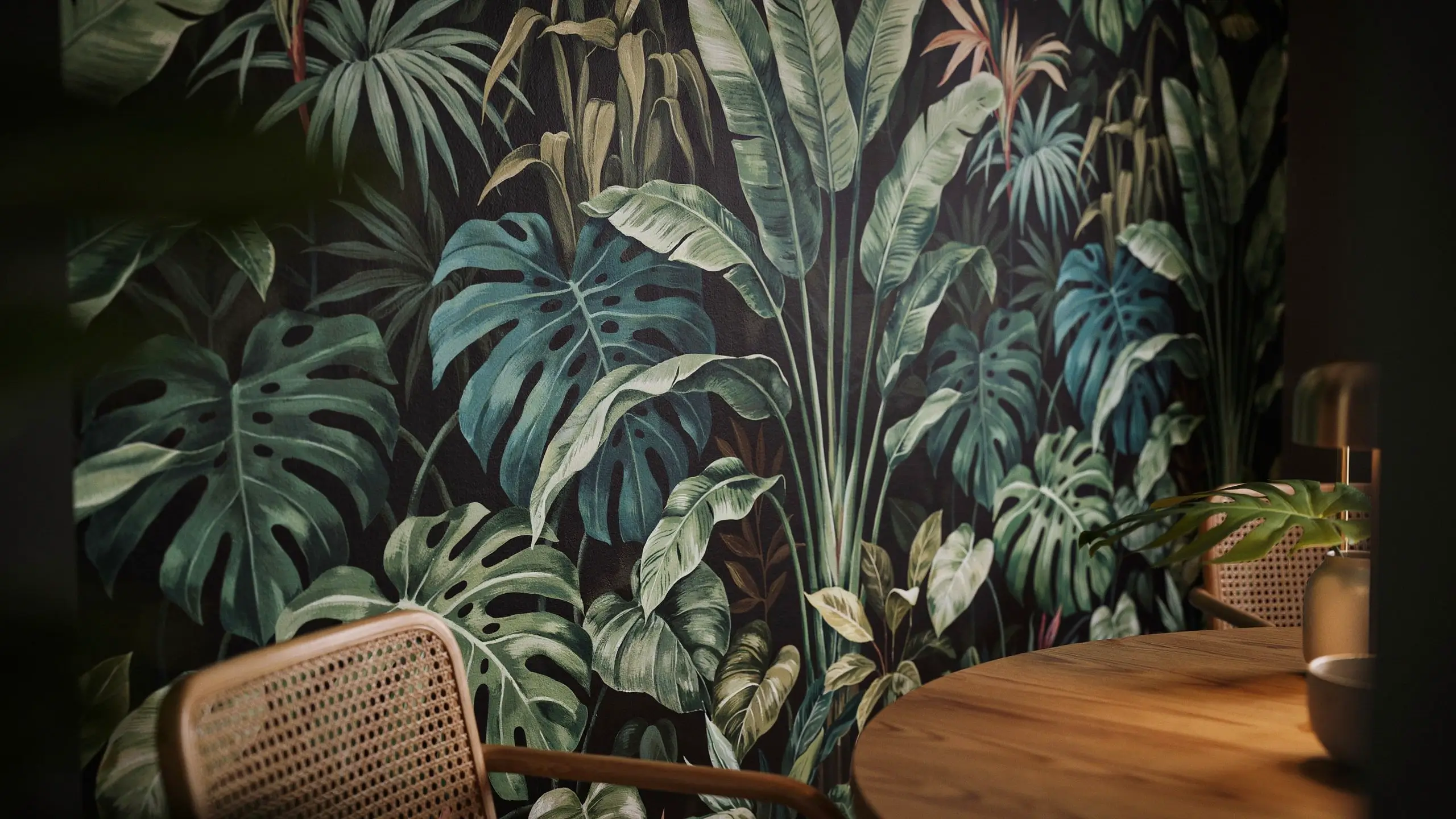
One oversized botanical print on a single wall behind a bed or dining table makes a room feel professionally designed. The scale matters. Small repeating florals on an accent wall can feel busy. Large-leaf tropical prints, single-stem florals, or abstract botanical patterns are the sweet spot.
Pair this with simple, natural-material furniture and let the wall do the styling work. Rattan chairs, linen bedding, a simple wooden frame — the wall carries the room.
11. Moody Dark Wallpaper with Subtle Pattern
A dark wallpaper with a tone-on-tone or subtle metallic pattern reads very differently from a bold graphic print. Think charcoal velvet-look paper, deep green with a faint leaf print, or navy with a quiet grid texture. From across the room, it reads as a rich, dark wall. Up close, you notice the detail.
This approach works brilliantly in small dining rooms and powder bathrooms, where you can go maximally dramatic without worrying that the space will feel overwhelming.
12. Mural Wallpaper Panel
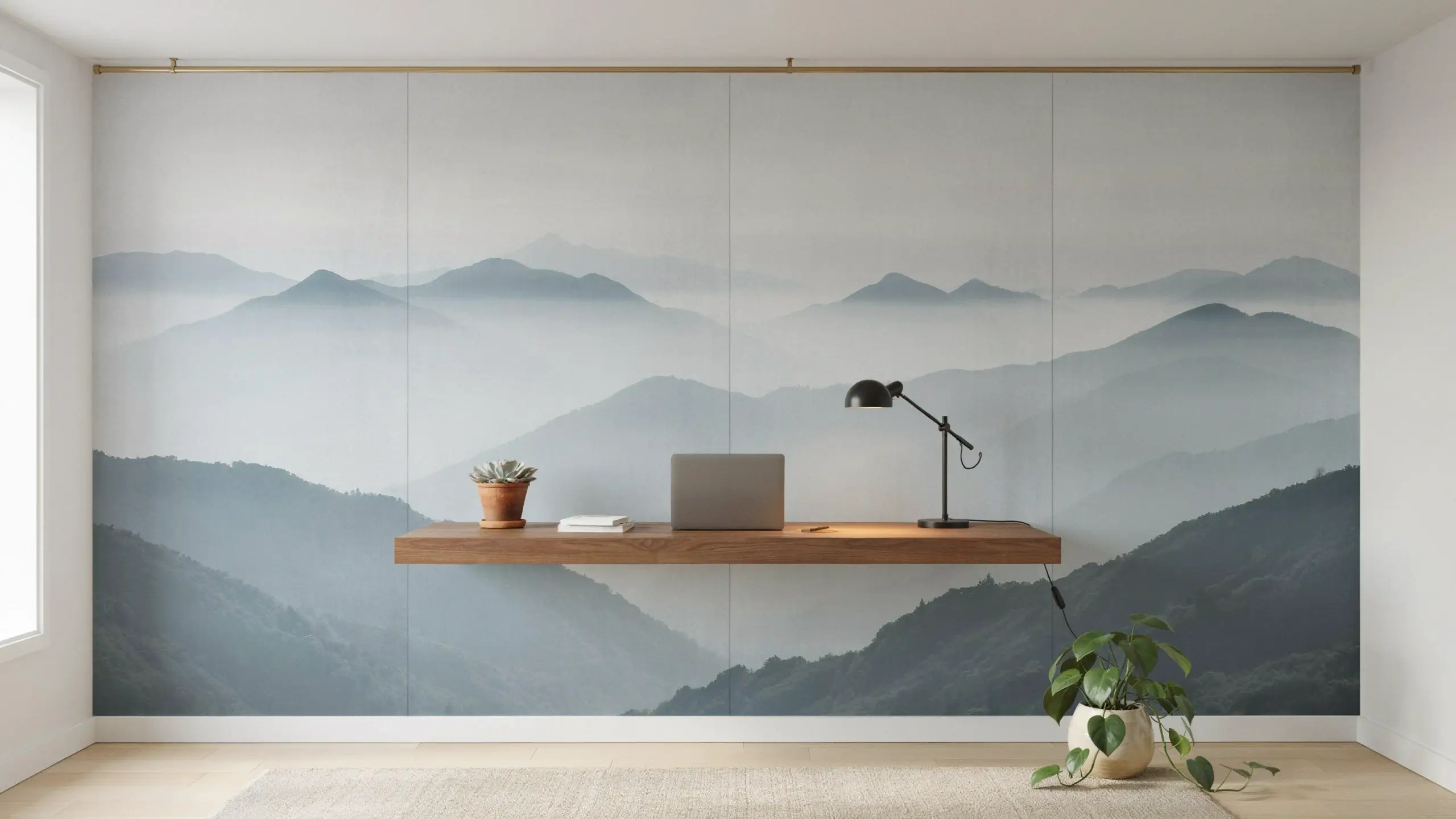
Mural wallpaper comes as a single large image designed to cover one wall — a forest scene, a mountain range, a foggy city, a painted abstract. You hang it like traditional wallpaper in vertical strips that align into the complete image.
Peel-and-stick mural options from Society6, Etsy makers, and Murals Wallpaper are renter-friendly and genuinely stunning. A floor-to-ceiling mountain mural behind a bed, a misty forest in a home office, a painted botanical scene in a dining room — these feel like art installations, not just decor.
13. Geometric or Art Deco Patterned Wallpaper
A single wall of bold geometric pattern — hexagons, arches, chevron, Moroccan tile prints — creates an immediate focal point in a room that would otherwise feel plain. This is especially effective in small rooms and bathrooms where a full wallpapered room might feel claustrophobic, but one decorated wall feels intentional and exciting.
Gold and black Art Deco patterns are having a moment right now. Terracotta and cream geometric prints feel earthy and modern simultaneously.
Wood and Panel Accent Wall Ideas
Wood brings warmth, texture, and a handmade quality that paint can’t replicate. These ideas range from beginner-friendly weekend projects to slightly more involved builds — all absolutely worth the effort.
14. Shiplap Wall (Horizontal)
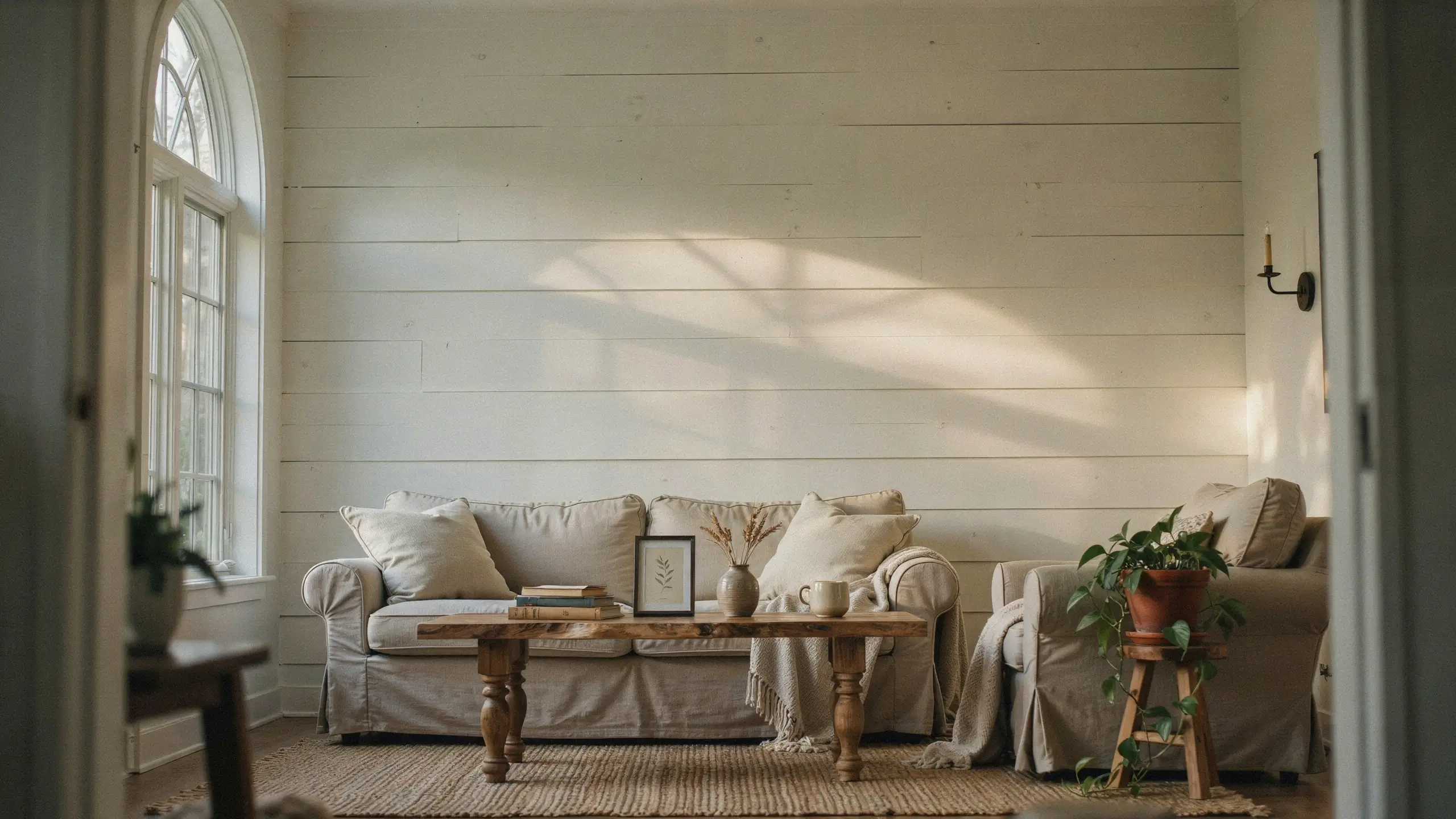
Shiplap remains one of the most searched accent wall ideas online because it genuinely works in almost any style of home. The horizontal boards add texture, the slight shadow gap between each board adds depth, and the whole thing takes a wall from bland to beautiful in under a day.
Real pine shiplap boards from a lumber yard cost about $1–$1.50 per linear foot. For a 10-foot-wide wall, you’ll need around 60–70 boards depending on board width. Paint it white for farmhouse, dark walnut for modern, dusty sage for a cottagecore feel.
Beginner note: You’ll need a miter saw or circular saw, a nail gun, and a level. If that feels like too much, look for peel-and-stick shiplap panels — they’re not identical but they’re a convincing alternative.
15. Vertical Shiplap for Taller-Feeling Rooms
Most people hang shiplap horizontally, but flipping the boards vertical makes ceilings feel dramatically higher. This is especially useful in rooms with 8-foot ceilings that feel a little squashed. The eye travels up the vertical lines and the room suddenly feels more spacious.
Paint vertical shiplap in a deep color and the wall looks almost architectural — less farmhouse, more bold and modern.
16. Board and Batten
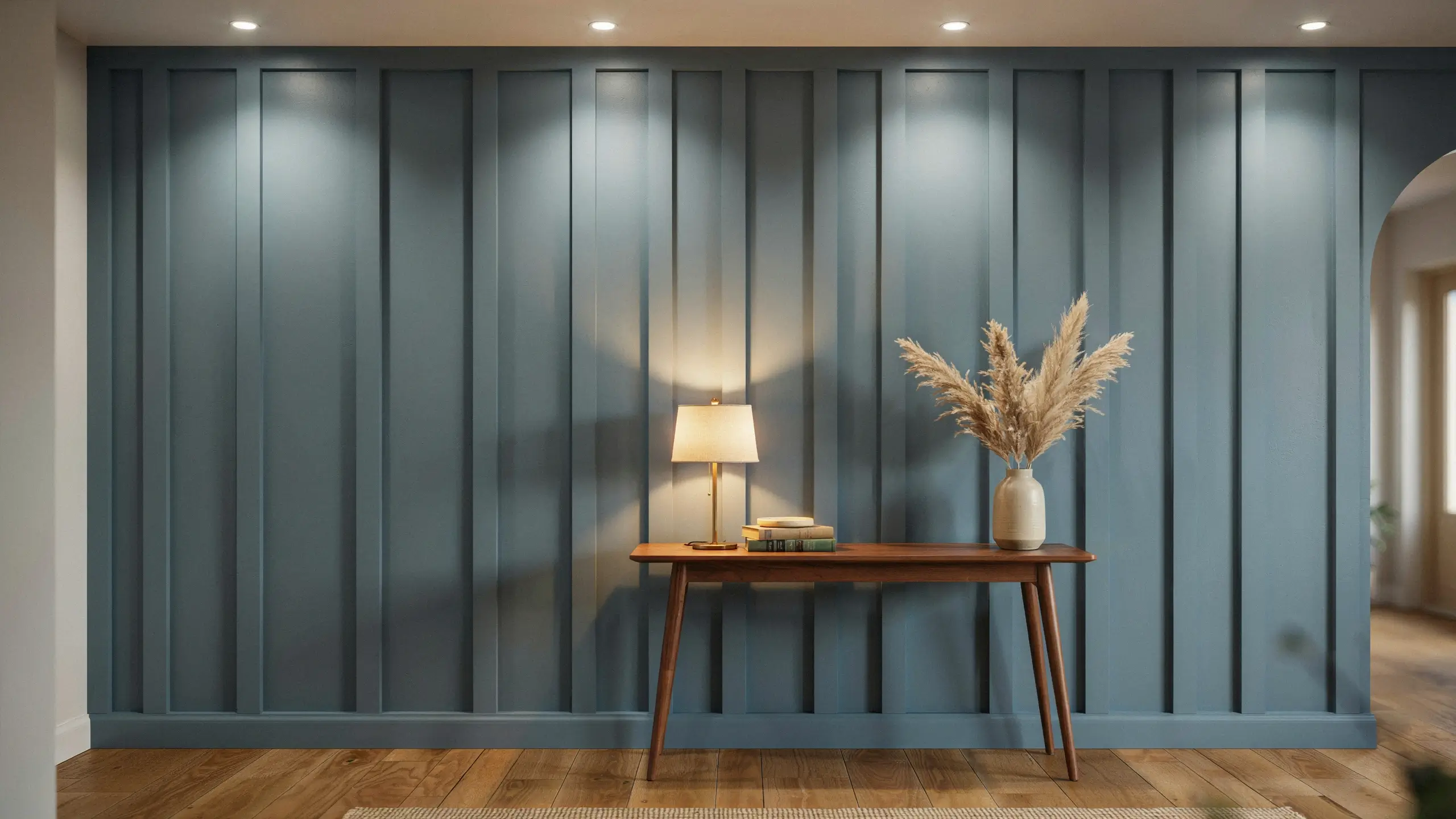
Board and batten is the slightly more formal cousin of shiplap. Vertical boards (the battens) are attached over a flat base, creating evenly spaced rectangular sections that look like wainscoting panels. It’s classic, timeless, and works in hallways, bedrooms, living rooms, and dining rooms.
A full-height board and batten wall in white is one of the most popular accent walls in traditional and transitional homes. Paint it a deep color — a moody sage or dusty blue — and it feels entirely contemporary.
Cost: A 12-foot wall using primed MDF from a hardware store typically runs $150–$200 in materials. One weekend build. Entirely beginner-friendly with the right tutorial.
17. Wood Slat or Fluted Panel Wall
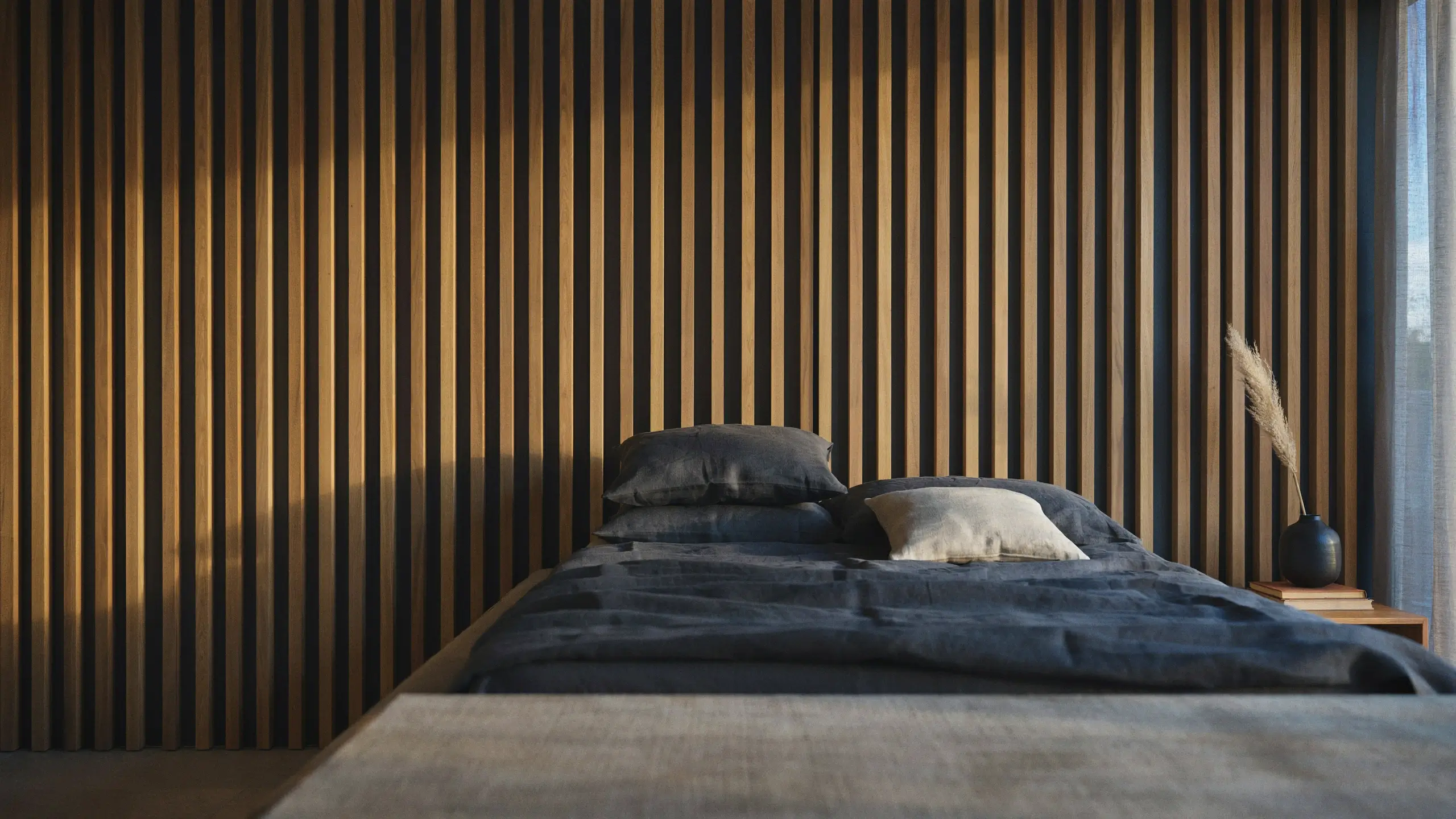
Fluted and slatted wood panels are one of the biggest accent wall trends right now. The thin, vertical wood slats cast subtle shadows throughout the day that change with the light, and the texture is richly three-dimensional in a way that looks expensive even when it isn’t.
Pre-made fluted MDF panels are available on Amazon and at home improvement stores for $30–$80 per panel, making this one of the most accessible looks for a beginner. Cover a wall in matching panels, paint them out, and you have something that looks like a boutique hotel room.
For a natural, unfinished version, thin pine slats with small gaps between them over a dark-painted backing wall let the dark color show through the gaps for a floating effect that’s genuinely stunning.
18. DIY Picture Frame Molding Wall
This one looks far more expensive than it is. You attach thin strips of MDF or primed wood molding to the wall in evenly spaced rectangular frames, paint everything the same color as the wall, and the result is a paneled, architectural look that seems like it came with the house.
The technique is called picture frame molding or panel molding, and it’s achievable with a miter box, finishing nails, and wood filler. Paint the whole thing in the same shade as the wall — or go slightly glossier on the molding for subtle contrast — and the effect is elegant and sophisticated.
Cost: About $50–$100 in materials for an average bedroom wall. One of the best-value DIY projects in home decor.
Renter-friendly version: Shanty-2-Chic popularized a version of this using finish nails without glue, hitting studs for hold. Fills cleanly with spackle when you leave.
19. Reclaimed Wood or Barnwood Wall
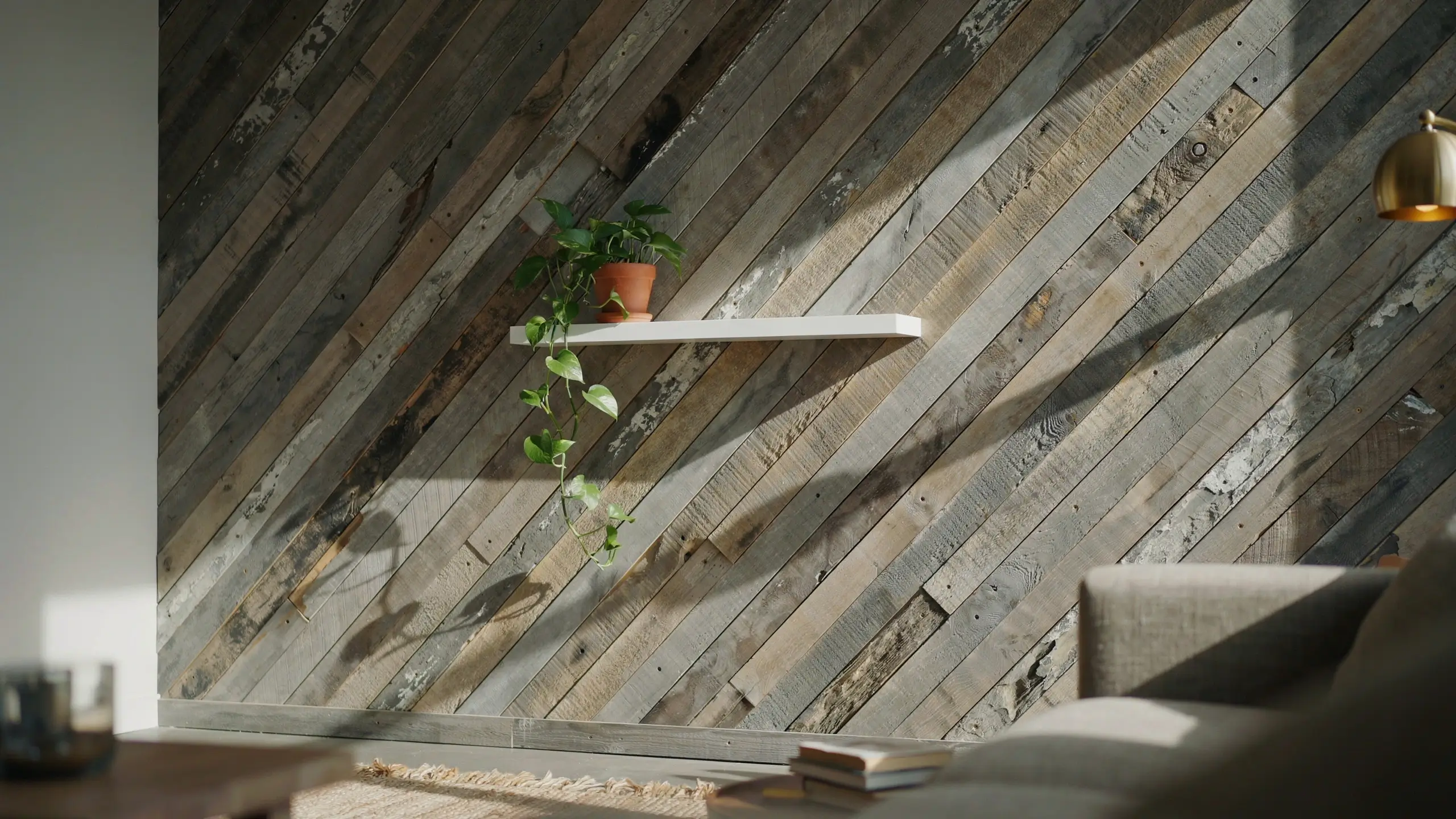
Reclaimed wood has a warmth and character that new lumber just can’t fake. The knots, the grain, the faded paint ghosts, the slightly rough edges — every board tells a story and no two walls look the same. Against white walls and modern furniture, a reclaimed wood accent wall creates a tension that feels deliberate and stylish.
Source reclaimed wood from architectural salvage stores, local Facebook Marketplace listings, or lumber yards that sell seconds. Alternatively, new pine boards can be distressed with a wire brush, diluted paint, and steel wool for a convincing aged look.
20. Painted Wood Panel Wall (Color-Drenched)
Take any of the wood panel ideas above — shiplap, board and batten, MDF frames — and paint them a rich, enveloping color instead of white. This technique, sometimes called a color drench, ties the texture and the color together into something that feels truly custom.
A board-and-batten wall in deep teal, a fluted panel wall in terracotta, a shiplap wall in warm charcoal. The paint softens the wood’s lines and makes the whole thing feel architectural rather than purely decorative.
Texture and Material Accent Wall Ideas
These ideas go beyond paint and wood and create walls that feel tactile, layered, and genuinely one-of-a-kind.
21. Venetian Plaster or Marble Plaster Finish
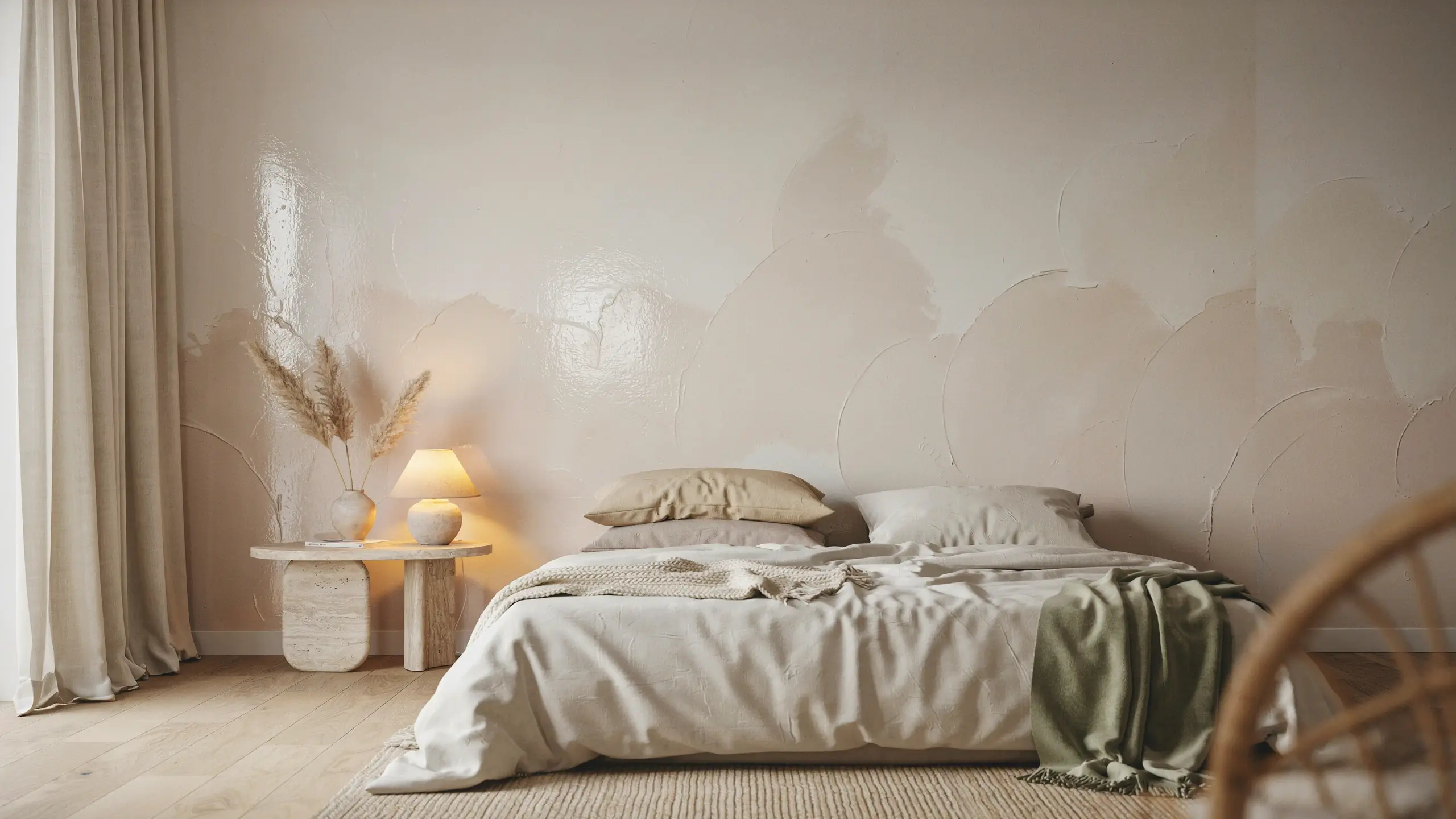
Venetian plaster creates a high-gloss, marble-like surface with incredible depth. A skilled application gives the wall a luminous, almost wet look that photographs like nothing else. It’s not cheap to have professionally applied — expect $8–$15 per square foot with a contractor — but plaster-look paint products from Behr, Rust-Oleum, and Roman Clay by Backdrop let beginners get surprisingly close for a fraction of that.
This looks spectacular in master bedrooms, living rooms, and dining rooms. Pair it with linen, rattan, and soft lighting and the effect is genuinely luxurious.
22. Faux Brick Veneer
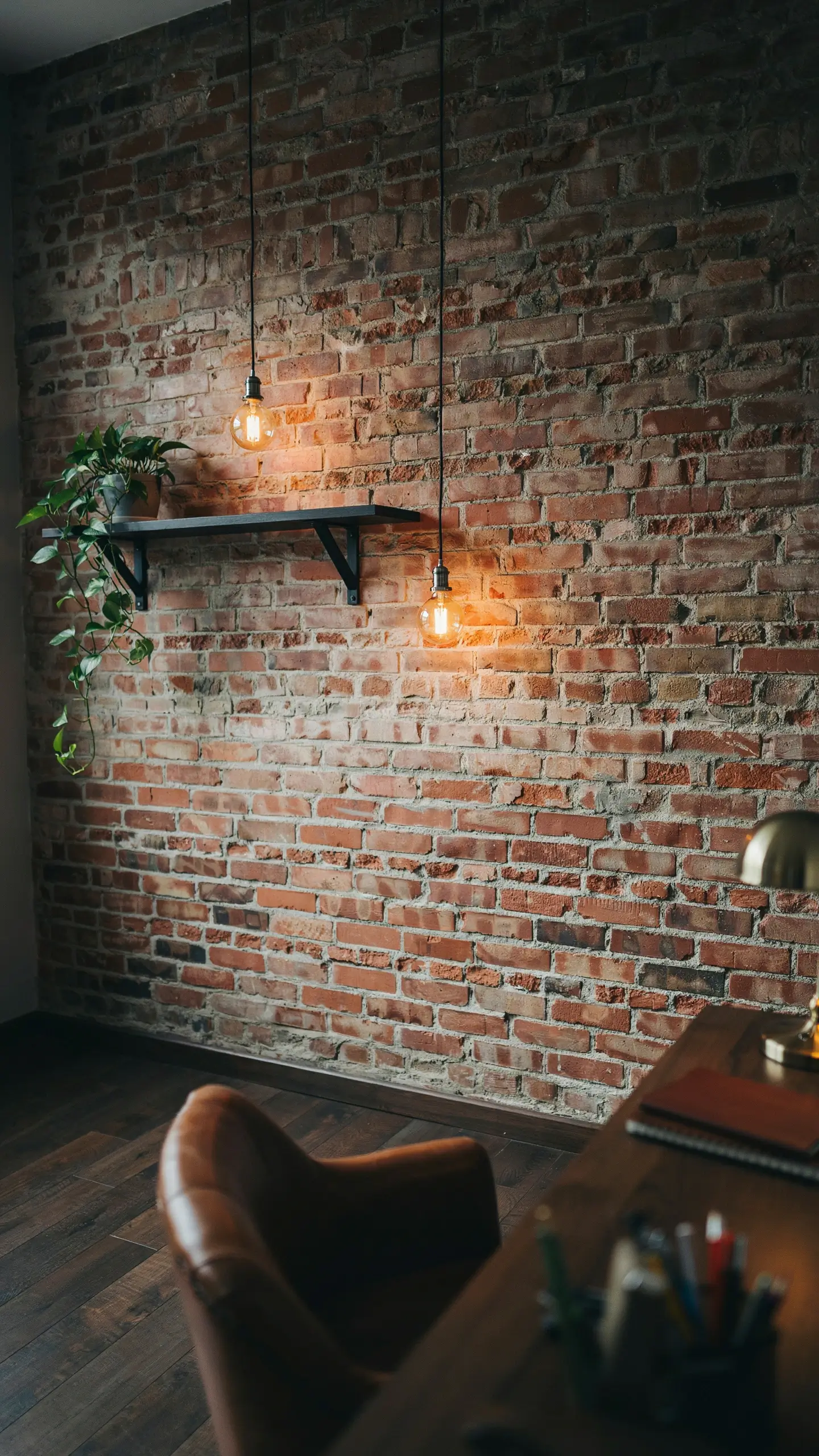
Real exposed brick is one of the most coveted accent wall finishes, and faux brick veneer gets you 90% of the way there without chiseling plaster or spending a fortune. Thin brick panels and individual brick veneer tiles adhere directly to drywall with construction adhesive and grout.
For an even easier version, look for peel-and-stick brick wallpaper panels — they’re particularly convincing in lower-light spaces like home offices, basements, and entryways. Paint the brick in a limewash white for a light, airy exposed-brick look, or leave it natural for an industrial, loft-style feel.
23. Stone Veneer Accent Wall
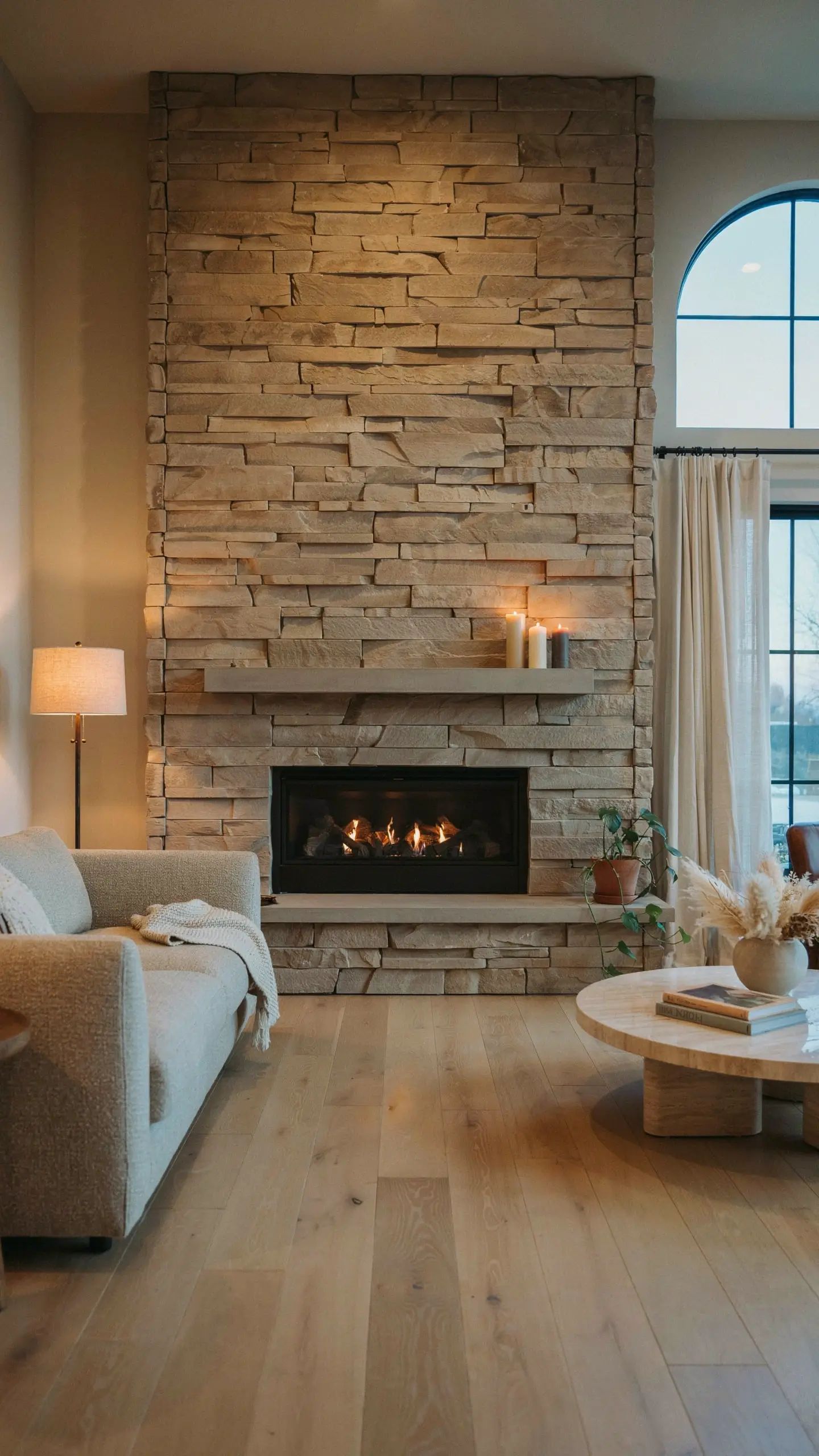
Stone veneer panels attach to a wall with adhesive and give the look of stacked natural stone without any masonry skill required. This works best on a fireplace wall, behind a TV in a great room, or as a feature wall in an entryway where it greets visitors immediately.
Ledger stone in warm gray, sandy beige, or cool white tones are the most versatile. Stack them horizontally for a modern look, or choose an irregular stacked-stone pattern for a more rustic feel.
24. Concrete or Microcement Accent Wall
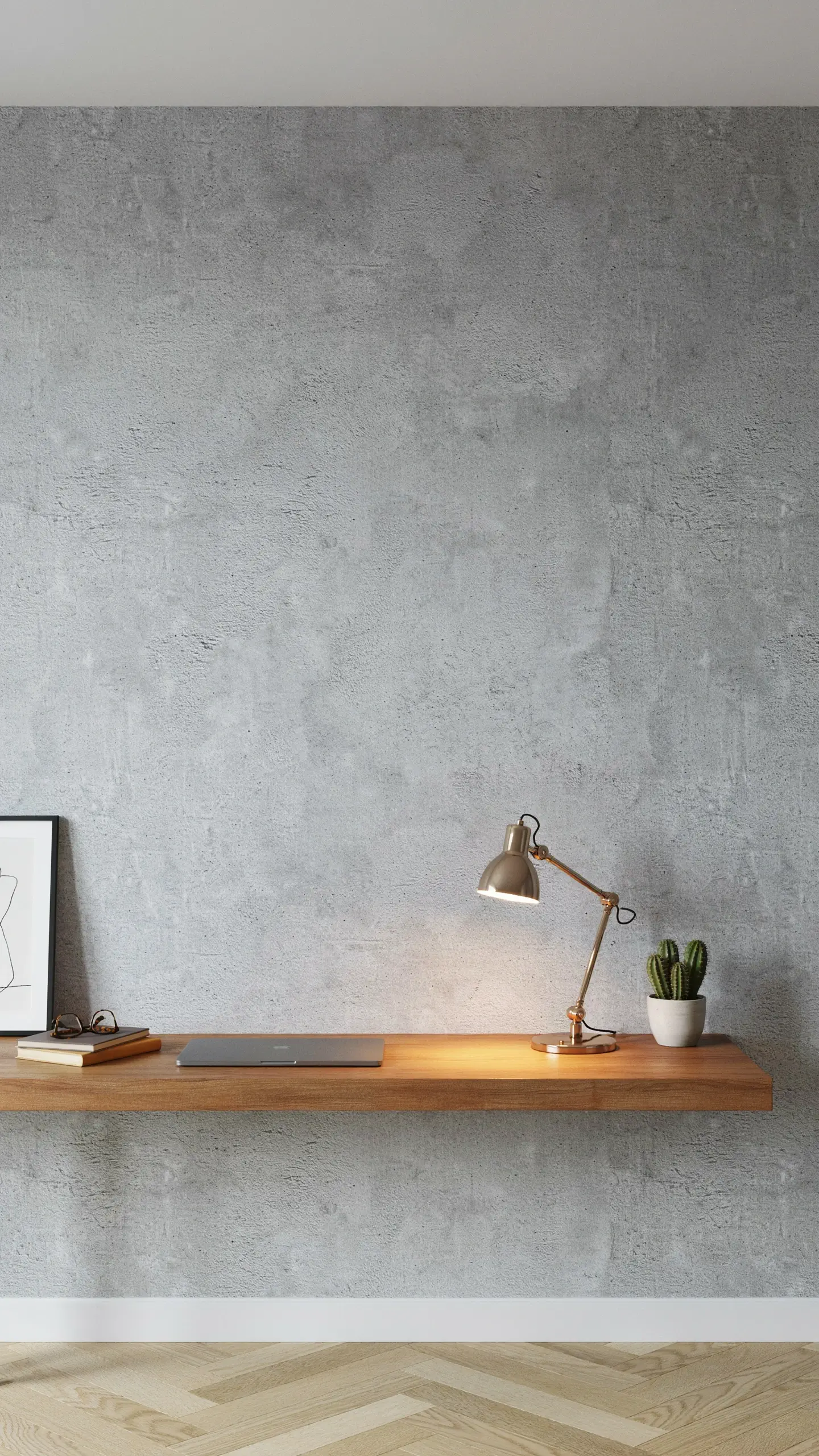
A concrete-look accent wall adds an urban, sophisticated edge that works in modern, industrial, and minimalist homes. Real microcement requires professional application, but concrete-effect paint (Rust-Oleum’s Concrete Accents line, for example) gives a convincing matte, grainy texture you can apply yourself over standard drywall.
This looks particularly strong in home offices, media rooms, and bathrooms. Pair it with warm metals and natural wood to keep it from feeling too cold.
25. Cork Tile Accent Wall
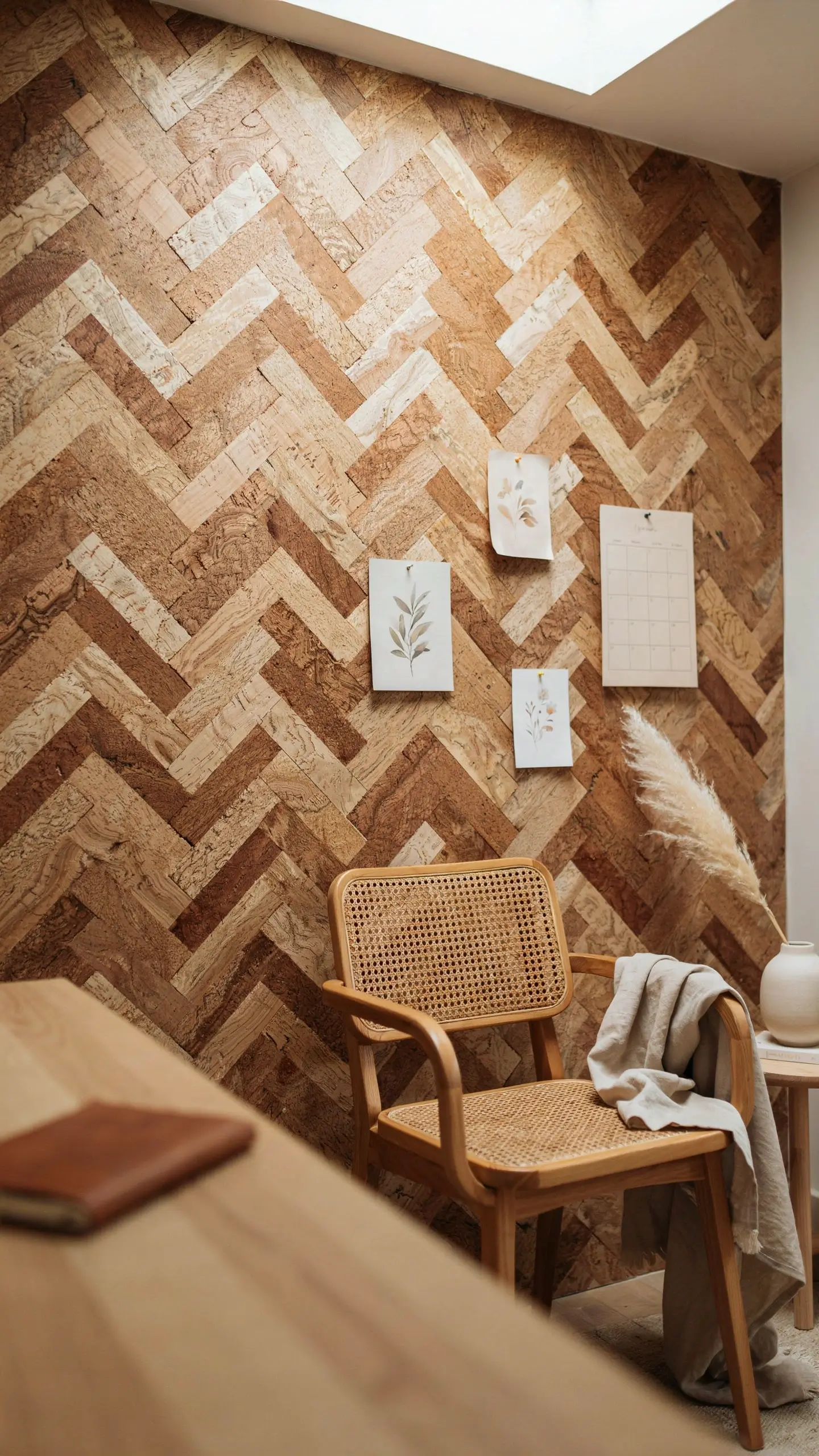
Cork tiles are one of the most underrated accent wall options around. They add a warm, natural texture that reads as organic and intentional, they’re sustainable, and a section of cork behind a home office desk doubles as the world’s most stylish pinboard. Natural cork in a herringbone or running-bond pattern looks genuinely beautiful and costs roughly $2–$4 per square foot.
Paint cork tiles in a solid color — deep green, terracotta, or charcoal — and the texture becomes a design feature rather than an office supply cliché.
Statement and Decorative Accent Wall Ideas
These ideas are less about building and more about arrangement, display, and the kind of bold styling moves that make a room memorable.
26. Salon-Style Gallery WallMirror Gallery Accent Wall
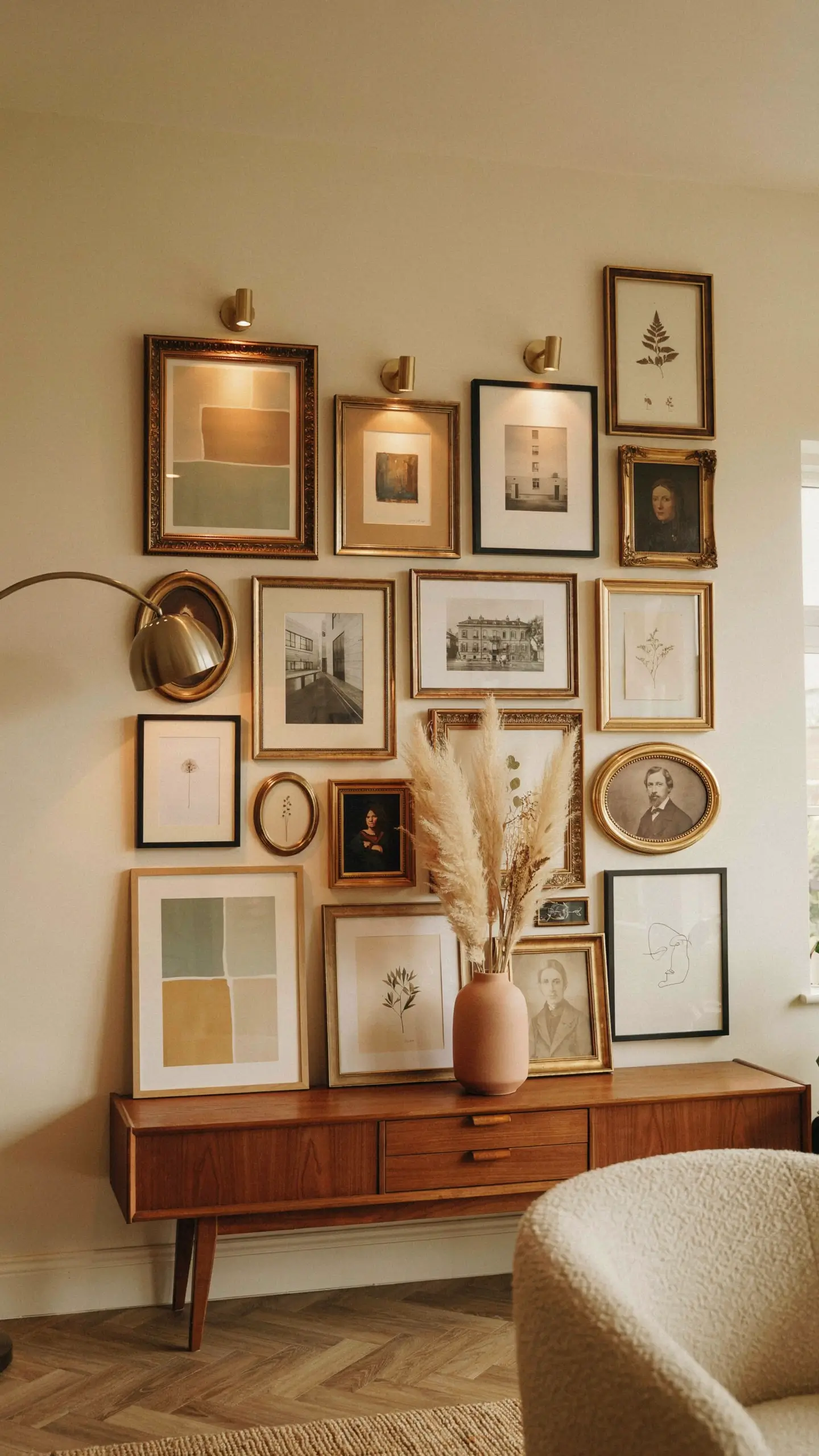
A true salon-style gallery wall covers a wall floor-to-ceiling with art in varying sizes, frames, and subjects arranged close together in an intentional but slightly imperfect grid. The key word is floor-to-ceiling. A small cluster of matching frames on one section of a wall is a gallery corner. A floor-to-ceiling arrangement that fills the wall is a statement.
Mix frame sizes and finishes — gold, black, natural wood — and include art prints, photos, mirrors, and even small shelves with objects. Map your arrangement on the floor first before committing a single nail.
27. Mirror Gallery Accent Wall
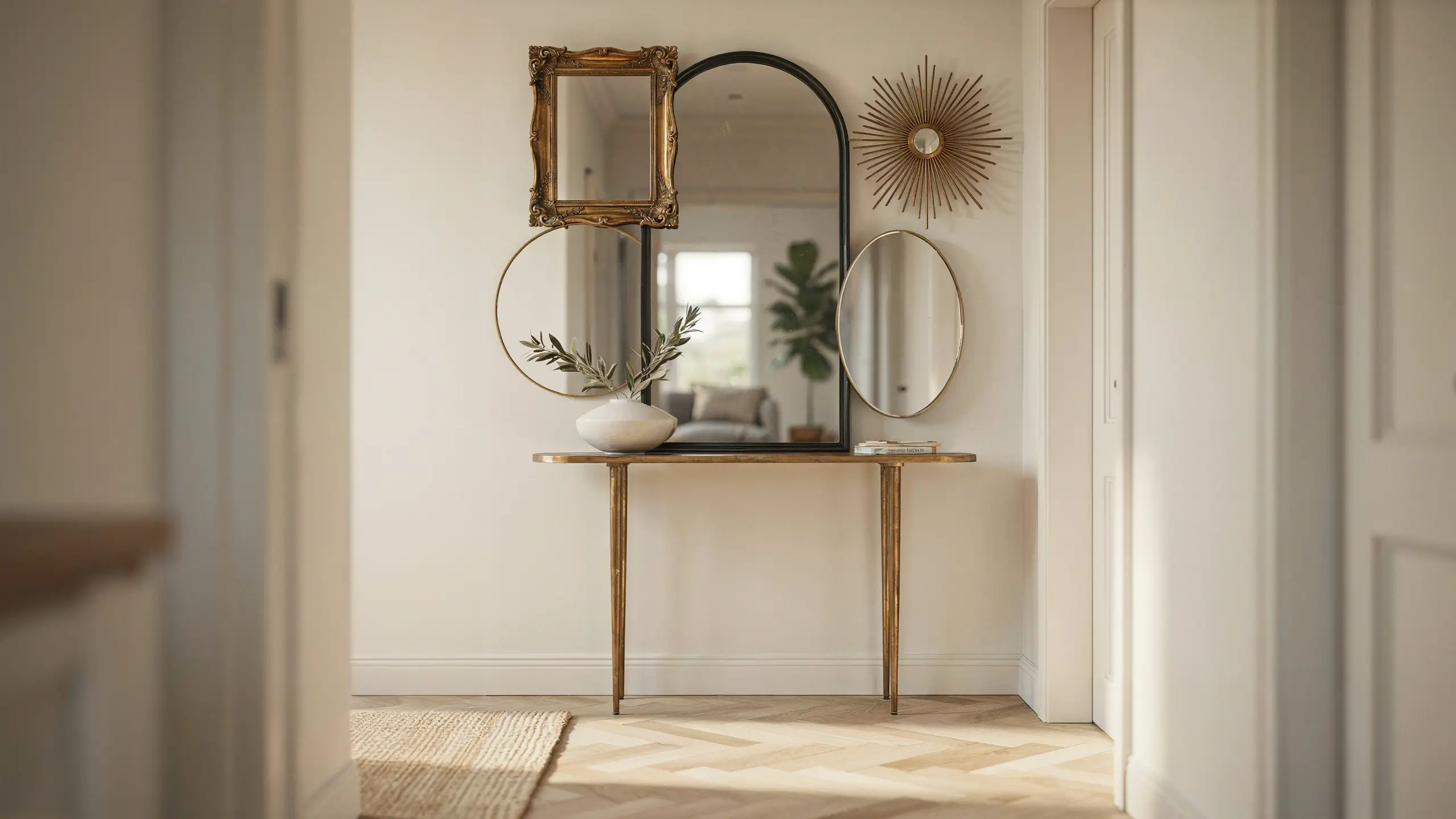
A collection of mirrors in different shapes and sizes creates a wall that reflects light, makes the room feel larger, and acts as art all at once. Arched mirrors, round mirrors, vintage-framed rectangular mirrors, starburst mirrors — all mixed together on one wall.
This is one of the most effective accent wall ideas for small or dark rooms because the reflective surfaces literally bring in more light. Check thrift stores and Facebook Marketplace for interesting frames — a weathered ornate frame from a yard sale and a sleek modern circle mirror can live beautifully side by side.
28. Floating Shelf Wall
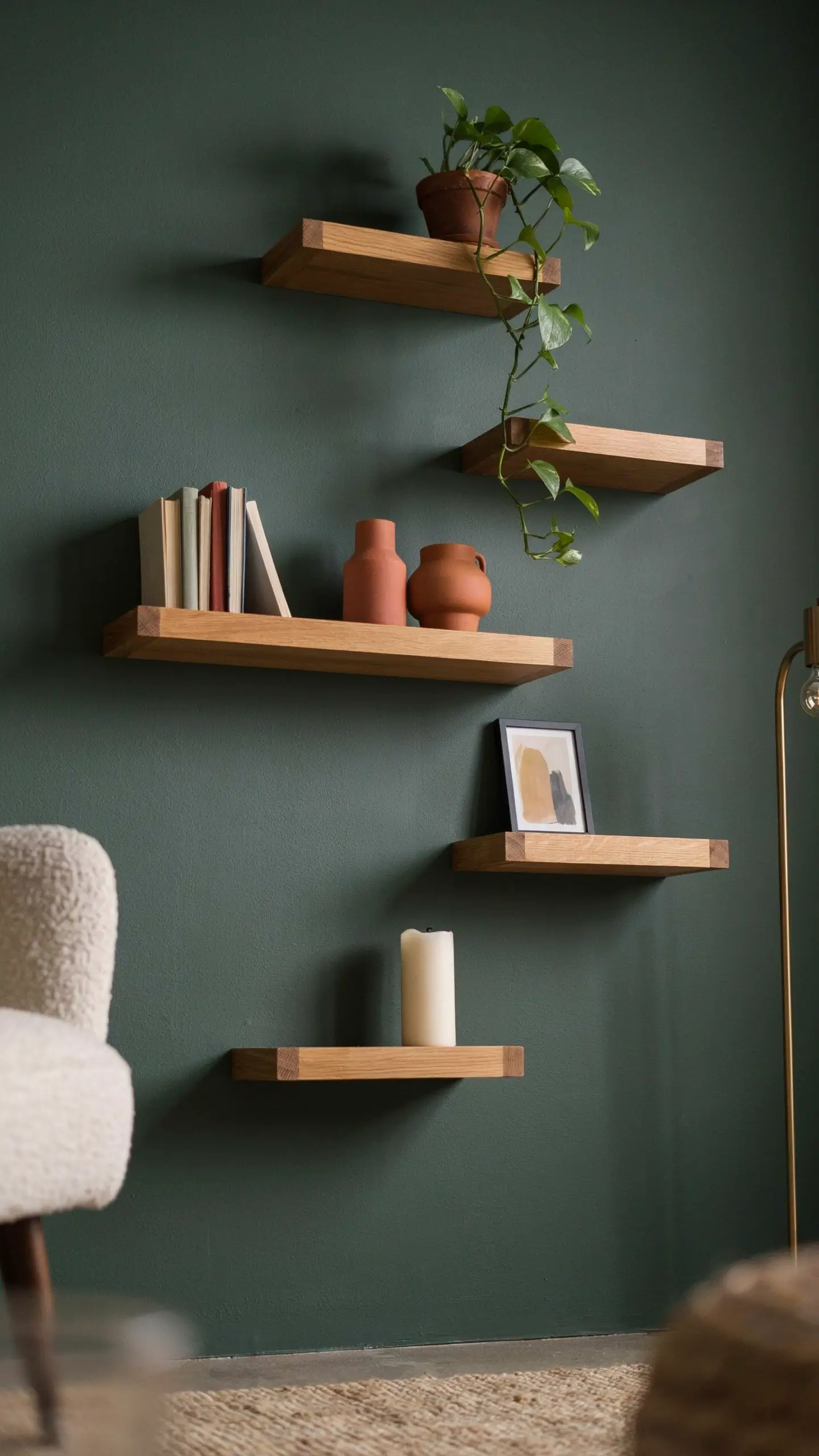
A wall filled with floating shelves at different heights creates a living, evolving accent wall you can style, restyle, and refresh anytime. Layer in plants, candles, art prints, books, ceramics, and trailing vines.
The key is varying the shelf depths and spacing so it doesn’t feel like a storage unit. Use some shelves for purely decorative arrangements, others for plants, and leave occasional gaps so the wall can breathe. Paint the wall behind the shelves a deep accent color and the whole arrangement pops dramatically.
29. Woven Wall Hanging and Textile Accent
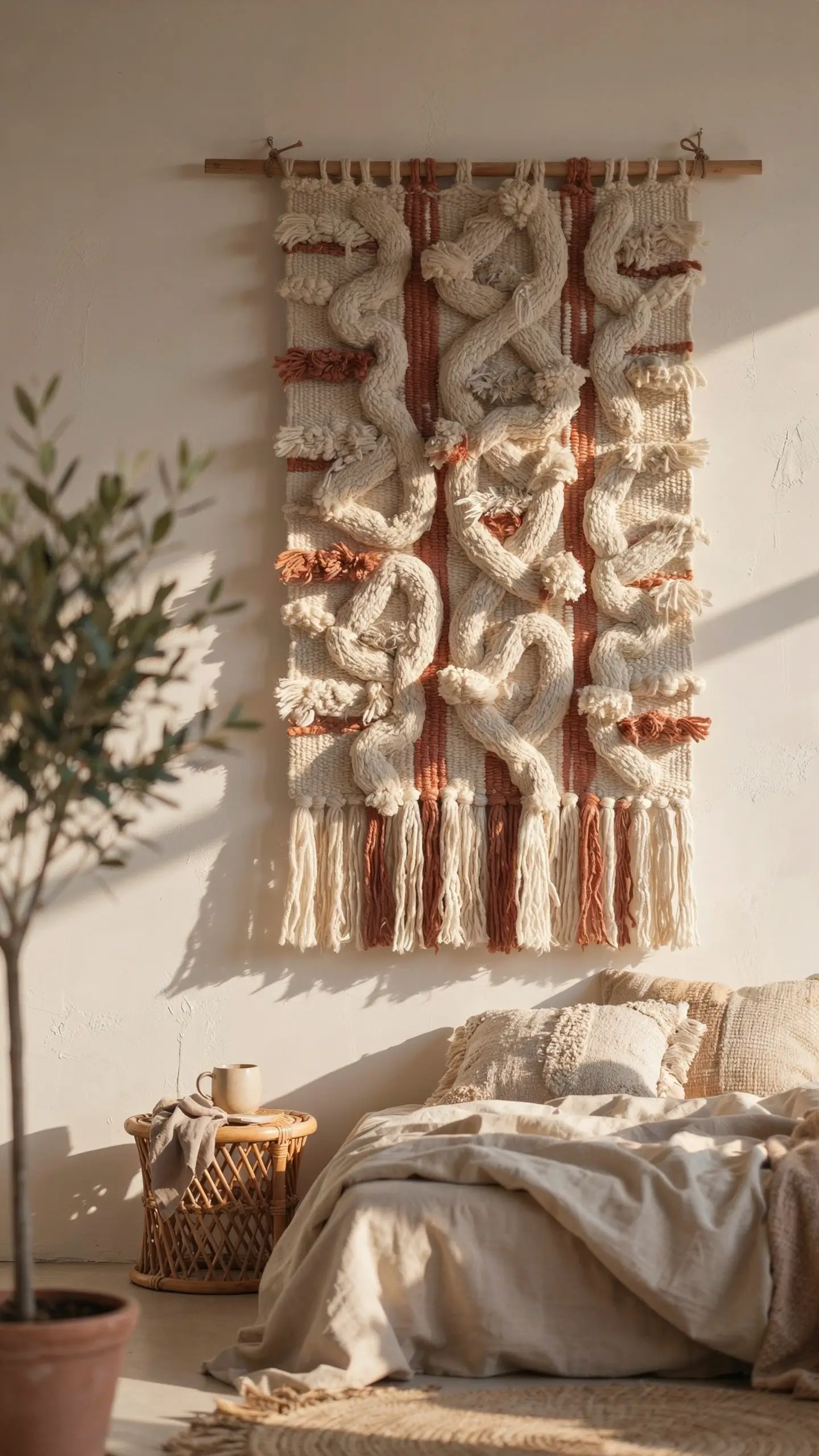
Large woven wall hangings, macramé pieces, vintage rugs hung vertically, or a collection of woven tapestries can create a soft, boho-textured accent wall without a single hole that can’t be filled with a dab of spackle.
A single very large piece — three feet wide or more — reads as bold art. A collection of smaller woven pieces in similar tones clustered together creates a gallery-style textile wall. Either approach adds warmth, sound absorption, and a handcrafted quality that no paint or wallpaper can replicate.
This is one of the most budget-friendly and completely renter-safe accent wall ideas out there. Command strips hold lighter woven pieces. Curtain rod-style dowels manage heavier ones.
30. LED-Backlit Panel or Neon Sign Feature Wall
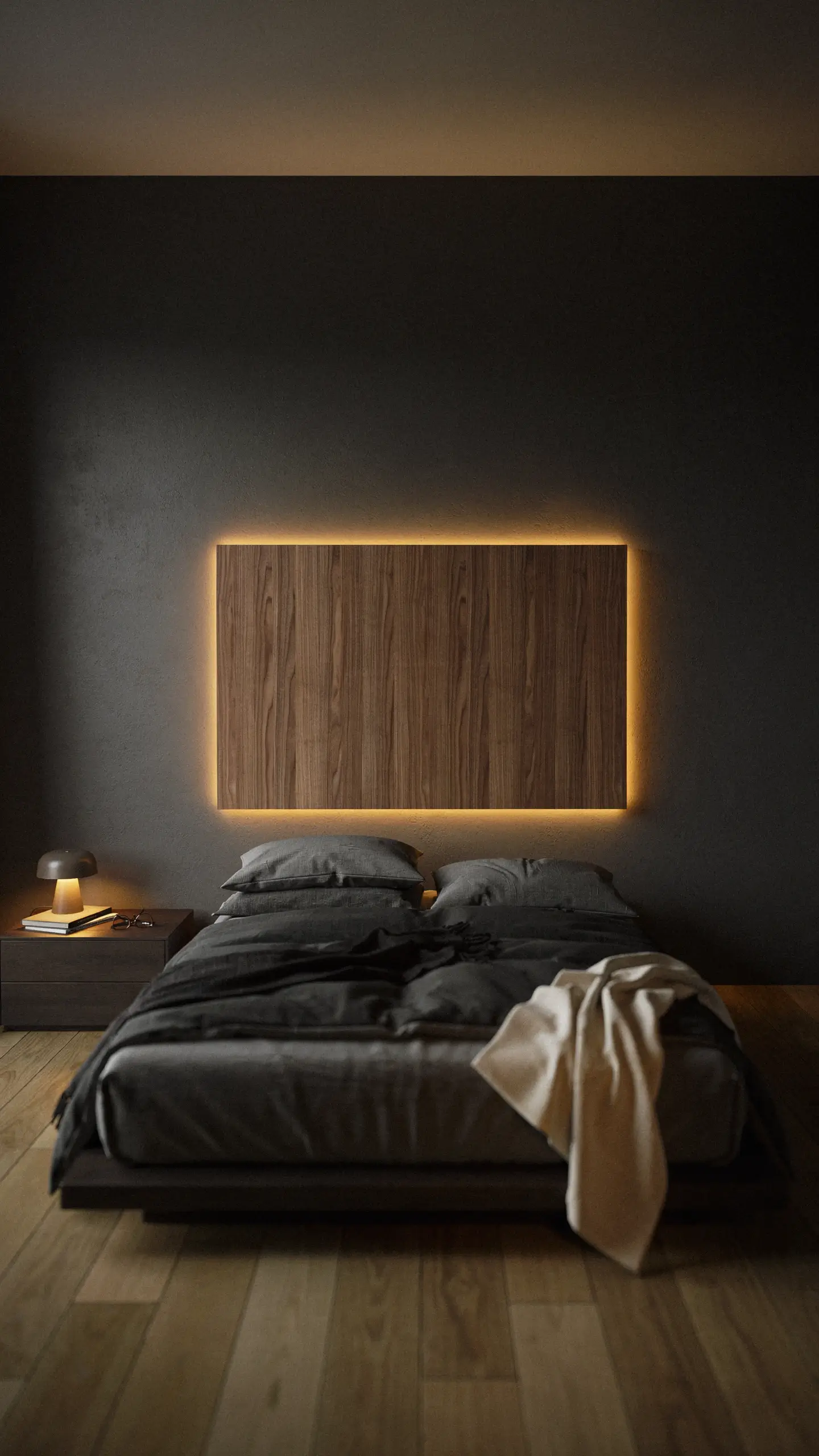
Paint a section of wall behind a bed or TV stand, add thin LED strip lights along the edges of a panel or behind a floating headboard, and the wall glows. This is a modern, dramatic effect that photographs beautifully and feels completely custom.
For an even bolder move, a single LED neon sign in a word or phrase adds personality and a nighttime glow that turns your wall into something that exists somewhere between art and lighting design. In a home office or creative space, this is both a mood-setter and a background for video calls or content creation.
LED strip lights from Govee or Philips Hue, and neon signs from Etsy makers or custom shops like Voodoo Neon, make this easy to achieve for under $100.
Mistakes to Avoid When Creating an Accent Wall
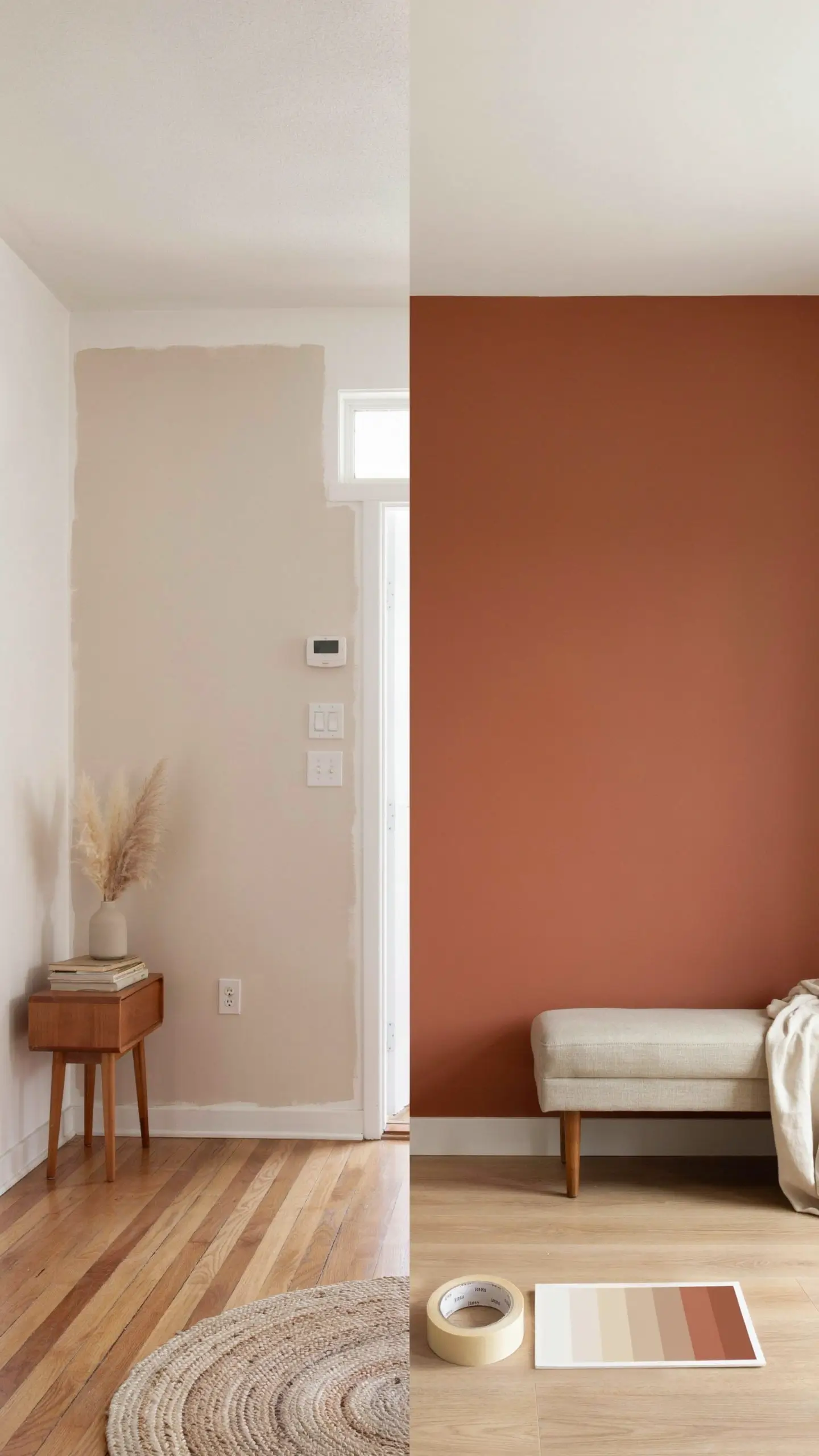
- Picking the wrong wall. An accent wall behind the door nobody sees, or a wall crowded with outlets, switches, and windows, fights itself. Choose a clean, visible focal wall.
- Going too similar in color. An accent wall needs enough contrast to actually read as a feature. A slightly deeper shade of the same color can look like an accidental color variation rather than an intentional design choice.
- Skipping primer. Especially with dark colors and wood over drywall. Primer saves paint and gives you a truer, richer result with fewer coats.
- Not testing the color first. Paint a large sample swatch — at least 12×12 inches — and live with it for 24 hours at different times of day before committing to the full wall.
- Undersizing the treatment. A gallery wall that barely fills half the wall, a wood panel that doesn’t reach the ceiling, a wallpaper that’s cropped awkwardly. Full, complete, floor-to-ceiling or wall-to-wall treatments always read better than timid ones.
- Overdoing it. More than one strong accent wall in a small room usually feels chaotic. Choose one. Make it count.
The Right Accent Wall Changes Everything
Whether you pick a single bold paint color, a peel-and-stick wallpaper, a weekend wood panel build, or a floor-to-ceiling gallery arrangement, the right accent wall turns a room from a space you live in into a space you love being in. That shift is bigger than it sounds.
Start with the idea that excites you most — not the one that feels the most practical or the safest. The best accent walls are the ones where you looked at a blank wall and let yourself be just a little bit brave with it.
Come back and tell me which idea you’re trying first. I genuinely love hearing which direction people go with this, and I’d love to see photos if you share them.
Which of these 30 gorgeous accent wall ideas is calling your name? Drop a comment below — I’d love to know what your space looks like and which direction you’re thinking of going. And if you save this post to Pinterest, it makes it so much easier to come back to later when you’re ready to start.



No Comment! Be the first one.