




How to Decorate a College Apartment: A Room-by-Room Guide for Small Budgets
Moving into your first college apartment is exciting until you’re standing in an empty room wondering where to even start. Unlike a dorm, you’ve suddenly got a bedroom, a living room, a...

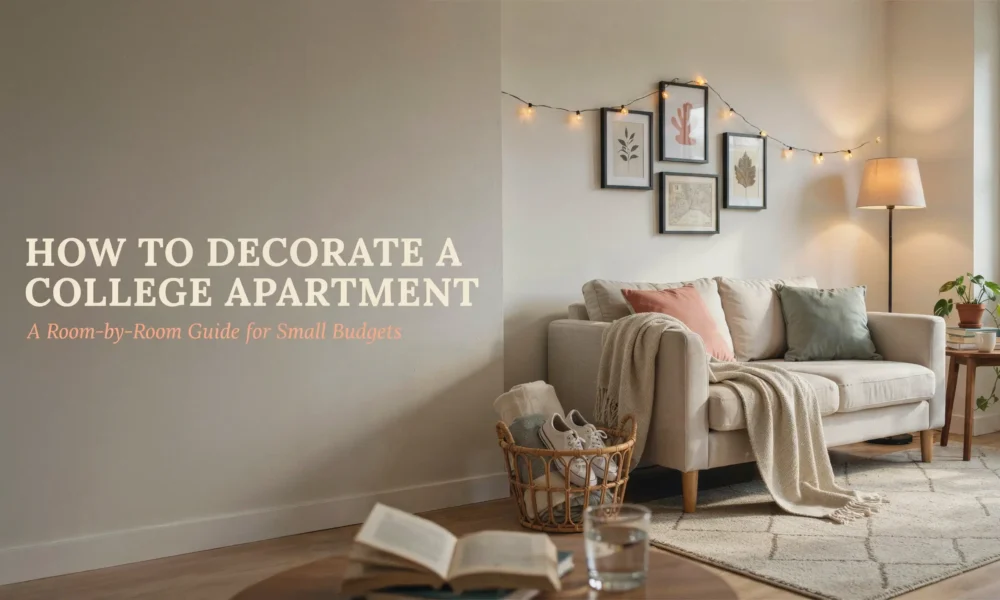
Moving into your first college apartment is exciting until you’re standing in an empty room wondering where to even start. Unlike a dorm, you’ve suddenly got a bedroom, a living room, a kitchen, and a bathroom to fill, and your student budget did not get the memo.
The good news is you don’t need a big budget or a design degree to make your apartment feel like home. You just need a plan. This guide walks through how to decorate a college apartment one room at a time, with ideas that are realistic to pull off, renter-friendly, and pretty enough to actually want to show off.
Start With a Plan Before You Buy Anything
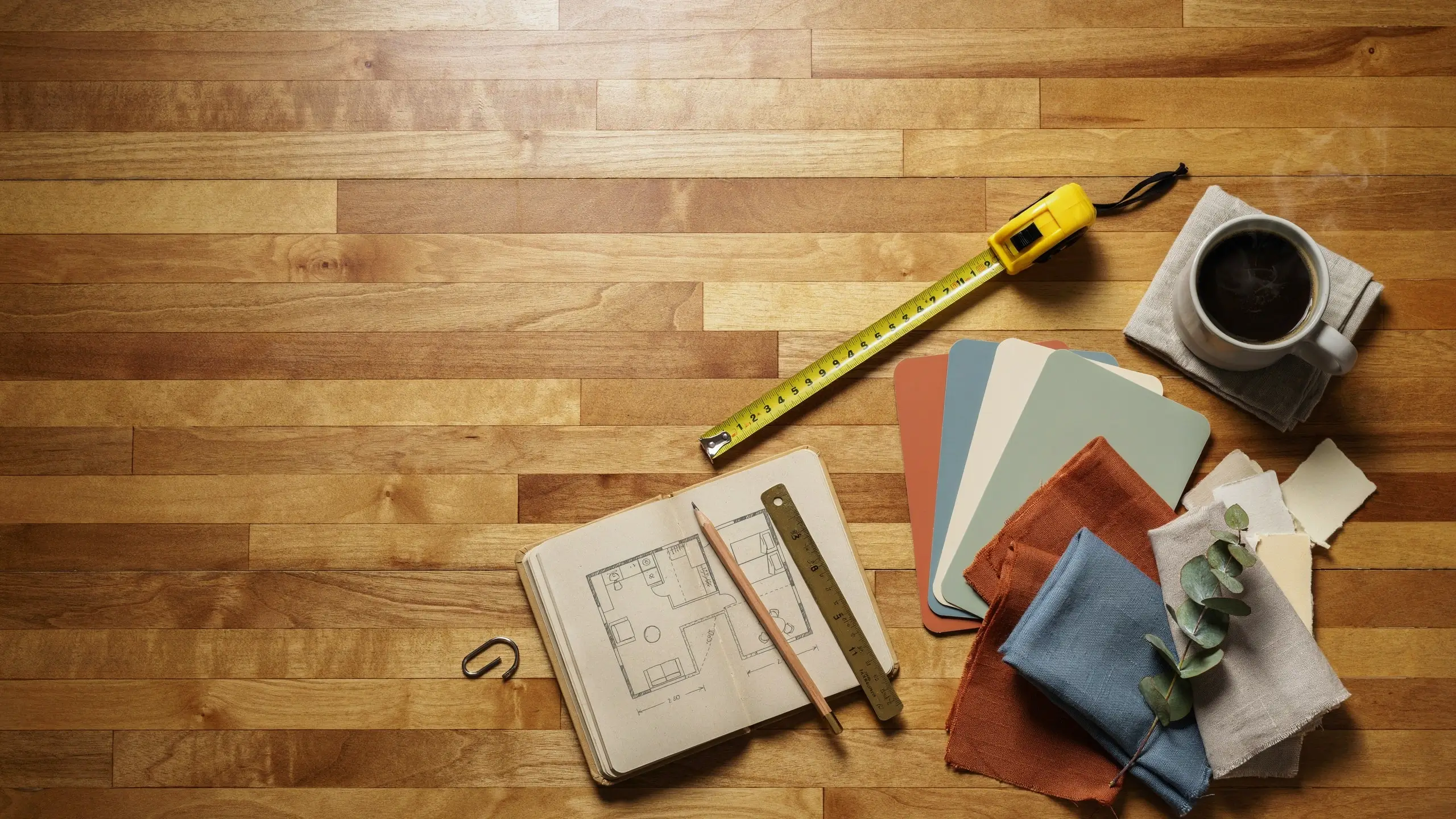
It’s tempting to walk into Target and start grabbing whatever looks cute. Resist that urge. A few minutes of planning saves you from buying things you’ll return or, worse, things that don’t fit.
Measure your rooms first. Write down the dimensions of your bedroom, living room, and any hallway or doorway you’ll need to move furniture through. A couch that looks small online can turn into a nightmare on move-in day if it doesn’t fit through the door.
Pick a color palette before you shop. Two or three main colors plus a neutral base keeps your whole apartment feeling pulled together instead of like a random collection of dorm leftovers. For 2026, soft neutrals paired with earthy greens, warm terracotta, or dusty blue and pink are showing up everywhere on Pinterest, but honestly any palette works as long as you stick to it room to room.
Check your lease before you drill, paint, or wallpaper anything. Most college apartments don’t allow permanent changes, and losing your security deposit over a paint job is not worth it. Look for language about nail holes, painting, and wallpaper so you know your limits going in.
Bedroom Decor Ideas That Make Small Rooms Feel Like Yours
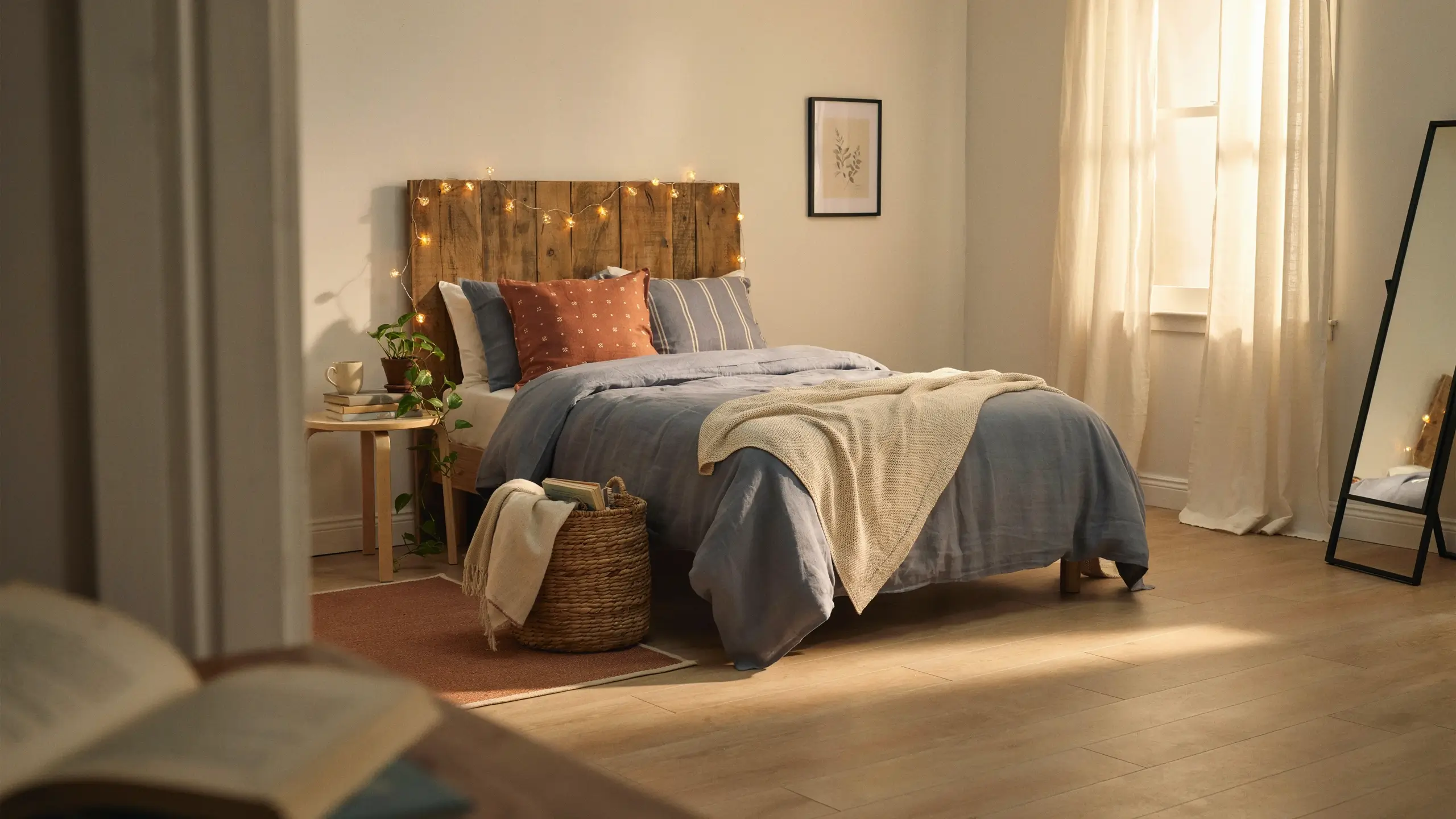
Your bedroom is the one space in the apartment that’s fully yours, so it’s worth putting extra thought into.
- Make your bed the focal point. Layer a duvet or comforter with a couple of throw pillows and a textured blanket at the foot. This is the single fastest way to make a room look finished, and it photographs beautifully for Pinterest too.
- Add lighting in layers, not just one overhead bulb. Most college apartment bedrooms have weak overhead lighting or none at all. A floor lamp for general light, a desk lamp for tasks, and warm white string lights or an LED strip along your headboard or ceiling line gives the room depth instead of one flat glow. Stick to warm white bulbs, around 2700K to 3000K, for a cozy feel instead of a harsh dorm-room look.
- Cover a wall with a tapestry or fabric panel instead of paint. A large tapestry hung with removable adhesive hooks adds color and texture to a blank rental wall without a single nail hole, and it’s easy to take down when you move out.
- Build a gallery wall with removable strips. Mix photos, prints, and small art pieces using picture-hanging strips rated for your item’s weight. Lay everything out on the floor first to plan spacing before you commit to the wall.
- Put a mirror where it earns its space. A full-length or leaning mirror opposite your window bounces natural light around the room and makes a small bedroom feel noticeably bigger. It’s also one of the most repinned bedroom tips for a reason.
- Use the space under your bed. Flat storage bins or a rolling under-bed cart hold off-season clothes, extra bedding, or shoes without taking up floor space you don’t have.
Living Room Decor Ideas for Shared Spaces
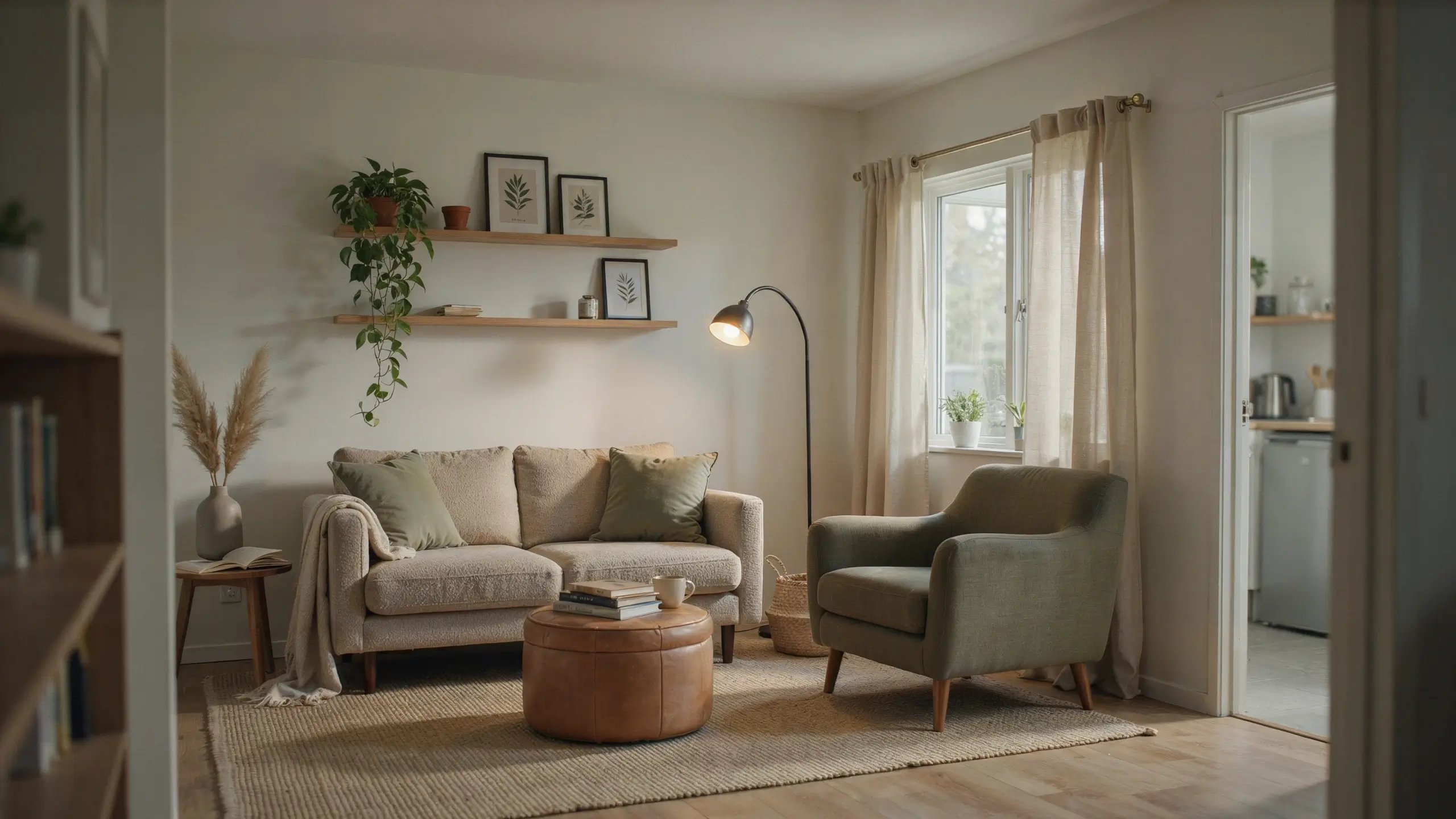
The living room usually has to work harder than any other room since it’s shared, used for studying, hanging out, and hosting friends all at once.
- Start with a rug to anchor the room. A rug instantly makes a bare apartment floor feel warmer and defines your seating area, especially in open-concept layouts where the living room blends into the kitchen. Go big enough that your front furniture legs can sit on it.
- Layer your lighting here too. A floor lamp in the corner, a table lamp near the couch, and string lights along a shelf or window frame beat one glaring overhead light every time. Dimmer plugs are an easy, renter-safe way to control the mood without rewiring anything.
- Choose a storage ottoman instead of just a coffee table. It gives you a place to put your feet up, extra seating when friends come over, and hidden storage for blankets or game controllers, all in one piece of furniture.
- Build a gallery wall or shelf display behind the couch. Floating shelves with removable mounting brackets, styled with a mix of books, small plants, and a few framed prints, fill empty wall space and give the room personality without permanent damage.
- Use curtains, even if your windows already have blinds. Curtain rods that use tension or adhesive brackets add softness and height to the room and can double as a privacy layer or light blocker for late-night study sessions.
- Section off a hangout corner if you have floor space to spare. A couple of floor pillows, a low side table, and a small speaker turn an empty corner into a spot for game nights or study groups without buying a single extra piece of furniture.
Kitchen Decor and Organization Ideas
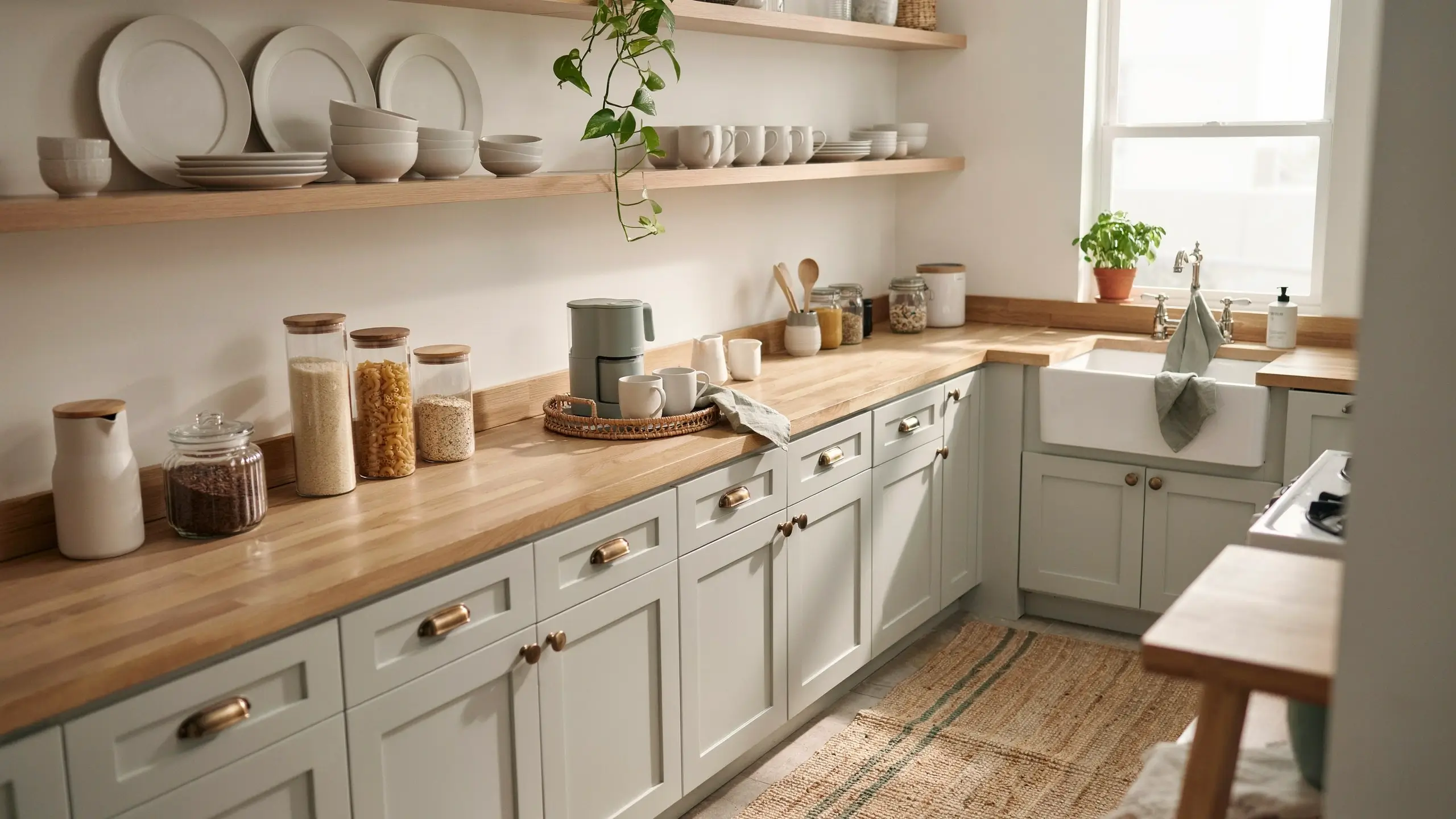
College apartment kitchens are usually tiny and rarely get any decorating attention, which is exactly why a little effort here goes a long way.
- Style your open shelving or cabinet fronts. If you have open shelves, group items by color or type, like all your white dishes together and mugs on a separate shelf, so it reads as intentional instead of cluttered. Even a single open shelf with a plant and a stack of bowls looks better than bare cabinets.
- Set up a small coffee or tea station. Use a tray on your counter to corral your mugs, coffee pods, and sweeteners into one spot. It keeps clutter contained and makes your kitchen feel like a real home instead of a pass-through.
- Add a runner rug in front of the sink. It’s a small detail that adds color underfoot and protects your feet from cold tile during early morning classes.
- Hang command hooks for towels and utensils. Skip drilling into cabinets. Adhesive hooks rated for kitchen use hold dish towels, oven mitts, or hanging utensils and come off clean when you move out.
- Use clear containers for pantry items. Glass jars or clear bins for flour, sugar, rice, and snacks look tidy on open shelving and help you actually see what you’re running low on before a grocery run.
Bathroom Ideas That Make a Small Space Feel Nicer
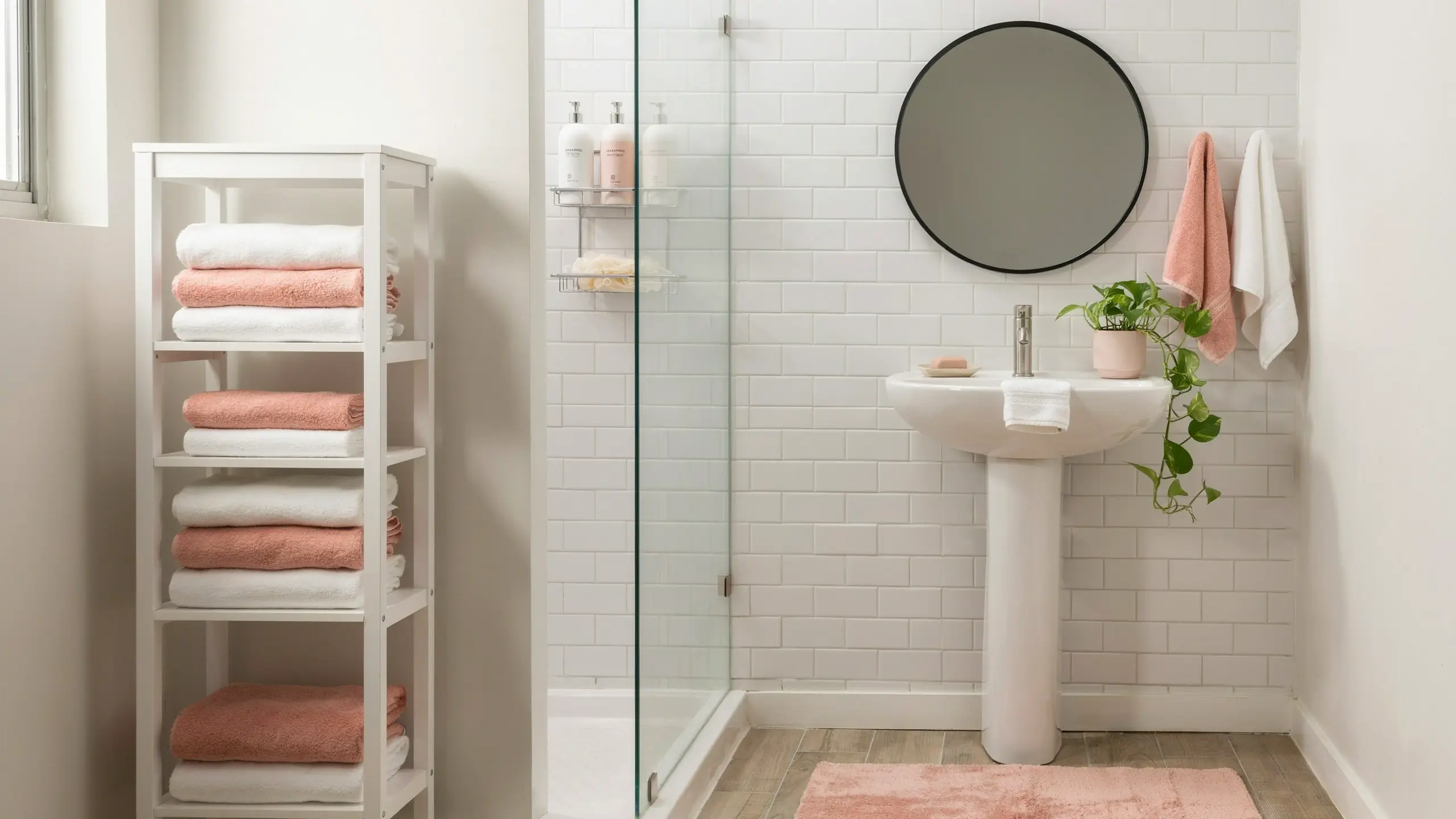
Bathrooms in college apartments are often the most neglected room, but a few small changes make a big difference.
- Match your towels and bath mat to your color palette. This is the easiest, cheapest way to make a bathroom look pulled together, and it takes zero DIY skill.
- Add a tension shower caddy instead of relying on the tub ledge. It keeps bottles organized without suction cups that fall off or permanent shelving you can’t take with you.
- Use over-the-toilet storage for extra shelving. These freestanding units add storage for towels and toiletries without any installation, which matters in a bathroom where you usually can’t drill into tile.
- Bring in one low-light plant. Something like a pothos or snake plant handles bathroom humidity and low light well and softens a space that’s usually all hard surfaces.
- Hang a small mirror or piece of art on a command strip. Rated adhesive strips work great on smooth painted walls and hold light frames without damaging paint.
Desk and Study Nook Ideas
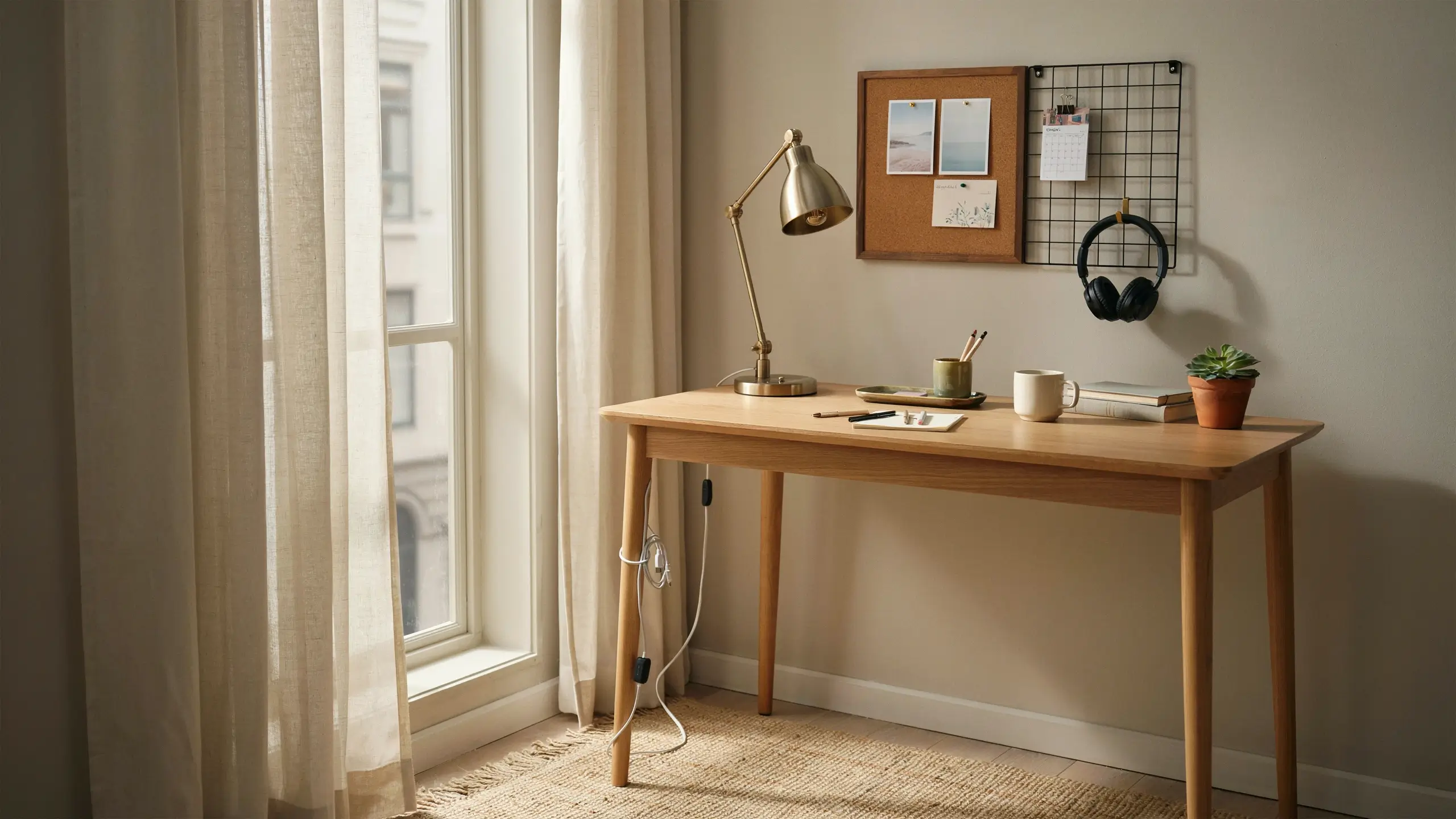
Since you’ll actually be working here, function should come before looks, but you can have both.
- Position your desk near natural light if you have a choice. It cuts down on eye strain and reduces how much you rely on artificial light during the day.
- Add a dedicated task lamp with an adjustable arm. Overhead lighting alone is rarely enough for reading or laptop work at night.
- Corral cords with clips or a cord box. A tangle of charger cables under your desk is one of the fastest ways to make an otherwise cute setup look messy.
- Use a wall grid or corkboard above your desk. It holds notes, a calendar, and photos without using up desk surface, and it doubles as decor.
- Keep your desk surface intentionally empty. A small tray for pens, a mug for supplies, and maybe one plant is enough. A cluttered desk makes it harder to focus and harder to enjoy the space.
Roommate Coordination Tips for Shared Spaces
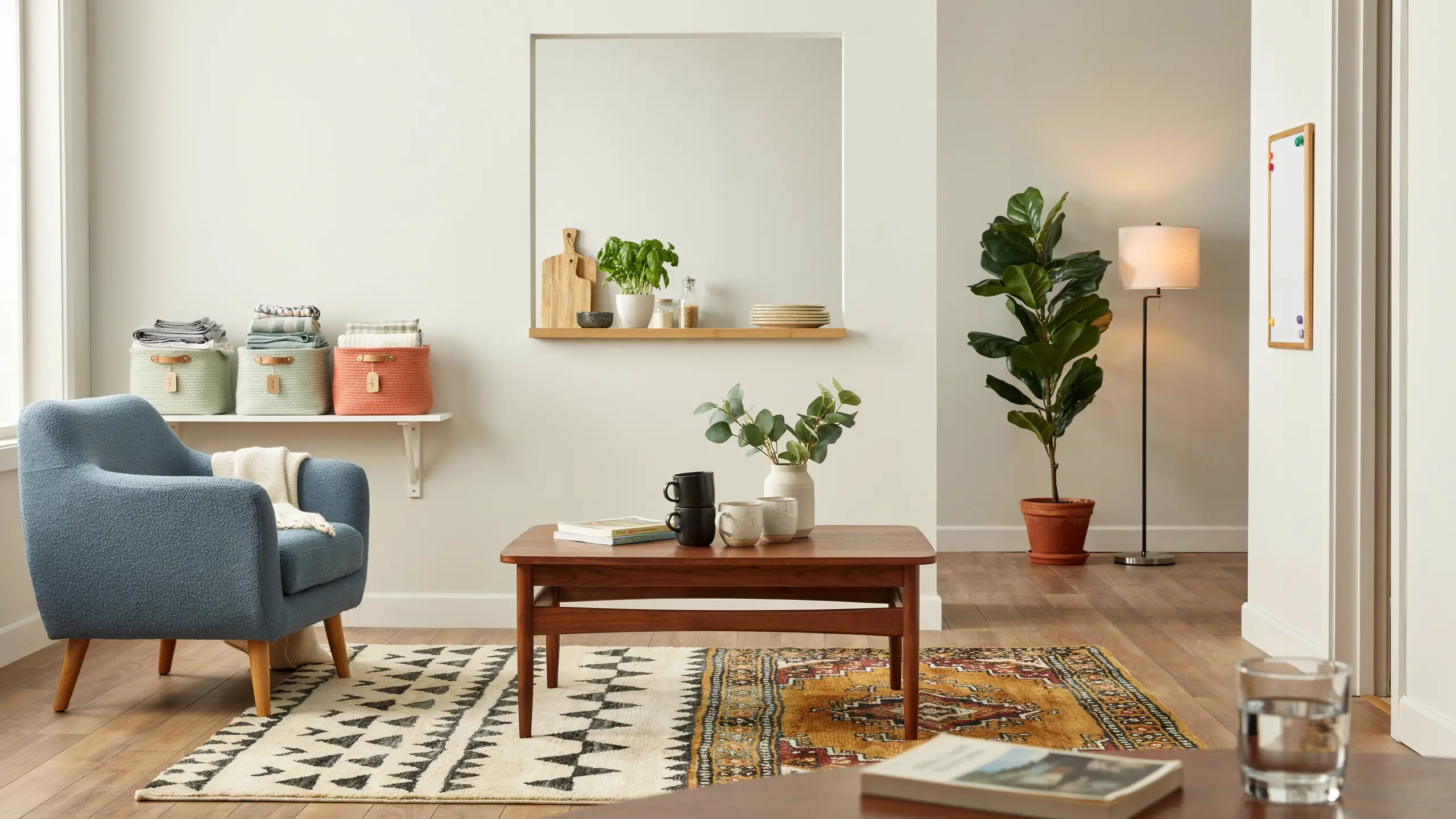
If you’re splitting an apartment, a little communication before you shop saves money and awkward furniture standoffs later.
- Talk about who’s bringing what for shared spaces before move-in day so you don’t end up with three couches and no dining table.
- Split the cost of big shared items like a rug or coffee table so nobody feels stuck covering it alone.
- Agree on a general color direction for the living room and kitchen even if your bedrooms look totally different.
- Label shared storage, especially in the kitchen and bathroom, so nobody’s toothpaste ends up in someone else’s caddy by accident.
Budget-Friendly Places to Shop
You don’t need a big budget to pull this off, you just need to know where to look.
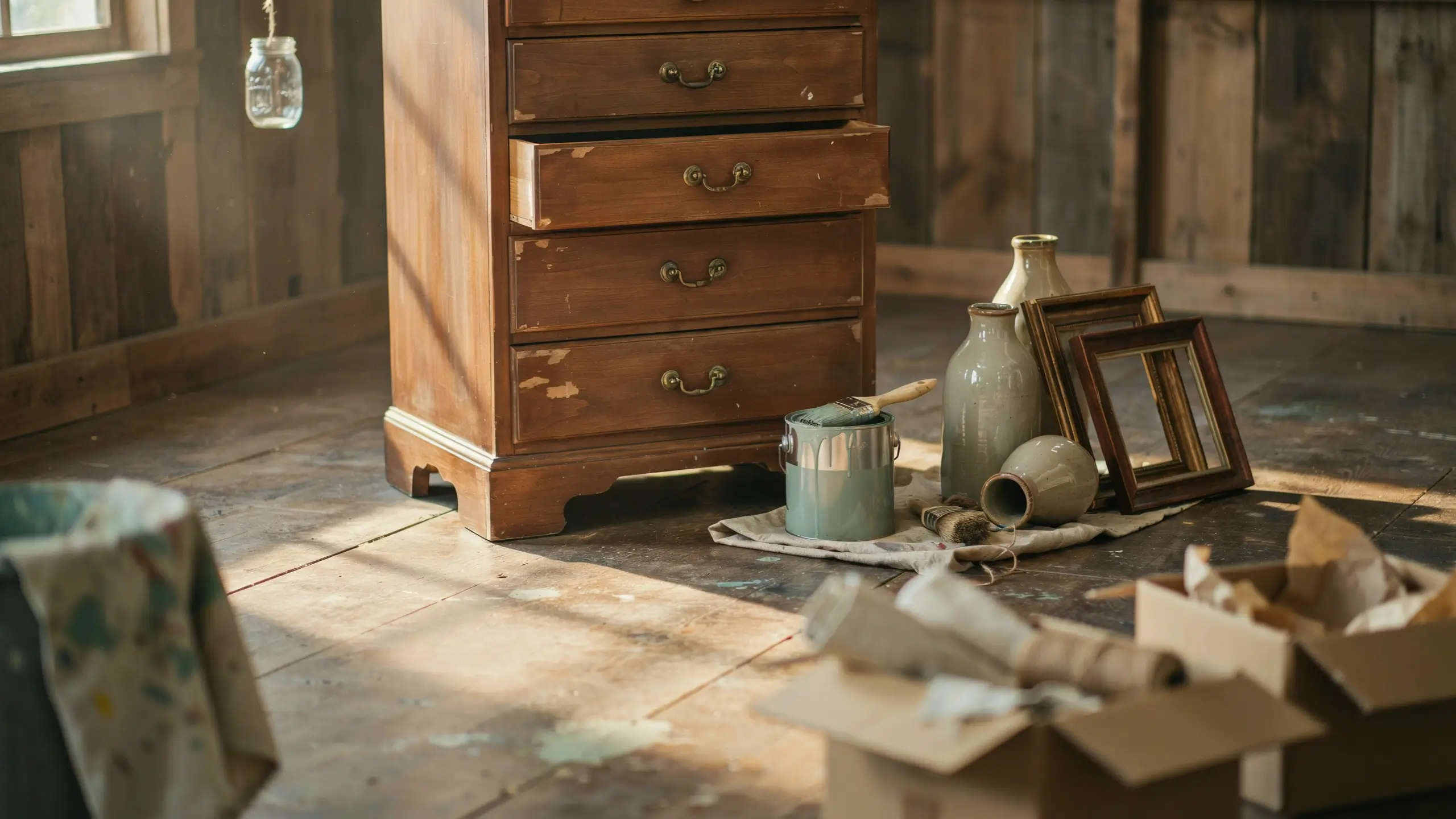
- Thrift stores and Facebook Marketplace are the best sources for furniture like bookshelves, side tables, and dressers, often for a fraction of retail price. A little sanding and a coat of paint can make an old find look brand new.
- Target’s dollar spot and clearance sections are worth checking every few weeks for small decor pieces.
- IKEA is reliable for affordable, space-efficient furniture that actually fits small apartments.
- Amazon is your go-to for command hooks, string lights, storage bins, and other renter-friendly basics.
- Estate sales and end-of-semester move-out sales near campus are an underused goldmine for cheap furniture from students who are graduating and don’t want to haul their stuff home.
Mistakes to Avoid When Decorating a College Apartment
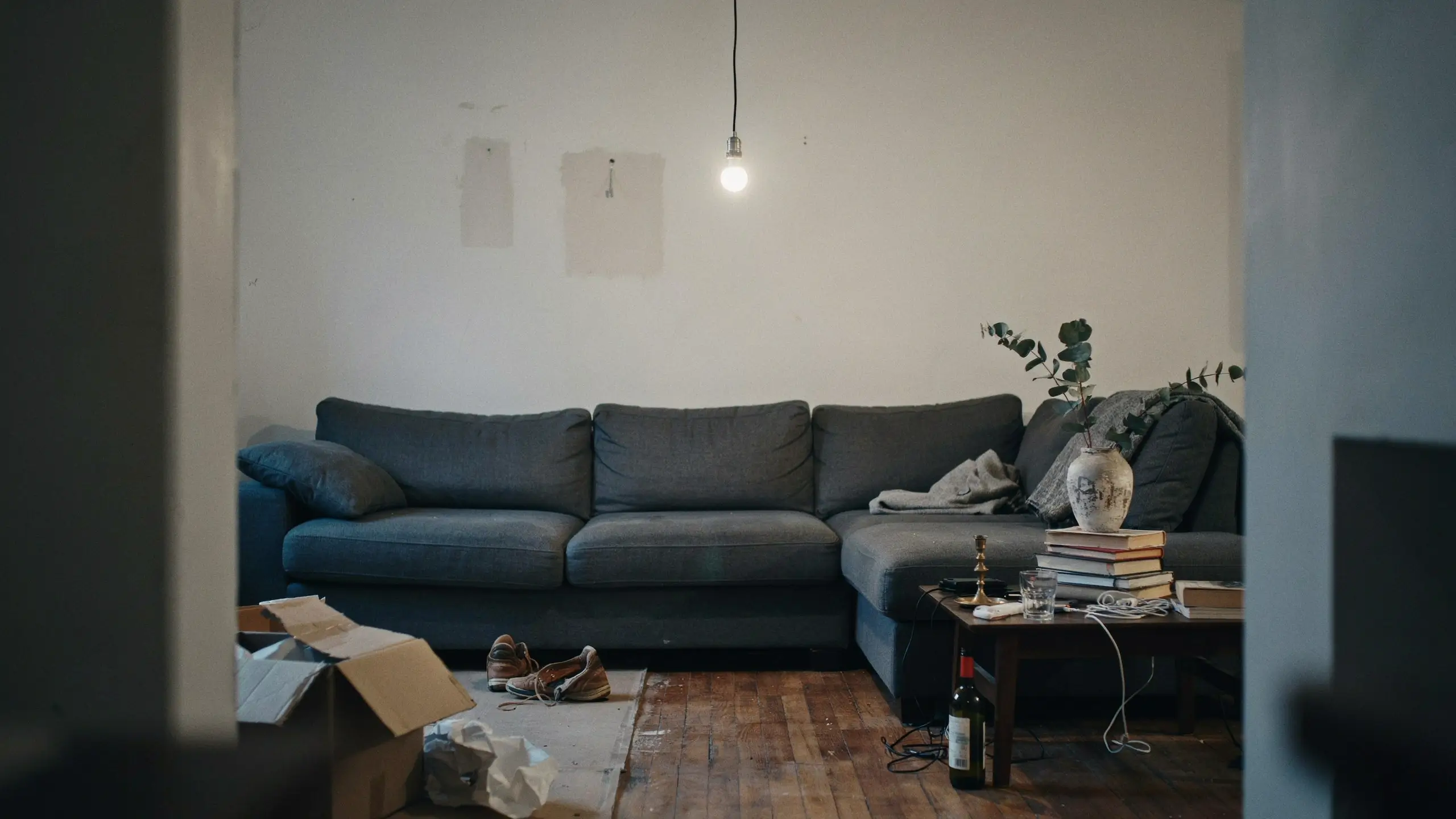
- Buying furniture before measuring your space. A couch that looks perfect in photos can eat up your entire living room if you skip this step.
- Drilling or painting without checking your lease first. This is the fastest way to lose part of your security deposit. Stick to removable, renter-friendly products unless your lease specifically allows changes.
- Spending your whole budget on one big item. A statement piece is nice, but an apartment with one expensive couch and nothing else usually looks less finished than one filled with smaller, thoughtful pieces.
- Relying on one overhead light for the whole room. It’s the number one reason college apartments feel cold and unfinished. Layered lighting fixes this almost instantly.
- Not talking to your roommates before buying shared items. Save yourself the returns and the awkward conversation by coordinating early.
- Overcrowding every wall and surface. A few meaningful pieces read as intentional. Too many items at once start to feel cluttered instead of cozy.
Final Thoughts
Decorating a college apartment doesn’t happen in one weekend, and that’s okay. Start with the basics in each room, lighting, a rug, your bedding, and let the rest come together over your first semester. The apartments that feel the most like home usually aren’t the ones with the biggest budget. They’re the ones filled with pieces the person living there actually chose on purpose.
What room are you tackling first? Let me know in the comments, I’d love to hear what your college apartment style is turning into.




No Comment! Be the first one.