




How to Snake Proof Your Garden Without Chemicals
If you have ever frozen mid-step because something moved in your garden bed, you already know why you are here. That jolt of adrenaline when a snake slips out from under a hosta or slides across the...

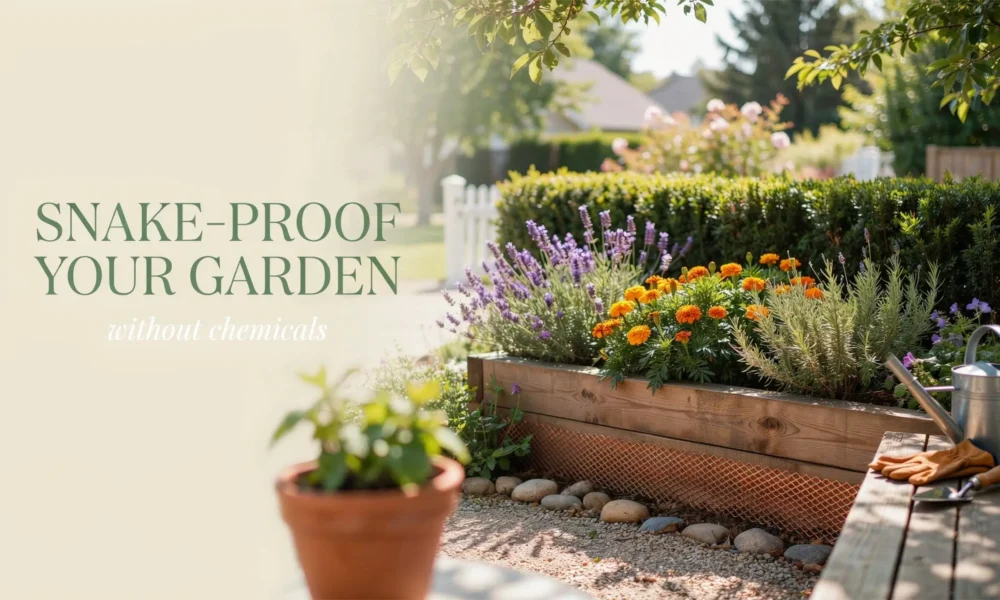
If you have ever frozen mid-step because something moved in your garden bed, you already know why you are here. That jolt of adrenaline when a snake slips out from under a hosta or slides across the mulch path is enough to make anyone want a solution fast.
Here is the good news. You do not need mothballs, sulfur granules, or a bottle of something toxic sitting next to your tomatoes to keep snakes out of your garden. Most commercial snake repellents barely work anyway, and some of them are genuinely dangerous to have around kids, pets, and the plants you are trying to grow in the first place.
Snake proofing your garden naturally comes down to three things: taking away what attracts them, making the space physically harder to get into, and using scents and plants they genuinely dislike. Do all three well and you will notice a real difference within a season.
This guide walks through exactly how to do that, step by step, without a single chemical spray.
Why Chemical Snake Repellents Don’t Really Work Anyway
Before we get into what works, it helps to know why the stuff on the hardware store shelf usually does not.
Most granular snake repellents rely on naphthalene, the same chemical found in mothballs. It smells awful to us, but there is little solid evidence it actually repels snakes. What it does do reliably is irritate skin and eyes, and it is toxic if pets or kids get into it. Sulfur based repellents have the same problem: strong smell, weak results.
So if you have tried a bag of granules before and felt like nothing changed, that is not you doing something wrong. It is the product not doing its job.
The methods below focus on what snakes are actually responding to: food, water, shelter, and scent. Change those four things and you change whether your garden feels safe to a snake at all.
What Actually Attracts Snakes to a Garden
Snakes are not coming into your yard to bother you. They are looking for three things, and your garden probably offers at least one of them without you realizing it.
- Food. Snakes eat rodents, slugs, insects, and sometimes bird eggs. If you have mice, voles, or a healthy population of garden pests, you have a food source.
- Water. Bird baths, low spots that collect rain, leaky hoses, and pet water bowls left outside all count.
- Shelter. Tall grass, wood piles, thick mulch, dense ground cover, and garden clutter give snakes a cool, hidden place to rest during the heat of the day.
Once you understand that, the rest of this list makes a lot more sense.
1. Clear Out Brush, Wood Piles, and Garden Clutter
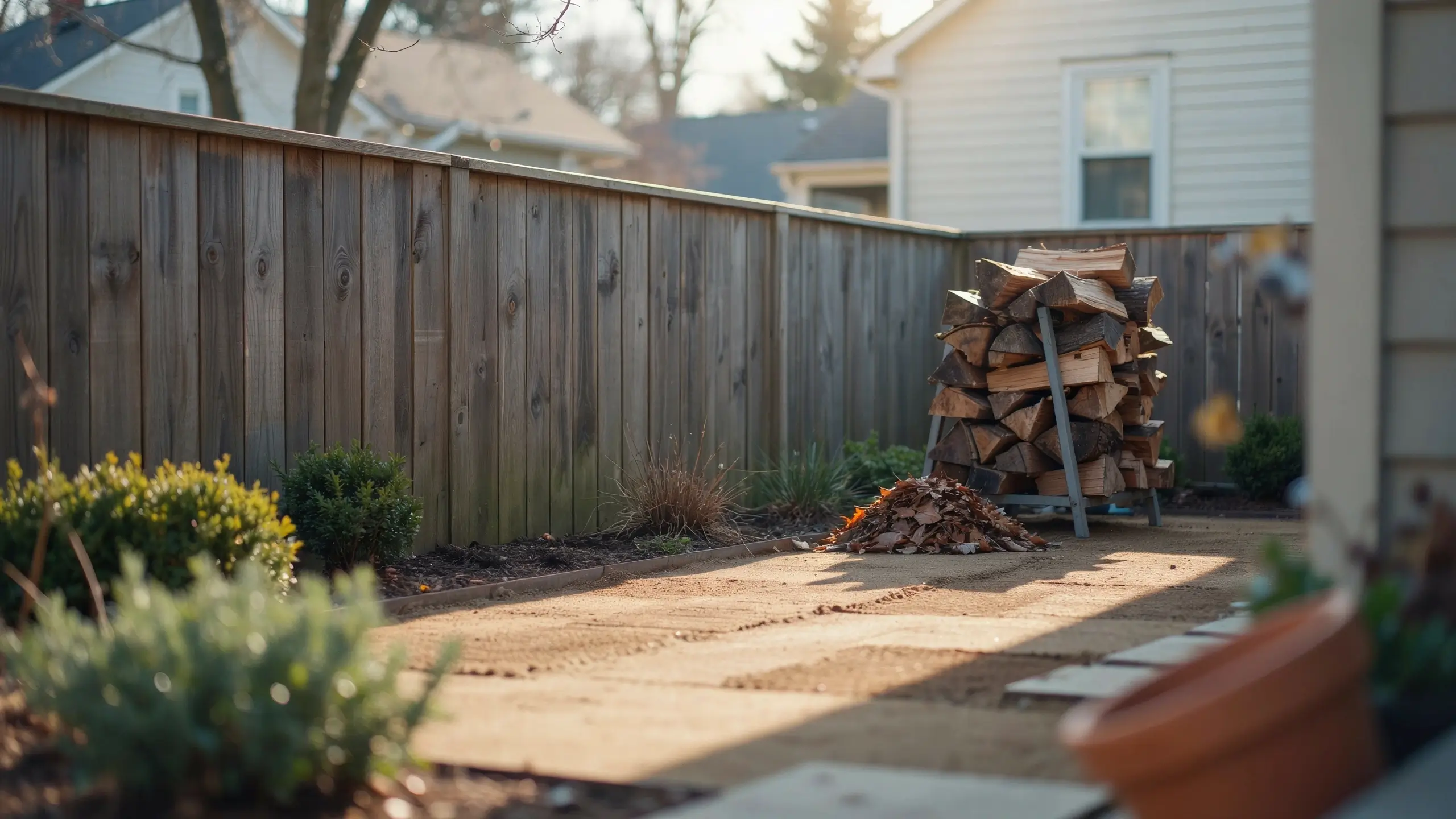
This is the single most effective thing you can do, and it costs nothing.
Snakes love cover. Piles of leaves, stacked stones, brush piles, and abandoned plant pots create shaded, protected spots that feel safe to them. Walk your garden and look at it the way a snake would. Anywhere dark, cool, and undisturbed is a potential hiding spot.
Move firewood at least 20 feet from the house and off the ground on a raised rack. Break up rock piles or relocate them away from garden beds. Clear out dead leaves and plant debris instead of letting them build up along fences and foundations.
2. Keep the Grass Mowed and Edges Trimmed
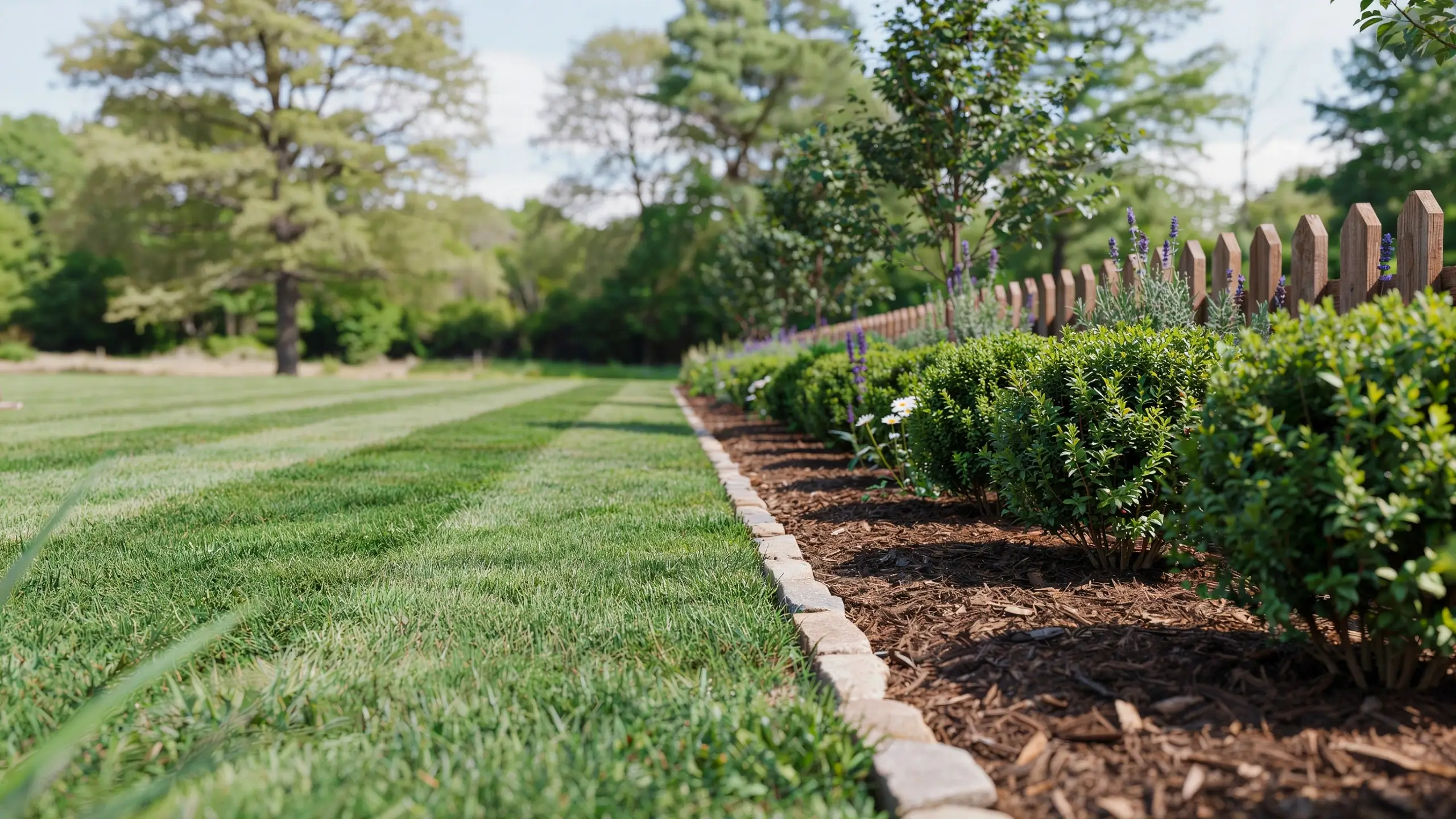
Tall grass is basically a snake highway. It hides them from predators and from you, which is exactly what they want.
Mow regularly during the growing season and pay extra attention to the edges where lawn meets garden bed, fence, or wooded area. Trim back ornamental grasses and low, bushy shrubs so there is open space underneath them instead of a shaded pocket.
If you have a wildflower or pollinator patch you do not want to mow, keep it away from walkways, patios, and areas where kids or pets play.
3. Cut Off Easy Access to Water
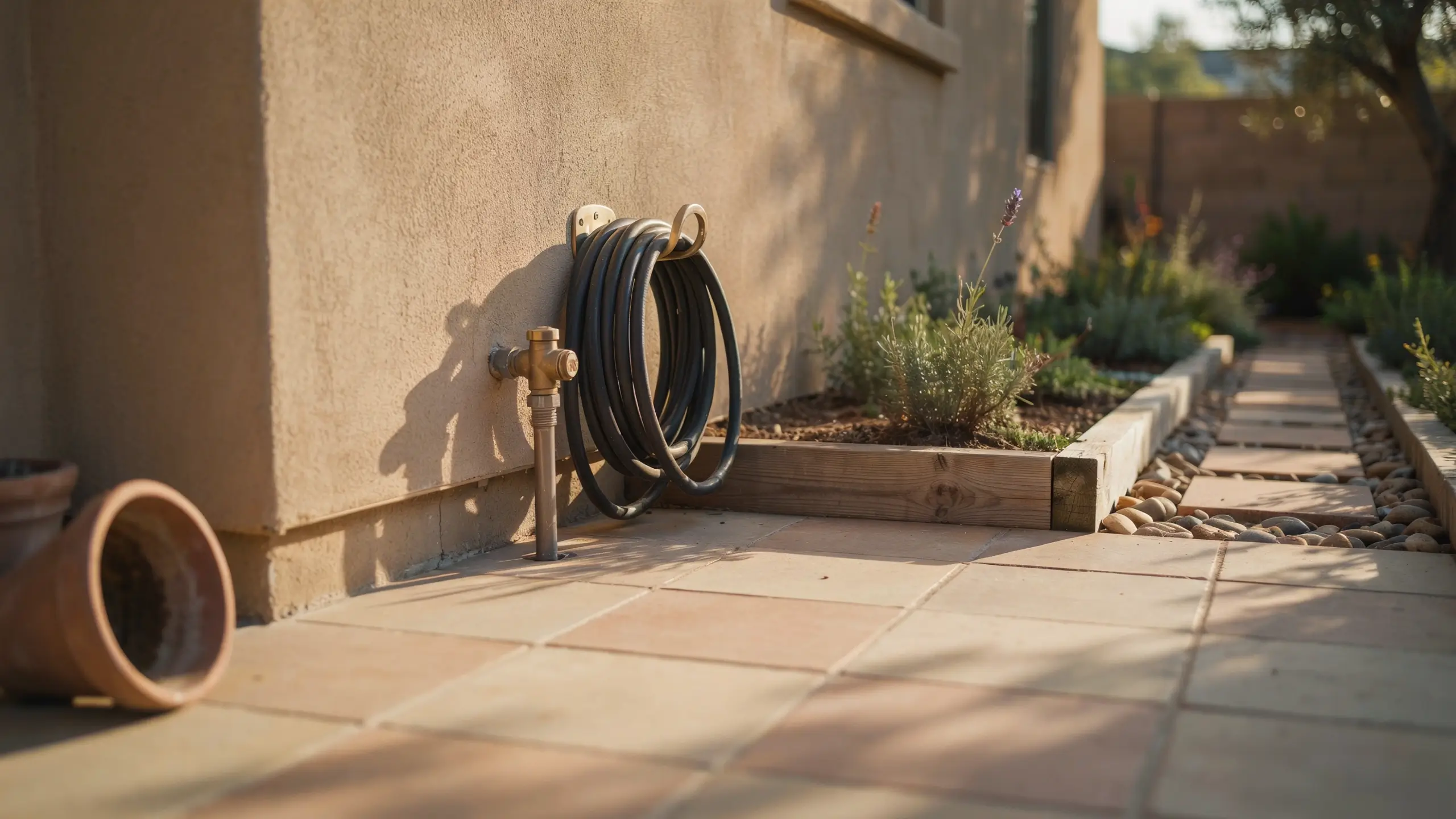
Snakes need water just like everything else, and a garden that stays a little too wet is an invitation.
Fix leaking hose connections and dripping spigots. Move bird baths away from garden beds, or skip them during peak snake season if you live somewhere with a real snake problem. Water plants in the morning instead of the evening so the soil is not sitting damp overnight. If you have low spots in the yard that collect standing water after rain, look into simple drainage fixes like a French drain or regrading that area.
4. Store Firewood and Materials Off the Ground
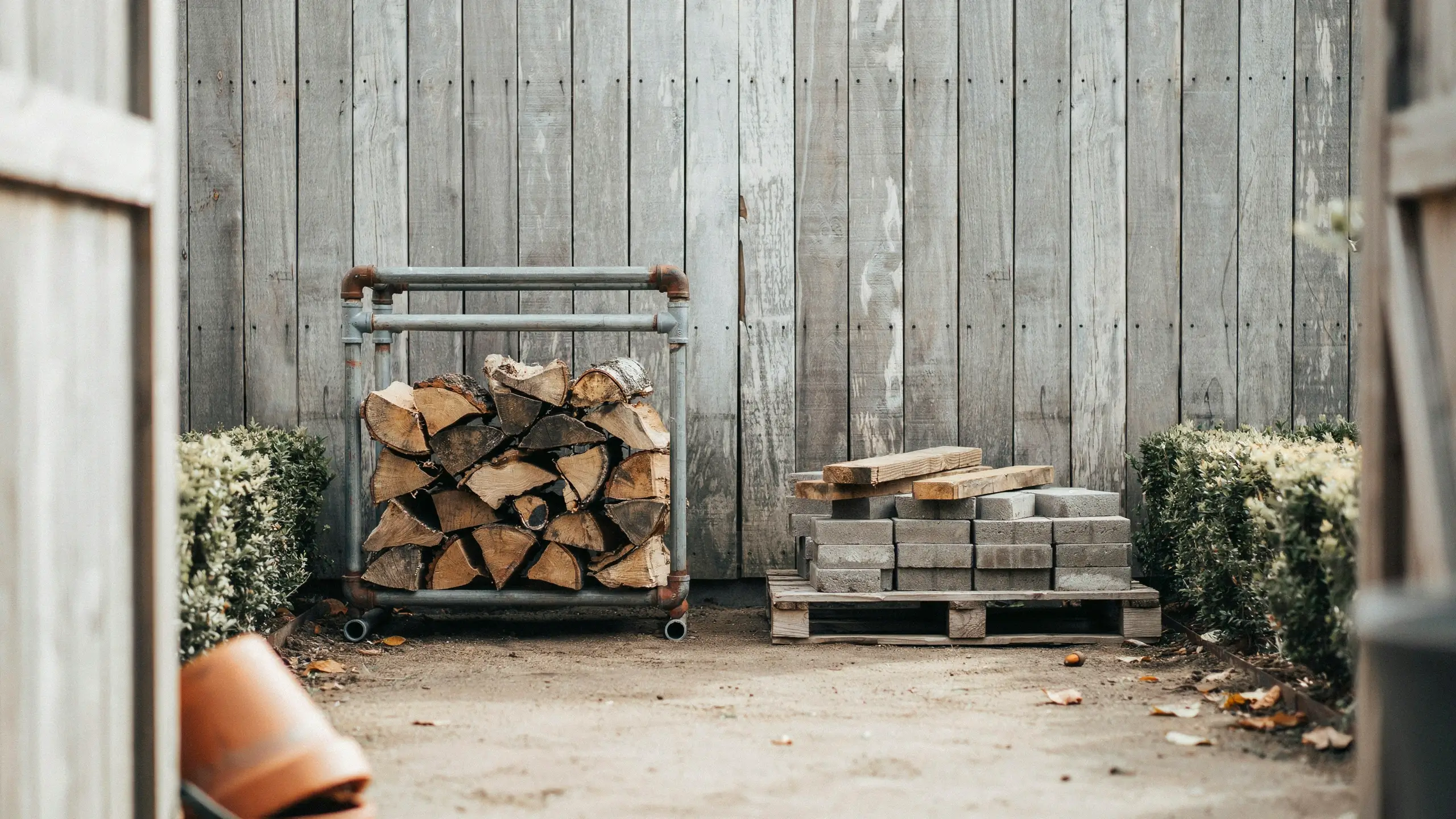
If you have to keep firewood or building materials near the garden, the way you store it matters more than the fact that it is there.
Use a raised firewood rack instead of stacking directly on the ground. Keep the pile at least a few inches off the soil so there is no dark, hidden gap underneath. Store extra lumber, pavers, and landscaping materials the same way, up on blocks or a pallet rather than flat on the ground.
5. Seal Gaps Around Fences, Sheds, and Foundations
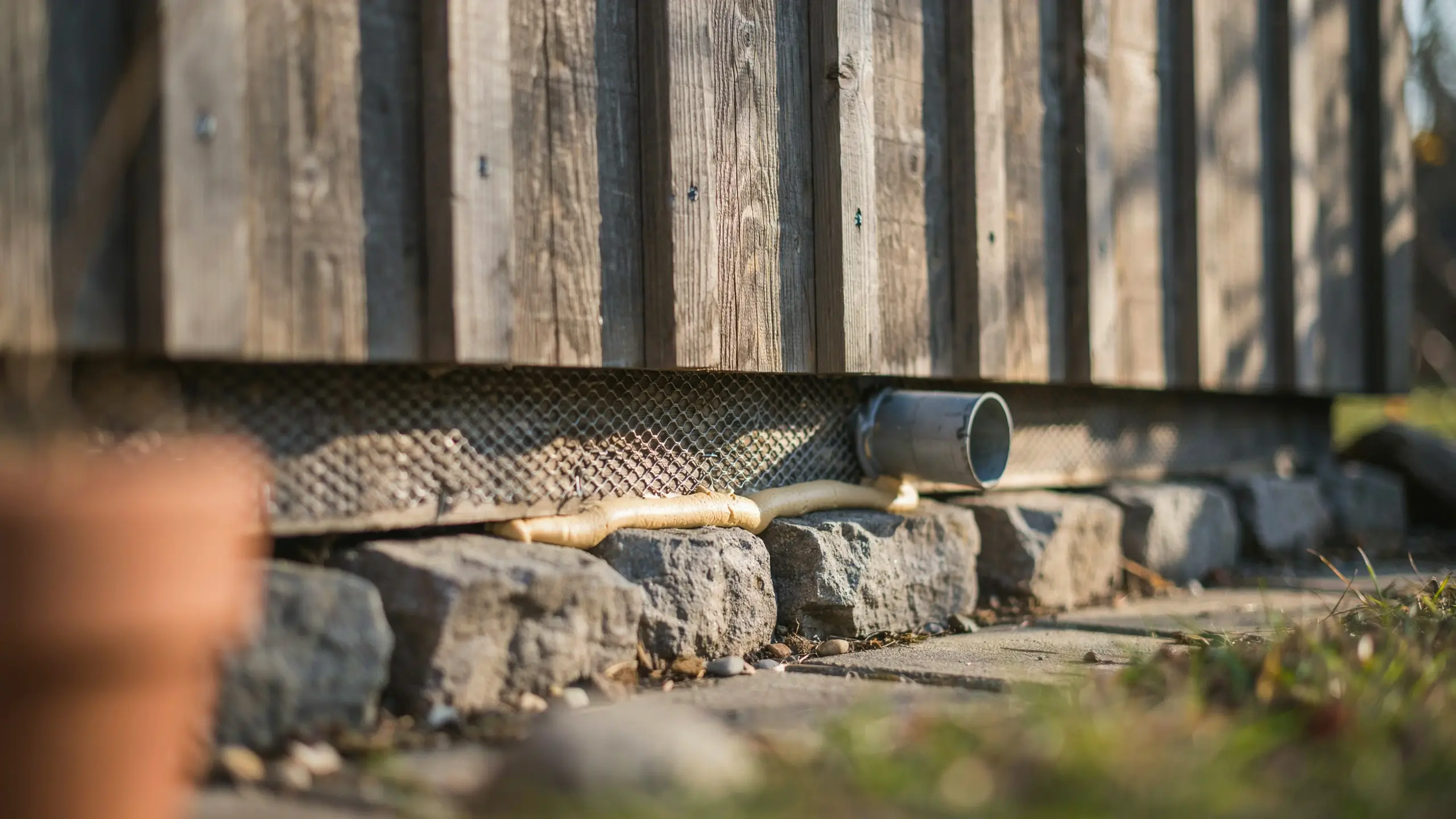
Snakes can fit through surprisingly small openings, sometimes as narrow as a pencil.
Walk the perimeter of your garden shed, raised beds, and any retaining walls looking for gaps, cracks, or holes. Fill masonry gaps with mortar or expanding foam. Use hardware cloth with openings smaller than a quarter inch to cover vents, crawl space openings, and gaps under sheds. Check where pipes or wires enter a structure, since those openings are commonly overlooked.
This step does double duty. It keeps snakes out and also blocks the rodents that attract them in the first place.
6. Get Rodents Under Control Naturally
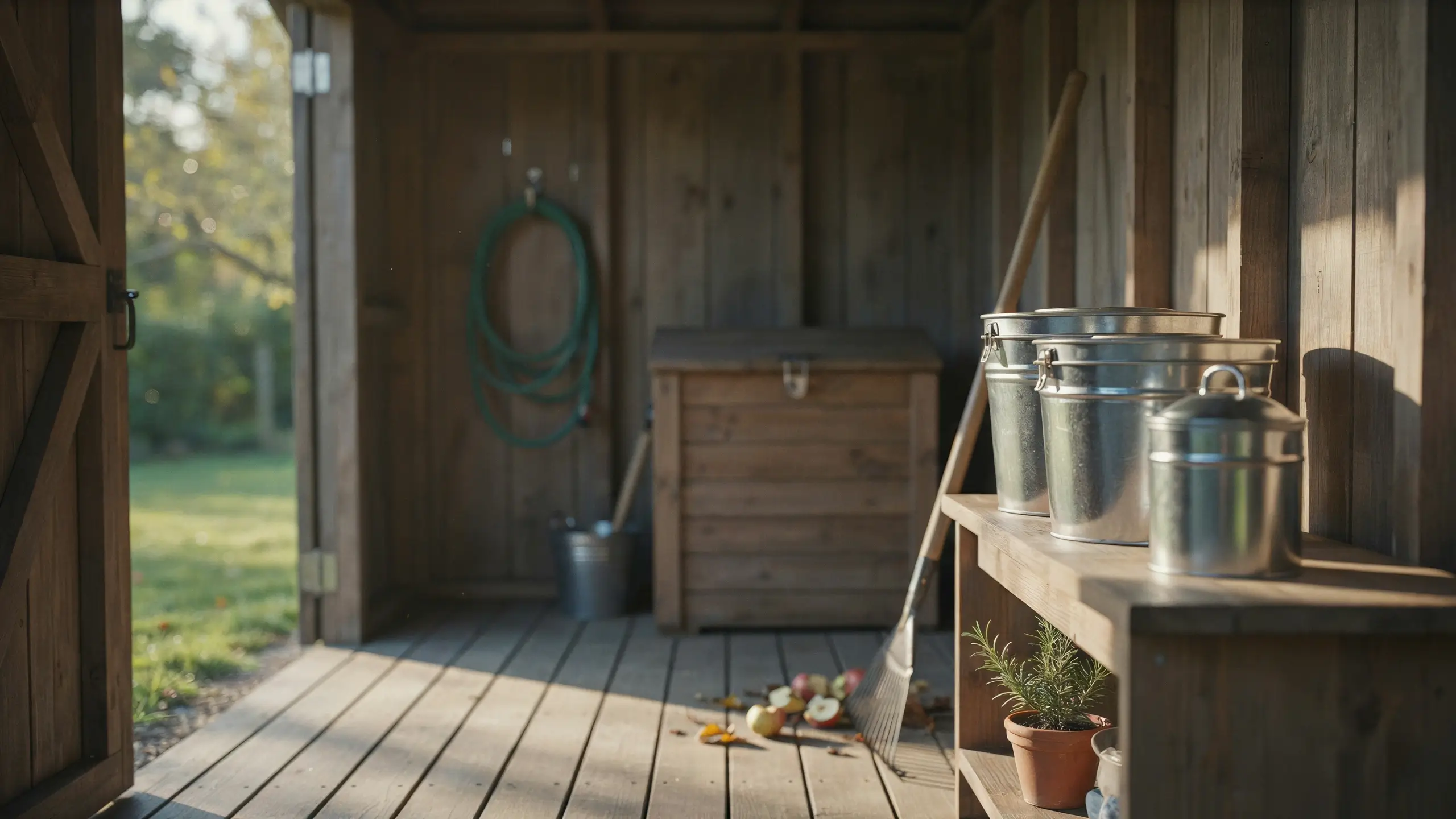
Snakes go where the food is, and rodents are at the top of the menu.
Store pet food and birdseed in sealed containers, not open bags in the shed. Clean up fallen fruit and vegetables instead of letting them rot on the ground. Keep compost bins secured with a tight lid and turn them regularly so they do not become a cozy rodent home. If you already have a rodent problem, dealing with that directly through traps or natural deterrents will do more to solve your snake issue than almost anything else on this list.
7. Build a Gravel or Pea Gravel Barrier
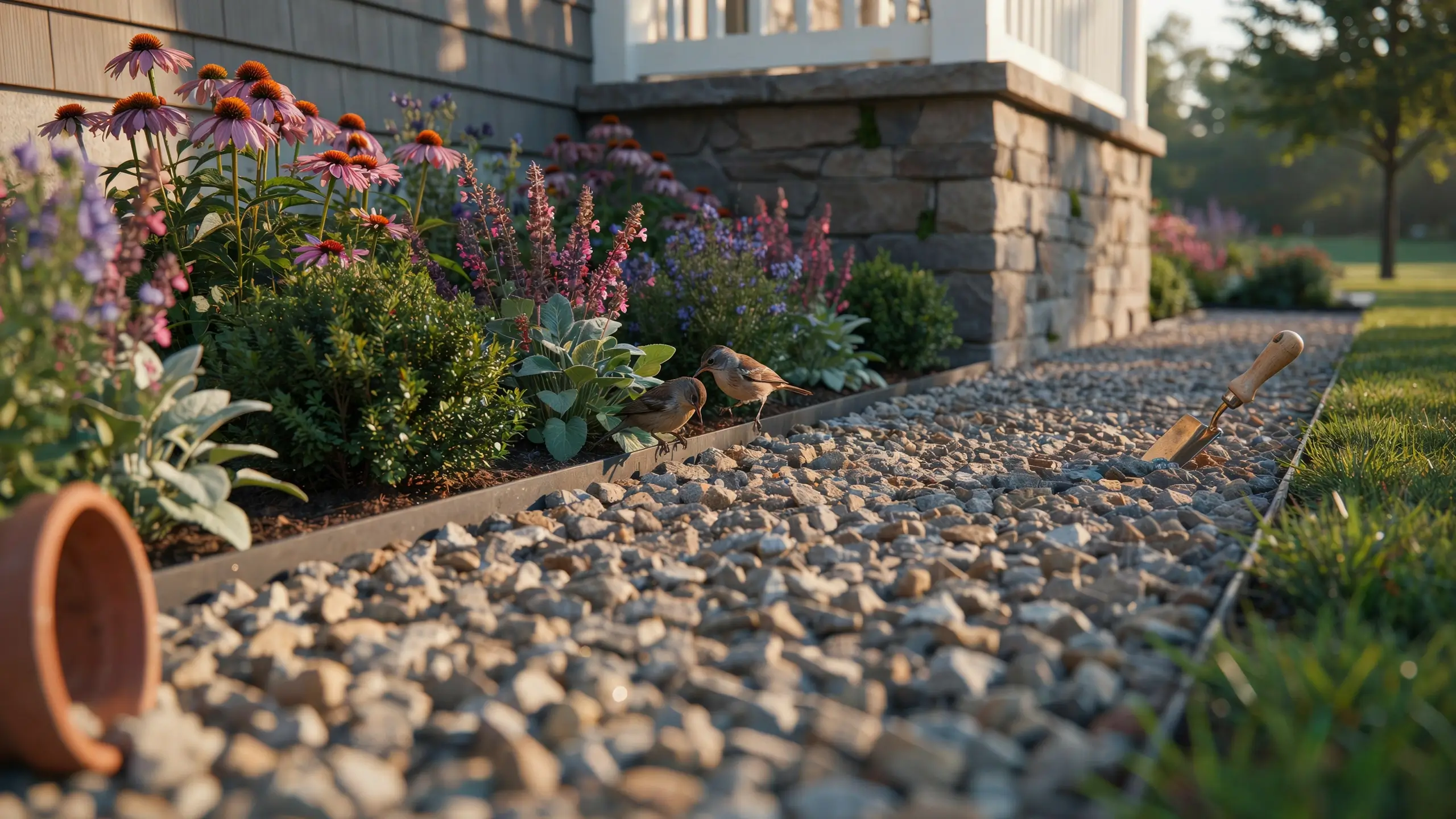
This is one of the most Pinterest-friendly options on the list because it looks intentional and finished, not like a defensive measure.
Lay a strip of coarse gravel or pea gravel, three to four feet wide, around the perimeter of garden beds or along the foundation of your home. Snakes dislike moving across loose, uneven gravel because it does not let them get good traction and it exposes their belly to the surface texture. Pair the gravel strip with the sealing tips above for the best results.
Materials:
- Landscape fabric
- Coarse gravel or river rock (avoid smooth pea gravel alone since some snakes tolerate it better than sharper edged stone)
- Edging material to hold the line in place
8. Plant a Natural Snake-Repelling Border
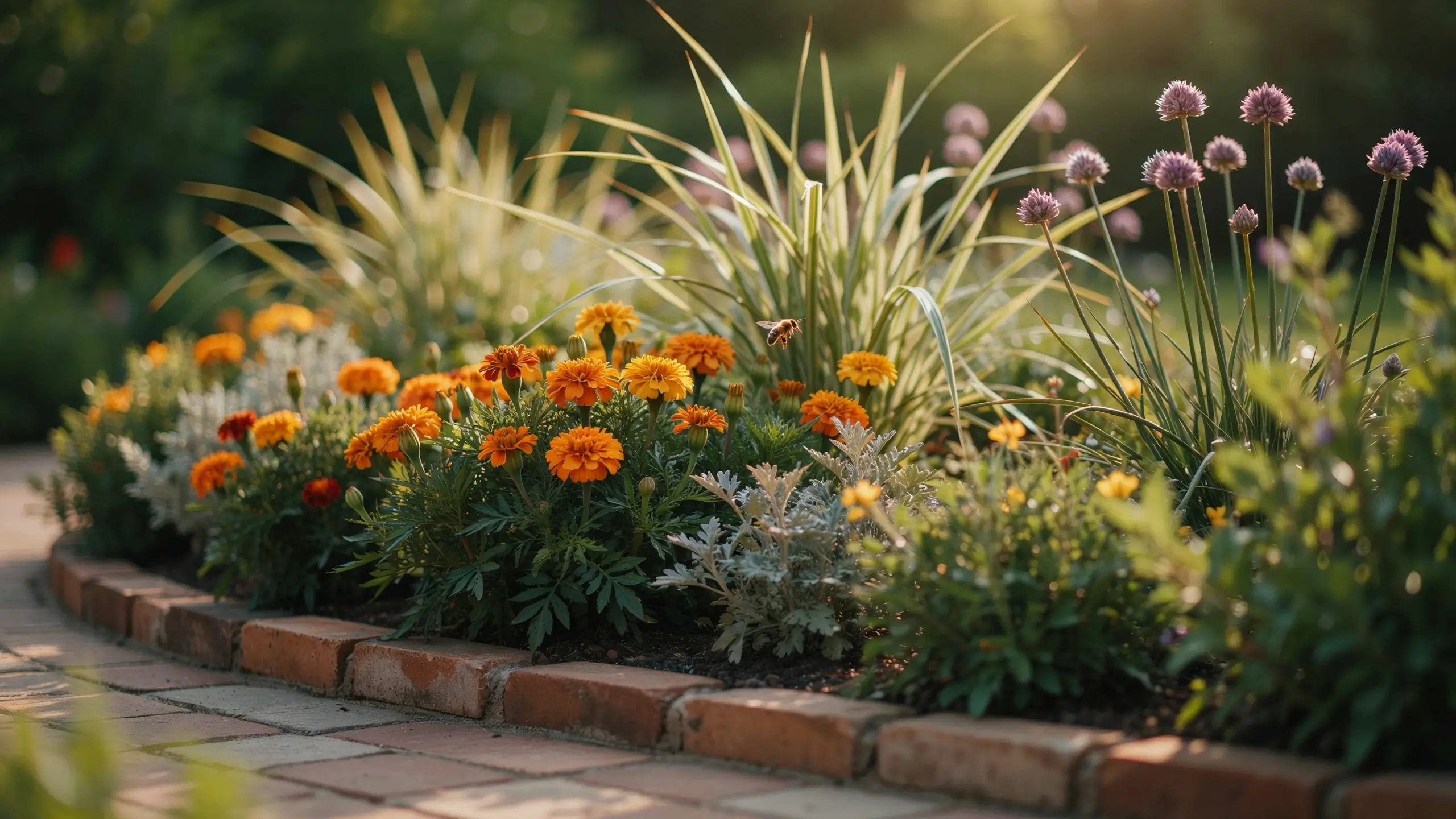
This is where snake proofing actually gets pretty. A border planted with strong scented herbs and flowers can look like an intentional cottage garden edge while doing real work.
Plants gardeners consistently reach for include:
- Marigolds – bright, cheerful, and their strong scent bothers snakes as much as it does aphids.
- Lemongrass – the citrus smell is a natural deterrent and it looks gorgeous in large clumps.
- Garlic and society garlic – pungent enough to keep snakes at a distance, and society garlic has pretty purple blooms if you want something more ornamental.
- Wormwood – silvery, textured foliage with a bitter scent snakes tend to avoid.
- Clove basil – tall, fragrant, and doubles as a kitchen herb.
Plant a mixed border two to three feet deep around garden beds, patios, and entry points rather than relying on a single plant type. Layered scents seem to work better than any one plant alone.
9. Make a DIY Clove and Cinnamon Oil Spray
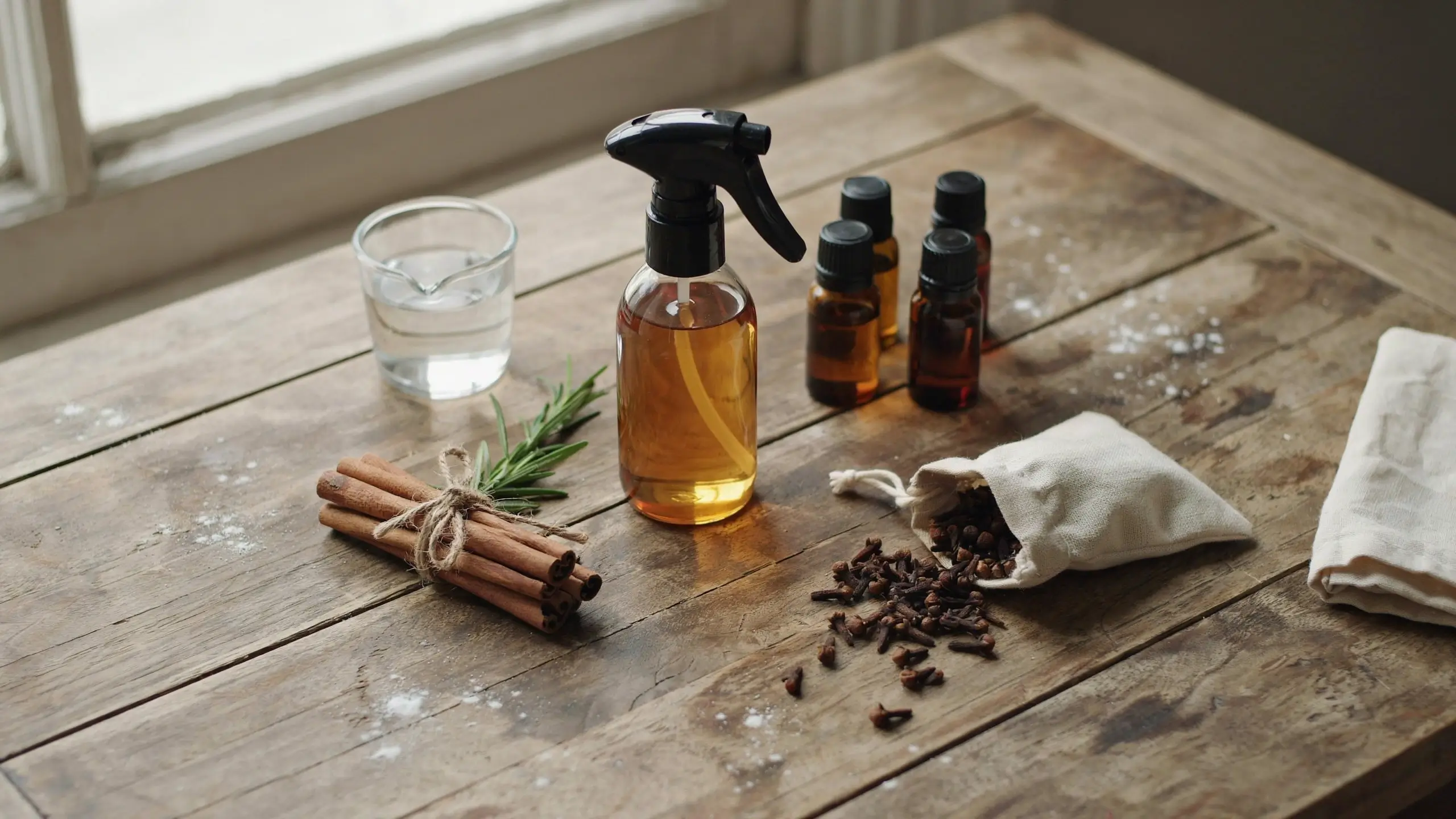
If you want something you can spray directly along walkways, fence lines, and garden entry points, this simple recipe uses scents snakes are known to avoid.
What You Need
- 10 drops clove essential oil
- 10 drops cinnamon essential oil
- 2 cups water
- A spray bottle
Combine everything in the spray bottle and shake well before each use. Spray along garden borders, fence lines, foundation edges, and any known entry points. Reapply every one to two weeks and always after rain, since the scent washes away quickly outdoors.
This will not create a permanent barrier on its own, but layered with the plant border and gravel strip, it adds one more scent snakes have to push through.
10. Install Humane Snake-Proof Fencing
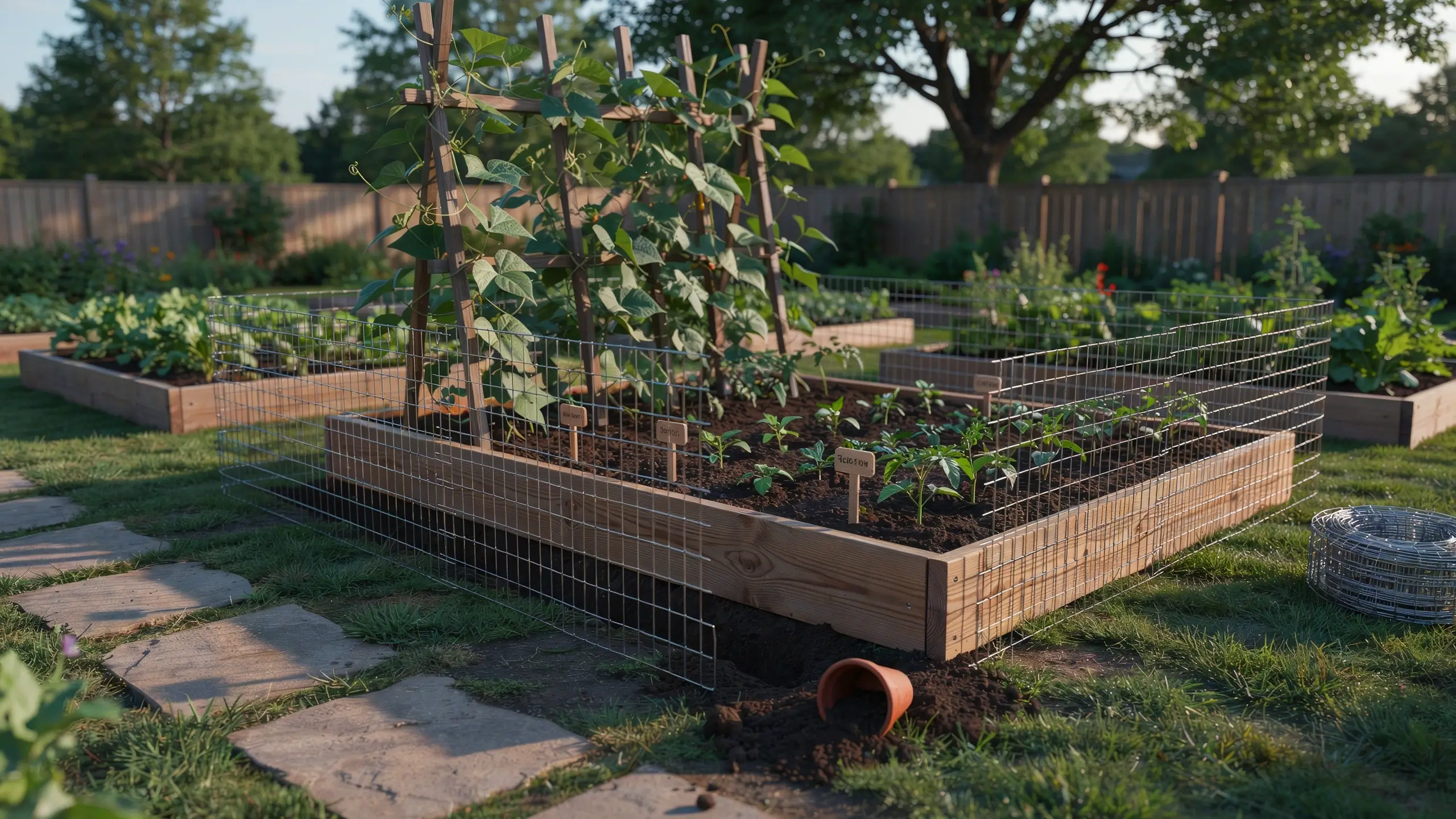
For anyone dealing with a real, ongoing snake problem, especially near a pool, chicken coop, or play area, fencing is the most reliable physical barrier.
Use rigid mesh with openings a quarter inch or smaller, since snakes can flatten themselves through surprisingly small gaps. Bury the bottom edge three to four inches into the soil so they cannot dig underneath. Angle the top few inches outward or add a slight overhang, since some snakes are capable climbers and a straight vertical fence is easier for them to scale.
Fencing works best around a defined space like a garden bed, coop, or pool area rather than trying to fence an entire property line.
11. Encourage Natural Predators
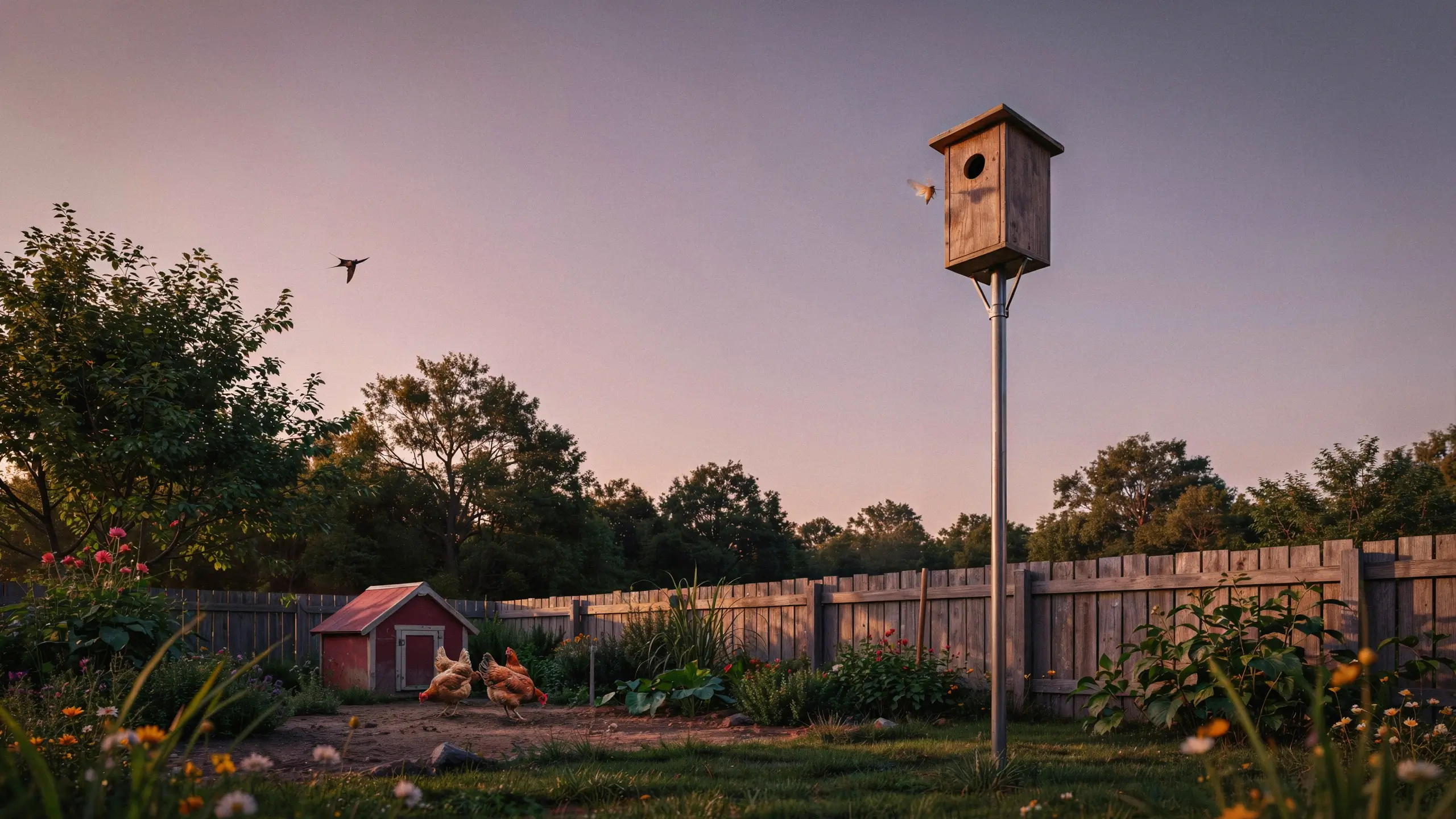
This one takes patience, but it works with the ecosystem instead of against it.
Owls and hawks are excellent snake predators. Installing an owl box on a pole at the edge of your property and reducing nighttime outdoor lighting can encourage them to hang around. If you keep chickens or guinea fowl, know that many breeds will actively hunt and deter small snakes, though this comes with its own care requirements.
Skip outdoor cats as a snake control method if you can. They are effective, but they also hunt songbirds and other wildlife you probably do not want to lose.
12. Rethink Bird Feeders and Compost Placement
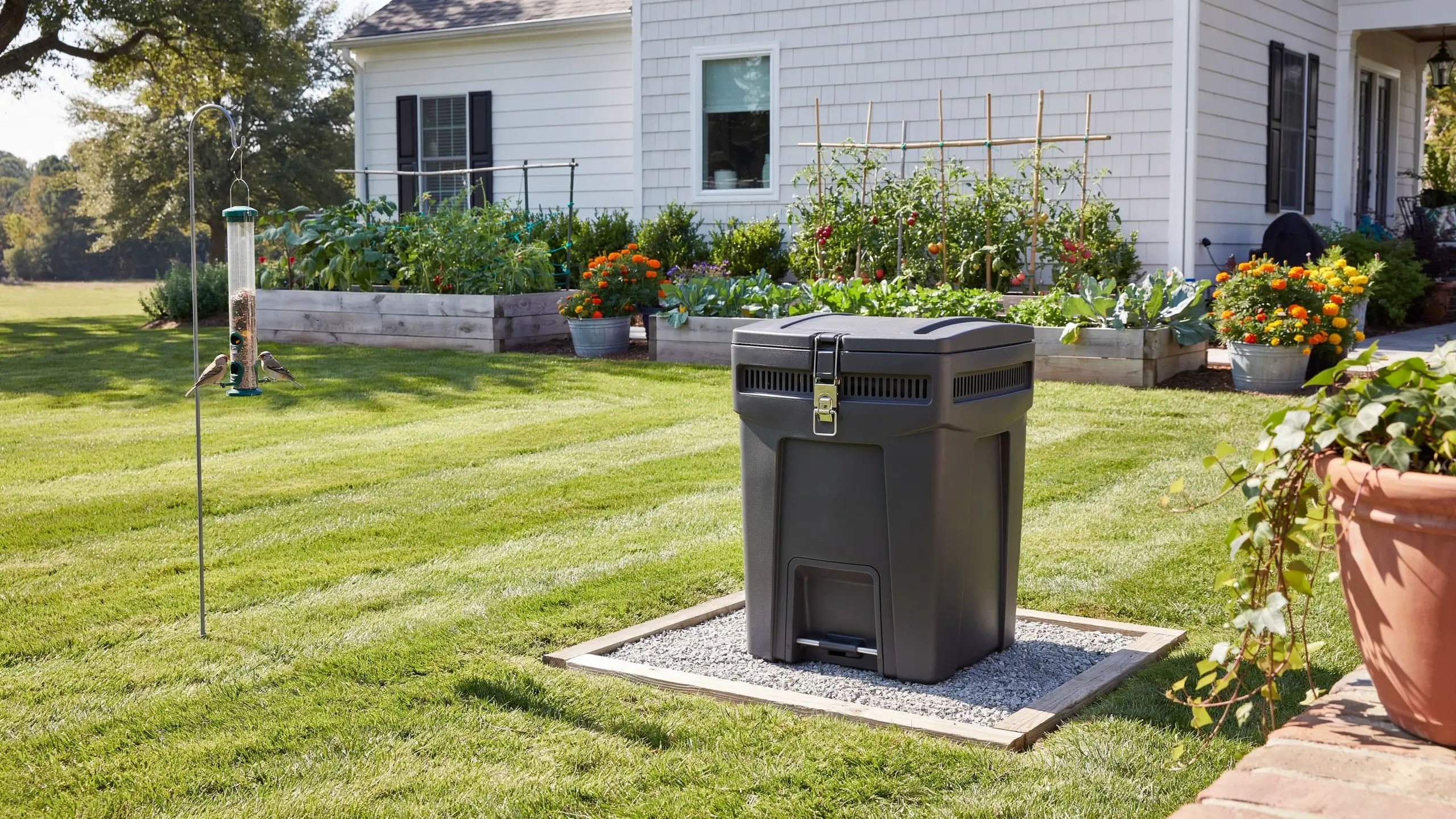
Bird feeders are lovely, but the seed that falls to the ground attracts rodents, and rodents attract snakes. If you have had snake trouble, move feeders away from the house and garden beds, and clean up spilled seed regularly.
Compost bins should be enclosed rather than open piles, with a secure lid and regular turning. An open compost pile is basically a warm, food rich apartment complex for rodents, and snakes know it.
13. Learn What to Do If You See One
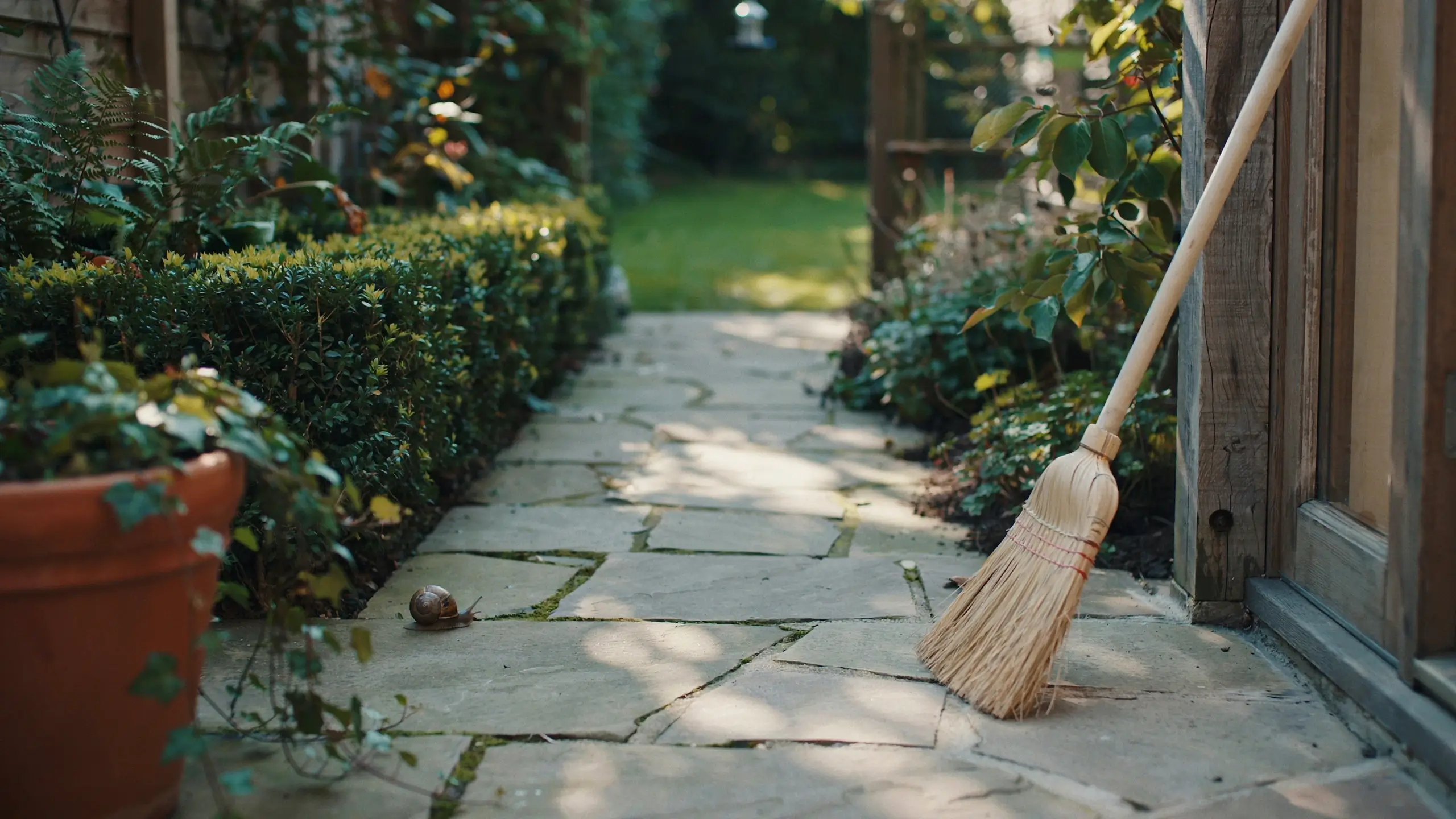
Even a perfectly snake-proofed garden will occasionally have a visitor passing through. Knowing how to react matters as much as any prevention step.
Stay calm and give the snake space. Most snakes want to leave as badly as you want them to. Do not try to catch it, corner it, or kill it, since most bites happen when people attempt exactly that. Move slowly away and let it continue on its way. If it is somewhere you need it to leave, like a patio or doorway, a broom used to gently guide it toward an open area is safer than trying to touch or trap it directly.
Mistakes to Avoid
- Relying on one method alone. A gravel strip without cleared brush, or a planted border without sealed gaps, will only get you partial results. Layer at least three or four methods together.
- Using mothballs. They are toxic to pets and children and there is little evidence they actually repel snakes.
- Forgetting to check under structures. Sheds, decks, and raised garden beds create the exact dark, sheltered space snakes look for. Seal underneath them, not just around them.
- Skipping reapplication. DIY sprays and even some plant scents fade. Set a reminder to refresh barriers every couple of weeks during snake season.
- Assuming a snake-free yard means a rodent-free yard. If you removed the snakes but the rodent population is still high, expect more snakes to show up eventually. Address the food source directly.
Final Thoughts
Snake proofing your garden without chemicals is really about making your outdoor space less appealing to snakes at every level, from the ground up. Clear the clutter, cut off the food and water, plant a scented border, and back it up with a physical barrier where it matters most. None of these steps require anything toxic, and most of them make your garden look better in the process.
Give it a full season before expecting to see a real difference. Snakes remember which spots are safe and which ones are not, and it takes a little time for a newly snake-proofed garden to send that message.
Have you tried any of these methods in your own garden? I would love to hear what worked for you in the comments below.






No Comment! Be the first one.