




How to Design a Pink Bedroom You’ll Actually Love (And Never Want to Leave)
There’s a moment when you walk into a beautifully designed pink bedroom and your whole body just exhales. It doesn’t feel bubble-gummy or overdone. It feels warm. Wrapped. Like the room...

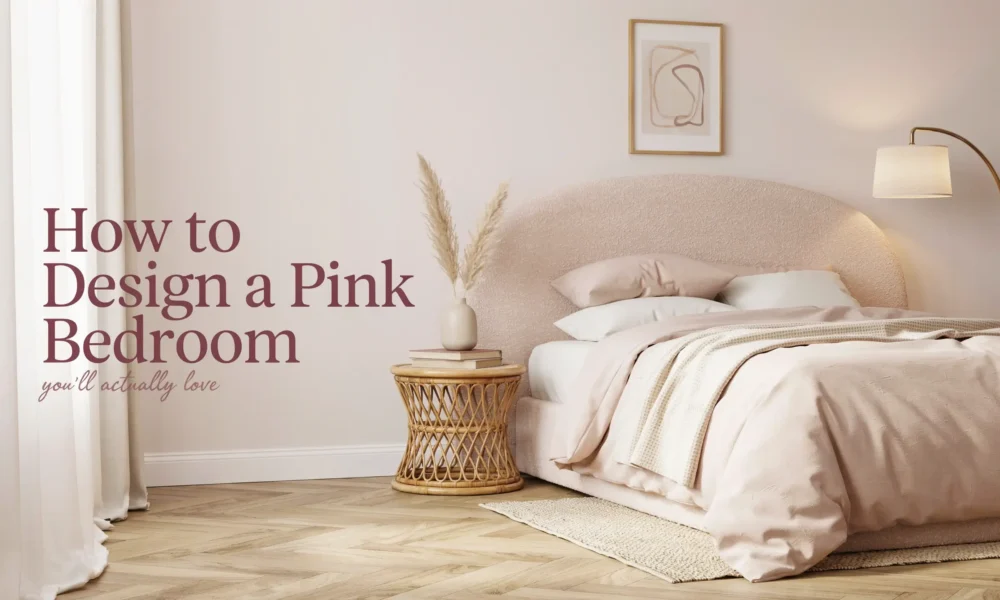
There’s a moment when you walk into a beautifully designed pink bedroom and your whole body just exhales. It doesn’t feel bubble-gummy or overdone. It feels warm. Wrapped. Like the room itself is giving you a hug. That kind of pink bedroom doesn’t happen by accident, and it’s also not as hard to pull off as you might think.
If you’ve been circling pink for a while, saving pins and screenshots but not quite knowing where to start, this guide is for you. We’re going to walk through every layer of how to design a pink bedroom that feels intentional, grown-up, and genuinely cozy — whether you’re a renter working around white walls, a first-time decorator with a tight budget, or someone who just fell deeply in love with blush and needs a plan.
No fluff. Just the real design steps, the right shade choices, the textures that make it all work, and the mistakes you’ll want to skip.
Start Here: Choose Your Shade Before You Do Anything Else
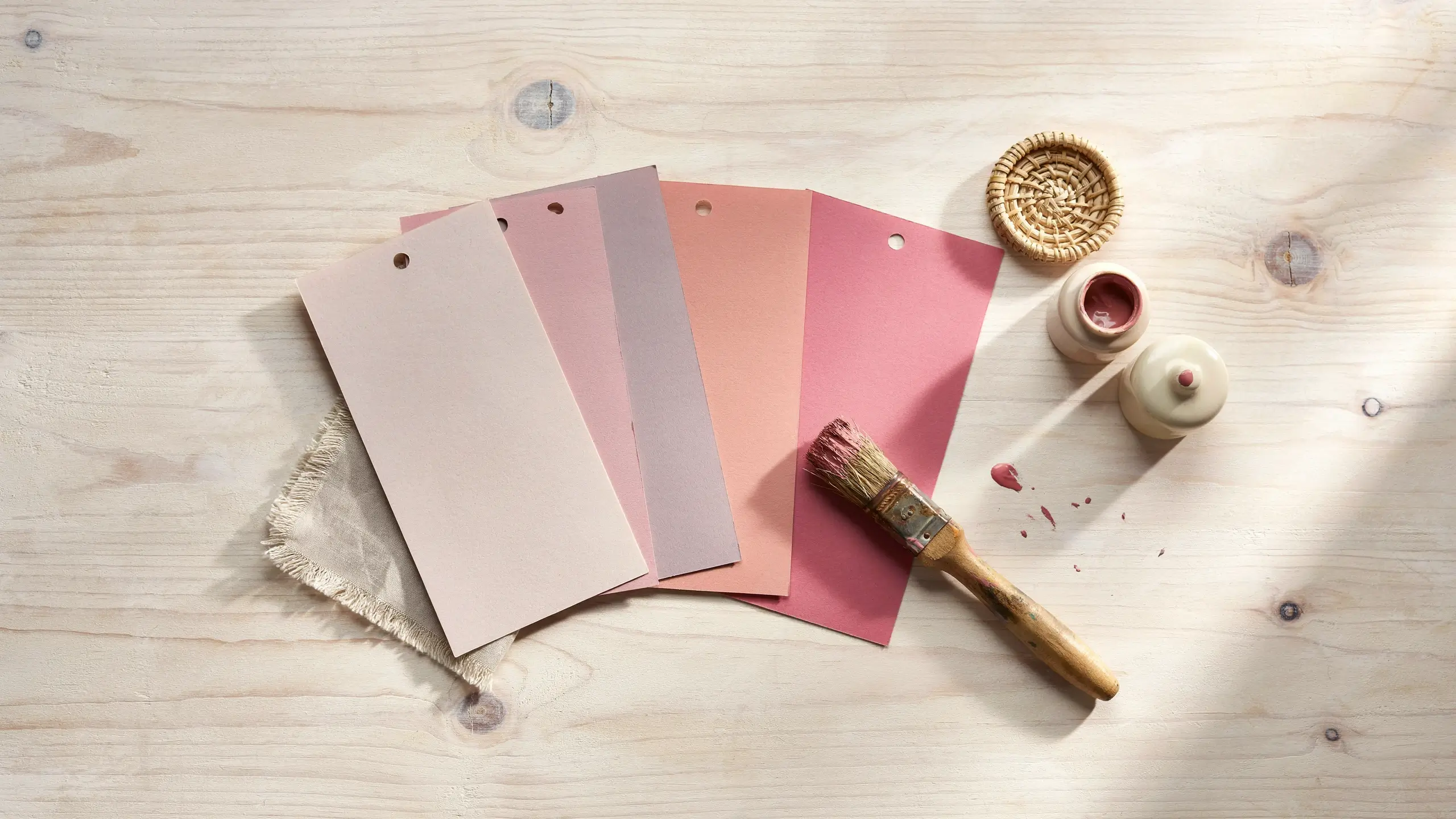
This is the step most people skip, and it’s the one that saves you the most heartache. Pink is not one color. It is a family of completely different moods, and choosing the wrong one for your goals will throw off everything that follows.
Here’s how to think about it:
Blush Pink
Blush pink is soft, barely-there, and almost neutral. It works beautifully in small rooms because it reads as warm white in low light. Pair it with natural linen, warm wood, and you get a room that feels effortlessly calm. Think of it as the beginner’s pink — hard to overdo, easy to build on.
Dusty Rose
Dusty rose has a grayish undertone that makes it feel muted, sophisticated, and slightly retro in the best way. It sits beautifully next to sage green and aged brass. This shade is doing a lot of heavy lifting in 2025 design trends for exactly that reason.
Mauve
Mauve leans even more purple-gray and reads as a true grown-up pink. It can feel moody and intimate in a larger room, especially when paired with deep charcoal or warm walnut furniture.
Millennial Pink
Millennial pink — that classic peach-meets-blush tone — is bright enough to feel cheerful without being loud. It plays well with brass fixtures and clean white trim.
Hot Pink or Fuchsia
Hot pink or fuchsia is a commitment. Used on an accent wall or in bold textile choices, it can be modern and genuinely striking. Used everywhere, it becomes exhausting. If this is calling to you, use it as your exclamation point, not your whole sentence.
Terracotta Pink
Terracotta pink is a newer direction that feels earthy and warm. Think clay walls, rattan furniture, and linen bedding. It’s bohemian without being messy and makes a bedroom feel like a retreat you’d pay good money to stay in.
Before buying a single thing, sample your shortlisted shades on your actual wall and observe them at different times of day. Pink is one of the most light-sensitive colors out there. What looks like a barely-there blush in the store can read as a full-on baby pink once it’s on a north-facing wall.
The Color Combinations That Always Work
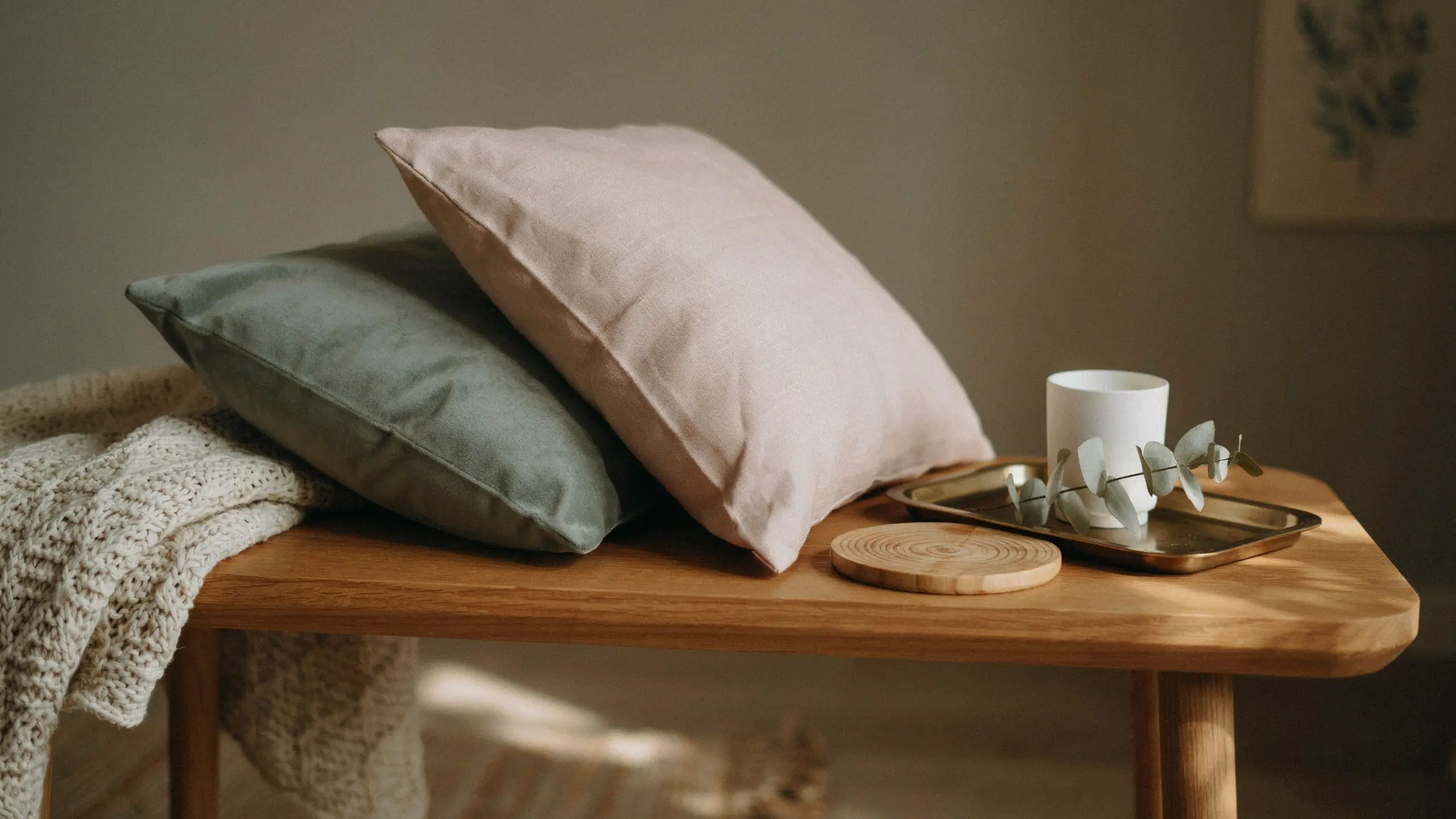
Designing a pink bedroom isn’t just about pink. It’s about what you put next to pink that makes it look considered and complete. These pairings work consistently well:
- Pink and white. Clean, classic, endlessly fresh. The trick is using a few different whites — warm white on the walls, bright white on trim, and a soft cream in the bedding. This prevents the space from feeling flat. A room built on pink and white with natural wood accents is one of the easiest to pull off for beginners.
- Pink and sage green. This is the combination having the biggest moment right now, and for good reason. The two colors feel botanical and organic together, like a garden brought indoors. Soft blush walls with sage linen bedding and trailing plants near the window — that’s a Pinterest-worthy room that also genuinely feels good to sleep in.
- Pink and warm gray. Gray tones down pink’s sweetness without making the room feel cold. This pairing reads as modern and a little urban. Charcoal gray bedding on blush walls, or soft gray furniture against dusty rose paint, both work well.
- Pink and gold or brass. Metallics elevate pink from sweet to genuinely luxurious. Brass lamp bases, gold-framed mirrors, and bronze drawer pulls all create the kind of warmth that makes a room feel styled rather than decorated. You don’t need much — a little brass goes a long way.
- Pink and navy. Unexpected but very good. Bold hot pink or fuchsia against deep navy feels fashion-forward and modern. This combination is better suited to rooms with good natural light since both colors can absorb a lot of it.
- Pink and natural wood. Warm-toned woods — oak, walnut, rattan, bamboo — bring organic grounding to pink. The color combination avoids the overly feminine feel that can make pink rooms feel gendered or juvenile. A blush room with a walnut bed frame and rattan nightstands feels balanced, collected, and comfortable for anyone.
How to Design Your Walls (Without Overcommitting)
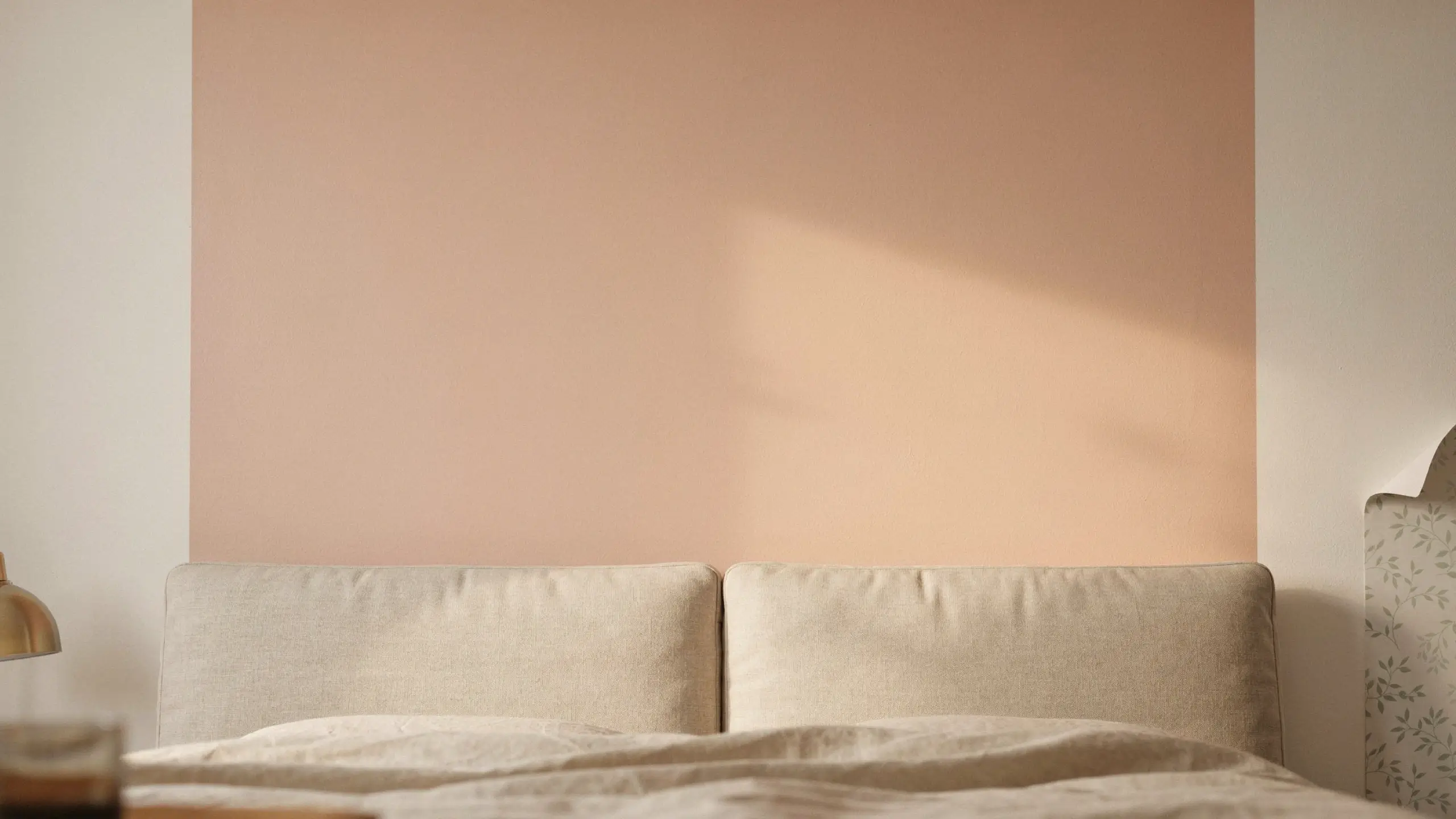
The walls set the whole mood of a pink bedroom. Here are the approaches that give you the most control:
- A single accent wall. This is the lowest-commitment starting point, and it’s genuinely effective. Pick the wall directly behind your headboard — it’s the natural focal point of the room. Paint it a shade deeper than you think you want; it will read lighter once the furniture is in place. A rose or mauve accent wall behind a neutral bed can transform the entire feeling of a room without overwhelming it.
- All four walls in a soft shade. When you use a very light pink — blush, pale rose, or barely-pink — on all four walls, the effect is enveloping and soft without being intense. This approach is especially beautiful in bedrooms with good natural light. Sherwin-Williams’ Romance or Benjamin Moore’s Pale Rose Blush are worth sampling.
- Peel-and-stick wallpaper. This is the renter’s best friend and an absolute game changer for a pink bedroom. Floral, textured, damask, and botanical pink wallpapers are widely available in peel-and-stick versions. Apply it behind the headboard for a stunning panel effect or take it all the way around for full-room drama. It comes down cleanly, leaves no damage, and can completely transform the room in a single afternoon.
- Paint a half wall or color block. Paint the lower half of your walls in a deeper pink — dusty rose or mauve — and leave the top portion white or a very light neutral. This two-tone approach adds architectural interest without requiring a design background, and it photographs beautifully.
- Wainscoting or board-and-batten in pink. Installing peel-and-stick wainscoting panels and painting them in a soft pink below a white upper wall adds serious visual texture. It feels cottage-inspired and cozy, and it reads as far more designed than it is.
One important note: a pink ceiling can be magical. Painting the ceiling even one shade lighter than your walls wraps the room in color and makes the space feel intimate and intentional. Interior designers call it an “envelope” approach — and when it works, it really works.
Build the Bed: The Most Important Layer in the Room
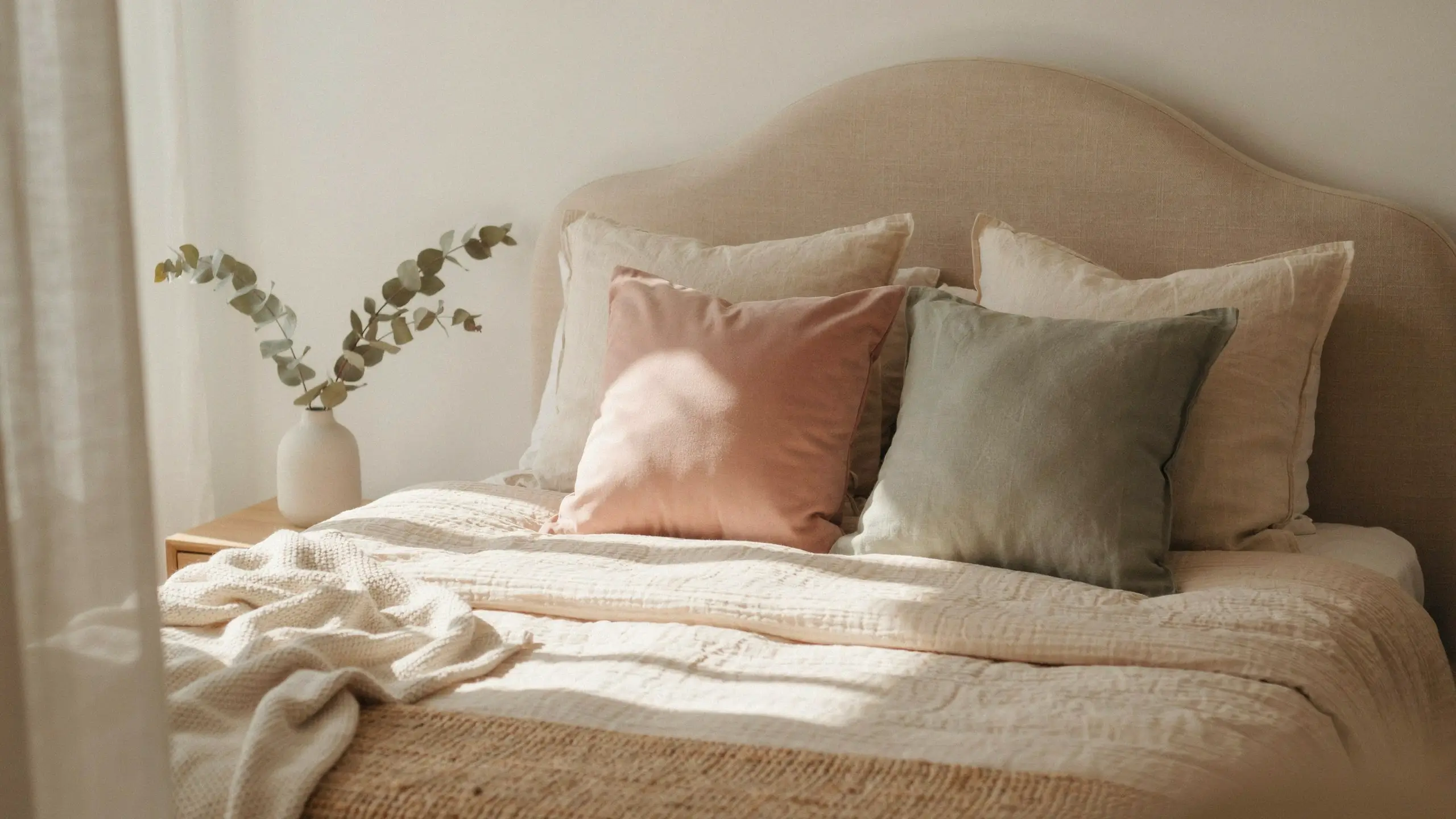
The bed is the centerpiece of any bedroom, and in a pink bedroom it does double duty as the main visual statement. How you dress it determines whether the room feels luxurious, casual, minimal, or layered.
Skip the matching bed-in-a-bag set. It always reads as rushed and flat. Instead, build the bed in layers using pieces from different sources:
- Start with a duvet or comforter as your base. In a pink bedroom, white or cream bedding with a textured weave — waffle, matelassé, or cotton gauze — provides visual relief and keeps the pink from compounding. If you want pink bedding, choose a tone that’s either significantly lighter or darker than your walls to create some contrast.
- Add shams in a coordinating texture. Linen, velvet, and satin shams each bring a completely different feel. Linen shams feel relaxed and lived-in. Velvet shams feel luxurious. Satin shams feel light and romantic. Mix two textures rather than using all the same.
- Layer in throw pillows in different sizes. This is where you can introduce a second or third color — sage green, ivory, a dusty blue, or a warm terracotta. Two or three sizes of pillows stacked and slightly leaned add depth.
- Finish with a throw blanket folded at the foot of the bed or casually draped on one corner. Chunky knit throws, faux fur, and linen throws all photograph beautifully on a pink bed.
One rule worth following: if your walls are pink, let your bedding be neutral-leaning. If your walls are neutral, let the bedding carry the pink. Doing both at full intensity makes the room feel busy.
Choose Furniture That Complements Pink (Without Competing With It)
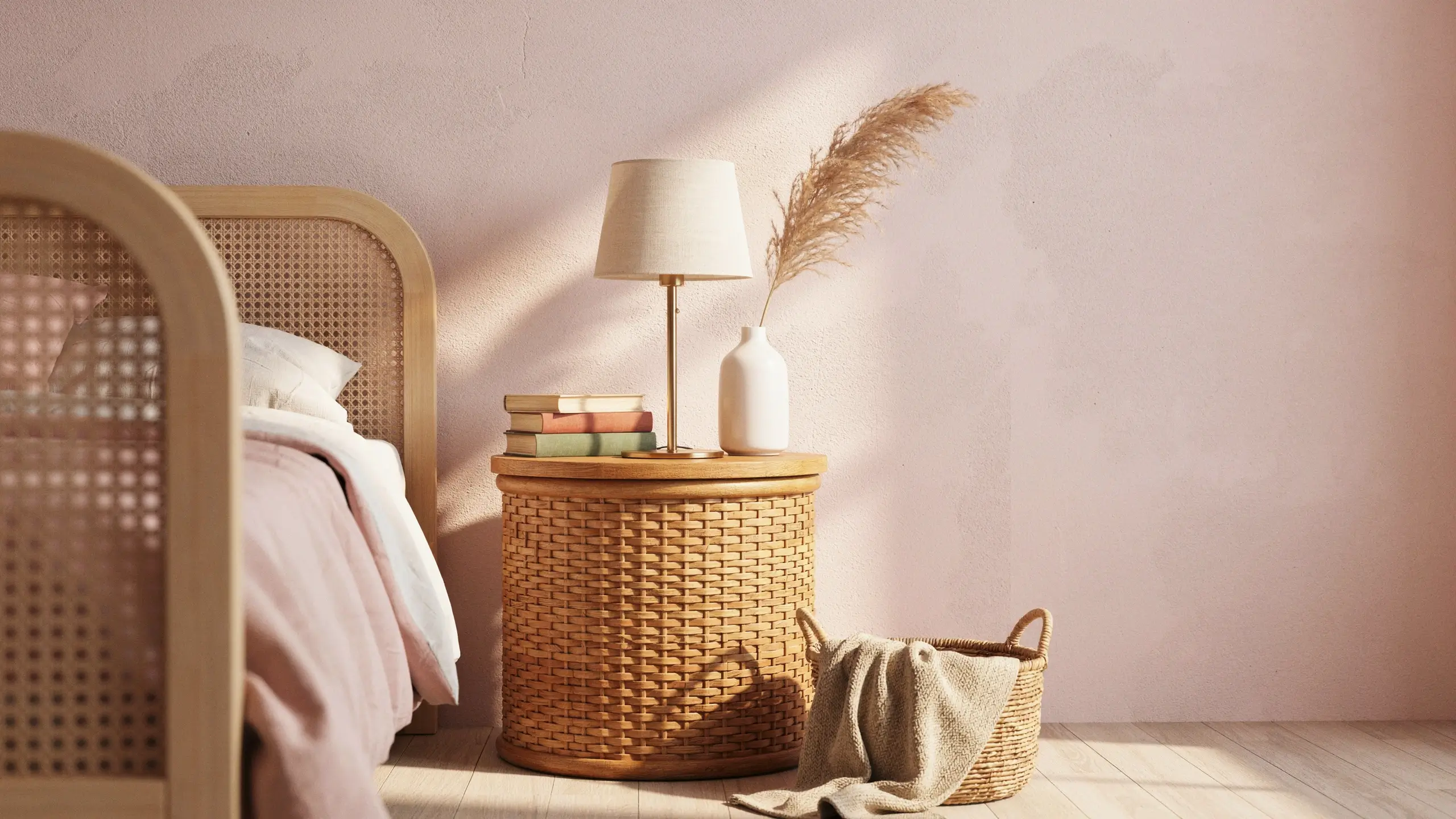
The furniture you choose will either ground your pink bedroom or make it feel unfinished. Here’s what tends to work best:
- White furniture keeps a pink bedroom feeling light, airy, and bright — especially in smaller rooms. A white bed frame, white dresser, and white nightstands create a clean canvas that lets the pink walls or textiles do all the talking. This is a great starting point for anyone decorating on a budget since white furniture is easy to source affordably.
- Natural wood furniture in lighter tones — oak, pine, birch — adds warmth and an organic feel. Pairing blush or dusty rose walls with a light wood bed frame and rattan nightstands creates a look that feels simultaneously modern and cozy. Avoid very dark woods in a pink bedroom unless you specifically want a dramatic, moody look.
- Cane or rattan pieces are textural goldmines in a pink room. A rattan headboard, rattan nightstands, or even a rattan mirror bring that woven organic warmth that keeps pink from feeling too candy-colored.
- Upholstered furniture in a complementary neutral — a cream or ivory linen settee, a velvet bench in dusty blush, or a sage-toned armchair — adds a second texture layer to the room while feeling collected and intentional.
Resist the urge to buy a matching bedroom set. Mixing furniture pieces from different styles — a curved upholstered headboard, a pair of mismatched nightstands, a vintage dresser — gives the room personality and makes it look like it was curated over time rather than bought all at once.
Light Your Pink Bedroom the Right Way
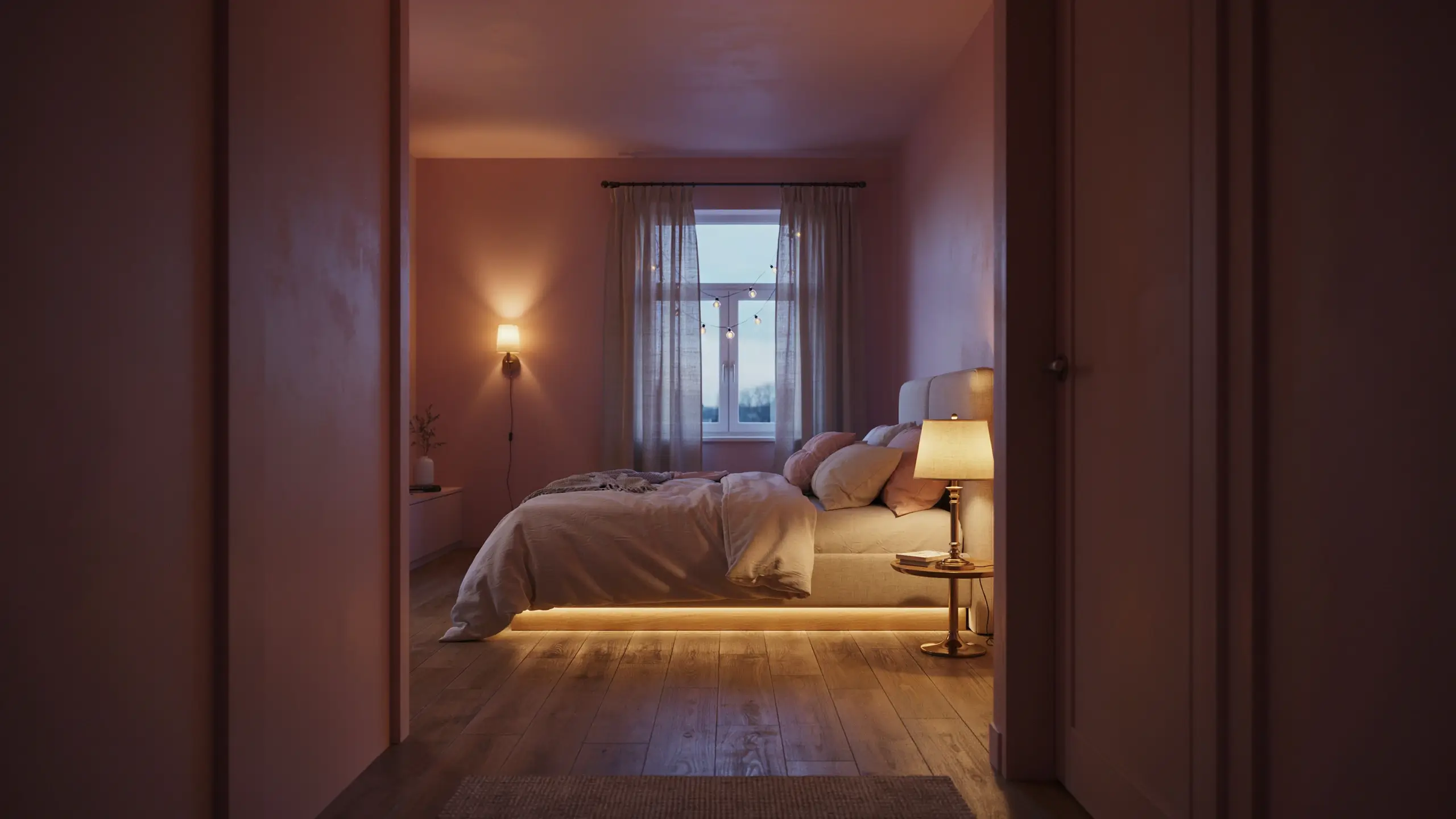
Lighting is the single most underrated step when decorating any bedroom, and it matters even more in a pink bedroom. The right light makes pink feel warm, romantic, and glowing. The wrong light makes it look flat, washed out, or accidentally orange.
- Skip harsh overhead lighting whenever possible. A bare ceiling fixture pointed straight down at a pink room does the color no favors. If you have a ceiling light, add a warm-toned bulb (2700K to 3000K) and layer in other light sources so it’s not doing all the work.
- Bedside lamps are non-negotiable. Two lamps flanking the bed create symmetry, cast warm upward light, and make the room feel designed rather than provisional. Look for bases in brass, ceramic, or rattan. The lampshade material matters too — a white or cream linen shade casts the warmest, most flattering light.
- Wall sconces beside the bed free up nightstand space and cast light at exactly the right height for reading and for making pink walls glow. Plug-in sconces work for renters and are very easy to install with no electrician required.
- LED strip lighting behind a headboard, under a bed frame, or along open shelving creates an ambient glow at night that makes pink rooms feel cinematic. Choose warm white LEDs (not cool white) and set them on a dimmer.
- Fairy lights or globe string lights draped over a headboard, threaded through a canopy, or hung in a window create that warm, diffused evening glow that makes a pink bedroom feel genuinely magical. It sounds simple because it is, and it works every single time.
The goal is layered light at different heights. Overhead light, bedside light, and low accent light used together create depth that a single source never can.
Add Textures That Make the Room Come Alive
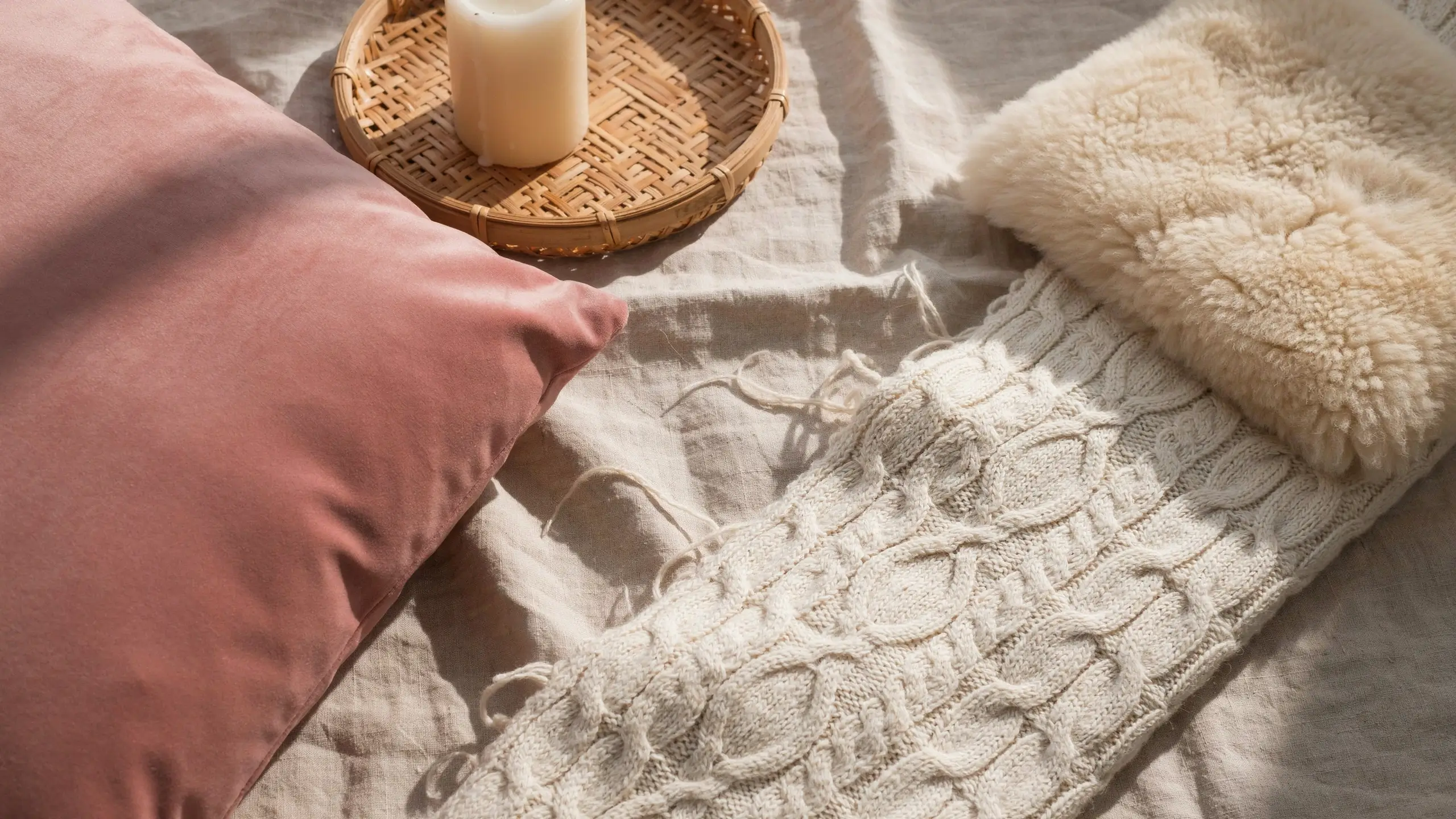
The most beautiful pink bedrooms you see on Pinterest are never just pink. They’re a mix of textures that happen to share a warm color palette. This is what creates depth and the feeling that the room has been thoughtfully built rather than quickly assembled.
- Velvet. A velvet headboard, velvet throw pillows, or a velvet bench adds richness and absorbs light in a way that makes colors look richer and more saturated. Dusty rose velvet against linen walls is quietly stunning.
- Linen. Linen bedding, linen curtains, and linen throws bring an effortless, relaxed quality that prevents a pink room from feeling overly precious. Linen in an unbleached natural or oatmeal tone grounds pink beautifully.
- Rattan and wicker. Woven natural materials are some of the most effective textures to pair with pink. A rattan mirror, wicker baskets as nightstands, or a rattan pendant light all add organic warmth that reads beautifully in photos and in person.
- Sheepskin or faux fur. A small sheepskin draped over a chair or a faux fur throw at the foot of the bed adds a tactile coziness that photos can almost feel.
- Knit throws. A chunky-knit throw in cream, blush, or sage adds casual texture without adding visual weight. It’s also one of the easiest and most budget-friendly ways to add that layered, cozy look.
- A textured rug. A jute or sisal rug grounds a pink bedroom in natural material and adds a visual break between the bed and the floor. A plush rug in a coordinating blush or cream makes the room feel softer underfoot and more luxurious overall.
Mix at least three different textures in any well-designed room. If everything is the same material, even a beautiful room starts to feel monotonous.
Finishing Touches That Tie It All Together
The details are what take a pink bedroom from “pretty enough” to genuinely save-worthy. These are the finishing touches that make a real difference:
- Curtains and window treatments. Sheer curtains in pale pink or blush filter natural light into a warm, soft glow that makes the whole room feel romantic. Floor-length curtains hung high above the window frame (aim for a few inches below the ceiling, not just above the window) make ceilings feel taller and rooms feel more substantial. This is one of the highest-impact, lowest-cost changes you can make.
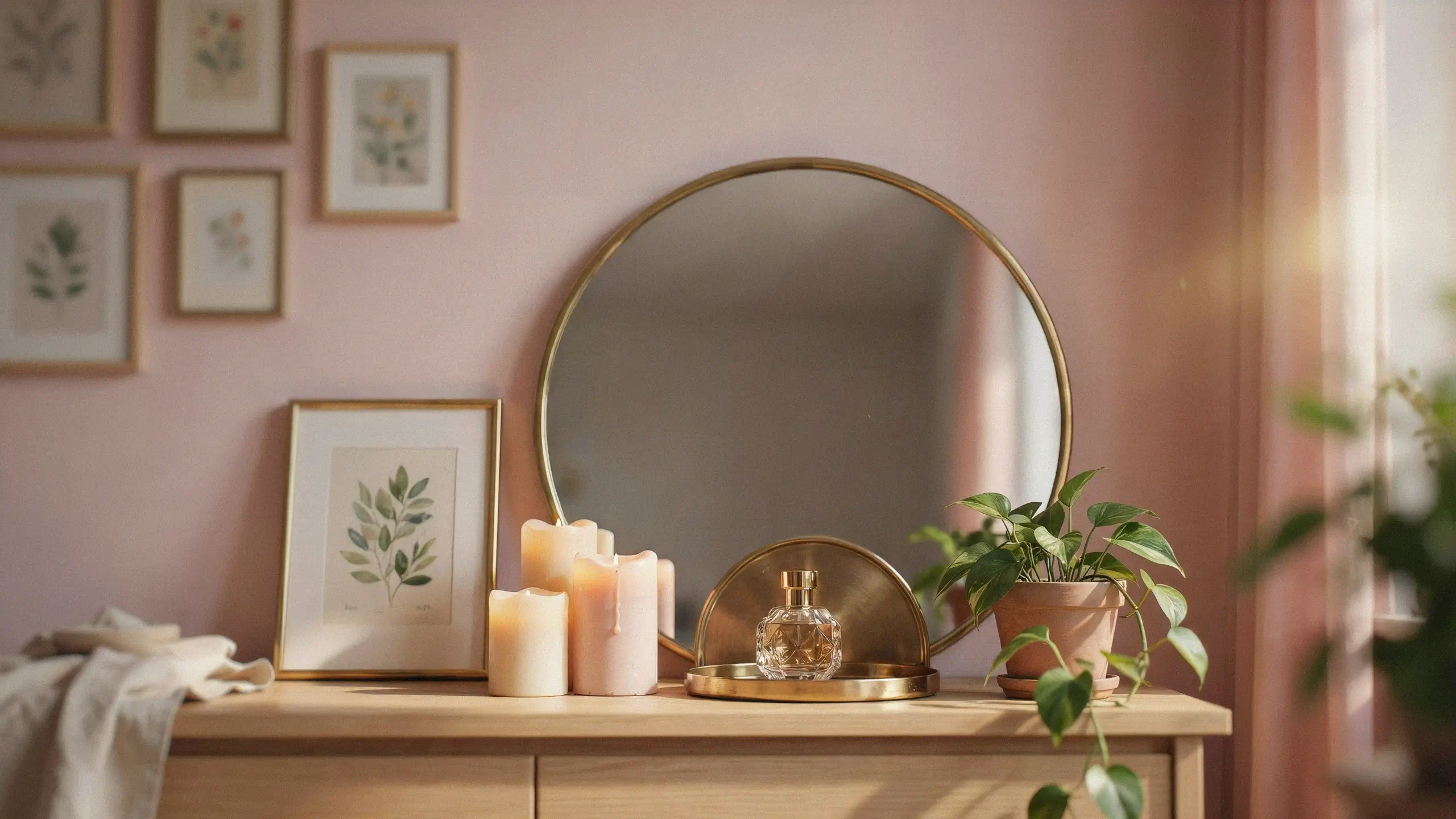
- Mirrors. A well-placed mirror does two things: it reflects light and it creates the illusion of more space. A large round mirror with a gold or rattan frame over the dresser is a classic choice for a pink bedroom. A full-length mirror in an arch shape leaned against a wall adds that effortless, photographer-friendly quality.
- Wall art. Botanical prints, abstract watercolor art in blush tones, photography with warm tones, or even framed vintage scarves look beautiful in a pink bedroom. Hang a grouping of three or five pieces of different sizes for a gallery-wall effect, or go for one large statement piece above the dresser.
- Plants. Trailing pothos, cascading string-of-pearls, or leafy monstera plants add life and green contrast that makes a pink room feel fresh rather than saccharine. A terracotta pot (which coordinates beautifully with pink) or a woven planter basket both work well.
- Candles. A cluster of candles in varying heights on a nightstand or dresser adds warmth, scent, and a romantic quality that makes the room feel finished in a way that’s hard to replicate any other way. Taper candles in white or cream, pillar candles in neutral tones, and a single crystal candle holder are an easy and affordable combination.
- A reading nook or cozy corner. If space allows, a small upholstered chair with a throw blanket and a floor lamp in the corner of the bedroom creates a secondary zone that makes the whole room feel more intentional. It doesn’t have to be a designer chair — a thrifted armchair recovered in a blush or neutral fabric achieves the same effect at a fraction of the cost.
Renter-Friendly Pink Bedroom Ideas That Require Zero Drilling
If you’re renting, you can still design a stunning pink bedroom without risking your security deposit. These approaches are all reversible, damage-free, and genuinely effective:
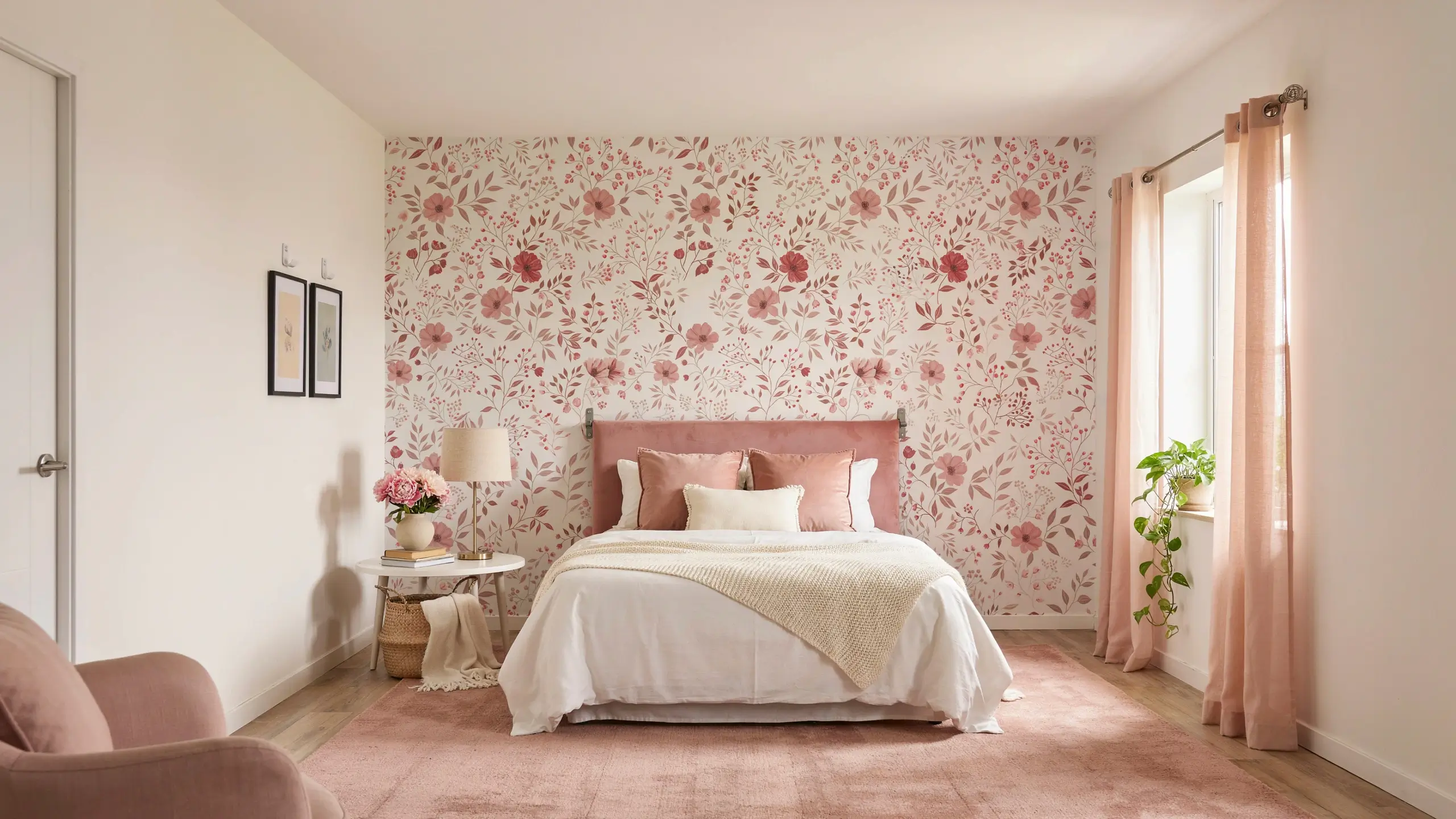
- Peel-and-stick wallpaper behind the headboard creates a dramatic accent wall with no permanent changes. Remove it when you move out and the wall beneath is untouched.
- Textile walls. Hang a large piece of pink or floral fabric using a tension rod or command hooks. This acts as an instant headboard wall, adds enormous visual warmth, and comes down in minutes.
- Curtains on tension rods for window bays that can’t have hardware installed. They won’t be quite as dramatic as ceiling-mounted rods, but they add softness and texture.
- Command hooks and strips for hanging art, mirrors, and lightweight shelves. The newer versions hold surprisingly well and remove cleanly.
- A pink rug does more for a rental bedroom than almost any other single purchase. It covers imperfect floors, adds warmth and color, and moves with you to your next home.
- Temporary removable paint is a relatively new product worth knowing about. Some companies offer peel-off “paint” panels or wide-format temporary wall panels that give the look of painted walls with no actual painting. These work best for single accent walls.
- Furniture and textiles are your biggest tools as a renter. A pink velvet headboard that attaches to the bed frame, pink curtains, blush bedding, and a rose-toned rug can make a plain white rental bedroom feel completely transformed without touching a wall.
Mistakes to Avoid When Designing a Pink Bedroom
These are the most common errors that keep pink bedrooms from reaching their potential:
- Using all the same shade of pink. A monochromatic room in one flat pink — all the same tone on walls, bedding, and accessories — reads as costumey. Vary the shades. Blush walls with dusty rose pillows and a deep mauve throw create depth. One shade of pink, repeated everywhere, creates monotony.
- Ignoring undertones. Some pinks have cool, almost lavender undertones. Others lean warm and peachy. These two types don’t always mix well. Check the undertone of every pink piece before buying and make sure they’re working in the same direction.
- Buying a matching bedroom set. An identical dresser, nightstand, and headboard in the exact same finish makes a room look like a showroom floor. Mix and layer different furniture pieces in coordinating tones instead.
- Forgetting about flooring. Whatever is on the floor either supports or undercuts all the pink above it. A cold gray tile or an overly busy patterned carpet can fight with pink walls. A natural jute rug, a plush blush rug, or a simple cream area rug all anchor the room effectively.
- Skipping window treatments. Bare windows make even a beautifully furnished pink bedroom feel unfinished. Even simple white linen curtains hung high on the wall make an enormous difference.
- Relying on overhead light only. Flat overhead light drains warmth from pink and makes the room feel clinical. Layer in lamps, sconces, and accent lights.
- Going too bold without a plan. Hot pink or deep fuchsia walls can be genuinely stunning, but they require more careful furniture and textile choices to balance. If you’re new to pink, start lighter and go deeper in your second or third layer of accessories. You can always add more; taking it back is harder.
Bringing Your Pink Bedroom Together
The best pink bedrooms share one quality: they feel personal. Not staged. Not catalog-perfect. They look like someone made real choices about what they love — a specific shade of rose they couldn’t stop thinking about, a rattan mirror they found at a thrift store, curtains that let the afternoon light turn the whole room golden.
Learning how to design a pink bedroom is really about learning how to layer. Choose your shade first. Build your wall approach second. Then work outward through furniture, bedding, lighting, texture, and accessories, making each layer add something the one before it didn’t have.
You don’t have to do it all at once. Start with a peel-and-stick panel behind the bed, or swap your current bedding for linen in a blush tone, or add two brass lamps to your nightstands. Small changes in a pink bedroom compound quickly. Before long, you’ll have a room that makes you want to close the door, light a candle, and just be in it.
That’s the whole goal.
What’s your vision for your pink bedroom? Are you going full-blush walls or starting with accessories? Drop a comment below — I’d love to see what direction you’re leaning!




No Comment! Be the first one.