




21 Essential Dos and Don’ts for Transforming Your Small Walk-In Closet
If your small walk-in closet looks more like a laundry basket exploded in a box than a boutique, you are not alone. A lot of small walk-in closets get treated as an afterthought during construction,...

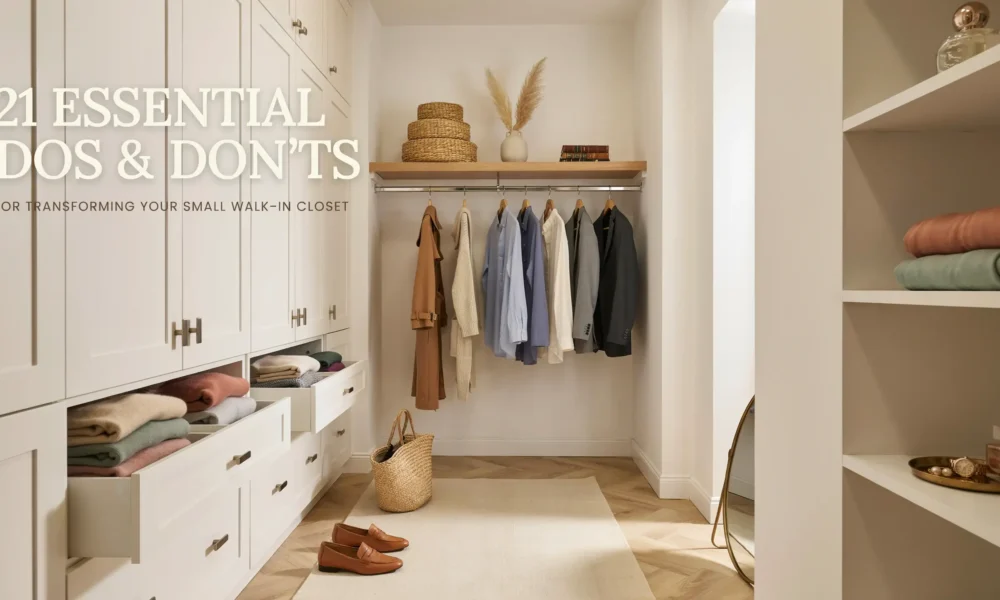
If your small walk-in closet looks more like a laundry basket exploded in a box than a boutique, you are not alone. A lot of small walk-in closets get treated as an afterthought during construction, which means you end up with one sad rod, one shelf, and a floor that becomes the default storage plan.
The good news is that a small walk-in closet has way more potential than people give it credit for. You just need the right combination of layout, storage, and styling choices, and you need to skip the mistakes that waste the space you already have.
These 21 dos and don’ts cover everything from planning your layout to picking the right hangers to adding a finishing touch that makes the whole closet feel intentional. Whether you’re working with a rental, a starter home, or a closet that’s been driving you a little crazy, save this one for your next free Saturday.
Start With a Plan That Actually Fits Your Space
Before you order a single bin, take a minute to actually look at what you’re working with. This is the step most people skip, and it’s the reason so many closet makeovers fall apart within a month.
1. DO measure your closet before you buy anything
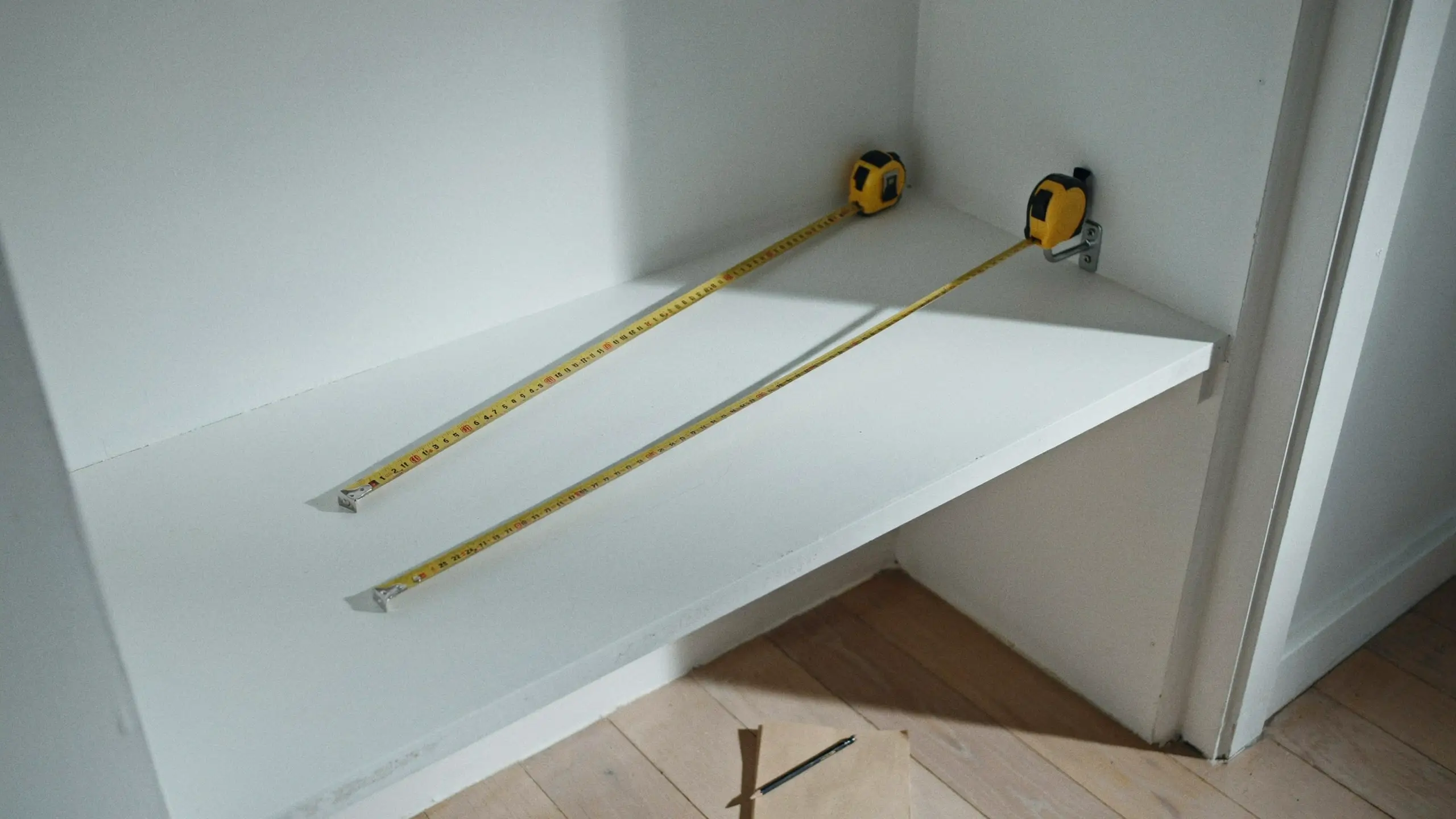
Grab a tape measure and write down:
- The width of your closet
- The depth of your closet
- The height of your closet
- The width of the door opening
You need at least 24 to 30 inches of walkway space to move comfortably, and hanging rods need about 24 inches of depth to clear the door frame. Skipping this step is how people end up with shelving units that don’t fit or rods that hit the wall when you try to slide a hanger across.
2. DON’T skip the full purge
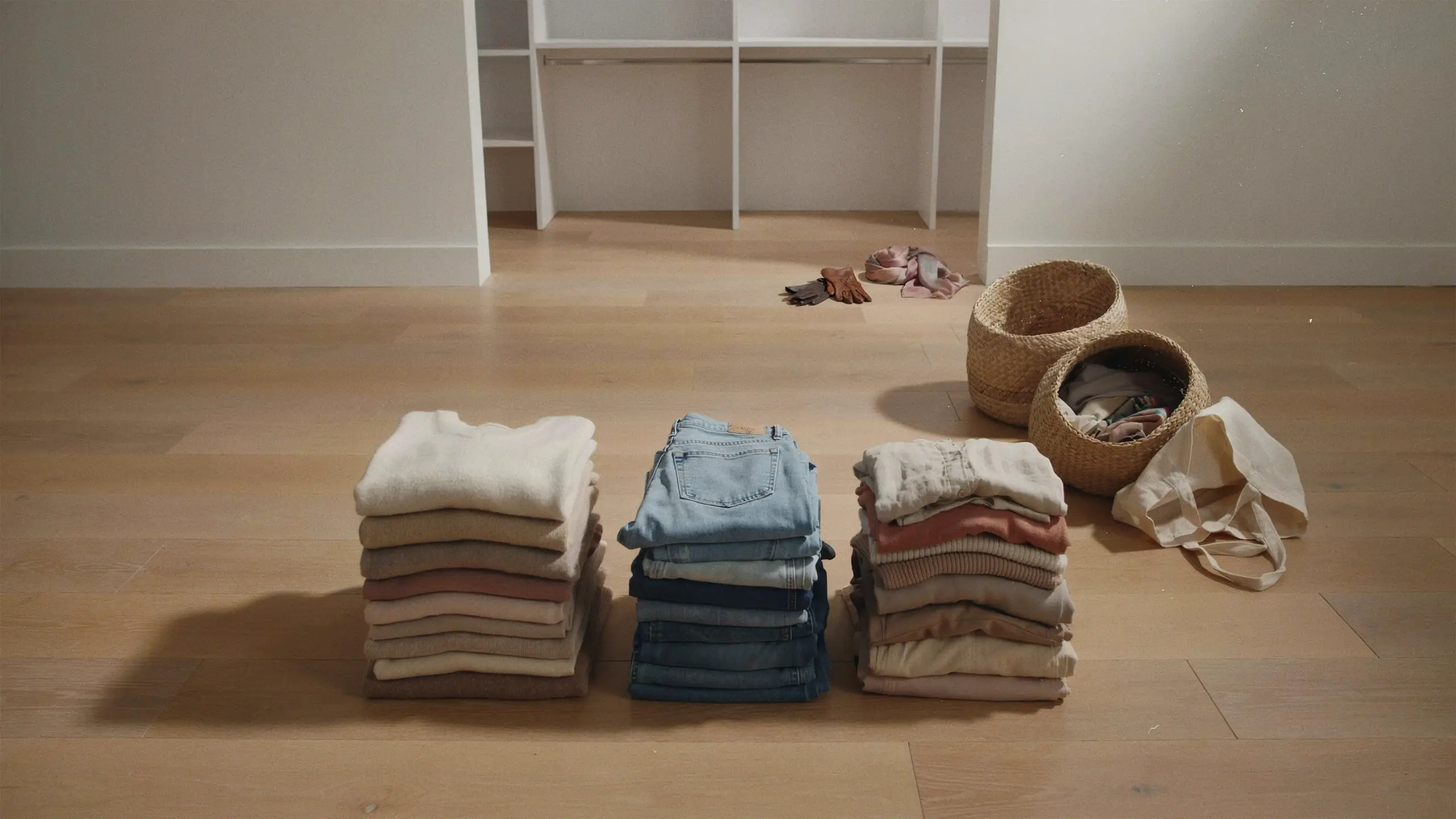
It’s tempting to jump straight to organizing, but if you organize clothes you don’t wear, you’re just organizing clutter. Take everything out of the closet, sort into keep, donate, and toss piles, and be honest about anything you haven’t worn in over a year. A smaller wardrobe is the single easiest way to make a small closet feel bigger.
3. DO raise your top shelf for double hanging
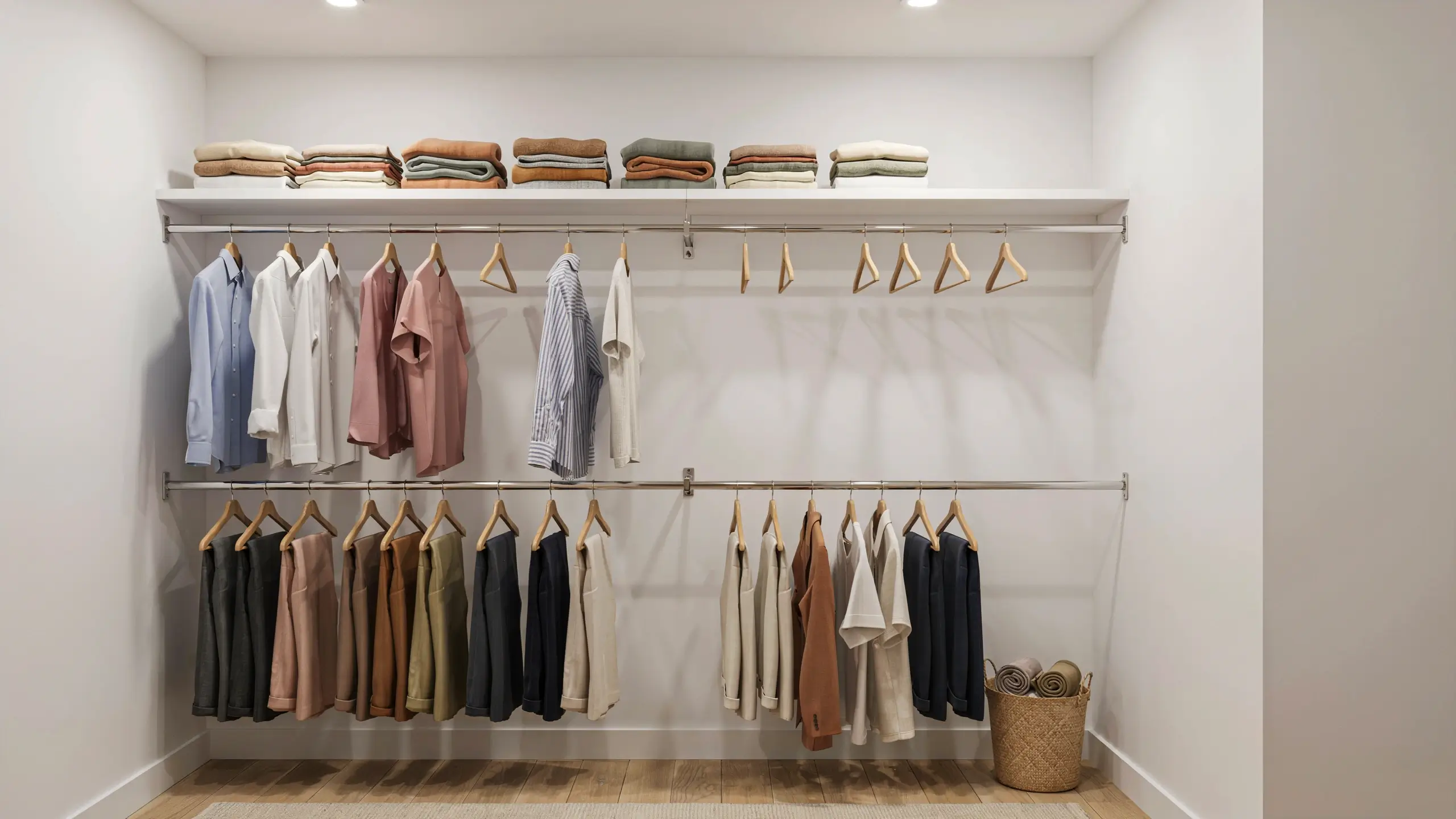
If your closet is around 8 feet tall, your top shelf is probably sitting way too low. Move it up to about 84 inches from the floor and you’ll suddenly have room to add a second hanging rod underneath it. This one change can double your hanging space without adding a single inch to the room.
4. DON’T install corner shelving units
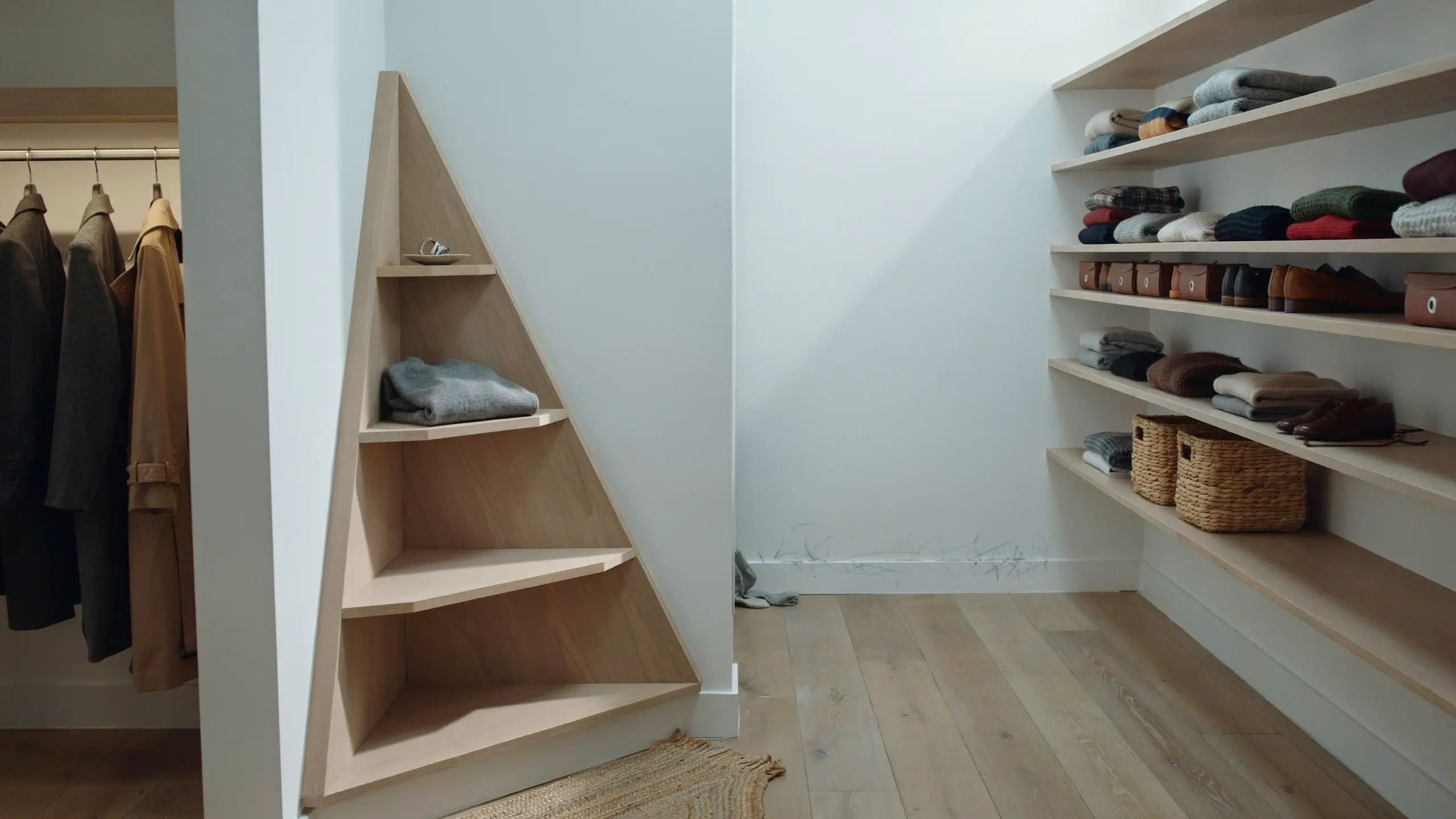
Corner shelves look nice in photos, but in a small walk-in they eat up a huge amount of usable floor and wall space for what you actually get in return. They’re also usually one of the pricier add-ons in a closet system. Skip them and put that space toward straight shelving or hanging storage instead.
5. DO map out zones before adding storage
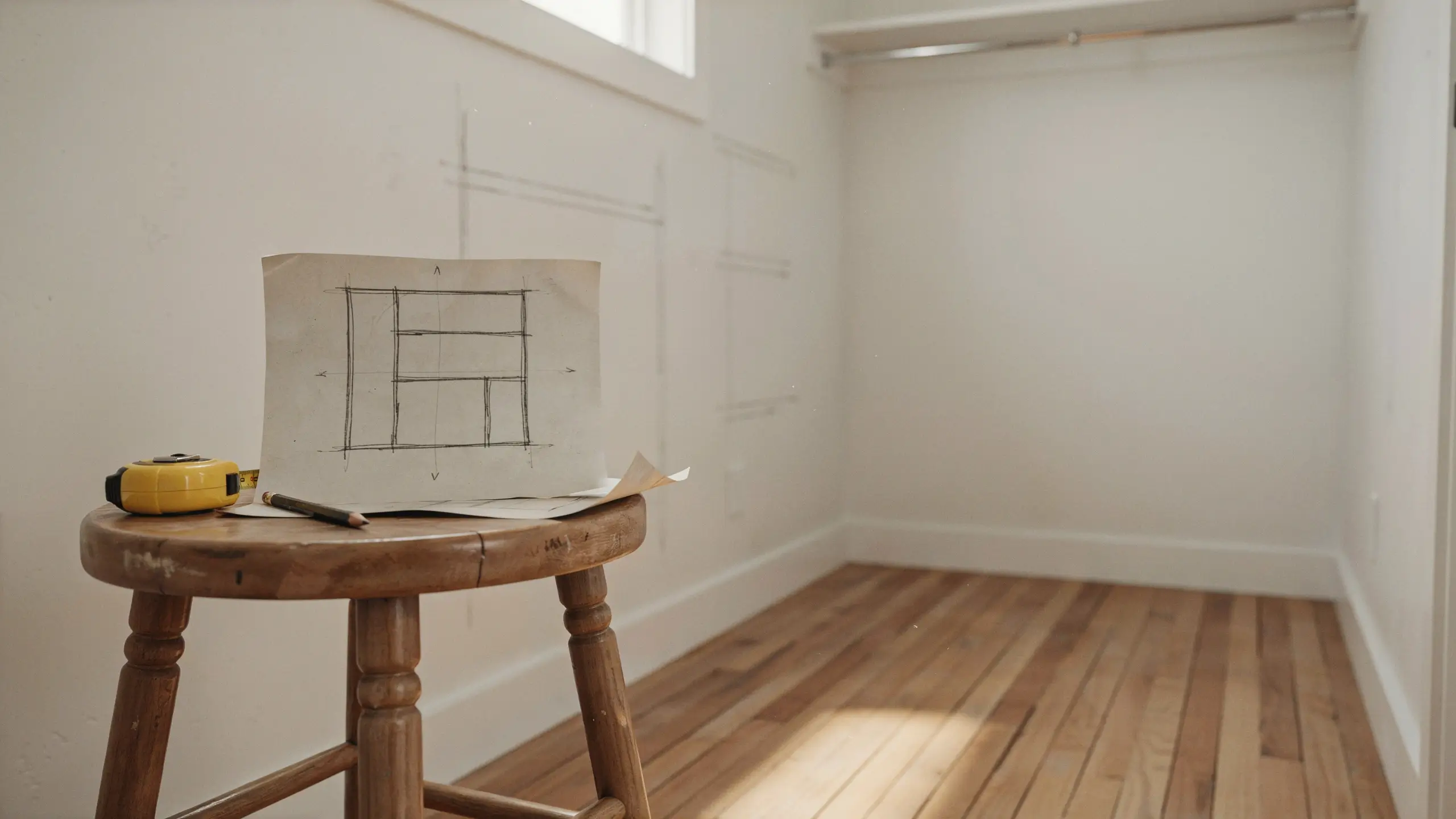
Decide where your hanging clothes, folded items, shoes, and accessories will live before you install anything. A quick sketch on paper works fine. This keeps you from buying storage pieces that don’t match how you actually get dressed in the morning.
6. DO use slim, matching hangers
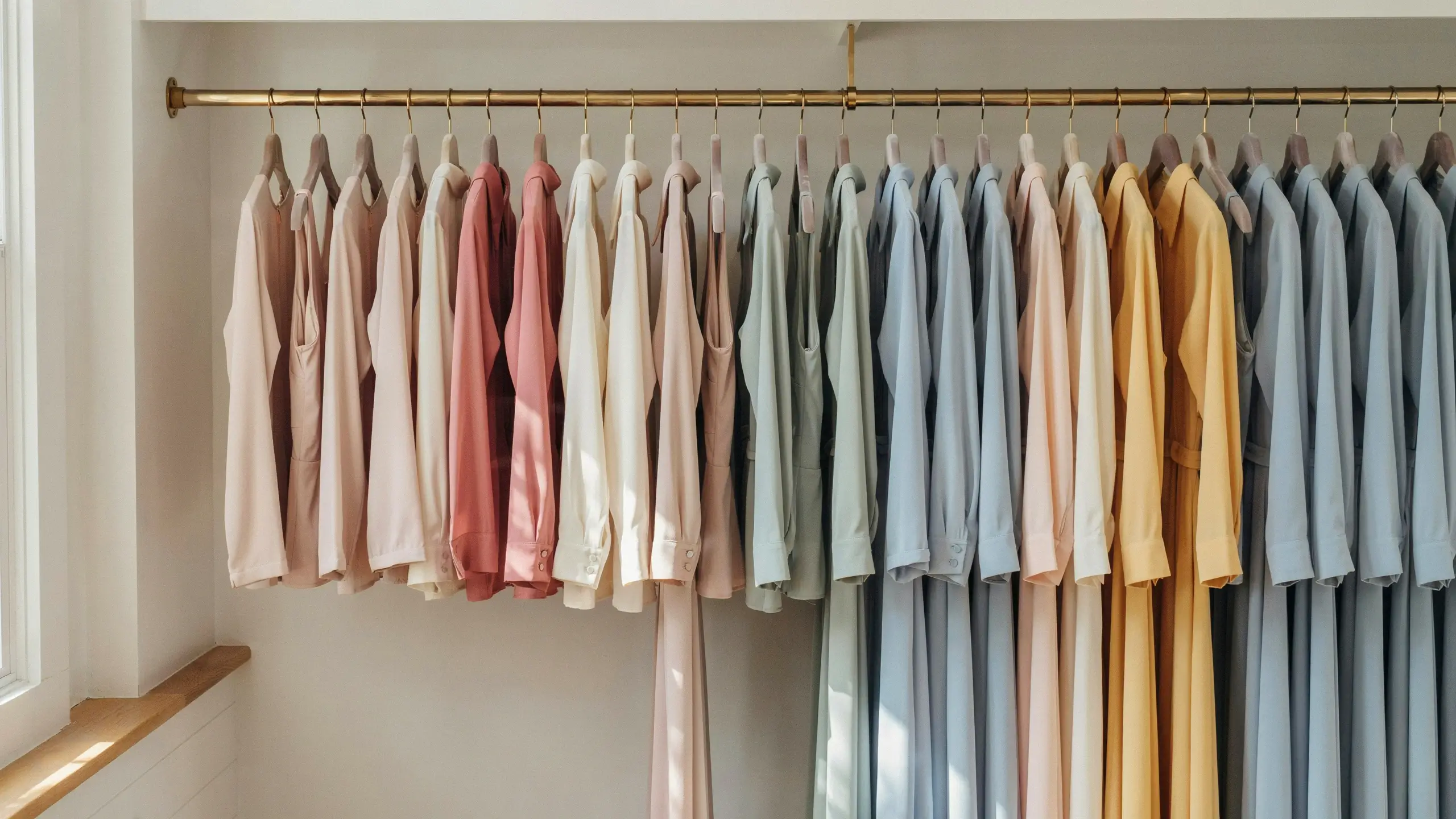
Bulky plastic and wire hangers waste rod space and never line up. Switch to thin velvet or wooden slimline hangers in one style and you can fit noticeably more clothes on the same rod. It also gives your closet that clean, boutique look people love to pin.
7. DON’T let wire shelving hold everything
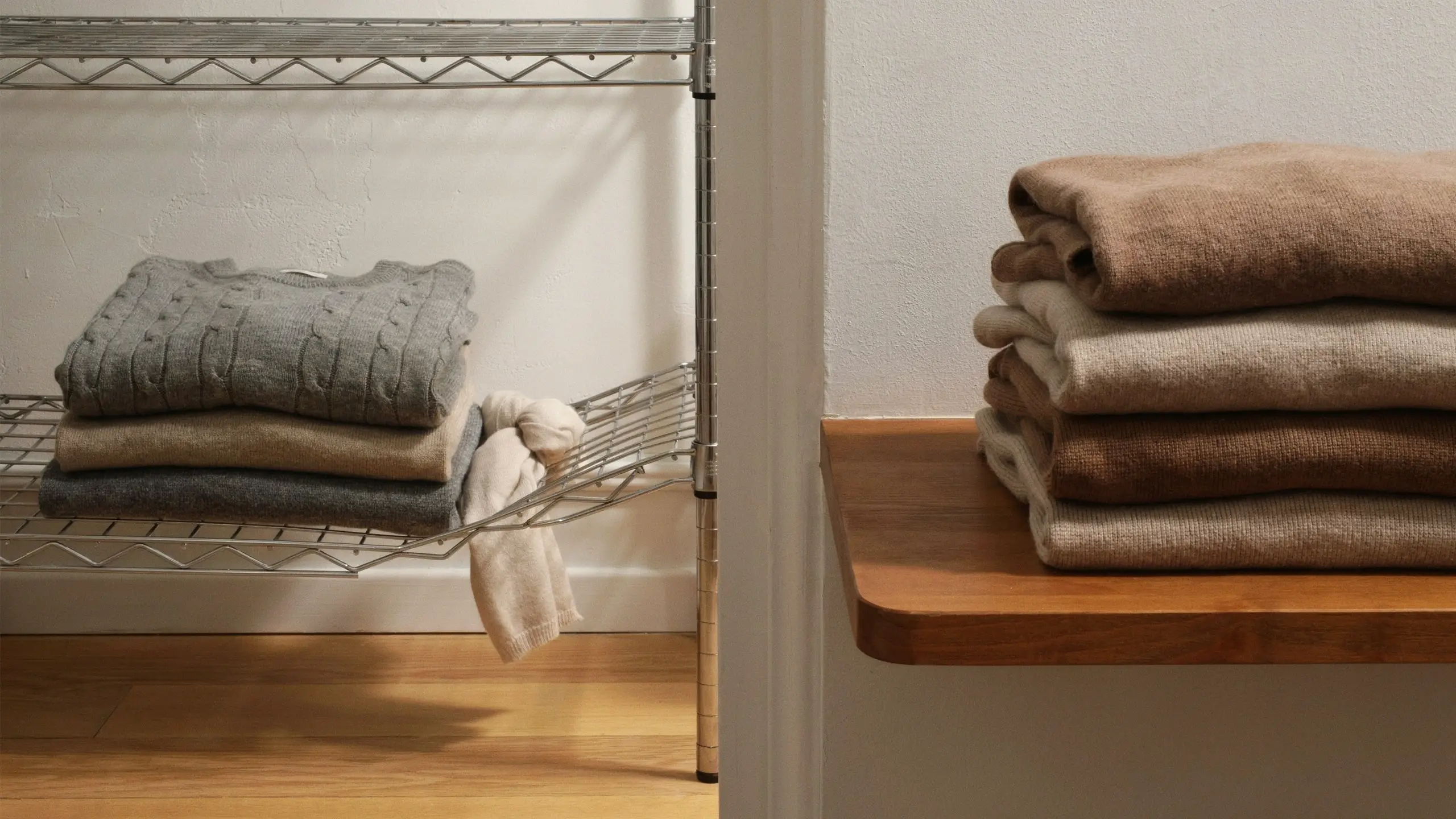
Wire shelves are budget-friendly, but they’re not great for delicate fabrics, small accessories, or heavy stacks of sweaters, since items can slip through the gaps or leave imprint lines. Save wire shelving for bins and shoes, and use solid wood or laminate shelves for anything folded or fragile.
8.DO add double hang rods for shirts and pants
Shirts, jackets, and folded pants only need about 40 inches of hanging space, which leaves a lot of unused air below them. A second rod underneath instantly adds a whole new tier of hanging storage, especially useful for a smaller wardrobe.
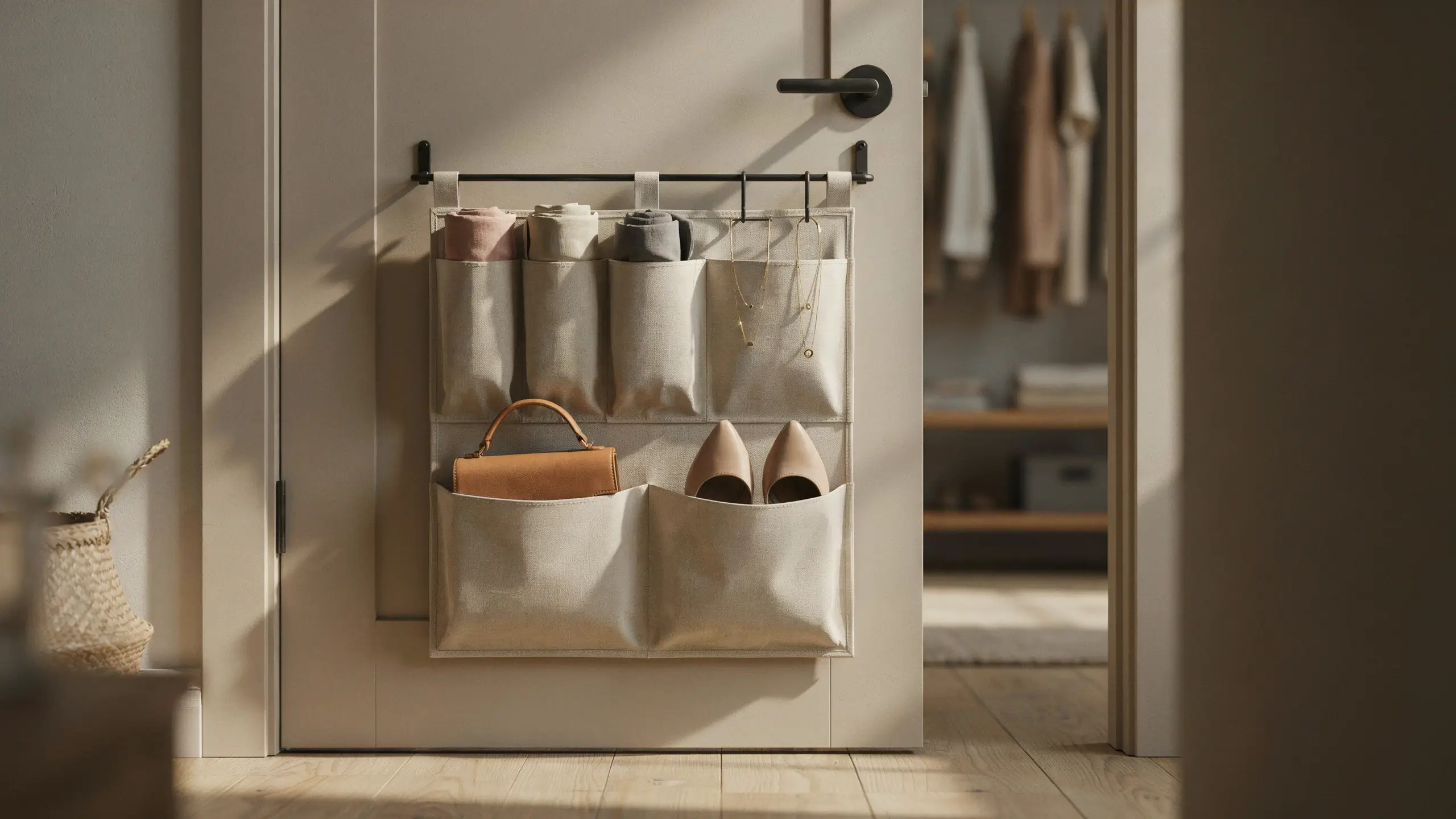
9. DON’T ignore the back of the door
The back of your closet door is one of the most overlooked spots in the entire room. An over-the-door rack or slim hanging organizer can hold:
- Shoes
- Scarves
- Jewelry
- Bags
This is also a great renter-friendly option since most of these hang over the door with no tools needed.
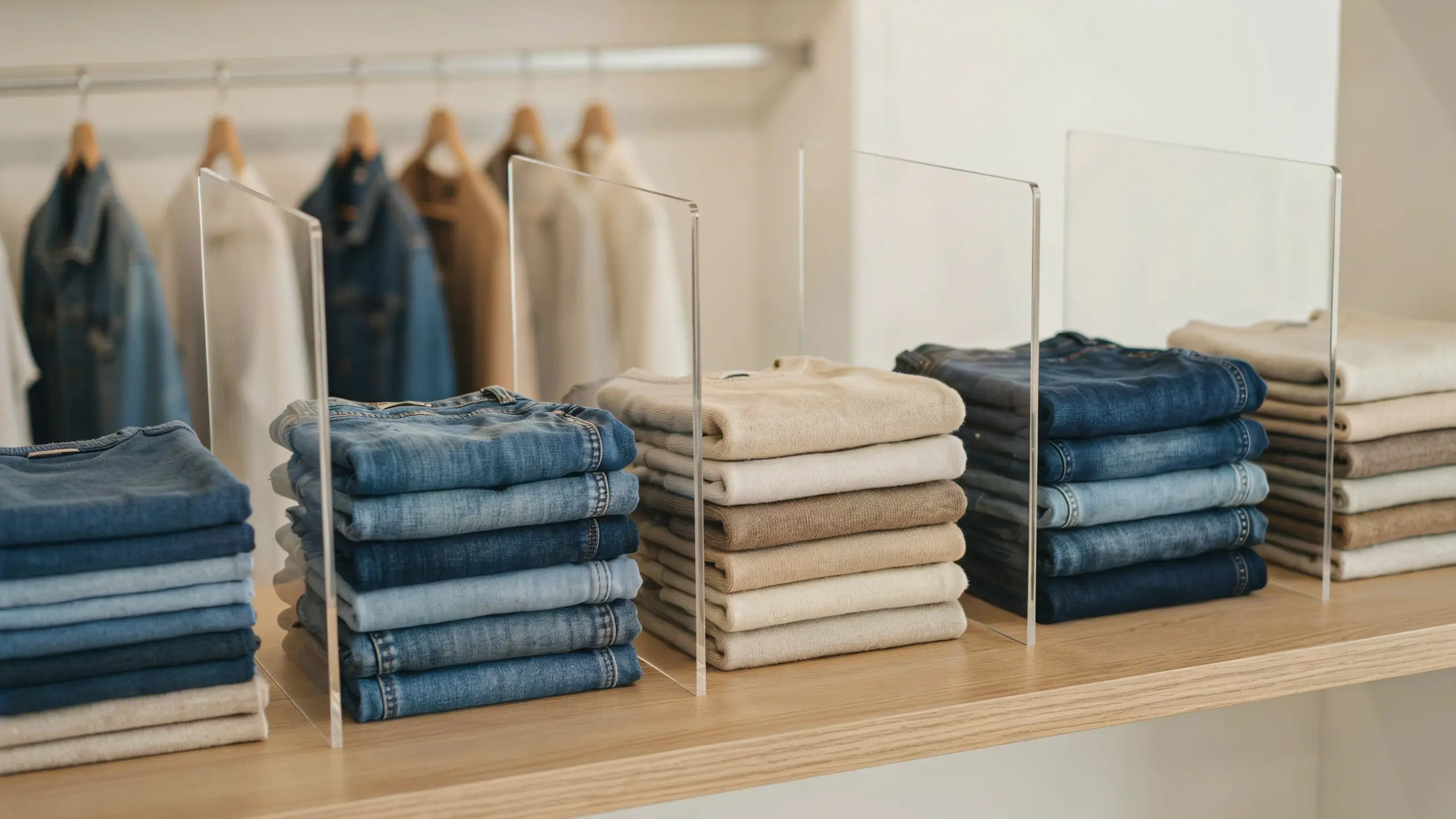
10. DO use shelf dividers for folded stacks
Folded stacks of sweaters and jeans tend to lean and tip over the second you pull one item from the middle. Shelf dividers keep each stack upright and separated, which makes the whole shelf look tidier and makes it easier to grab what you need without knocking everything else over.
11. DON’T forget the vertical space near the ceiling
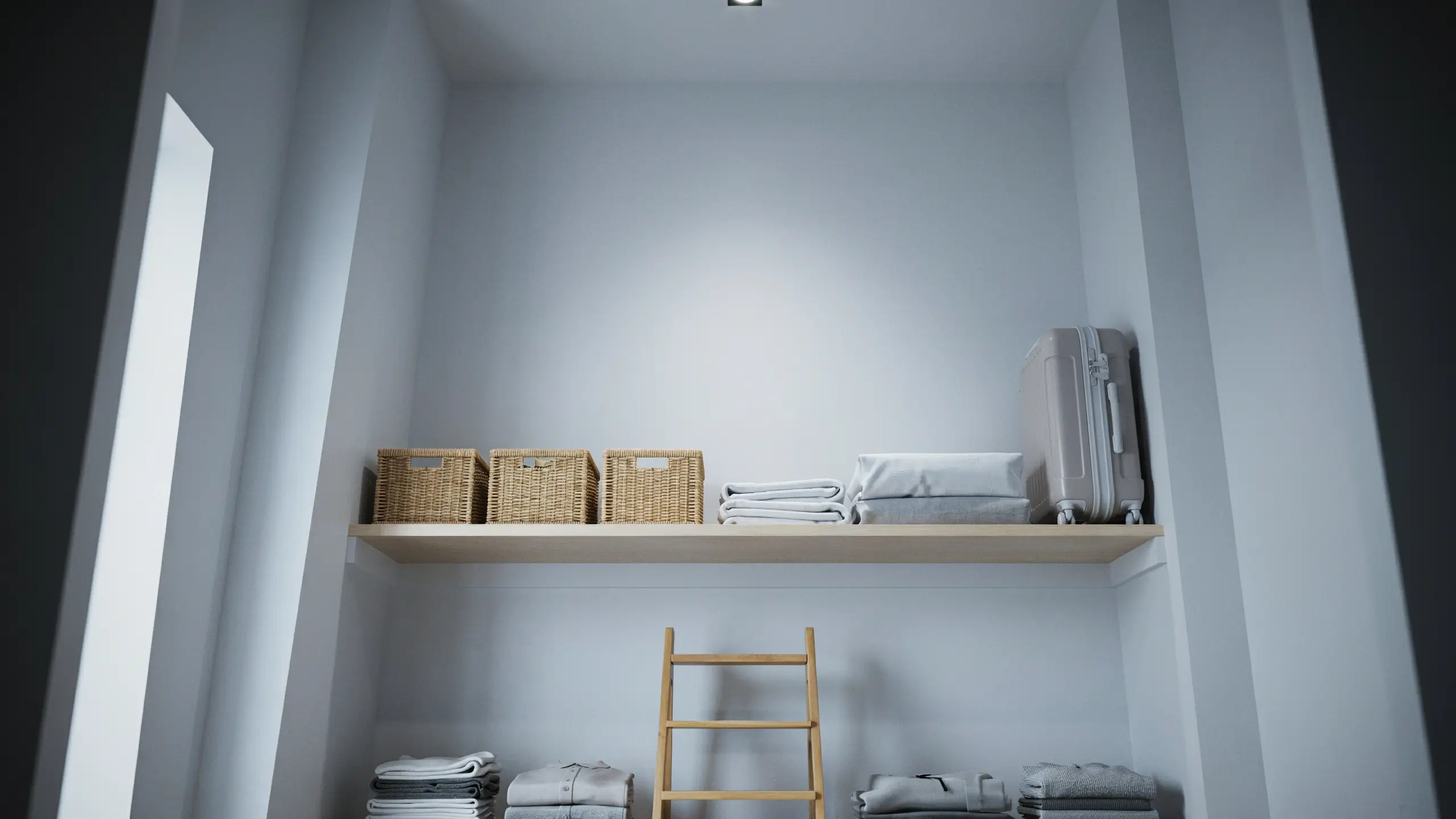
The space above your main shelf is prime real estate for anything you don’t need every day. Add a second, higher shelf and use it for out of season clothing, spare bedding, or luggage. Just make sure it’s stuff you’re okay reaching for with a step stool.
12. DO get shoes off the floor
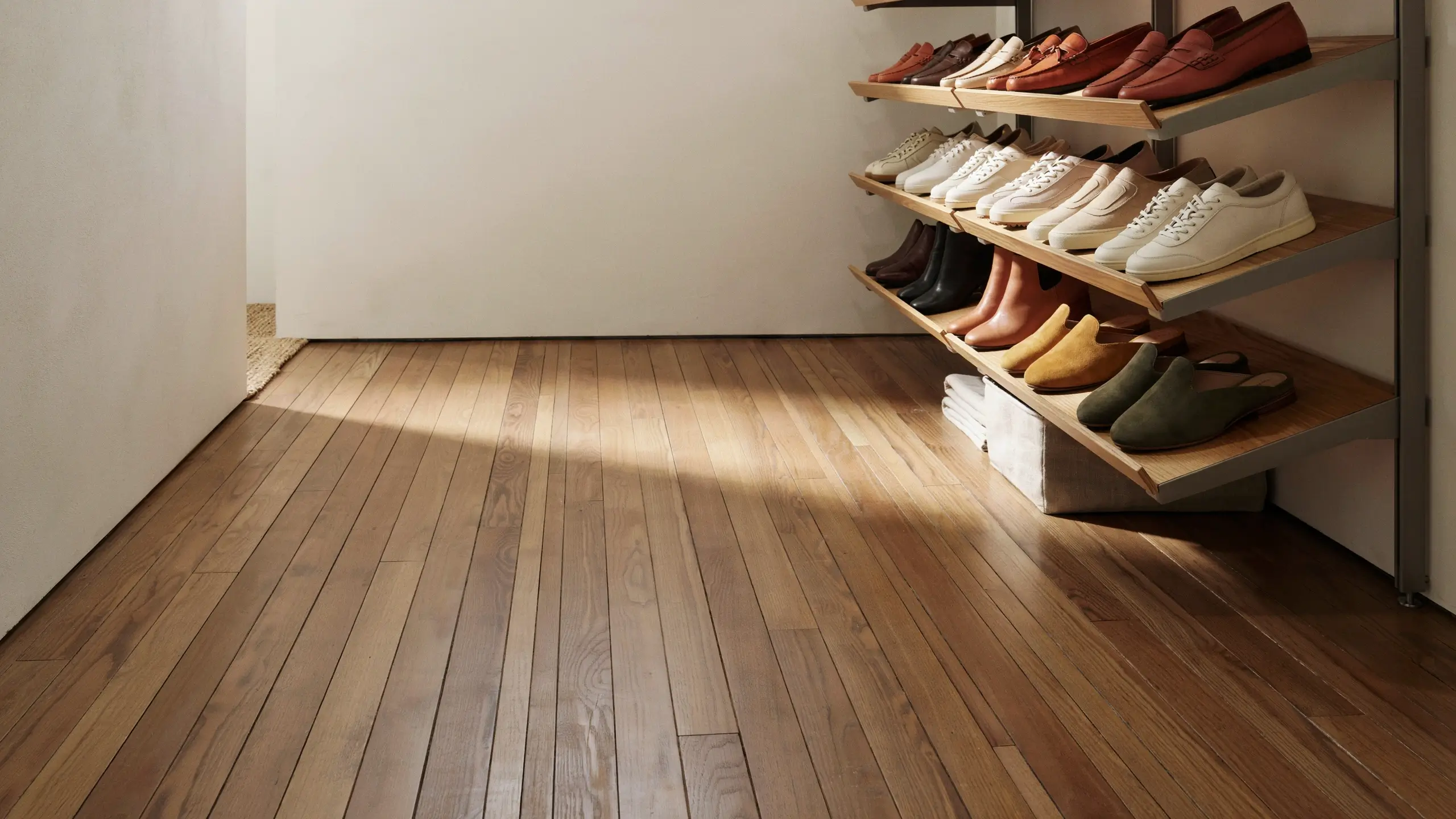
A pile of shoes on the closet floor is one of the fastest ways to make a small space feel chaotic. Angled shoe shelves, a slim shoe rack, or stackable shoe cubbies keep pairs visible and easy to grab, and they free up your entire floor for walking room.
Keep It Organized (Not Just Pretty for a Day)
A closet makeover only counts if it still looks good a month later. These next few tips are about keeping the system working long term.
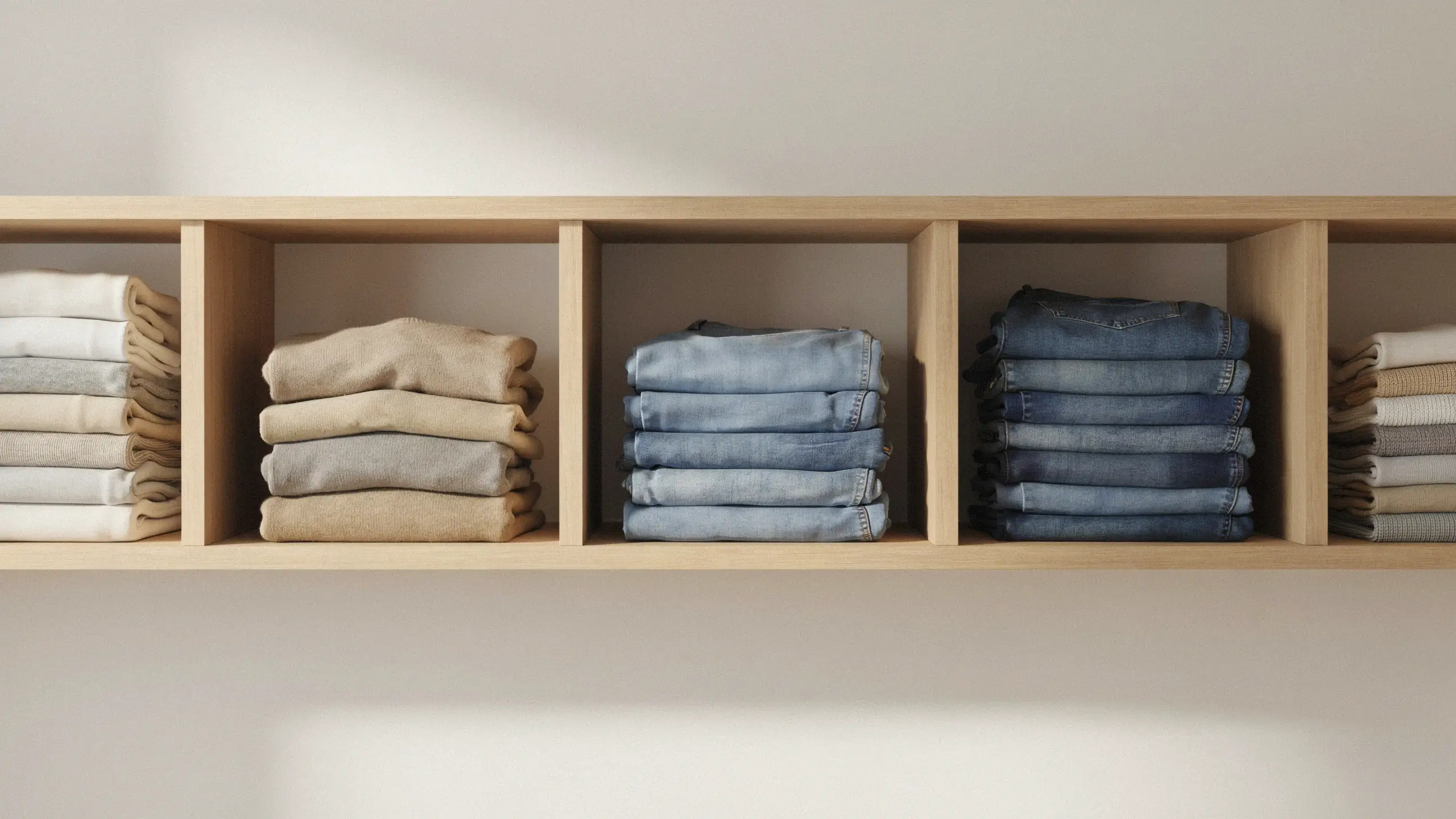
13. DO group items by category and color
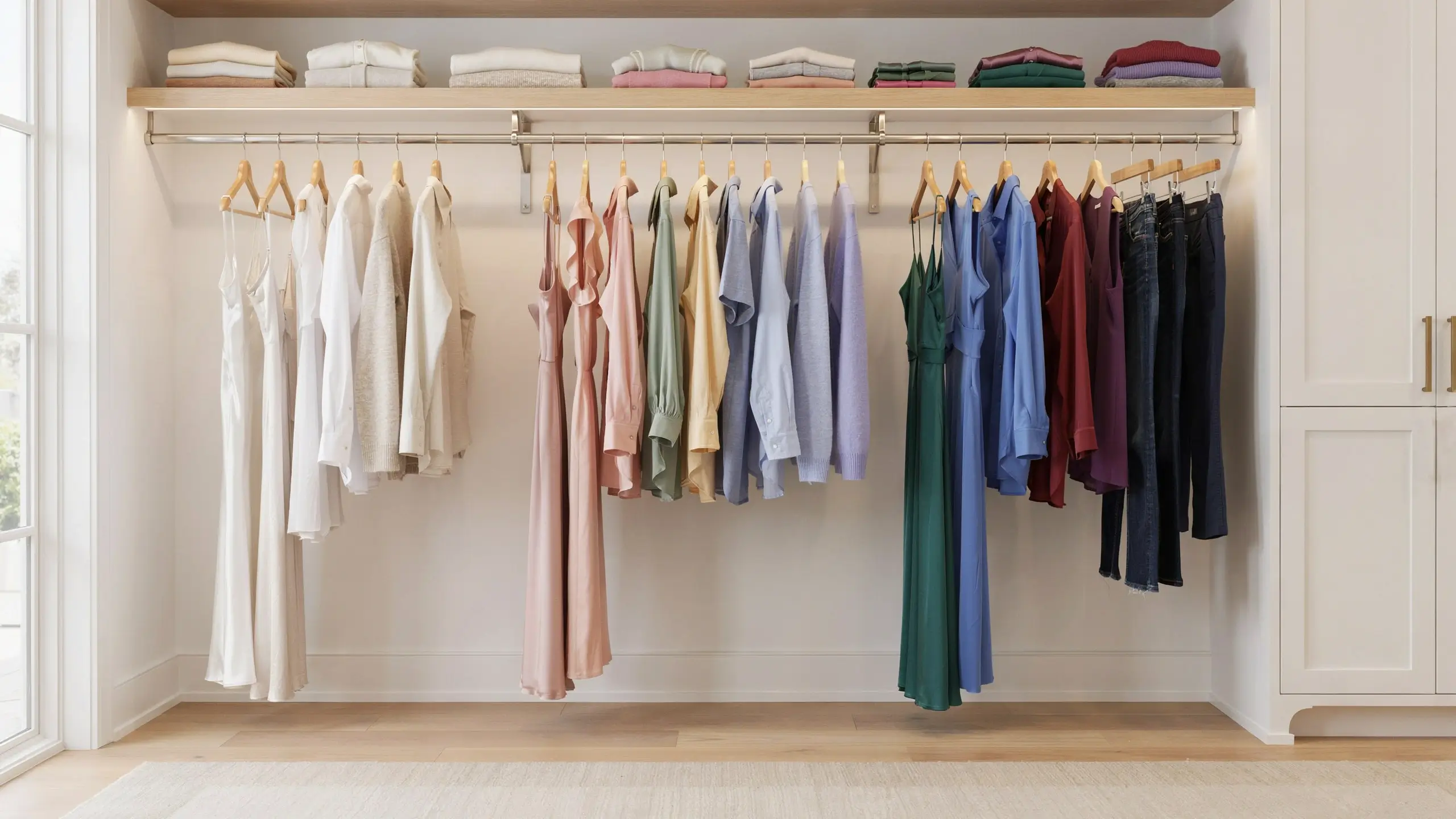
Grouping like with like, all your dresses together, all your jeans together, then arranging by color within each group, makes it dramatically easier to find what you’re looking for. It also happens to be the exact look that makes closet photos so satisfying to scroll past on Pinterest.
14. DON’T buy bins before you know what you’re storing
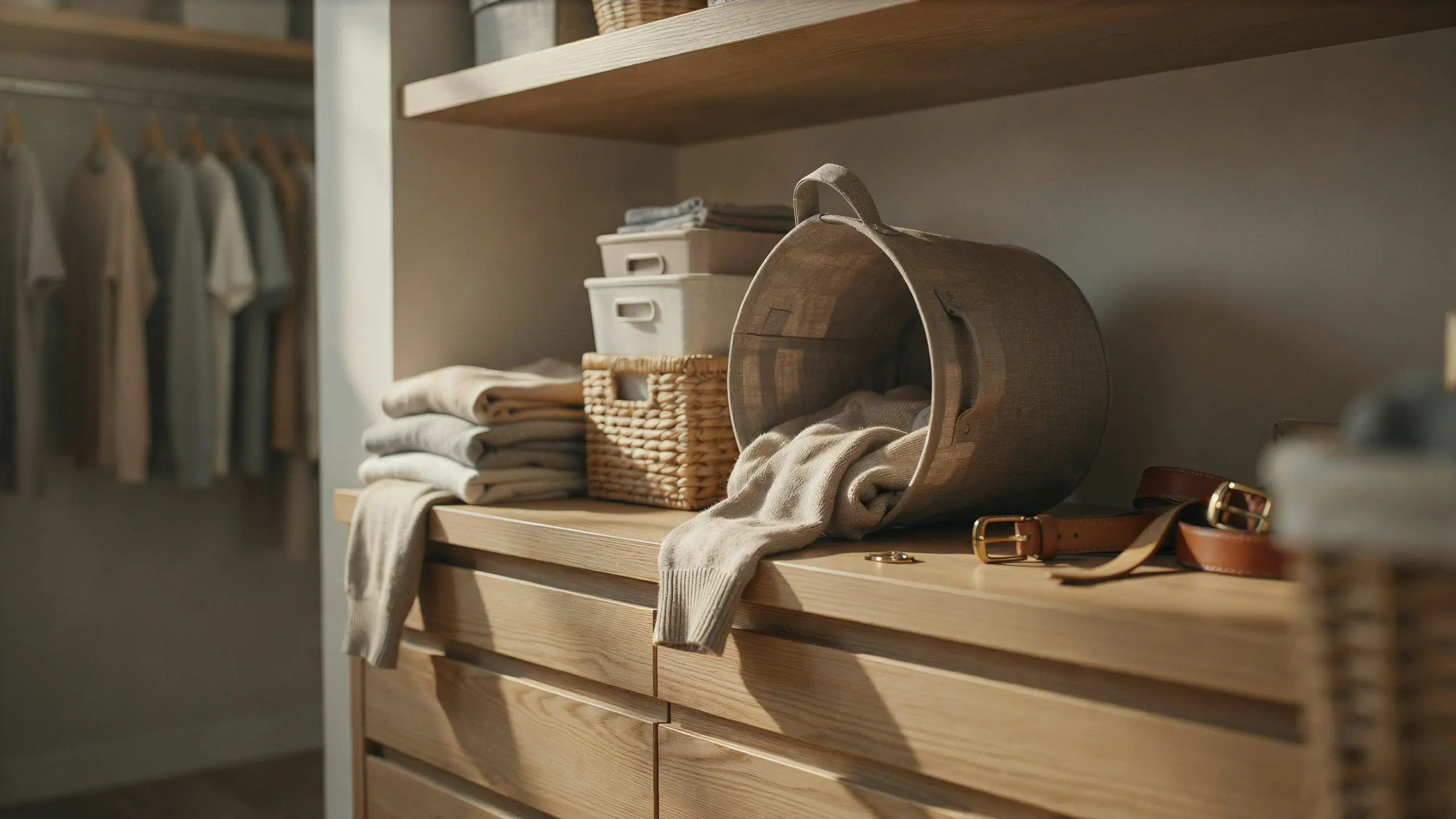
It’s easy to get excited and order a matching set of bins before you’ve actually sorted your stuff. Figure out what needs containing first, whether that’s belts, workout gear, or off-season sweaters, then choose bins sized for that specific job. Buying first means you usually end up with the wrong sizes.
15. DO give laundry a designated spot
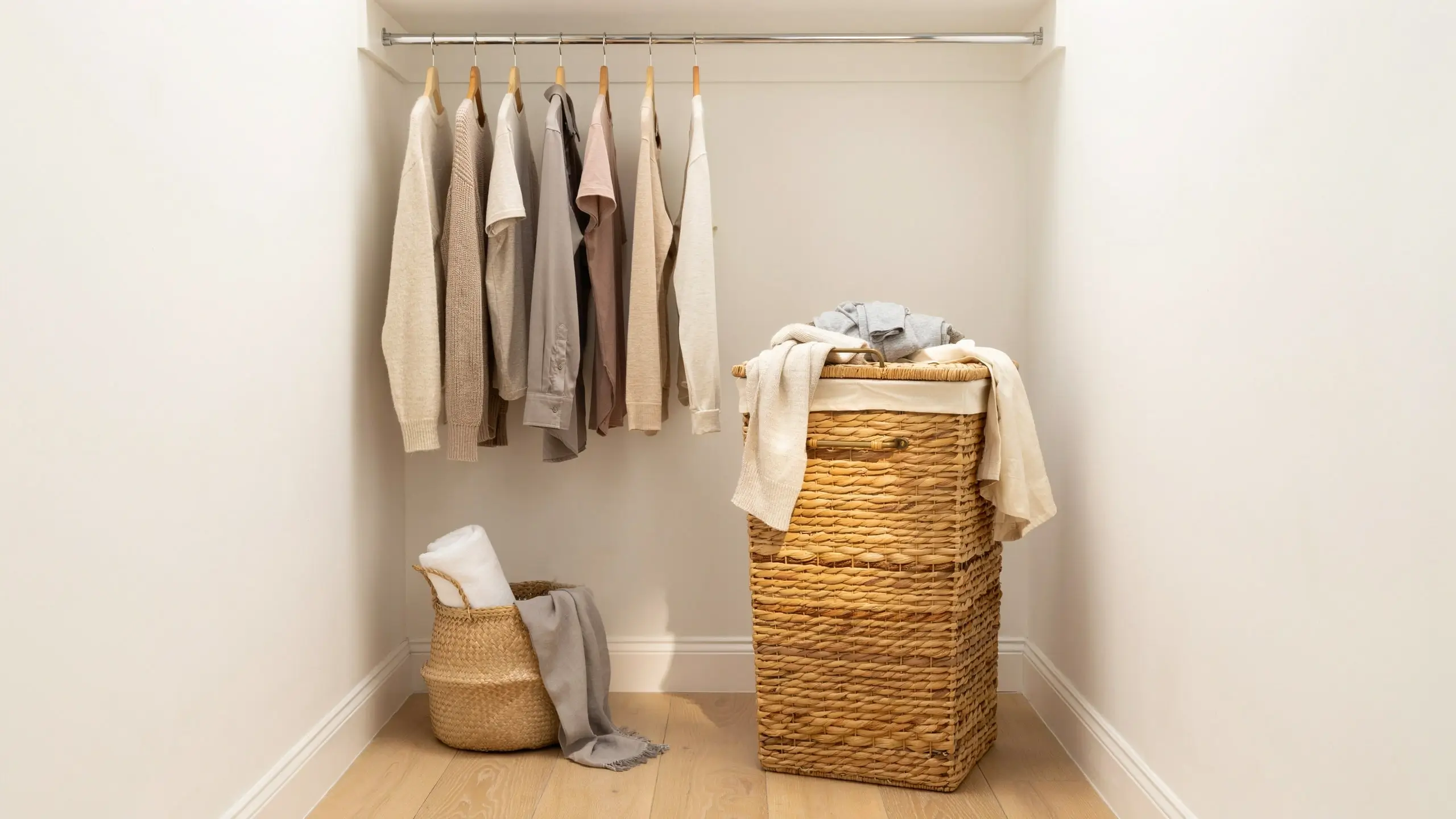
If dirty clothes have nowhere specific to go, they end up on the floor, on a chair, or draped over a hanger. A hamper tucked into a corner or a pull-out laundry bin keeps things contained and stops your clean closet from turning back into a mess within a week.
16. DON’T cram every off-season item into the main space
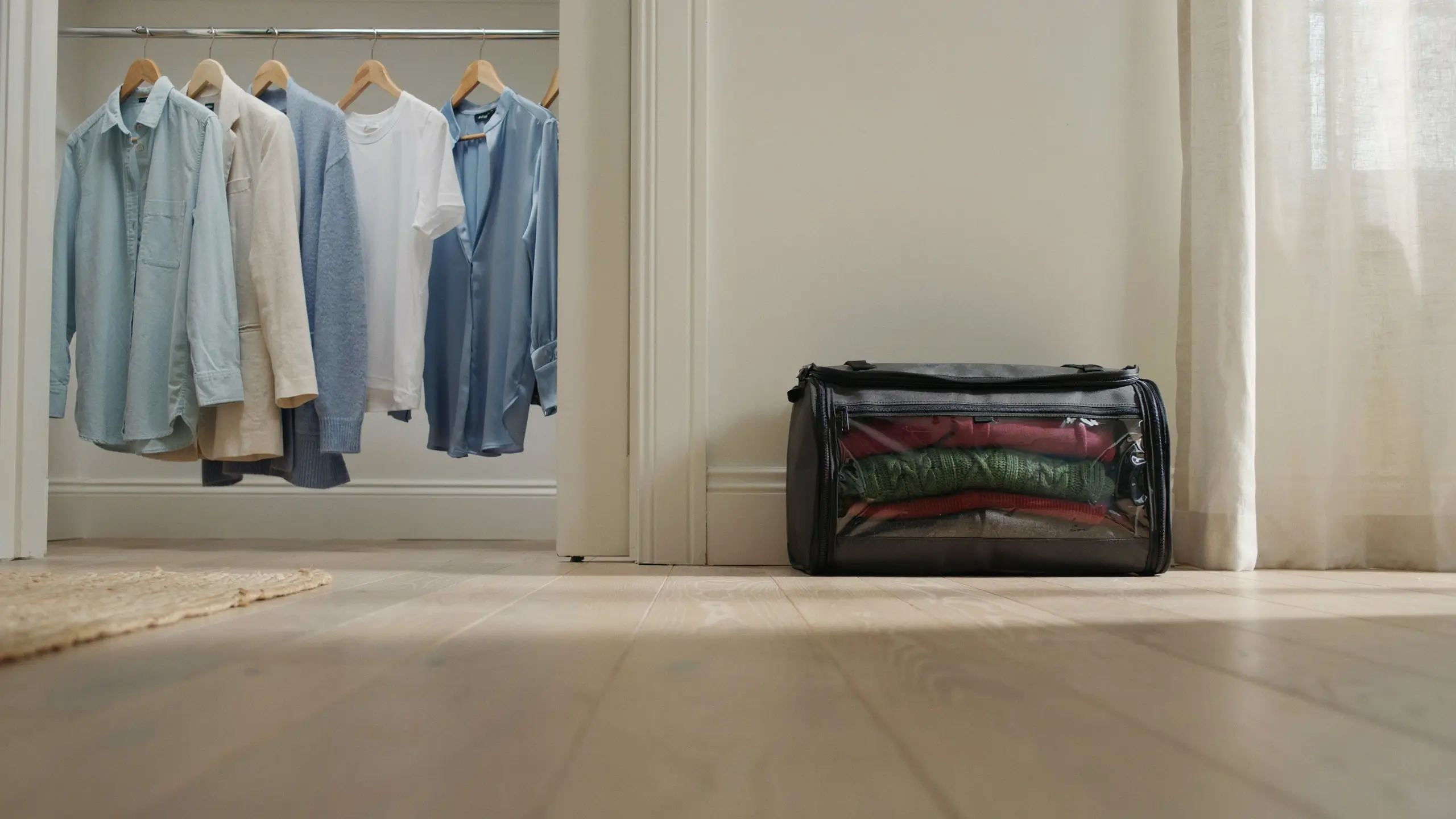
Your small walk-in closet does not need to hold your winter coats in July. Rotate seasonal clothing into under-bed storage bags or a hall closet, and only keep what you’re actually wearing in the current season front and center. This alone frees up a surprising amount of room.
17. DO use clear or labeled bins on high shelves
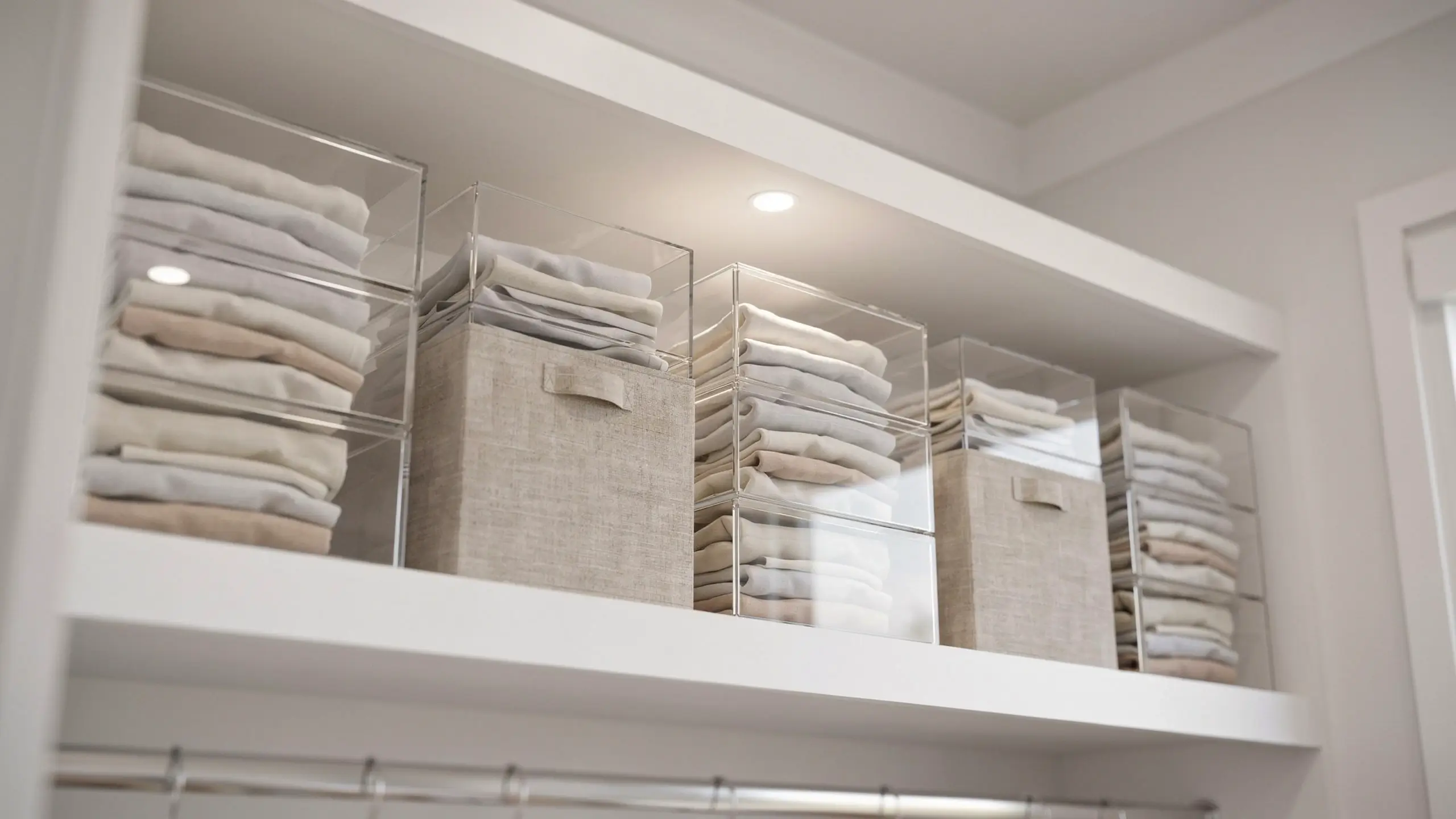
Anything stored up high should be easy to identify without pulling it down first. Clear bins let you see what’s inside at a glance, and labeled fabric bins work well if you want a softer, more decorated look. Either way, you’ll stop guessing what’s hiding on that top shelf.
Add the Finishing Touches That Make It Feel Custom
This is the part that turns a functional closet into one you actually enjoy walking into.
18. DO light it properly
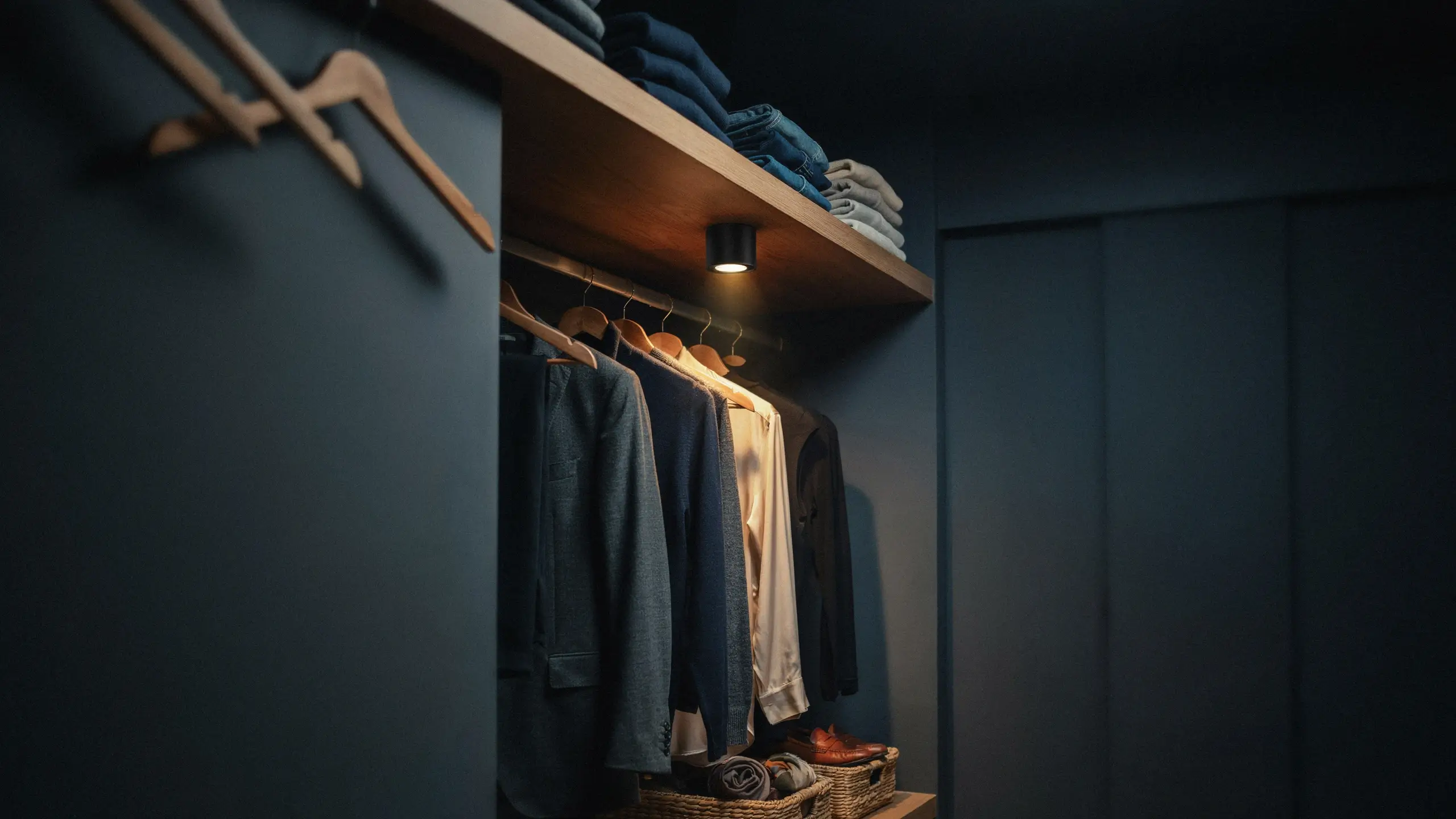
Most small walk-in closets rely on whatever light spills in from the bedroom, which makes it hard to tell navy from black on a rushed morning. A battery-operated motion-sensor light or a simple plug-in puck light solves this without any wiring. If you want a hardwired fixture added, that’s a job for a licensed electrician, especially in a closet with limited ventilation.
19. DON’T skip a mirror
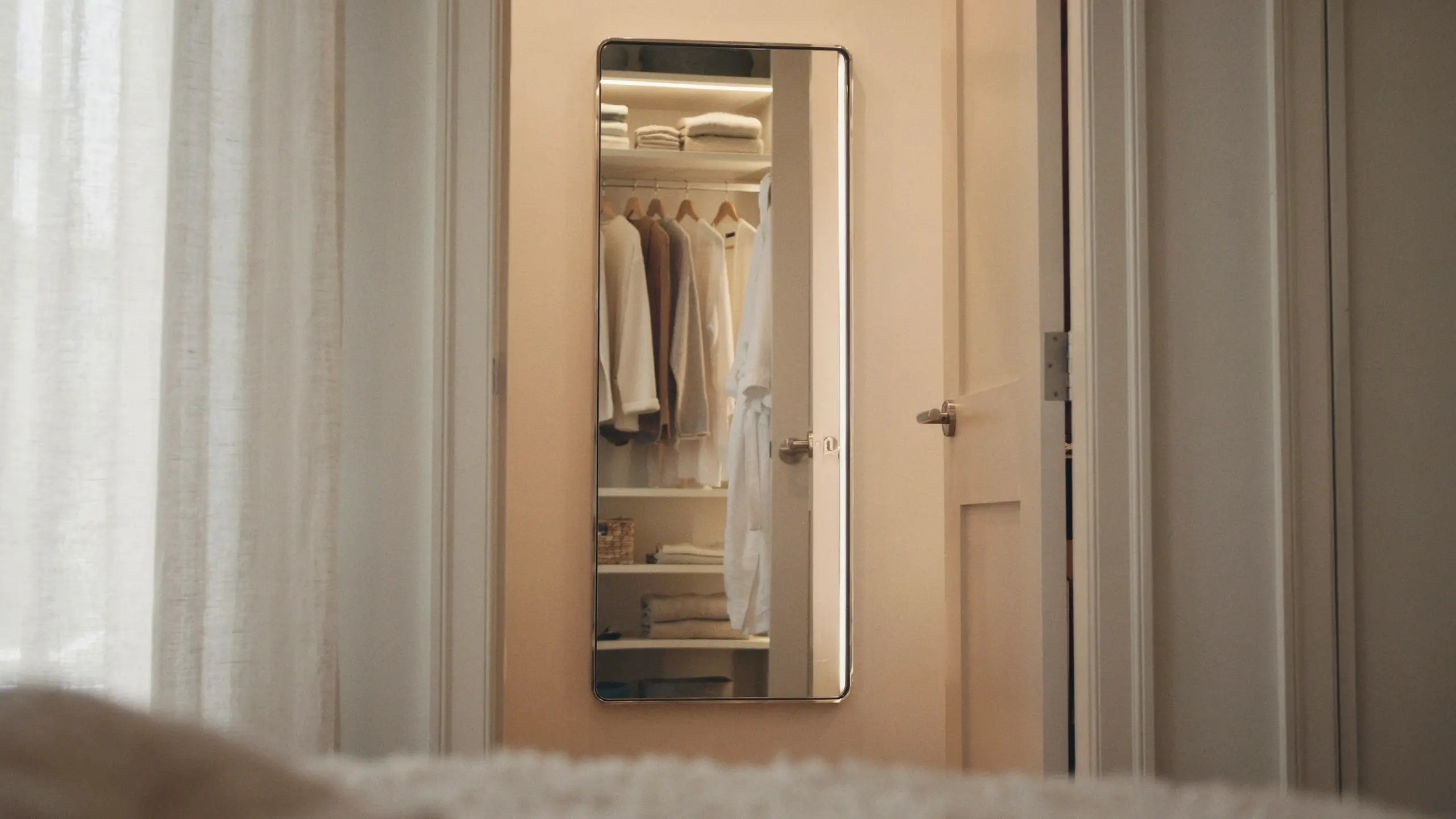
A closet without a mirror means walking back and forth to the bathroom every time you want to check an outfit. A slim door-mounted mirror or a small adhesive-hung mirror solves this in minutes and adds a polished, finished feel to the whole space.
20. DON’T add bulky furniture pieces that don’t earn their space
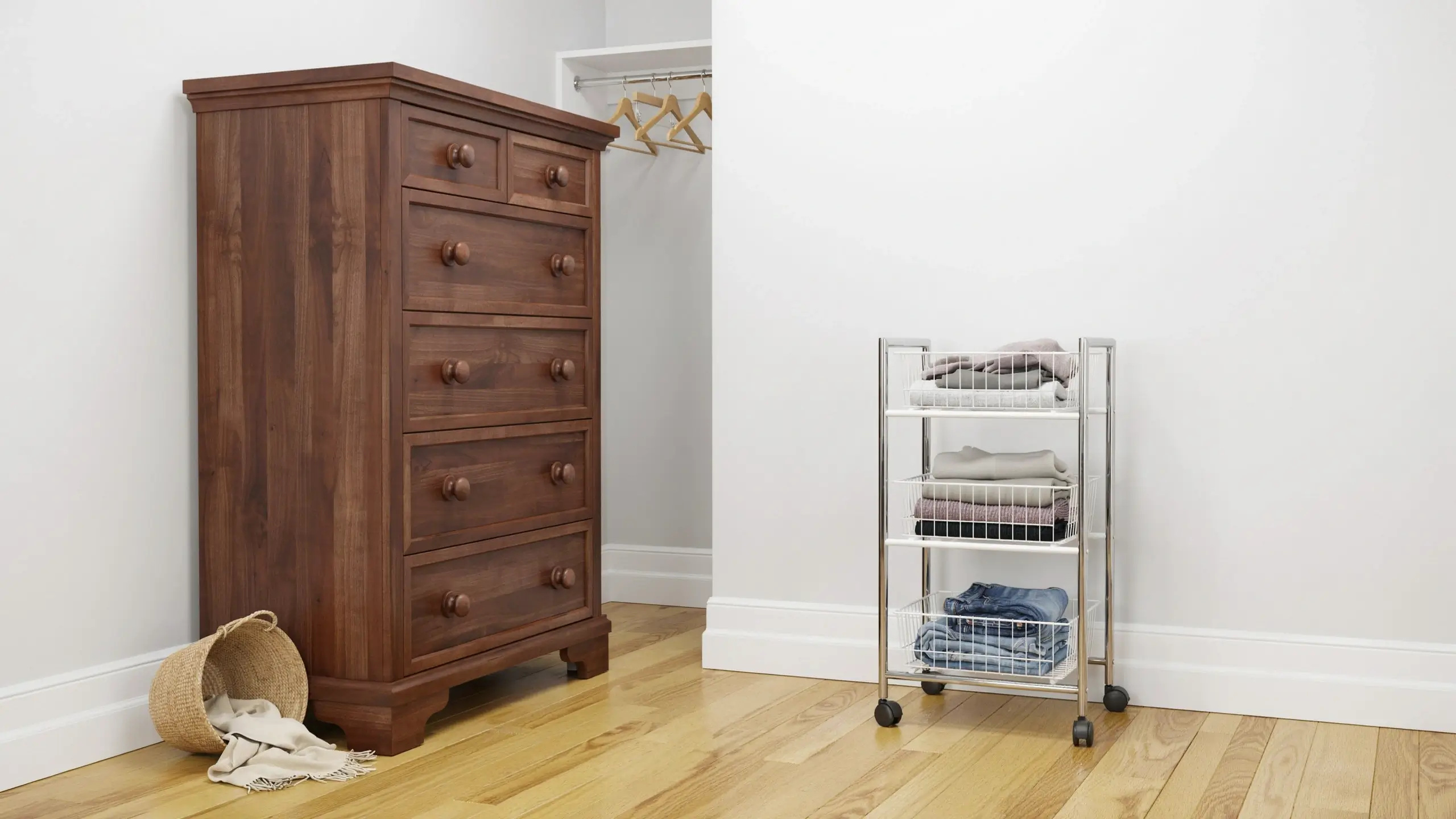
A dresser or bench can look beautiful in inspiration photos, but in a genuinely small walk-in, a piece of furniture that only holds a few folded items usually isn’t worth the floor space it takes. If you’re tight on room, built-in shelving or a slim rolling cart will almost always store more.
21. DO add one decorative detail like wallpaper or paint
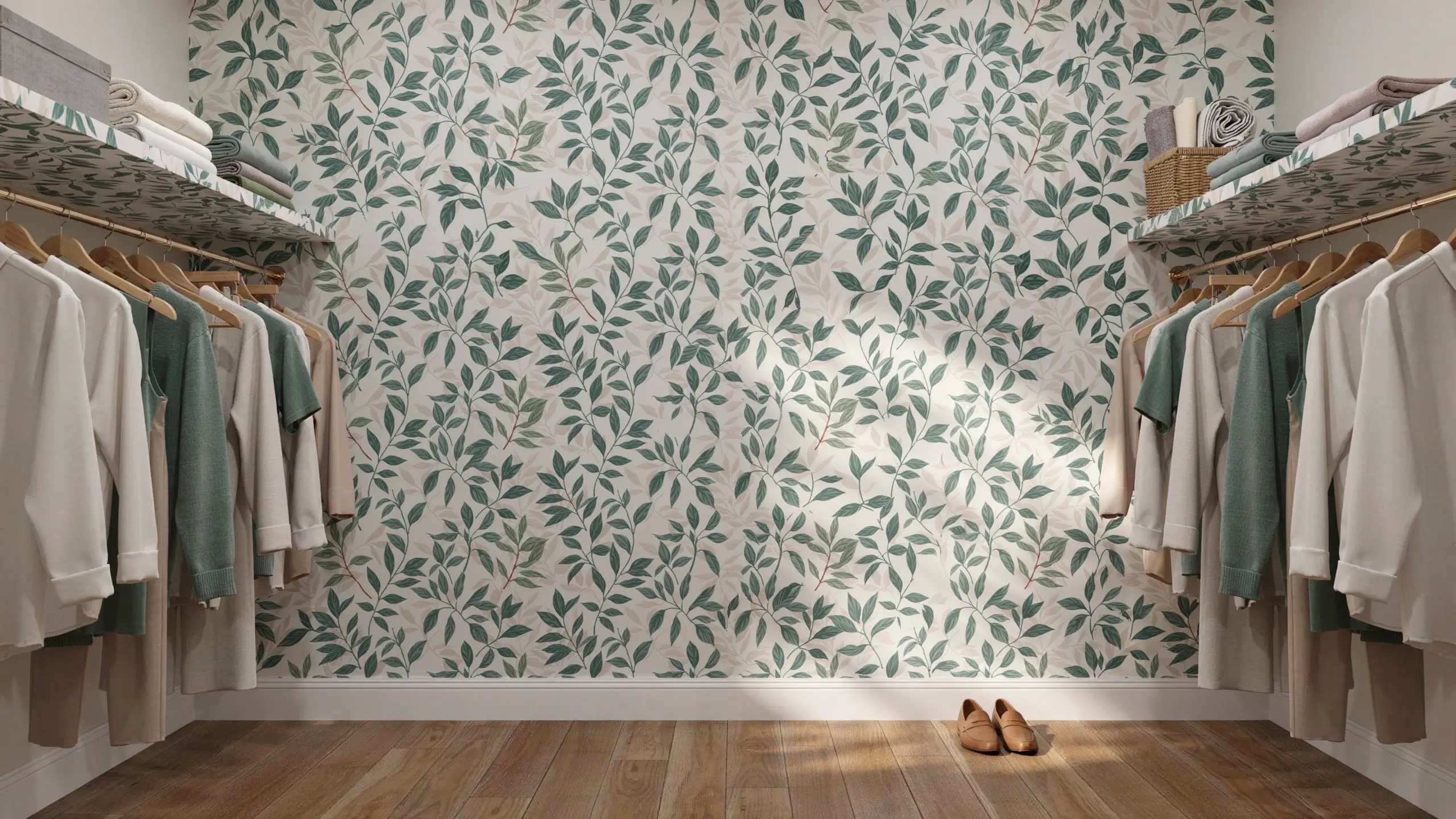
A closet doesn’t have to be purely functional to feel good to use. A peel-and-stick wallpaper on the back wall, a fresh coat of paint, or even patterned contact paper on the shelves adds personality without much cost or effort. For renters, peel-and-stick options are fully removable when you move out, so there’s no risk to your deposit.
Bringing It All Together
A small walk-in closet doesn’t need a full renovation to feel like a completely different space. Most of these dos and don’ts cost very little and take an afternoon or a weekend at most. Start with the purge, fix your rod height, and add one or two storage pieces that match how you actually get dressed, and the rest tends to fall into place from there.
Your closet doesn’t have to be huge to feel organized and put together. It just has to work for the way you live.
Which one of these are you trying first? Let me know in the comments, and if you have a small walk-in closet tip that saved your sanity, share it below. I’d love to hear it.




No Comment! Be the first one.