




Japandi Home Decor: 15 Simple Ideas to Create a Calm, Cozy Space
Some homes feel busy the second you walk in. Others feel like you can finally exhale. That second feeling is what japandi home decor is built for. Japandi takes the quiet, uncluttered spirit of...

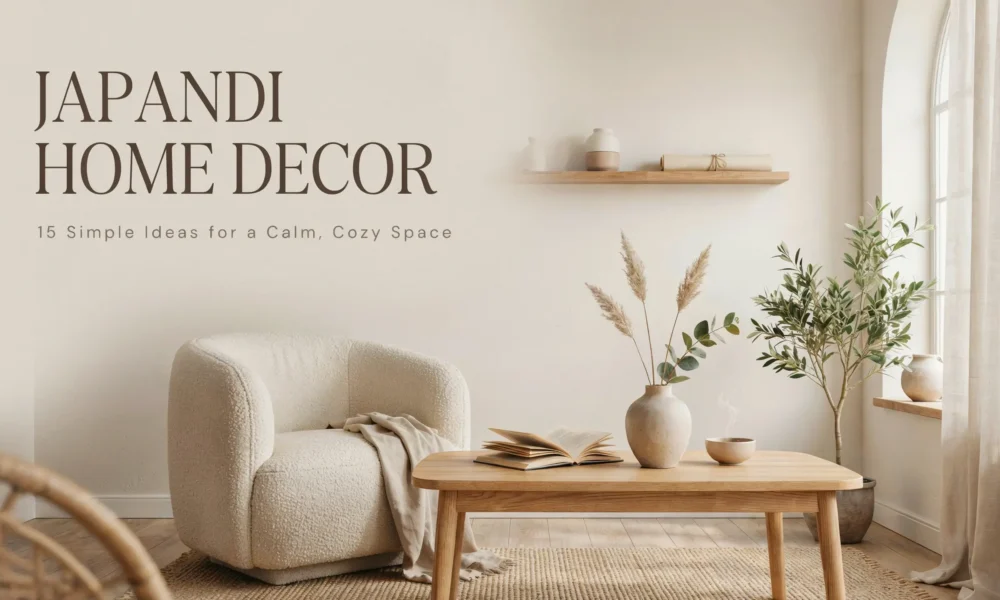
Some homes feel busy the second you walk in. Others feel like you can finally exhale. That second feeling is what japandi home decor is built for.
Japandi takes the quiet, uncluttered spirit of Japanese design and mixes it with the warmth and coziness of Scandinavian style. The result is a home that feels calm without feeling cold, and simple without feeling empty. No stark white boxes, no over decorated shelves, just natural materials, soft neutral colors, and rooms that feel like they were put together on purpose.
The best part is you do not need a full renovation to get this look. Most of it comes down to editing what you already have, choosing better textures, and letting a few natural materials do the talking. Whether you rent a small apartment or own a house full of furniture you are ready to rethink, these 15 japandi home decor ideas will help you get there room by room.
What Makes a Space Feel Japandi
Before jumping into the ideas, it helps to know what you are working toward. Japandi style leans on a few core habits.
- Natural materials like wood, linen, stone, rattan, and clay show up everywhere instead of plastic or glossy finishes.
- Furniture sits low to the ground and has simple, honest lines with no heavy carving or ornate details.
- Color stays soft and warm, think oatmeal, sand, warm greige, and charcoal instead of stark white or gray.
- Every object in the room earns its spot, so clutter and random knickknacks get edited out.
- Texture does the work that color usually does, with knits, woven baskets, and raw wood grain adding depth to a neutral palette.
Keep those five habits in mind and every idea below will make a lot more sense.
1. Start With a Warm Neutral Color Palette
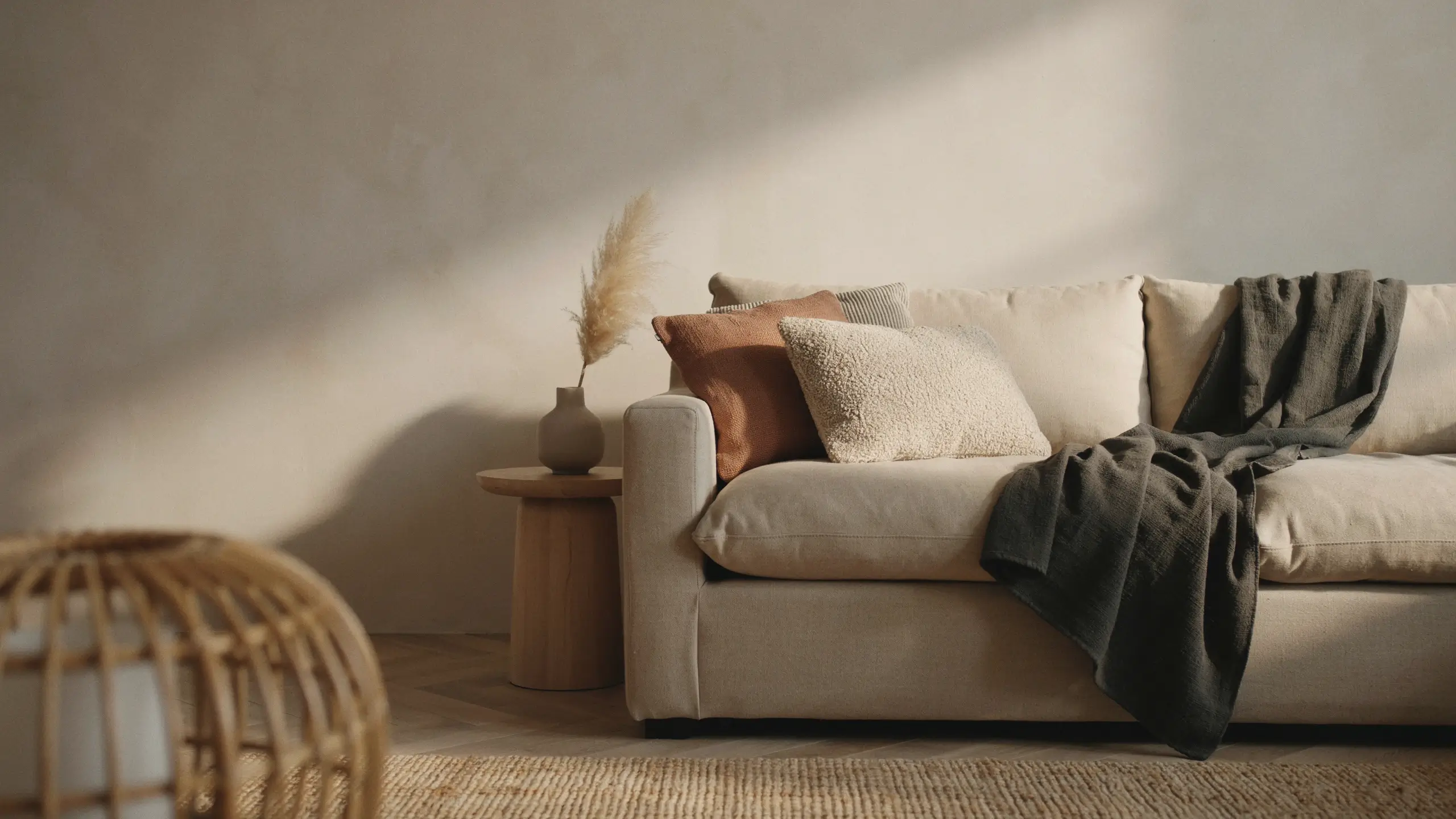
Skip the bright white walls and cool gray undertones. Japandi color palettes lean warm: think oatmeal, warm beige, soft sand, sage green, and clay. Charcoal or deep espresso brown works as an accent, usually on one piece of furniture or a set of trim, not the whole room.
If you are not ready to repaint, start with a warm white or greige on one wall and build the rest of the room around it with textiles and furniture. Renters can get the same effect with a large linen or wool area rug in a warm neutral tone, since it anchors the whole room without touching the walls.
Mistake to avoid: mixing cool gray undertones with warm wood tones. It reads as mismatched instead of intentional. Pick one temperature, warm or cool, and stay consistent through paint, furniture, and textiles.
2. Bring In Light, Natural Wood
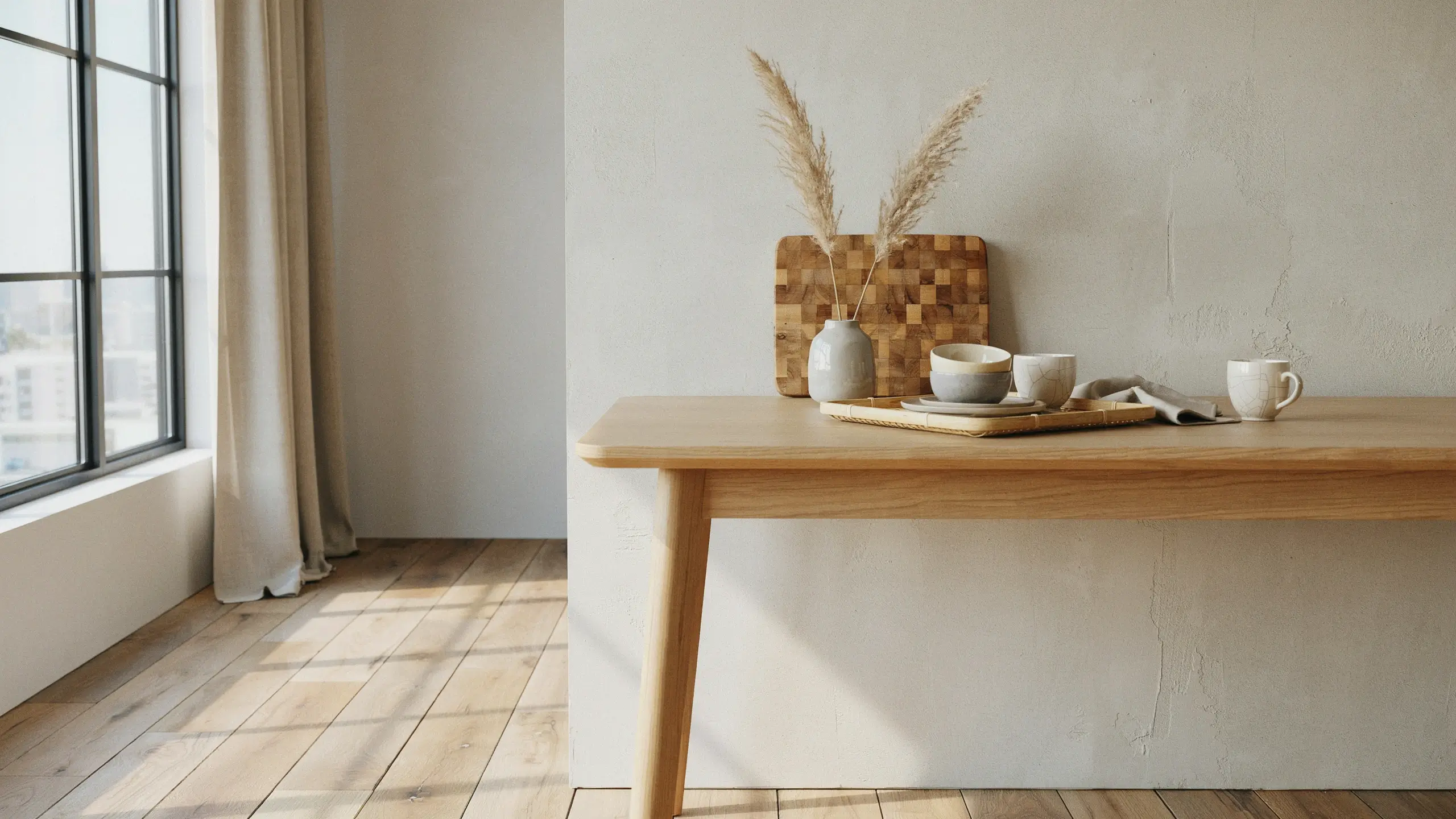
Wood is the backbone of japandi style. Light oak, ash, birch, and bamboo show up on furniture, flooring, and small accents like trays and bowls. The goal is wood that still looks like wood, with visible grain, not a dark stained or painted finish that hides the material.
You do not need to replace every piece of furniture to get this. A single oak coffee table, a bamboo shelf, or even a wood cutting board leaned against the backsplash can bring in that natural note. If your current furniture is dark or mismatched, a few light wood accents will visually soften the whole room without a full furniture swap.
3. Choose Low, Simple Furniture
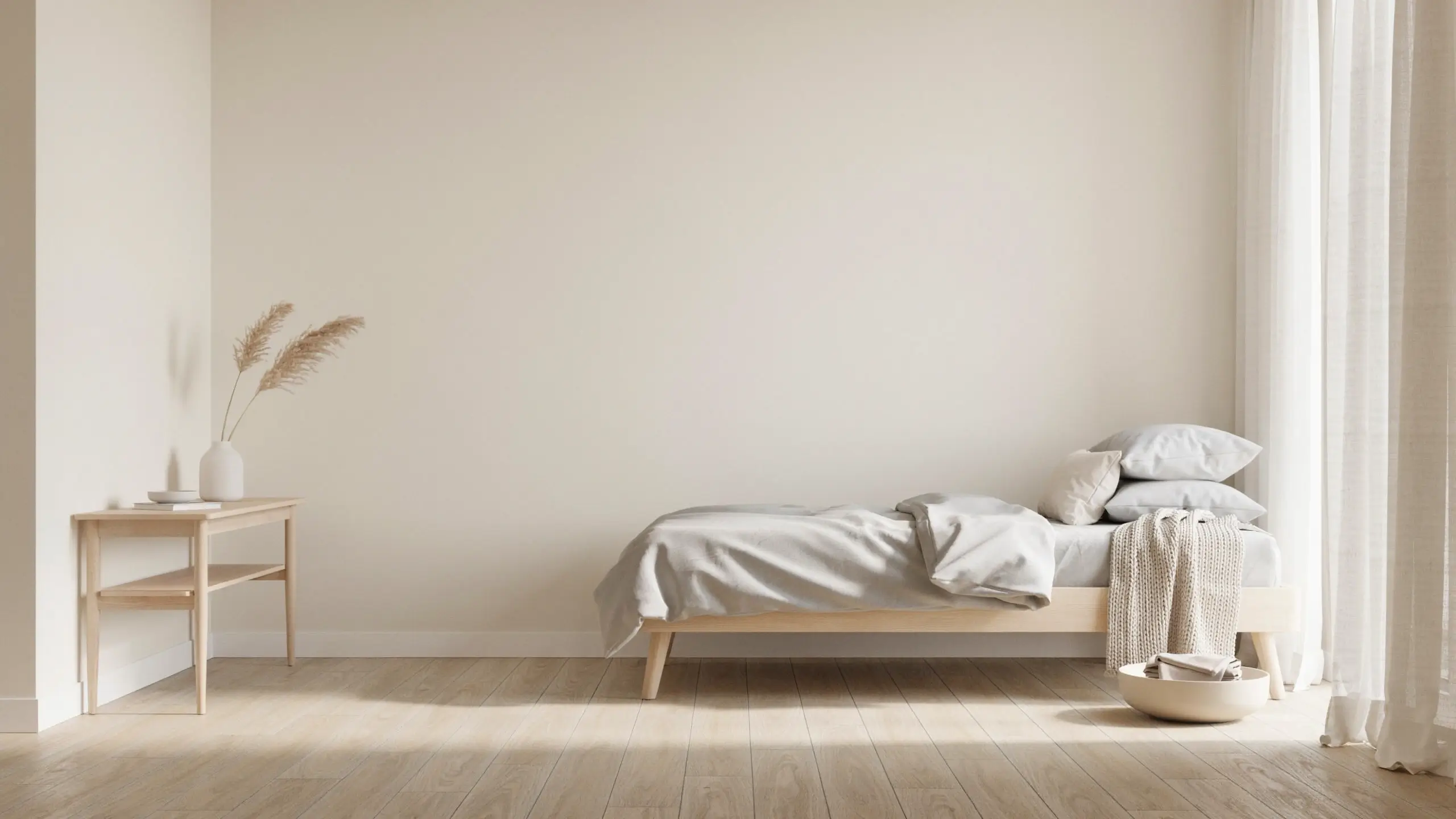
Japandi furniture sits closer to the floor and skips ornate legs, tufting, and busy hardware. A low platform bed, a slim console table, or a sofa with clean tapered legs all fit the look. The lower profile makes ceilings feel taller and rooms feel more open, which is especially helpful in small apartments.
When shopping secondhand or working with what you already own, look for pieces with straight lines and minimal detailing. A few coats of paint or new wood knobs can turn an old dresser into something that fits the aesthetic without buying new.
4. Layer Natural Textures Instead of Adding More Color
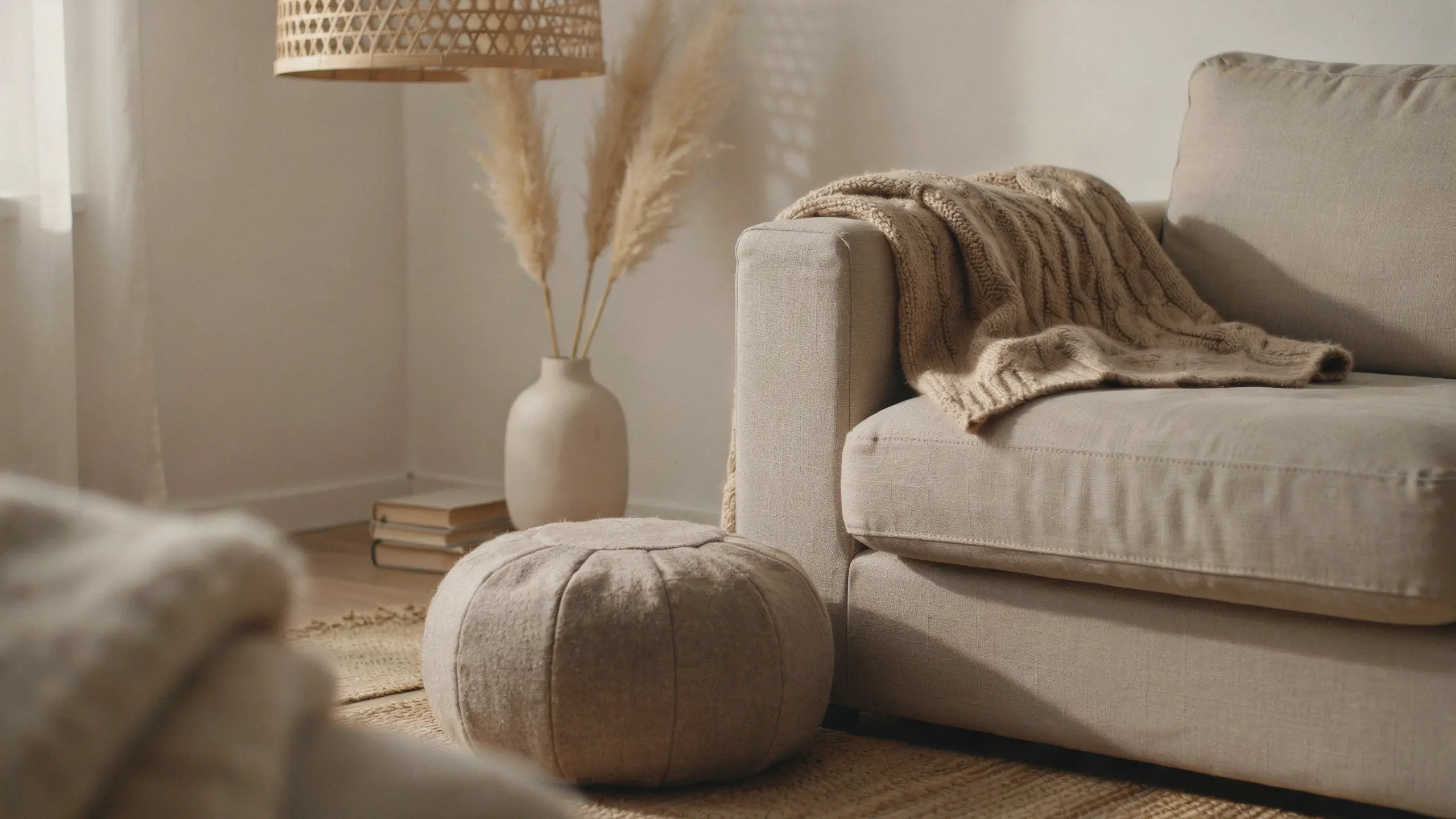
In a japandi room, texture carries the visual interest that color usually would. A chunky knit throw over a linen sofa, a jute rug under a wool pouf, a woven rattan pendant light over a smooth ceramic vase, all of that layering keeps a neutral room from feeling flat or boring.
Aim for at least three different textures in any one seating area. Smooth wood, nubby linen, and woven rattan together will always look more finished than three matching smooth surfaces.
5. Let Negative Space Do Some of the Decorating
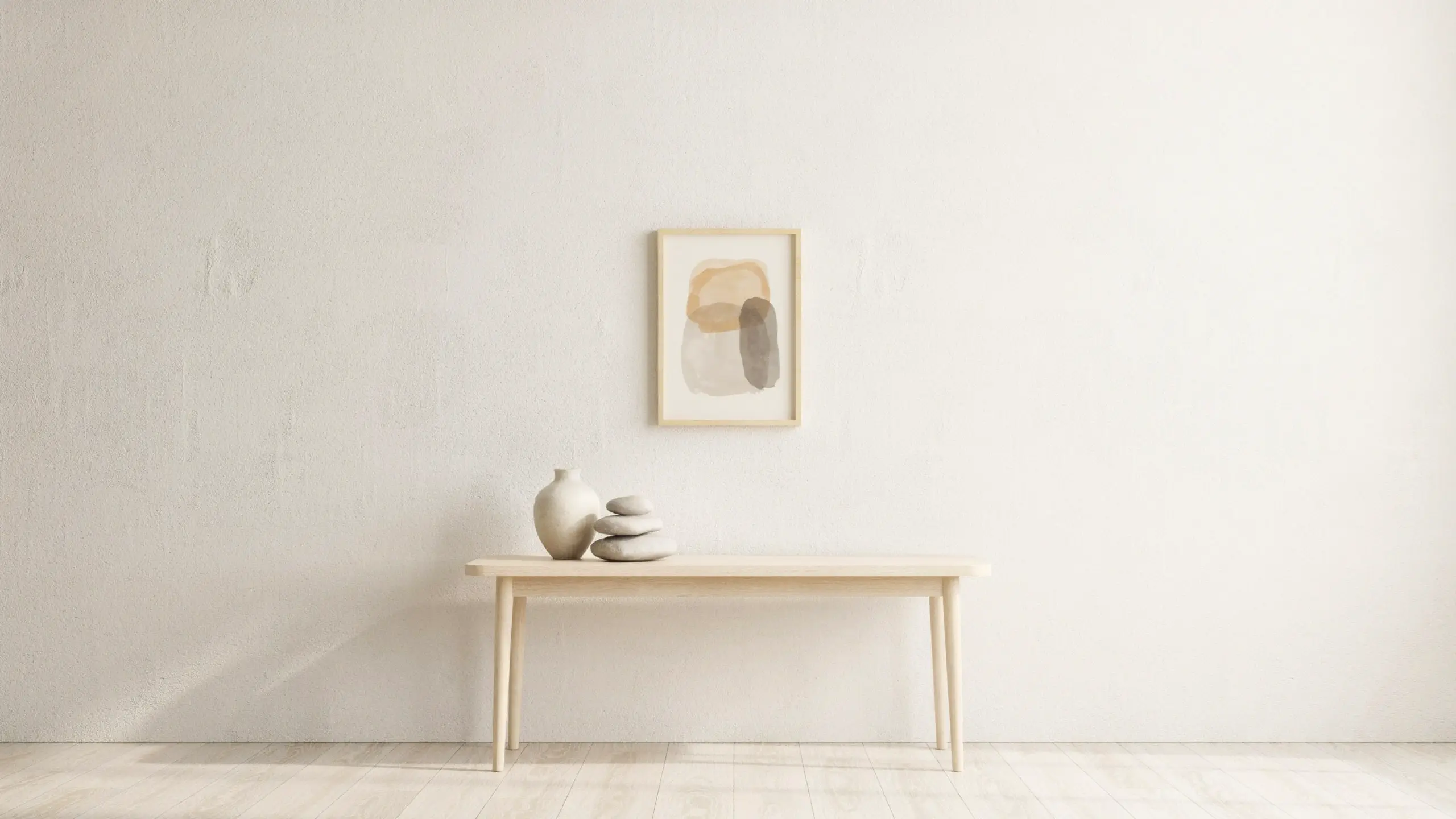
This is the idea most competing articles skip completely, and it is one of the most important. Japandi does not fill every wall and shelf. Empty space around a single piece of art or one ceramic vase is intentional, not unfinished. It gives your eye somewhere to rest.
Try hanging one piece of simple, abstract art centered on a wall instead of a full gallery wall. On a shelf, group two or three objects together and leave the rest of the surface open. It will feel more curated than a shelf packed edge to edge, and it photographs beautifully for Pinterest too.
6. Add Warm, Layered Lighting
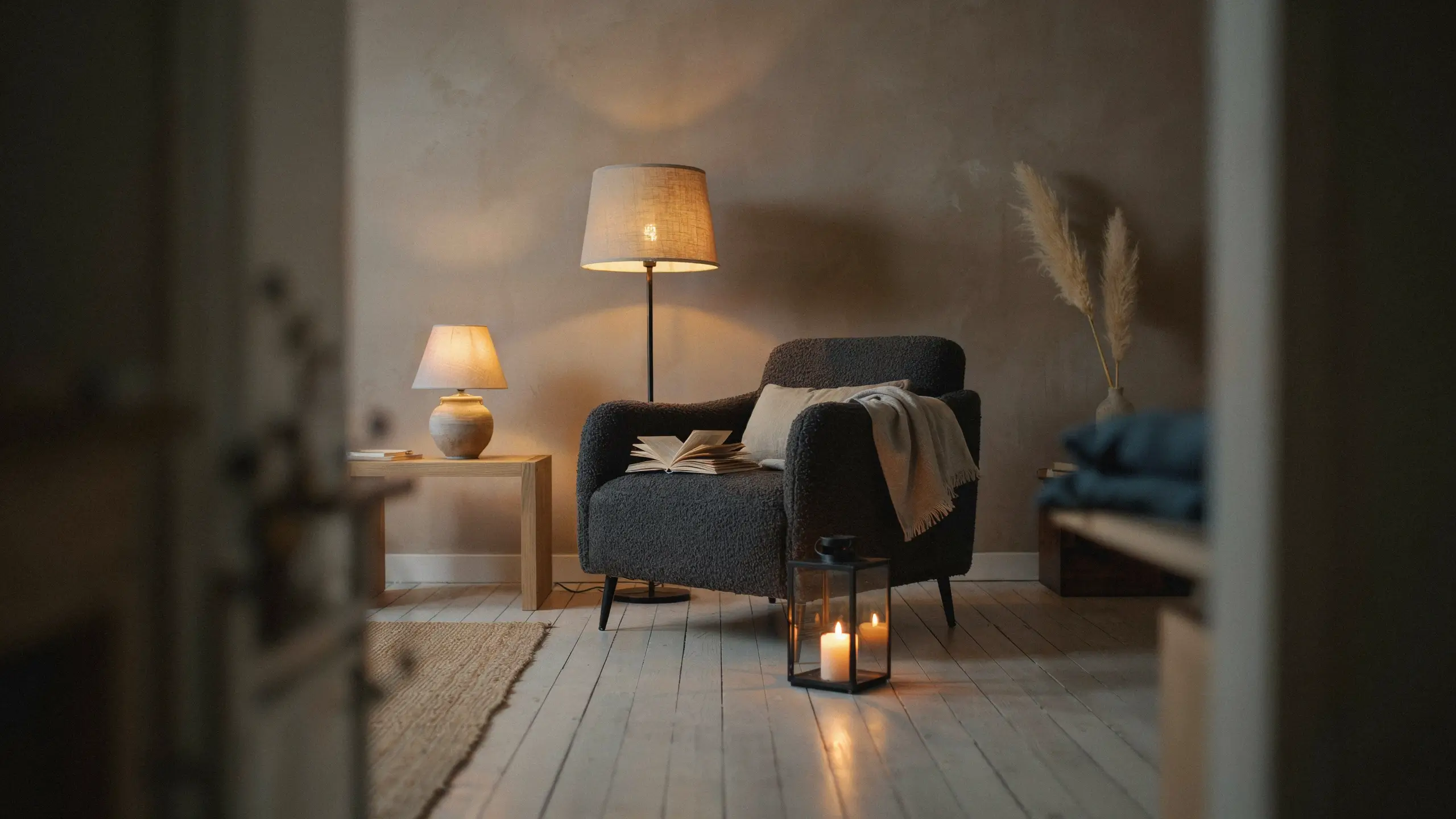
Harsh overhead lighting is the fastest way to kill a japandi mood. Instead, layer in multiple soft light sources at different heights: a floor lamp with a linen or paper shade, a small table lamp on a console, and candles or a lantern-style light for evenings.
Look for warm bulbs in the 2700K to 3000K range, since cooler bulbs read as clinical rather than cozy. Paper or rattan lampshades diffuse the light softly and add texture even when the lamp is off.
7. Style With Handmade Ceramics and Pottery
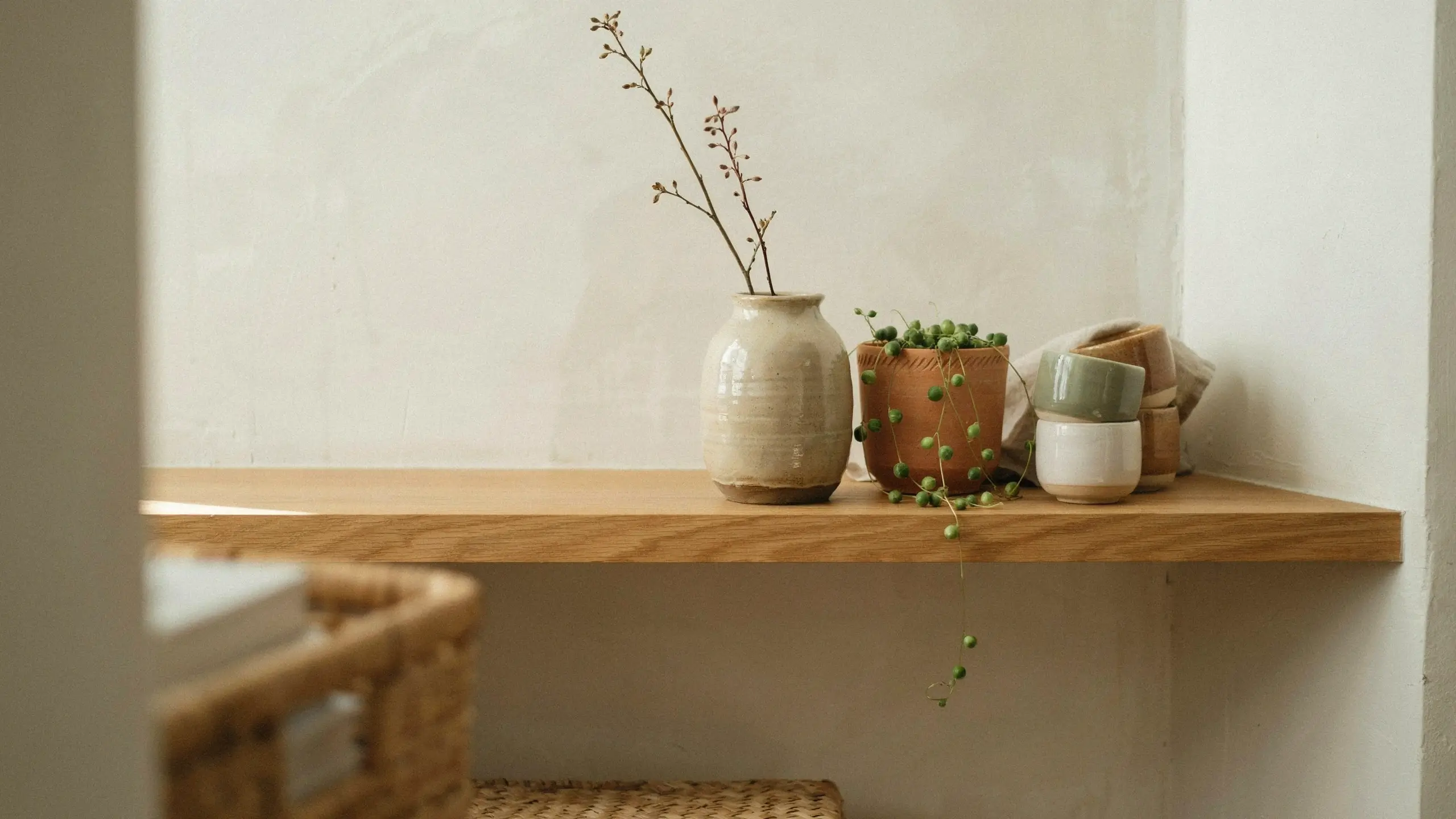
A slightly uneven ceramic bowl or a hand thrown vase fits japandi style better than anything mass produced and flawless. The style values the small imperfections of handmade objects, which is part of the wabi-sabi philosophy baked into Japanese design.
Use a stoneware vase with one or two dried branches, a raw clay planter, or a set of mismatched but coordinating mugs on open shelving. Thrift stores and local pottery makers are great sources if you are working with a smaller budget, and no two pieces need to match exactly.
8. Bring In Plants With Intention, Not Just for Decoration
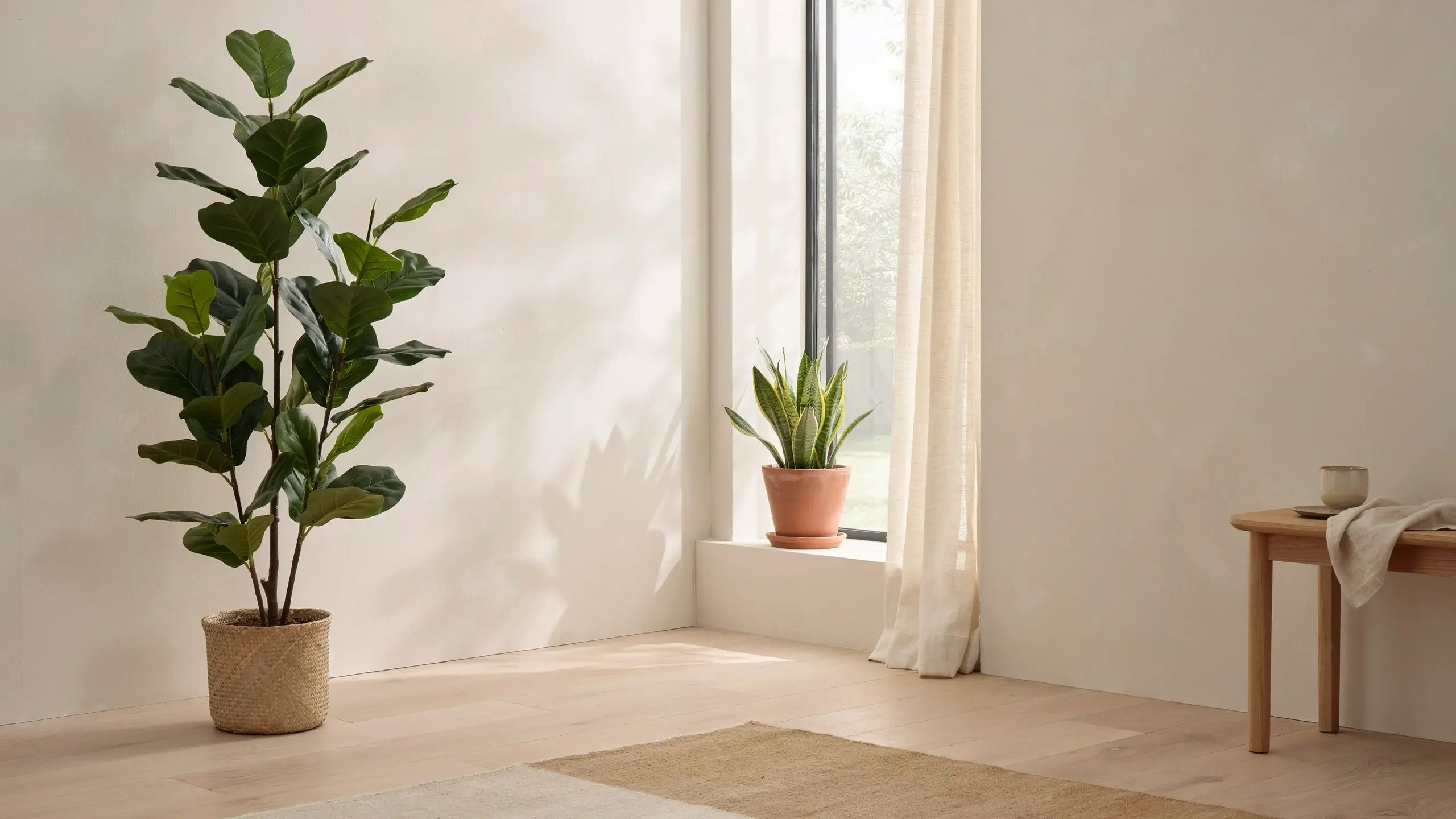
Greenery is a core part of japandi decor, but it should feel purposeful rather than scattered around as an afterthought. One or two well placed plants, like a fiddle leaf fig in the corner of a living room or a small snake plant on a windowsill, do more for the space than five random plants competing for attention.
Choose simple, unfussy pots in stone, clay, or woven material instead of bright plastic planters. If you tend to forget to water, low maintenance plants like pothos, ZZ plants, or dried pampas grass keep the look going without the upkeep.
9. Swap Heavy Curtains for Linen or Bamboo Window Treatments
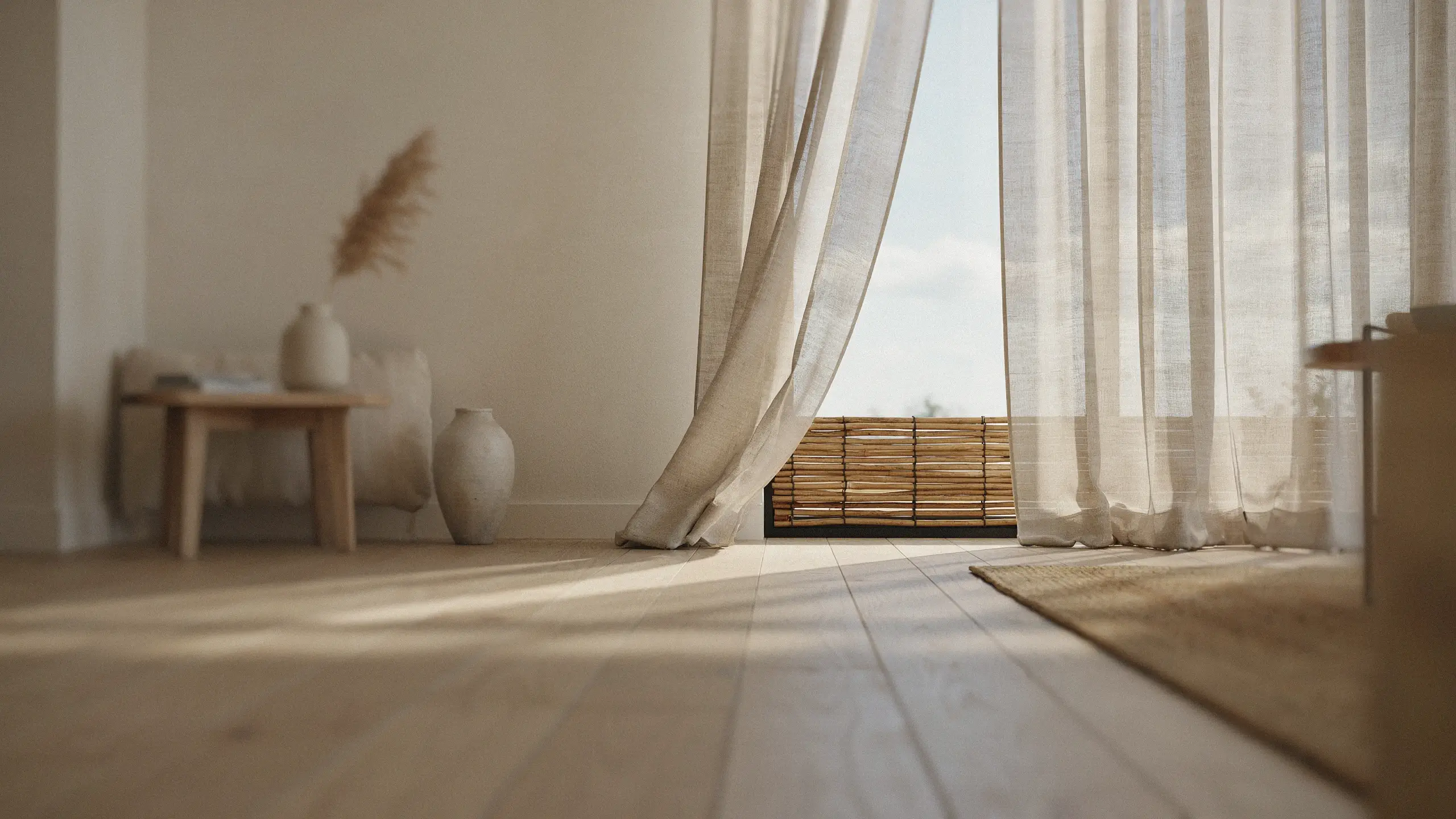
Windows matter more in japandi decor than people expect. Heavy, dark drapes block light and clash with the airy feeling the style is going for. Linen curtains in a warm white or oatmeal tone let soft light filter through while still giving privacy, and bamboo or woven wood blinds add texture without extra color.
This is an easy renter-friendly swap since curtain rods usually install with a tension rod or a few small screws that patch easily when you move out.
10. Choose Furniture and Decor That Are Multi-Functional
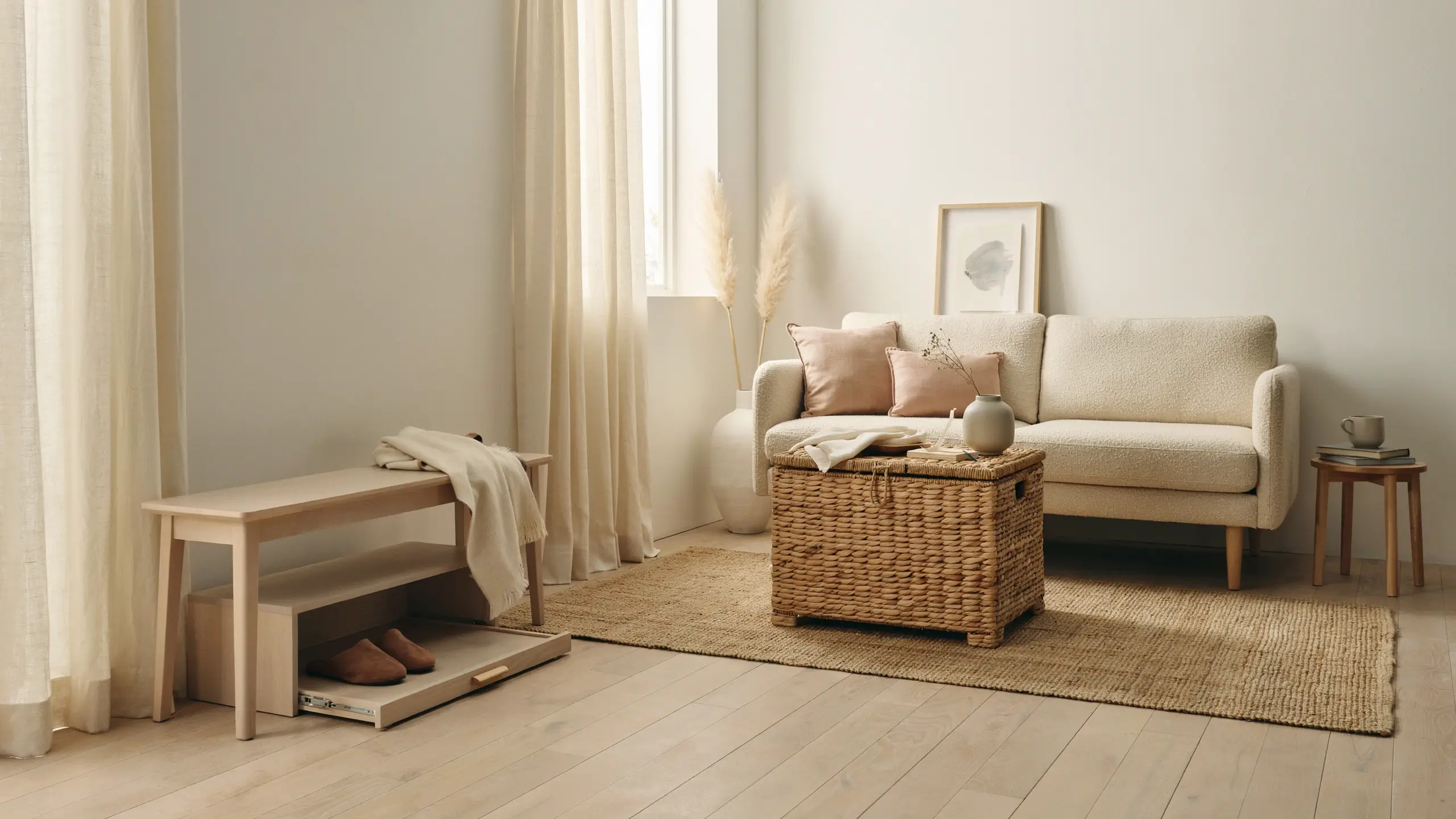
Japanese design has always prioritized function alongside beauty, and that shows up clearly in small space japandi decor. A storage ottoman that doubles as a coffee table, a bed frame with built in drawers, or a bench that works as both seating and a shoe rack all keep clutter contained without extra furniture pieces crowding the room.
This matters even more in apartments and studios where every square foot needs to earn its place. Before buying a new piece, ask what else it could do for the room besides sit there.
11. Keep Hardware and Metal Finishes Matte and Muted
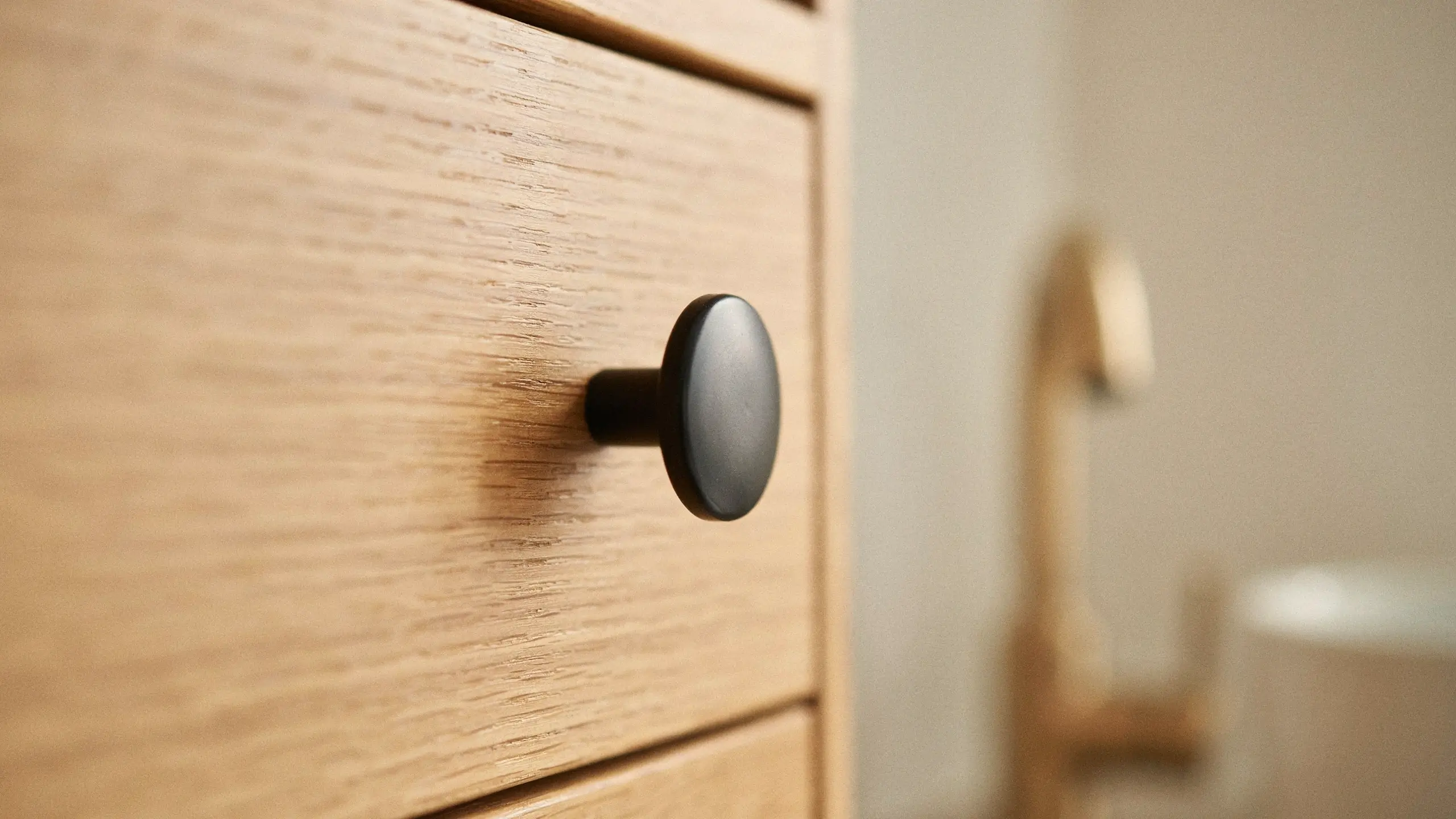
Bright, shiny gold or chrome hardware pulls attention in a way that fights the calm japandi mood. Matte black, brushed brass, or bronze finishes on cabinet knobs, light fixtures, and faucet handles blend into the space instead of competing with it.
If a full hardware swap is not in the budget, a matte black spray paint made for metal can update dated brass or chrome knobs in an afternoon for very little money.
12. Add One Statement Natural Material Feature
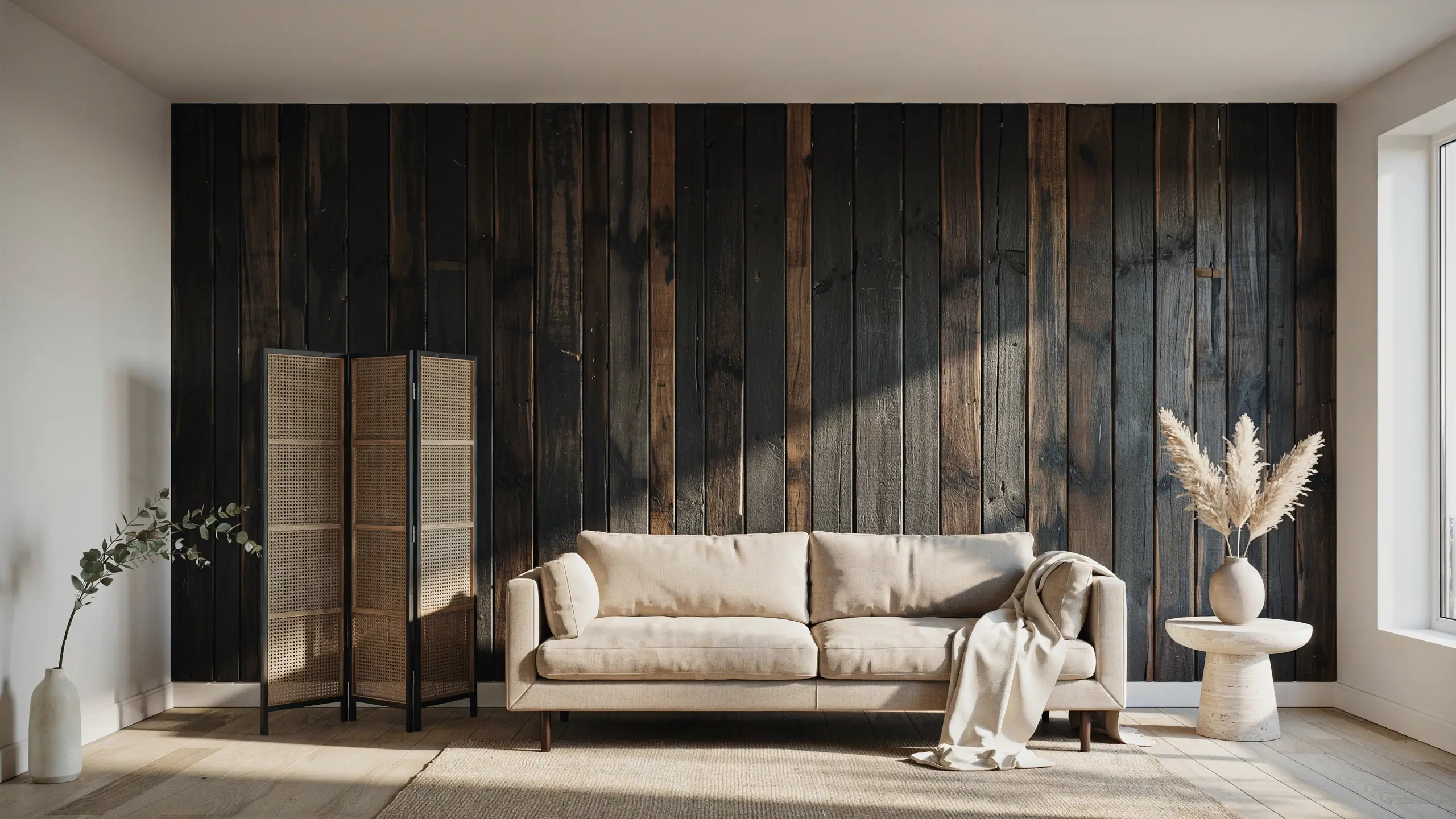
Every well designed japandi room usually has one feature that goes a little further than the rest, like a shou sugi ban charred wood accent wall, a stacked stone fireplace surround, or a woven room divider made from bamboo or rattan. This one feature becomes the visual anchor for the whole space.
Renters can get a similar effect with a large freestanding room divider or a floor to ceiling macrame or woven wall hanging, since neither requires any permanent installation.
13. Ground the Room With a Natural Fiber Rug
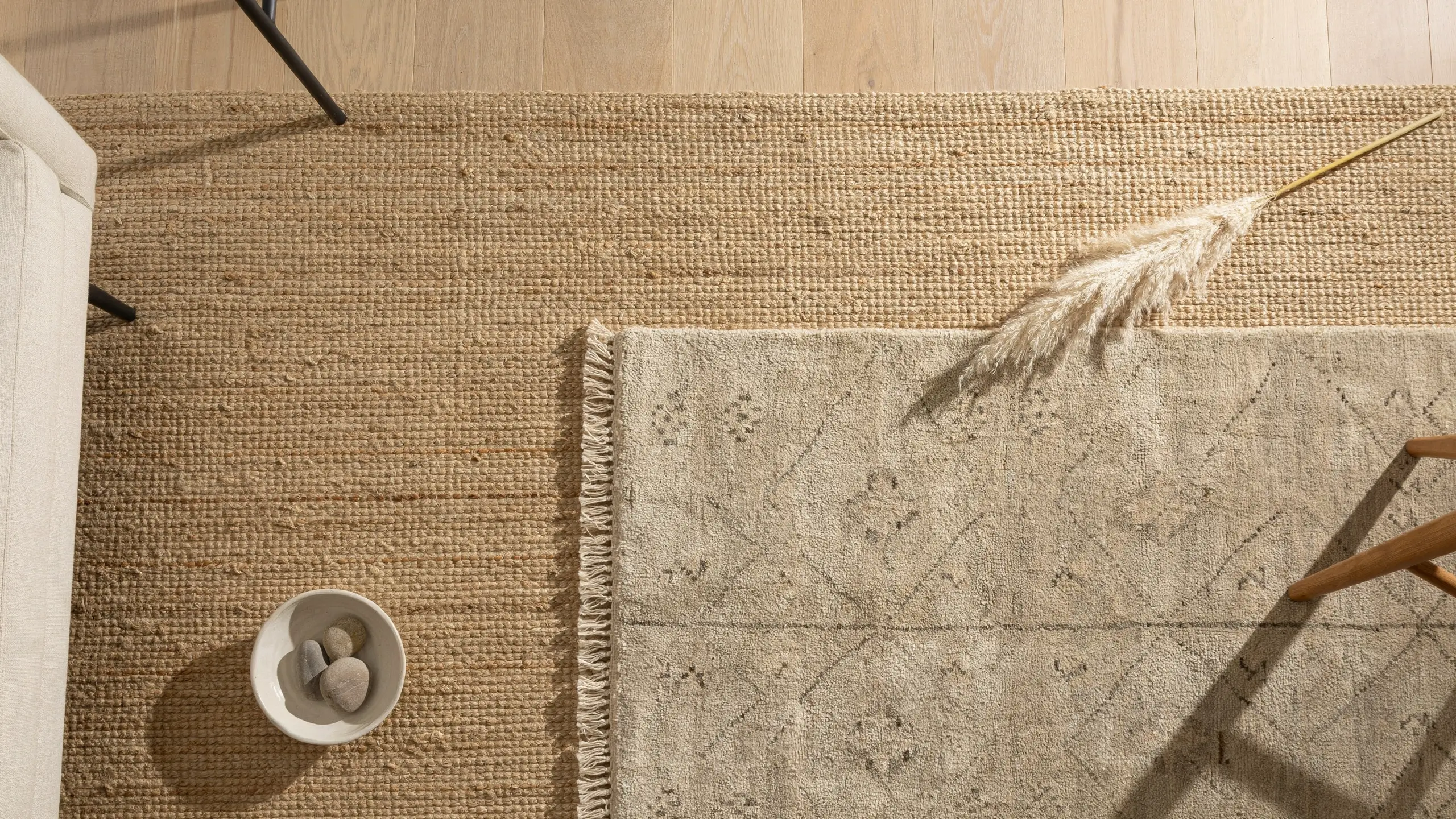
A jute, sisal, or wool rug in a soft neutral tone does more for a japandi room than almost any other single purchase. It adds warmth underfoot, brings in texture, and visually defines a seating area, especially helpful in open concept apartments where rooms blend together.
Layer a smaller patterned or textured rug over a larger jute rug for extra depth if the room feels like it needs a bit more visual interest.
14. Style Your Entryway as the First Impression
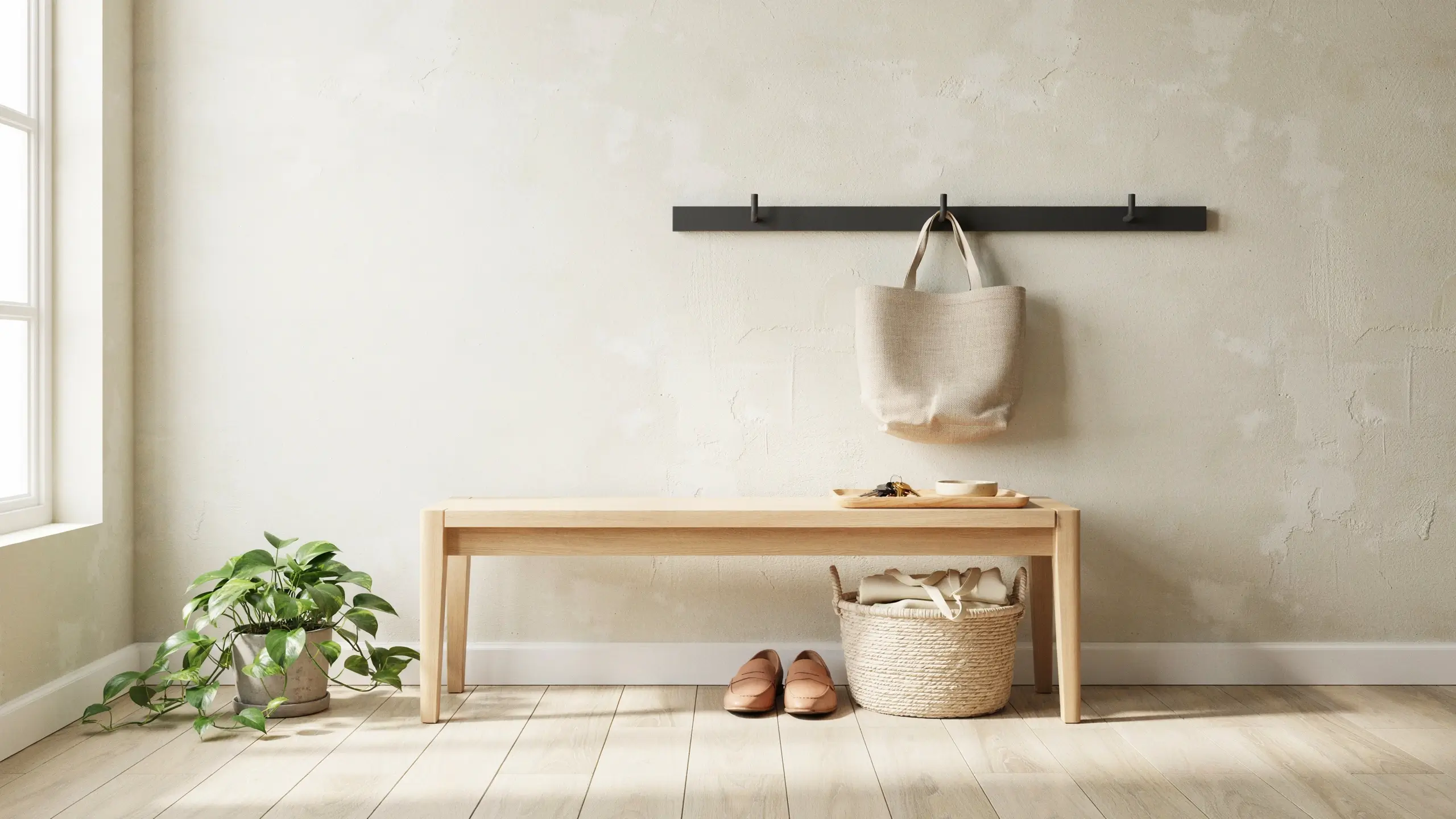
The entryway sets the tone before anyone even reaches the living room, but it is one of the most overlooked spaces in most japandi decor guides. A low wood bench, a woven basket for shoes, and a single hook rail in matte black or natural wood keeps this small space functional and calm instead of a pile of shoes and coats by the door.
A small tray on the entry table for keys and mail keeps the surface clear, which matters a lot in a style built around visible order.
15. Rotate Decor Seasonally Instead of Redecorating Completely
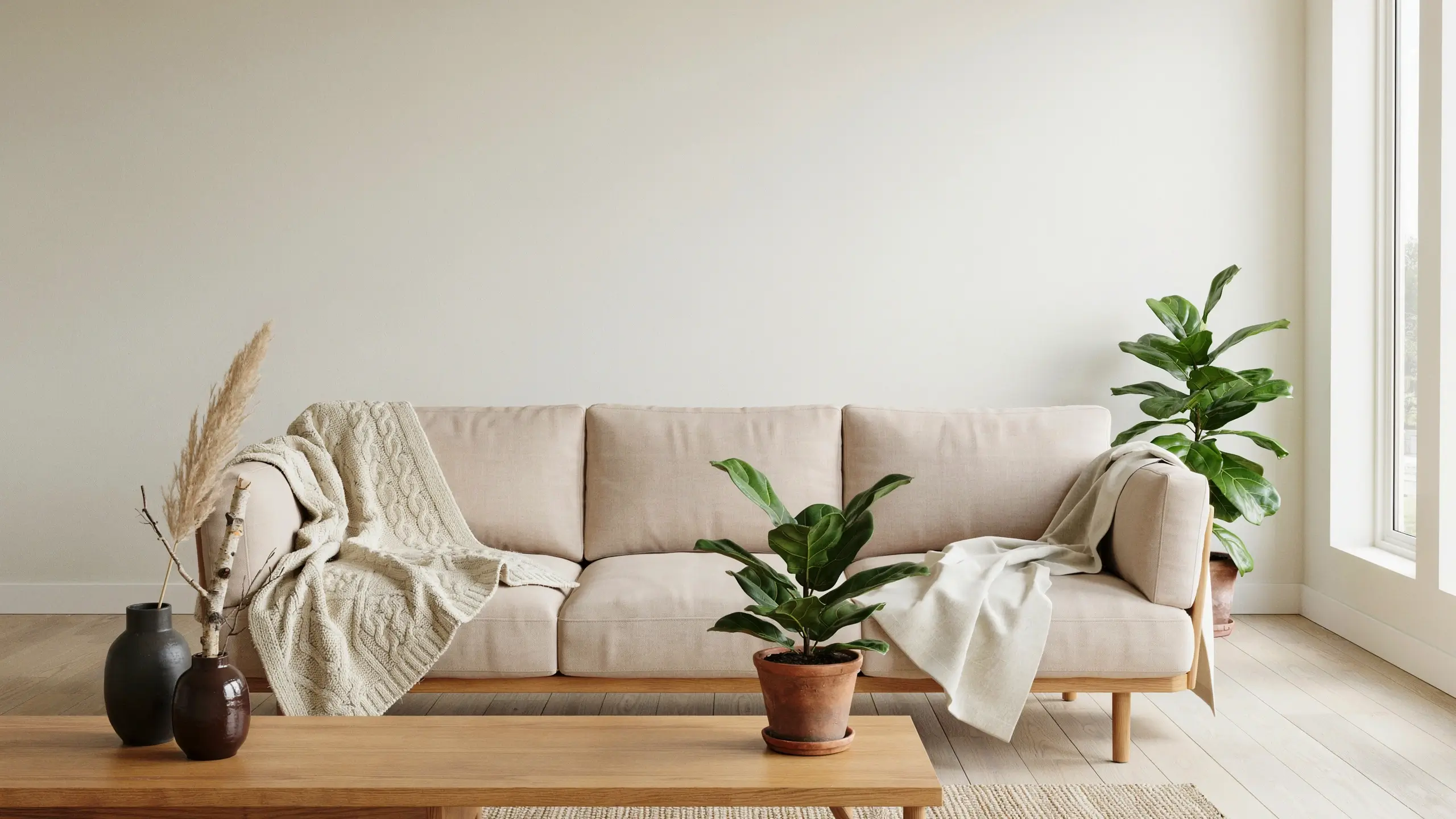
Japandi rooms stay calm year round by changing small details instead of the whole room. Swap a chunky wool throw and darker ceramic pieces in for winter, then bring in lighter linen textiles and a fresh plant or two for spring and summer. The bones of the room, the furniture, the wood tones, the wall color, stay exactly the same.
This keeps the space feeling current without buying new furniture every season, and it gives you an easy, budget-friendly way to refresh a room in under an hour.
Mistakes to Avoid With Japandi Decor
A few small missteps can push a japandi room toward looking cold or unfinished instead of calm.
- Going too stark. All white walls with no wood or texture reads as sterile, not serene. Balance every cool or white surface with something warm and natural.
- Overbuying decor at once. Japandi rooms build slowly. Adding everything from one big shopping trip usually looks staged instead of collected over time.
- Mixing too many wood tones. Stick to one or two wood tones in a room, like a light oak floor with a slightly darker walnut side table, rather than five different finishes competing with each other.
- Forgetting comfort for the sake of minimalism. A room with nothing soft to sit on or wrap up in is not japandi, it is just empty. Always include at least one cozy textile layer.
- Skipping storage. Clutter is the fastest way to break the calm this style depends on. Closed storage, baskets, and furniture with built in compartments keep the visible surfaces clear.
Bringing It All Together
Japandi home decor is less about a strict shopping list and more about a feeling: a home that is calm, warm, and free of anything that does not need to be there. Start small. Pick one or two ideas from this list, maybe a warm neutral rug and a few handmade ceramic pieces, and build from there as your space and budget allow.
The rooms that feel the most peaceful are rarely the most expensive ones. They are the ones where every object was chosen on purpose.
Have you tried bringing japandi style into your home yet? I would love to hear which idea you are starting with, drop a comment below and let me know.




No Comment! Be the first one.