




How to Decorate Your Rental Walls Without Losing Your Deposit
You’ve stood in front of that blank beige wall. Maybe more than once. You want it to feel like your space, not a waiting room, but every idea that comes to mind starts with a drill and ends...

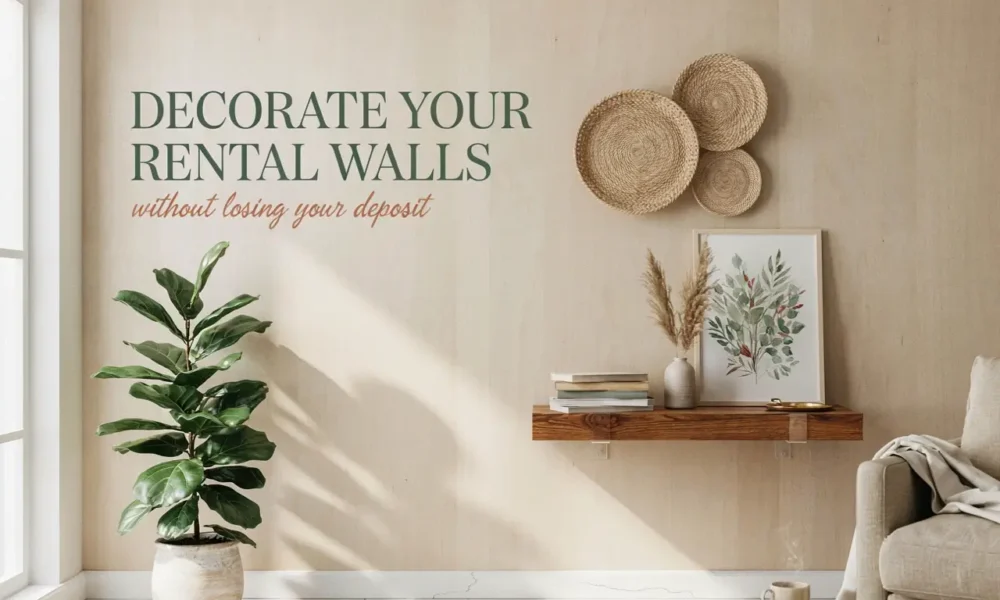
You’ve stood in front of that blank beige wall. Maybe more than once. You want it to feel like your space, not a waiting room, but every idea that comes to mind starts with a drill and ends with a panicked call to your landlord.
Here’s the good news. Learning how to decorate your rental walls doesn’t require a single nail hole, a repainting fight, or a risky bet with your security deposit. The removable decor world has genuinely gotten better in the last few years. Command strips hold real weight now. Peel-and-stick wallpaper looks like actual wallpaper. And there are entire categories of decor, like leaning mirrors and picture ledges, built specifically so renters never have to touch the wall at all.
This guide covers twelve ways to fill your walls, the tools that actually hold, the mistakes that cost people their deposits, and the small prep steps almost every other rental decor list skips. Grab a coffee. Your walls are about to stop looking like a hotel room.
Before You Decorate Your Rental Walls, Know What You’re Working With
Almost every rental decorating guide jumps straight to product recommendations. Skip that step and you’ll waste money on things that fall off the wall in a week. Run your hand over your wall first and figure out what you’re dealing with.
Smooth, painted walls (eggshell, satin, or semi-gloss finish) are the best-case scenario. Adhesive strips, hooks, and peel-and-stick wallpaper all bond well here.
Flat or matte paint is more porous and can peel away with adhesive products, especially on removal. Use extra strips and always peel slowly.
Orange peel texture (a light, bumpy surface, the most common finish in apartments) reduces the contact area for adhesives. Plan on using about 1.5 times the number of strips the package recommends.
Knockdown texture (flattened, uneven bumps) only lets adhesive touch the raised areas, roughly 60% of the surface. Skip full-wall wallpaper here. Stick to lightweight, mechanical solutions instead.
Popcorn or heavily textured walls don’t work with adhesive at all. Lean into tension rods, leaning furniture-style decor, and anything that doesn’t rely on sticking to the wall.
Freshly painted walls need at least 30 days to fully cure before you add anything adhesive. Uncured paint keeps off-gassing, which stops products from bonding properly and almost guarantees peeling later.
One more thing worth knowing: some newer apartment buildings use scrubbable or stain-resistant paint with silicone additives. It repels dirt on purpose, which unfortunately means it also repels sticky products. If your Command strip won’t hold no matter what you try, this might be why. Test everything in a hidden spot, like behind a door or under a shelf, and give it 48 hours before committing to a whole wall.
The Renter’s Toolkit: What Actually Holds Without Drilling
You don’t need a single screw for any of the ideas in this guide. Here’s what to keep on hand.
| Tool | Best for | Weight it holds |
|---|---|---|
| Small Command strips (1 pair) | Postcards, light signage | Up to 1 lb |
| Medium Command strips (1 pair) | Small frames, clocks | Up to 3 lbs |
| Large Command strips (1 pair) | Canvas art, medium frames | Up to 4 lbs |
| Large picture hanging strips (4 pairs) | Mirrors, big frames up to 24×36 in | Up to 15-16 lbs |
| Heavy-duty Velcro strips | Fabric panels, lightweight canvas | Varies by size |
| Museum putty (mounting putty) | Plates, small ornaments, plant pots | A few ounces each |
| Tension rods | Fabric, curtains, tapestries, corner dividers | No adhesive needed at all |
A couple of rules make all of these last longer. Clean the wall with rubbing alcohol before applying anything sticky, not a household cleaner, which can leave residue. Press firmly for 30 seconds, then leave it alone for an hour before hanging anything heavy on it. When it’s time to take something down, pull slowly and at a low angle, toward the floor, never straight off the wall.
If you’re working with a textured or uncertain wall and still want the look of wallpaper or a heavier piece, try the buffer trick: tape a piece of poster board or thin foam board to the wall with gentle painter’s tape, then apply your wallpaper or decor to the board instead of directly to the paint. It creates a barrier between your decor and the actual wall, and it comes down in seconds.
12 Renter-Friendly Ways to Decorate Your Walls
1. Cover One Wall in Peel-and-Stick Wallpaper (Not the Whole Room)
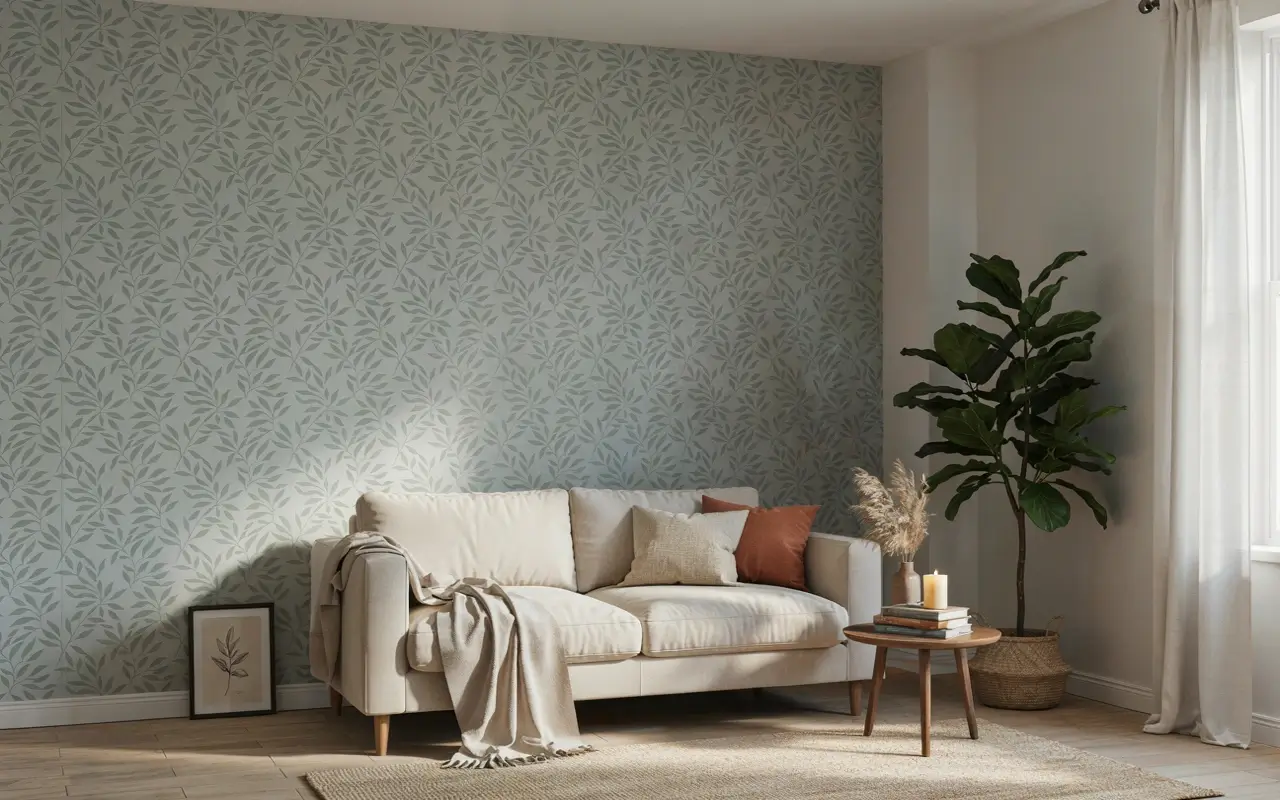
Full-room wallpaper is a big time investment and an even bigger removal project. The smarter move for renters is what designers call the accent panel strategy: pick one focal wall, or even just a four-foot vertical strip behind your bed or dining table. You get the designed, custom look without committing your whole security deposit to the bet.
Look for reputable brands making genuinely nice patterns now, not the shiny, slightly cheap-looking rolls from years ago. Budget around $25 to $45 per roll or panel. Always order a sample first and test it in a hidden spot for 48 hours before you commit.
Mistake to avoid: applying it to walls painted less than 30 days ago, or skipping the cleaning step. Both are the top causes of bubbling and peeling.
2. Hang a Tapestry or Fabric Panel Instead of Art
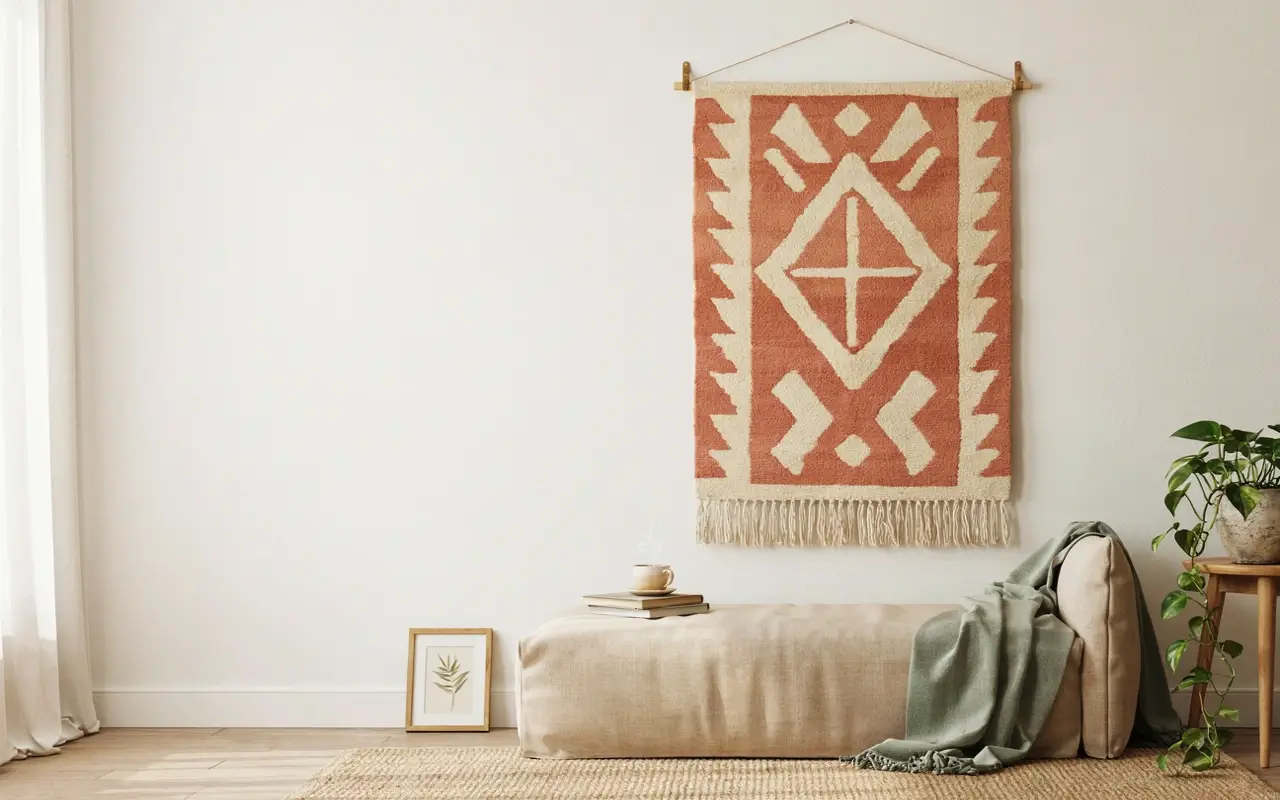
Fabric is one of the most underused tools in rental decorating. A single yard of home decor fabric runs about $5 to $15 and can cover more wall space than a framed print for a fraction of the price. Bedsheets, curtains, and discounted upholstery fabric work too for bigger walls.
Hang it with a tension rod along the top, curtain clips, or a row of Command hooks. As a bonus, a large fabric panel softens an echo-y room, which matters a lot in apartments with hard floors and bare walls.
3. Lean a Large Mirror Instead of Hanging One
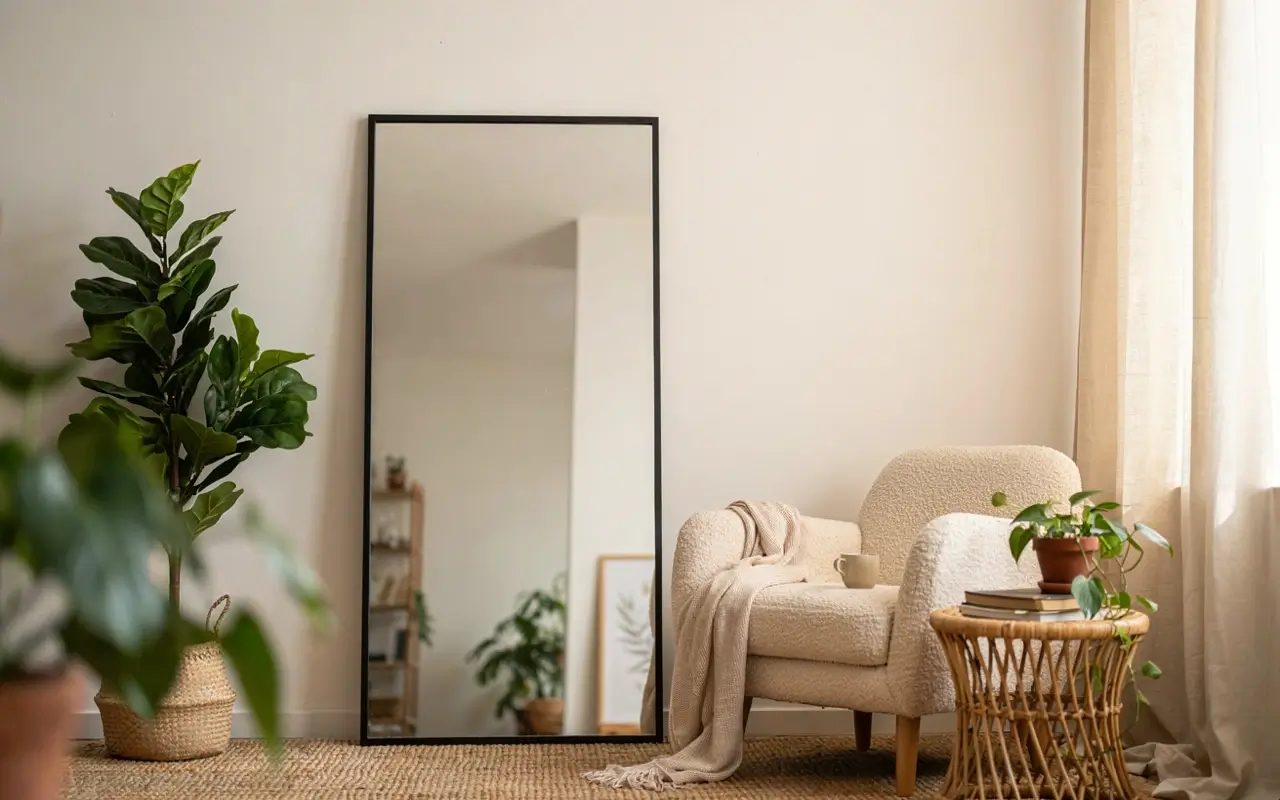
This is the easiest idea on the list because it involves zero contact with the wall. A tall, arched floor mirror leaned in a corner or against a blank wall does double duty as art and as a way to bounce light around a room, which makes small rental spaces feel bigger instantly.
Safety note: anchor the top of a leaning mirror with a small mirror strap or a dot of museum putty against the wall so it can’t tip forward, especially in homes with kids or pets.
4. Build a No-Nail Gallery Wall with Command Strips
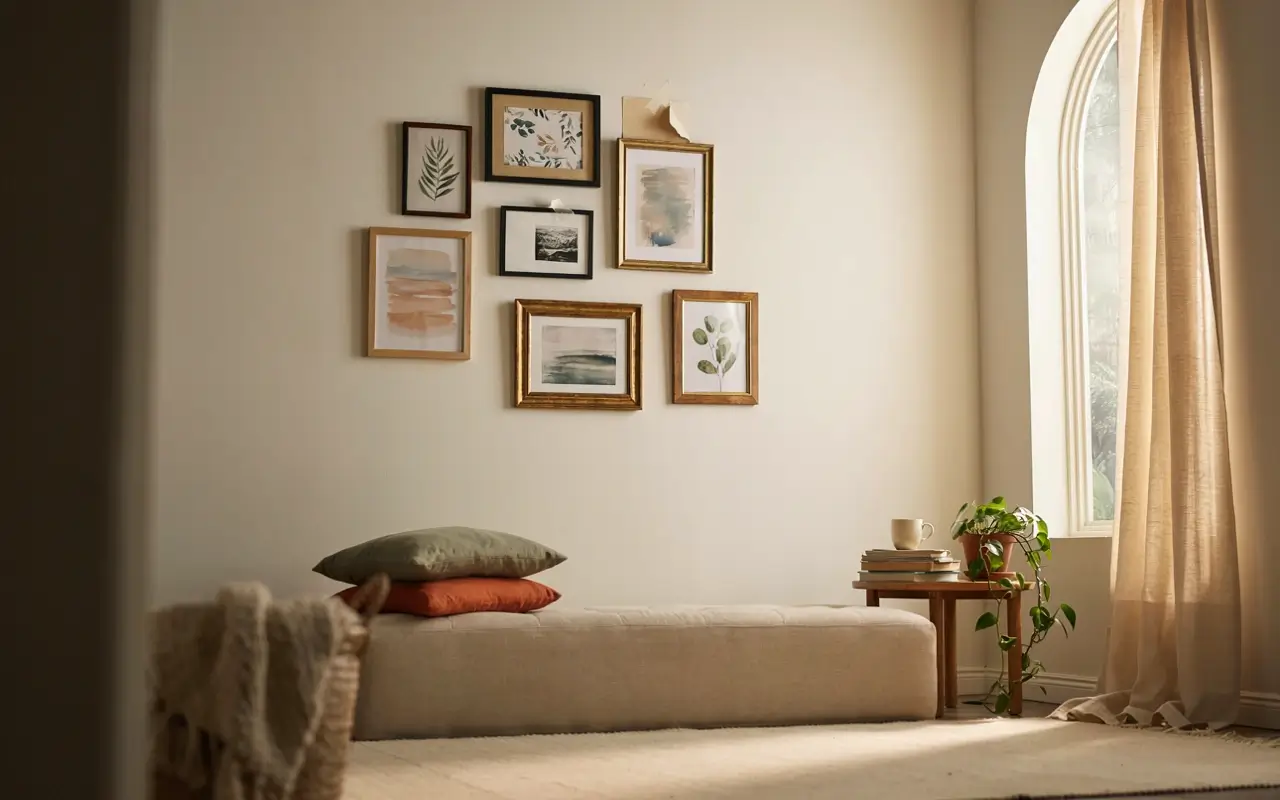
Gallery walls are one of the most requested looks in rental decorating, and they’re completely doable without a single hole. The trick is planning it before you touch the wall. Lay your frames out on the floor first, trace each one onto paper, and tape the paper templates to the wall to test the layout before committing.
Keep the center of your artwork at roughly eye level, about 57 to 60 inches from the floor, which is the standard used in galleries and museums. Use large picture hanging strips (in pairs) matched to each frame’s actual weight, not a guess. A 24×36 inch frame needs a full set of four pairs to safely hold up to 16 pounds.
Mistake to avoid: using two pairs of strips when the frame really needed three. It’s one of the most common reasons frames fall.
5. Add Picture Ledges Instead of Frames
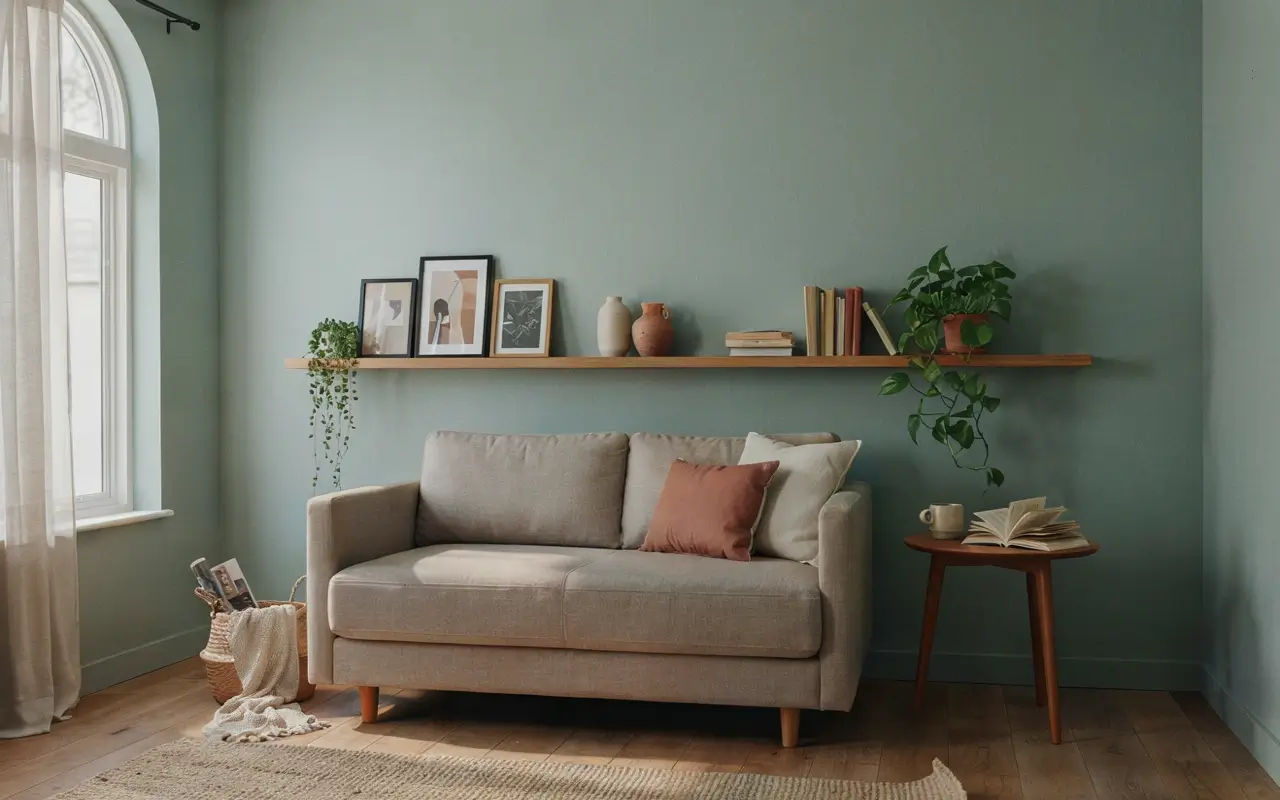
Picture ledges are shallow floating shelves built specifically for leaning framed art, and they’re one of the most flexible tools a renter can own. Mount one with a set of heavy Command strips, then layer two or three frames of different sizes on top, slightly overlapping.
The real win here is that you can swap, add, or rearrange art anytime without a single new hole. Lean a small plant or a candle at one end to break up the straight lines. A basic white ledge in the IKEA MOSSLANDA style runs about $15 to $25 and disappears against most rental walls.
6. Try Oversized Wall Decals for an Elevated Look
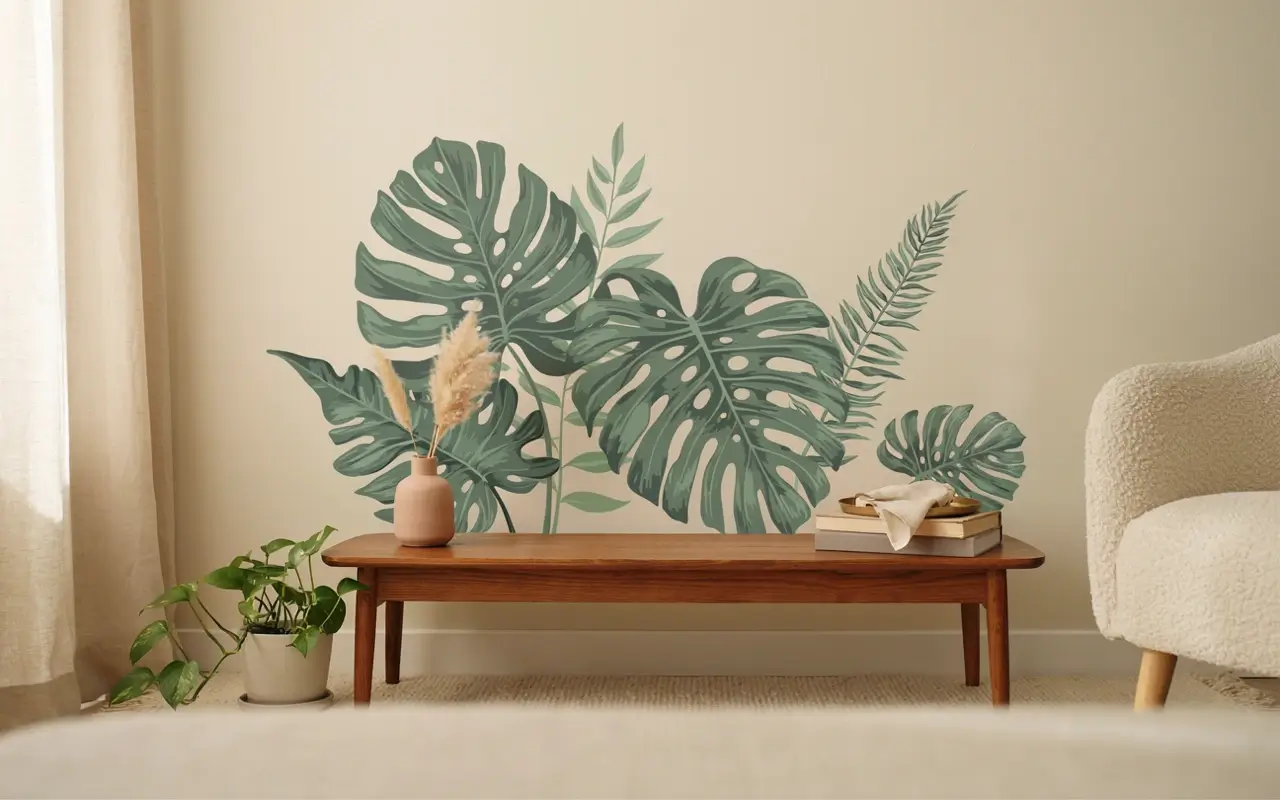
Forget the decals from your childhood bedroom. Today’s versions come in oversized botanical prints, line-art florals, and subtle patterns that mimic wallpaper at a smaller scale and a much lower cost. They peel on and off cleanly and work especially well in bedrooms, nurseries, and dining nooks where a full wallpaper commitment feels like too much.
7. Layer in Macrame or Woven Wall Hangings for Texture
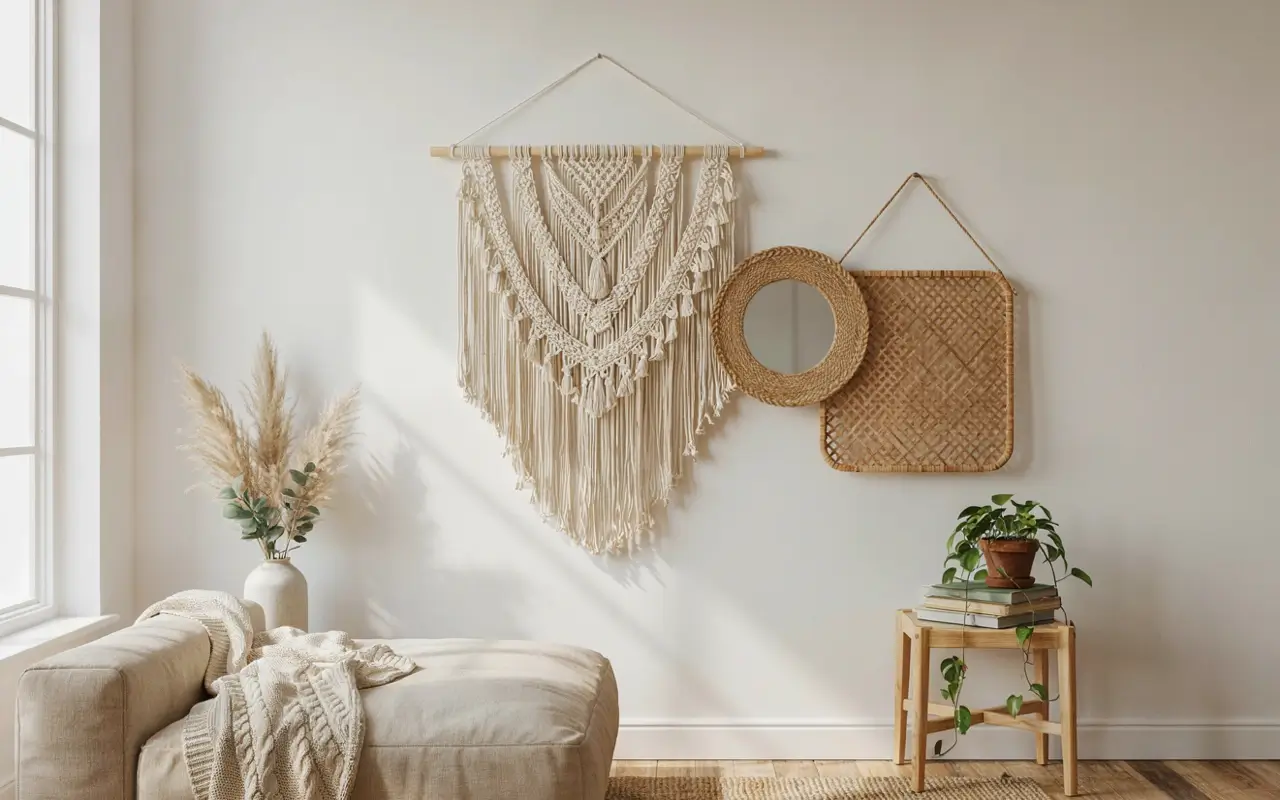
Texture is a huge part of where home decor is heading this year, and woven wall art is an easy, renter-safe way to bring it in. Jute macrame hangings, woven rattan baskets, and textured fiber wall art add depth that a flat framed print can’t.
Cluster three or four woven baskets of varying sizes together, or hang a single large macrame piece as a statement over a bed or sofa. Each one only needs a single Command hook, and the whole piece is lightweight enough to move without a second thought.
8. Use Washi Tape to Fake an Accent Wall
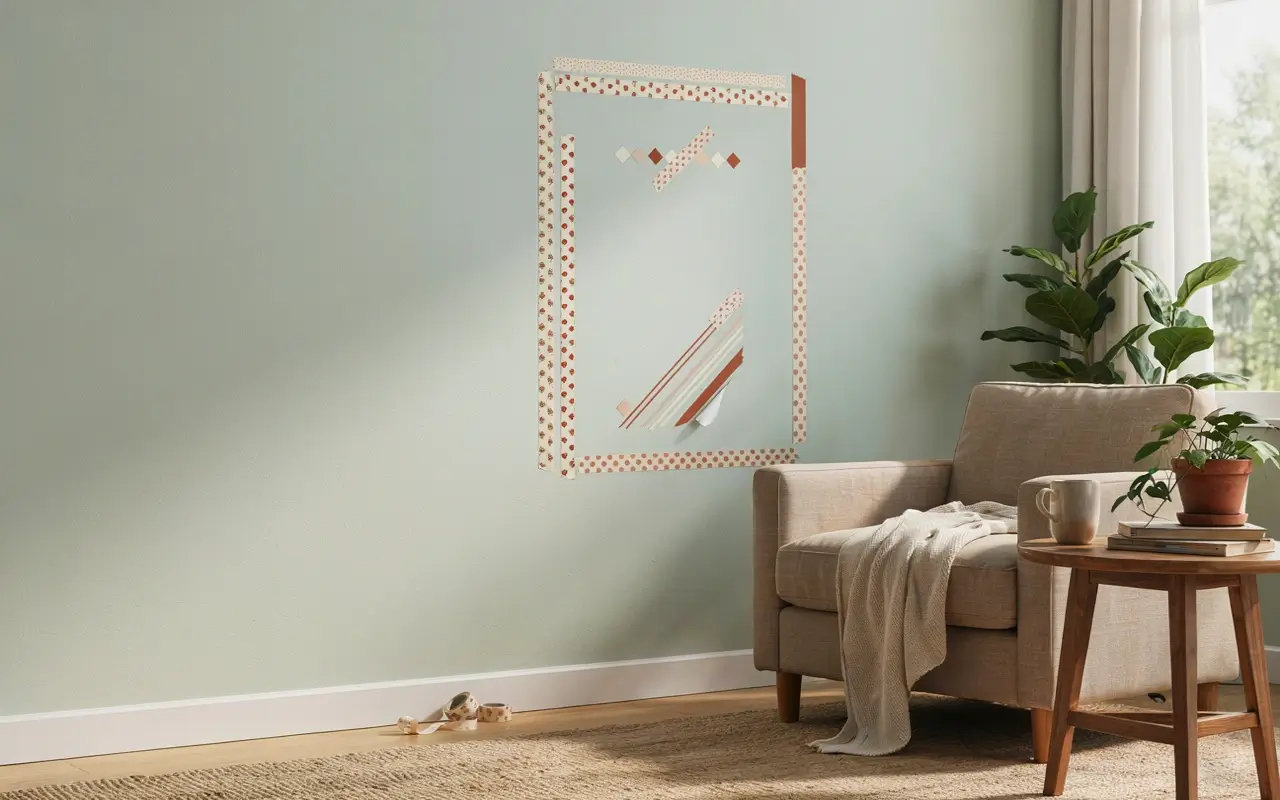
This is the closest thing to painting an accent wall that a renter can pull off without touching paint at all. Washi tape removes cleanly from most painted surfaces and comes in enough colors and widths to build geometric patterns, herringbone designs, or a bold color-blocked section of wall.
Keep your palette to two or three tape colors at most. A rainbow of colors reads as a craft project; two or three considered shades read as an actual design choice. A roll runs about $15, and a full wall is doable in an afternoon.
9. Turn Plants into Living Wall Decor
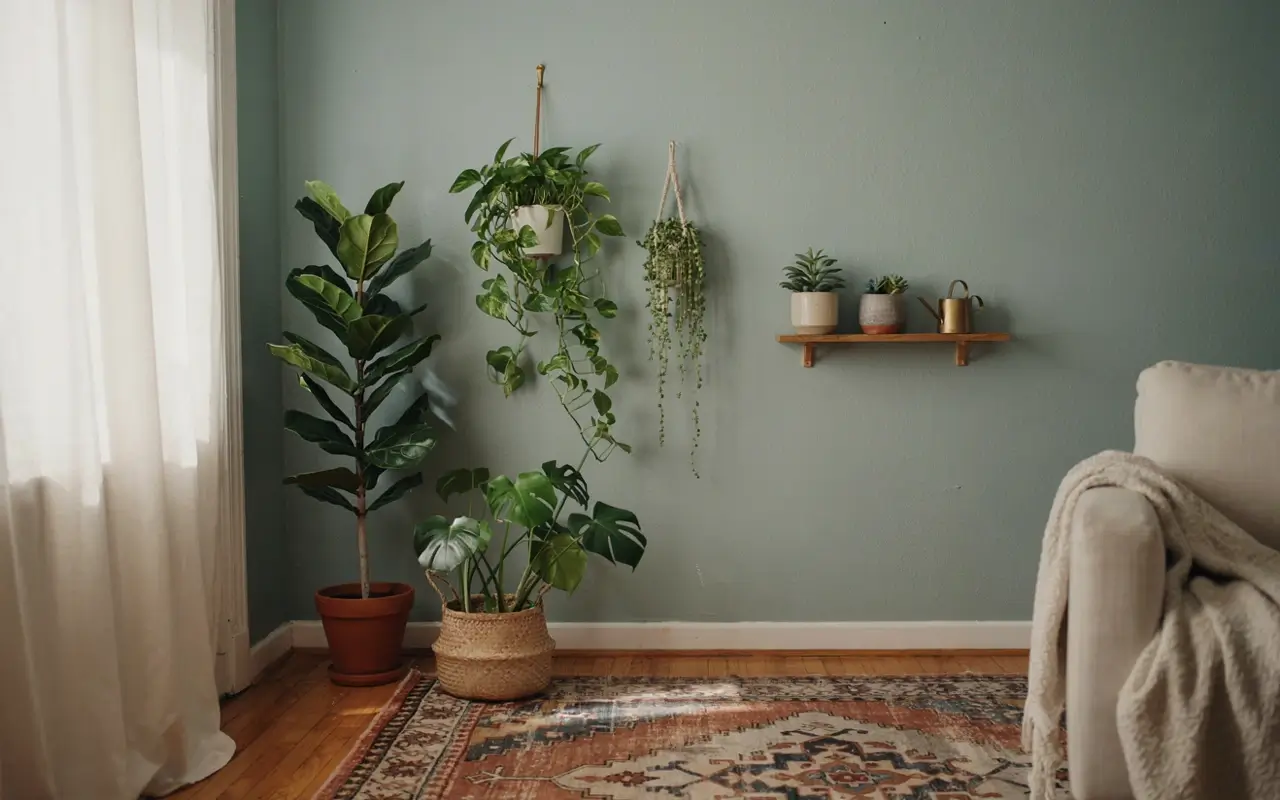
Plants can act as wall decor without ever touching a wall. Tall floor plants like a fiddle leaf fig or a bird of paradise fill vertical space the same way a large piece of art would. For an actual hanging effect, use Command hooks rated for the weight of the planter, and always add a drip tray underneath to protect the wall and floor from water stains.
Hanging baskets in a cluster along one wall, mixed with a curtain of trailing pothos or string of pearls, creates the kind of lush, layered look that photographs beautifully and never requires a single nail.
10. Add Adhesive Floating Shelves for a Styled Vignette
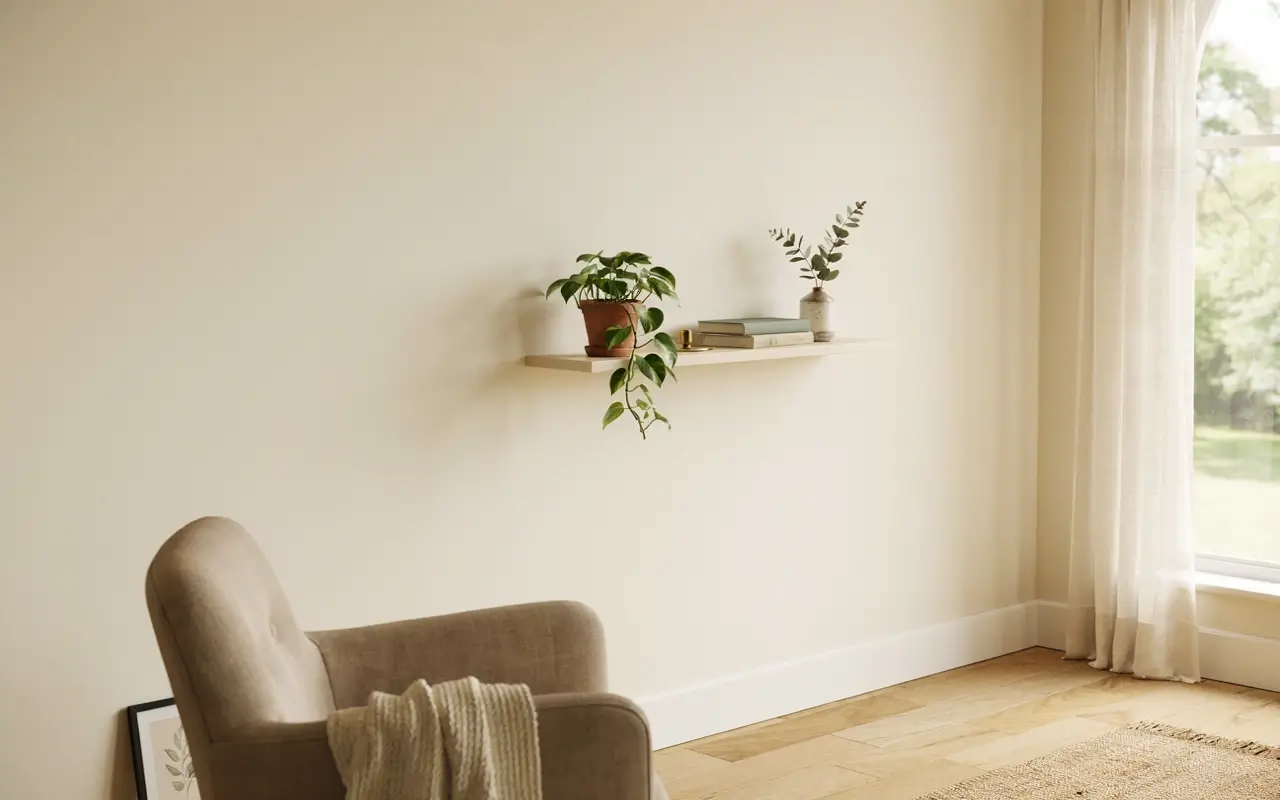
Small adhesive-mounted shelves are meant for light styling, not heavy lifting. Use them for a curated little vignette: a leaning mini frame, a small plant, a candle, a stack of two or three books. It’s the kind of layered, considered corner that photographs well for Pinterest without needing a full gallery wall.
Mistake to avoid: don’t use adhesive shelves for anything you can’t afford to have fall, like glassware or breakables. They’re a styling tool, not a permanent shelving system.
11. Swap Bright Overheads for Battery Wall Sconces or LED Strip Lighting
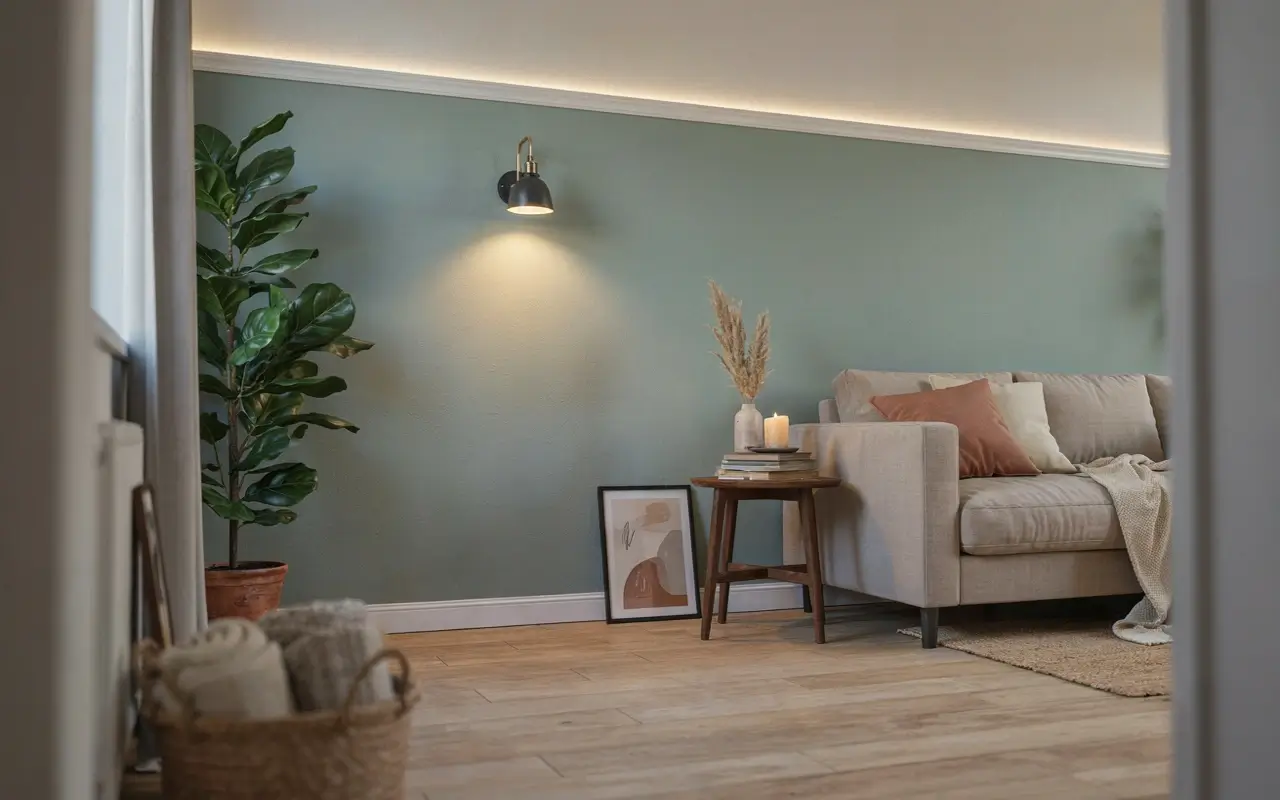
Light is decor too, and it’s one of the most overlooked ways to change how a rental wall feels. Battery-powered wall sconces mount with adhesive strips and need zero wiring or electrician visits. LED strip lighting tucked behind a mirror, headboard, or floating shelf adds a soft glow that makes a plain wall feel intentional after dark.
Warm white light (rather than cool or blue-toned) makes the biggest difference in coziness, especially in a rental with harsh overhead lighting as the only option.
12. Lean a Decorative Screen or Room Divider for Wall-Sized Impact
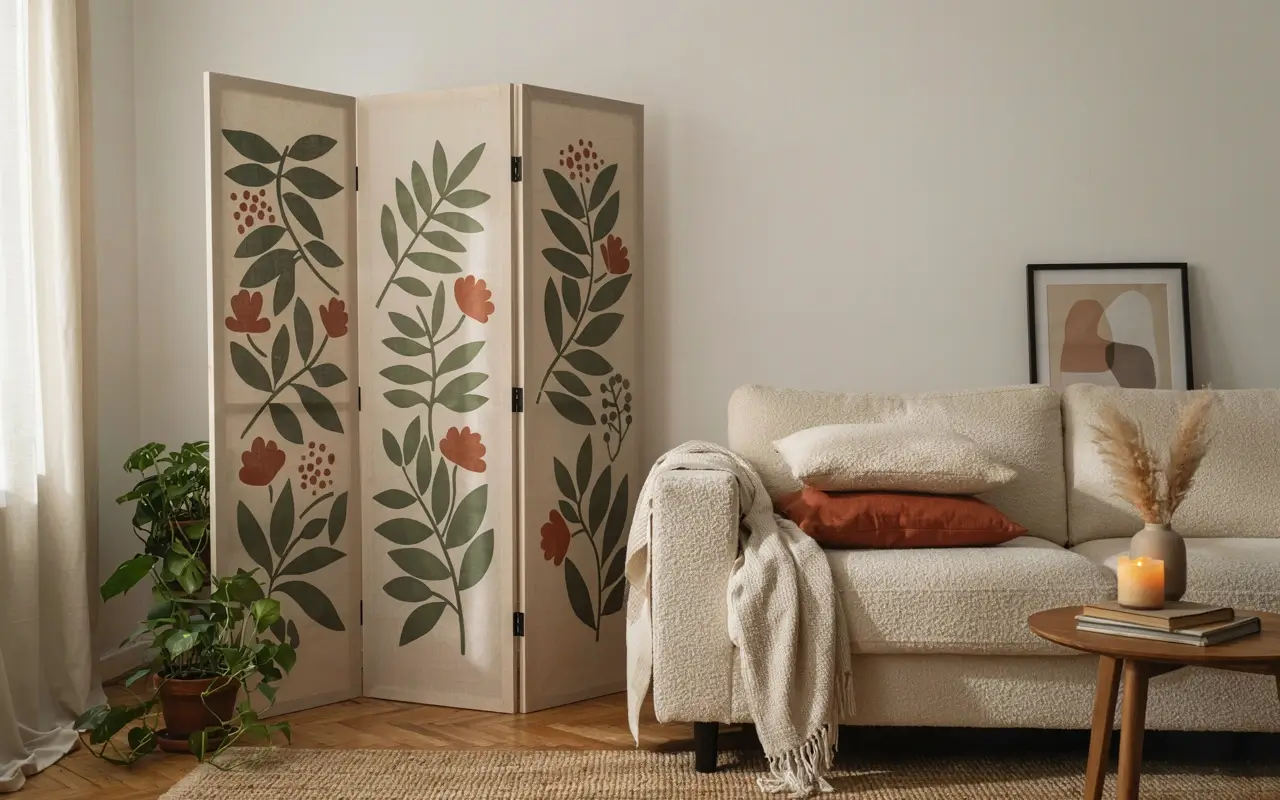
A folding screen made of rattan, wood, or fabric panels can cover more visual real estate than almost anything else on this list, and it never touches the wall. It works as art, as a privacy divider for a shared space or studio apartment, and as a clever way to hide an awkward corner or an ugly radiator.
Safety note: secure the top of a leaning screen to the wall with a small furniture anchor strap if you have kids or pets who might pull on it.
Room-by-Room Rental Wall Tips
- Living room: A gallery wall or a leaning mirror works best centered above the sofa, sized to roughly two-thirds the width of the furniture below it, so it feels grounded instead of floating.
- Bedroom: The wall behind your headboard is the highest-impact spot in the whole apartment. A fabric panel, an accent of peel-and-stick wallpaper, or LED strip lighting tucked behind the headboard all make a rental bedroom feel finished fast.
- Bathroom and kitchen: Stick to moisture-resistant products only. Look for Command strips rated for humidity, and keep any paper-based decal or wallpaper away from direct steam near showers or stovetops. Skip peel-and-stick tile directly on painted drywall. It’s one of the few products that can pull paint off on removal. If you want the tile look, apply it to an existing tile or laminate surface instead.
- Hallways: Use the arm extension test before choosing anything for a narrow hallway. Stand in the middle with your arm out at shoulder height. If your fingertips nearly reach the opposite wall, keep decor under about 1.5 inches deep so you’re not bumping into it every time you walk through. A row of small, matching frames works better here than anything bulky.
- Dorms and small spaces: Over-the-door hooks, tension rod curtain dividers, and lightweight paper fans or garlands add color and personality without a single sticky strip on the actual wall. Everything on this list should fold flat or pack small for move-out day.
2026 Color and Style Trends for Rental Walls
If you’re wondering what colors to lean toward this year, designers are gravitating toward warm, grounded neutrals as a base: wheat, caramel, taupe, and soft greige tones that read as cozy rather than cold. On top of that, deep, saturated shades like inky green, ochre, and a rich teal are showing up as the accent color of choice, paired with warm brass hardware and natural wood tones instead of the cool chrome and gray that dominated the last decade. Mauve and a icy-blue-with-burgundy combination are also having a moment for anyone who wants something softer.
The good news for renters is you can chase every one of these trends without repainting a thing. Save the bold, saturated colors for the pieces you can change your mind about: a fabric panel, a set of frames, a woven hanging, a peel-and-stick accent panel. Keep anything semi-permanent, like a full-wall wallpaper choice, in the warm neutral family so it still feels current a year or two from now.
Mistakes to Avoid When Decorating Rental Walls
- Skipping the wall-cleaning step before applying any adhesive product
- Ignoring your wall’s texture and assuming every product will stick the same way
- Applying peel-and-stick wallpaper to paint that’s less than 30 days old
- Pulling wallpaper or strips off quickly instead of slowly, at a low angle
- Skipping the 48-hour test patch in a hidden spot
- Guessing at weight instead of matching the actual number of Command strips to the item
- Decorating before checking your lease or getting a quick yes from your landlord
- Forgetting to keep a small patch kit and photos on hand for move-out day
How to Protect Your Security Deposit While You Decorate
A few minutes of prep now saves a lot of stress later. Take dated photos of every wall before you move in, and again before you hang anything, so you have proof of the original condition. If you’re doing anything bigger, like an accent wall or peel-and-stick wallpaper, get a quick written yes from your landlord. A two-line email or text saying what you’re planning and confirming it’s fully removable covers you if there’s ever a question at move-out.
Keep a small move-out kit ready long before you need it: a container of spackling compound, a putty knife, fine sandpaper, and a small sample of matching wall paint if you know the color. Small nail or anchor holes patch in minutes with nothing more than your finger and a dab of spackle. And if you used the poster board buffer trick anywhere, hold onto the leftover board pieces in case you want to reuse the technique in your next place.
A Few Common Questions
Will Command strips damage my rental walls?
Not if you use the right size for the weight of your item, apply them to a clean surface, and remove them slowly at a downward angle. Yanking them straight off is what causes paint to lift.
Can I paint an accent wall in a rental?
It depends entirely on your lease. Many landlords are open to a neutral, easily paintable-over color if you ask in writing first. Always get that agreement in writing rather than a verbal yes.
How do I hang something heavy, like a large mirror, without drilling?
Lean it instead of hanging it. If you do want it flush against the wall, a full set of large picture hanging strips (four pairs) can support up to 15 to 16 pounds on a clean, smooth surface.
How do I know if peel-and-stick wallpaper will damage my specific wall?
Test a small sample piece in a hidden spot for 48 hours before committing to a full panel. If it lifts, bubbles, or pulls paint on that small test, a full wall will do the same thing at a much bigger scale.
Final Thoughts
Decorating your rental walls really comes down to one thing: choosing tools that let you change your mind. Nothing on this list is permanent, which means nothing on this list is risky. Start with one wall, one idea, and see how it feels before you take on the rest of the apartment. A rental with personality beats a rental with bare, beige walls every single time, and your deposit never has to know the difference.
What’s the first idea you’re trying in your space? Tell me in the comments, I’d love to see how it turns out.



No Comment! Be the first one.