





12 Plants That Keep Mosquitoes Away (And Actually Look Good Doing It)
If you have ever tried to eat dinner on the patio only to spend the whole meal swatting at your ankles, you already know why this list matters. Mosquitoes can turn a pretty outdoor space into a place...

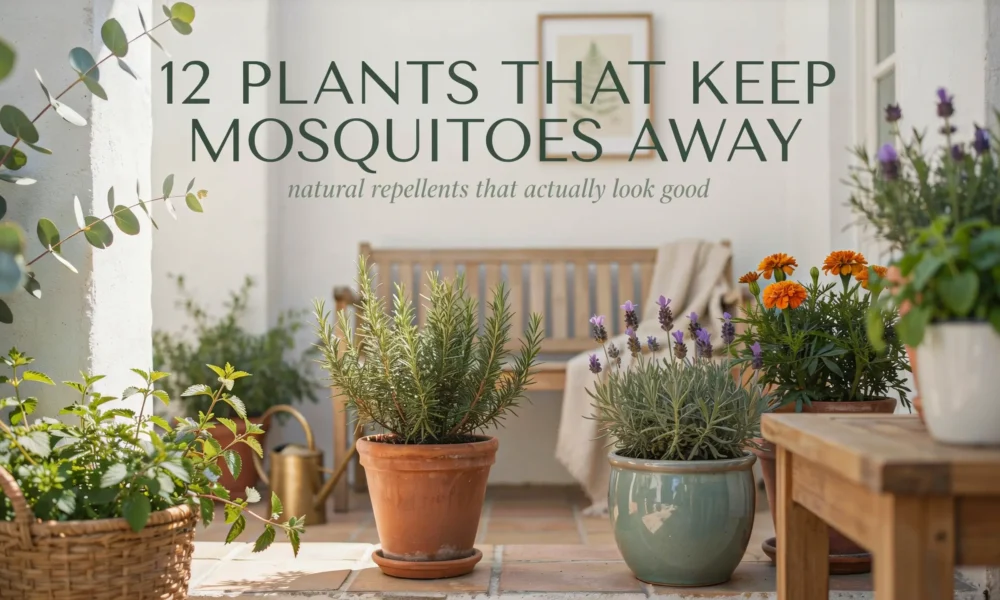
If you have ever tried to eat dinner on the patio only to spend the whole meal swatting at your ankles, you already know why this list matters. Mosquitoes can turn a pretty outdoor space into a place nobody wants to sit in, and citronella candles only get you so far.
The good news is that plants that keep mosquitoes away are one of the easiest upgrades you can make to a porch, patio, deck, or backyard. Most of them are pretty, many are edible, and almost all of them are beginner-friendly enough to grow in a pot with zero garden experience.
I am not going to tell you that a few plants will make mosquitoes vanish completely. That is not realistic, and any article that promises it is stretching the truth. What these plants actually do is release strong scents and natural oils that make it harder for mosquitoes to smell you, which means fewer bites and a lot more time spent outside. Pair them with smart placement and a few habits below, and you will notice a real difference.
Here are the 12 best plants that repel mosquitoes, how to use them, and how to arrange them so your patio actually looks intentional instead of like a random herb garden threw up on it.
How These Plants Actually Work
Quick reality check before we get into the list. Mosquito repellent plants work through scent. Their leaves hold natural oils like citronellal, geraniol, or menthol, and those oils confuse a mosquito’s ability to sniff out your skin.
The catch is that most of these plants only release their strongest scent when the leaves are bruised, brushed, or crushed. A lavender bush just sitting there looks lovely but isn’t doing much on its own. Walk past it, run your hand across the leaves, or plant it somewhere people naturally brush against it, and it goes to work.
That one detail is the difference between a Pinterest board that looks nice and a patio that actually keeps bugs away.
The 12 Best Plants That Keep Mosquitoes Away
1. Citronella Plant (Pelargonium citrosum)
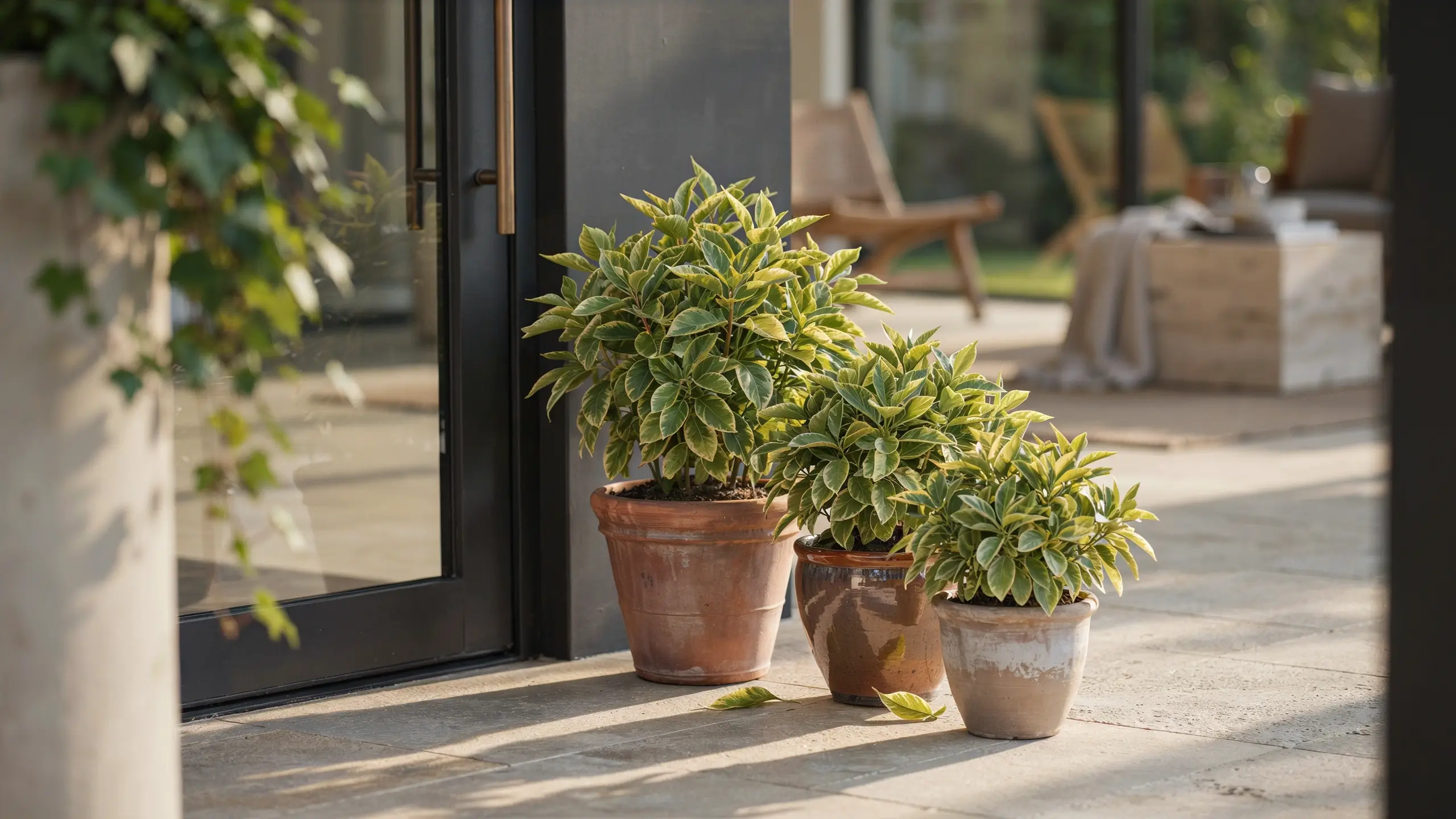
This is the plant most people picture when they hear “mosquito repellent plant,” even though it is technically a scented geranium, not true citronella grass. Its strong citrus scent masks the smells that attract mosquitoes, making it harder for them to find you.
Grow it in a large terracotta pot near your seating area, and pinch the leaves occasionally to release the scent. It loves full sun and does not love wet feet, so let the soil dry out between waterings.
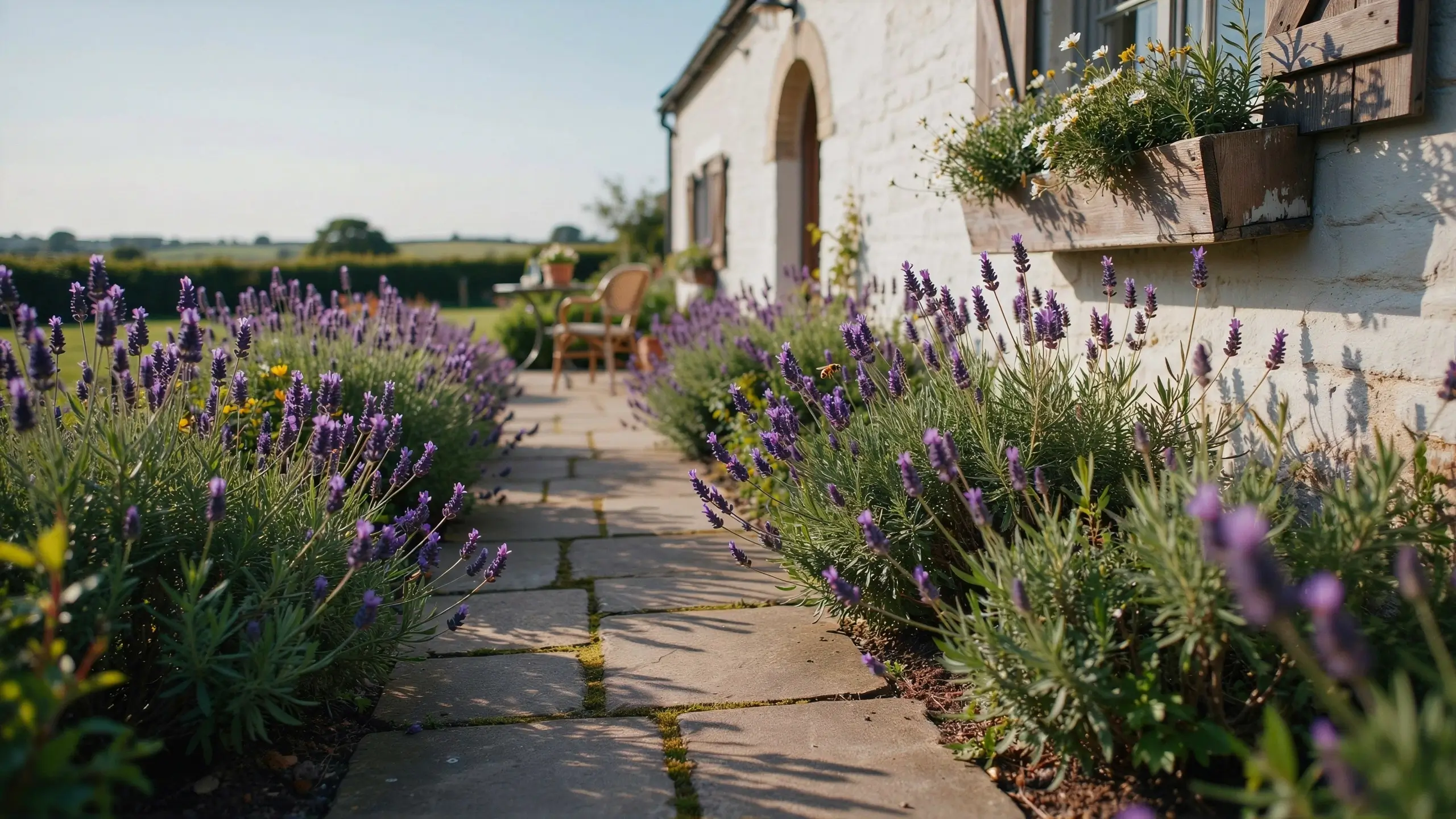
Lavender earns its spot on every mosquito repellent plant list for a reason. The silvery foliage and soft purple blooms look like something out of a French countryside photo, and the fragrance is genuinely disliked by mosquitoes.
Plant it along a walkway, at the edge of a patio, or in window boxes where the breeze can carry the scent toward your seating area. Lavender wants full sun and well-drained soil, and once it is established it barely needs babying.
Mistake to avoid:
- Overwatering. Lavender roots rot fast in soggy soil, especially in containers without drainage holes.
3. Marigolds
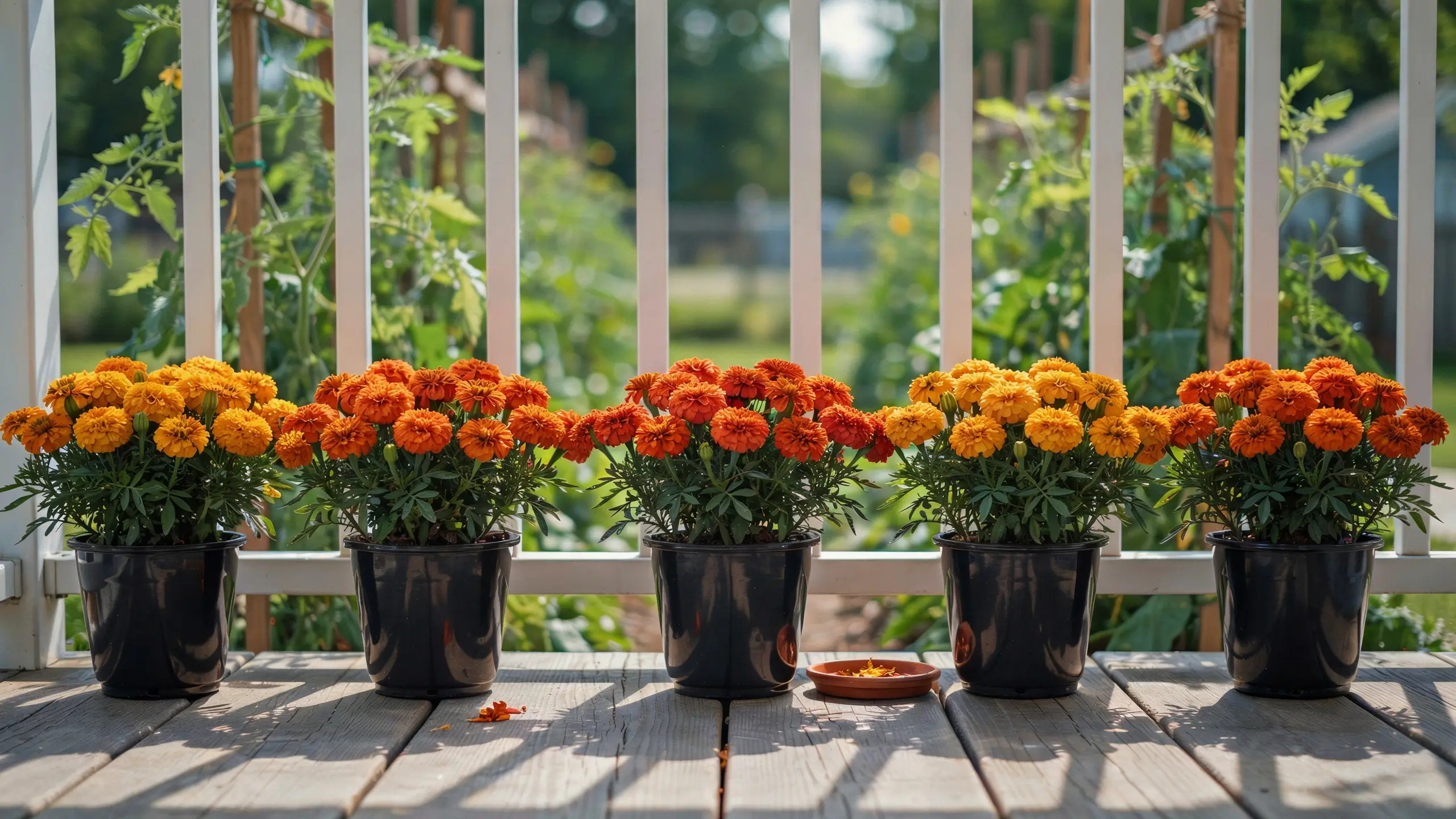
Marigolds are the budget-friendly, beginner-proof option on this list. A six-pack of marigold starts costs less than a fast food meal, and they bloom nonstop from late spring until the first frost.
Line them along a deck edge, tuck them into a vegetable garden bed near tomatoes, or fill a window box for a pop of orange and yellow that also works double duty keeping aphids and other pests away.
4. Rosemary
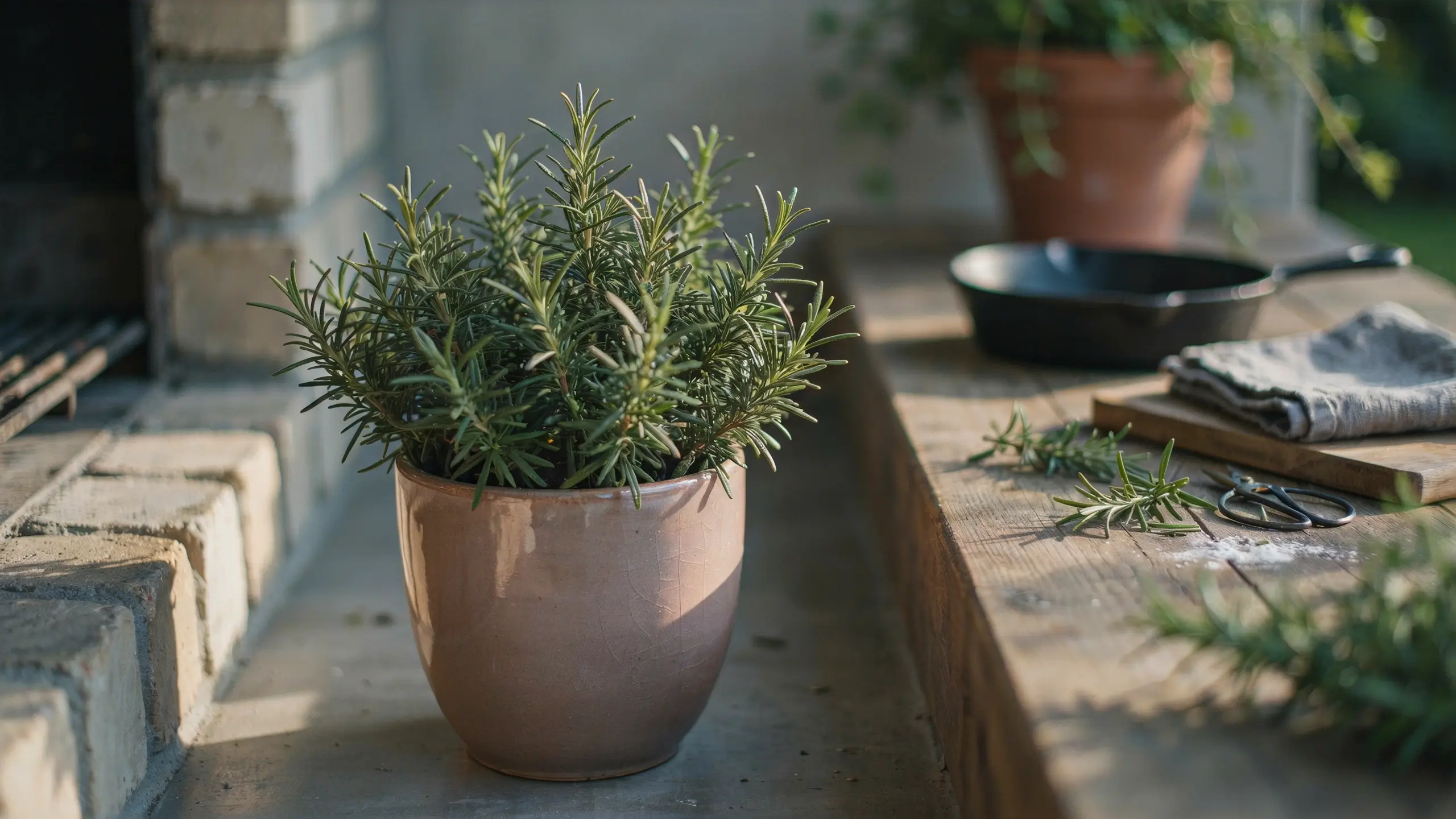
Rosemary is one of those plants that earns its keep. It repels mosquitoes, it survives drought better than almost anything else on this list, and you can throw a sprig on the grill for dinner.
Plant it in a large pot near your outdoor cooking space so you can snip it for recipes while it works as a natural bug deterrent. In hot climates it can be planted directly in the ground and left alone for years.
5. Basil
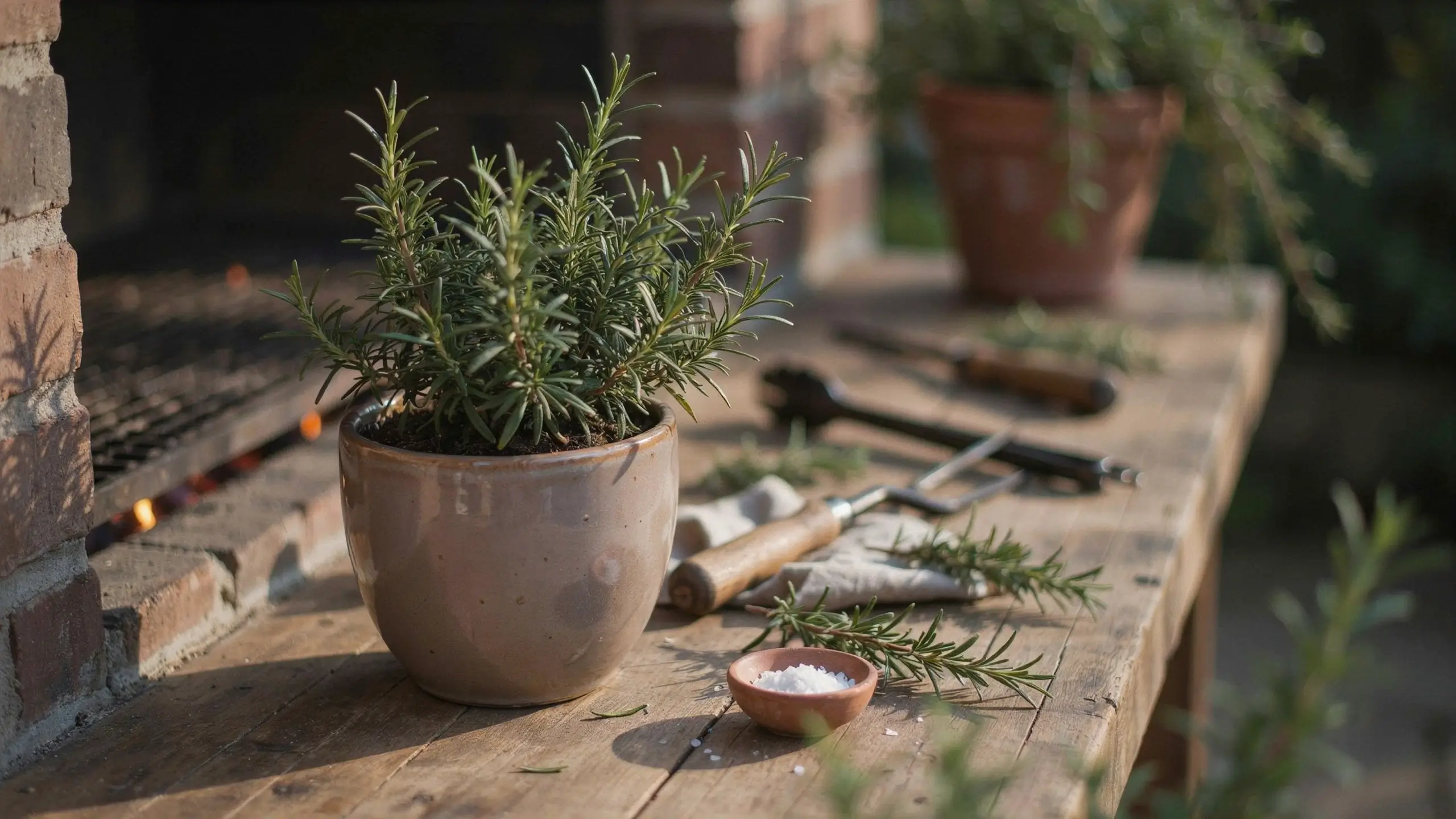
Basil fits best near areas of use, around outdoor kitchens, dining tables, or lounge zones, where it releases a sharp scent that helps reduce mosquitoes while staying within reach for cooking. It prefers consistent moisture and full sun, so containers give you the most control over its growing conditions.
Keep a pot of basil right next to your grill or outdoor dining table. You get fresh herbs for pasta and pizza, and the plant is doing pest control while you cook.
Mistake to avoid:
- Letting basil flower and go to seed too early. Pinch off the top growth regularly to keep the leaves tender and the scent strong.
6. Peppermint or Spearmint
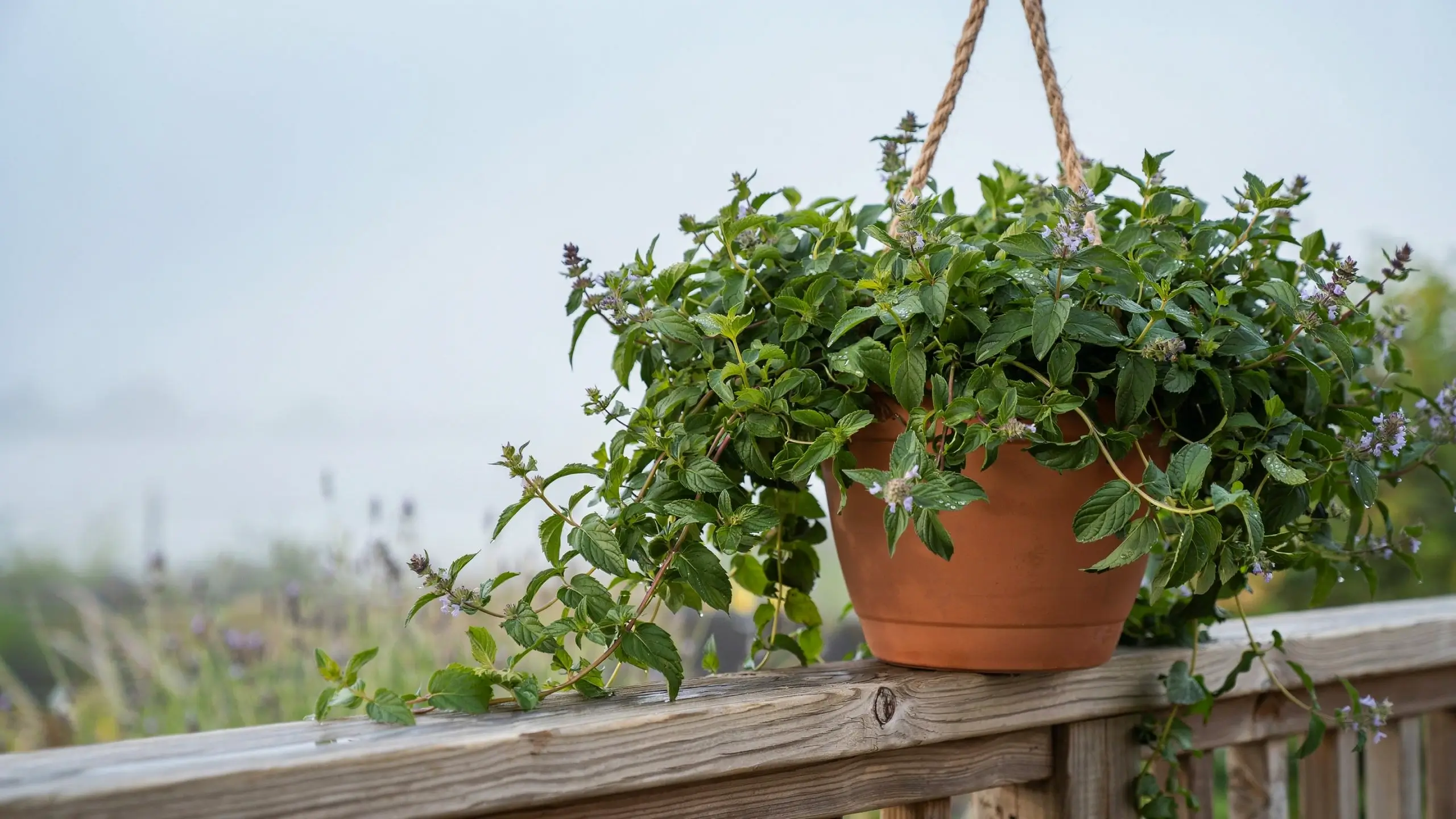
Mint is the plant people either love or regret planting directly in the ground. It spreads fast, fills bare patches with dense greenery, and its strong scent works against mosquitoes, flies, and even ants near seating areas.
Always grow mint in a container, even if you are planting it in a garden bed. Sink the whole pot into the soil if you want the look of an in-ground plant without the risk of it taking over your entire yard.
Renter-friendly tip:
- Mint in a hanging basket or railing planter is one of the easiest no-drill, fully removable options on this list.
7. Catnip
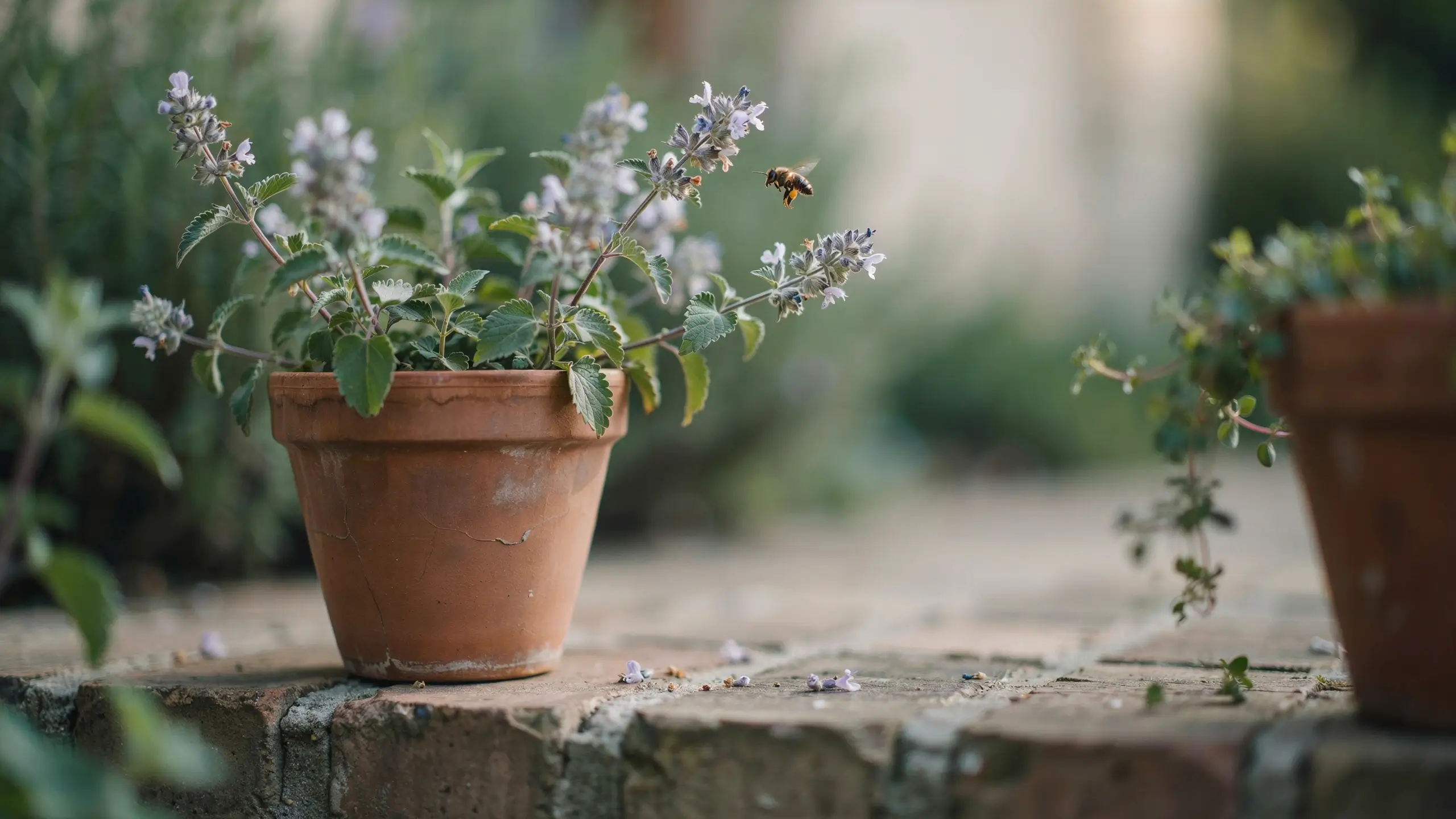
If you have cats, you already know the drama catnip causes. What you might not know is that catnip’s essential oil, called nepetalactone, has shown strong insect-repelling activity in research settings, and some studies suggest it may outperform standard repellents on a compound-for-compound basis.
Grow it in full sun to part shade, and keep it in a container if you don’t want it spreading through your garden beds. Just be ready for your cat to treat it like a personal spa day.
8. Lemongrass
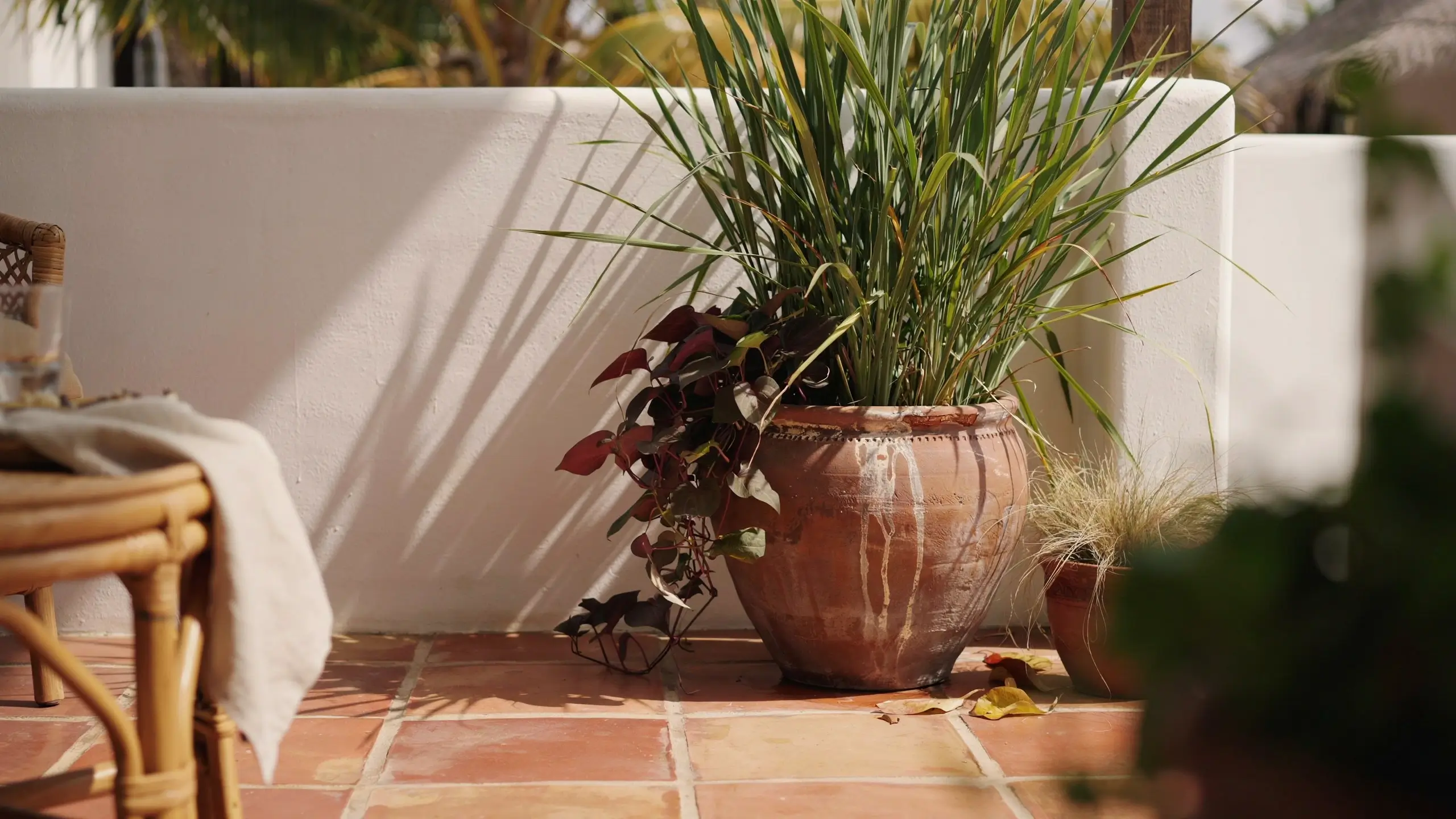
Lemongrass is where citronella oil actually comes from, which makes it one of the most effective plants on this entire list. The tall, grassy blades add height and texture to a container arrangement, giving your patio a resort-style look.
It needs a big pot, warm weather, and full sun, and it will not survive a hard freeze, so gardeners in colder zones usually treat it as an annual or bring it indoors for winter.
9. Sage
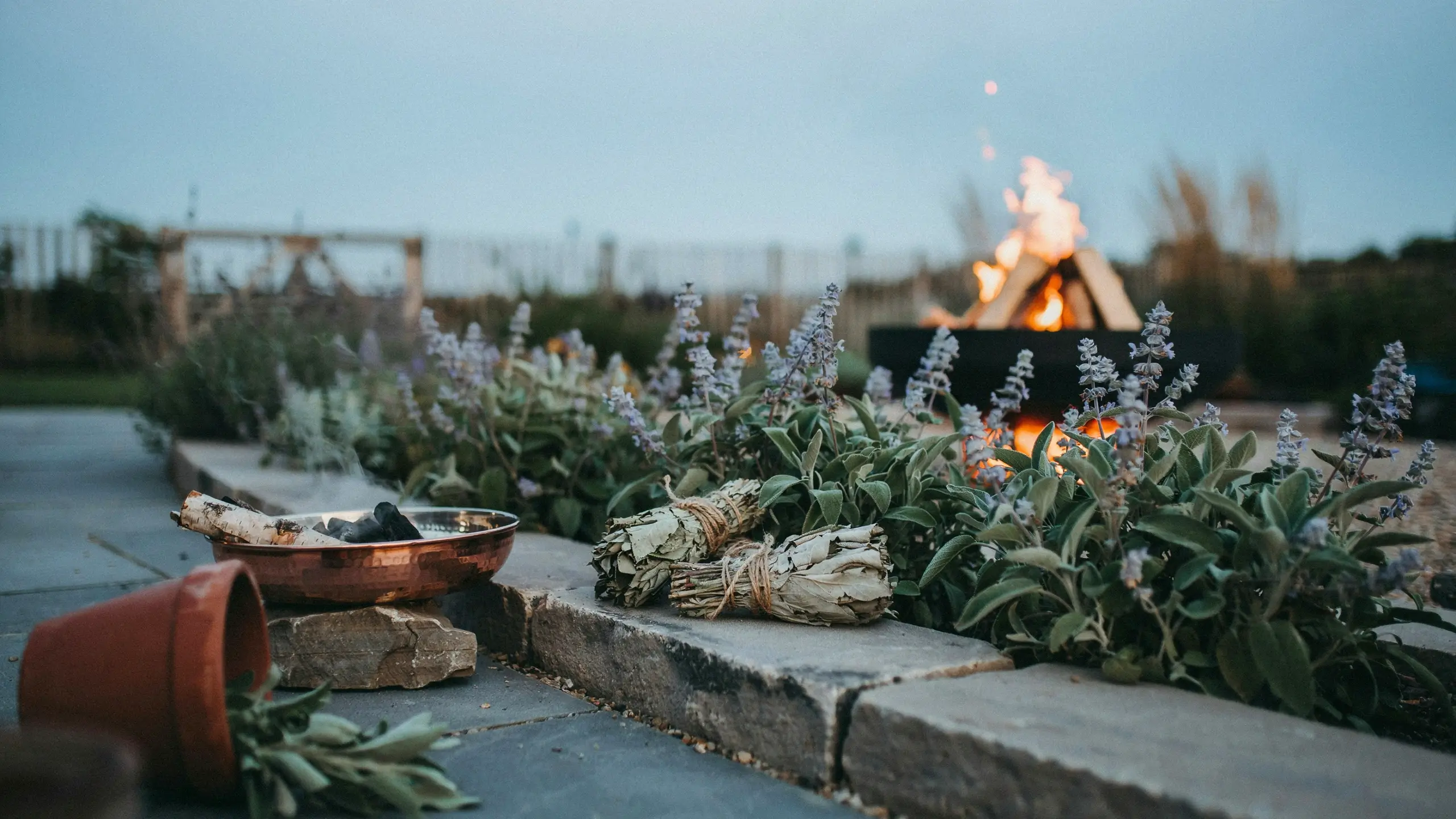
Sage does double duty. Fresh sage planted near a patio releases scent when brushed, and dried sage bundles can be burned in a fire pit or a fire-safe dish for an even stronger effect on a bug-heavy evening.
Plant it in full sun with well-drained soil, and use it to edge a garden bed or fill a container near your outdoor seating.
Safety note:
- Never burn sage or any dried herb bundle indoors or near flammable furniture, umbrellas, or dry grass. Keep a bucket of water or hose nearby anytime you’re burning something outside.
10. Bee Balm (Monarda)
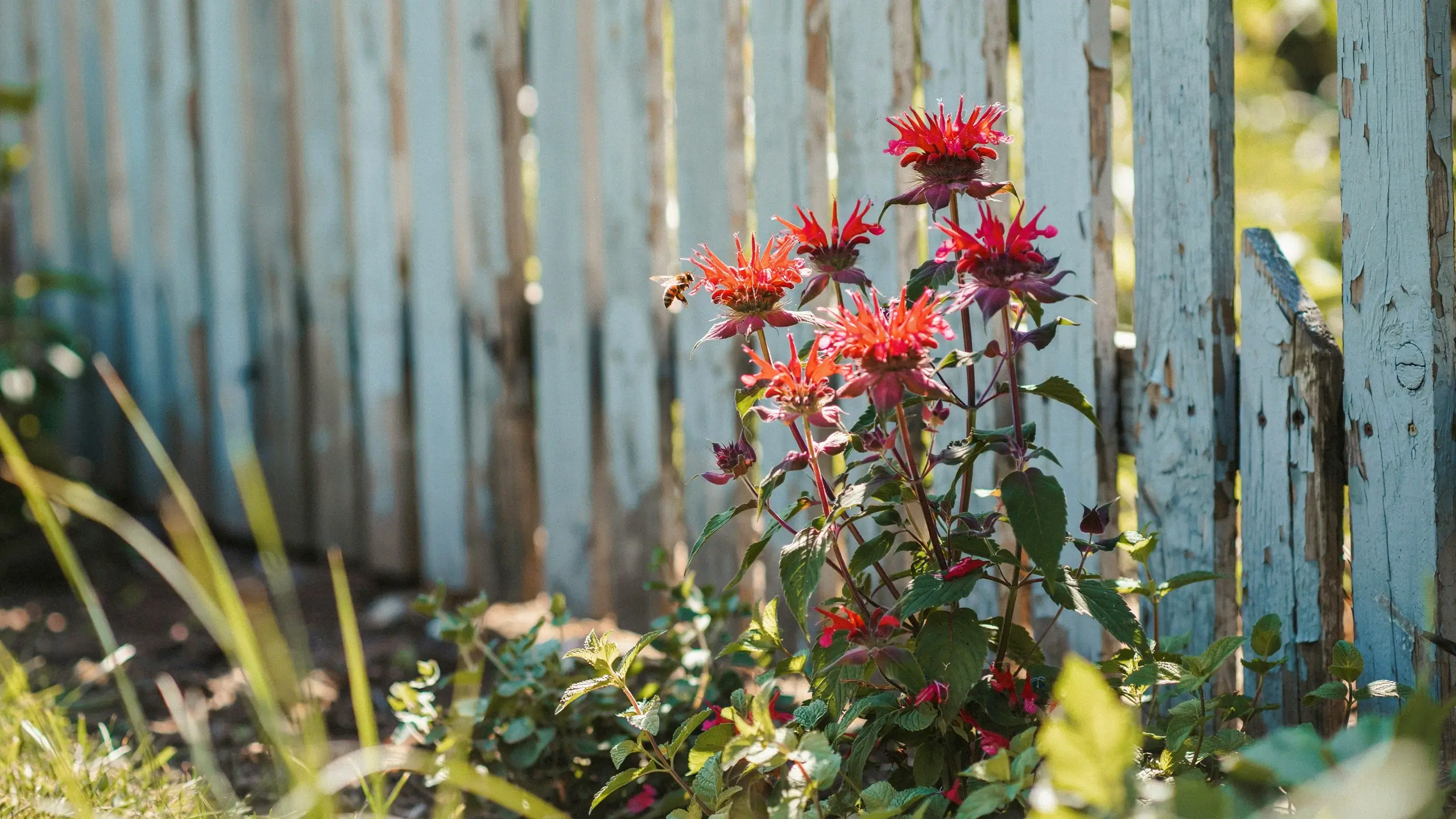
Bee balm is one of the most eye-catching plants on this list, with wild, spiky blooms in red, pink, purple, or white that look almost tropical. It attracts bees, butterflies, and hummingbirds while its fragrant leaves help repel mosquitoes.
Give it full sun to part shade and consistent moisture. It spreads over time, so it works well as a filler plant along a fence line or the back of a garden bed.
11. Lantana
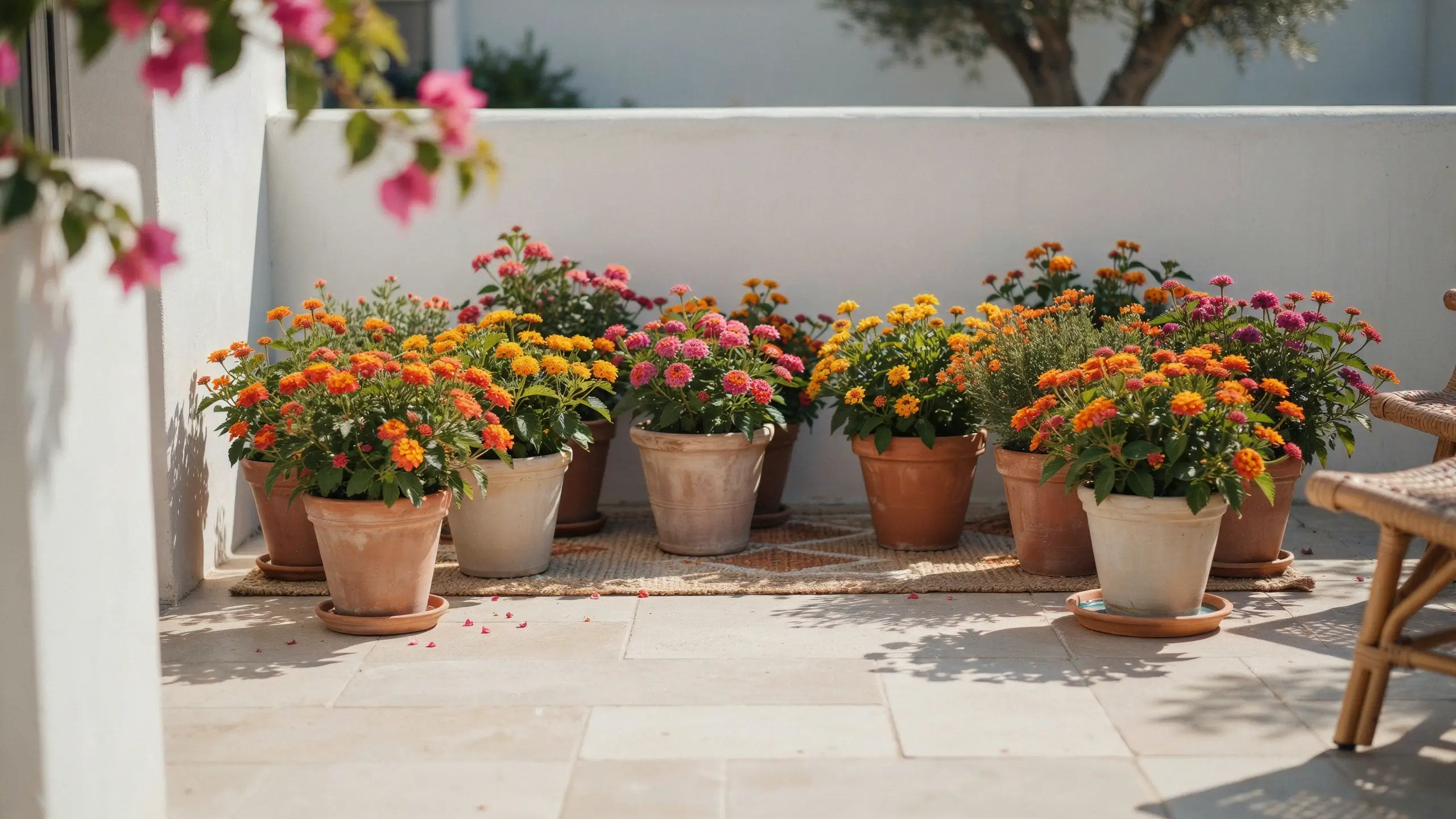
Lantana is proof that mosquito repellent plants do not have to look like an herb garden. Brush against the leaves and you’ll immediately understand why it works. By placing a few pots of lantana around your outdoor living areas, you have a natural barrier against mosquitoes that provides between 27 and 42 percent protection.
It thrives in full sun with regular moisture in containers, and once established in garden beds it tolerates poor soil, heat, and drought without complaint.
Pet safety note:
- Lantana berries are toxic if eaten, so keep it out of reach if you have dogs, cats, or small kids who like to snack on random things in the yard.
12. Floss Flower (Ageratum)
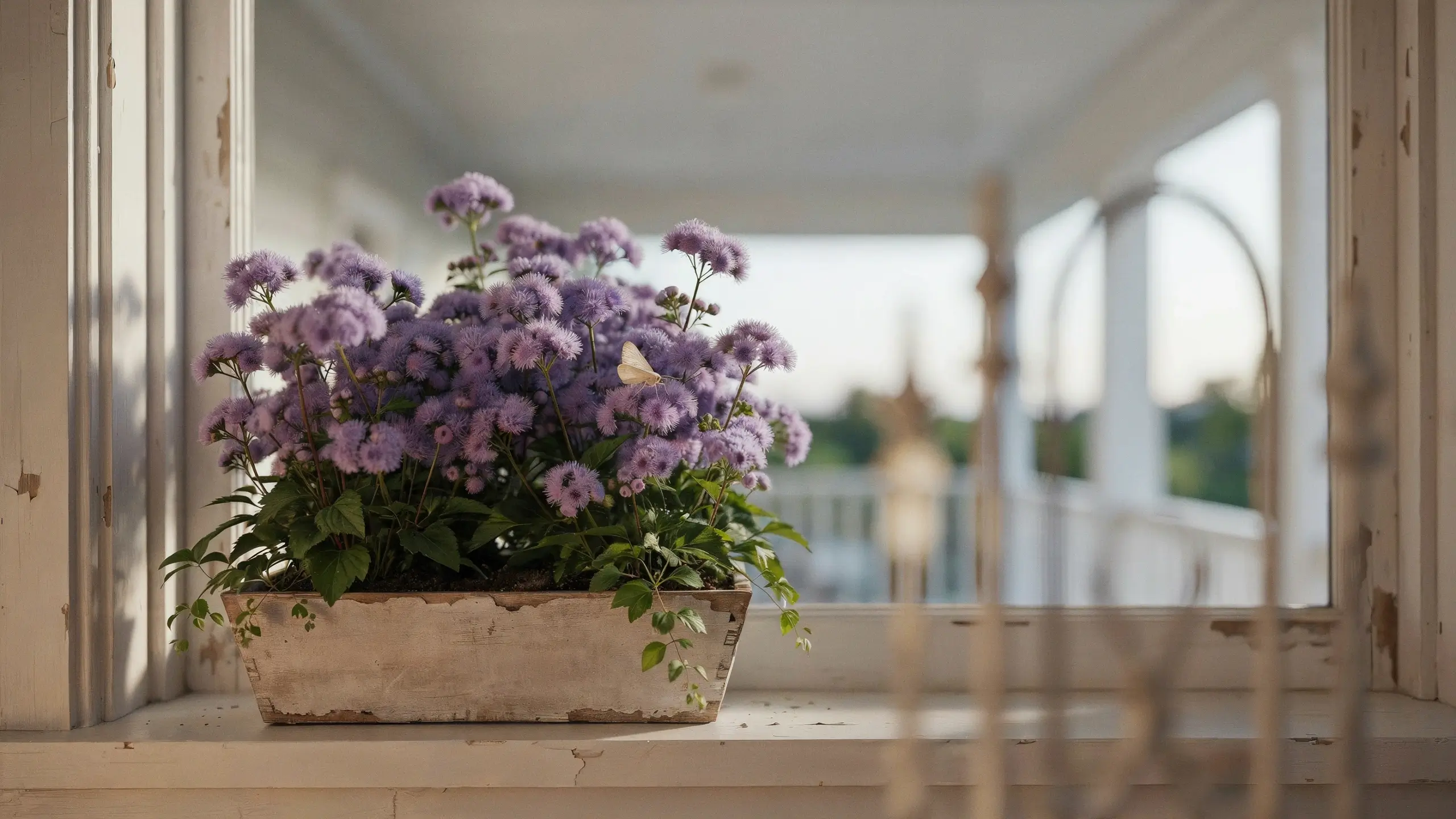
This one is less famous but worth including because it is a genuinely good option for small spaces, balconies, and window boxes. Floss flower contains coumarin, a compound found in some commercial repellents, and its soft blue or purple pom-pom blooms fill in gaps nicely at the front of a container arrangement.
It prefers part sun and consistent water, making it a solid choice for a covered porch that does not get full blazing sun all day.
How to Arrange a Mosquito Repellent Container Garden
A single pot of lavender by your back door is a start, but a grouped arrangement works harder and looks a lot better on camera. Here’s a simple formula that works on a patio, porch, deck, or even an apartment balcony.
- Pick one tall plant for height, like lemongrass or bee balm.
- Add two or three mid-height plants for the main visual impact, like marigolds, lantana, or basil.
- Fill in the edges with something low and fragrant, like mint (in its own pot, tucked inside), catnip, or floss flower.
- Group three to five pots together near your door, seating area, or wherever people gather most. A cluster of plants creates a stronger scent barrier than the same plants scattered around a large yard.
Use a mix of pot sizes and materials, like a tall ceramic urn next to a couple of woven baskets or galvanized buckets, for that layered, curated look that does so well on Pinterest.
Where to Actually Place Them for the Best Results
Placement matters just as much as plant choice, and it is the part most articles skip over.
- Near seating and dining areas, close enough that people brush past the leaves on their way to a chair.
- By doors and entryways, so mosquitoes are less likely to sneak inside with you.
- Along the edges of a patio or deck, creating a loose scent barrier around the space you actually use.
- In pairs flanking a doorway or gate, which also happens to be one of the most photogenic setups for a front porch pin.
Avoid clustering everything in a corner of the yard nobody visits. The plants only help the space they’re actually growing in.
Renter and Small-Space Friendly Options
If you’re working with a balcony, a rented patio, or a small apartment porch, you do not need garden beds to make this work. Every plant on this list grows well in a container, which means:
- No digging, no drilling, and no landlord permission needed.
- Everything is portable if you move.
- You can start small with just two or three pots near your door and expand from there.
Mint, basil, marigolds, and the citronella plant are the easiest starting point for beginners, since they are forgiving, widely available at any garden center, and inexpensive to replace if one doesn’t make it.
RV and Camper Tip
If you camp or full-time in an RV, a couple of small potted herbs like basil, mint, or a mini citronella plant can ride along on the step or picnic table setup at each site. Skip anything that needs deep roots or a lot of water, since weight and water access are usually the limiting factors on the road. A single hanging pot of citronella by the camper door does more work than you’d expect for something so small.
Final Thoughts
Planting your way to a bug-free patio takes a little patience, but it beats spraying yourself down every time you want to sit outside. Start with two or three plants that fit your space and your climate, group them near where you actually spend time, and build from there. A porch full of lavender, marigolds, and citronella is not just functional, it is one of the easiest ways to make your outdoor space feel finished and inviting.
Which of these are you adding to your patio this year? Let me know in the comments, I would love to hear what’s worked in your own backyard.





No Comment! Be the first one.