




7 Natural Ways to Get Rid of Aphids (That Actually Work)
You walk outside to check on your tomatoes and there they are. Tiny green bugs clustered along the stems, the leaves curling up like they’re trying to hide from something, and that sticky film...

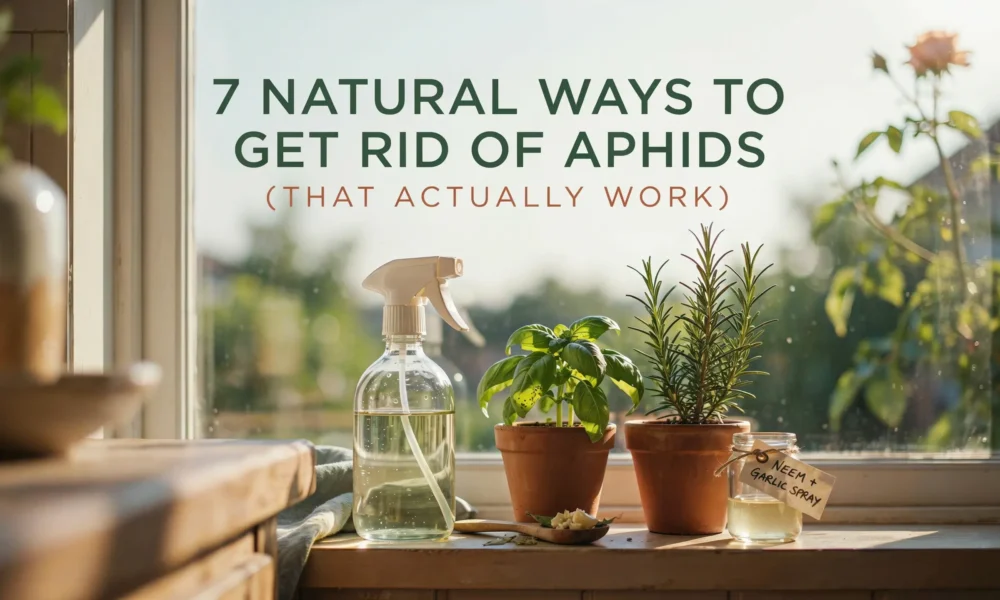
You walk outside to check on your tomatoes and there they are. Tiny green bugs clustered along the stems, the leaves curling up like they’re trying to hide from something, and that sticky film coating everything underneath. Aphids have moved in, and if you leave them alone, they will multiply fast enough to take down a healthy plant in a couple of weeks.
The good news is you don’t need to reach for a bottle of chemical pesticide to fight them off. Aphids have soft, thin bodies, which makes them one of the easiest garden pests to control naturally. These 7 natural ways to get rid of aphids are safe around kids, pets, and pollinators, and most of them use things you already have at home.
How to Tell You Have an Aphid Problem
Before you treat anything, make sure aphids are actually the culprit. Look for:
- Clusters of tiny pear-shaped bugs (green, black, gray, or even orange) on new growth and the undersides of leaves
- Leaves that are curled, yellowing, or twisted
- A sticky residue on leaves and stems (this is honeydew, which is aphid waste)
- A black, sooty film growing on that honeydew
- A sudden swarm of ants climbing your plants (ants farm aphids for the honeydew, so lots of ants usually means aphids nearby too)
Once you’ve confirmed it’s aphids, pick one of these methods below and get started. For a light infestation, one round is often enough. For a heavier one, plan on repeating your chosen method every few days until the population drops.
1. Blast Them Off With a Strong Stream of Water
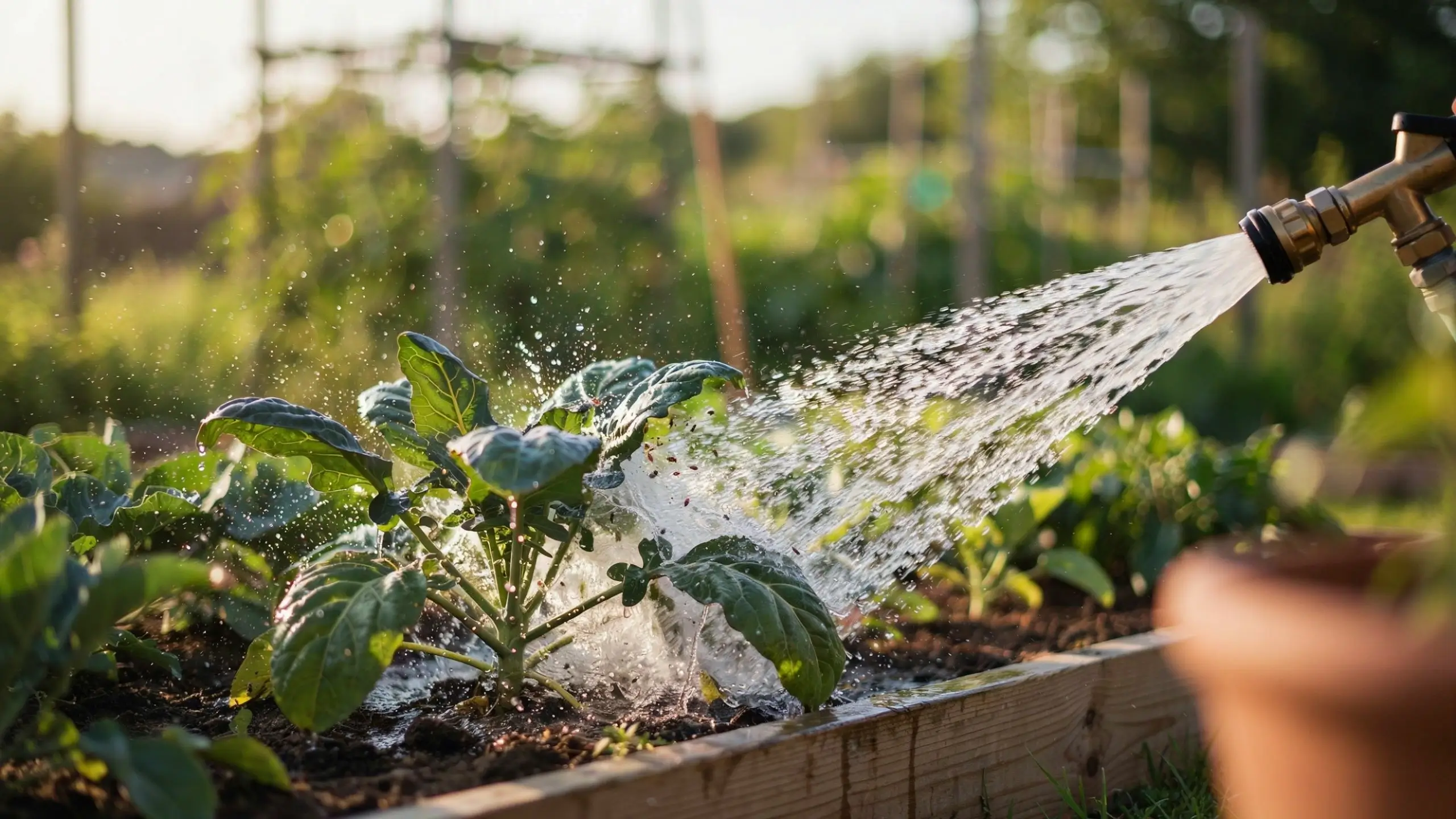
This is the fastest, cheapest, and honestly most satisfying method on this list. Aphids move slowly and can’t hold on well once they’re knocked loose, so a firm spray of water from the hose will send most of them tumbling to the ground where they won’t make it back up the plant.
Aim the water at the undersides of the leaves and along the stems, since that’s where aphids like to hide. Do this in the morning so the leaves have time to dry out in the sun, which also helps prevent fungal issues.
Mistake to avoid:
Don’t use a pressure washer setting or blast tender seedlings with full force. You want enough pressure to dislodge bugs, not enough to snap stems or shred leaves.
2. Make a DIY Dish Soap Spray
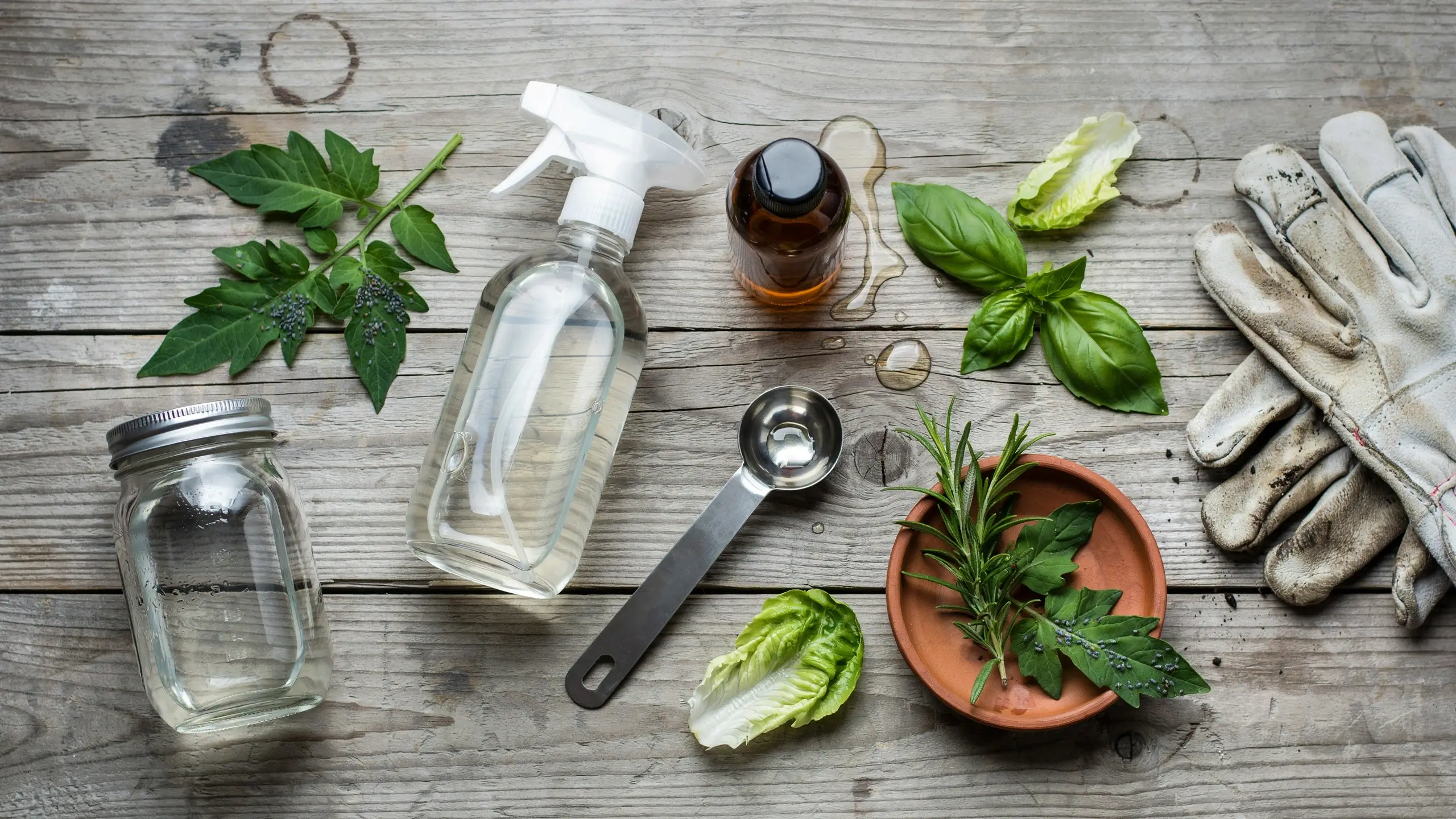
Insecticidal soap works by breaking down the outer coating on an aphid’s body, which dehydrates and kills it. You can buy insecticidal soap at a garden center, or mix your own for almost nothing.
What you’ll need
- 1 teaspoon of mild liquid dish soap (unscented, no degreasers or antibacterial additives)
- 1 quart of water
- A spray bottle
Mix the soap and water gently so it doesn’t foam too much, then spray directly onto the aphids, focusing on leaf undersides and stem joints. Reapply every 5 to 7 days as needed.
Mistake to avoid:
Always test the spray on one leaf first and wait 24 hours. Some plants, especially ones with fuzzy or waxy leaves like succulents, can react badly to soap. Spray in the early morning or evening, never in direct midday sun, since soap combined with strong sunlight can scorch leaves.
3. Bring In Ladybugs and Other Beneficial Bugs
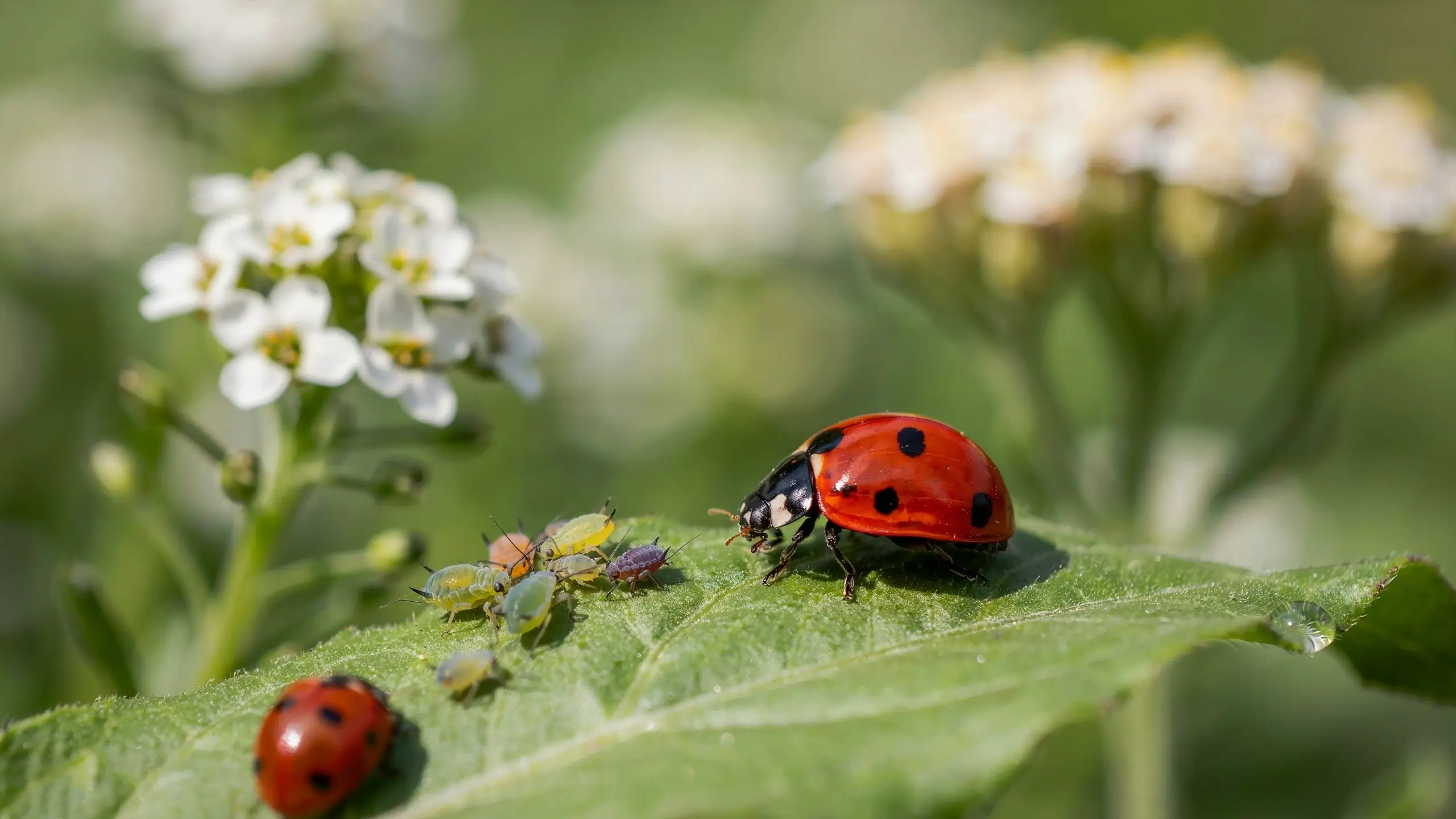
A single ladybug can eat around 50 aphids a day, and lacewing larvae are just as hungry. Instead of fighting aphids alone, you can turn your garden into a spot that beneficial insects actually want to visit.
Plant flowers that attract ladybugs, lacewings, and hoverflies, like:
- Sweet alyssum
- Dill and fennel
- Yarrow
- Cosmos
- Calendula
You can also buy live ladybugs online or from a garden center to release directly onto affected plants in the evening, when they’re less likely to fly off right away. Lightly mist the plants first so the ladybugs have water when they land.
Mistake to avoid:
Skip broad chemical insecticides if you’re trying this route. They don’t just kill aphids, they kill the beneficial bugs you’re trying to attract too, and you’ll end up starting over.
4. Spray With Neem Oil
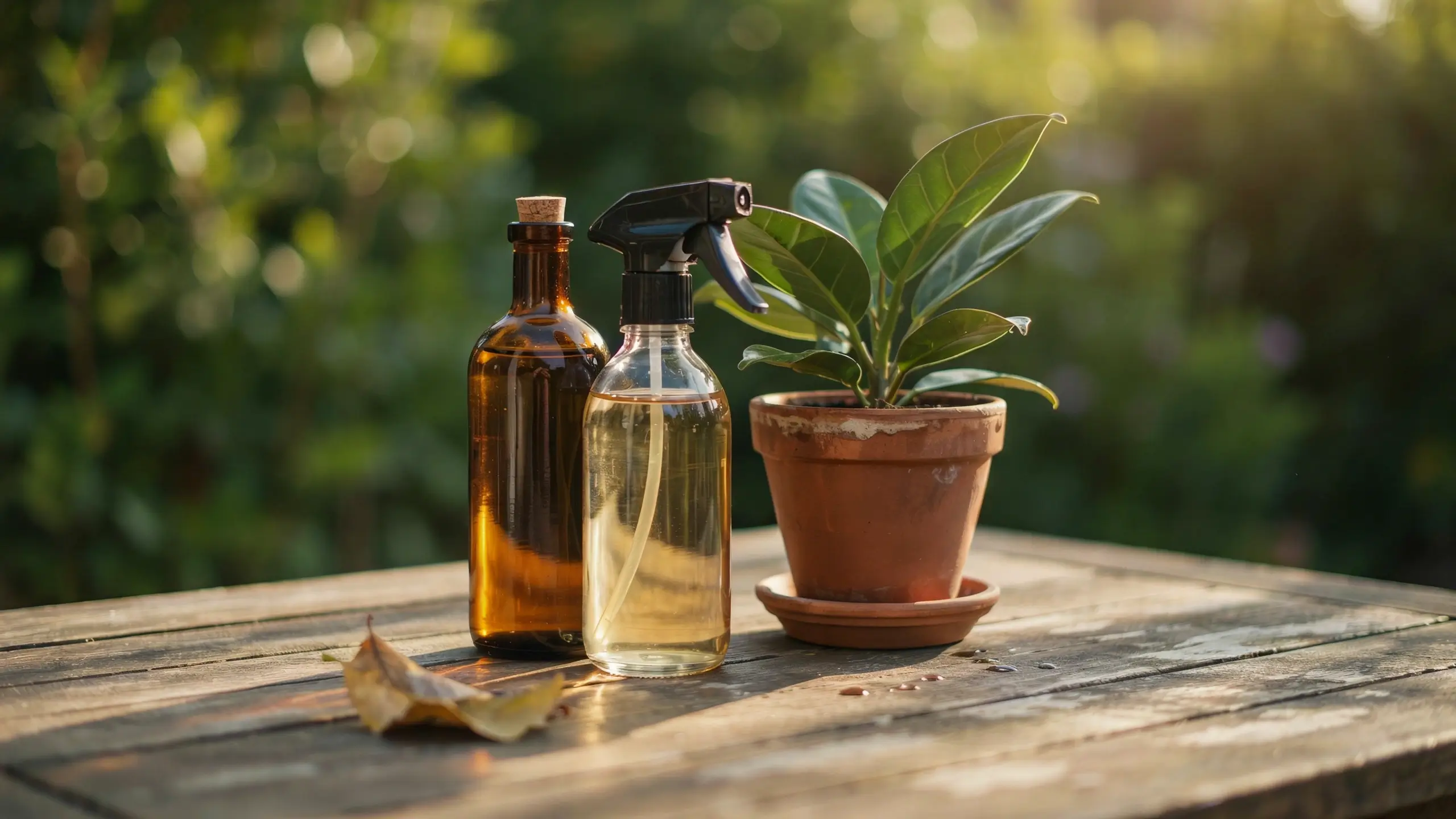
Neem oil is one of the most trusted natural insecticides for a reason. It disrupts an aphid’s hormones so it can’t feed or reproduce properly, and it also helps prevent fungal issues that tend to show up on stressed, aphid-covered plants.
Look for cold-pressed, 100% neem oil rather than a diluted “ready to use” version if you want the most effective results.
How to mix it
- 2 teaspoons neem oil
- 1 teaspoon mild dish soap (to help it bind with water)
- 1 quart warm water
Shake well and spray thoroughly, covering the tops and undersides of leaves. Reapply every 7 to 14 days, or after rain washes it off.
Safety note:
Neem oil is toxic to bees while wet, so spray in the early morning or evening after pollinators have settled down for the day, and never spray plants that are actively flowering if you can avoid it.
5. Plant Companion Plants That Repel (or Distract) Aphids
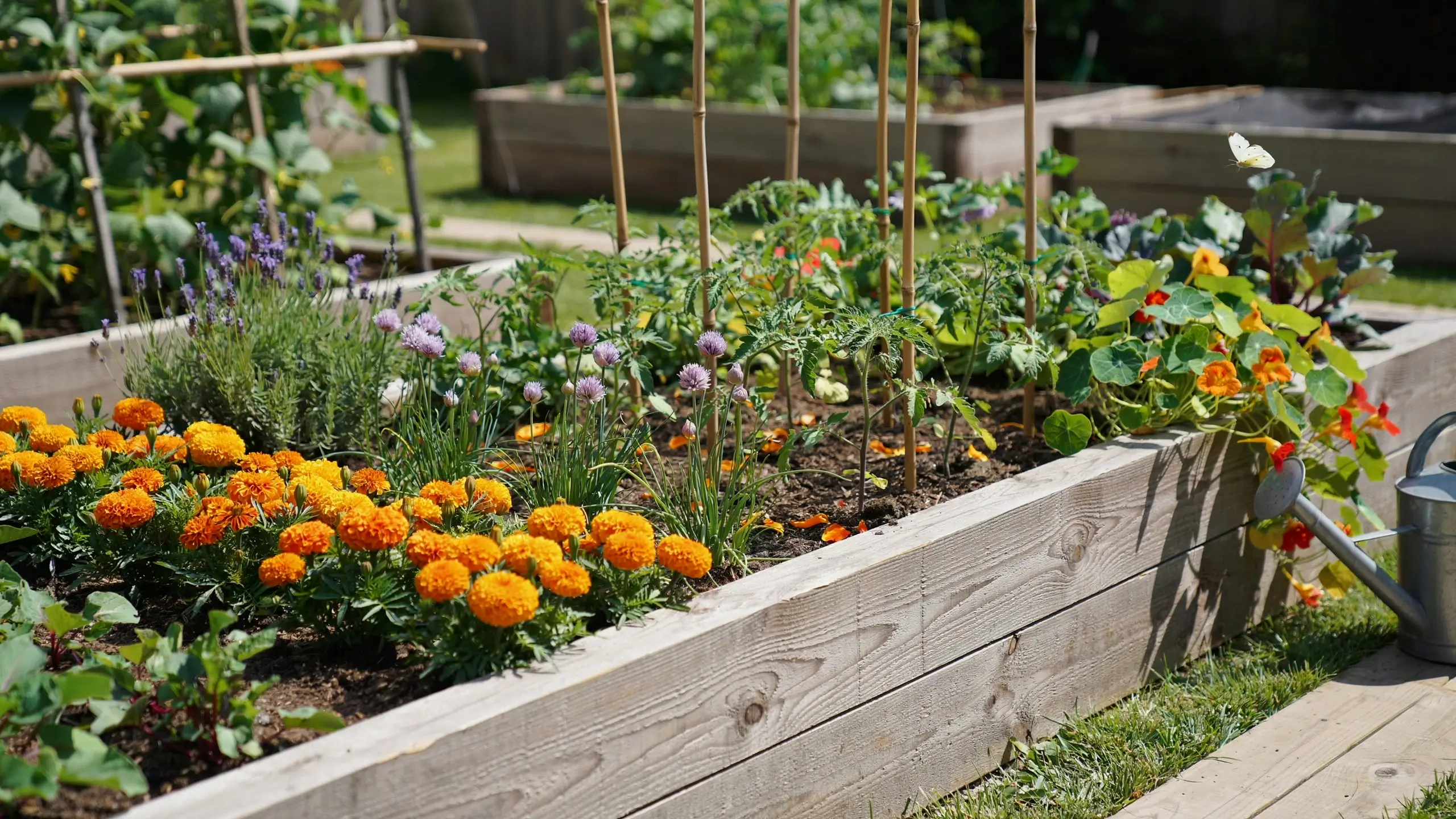
This is one of the most Pinterest-worthy tricks on the list because it doubles as free garden styling. Certain plants naturally repel aphids with their scent, while others act as a decoy that lures aphids away from your main crops.
Repellent plants to tuck around your garden beds
- Garlic and chives
- Marigolds
- Catnip
- Lavender
Trap crops to plant a short distance away
- Nasturtiums (aphids love these almost more than anything else)
- Calendula
Once a trap crop gets swarmed, pull it out and toss it in the trash, not the compost pile, unless your compost regularly heats up past 140°F.
Why this one gets missed:
Most people plant marigolds for looks alone. Tucking them (or nasturtiums) strategically along the border of a vegetable bed does real pest control work while still looking like an intentional design choice.
6. Wipe Leaves With a Rubbing Alcohol Swab
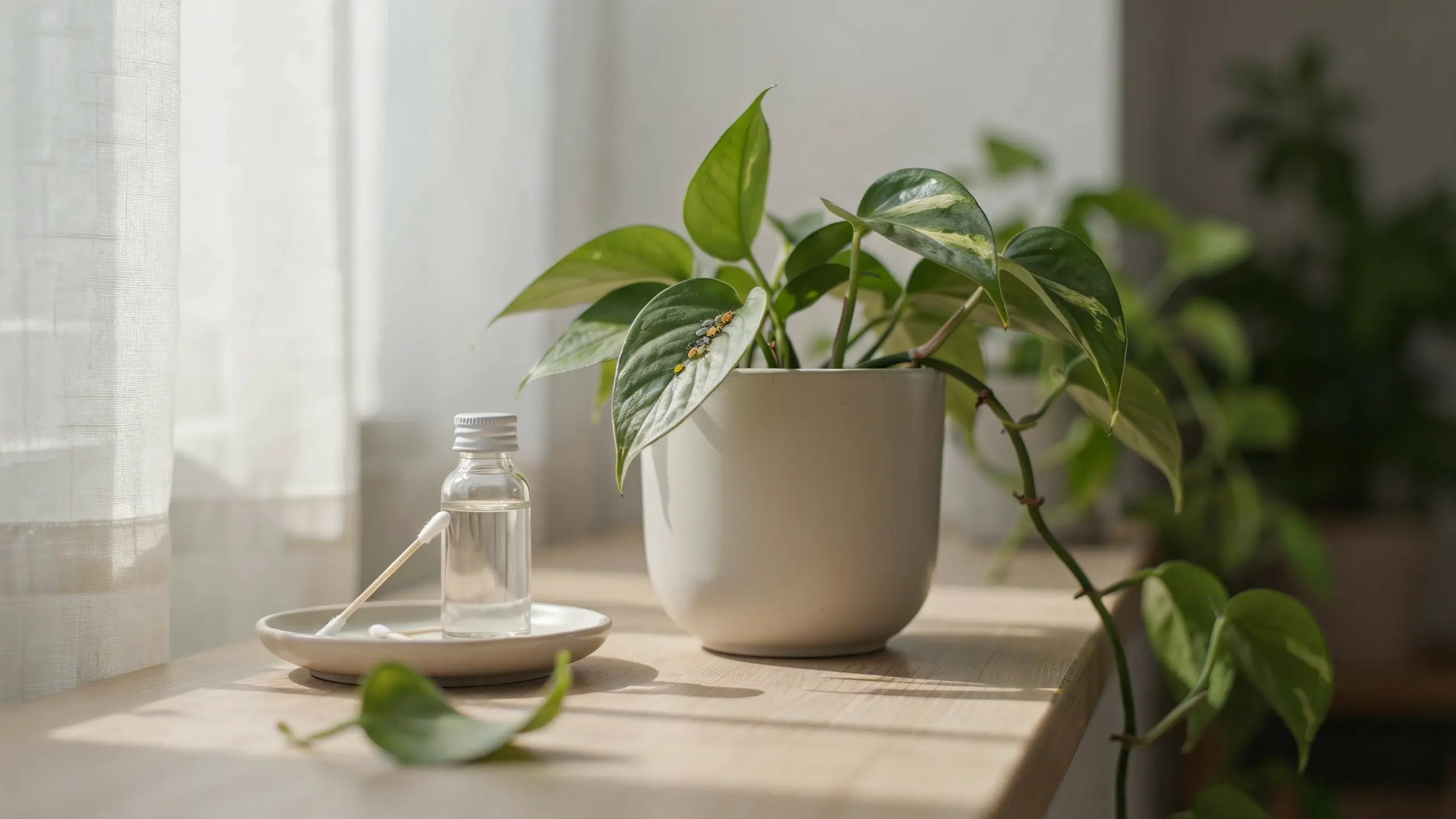
This method is a lifesaver for houseplants, where you can’t exactly hose things down or bring in ladybugs. It also works well for small, stubborn clusters on outdoor plants that keep coming back in one specific spot.
Dip a cotton swab in 70% isopropyl rubbing alcohol and dab it directly onto the aphids. The alcohol dissolves their protective coating almost instantly.
For a bigger indoor infestation, mix 1 part rubbing alcohol with 1 part water in a spray bottle and mist the plant, then rinse it in the sink with lukewarm water an hour or two later.
Mistake to avoid:
Never use straight, undiluted alcohol as a full-plant spray. It can dry out and damage leaf tissue, especially on thin-leafed plants like basil or pothos.
7. Get Rid of the Ants Guarding Them
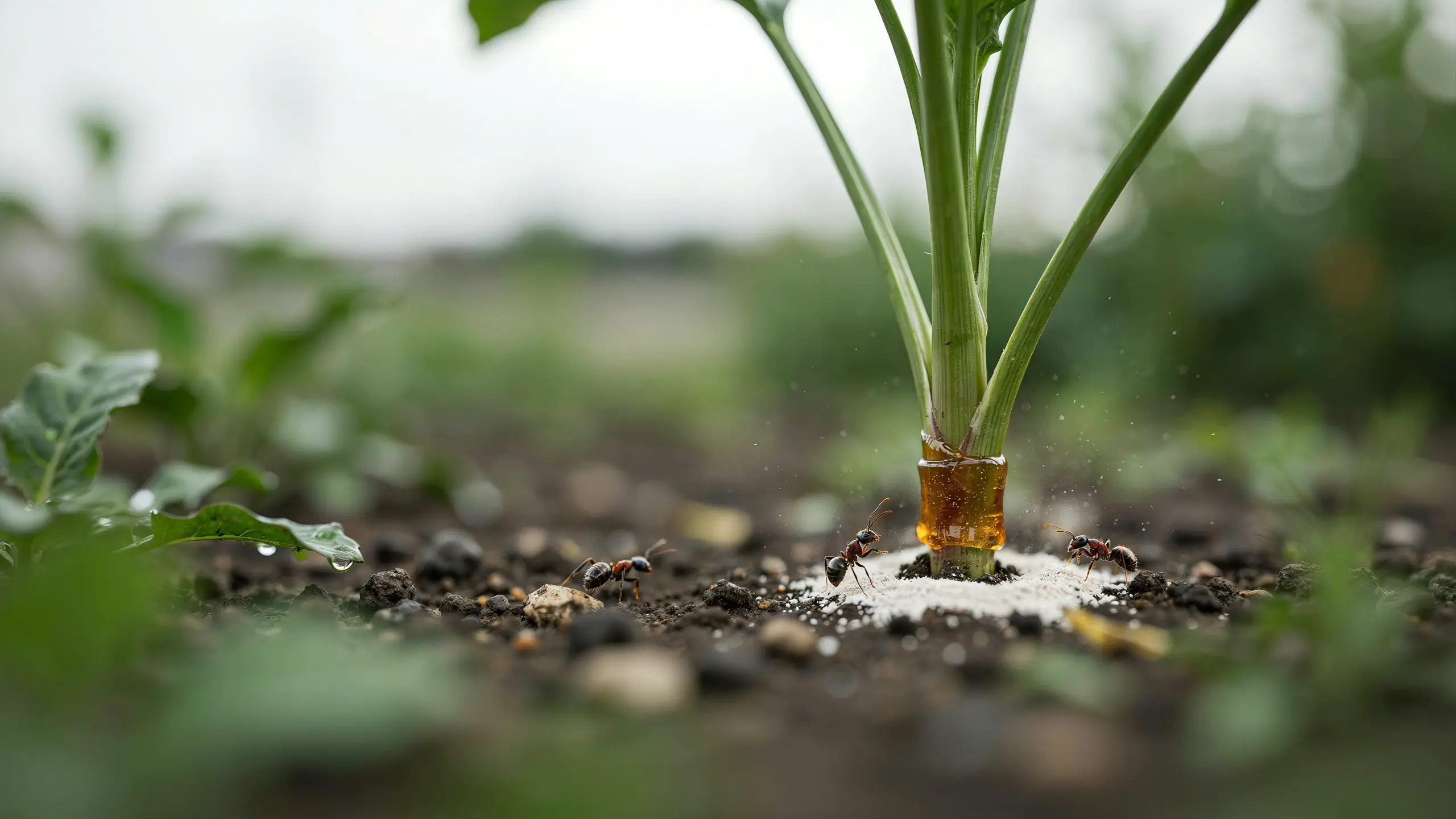
Here’s the part most articles skip. Ants and aphids have a partnership. Ants protect aphid colonies from predators like ladybugs in exchange for the honeydew aphids produce, and they’ll even carry aphids to new plants to “farm” them. If you treat the aphids but ignore the ants, they’ll rebuild the colony.
To break up the partnership:
- Wrap sticky tape (like a horticultural glue band) around the base of trunks or stems to stop ants from climbing up
- Sprinkle a barrier of diatomaceous earth or cinnamon around the base of the plant, which ants avoid crossing
- Move any ant hills or nests you find close to affected plants
Once the ants are gone, the natural predators you attracted with method 3 can finally do their job without interference.
Mistakes That Make Aphid Problems Worse
- Spraying in full sun. Oils and soaps can burn leaves when the sun is strong. Stick to early morning or evening.
- Treating once and walking away. Aphids reproduce fast, sometimes producing a new generation in under a week. Plan on 2 to 3 rounds of treatment, spaced a few days apart.
- Using strong chemical pesticides as a first step. They wipe out the ladybugs, lacewings, and pollinators that would otherwise keep aphids in check for you long term.
- Ignoring new growth. Aphids love the tender tips of plants. Check there first, even if the rest of the plant looks clean.
- Forgetting the undersides of leaves. This is where the majority of an aphid colony hides. If you only spray the tops, you’re missing most of them.
Keeping Aphids From Coming Back
Once your plants are aphid free, a little routine maintenance goes a long way. Check the undersides of leaves once a week, especially on new growth. Keep those beneficial-insect-friendly flowers in rotation. And don’t panic over a few aphids here and there. A small number is normal in most gardens and gives your ladybug population something to eat.
Natural aphid control isn’t about a single miracle fix. It’s about stacking a few of these methods together and staying consistent for a week or two. Do that, and your plants will bounce back looking full and healthy again.
Which method are you going to try first? Let me know in the comments, or tell me if aphids keep coming back for you no matter what you try. I’d love to help you troubleshoot.






No Comment! Be the first one.