




How to Design a Cut and Come Again Flower Garden That Blooms All Summer Long
There is a very specific kind of joy that comes from walking out your back door with a pair of scissors and coming back in with a full vase. No trip to the grocery store, no wilted bouquet that costs...

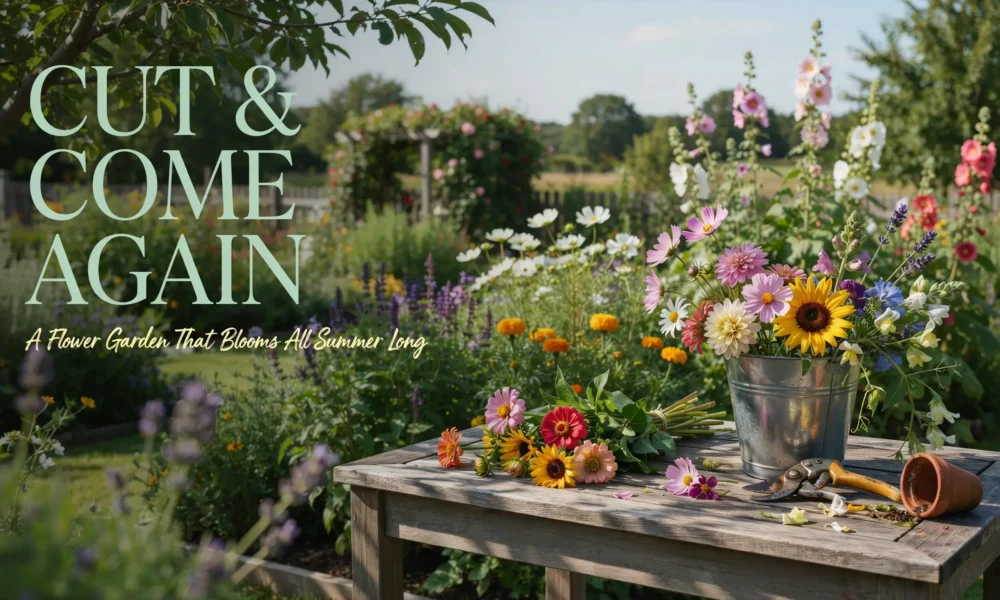
There is a very specific kind of joy that comes from walking out your back door with a pair of scissors and coming back in with a full vase. No trip to the grocery store, no wilted bouquet that costs twelve dollars and dies in four days. Just your own garden, giving you flowers over and over again.
That is exactly what a cut and come again flower garden does. Plant it once in spring, and instead of one round of blooms, you get wave after wave of fresh flowers from early summer straight through the first frost. The more you cut, the more the plants produce. It sounds almost too easy, but it works, and it is one of the most rewarding garden projects you can start this year.
This guide walks you through how to actually plan and plant a flower garden built around cut and come again varieties, not just a list of pretty names. You will get layout ideas, the best flowers to choose, and the small habits that keep the blooms coming instead of stopping after a few weeks.
What Makes a Flower “Cut and Come Again”
Before you plant anything, it helps to understand the term, because it changes how you shop for seeds and starts.
Cut and come again flowers are varieties that respond to cutting by producing more blooms. When you snip a stem, the plant reads that as a signal to branch out and grow new flowering stems in its place. Zinnias, cosmos, and dahlias are the classic examples. The more you harvest them for bouquets, the fuller and more productive they become.
This is different from what gardeners call “one hit wonders,” like tulips, daffodils, and most single stem sunflowers. Those give you one beautiful bloom per stem, and once it is cut, that plant is done for the season. They still belong in a cutting garden, just in smaller numbers, since you cannot rely on them for repeat harvests.
Knowing this difference is the whole secret to designing a garden that actually keeps up with your vase. You want your garden to be mostly repeat bloomers, with a few one hit wonders mixed in for early season color.
How to Plan Your Cut and Come Again Flower Garden Layout
You do not need a huge backyard or a farm to grow a productive cutting garden. You need a sunny spot and a layout that makes harvesting easy. Here are the layouts that work best, depending on your space.
1. A Dedicated Raised Bed or Border
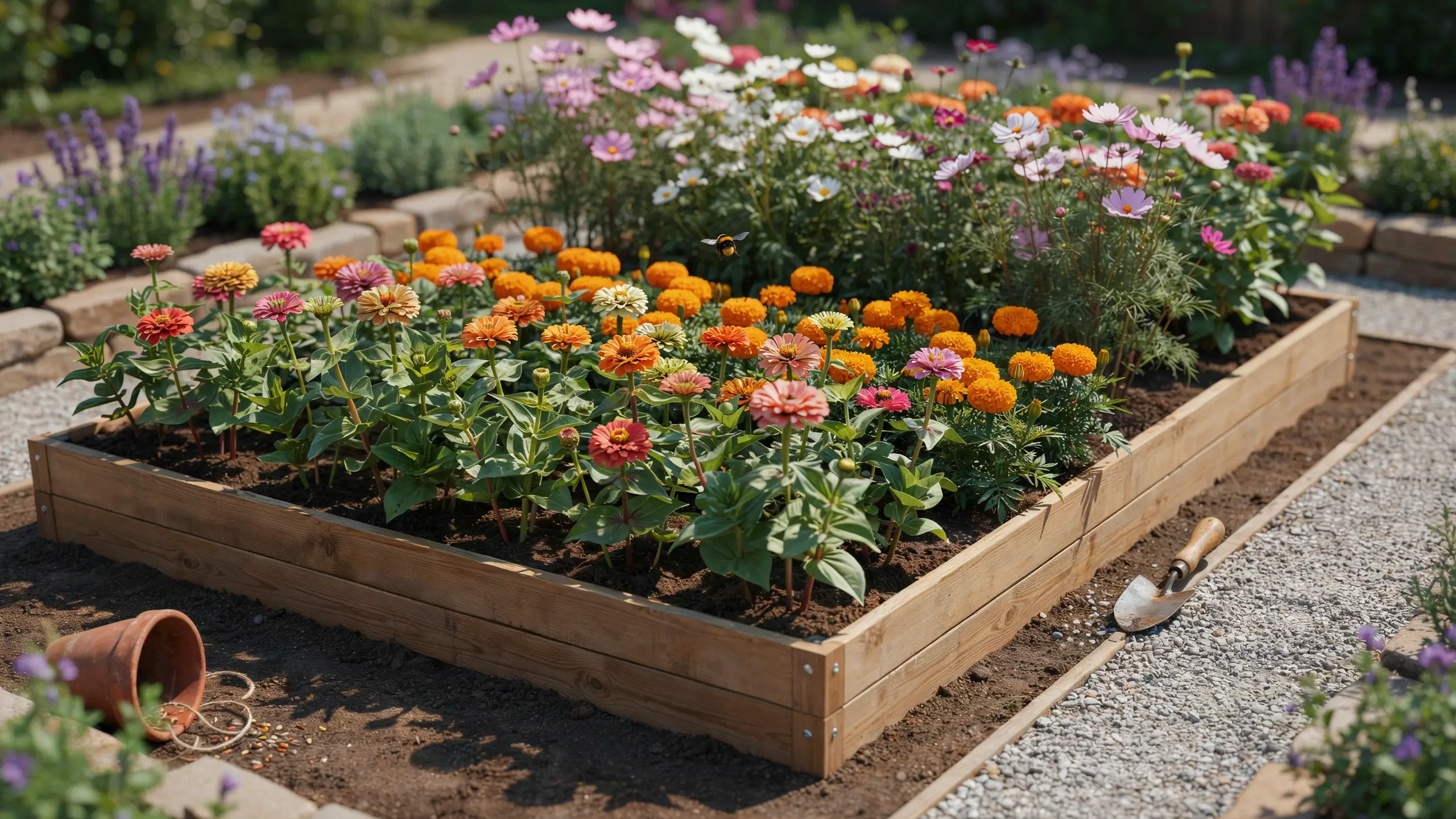
If you have room, set aside one raised bed or a garden border just for cutting flowers, separate from your main landscaping. This solves the guilt a lot of new gardeners feel about “ruining” a pretty flower bed by snipping stems out of it. A bed that is four feet by eight feet is plenty to keep a household in fresh bouquets all summer.
Keep a narrow walking path down the middle or along one edge, about eighteen inches wide, so you can reach every plant without stepping on the soil or crushing stems.
2. Grid or Block Planting
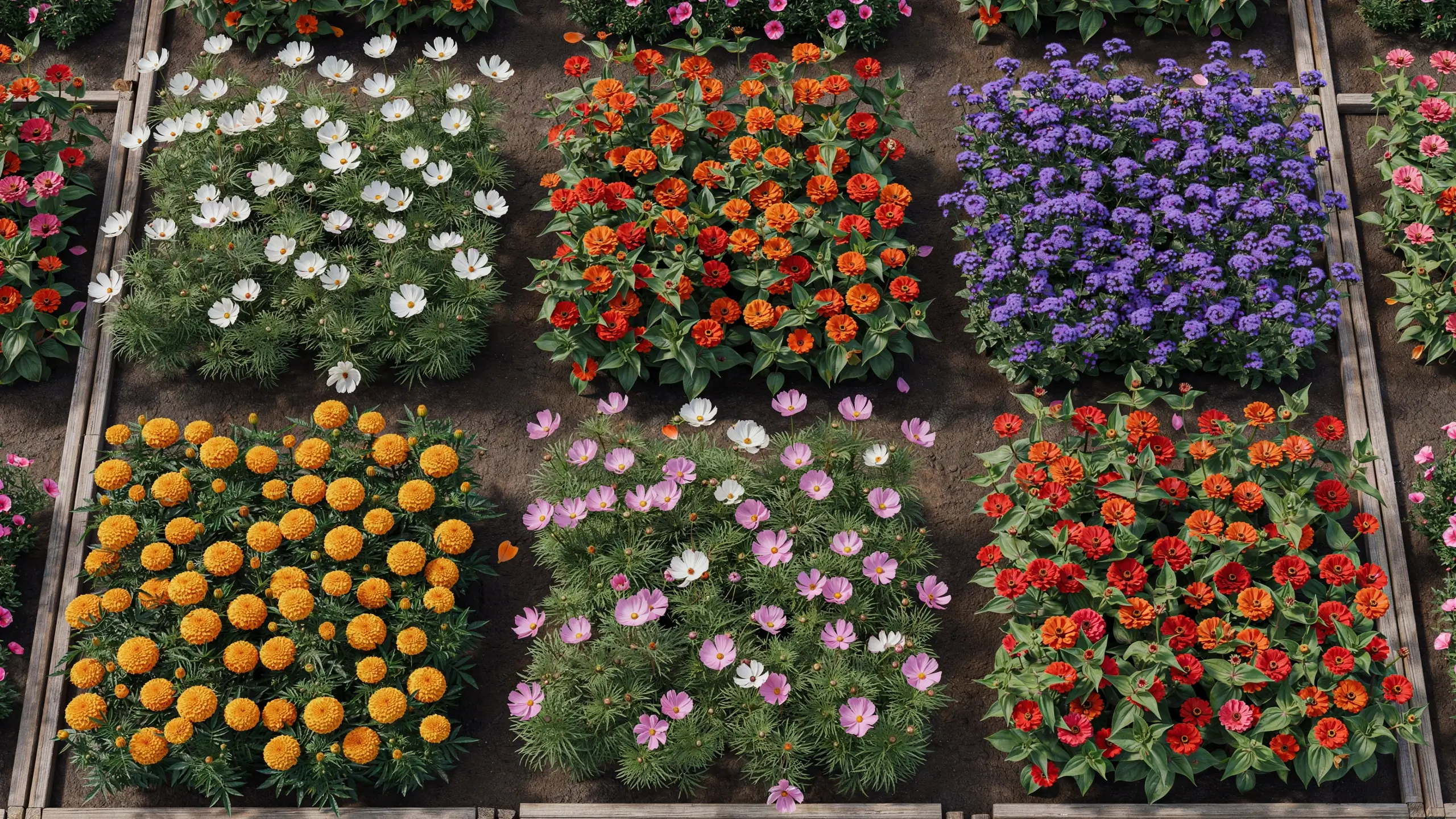
Instead of scattering different flowers randomly, divide your bed into simple square or rectangular blocks, with one variety per block. This looks tidy, makes it obvious what needs watering or deadheading, and it is much easier to harvest long, straight stems when plants of the same height and bloom time are grouped together.
This is the layout most flower farmers use, and it translates beautifully to a home garden, even a small one.
3. Tucked Into Existing Landscaping
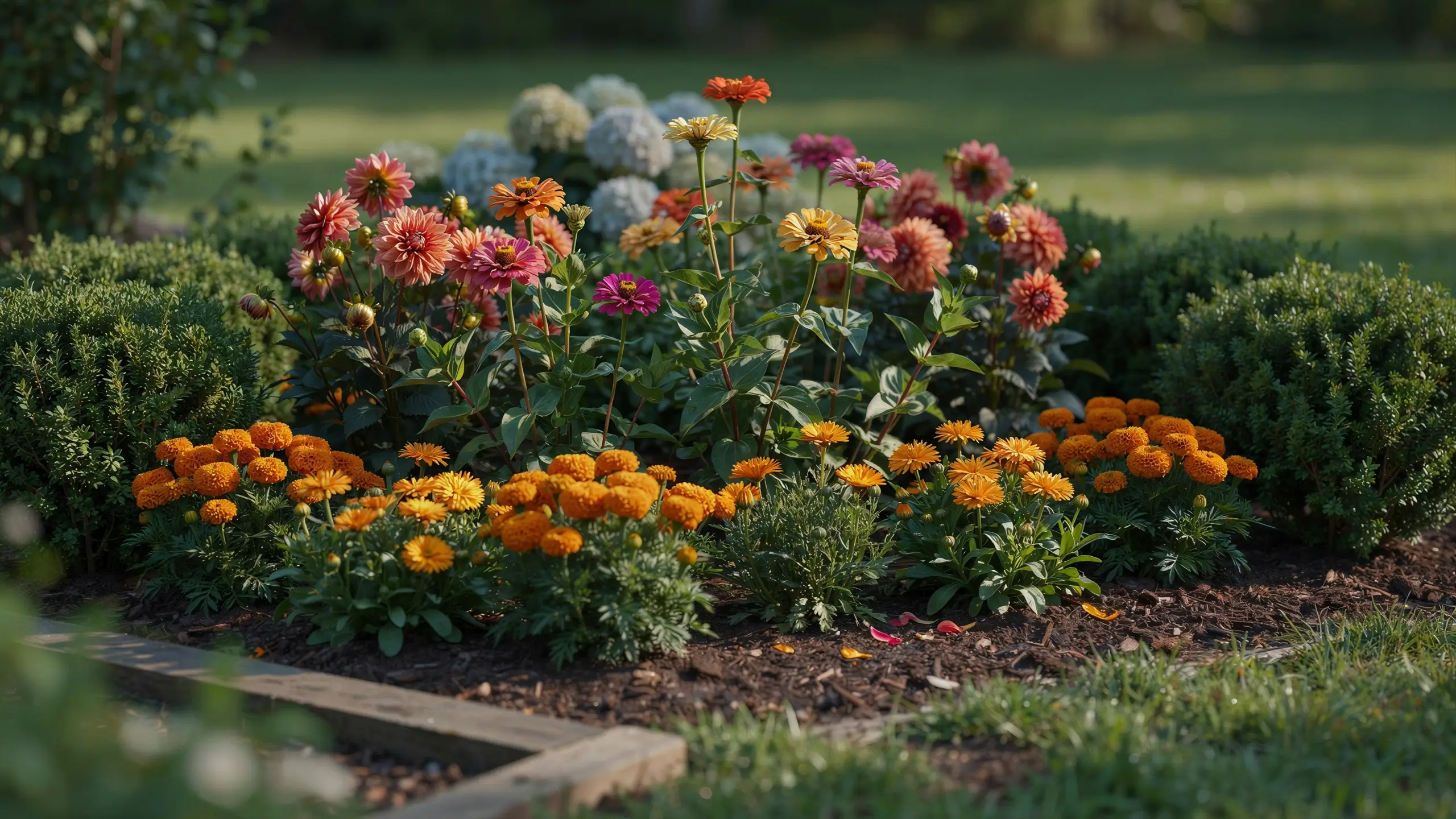
No room for a separate bed? Cut and come again flowers can be worked directly into your existing flower beds or even along a vegetable garden border. Plant taller varieties like zinnias and dahlias toward the back of the bed, and shorter ones like marigolds and calendula along the front edge, so nothing blocks your view of the rest of the yard.
Just plan on cutting generously from these plants. Since they rebloom so readily, taking stems will not leave the bed looking bare the way it would with a single flowering shrub.
4. Containers and Patio Pots
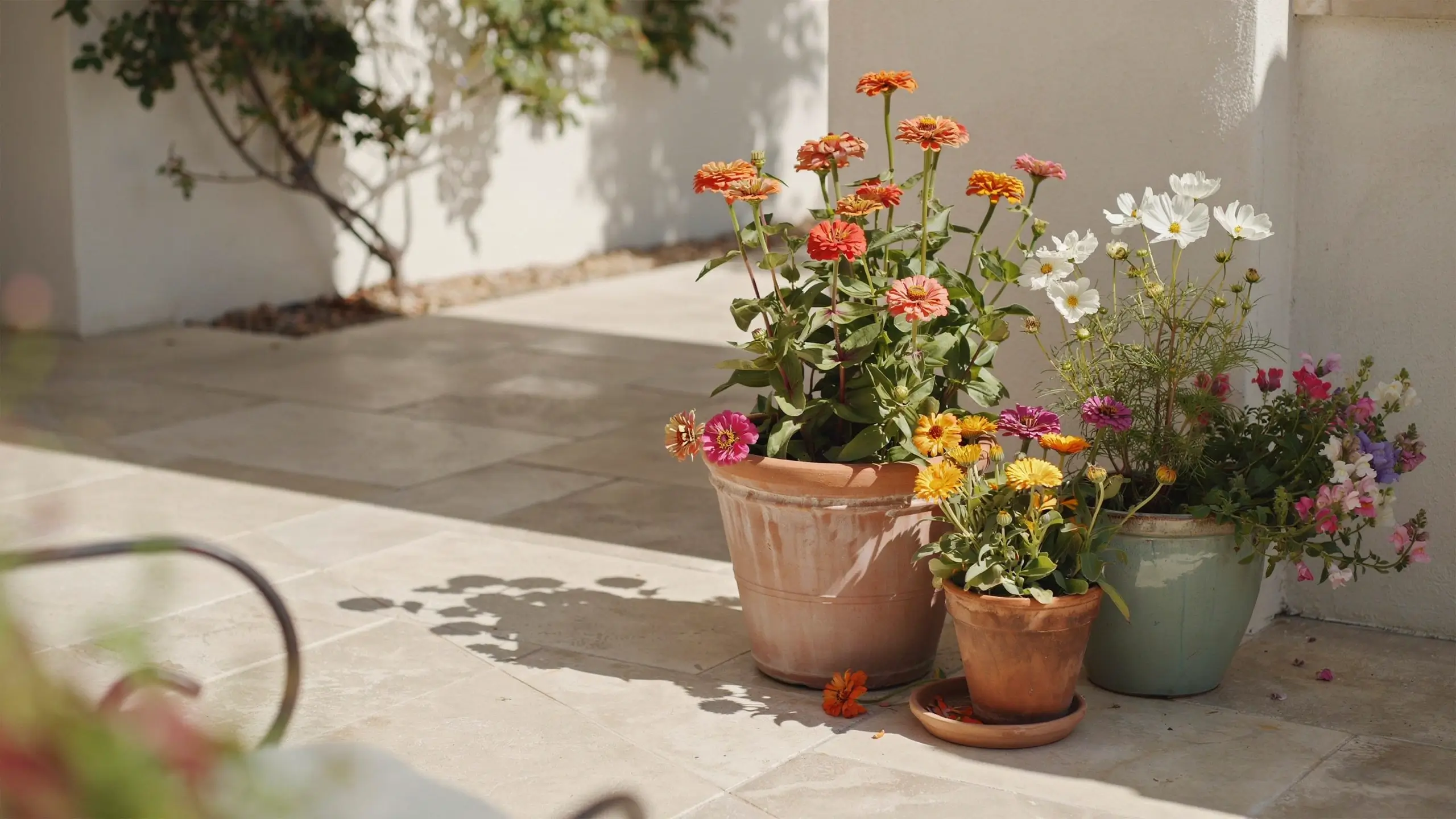
If you are working with a patio, balcony, or small rental yard, cut and come again flowers do surprisingly well in large containers. Zinnias, dwarf snapdragons, calendula, and compact cosmos varieties all thrive in a pot that is at least twelve inches deep. Group two or three pots together for a fuller look, and place them somewhere that gets at least six hours of direct sun.
This is one of the best renter friendly ways to have a real cutting garden without touching the ground at all.
5. Add a Small Trellis for Climbers
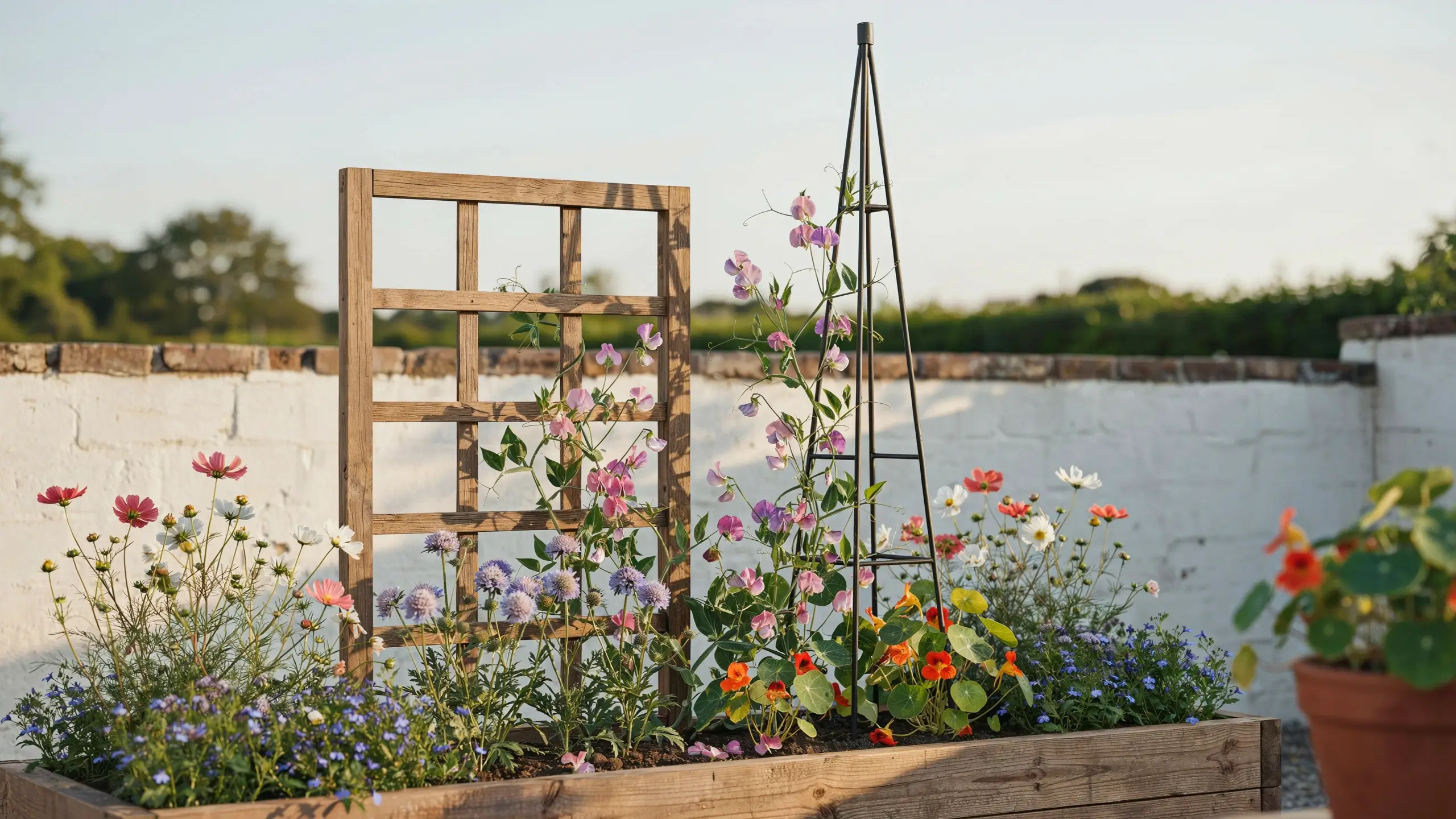
If your space is tight, think vertically. A simple trellis or obelisk tucked at the back of the bed gives you room to grow sweet peas or climbing nasturtiums, both classic cut and come again choices, without taking up extra ground space. This also adds height and structure to the garden, which makes it far more interesting to look at and to photograph.
The Best Cut and Come Again Flowers to Plant
A strong cutting garden needs a mix of flower types, not just one kind repeated over and over. Florists group flowers into three basic roles:
- Focal flowers that draw the eye
- Filler flowers that add fullness
- Airy or textural flowers that soften the whole arrangement
Planting a mix of all three means every bouquet you cut will actually look finished, not just like a fistful of the same stem.
Focal Flowers (the stars of the bouquet)
- Zinnias. The most reliable cut and come again flower there is. Bright, sturdy, and nearly impossible to kill, zinnias bloom nonstop from early summer to frost if you keep cutting them. Look for the Benary’s Giant or Queen Lime series for long, strong stems.
- Dahlias. These give you dinner plate sized blooms in colors you cannot find anywhere else, and they keep producing new flowers all season once they get going in mid to late summer. They do need staking once they get tall, so plan for that early.
- Snapdragons. Tall spiky flowers that add height and a slightly old fashioned, cottage garden feel. Harvest them when about a third of the florets on the stem have opened, and they will keep opening in the vase.
- Celosia. Bold, textured, and available in flame shaped or brain like crested forms. It holds up beautifully in both fresh and dried arrangements, which makes it a favorite for anyone who likes to preserve their blooms.
- Branching sunflowers. Not the single stem giants, but the branching varieties like Procut or Sunrich. These act as true cut and come again flowers, producing multiple medium sized blooms per plant instead of one giant flower.
Filler Flowers (fullness and structure)
- Marigolds. Skip the short bedding types and choose taller varieties like Cracker Jack or Mary Helen if you want them for cutting. They bloom fast, resist most pests, and keep going right up until frost.
- Calendula. A cheerful, edible flower in warm yellow and orange tones that blooms earlier than most cutting garden flowers and keeps producing through cool spring and fall weather.
- Strawflower. Papery, everlasting petals that dry beautifully, so nothing goes to waste even if a bouquet starts to fade. It is one of the most underused flowers in home cutting gardens.
- Ageratum. Soft, fuzzy little blooms in blue and purple that fill in the gaps between larger flowers and give arrangements a more natural, garden gathered look.
Airy and Textural Flowers (movement and softness)
- Cosmos. Feathery foliage and delicate blooms that sway in the wind and photograph beautifully. Fast growing, drought tolerant, and one of the easiest flowers for a beginner to succeed with.
- Bachelor’s buttons (cornflowers). Bright blue, purple, or pink blooms that are easy to grow from seed and add a wildflower feel to any arrangement.
- Scabiosa. Also called pincushion flower, with delicate blooms on long wiry stems in soft blues, purples, and pinks. A favorite among flower farmers for how long it lasts in a vase.
- Sweet peas. Fragrant, ruffled, and genuinely one of the most romantic cutting flowers you can grow. They need a trellis and cooler weather to thrive, so plant them early in spring or in fall in warmer climates.
- Nasturtium. Technically edible and often grown for the peppery leaves, but the bright blooms make a fun, casual filler and trail nicely over the edge of a container or raised bed.
Pinching and Harvesting Tips That Keep the Blooms Coming
This is the part most beginners skip, and it is the actual secret behind a garden that never stops blooming.
- Pinch your plants early. Once a young plant reaches six to twelve inches tall, cut the top few inches off just above a set of leaves. It feels wrong to cut a plant before it has even bloomed, but this forces it to branch out low, which means more stems and more flowers later instead of one single stalk.
- Cut in the morning or evening. Flowers are more hydrated when temperatures are cool, so early morning or early evening harvests last longer in the vase.
- Use clean, sharp snips. Dull scissors crush the stem instead of cutting it cleanly, which makes it harder for the flower to take up water. A pair of floral snips with a pointed tip makes this much easier than kitchen scissors.
- Get the stems into water fast. Bring a bucket of cool water out to the garden with you, and place cut stems in it immediately rather than letting them sit in the sun.
- Cut long and cut often. Take stems as long as the plant allows, cutting just above a lower leaf node. Harvesting regularly, even when you do not need flowers for a vase that week, keeps the plant producing instead of going to seed and slowing down.
Mistakes to Avoid in a Cut and Come Again Flower Garden
- Being afraid to cut. New gardeners often leave flowers on the plant because they look too pretty to touch. Cutting is what keeps a repeat bloomer productive, so holding back actually slows your garden down.
- Planting only one hit wonders. A garden full of tulips and single stem sunflowers will look incredible for two weeks and then leave you with nothing. Build your garden around true repeat bloomers, and use one hit wonders as a bonus, not the main plan.
- Skipping the pinch. It feels counterproductive to cut a plant back before it has bloomed, but skipping this step is the most common reason a cutting garden produces fewer flowers than expected.
- Letting spent blooms linger. If a flower fades and you do not deadhead or harvest it, the plant will put its energy into making seeds instead of new blooms. Stay on top of both cutting for bouquets and removing anything past its prime.
- Overcrowding the bed. More plants does not always mean more flowers. Crowded plants compete for water and nutrients and often produce shorter, weaker stems than a properly spaced bed.
When Your Flowers Will Bloom
Timing varies by hardiness zone, but as a general guide:
| Flower Type | Planting Time | Bloom Period |
|---|---|---|
| Cool season flowers (calendula, sweet peas, and snapdragons) | As soon as the soil is workable in spring | Earliest blooms |
| Warm season flowers (zinnias, cosmos, dahlias, celosia, and marigolds) | After your last frost date | Early summer through the first fall frost |
For the longest possible bloom window, plant a few of each type rather than filling your whole garden with only warm season flowers.
A Garden Worth Getting Your Hands Dirty For
A cut and come again flower garden is one of those projects that gives back far more than you put into it. A single season of zinnias, cosmos, and dahlias can fill your home with fresh flowers for months, cut down on what you spend at the store, and give you an actual reason to spend more time outside.
Start small if you need to. Even one raised bed or a few containers on a patio can keep you in bouquets all summer long. Once you see how quickly these flowers bounce back after cutting, it is hard not to want to expand the garden every year after.
Have you grown a cutting garden before, or is this your first year trying? I would love to hear which flowers made your list, drop a comment below and let me know what you are planting this season.





No Comment! Be the first one.