




How to Keep Mosquitoes Out of Your Yard All Summer (A System That Actually Works)
You know that moment. The citronella candles are lit. The lemonade is poured. You’ve finally settled into your favorite chair on the patio, and then, within about 90 seconds, the buzzing...


You know that moment. The citronella candles are lit. The lemonade is poured. You’ve finally settled into your favorite chair on the patio, and then, within about 90 seconds, the buzzing starts. One mosquito, then three, then somehow an entire invisible army has materialized out of nowhere.
If that sounds familiar, you’re not alone. Mosquitoes are the number-one reason people give up on spending time in their own backyards every summer, and honestly, it doesn’t have to be that way. Most mosquito control advice floating around online focuses on one or two things. Spray some stuff. Light a candle. Buy a zapper. But none of that works long-term because it skips the most important part: understanding how mosquitoes actually live and shutting down their whole operation.
This guide covers how to keep mosquitoes out of your yard all summer using a layered approach that targets every stage of their life cycle. Some of these steps are free. Some cost a few dollars. And a few will make your yard look more beautiful in the process.
Before You Do Anything: Understand What You’re Actually Fightin
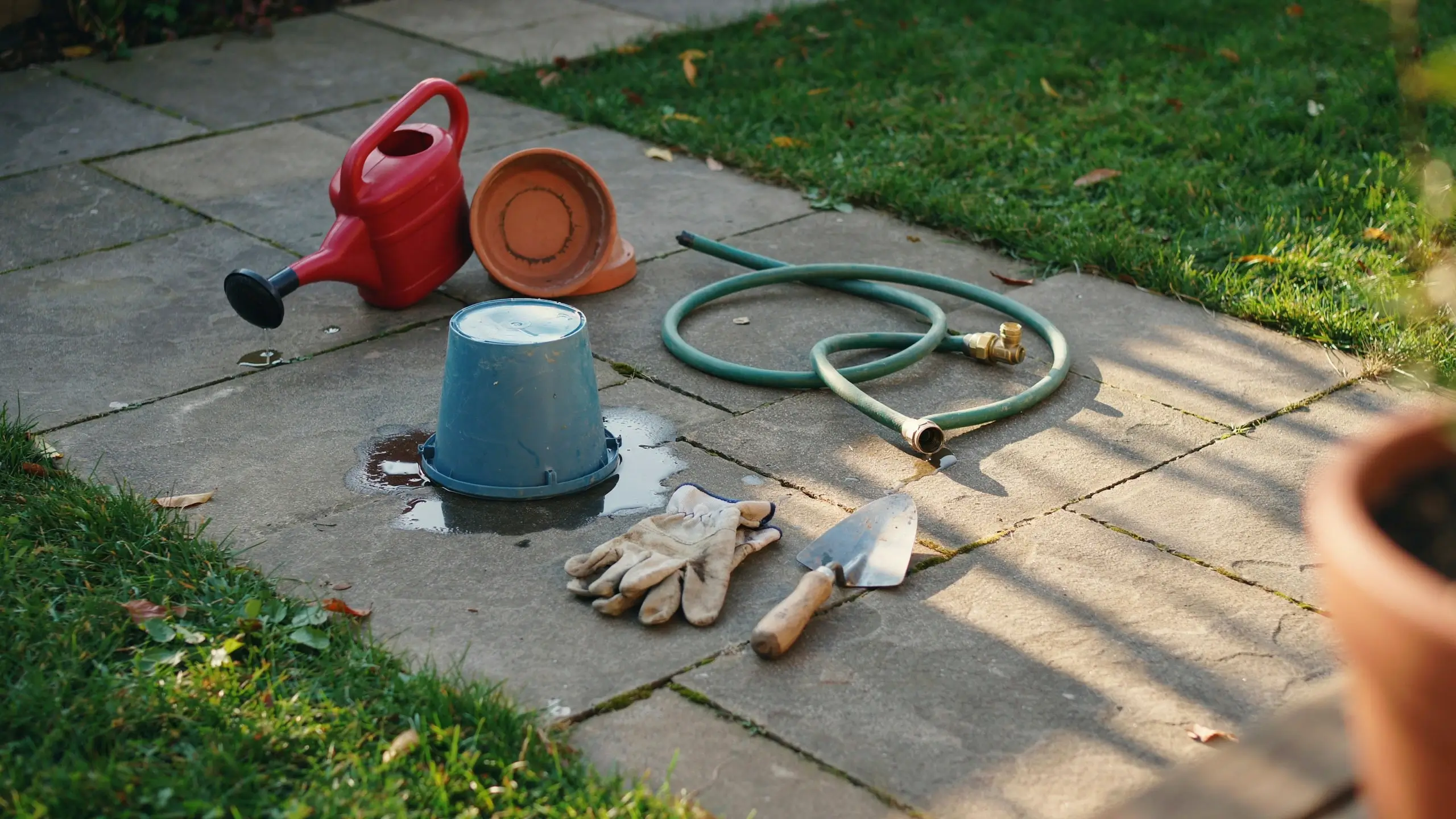
Mosquitoes don’t just appear from thin air. Every single one of them started as a larva in standing water somewhere on or near your property. A female mosquito can lay hundreds of eggs in a space barely bigger than a bottle cap, and those eggs can hatch into adults in as little as a week in warm summer temperatures.
This is the single most important thing to know: the mosquitoes biting you in the evening were born in your yard (or very close to it). That means you have real power over this. You’re not fighting a force of nature. You’re dismantling a local operation, and you can do it.
The strategy here works in three layers. First, you cut off their ability to reproduce. Second, you make your yard uncomfortable for them to live in. Third, you add active repellent power around the spaces where you actually spend time.
Layer One: Cut Off the Supply Chain (Eliminate Standing Water)
This is the most important step and the one most people do halfway. Standing water is every mosquito’s maternity ward. No standing water means no next generation.
Do a Full Property Audit Once a Week
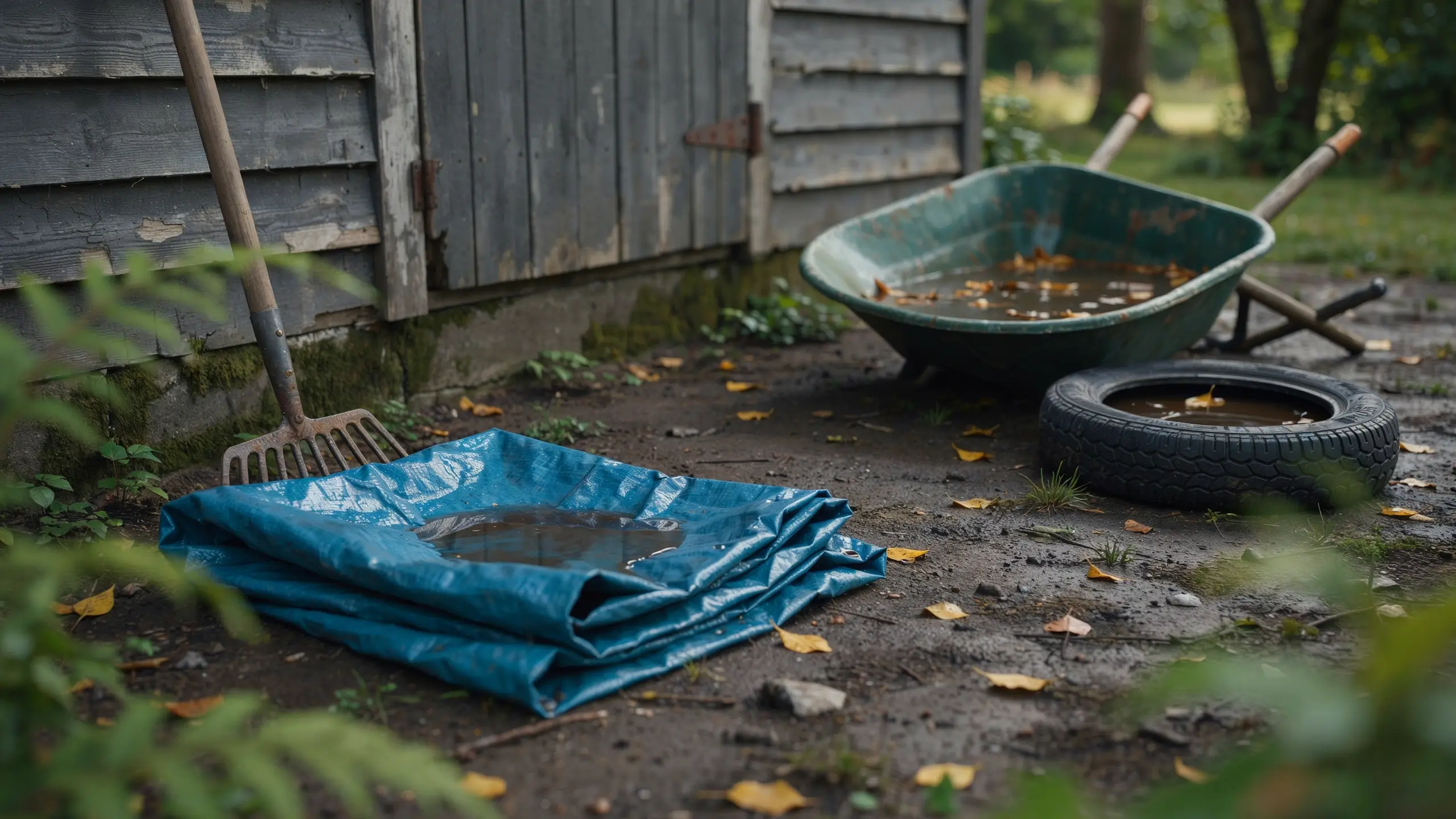
Walk your entire property at least once a week and look for anything holding water. You’ll be surprised. Mosquitoes can breed in:
- Flower pot saucers (the little plastic trays under your pots are notorious for this)
- Clogged rain gutters, which can trap water in ways you don’t see from the ground
- Tarp folds on woodpiles, grills, or patio furniture
- Birdbaths that haven’t been refreshed in a few days
- Tree holes and hollows in stumps
- Forgotten buckets, kids’ toys, wheelbarrows, and tire swings
- Low spots in your lawn where water pools after rain
- The lids of trash cans and recycling bins
The rule of thumb is this: if it can hold more than a teaspoon of water for more than 72 hours, mosquitoes will find it.
Treat Water You Can’t Dump

Some water features are meant to stay, like birdbaths, rain barrels, ornamental ponds, and water gardens. For those, the solution is mosquito dunks.
Mosquito dunks are donut-shaped, biodegradable tablets that contain a naturally occurring soil bacterium called Bacillus thuringiensis israelensis, or Bti. When you float one in standing water, it slowly releases Bti, which mosquito larvae eat and die from. It has no effect on fish, birds, frogs, dogs, cats, bees, butterflies, or anything else. It’s EPA-registered and even approved for use in organic gardens.
One dunk treats about 100 square feet of water surface and lasts around 30 days. For a typical birdbath, you only need a quarter of one. Drop it in, forget it for a month, replace it. That’s genuinely it. They’re available at hardware stores and online for about $10 for a pack of six, and they’re one of the most underrated mosquito tools most homeowners don’t know about.
For rain barrels specifically, make sure the opening is screened with fine mesh. A barrel with an open top is one of the single best mosquito breeding spots you can accidentally create.
Fix Your Drainage
If you have low spots in your lawn where water sits for days after rain, that’s a consistent breeding ground you need to address. Adding topsoil to level out those depressions is a practical fix. For bigger drainage issues, a French drain or a dry creek bed can redirect water and actually make your yard look more intentional and landscaped at the same time. Cedar mulch in problem areas dries faster than standard mulch and has some natural insect-deterring properties as a bonus.
Layer Two: Make Your Yard Uncomfortable for Mosquitoes
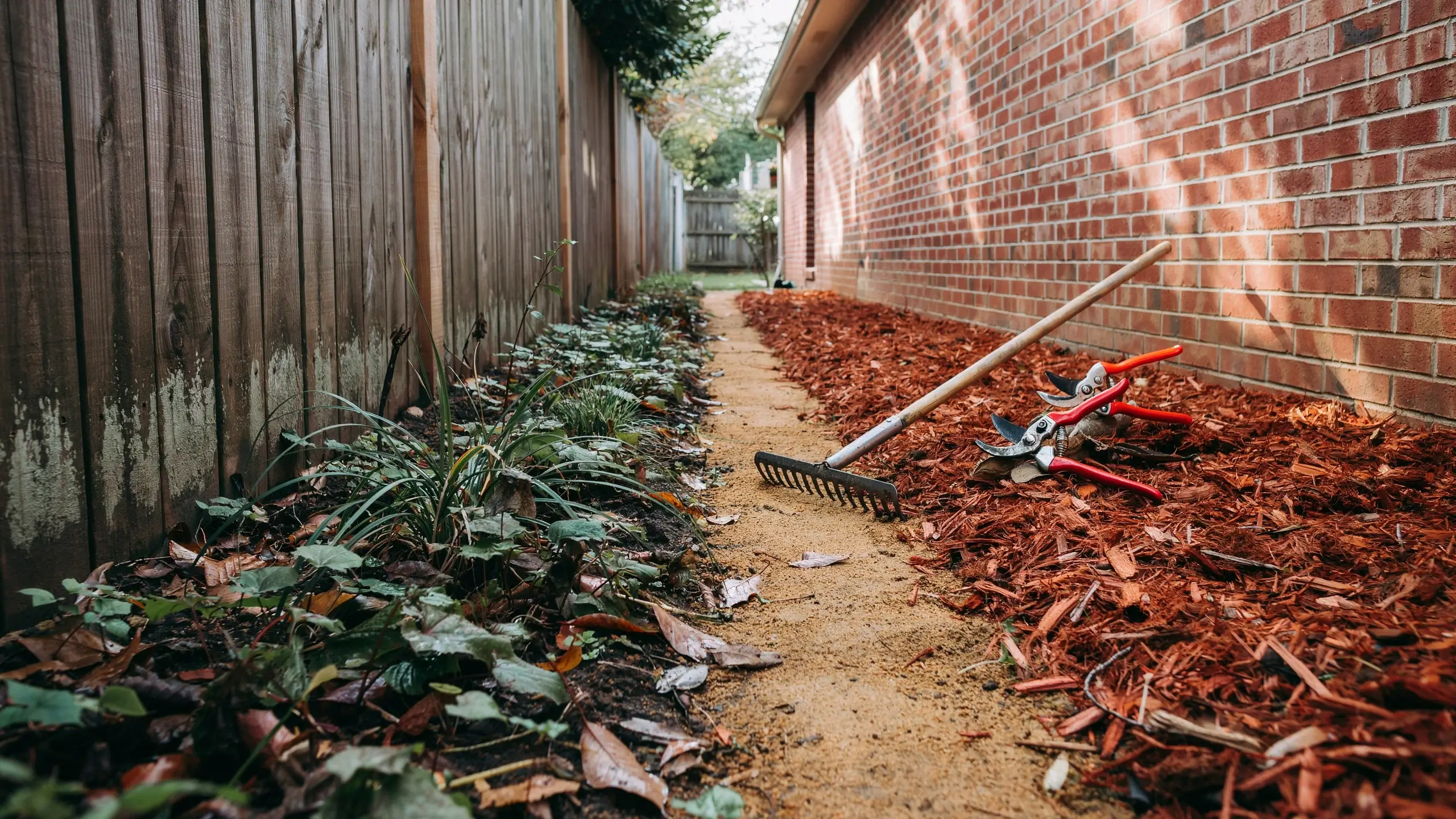
Once you’ve handled the breeding sites, the next step is reducing the daytime hiding spots where adult mosquitoes rest and shelter from the sun.
Keep Your Lawn Mowed Short
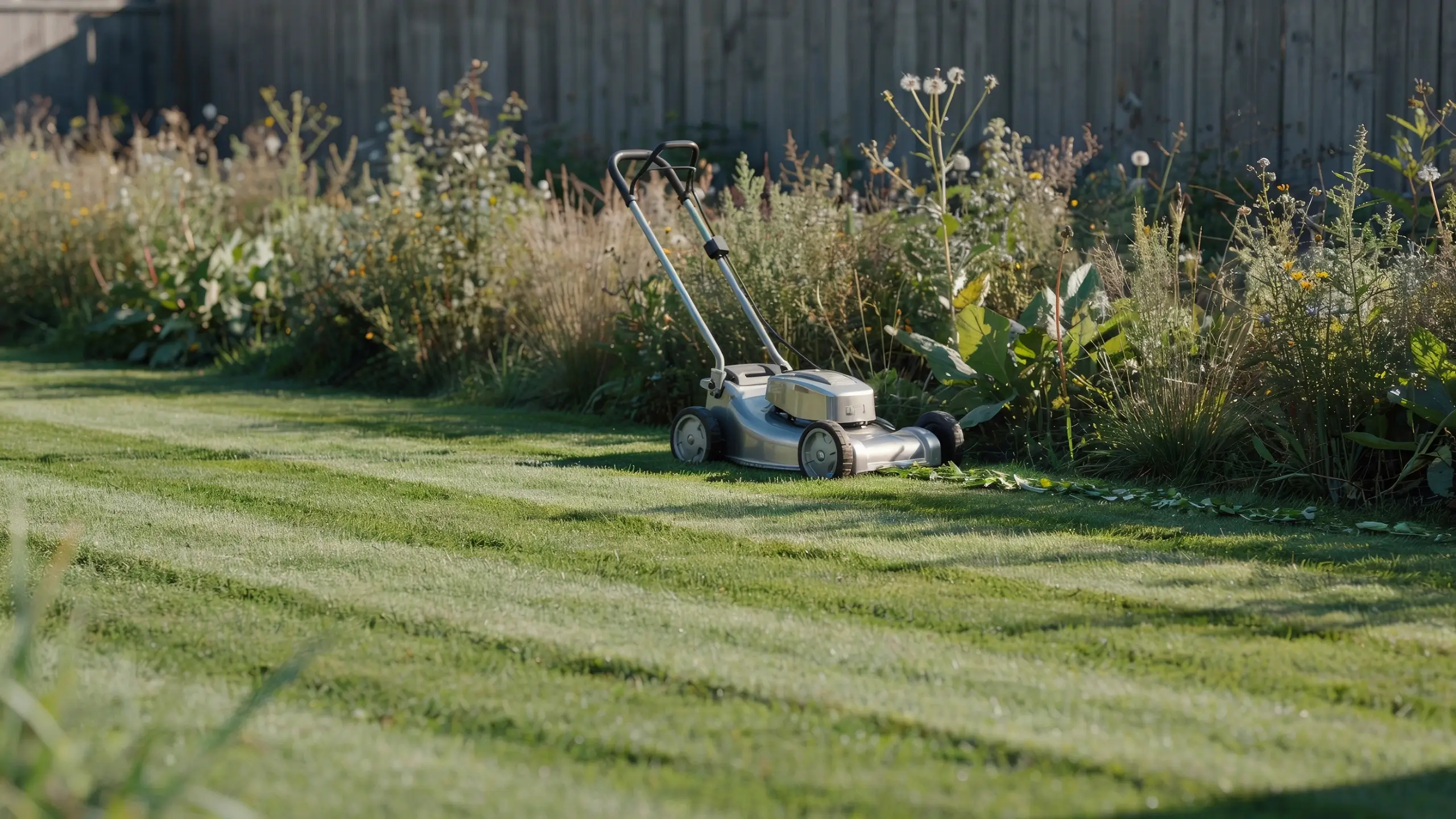
Adult mosquitoes hide in tall grass, dense weeds, and shady vegetation during the heat of the day. They tuck themselves under leaves, in overgrown borders, and along fence lines where it’s cool and damp. Keeping your grass under two inches during peak mosquito season removes a huge amount of their shelter.
This doesn’t mean your yard needs to look like a golf course. It just means staying on top of mowing during June, July, and August, and trimming back any shrubs or hedges that have gotten dense and bushy. The inside of an overgrown hedge is basically a mosquito hotel.
Rake Up Clippings and Leaf Debris
Piles of grass clippings and wet leaves hold moisture and create the cool, dark, damp environment mosquitoes love. After mowing, bag or compost clippings rather than leaving them in rows across the lawn. Clear out any accumulated leaf debris from the edges of your yard, especially in shaded corners near fences.
Rethink Your Mulch

If you have thick layers of bark mulch in garden beds, especially in shaded areas, they hold moisture well past rainstorms. That lingering dampness makes those beds attractive resting spots. You don’t have to rip everything out, but swapping traditional bark mulch for cedar chips in problem areas is worth considering. Cedarcide and similar cedar-based landscape products have natural oils that are mildly repellent to insects, and cedar chips dry out much faster than standard hardwood mulch.
Use Hardscaping Strategically
Stone pathways, gravel beds, and patio pavers dry out quickly after rain. If you have soggy, shaded corners of the yard that mosquitoes seem to love, adding a gravel bed or raised planter can transform that area. Hard surfaces don’t stay damp, and damp ground is where adult mosquitoes rest during the day.
Layer Three: Add Active Repellent Power
Once you’ve removed breeding sites and shelter, the third layer is adding things to your yard that actively repel mosquitoes or reduce their ability to reach you.
Plant a Mosquito-Repellent Border Around Seating Areas

Certain plants contain natural oils that mosquitoes find unpleasant. The key thing most articles miss is that for these plants to actually work, they need to be close to where people sit, and ideally you should brush or crush the leaves occasionally to release those oils into the air.
Plants that genuinely pull their weight:
Lavender is one of the best all-around choices. It’s beautiful, drought-tolerant once established, perennial in most zones, and its fragrance is strong enough to confuse mosquitoes’ ability to locate you. Line the edges of a patio with lavender in pots or plant it as a low border in a sunny bed nearby.
Citronella grass (not to be confused with citronella candles, which contain a diluted version of the same compounds) is the real deal. It’s a tall, lemon-scented grass that grows dramatically and works beautifully in large pots flanking a seating area. It’s not cold-hardy, so treat it as an annual unless you’re in Zone 9 or above.
Lemon balm grows like a weed in a good way. Tuck it into containers near doorways and seating areas. Pinch the leaves as you walk by and the fragrance floods the air.
Rosemary is a workhorse in any mosquito-deterrent garden. The woody, herbal scent is pleasant to people and drives mosquitoes away. It also works in containers, pruned into small topiaries, and as a low hedge along a walkway.
Marigolds contain pyrethrum, a compound that’s the base of many natural insecticides. They’re cheerful, cheap, and effective when planted along borders. Go for the French marigold variety for the strongest scent.
Catnip has actually tested more effective than DEET in some laboratory studies, thanks to a compound called nepetalactone. The trade-off is that it will absolutely attract every neighborhood cat. Plant it in containers to keep it contained and away from garden beds you don’t want dug up.
Basil is one of the few edible herbs that does double duty as a genuine pest deterrent. Any type works. Keep it in pots on the table while you eat outside, run your fingers over it periodically to release the scent, and then use it in the kitchen afterward.
The important thing: group multiple varieties together in one large planter near your seating area for a stronger combined effect. One lonely lavender plant in the corner of the yard won’t do much. A cluster of lavender, lemon balm, and rosemary right next to your chairs? That’s a different story.
Set Up Outdoor Fans

This one is underused and wildly effective. Mosquitoes are genuinely weak fliers. A 1-2 mph breeze is enough to disrupt their flight pattern and prevent them from landing on you. A box fan or oscillating pedestal fan aimed at your seating area does two things at once: it physically blows mosquitoes away, and it disperses the carbon dioxide you exhale, which is the primary signal mosquitoes use to find you.
On a calm summer evening, a good outdoor fan is honestly more effective than most candles or sprays at keeping the biting down right around where you’re sitting.
Use Citronella Strategically
Citronella candles and tiki torches do work, within a small radius, in still air. The mistake people make is placing one candle on a table and expecting it to protect the whole yard. For effective coverage, you need multiple candles positioned at the perimeter of your seating area, not just in the center. Cluster three or four around the edges. Burn them before guests arrive to build up some ambient scent rather than lighting them when everyone’s already sitting down.
DIY Garlic Yard Spray

Garlic spray is a legitimate and very cheap way to treat vegetation around your yard. The sulfur compounds that give garlic its strong smell linger on plant leaves and shrubs for several days and make the area less attractive to mosquitoes as a resting spot.
To make it: crush six to eight garlic cloves and let them steep in a quart of water overnight. Strain the liquid, pour it into a spray bottle or a small garden sprayer, and apply it to the undersides of leaves, along your fence line, under deck railings, and around the shrubs bordering your yard. Reapply every few days or after rain.
It sounds intense, but the smell fades quickly once it dries. You won’t notice it when you’re sitting outside, but the mosquitoes will.
Build a Mosquito-Repellent Garden Zone

If you really want to take this seriously, dedicate a container garden cluster near your favorite outdoor spot specifically to mosquito-deterring plants. A large galvanized tub or a trio of terracotta pots filled with lavender, basil, citronella grass, and rosemary looks stunning, photographs beautifully for the porch, and does real work keeping bugs at bay.
Here’s a container combination that works well visually and practically:
- One large pot of citronella grass as the centerpiece (it grows tall and dramatic)
- Medium pots of rosemary on either side, shaped into a soft mound
- Smaller pots of basil and lemon balm tucked at the base or on the table itself
- Marigolds planted around the base in the ground or in a wide shallow planter nearby for color
This setup works equally well on an apartment balcony, a back deck, or a patio corner. If you’re renting and can’t do anything permanent, this whole system is container-based and completely removable.
The Weekly Summer Routine
This takes about 15 minutes on a weekend morning and makes a noticeable difference by mid-June.
Every week:
- Walk the property and dump, flip, or drain anything holding water
- Scrub and refill birdbaths with fresh water
- Check plant saucers and empty any standing water
- Mow if grass is over two inches
Every 30 days:
- Replace or replenish mosquito dunks in rain barrels, ponds, or any treated standing water
- Apply garlic spray to vegetation perimeters if mosquito pressure is high
- Check gutters, especially after a heavy rain season
Start of the season (May):
- Add mosquito dunks to all standing water features before the first batch of eggs hatches
- Set up your container plant garden near your seating area
- Swap out standard mulch for cedar in any problem shaded beds
- Clean out gutters from any winter debris
Getting ahead of the problem by a couple of weeks in spring makes the whole summer dramatically easier.
Mistakes That Make Mosquitoes Worse

Relying only on bug zappers. Most electric zappers attract and kill moths and beetles, not mosquitoes. Mosquitoes find you by sensing carbon dioxide and body heat, not UV light. A zapper might kill every moth in your yard while your mosquito population thrives untouched.
Planting repellent plants too far from where you sit. A row of lavender on the far side of the fence is basically decorative in terms of mosquito control. These plants need to be within a few feet of people to have any real effect on the immediate microenvironment.
Doing one treatment and calling it done. Mosquito control requires consistency all summer, not one big push in June. New eggs hatch every week throughout the warm months. The weekly routine matters more than any single product or effort.
Missing the obvious water. People empty buckets and ignore the gutters. Or they check the birdbath and forget the plastic saucer under the geranium pot they moved behind the shed. The hiding spots are where they get you. Look at every surface that could cup even a small amount of water after rain.
Burning citronella in the wind. If there’s a breeze, the scent from candles disperses too quickly to create a protective zone. On breezy evenings, skip the candles and use the fans instead.
Personal Protection on Top of Yard Control

Even in a well-managed yard, a few mosquitoes will always find their way in. Personal repellent adds the final layer of protection.
EPA-registered repellents containing DEET (up to 30% for all-day use), picaridin, or IR3535 are the most reliably effective options. For those who prefer to avoid those, oil of lemon eucalyptus has solid research behind it as a natural alternative and is the only plant-based option EPA-registered for use against mosquito-borne diseases.
For clothing, treating your outdoor wear with a 0.5% permethrin spray before summer activities is one of the most underused tricks out there. Permethrin bonds to fabric fibers, is odorless after drying, and remains effective through multiple washes. You apply it to clothes, shoes, and gear (not directly to skin), let it dry completely, and then you have a treated garment that mosquitoes actively avoid landing on. The CDC recommends it, and it’s sold at sporting goods stores and online under several brand names.
Light-colored clothing is also worth considering. Mosquitoes are drawn to dark colors, particularly in low light, so switching to lighter shades for evening outdoor time actually does make a difference.
When to Call a Professional
If you’ve done all of this and your yard is still unbearable, there are a few scenarios where professional help makes sense. Properties adjacent to natural wetlands, drainage ditches, or large bodies of water are fighting a constant influx of adult mosquitoes from outside the property, which makes source elimination less effective on its own. A professional barrier treatment, typically a residual insecticide misted onto shaded vegetation, fences, and resting areas, can dramatically reduce the adult population and lasts three to four weeks per application. Most pest control companies offer seasonal mosquito packages at around $75-$120 per visit for average-sized lots, with bundled discounts for the full summer.
If you go this route, ask specifically what product they use, how it affects pollinators, and whether to keep pets inside during application. A reputable company will have clear answers to all three.
A Backyard You Can Actually Enjoy All Summer

Keeping mosquitoes out of your yard all summer isn’t about finding the one magic product. It’s about removing the conditions that let them thrive: the standing water, the overgrown hiding spots, the untreated birdbath. When you add repellent plants, outdoor fans, and a simple weekly routine on top of that, the difference is real and it’s lasting.
Start with the standing water audit this weekend. That single step alone will make more difference than any candle, spray, or trap you could buy. The rest builds from there.
Have a tip that’s worked in your yard? Drop it in the comments below. I’d especially love to hear from anyone who’s tried the garlic spray or the mosquito dunks for the first time.






No Comment! Be the first one.